

28 April 2024
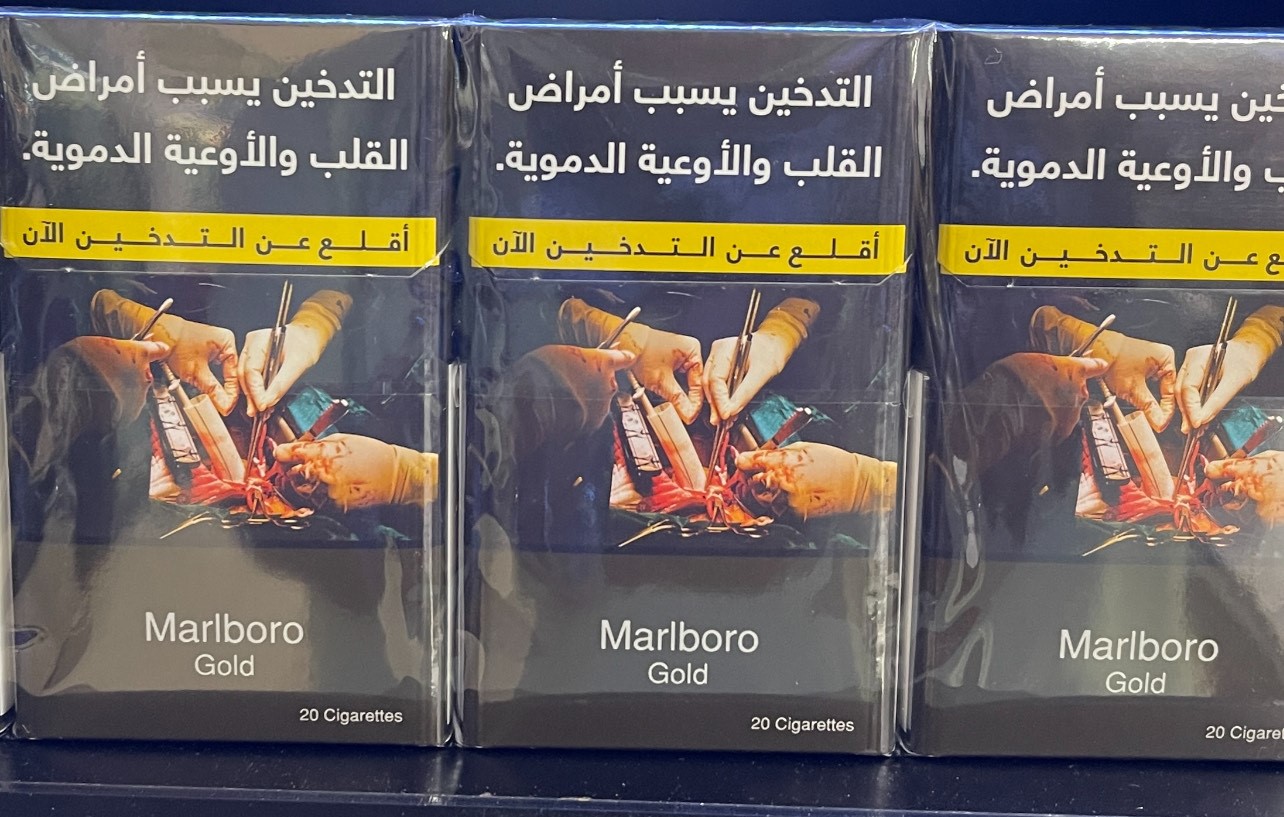
: A glimpse of the first cigarettes with plain packaging entering the market in Oman. April 2024. : Ministry of Health Oman 29 April 2024 | Oman has rolled out plain packaging for tobacco products, a pioneering move in tobacco control. It is only the second country in the Eastern Mediterranean Region,...
11 June 2023
Context Qatar took the lead among countries of the Gulf Cooperation Council and the WHO Eastern Mediterranean Region by ratifying the WHO Framework Convention on Tobacco Control (FCTC) on 23 July 2004. In line with Article 12 of the WHO FCTC, the Ministry of Public Health in Qatar has initiated multiple...
11 June 2023
Context Qatar took the lead among the countries of the Gulf Cooperation Council and the WHO Eastern Mediterranean Region by ratifying the WHO Framework Convention on Tobacco Control (FCTC) on 23 July 2004. Two years prior, Qatar introduced its first comprehensive tobacco control law, Law No. 20 of 2002. This law...
11 June 2023
Context Qatar took the lead among the countries of the Gulf Cooperation Council and the WHO Eastern Mediterranean Region by ratifying the WHO Framework Convention on Tobacco Control (FCTC) on 23 July 2004. Two years prior, Qatar introduced its first tobacco control law, Law No. 20 of 2002. This law served...
11 June 2023
Context Qatar became the first country among the countries of the Gulf Cooperation Council and within the WHO Eastern Mediterranean Region to ratify the WHO Framework Convention on Tobacco Control (FCTC) on 23 July 2004. Prior to 2000, only a few indicators related to tobacco use, primarily focusing on consumption, were...
11 June 2023
Context Qatar became the first country of both the Gulf Cooperation Council and the WHO Eastern Mediterranean Region to ratify the WHO Framework Convention on Tobacco Control (WHO FCTC) on 23 July 2004. Preceding this, Qatar had already enacted its initial tobacco control law, Law No. 20 of 2002. This legislation...
10 June 2023
Context Kuwait ratified the WHO Framework Convention on Tobacco Control (FCTC) on 12 May 2006, demonstrating its commitment to tobacco control. In line with its obligations under the WHO FCTC, Kuwait also signed the Protocol to Eliminate Illicit Trade in Tobacco Products in 2012. However, the process of ratification for this...
10 June 2023

Context Kuwait ratified the WHO Framework Convention on Tobacco Control (FCTC) on 12 May 2006 and as part of its national tobacco control strategy, it adopted a significant policy of providing assistance to nicotine dependents in quitting smoking. Demonstrating leadership in the Region, Kuwait became the first country to establish cessation...
10 June 2023
Context On 12 May 2006, Kuwait ratified the WHO Framework Convention on Tobacco Control. To gather information on tobacco use within the country, national surveys were conducted in line with Article 20 of the WHO FCTC. By 2007, Kuwait became one of the first three countries in the Region to achieve...
07 June 2023
Context In 2005, Saudi Arabia ratified the WHO Framework Convention on Tobacco Control (FCTC). By 2010, approximately 15% of adolescents reported being current tobacco users. However, health care providers faced significant challenges in assessing and treating smokers due to various barriers. It was crucial to tackle the lack of knowledge and...
07 June 2023
Context Saudi Arabia ratified the WHO Framework Convention on Tobacco Control (FCTC) on 9 May 2005. The country took early action in combating illegal trade by establishing a committee to examine illicit trade in tobacco products, as directed by a decision from the Cabinet in 2009. In 2012, the Conference of...
06 June 2023
Context Saudi Arabia ratified the WHO Framework Convention on Tobacco Control (FCTC) on 9 May 2005. In an effort to restrict tobacco advertising, promotion and sponsorship, the country has implemented various regulations. However, certain areas remained unaddressed, including the promotion and advertising of tobacco products on national and international television, radio,...
04 June 2023
Context Oman became a Party to the WHO Framework Convention on Tobacco Control (FCTC) in 2005, the second country of the Gulf Cooperation Council and 5th in the WHO Eastern Mediterranean Region to do so. Until 2013, collaboration among the National Tobacco Control Committee, including the Ministry of Information, Ministry of...
04 June 2023
Context The initial ban on smoking in public places in Lebanon was declared in 1993, but inadequate enforcement and political events led to high smoking rates. The involvement of the tobacco industry in governmental decisions further hindered the development of a national policy. In 1998, the Ministry of Public Health established...
04 June 2023
Context The Egyptian Law, specifically Law 1981/52, mandated the inclusion of textual health warnings on all tobacco products, whether locally produced or imported, as early as 1981. This significant development was the result of a prolonged battle led by the health committee of the parliament, spearheaded by a dedicated cardiologist. Violations...
04 June 2023
Context In the late seventies, there was widespread exposure to second-hand smoke in Egypt, leading to increased disability and premature death related to smoking. Urgent action was required to control the smoking epidemic through legislative measures. Egypt implemented various initiatives in three phases of legislation development and adoption in 1981, 1993...
01 June 2023

Context The Islamic Republic of Iran became a signatory to the WHO Framework Convention on Tobacco Control (FCTC) on 6 November 2005. In line with this commitment, Iran implemented the Comprehensive Act on National Control and Campaign against Tobacco in 2006, accompanied by the Executive Bylaw of the Act in 2007....
01 June 2023
Context Iraq became a Party to the WHO Framework Convention on Tobacco Control (FCTC) on 17 March 2008. In line with Article 12 of the WHO FCTC, a tobacco control law was introduced in 2012, with a primary focus on promoting public health awareness about the dangers associated with tobacco use....
30 May 2023
Context In 2008, Iraq ratified the WHO Framework Convention on Tobacco Control (FCTC) as a measure to address the widespread use of tobacco within its population. Subsequently, in 2012, the government introduced a tobacco control act aimed at reducing tobacco consumption. However, despite these efforts, there was a lack of effective...
30 May 2023

Context Jordan became the second country in the WHO Eastern Mediterranean Region to ratify the WHO Framework Convention on Tobacco Control (FCTC) on 19 August 2004. However, despite enacting a tobacco control law in 1977, followed by Law No. 47 in 2008 (amended in 2017), the prevalence of tobacco use among...
28 May 2023
Context Egypt ratified the WHO Framework Convention on Tobacco Control (FCTC) on 25 February 2005. However, Egypt had already initiated national surveys as early as 2000, as part of the Global Tobacco Surveillance System, to assess the prevalence of tobacco use at a national level and develop suitable interventions. In 2007,...
28 May 2023
Context Bahrain ratified the WHO Framework Convention on Tobacco Control (FCTC) on 20 March 2007. To enhance tobacco control efforts, the issuance of Royal Decree No. 8 of 2009 played a pivotal role as the first comprehensive tobacco control law in the Kingdom. In line with Article 11 of the WHO FCTC,...
28 May 2023
Context Bahrain became a party to the WHO Framework Convention on Tobacco Control (FCTC) on 20 March 2007. The passing of Royal Decree No. 8 of 2009 marked a significant step forward in tobacco control efforts in the country, introducing the first comprehensive tobacco control law in the Kingdom. In line...
27 May 2023
Context In 2007, Afghanistan introduced its first legislation aimed at protecting individuals from tobacco smoke. However, this initial legislation had certain limitations. Article 4 did not encompass all public spaces, including government facilities, indoor private offices and workplaces, restaurants and cafes, and public transportation. Furthermore, it did not establish penalties for...
27 May 2023
Context In 2007, Afghanistan implemented its initial legislation to address tobacco advertising and promotion. According to Article 16 of the Afghan Advertisement Procedure, all forms of tobacco product promotion, advertisement and other harmful products were fully prohibited on national TV, radio and magazines. However, this legislation did not extend to other...
03 November 2022
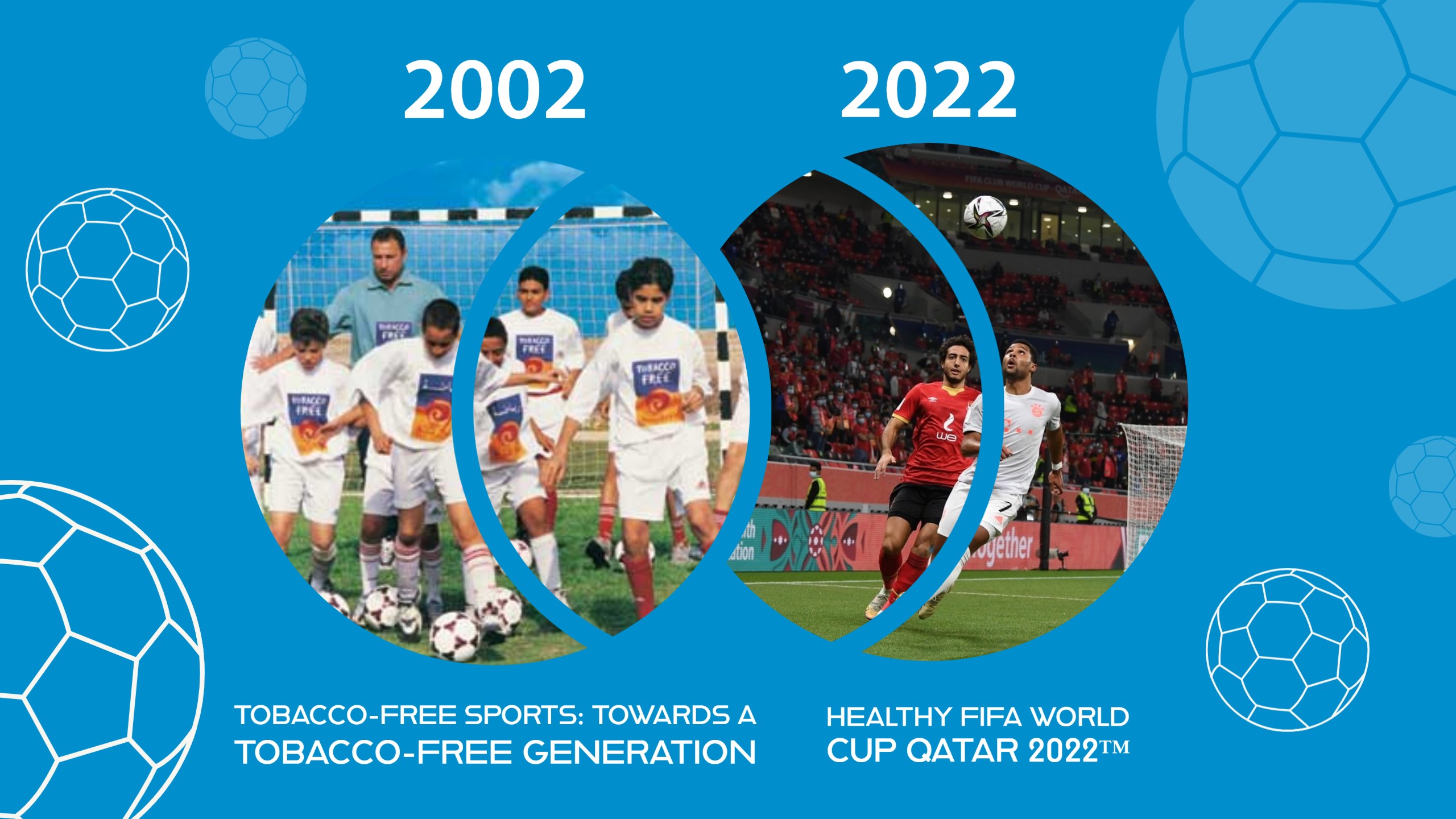
3 November 2022 | In 2002, the WHO Regional Office for the Eastern Mediterranean teamed up with former footballer Mahmoud El Khatib from Egypt and former cricketer Imran Khan from Pakistan on the Tobacco-free sports: Towards a tobacco-free generation campaign. The key messages of this campaign were: Tobacco and sports do...
16 October 2022

12 October 2022 | Cairo – Vaping is a gateway to smoking. Data show that people who vape are five times more likely to become regular cigarette smokers, a habit that claims a life every four seconds. The tobacco industry is using new strategies to fuel its multi-billion-dollar turnover. It is...
31 May 2022
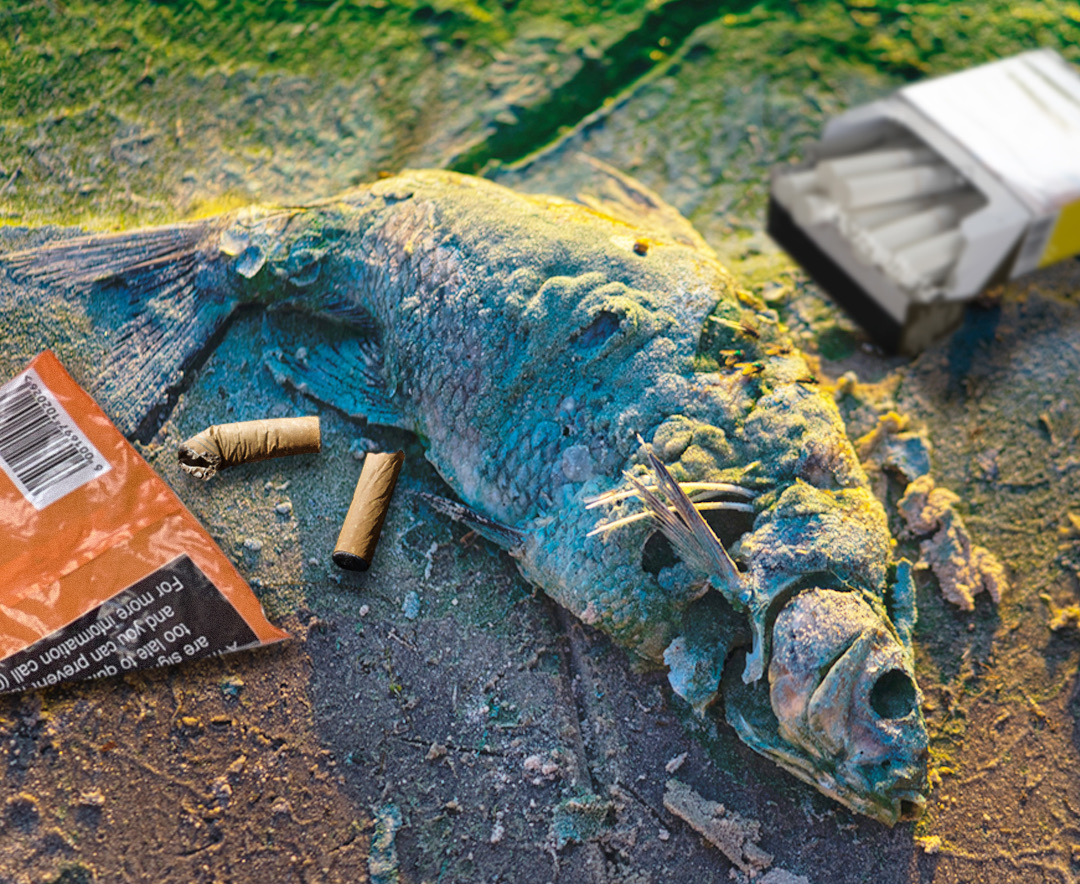
WHO and UNEP work jointly to put an end to tobacco’s harmful impact on our environment 31 May 2022 | On this World No Tobacco Day, the World Health Organization (WHO) Regional Office for the Eastern Mediterranean and United Nations Environment Programme (UNEP) are calling on governments and individuals to put...
21 February 2022
Increased action needed to better implement Article 5.3 of the WHO FCTC and its guidelines to stop tobacco industry interference and reduce tobacco use 21 February 2022 | The tobacco industry exploited the COVID-19 pandemic to expand its market for cigarettes as well as new tobacco and nicotine products. A new...
17 November 2021
17 November 2021 | WHO’s latest report on trends in prevalence of tobacco use 2000-2025, fourth edition shows that there are 1.30 billion tobacco users globally compared to 1.32 billion in 2015. This number is expected to drop to 1.27 billion by 2025. Sixty countries are now on track to...
01 November 2021

1 November 2021 | Today, the World Health Organization (WHO) launches the Arabic version of Florence, a 24/7 digital health worker to help more people quit tobacco, in the Eastern Mediterranean Region and beyond. After a short conversation with you via video, audio or text, Florence can help you build...
17 December 2020
Introduction In response to the COVID-19 pandemic, Syria’s Ministry of Health is ramping up health awareness activities during this critical period. The Ministry is focusing on banning waterpipes, creating national awareness through mass media and providing smoking cessation services. Ban on waterpipes in public places With the onset of the pandemic in March,...
22 October 2020
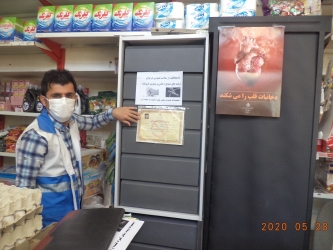
Introduction Iran’s Ministry of Health and Medical Education is ramping up health awareness activities during the critical period of the COVID-19 pandemic. It is well-established that COVID-19 selects its victims from among individuals with pre-existing conditions, particularly those caused by tobacco use. Furthermore, evidence indicates that smoking waterpipes plays the role...
13 September 2020
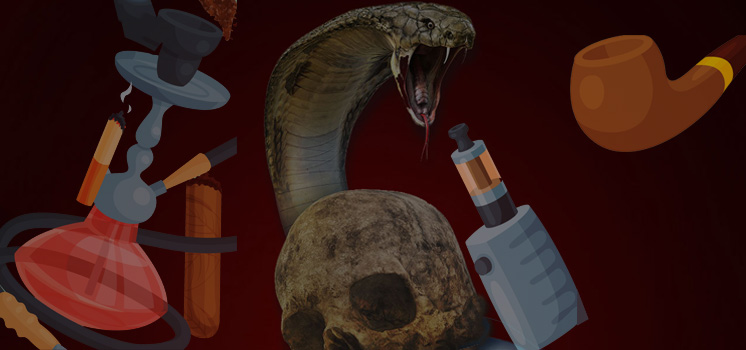
Putting tobacco control on hold while the world grapples with the COVID-19 pandemic is counterproductive. » Introduction and background » Tobacco and COVID-19: what’s the evidence? » The tobacco industry during the COVID-19 pandemic» Tobacco control policy actions during the time of COVID-19 » Priority policy actions » References Introduction and background The COVID-19...
07 September 2020
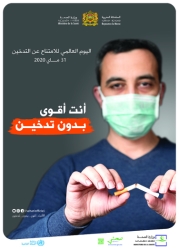
Introduction Morocco’s Ministry of Health is ramping up health awareness activities during the critical period of the COVID-19 pandemic. The Ministry is focusing on bringing together healthcare experts and stakeholders to combat COVID-19 and creating national awareness through mass and social media. Bringing together healthcare experts and stakeholders to combat tobacco use...
24 August 2020
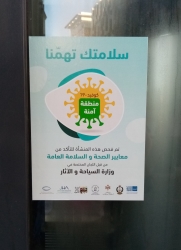
Introduction The Jordanian National Epidemics Committee and Ministry of Health are leading the efforts to respond to the COVID-19 pandemic. Jordan’s Ministry of Health is focusing on three main areas within tobacco control: enforcing a ban on waterpipe use in public places, adapting smoking cessation services and establishing partnerships to provide...
24 August 2020
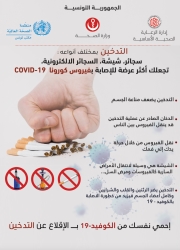
Tunisia’s Ministry of Health is ramping up health awareness activities in response to the COVID-19 pandemic. The Ministry is focusing on two main areas within tobacco control: enforcing a ban on waterpipe use in public places and a national awareness campaign. Ban on waterpipes in public places Following a recommendation by the...
30 July 2020
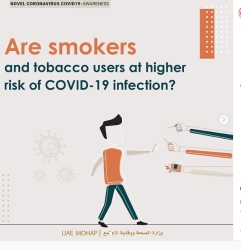
Introduction UAE’s Ministry of Health and Prevention is focusing on three main areas within tobacco control during the COVID-19 pandemic: enforcing a ban on waterpipe use in public places, a national awareness campaign and adapting smoking cessation services. Ban on waterpipes in public places On 12 March 2020, municipalities of different Emirates had...
30 July 2020
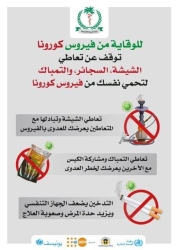
Introduction The Sudan Federal Ministry of Health ramped up health awareness activities in response to the COVID-19 pandemic. The Ministry is focusing on two main areas within tobacco control: a national awareness campaign and enforcing a ban on waterpipe use in public places. Awareness campaign during COVID-19 Sudan’s Federal Ministry of Health, on...
30 July 2020
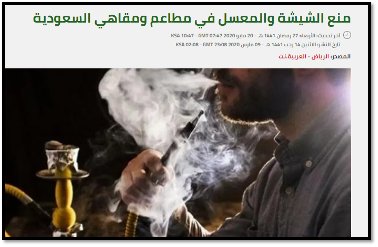
Introduction In response to the COVID-19 pandemic, the Saudi Arabia Ministry of Health set up the COVID-19 Follow-up Committee under the chairmanship of His Excellency Health Minister, Dr. Tawfiq bin Fawzan Al-Rabiah. The Committee formed from a number of governmental entities and bodies, and it oversees all COVID-19 related activities and...
30 July 2020
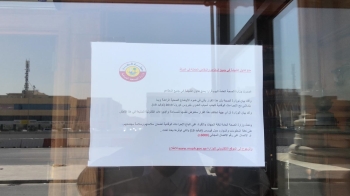
Introduction The State of Qatar set up the Supreme Committee for Crisis Management to respond to the COVID-19 pandemic and the Ministry of Public Health is ramping up health awareness activities during this critical period. Qatar’s Ministry of Public Health is focusing on three main areas within tobacco control: enforcing a...
30 July 2020
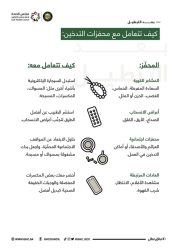
Introduction His Majesty Sultan Haitham bin Tarik, Sultan of Oman appointed a Supreme Committee in response to the COVID-19 pandemic. The Committee is tasked with tackling developments resulting from COVID-19 and ensuring preventive measures are in place to curb the pandemic. The Committee is headed by His Excellency the Minister of...
30 July 2020
Introduction Lebanon’s Ministry of Public Health has intensified its health awareness activities, in response to the COVID-19 pandemic. The Ministry has setup a Crisis Committee Chaired by His Excellency the Minister of Public Health. The Ministry has launched a mobile application to update the public about the latest COVID-19 related information...
30 July 2020
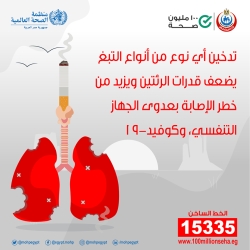
Introduction The Government of Egypt has setup the Higher Committee for Novel Coronavirus Crisis Management in response to the COVID-19 pandemic. The Committee is tasked with following-up on the implementation of precautionary measures to face the COVID-19 pandemic and develop emergency plans to address any situation arising during the crisis. The...
29 July 2020
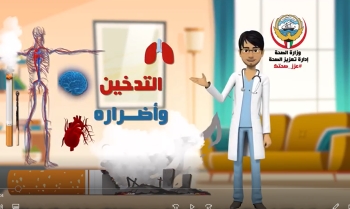
Introduction Kuwait’s Ministry of Health ramped up health awareness activities including tobacco control, in response to the COVID-19 pandemic. The Ministry launched, on 31 March 2020, a national campaign to raise awareness of COVID-19 risks and protection measures. Kuwait’s Ministry of Health is focusing on two main areas in tobacco control:...
29 July 2020
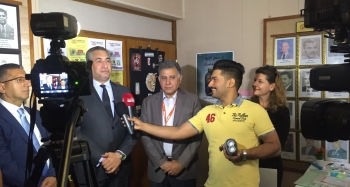
Introduction Iraq’s Government has set up a multisectoral Crisis Committee in response to the COVID-19 pandemic. The Crisis Committee is formed from a number of ministries which collaborate closely to curb the pandemic. Iraq’s Ministry of Health is ramping up health awareness activities during this critical period. The Higher Committee for...
28 July 2020
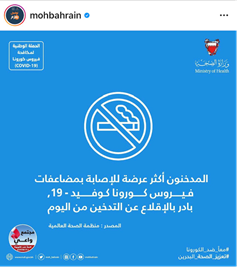
Introduction The Government of Bahrain set up the Executive Committee headed by His Royal Highness Prince Salman bin Hamad Al Khalifa, the Crown Prince, Deputy Supreme Commander and First Deputy Prime Minister in response to the COVID-19 pandemic. The Committee monitors and places measures to prevent the spread of COVID-19. In...
29 January 2019
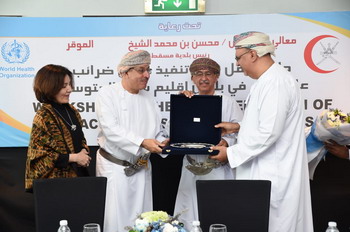
29 January 2019 – WHO selected Dr Jawad Al-Lawati, Senior Consultant at the Ministry of Health in Oman to receive the Regional Director’s Special Award for 2018 at a regional workshop in Oman from 21 to 23 January 2019. The award was handed over to Dr Al-Lawati by H.E. Dr...
17 December 2018
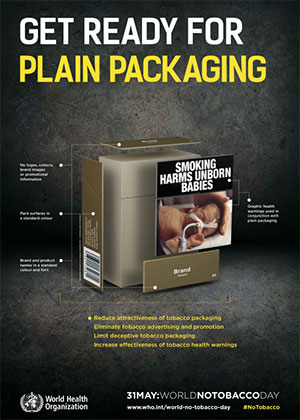
17 December 2018 – The Saudi Food and Drug Authority has informed manufacturers and importers of tobacco products to get ready for applying plain packaging on all forms of tobacco products. This step was done in close collaboration with the WHO Regional Office for the Eastern Mediterranean, and in line...
13 June 2018
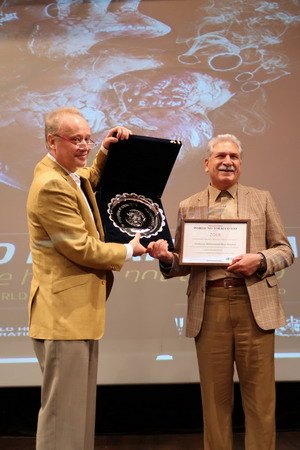
11 June 2018 – WHO selected Professor Mohammad Reza Masjedi Secretary-General of the Iranian Anti-Tobacco Association and Tobacco Control Research as one of six winners of the World No Tobacco Day award for 2018, initiated by Dr Tedros Adhanom Ghebreyesus, WHO Director-General. The award was handed over by Dr Christoph...
24 July 2017
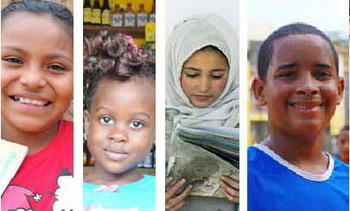
25 July 2017 – Tobacco use is an epidemic that kills more than 7 million people a year worldwide. In the Eastern Mediterranean Region, 38% of men and 4% of women (21% of adults on average) smoke tobacco. In some of our countries, however, the proportion of smokers can be...
23 July 2017
15 July 2017 – Children and young people are regularly exposed to scenes in which celebrities, even those known to be non-smokers, are shown unnecessarily smoking or holding unlit cigarettes or electronic cigarettes, giving the message that they are deliberately promoting tobacco. The World Health Organization (WHO) is calling on...
20 July 2017
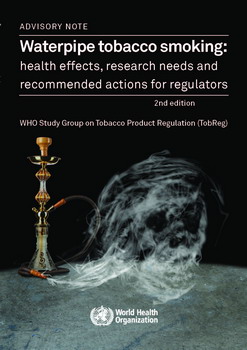
20 July 2017 – Waterpipe tobacco smoking (shisha) is increasing globally, and is especially prevalent in the Eastern Mediterranean Region. Young people are particularly at risk. Smoking rates can reach 42% among boys and 31% among girls in this Region. This includes smoking shisha, which is more popular among young...