Select your language






Tobacco data and trends
Find out all about tobacco in our countries, its uses, types, exposure, beliefs, the desire to quit and more.

World No Tobacco Day
Join our yearly campaign, discover the truth about tobacco’s devastating effects, and tobacco industry tactics.
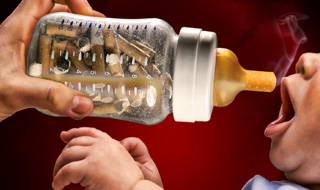
Know the truth
Learn about the rise in tobacco use, including waterpipes, smokeless tobacco and e-cigarettes, among youth and women.
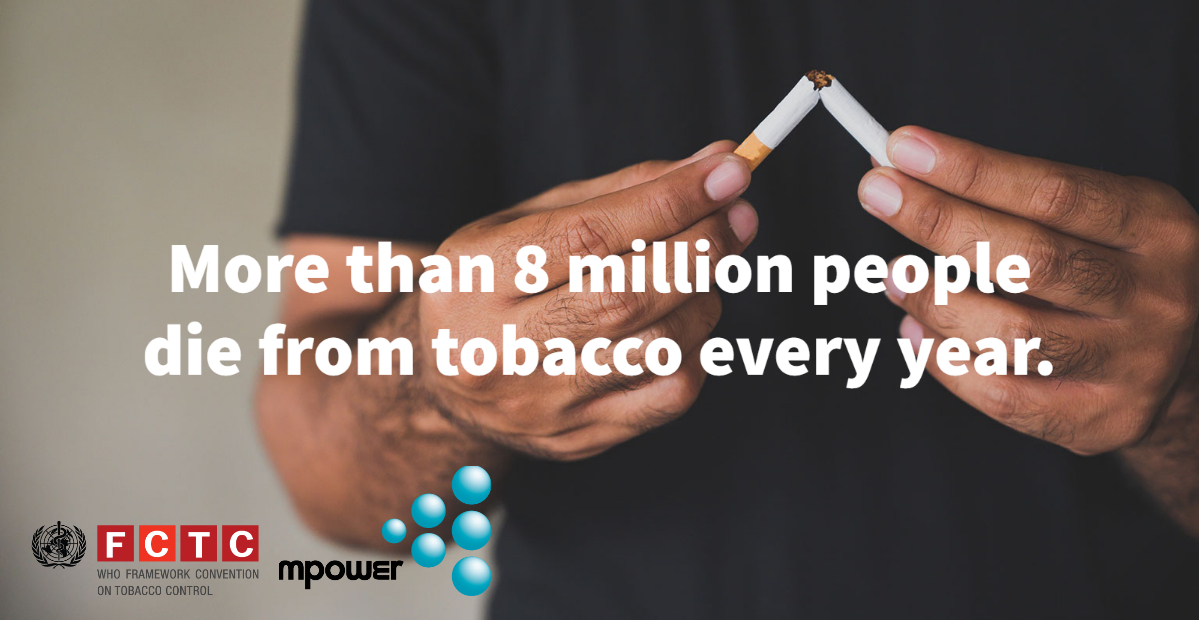
Newsroom
Healthy FIFA World Cup Qatar 2022™
3 November 2022
New and emerging nicotine and tobacco products pose challenges for tobacco control
12 October 2022
All news
WHO FCTC
The WHO Framework Convention on Tobacco Control is the most powerful tool to help countries reduce tobacco demand and supply.
MPOWER measures
In line with the WHO FCTC, MPOWER are 6 cost-effective and high impact measures that help countries reduce demand for tobacco.
What we do
We are a technical programme that provides guidance, information and tools to empower communities and countries to curb tobacco.
Tobacco data and trends
Find out all about tobacco in our countries, its uses, types, exposure, beliefs, the desire to quit and more.

World No Tobacco Day
Join our yearly campaign, discover the truth about tobacco’s devastating effects, and tobacco industry tactics.
Know the truth
Learn about the rise in tobacco use, including waterpipes, smokeless tobacco and e-cigarettes, among youth and women.
Newsroom
Healthy FIFA World Cup Qatar 2022™
3 November 2022
New and emerging nicotine and tobacco products pose challenges for tobacco control
12 October 2022
All news
WHO FCTC
The WHO Framework Convention on Tobacco Control is the most powerful tool to help countries reduce tobacco demand and supply.
MPOWER measures
In line with the WHO FCTC, MPOWER are 6 cost-effective and high impact measures that help countries reduce demand for tobacco.
What we do
We are a technical programme that provides guidance, information and tools to empower communities and countries to curb tobacco.