






Surveillance of NCDs
Surveillance of NCDs is vital for policy and programme development, and reporting on progress to control NCDs. Learn about our approach.

Prevention of NCDs
Controlling the risk factors that lead to NCDs is crucial. Learn about tackling these risk factors and our initiatives to #beatNCDs.
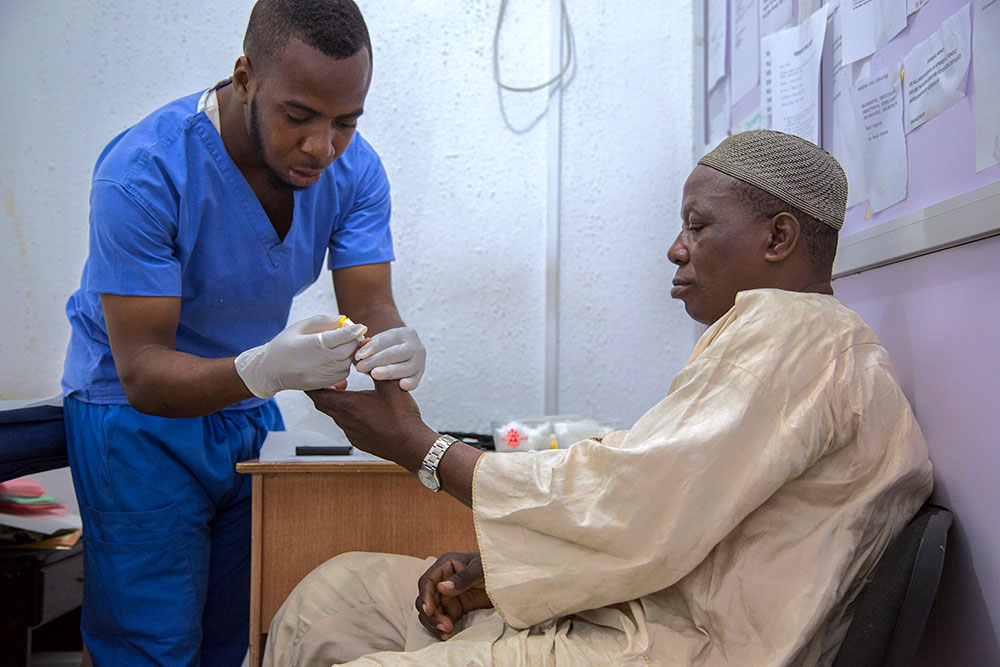
Management of NCDs
Beyond prevention, management of NCDs is critical. Learn about detection, screening and treatment, and our initiatives to #beatNCDs.
Read our publications
Cancer Control: Eastern Mediterranean Region Special Report
Enhancing capacity and use of digital health in the Region

Palliative care
Palliative care is an approach that aims to relieve suffering and improve the quality of life of patients and their families. Find out more.

NCDs in emergencies
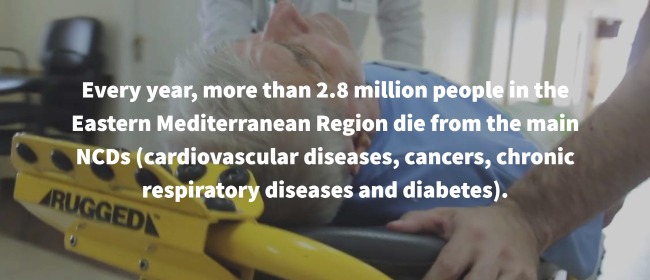
NCDs need constant management, which is challenging but not impossible in emergency settings. Find out how.

Campaigns
Join our campaigns and those of our partners to learn all about NCDs and their risk factors, and help us #beatNCDs.

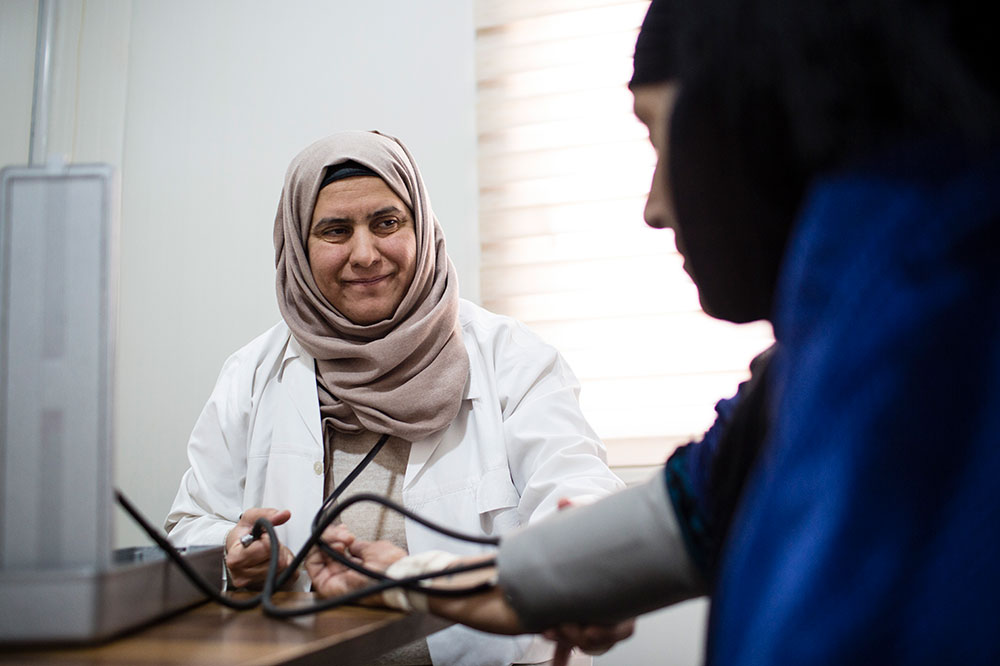
Main NCDs
The main NCDs are: cardiovascular diseases, cancers, chronic respiratory diseases, diabetes and mental disorders.

NCD risk factors
Risk factors for the main NCDs are: tobacco use, unhealthy diets, physical inactivity, harmful use of alcohol and air pollution.

What we do
We aim to reduce premature deaths from NCDs by 30% by 2030 and promote mental health and well-being.