Select your language

Beyond the diagnosis: living with NCDs
Noncommunicable diseases (NCDs), including cardiovascular diseases, diabetes, cancers and chronic respiratory diseases, are the leading cause of premature death in the WHO Eastern Mediterranean Region.
Beyond the diagnosis, a campaign launched by the WHO Regional Office for the Eastern Mediterranean, highlights the human side of living with chronic illness. Focusing on cancer, diabetes, chronic respiratory and cardiovascular diseases, the campaign promotes equity, inclusion and people-centred care, giving a platform and voice to people from across the Region living with these diseases.
It aims to promote equity, inclusion and early detection, while supporting community-driven advocacy across the Region.
The burden of NCDs in the Region
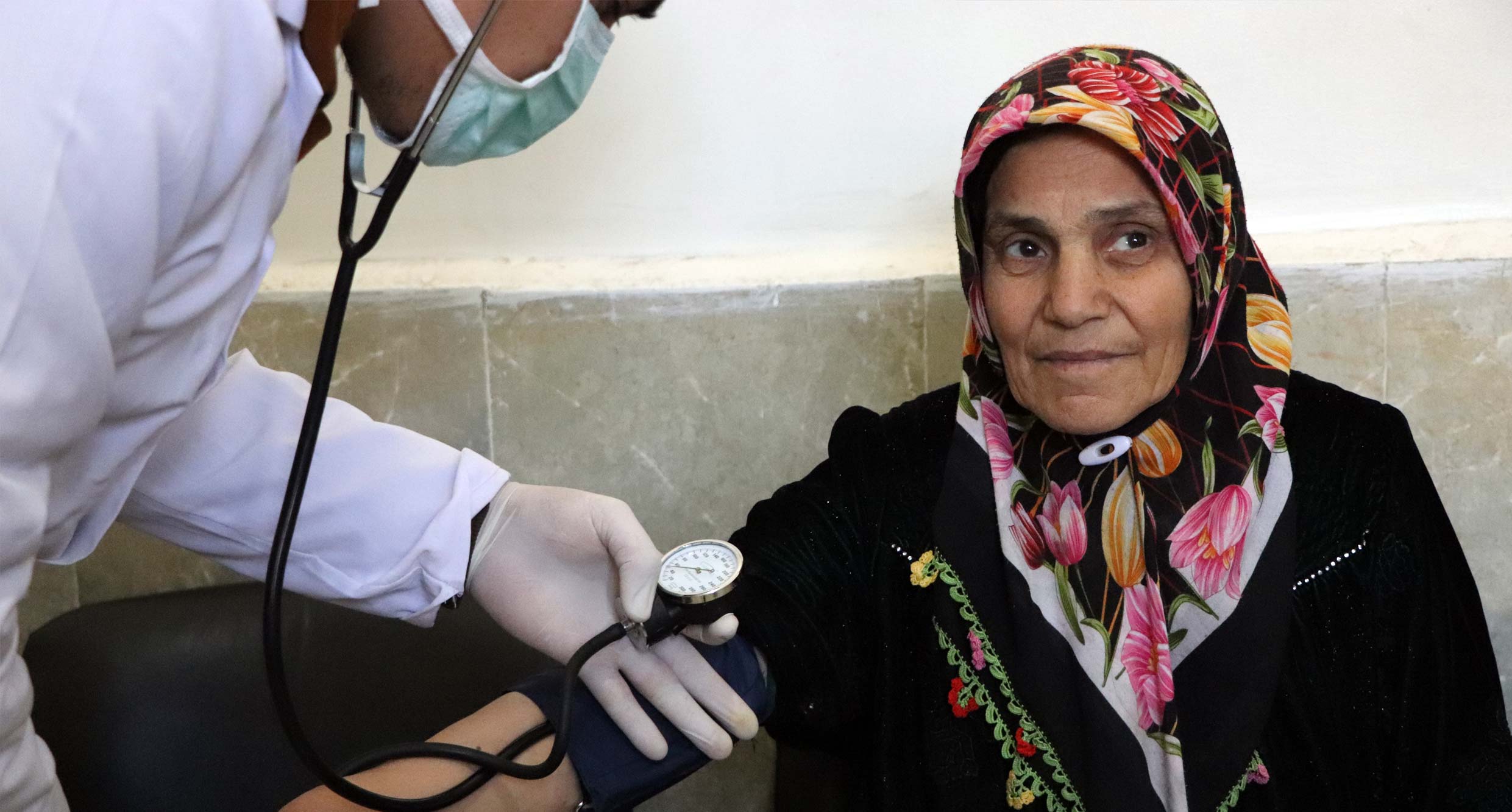
Each year, more than 2.8 million people in the Region die from the 4 major NCDs. The burden is greatest in emergency settings, where complications occur up to 3 times more frequently than in stable contexts.
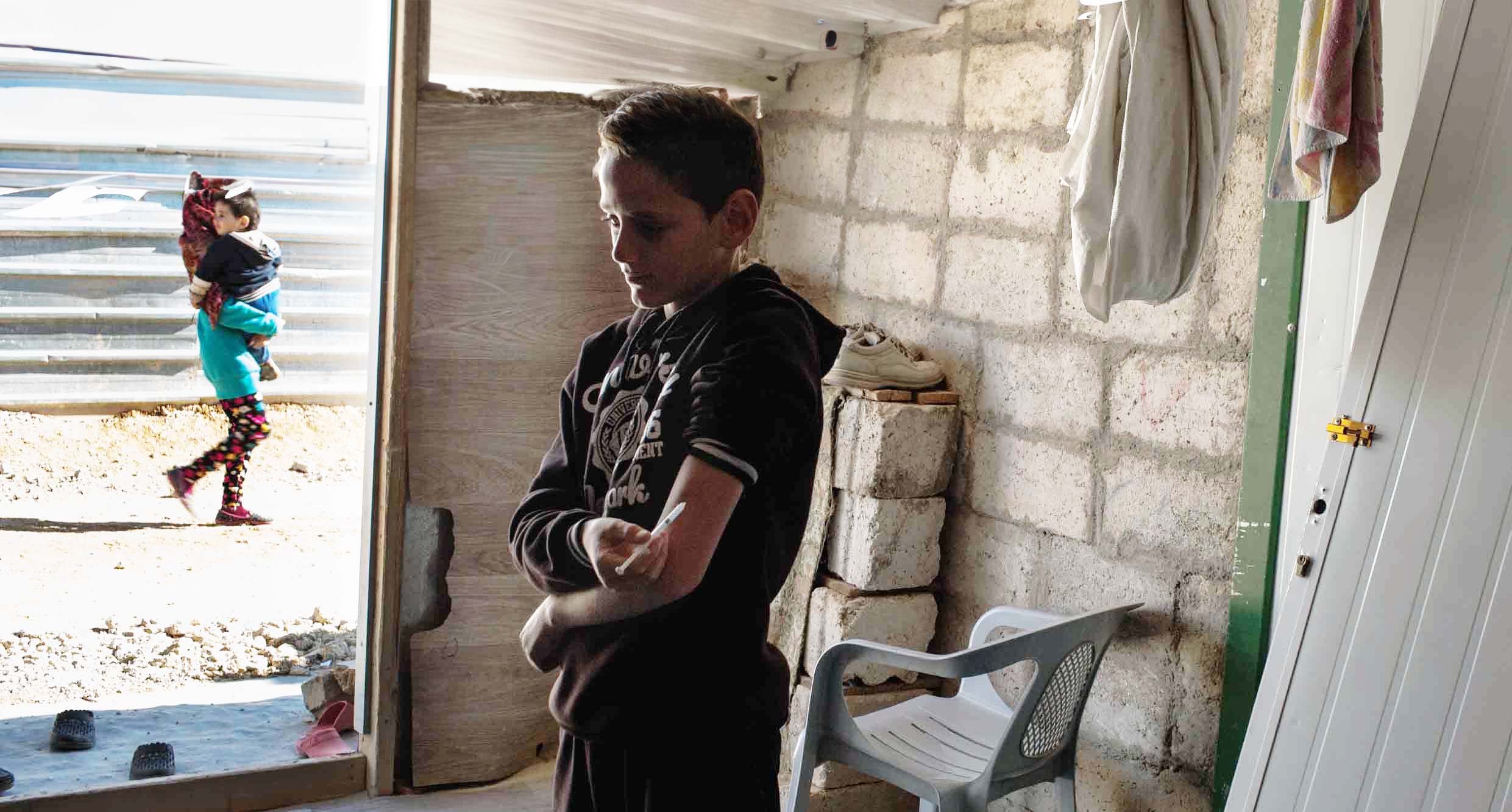
With 22.7% of people at risk of dying before the age of 70, the Region has one of the highest rates of premature mortality from NCDs globally. The burden disproportionately affects low- and middle-income countries, where access to care is limited. Only 36% of countries report having NCD services available at the primary health care level, leaving many people undiagnosed and untreated.
Podcast series | Beyond the diagnosis: living with cancer
The campaign includes a 5-episode podcast series sharing the lived experiences of people affected by cancer.
Episodes explore the emotional and social realities of living with the disease, from the uncertainty of diagnosis to feelings of isolation and the challenges of accessing care, amplifying voices that too often go unheard.
Episodes are in Arabic. Turn on auto-captions in YouTube for English captions. Coming soon..

Side by side

Care is not a luxury

Being seen beyond the disease

Empowerment through knowledge

Fear of the unkown
 Cancer
An estimated 3 in 10 cancer cases are preventable through addressing risk factors such as tobacco use, infections and obesity.
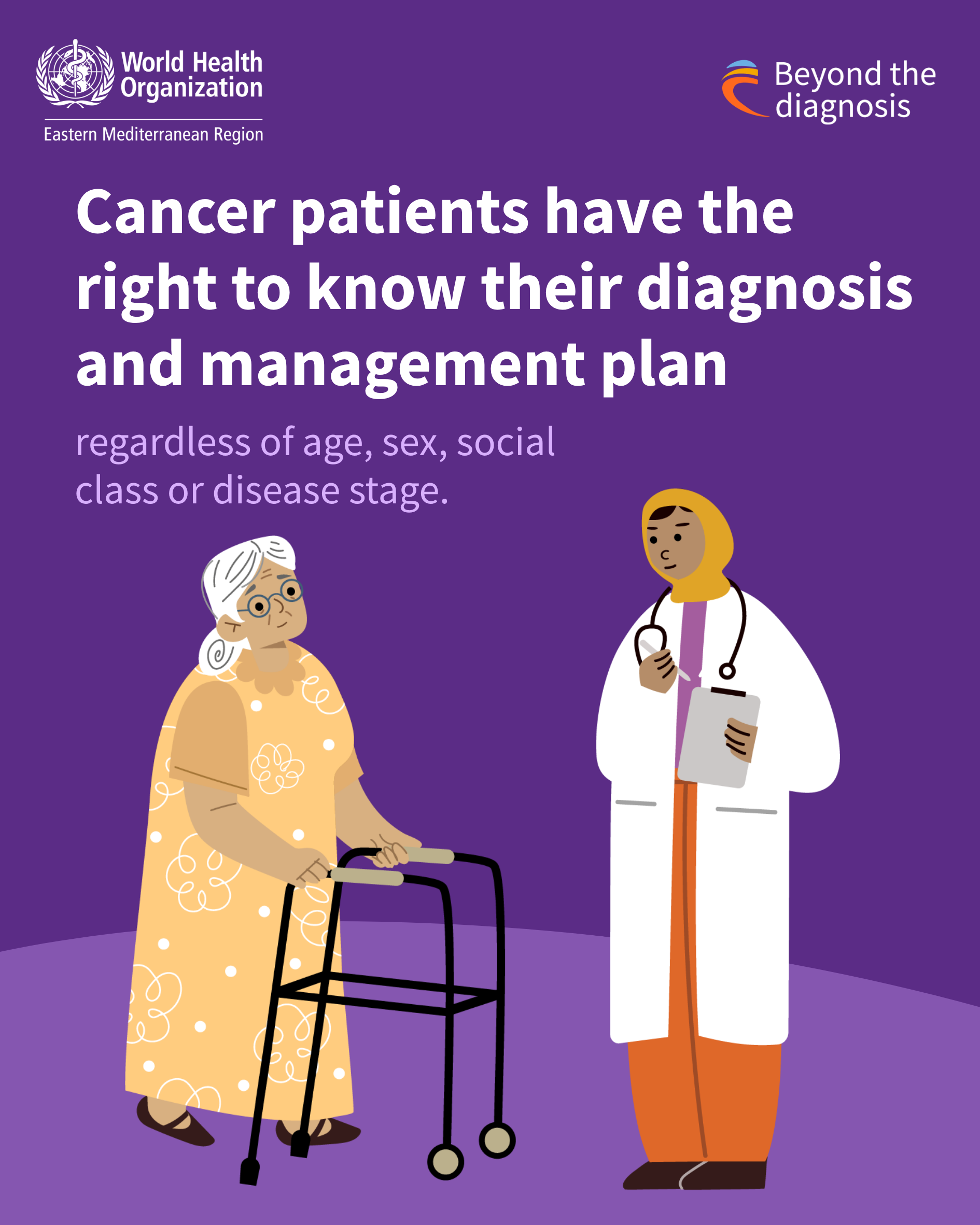
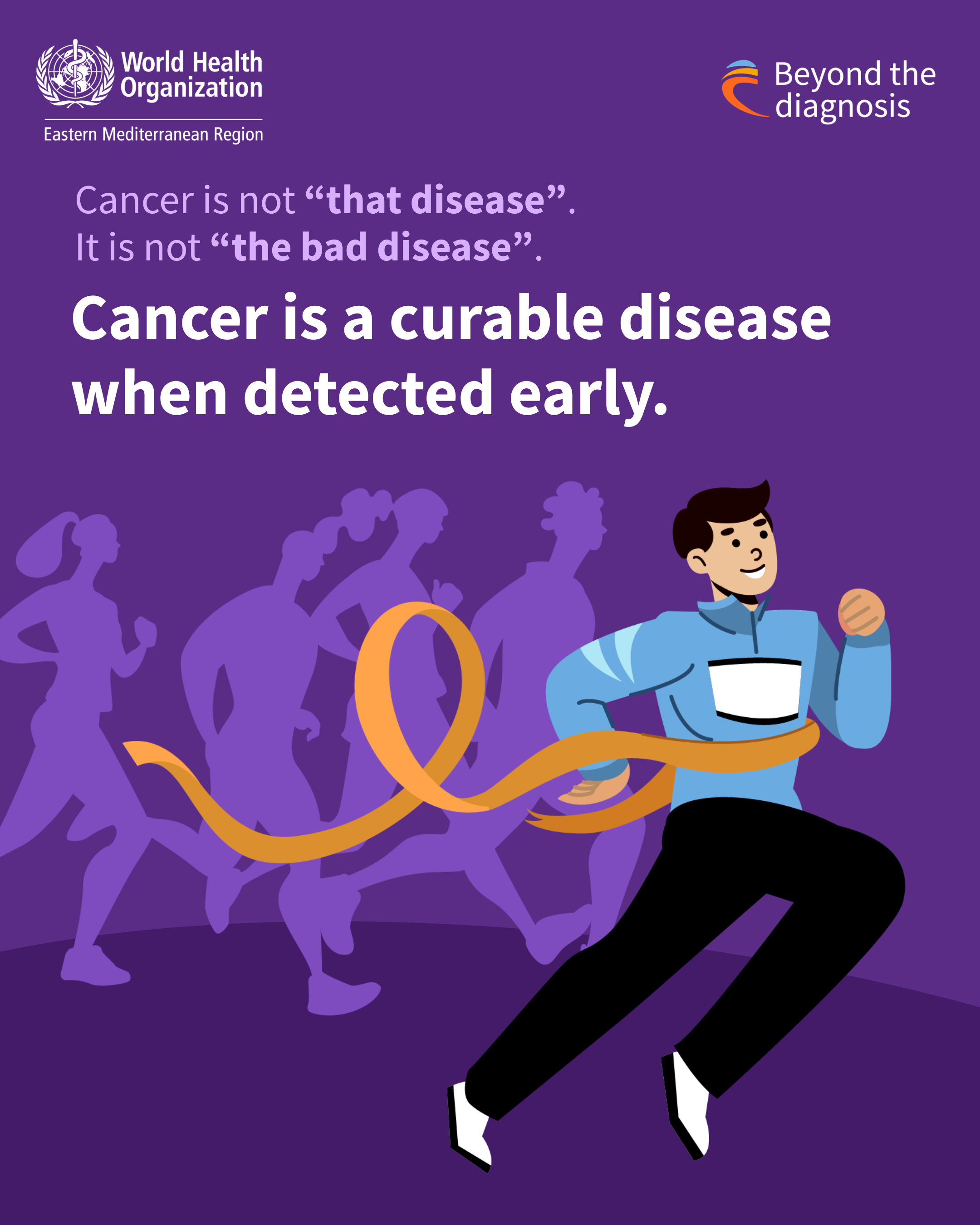
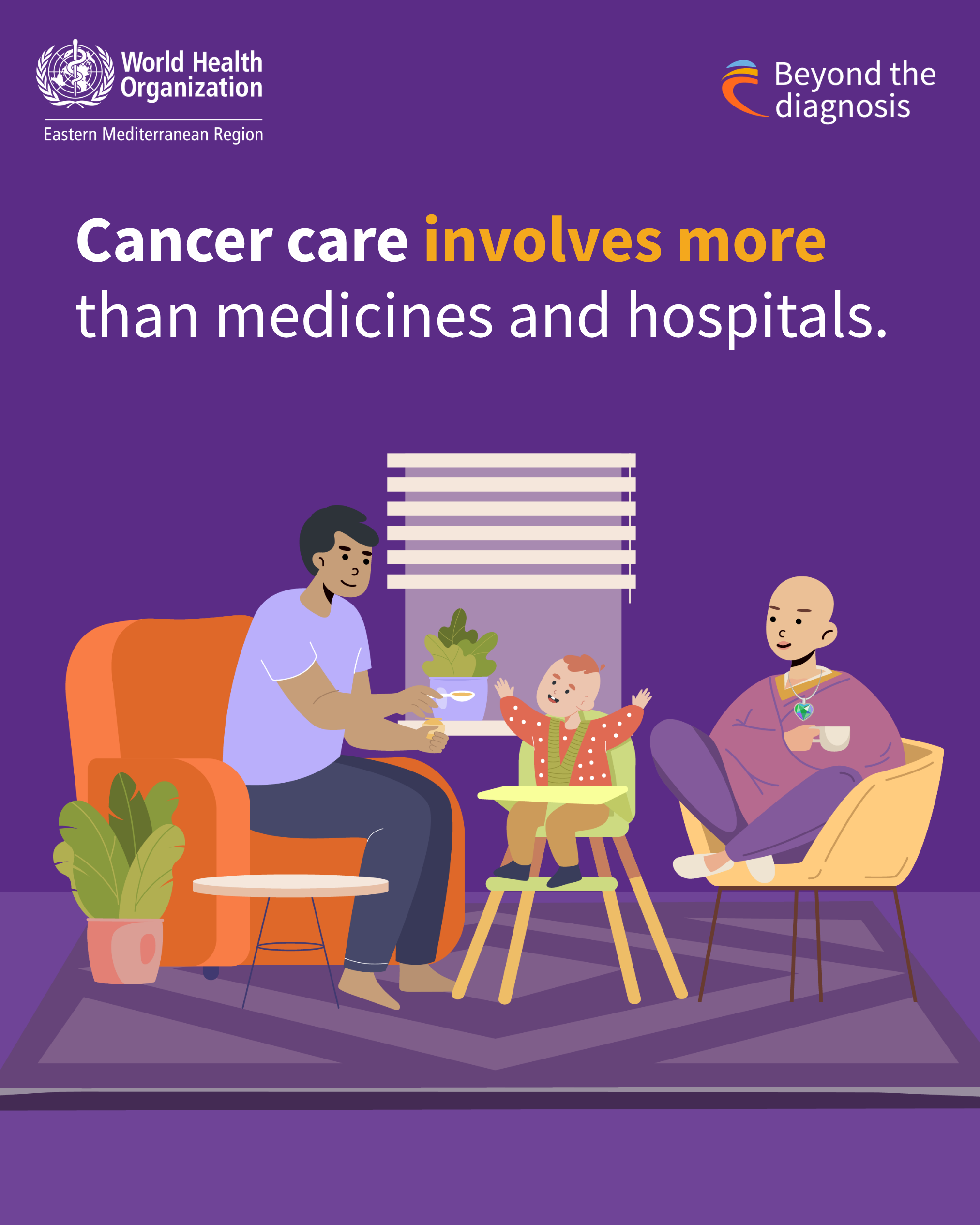
Early detection and treatment significantly improve survival rates, yet – with nearly 485 000 deaths each year – cancer remains one of the leading causes of death in the Region.
Outcomes are shaped not only by health system capacity but also by social determinants and access to timely care. The inequities are starkest in childhood cancer cases. While survival rates can reach 80% in high-income settings, more than 70% of children diagnosed in the Region do not survive, underscoring massive gaps in access to care.

Cardiovascular diseases
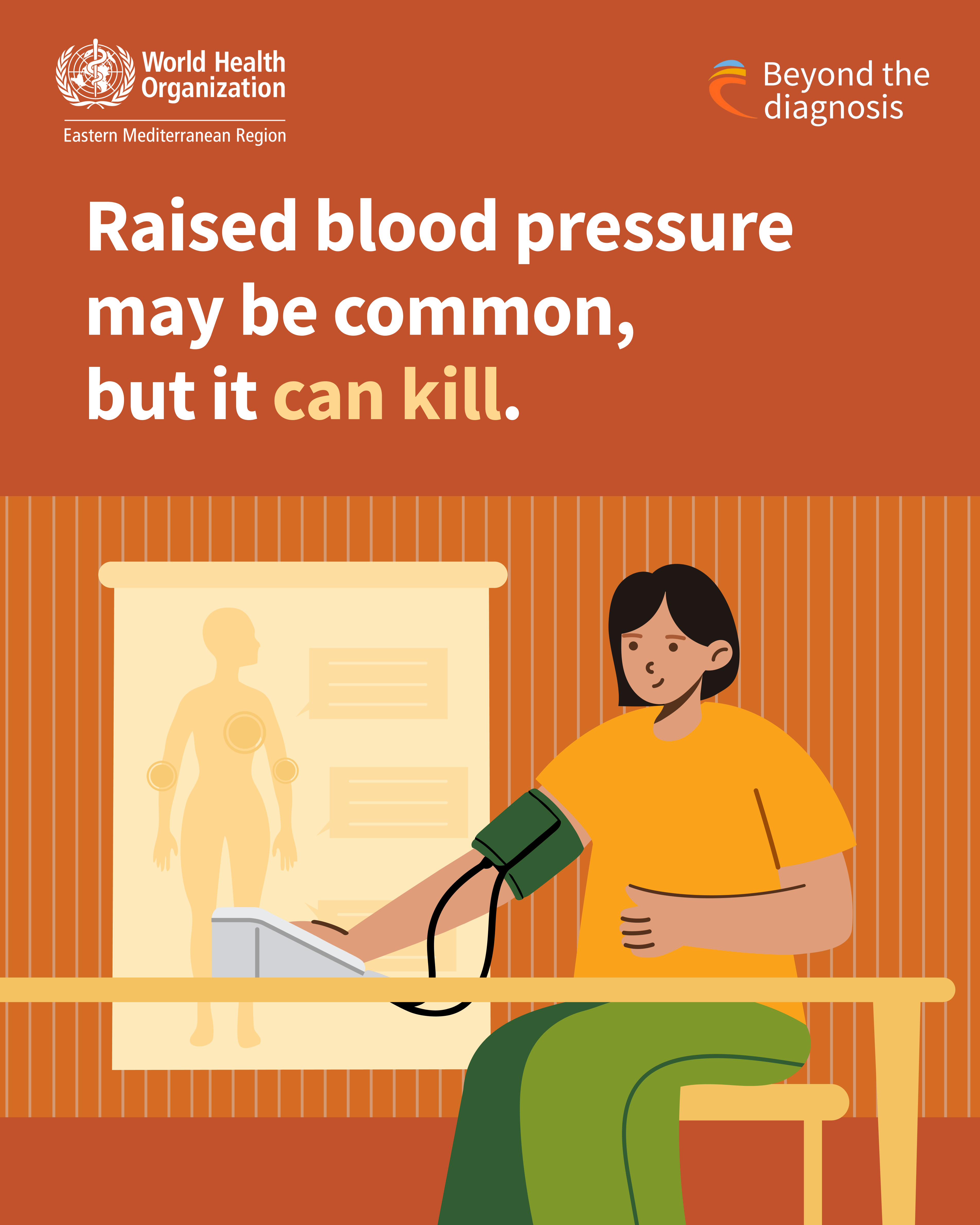
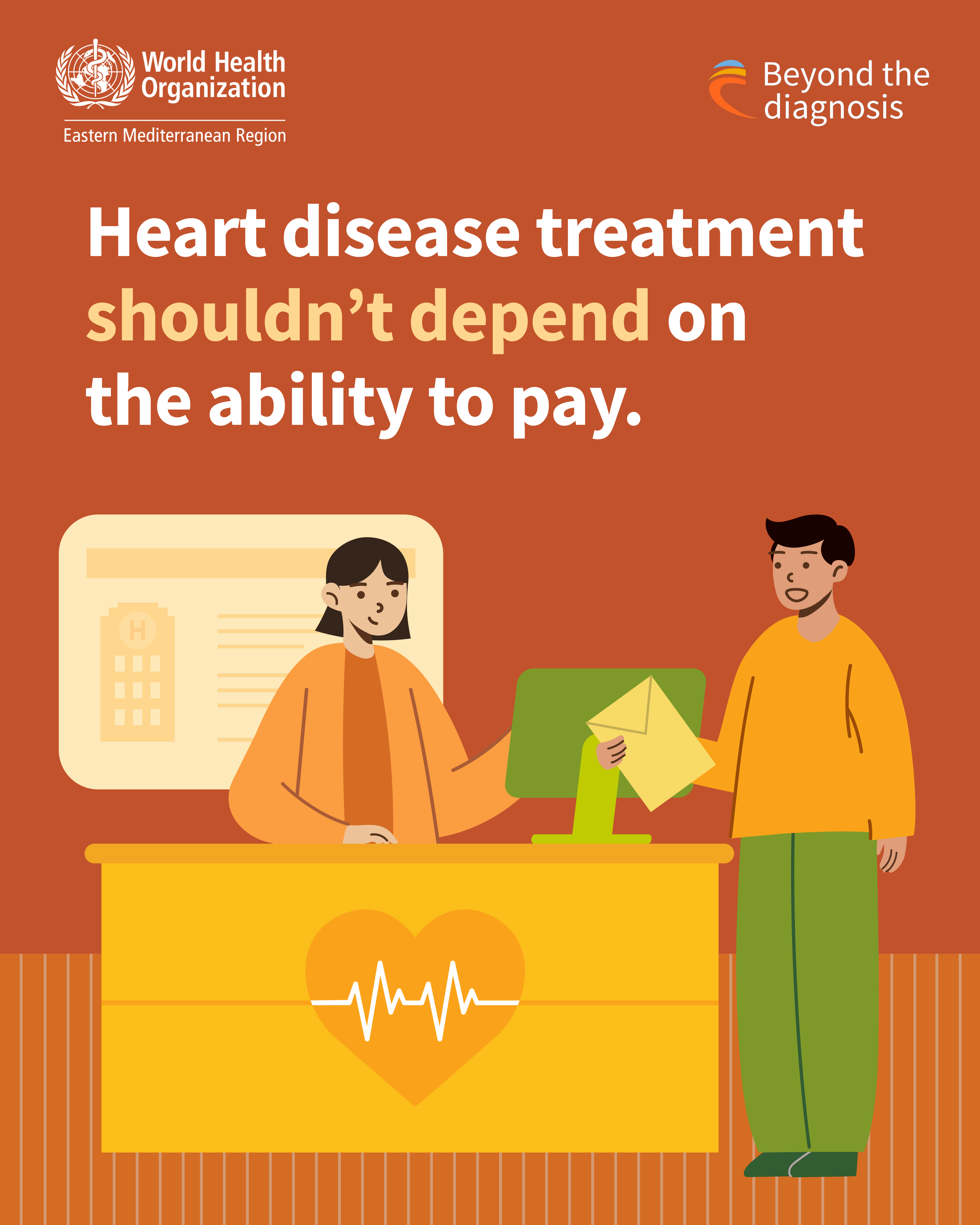
Cardiovascular diseases account for around 31% of all deaths in the Region. Hypertension affects 38% of adults, yet nearly half remain undiagnosed.
Even among those diagnosed, treatment and control rates are low. Risk factors such as physical inactivity, unhealthy diets, tobacco use and air pollution continue to drive the burden.
Many cardiovascular conditions can be prevented and managed through primary health care, yet access to affordable medicines and services remains a challenge across the Region.


Chronic respiratory diseases
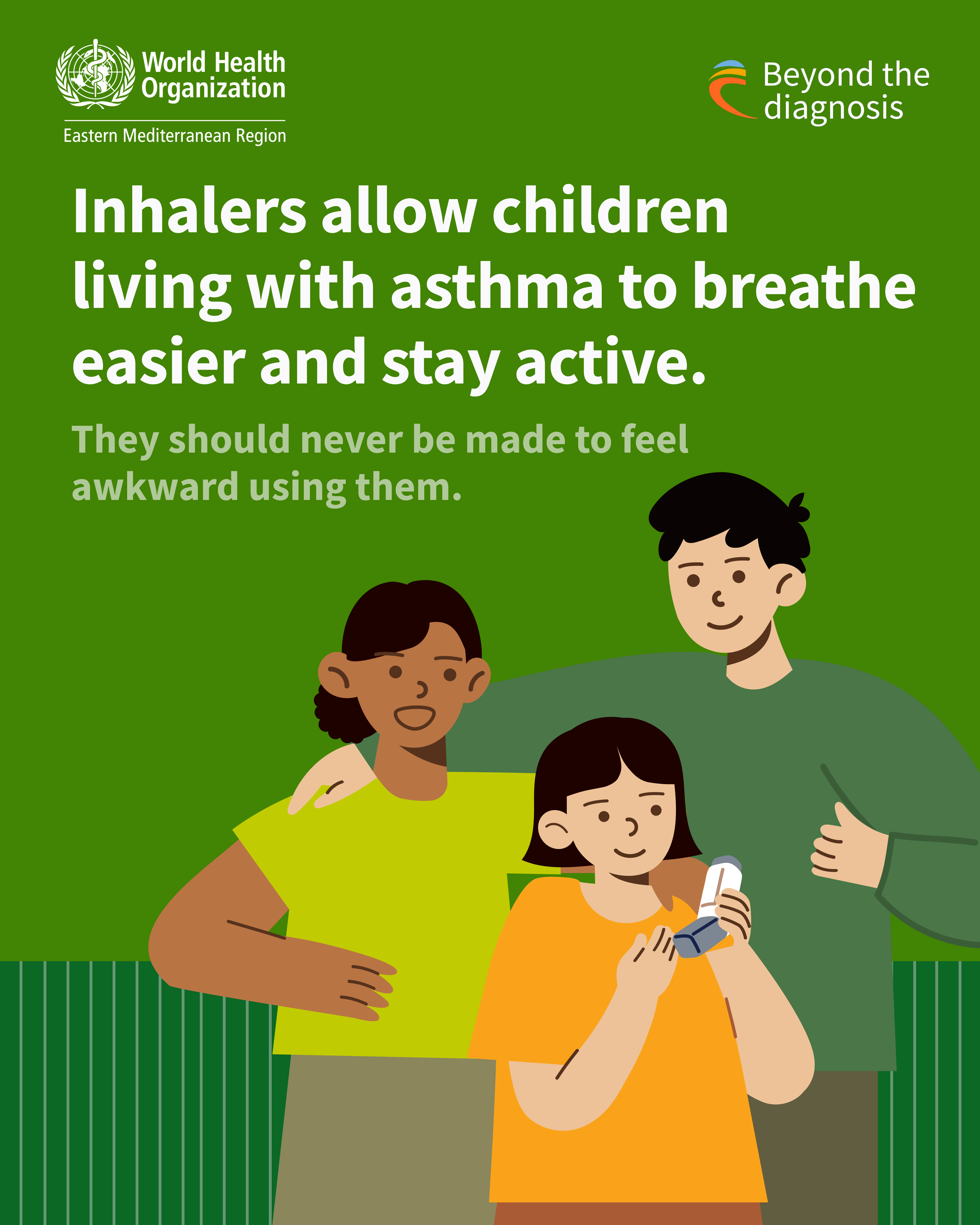
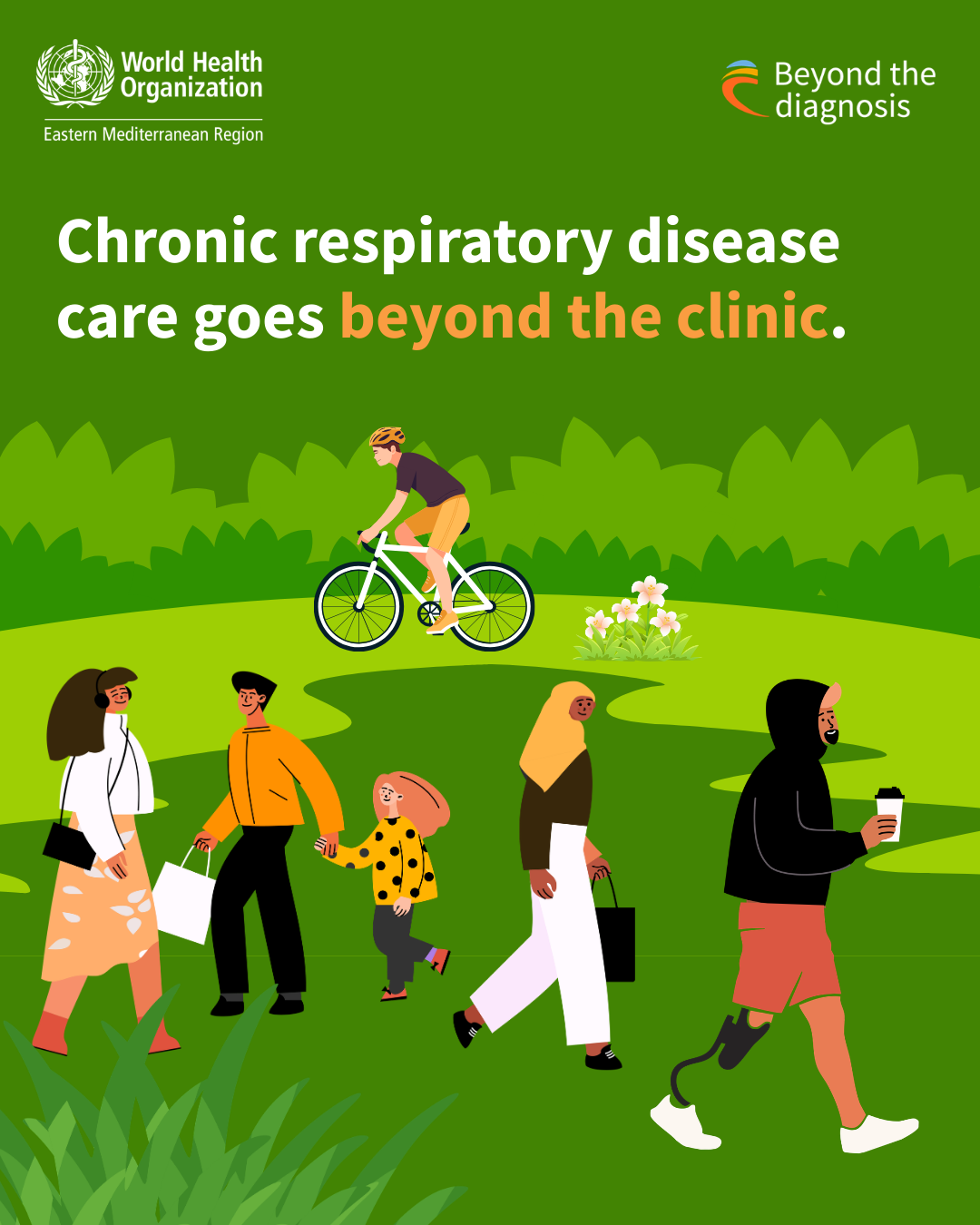
Chronic respiratory diseases, including asthma and chronic obstructive pulmonary disease, are a major public health concern, causing approximately 162 000 deaths annually, many before the age of 70.
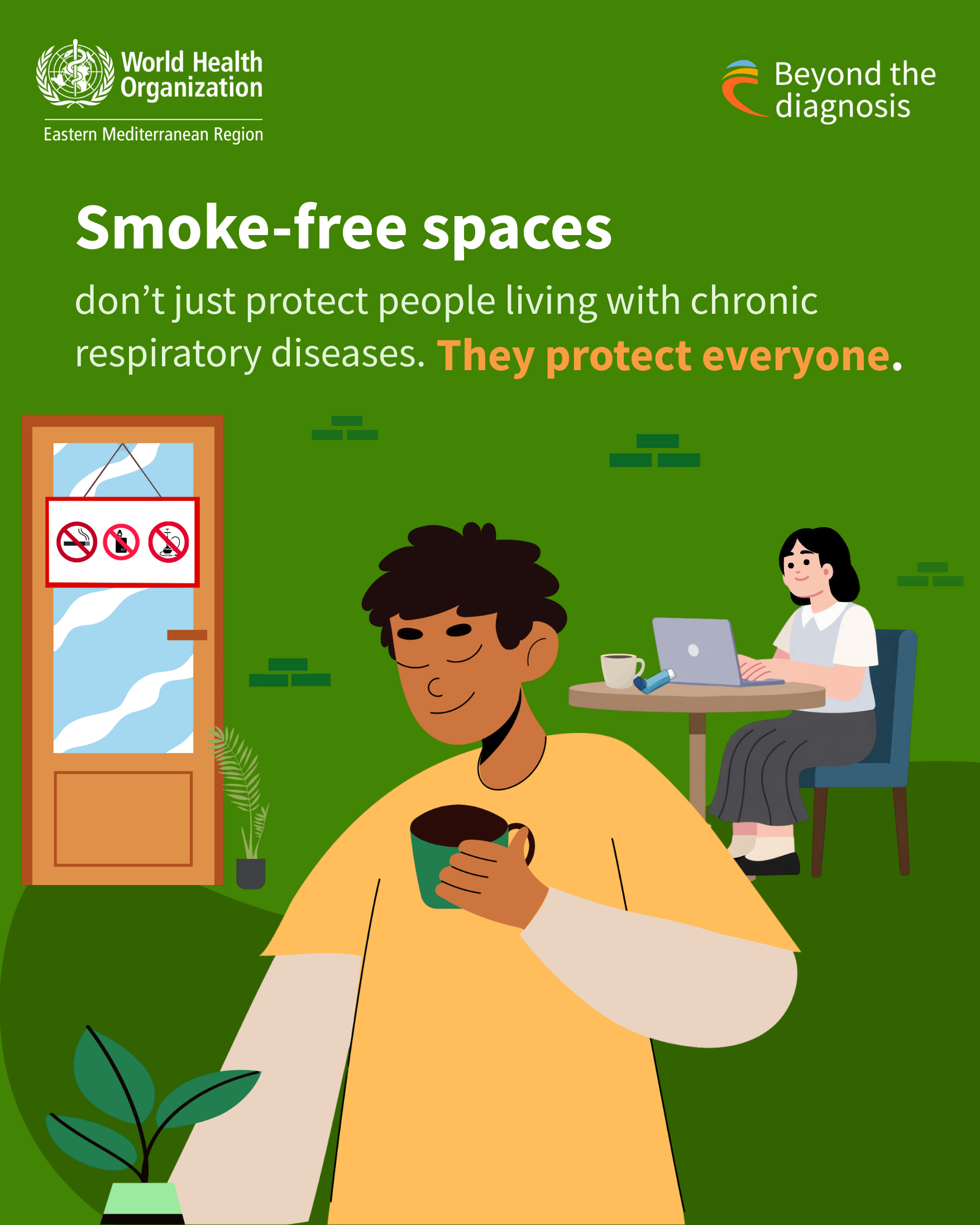
While these conditions cannot always be cured, they can be effectively managed. Access to treatment and reducing exposure to triggers such as tobacco smoke, air pollution and environmental irritants can significantly improve quality of life.
Diabetes
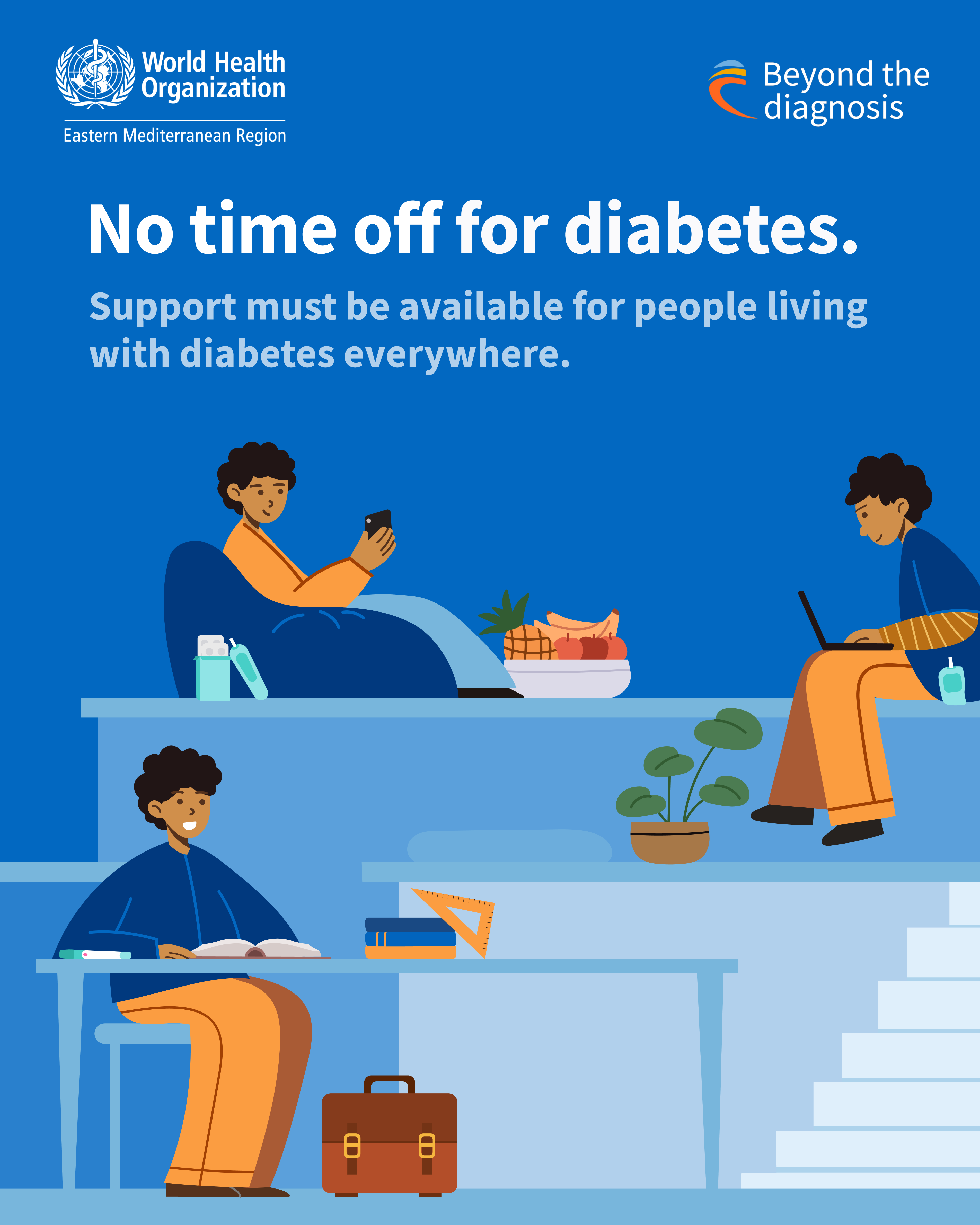
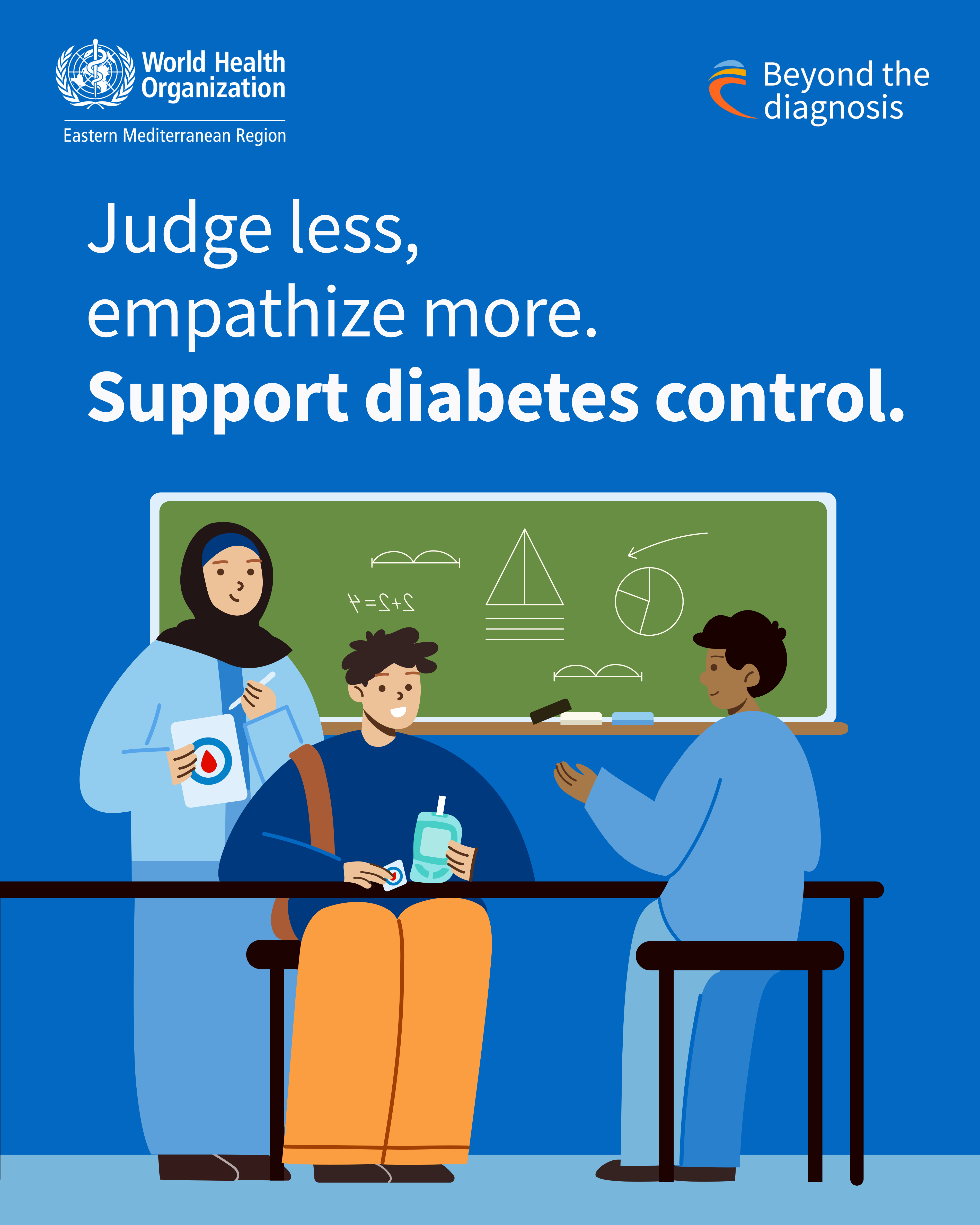
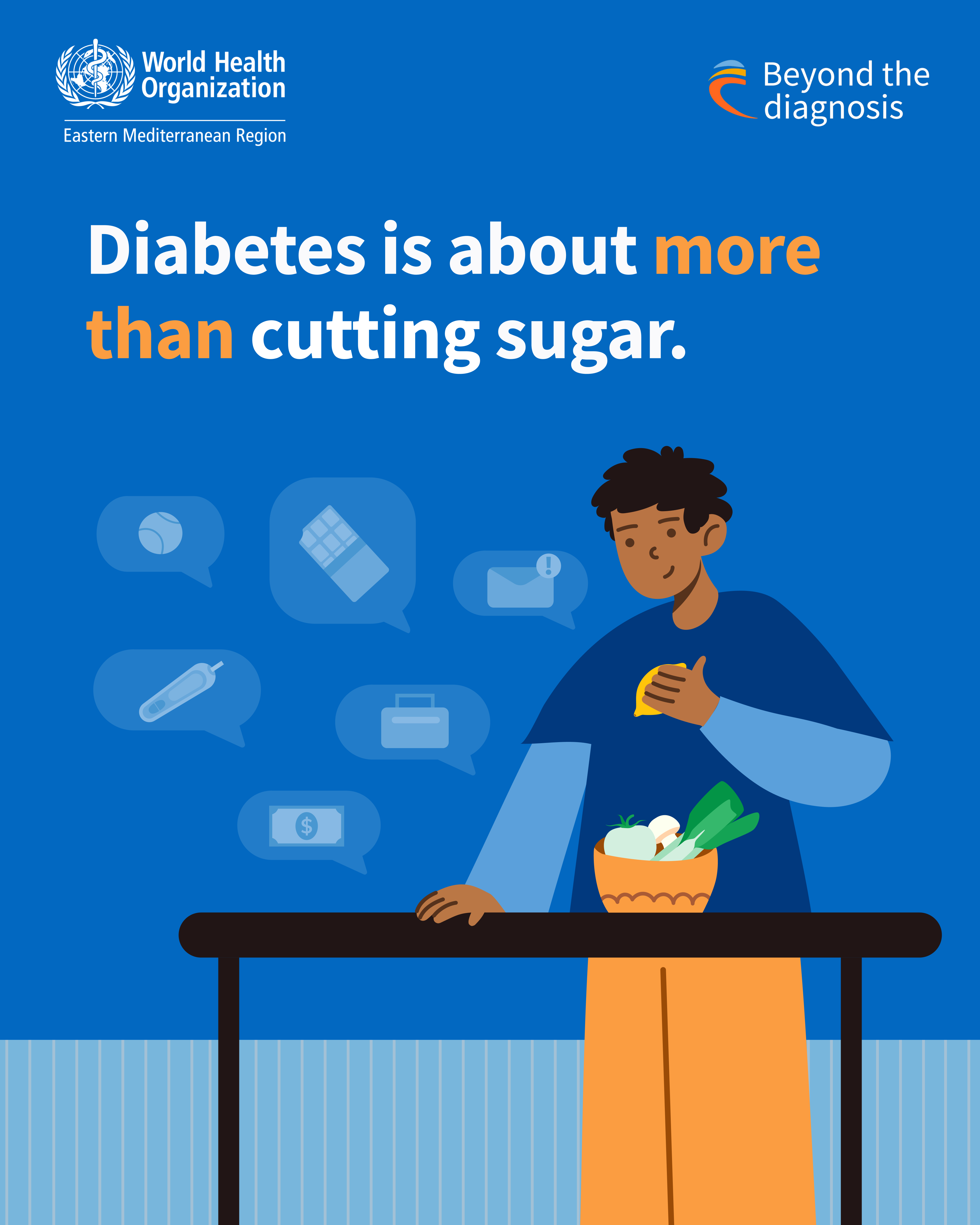
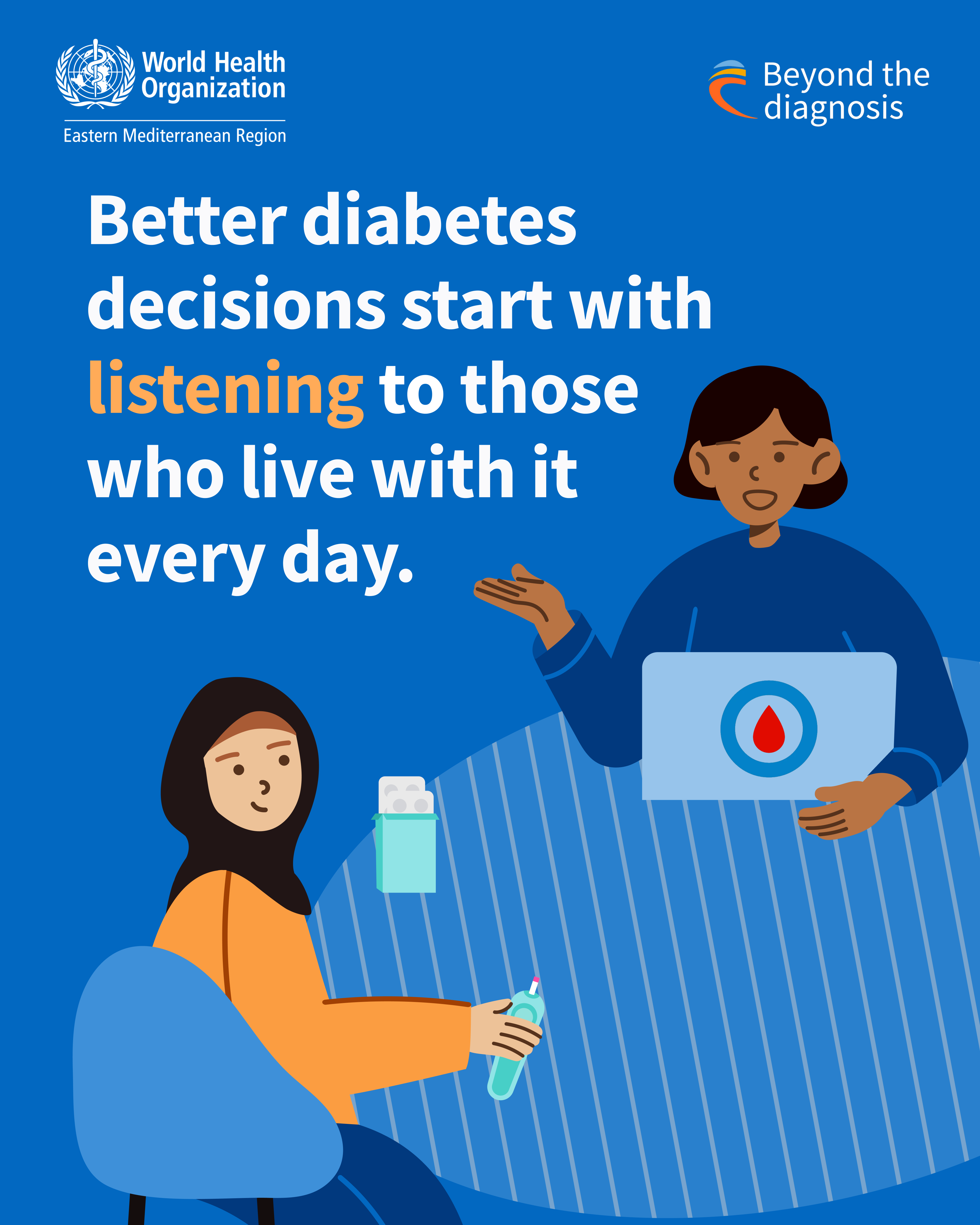
Diabetes affects more than 74 million people in the Region, a number projected to double by 2050. With nearly 1 in 6 adults living with the disease, the Eastern Mediterranean has the highest global diabetes prevalence of all WHO regions.
Diabetes carries a significant economic burden, much of it driven by lost productivity. Nearly one-third of cases go undiagnosed, and many deaths occur among working-age populations, a result of critical gaps in early detection and care.