




Data and statistics
Learn about malnutrition in all its forms, and what our countries are doing to address undernutrition, overweight, obesity and diet-related NCDs to meet SDGs.
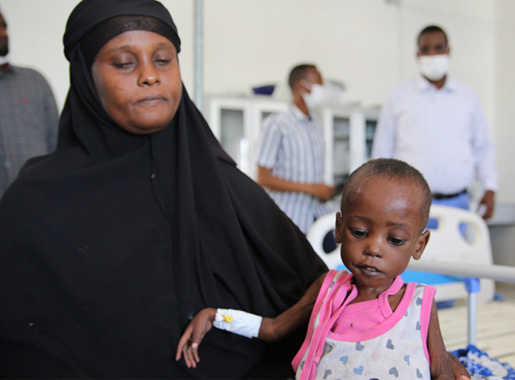
Malnutrition in all its forms
Step up action on malnutrition in all its forms to achieve SDG 2 and Target 3.4, and other commitments within the Decade of Action on Nutrition.
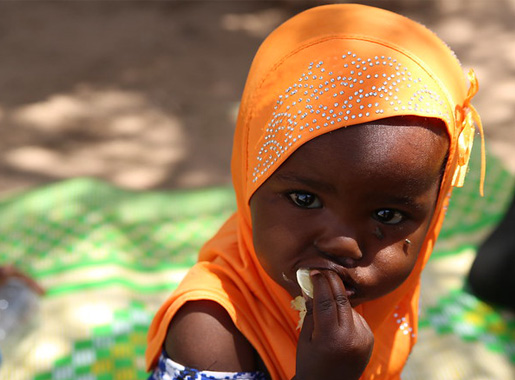
Nutrition in emergencies
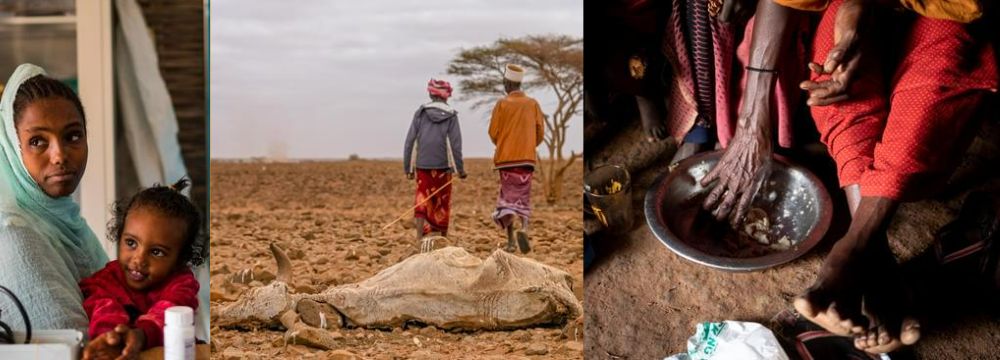
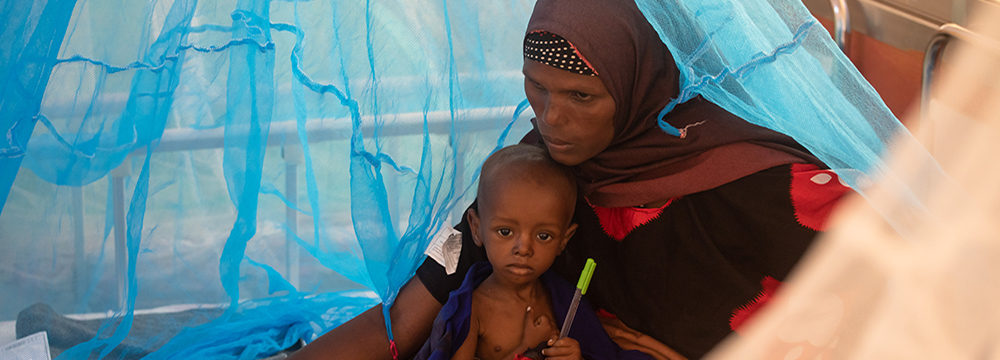
Hunger and malnutrition are rampant among refugees and displaced populations, many of whom suffer from one or more forms of malnutrition.
Millions of people are suffering from undernourishment, stunting, wasting, micronutrient deficiencies, overweight, obesity and diet-related NCDs.
Read our publications
Strategy on nutrition for the Eastern Mediterranean Region 2020–2030
Regional framework for action on obesity prevention 2019–2023

Transform food systems
Our food systems must be transformed to promote healthy diets and prevent undernourishment, stunting, wasting, micronutrient deficiencies, overweight, obesity and diet-related NCDs.

Restrict marketing of unhealthy foods and drinks
Implement endorsed measures to reduce children’s exposure to marketing of unhealthy foods and drinks, which increases their risk of developing NCDs in life.

Get involved in our campaigns
Get involved in our campaigns to help us promote healthy diets and reduce fat, salt and sugar intake in all stages of life.

Exclusively breastfeed for 6 months
Breastfeeding protects newborns from getting sick and helps protect them throughout their infancy and childhood from infectious diseases, malnutrition and NCDs.
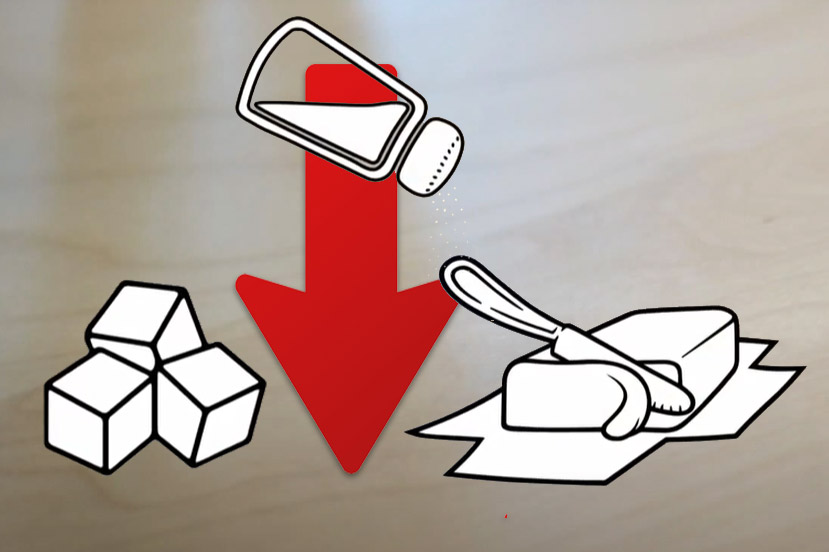
Limit fat, salt and sugar intake
Limit fat, salt and sugar to significantly lower your risk of overweight, obesity, heart disease, stroke, diabetes and certain types of cancer.
What we do
We work with different sectors and partners to help countries address the double burden of malnutrition and achieve global targets and goals.