Select your language

Lebanon
Highlights
Standing together for life: a personal reflection from Lebanon
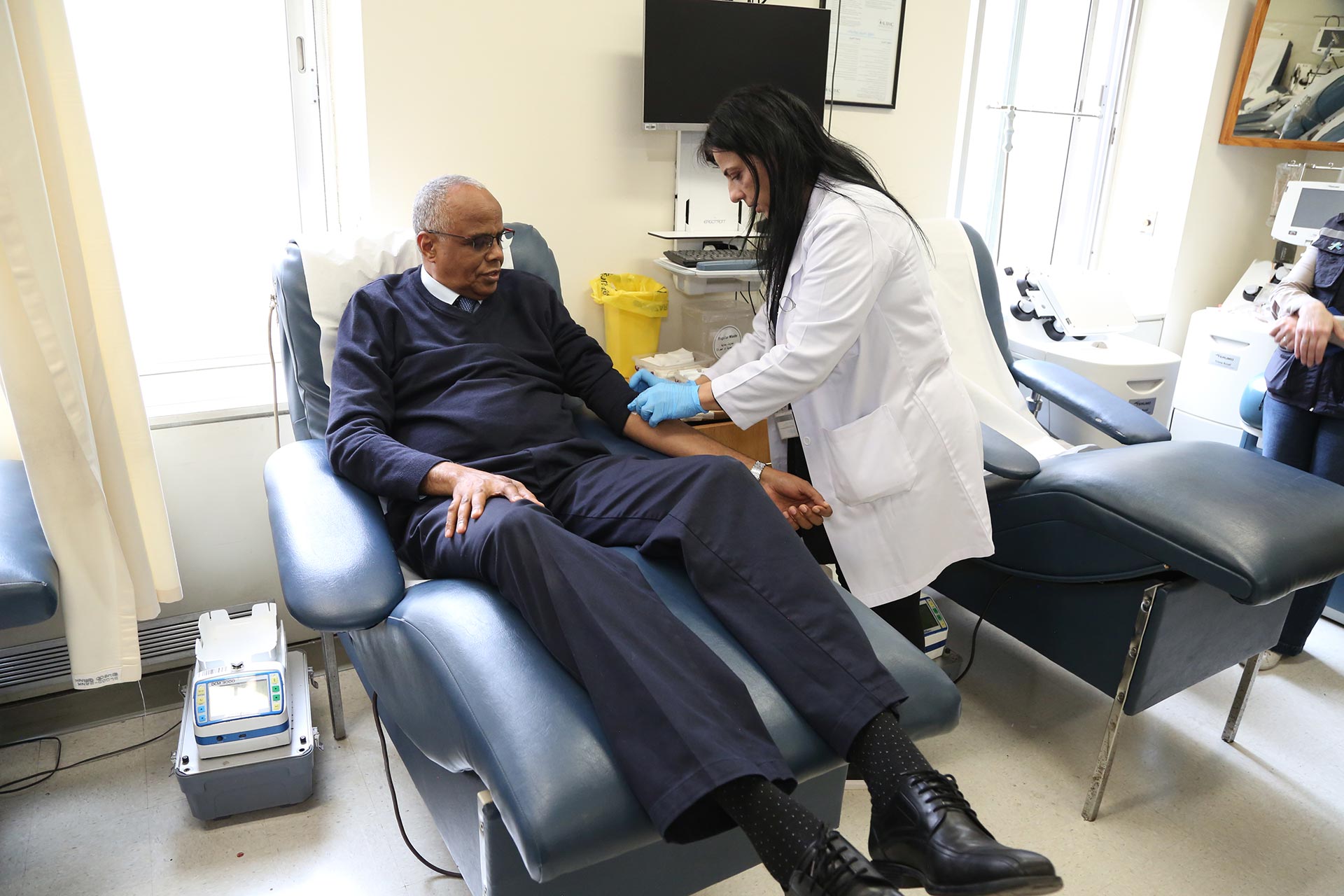
In times of crisis, leadership is not only measured by coordination and response but by presence, empathy and action. In this reflection, the World Health Organization’s Representative in Lebanon shares a first-hand account of the events that unfolded following the devastating explosions of 8 April, offering a deeply human perspective on loss, solidarity and the urgent need to stand together to save lives. WHO representative in Lebanon Dr Abdinasir Abubaka donating blood at the AUBMC in Beirut 14 April 2026 – As a senior health leader at the World Health Organization, I often remind my team: in times of crisis, we must go beyond commitments; we must stand with people, with evidence and with humanity. On World Health Day, on 7 April, under the theme “Together for health: Stand with science,” that message felt more urgent than ever. The very next day, it was tested. At 14:15 on 8 April, from my office in Beirut, I witnessed what no one should ever see, a series of explosions within...
News