|
Piloting
climate change adaptation to protect human health project in Amman, Jordan,
March 2011
More
than 50 Jordanian and international health and environmental experts joined WHO,
the United Nations Development Programme (UNDP) and the Global Environment
Facility (GEF) in launching the piloting
climate change adaptation to protect human health project in Amman, Jordan, on
21 March 2011.
The workshop introduced and discussed essential
components of the project to a wide spectrum of stakeholders, including
representatives of the Ministries of Health, Environment, Agriculture, Planning,
Water and Irrigation; nongovernmental organizations representing the public,
farmers, the media and other community partners; and several research bodies
representing Jordanian universities. Participants revised the project plan to
meet current needs in view of developments already achieved by several United
Nations and other international partners who are implementing wastewater reuse
activities in Jordan.
This novel project is part of a
unique global initiative being jointly implemented by WHO, UNDP, GEF and
numerous national stakeholders. The project, piloted in seven countries, seeks
to identify and delineate tangible solutions in order to address health risks
caused and exacerbated by climate change and variability. In Jordan, the project
will particularly focus on enhancing the national adaptive capacity to respond
effectively to health risks resulting from chronic water scarcity aggravated by
climate change.
Read more
|
|
|
نحو منهجية وقائية تلازم أنظمة
إدارة الصحة والبيئة في الوطن العربي
من البديهي القول أن المجتمعات البشرية لا يمكن أن تكون صحيحة معافاة إلا إذا توفرت
لها ظروف البيئة النظيفة، وفي المقابل لا يمكن لبيئة نظيفة أن توجد أو تترعرع في
مجتعات مريضة أو موبوءة، ومع ذلك فقد أخذنا وقتا طويلا لاستيعاب هذه المقولة ووقتا
أطول لوضع مساريها التوأمين موضع التلازم.
على كل، فقد بدأت بشائر الوعي الجديد للعلاقة العضوية التبادلية المتلازمة بين
الصحة والبيئة تأخذ موقعها عند معظم صناع القرار في المنطقة العربية. فلا شك أن
الدراسات العلمية والابحاث الوبائية بأدلتها المتزايدة وقرائنها المتراكمة قد
أثبتبت بشكل جلي أن كثيرا من التداعيات الصحية والأعباء المرضية (حوالي ربعها في
إقليمنا) يرجع تحديدا إلى مسببات تتعلق بتلوث البيئة وتدهور نظمها الايكولوجية
إقرأ المزيد
|
|
|
دليل خطة
سلامة
المياه:
دليل
مفصل
لإدارة
المخاطر
لمقدمي
مياه
الشرب
تؤكد
الطبعة الثالثة من دلائل منظمة الصحة العالمية لجودة مياه الشرب على أن
أكثر
السبل
فعالية
لضمان
سلامة
موارد
مياه
الشرب
بشكل دائم تكون في
اتباع
منهج
شامل
لتقييم
اﻟﻤﺨاطر
وإدارتها بحيث
يغطي
جميع
المراحل
التي
تمر
بها
إمدادات
المياه
من
أحواض
التجميع
إلى
المستهلك.
وتسمى
هذه
المناهج
"خطط
سلامة
المياه".
وقد اقتصرت الدلائل في فصلها الرابع على تقديم ايجاز عن فلسفة ومبادىء خطة
سلامة
المياه.
وتم اعداد
النسخة الانجليزية من هذا الدليل عام 2009 والنسخة العربية العام 2011 لتقديم
الإرشاد
العملي حول كيفية تطوير
خطة
سلامة
المياه،
مع
التركيز
على
إمدادات
المياه
المنظمة
التي
تديرها
منشأة
مياه
أو
ما
شابه.
وهنالك
أكثر
من
طريقة
لتطبيق
منهج
خطة
سلامة
المياه. ويبين
هذا
الدليل كيفية
تنفيذ
الاستراتيجية
بأمثلة
تعرض
ما
ثبتت
فعاليته
لبعض
منشآت
المياه.
|
|
|
25 Years of health and environment
protection
In
our Region, the increasing environmental health (EH) risks, emanating from
population increase, poverty, wars and conflicts, urbanization and
industrialization and natural disasters, have put on populations in EMR a heavy
health burden (24% of the overall burden of disease). Our peoples are exposed to
environmental threats and hazards due to water scarceness and contamination,
untreated wastes, air pollution, toxic chemicals, deforestation, desertification
and a host of other types of environmental degradations.
The newest looming threats to environmental health are the impacts of Climate
Change. Although our Region’s historical contributions to Greenhouse Gas
emission is minimal, populations in our member states will be among the second
worst affected in the world (only after Africa), chiefly through the added
stress on water scarcity and food security as well as adverse effects on public
health. The consequences of climate change could be disastrous for the Region,
which already has a disproportionately high burden of non communicable and
communicable diseases that are expected to increase in the foreseeable future as
a result of climate change. In order to protect health from Climate Change, the
EM Regional Committee in its 55th Session (2008) has adopted a Resolution and
endorsed a Regional Framework of action to enhance the heath sector’s resilience
in all 22 Member States. In this regard EMRO has been providing countries with
capacity building and technical support towards steering our region’s response
to climate change in terms of vulnerability assessment, adaptation modalities
and mitigation schemes.
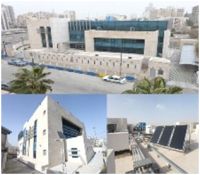
Since its conception 25 years ago, the Regional Center for Environmental Health
Activities (CEHA) in Amman-Jordan has been the Region’s environmental health
Center of Excellence. Through its endeavors, tremendous EH achievements were
realized in the region, including effective tools and programmes for protecting
health and the environment, stronger capacity in environmental health services;
improved access to reliable and relevant EH information and databases; and
enhanced EH public and decision-making awareness.
|
|
|
|
|
|
|
|