


Select your language

Presentations

 Faces of health
Select your language
Day 3, Friday 17 October 2025
Day 2, Thursday 16 October 2025



Day 1, Wednesday 15 October 2025





Keynote speakers
Select your language
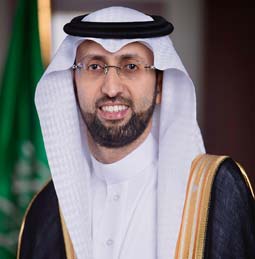
Professor Dr Hisham Saad Aljadhey
Chief Executive Officer, Saudi Food and Drug Authority
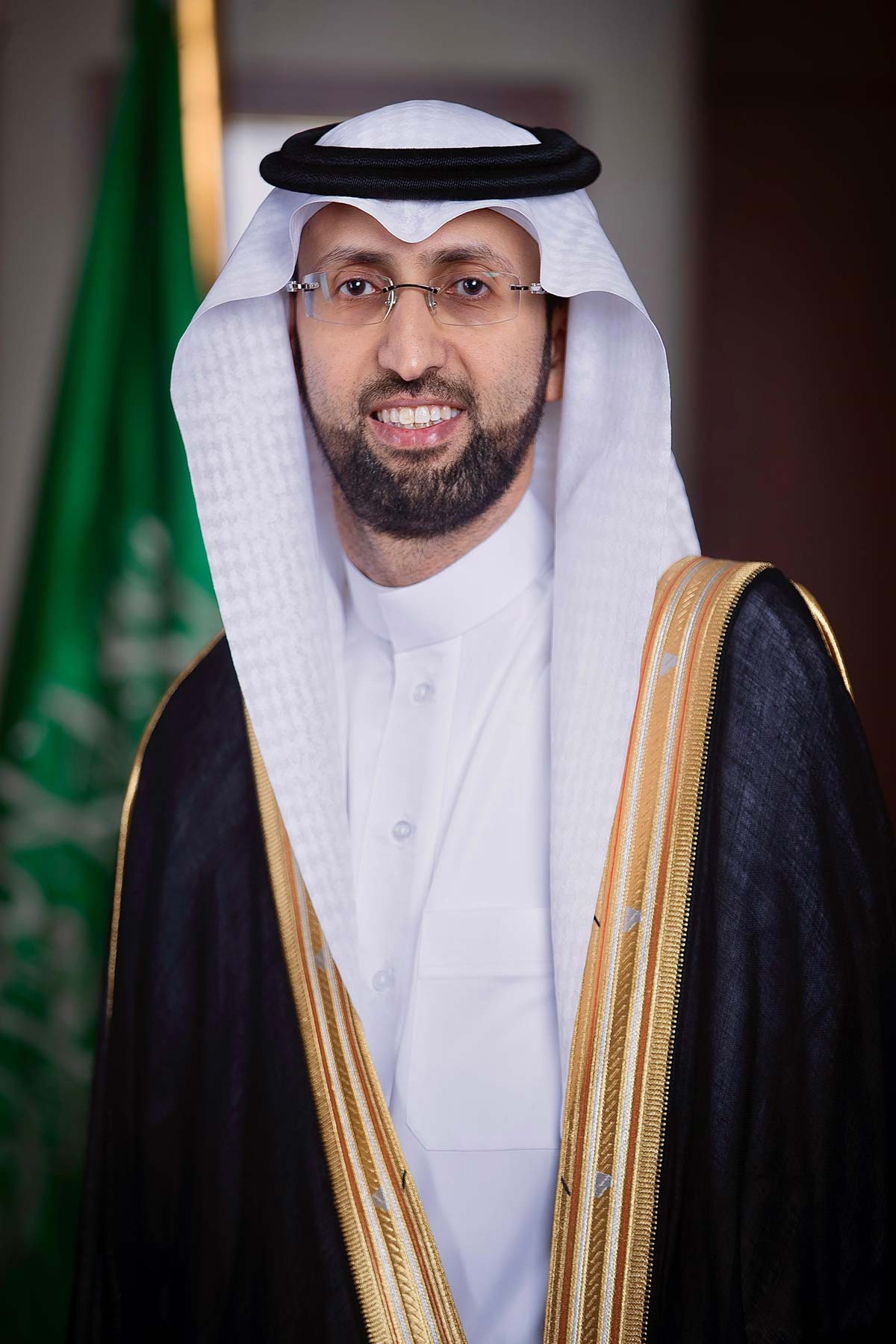 Since October 2016, Dr Hisham Aljadhey has served as the Chief Executive Officer of the Saudi Food and Drug Authority (SFDA), leading a transformative journey to position SFDA as a globally recognized, science-based regulator dedicated to protecting and promoting public health. Under his leadership, SFDA has strengthened its systems and partnerships to ensure the safety and effectiveness of food, human and veterinary medicines, medical devices, cosmetics and animal feed, safeguarding the health of miilions.
Dr Aljadhey plays a central role in shaping national health and regulatory strategies. He is a member of numerous high-level boards and councils, including the Saudi Health Council, the Public Health Authority, the National Unified Procurement Company, the Saudi Patient Safety Centre, the Saudi National Institute of Health, the National Centre for Palms & Dates, the National Centre for Inspection and Control, the Board of Trustees of Prince Mohammed Bin Salman College for Business and Entrepreneurship, the Council of King Saud bin Abdulaziz University for Health Sciences and the Grace Preservation Foundation.
His academic journey reflects a lifelong commitment to excellence. Dr Aljadhey holds a bachelor’s degree in pharmacy from King Saud University and a Doctor of Pharmacy (PharmD) and master’s degree from Purdue University and completed an ASHP-accredited residency at Winchester Medical Centre in Virginia. In 2008, he earned a Ph.D. in Health Policy with a degree focus on pharmacoepidemiology and medication safety from the University of North Carolina at Chapel Hill, one of the leading programmes in the United States.
Prior to joining SFDA, Dr Aljadhey built a distinguished academic and leadership career at King Saud University and KSU Medical City. His roles included Dean of the College of Pharmacy, Vice Dean for Academic Affairs, Vice Dean for Graduate Studies and Research, Director of the Medication Safety Research and Chair and Supervisor of Pharmacy Services at KSU Medical City. He has held adjunct appointments at the University of North Carolina, the University of Aberdeen (UK) and the University of Science, Malaysia.
He serves as Associate Editor of the Pharmacoepidemiology and Drug Safety journal and as a peer reviewer for several international journals. As the founding chair of the Gulf Chapter of the International Society for Pharmacoepidemiology he has helped advance the Region’s scientific capacity in drug safety and population health.
During his career, he has supervised more than 25 graduate students, authored over 100 peer-reviewed publications and delivered more than 80 scientific lectures. His work has been recognized by numerous institutions, including the World Health Organization, where he has served on expert committees on patient safety. He has also advised several universities and served on the board of directors of the Asian Association of Schools of Pharmacy.
Dr Aljadhey’s leadership blends scientific rigour with visionary strategy. His career reflects a deep commitment to building institutions, mentoring future leaders and shaping policy frameworks that elevate public health at national and global levels.
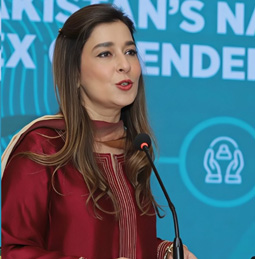
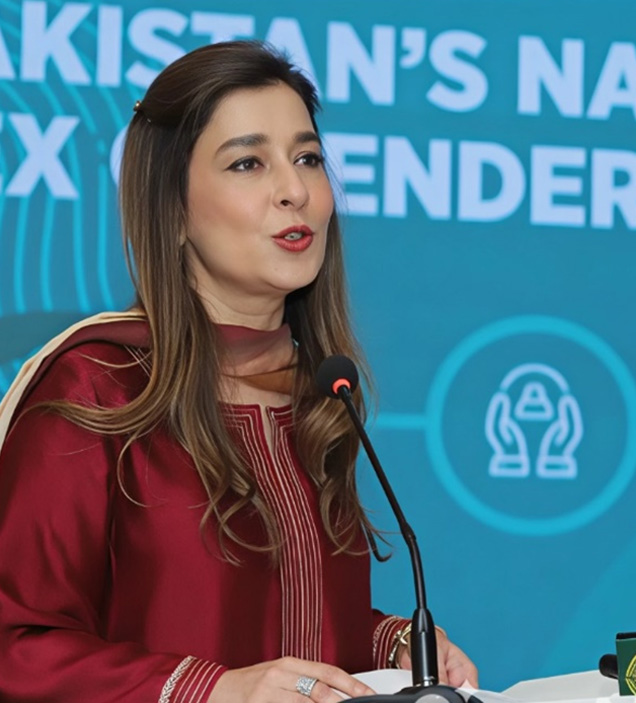
Ayesha Raza Farooq is a dedicated public servant with a passion for children's rights and public health. Her distinguished career spans more than 27 years in law, academia and public service and includes the successful leadership of polio eradication efforts.
She currently serves as the Prime Minister of Pakistan’s Focal Person on Polio Eradication. From 2013 to 2018, she was Focal Person for Pakistan’s Polio Programme, a critical period when the country was seen as posing a global polio spread threat. She was awarded the President’s Civil Award, Sitara-e-Imtiaz, for her contributions to polio eradication.
Ayesha Raza Farooq is the second Chairperson of the National Commission on the Rights of Child (NCRC), an independent statutory body established by the Government of Pakistan for the promotion, protection and fulfilment of children’s rights. Drawing on her extensive experience in advocating for the well-being of children and vulnerable populations, under her leadership NCRC has adopted a proactive and evidence-based approach to upholding children’s rights across Pakistan, with a strong focus on policy advocacy and systemic reforms. Her strategic guidance has steered NCRC towards addressing issues such as child domestic labour, birth registration, early and forced marriages, out-of-school children and violence against children.
She serves as Chairperson of the Special Statutory Committee under the Anti-Rape Investigation and Trial Act, 2021. She led the development of Pakistan’s Anti-Rape Crisis Cells and played a key role in establishing the country’s first Sex Offender Register. She has been a member of Pakistan’s National Assembly and of the Senate, serving as Chairperson of Senate committees on Delegated Legislation and Rules of Procedure and Privileges.
She is also a member of the Immunization Agenda 2030 Partnership Council, a global-level immunization partner leadership group.
During the course of her distinguished academic career, she received the Gold Medal for her LLB from the University of Punjab and was placed on the Deans Honour List for her MBA at the Lahore University of Management Sciences.
Select your language
As we gather for the Seventy-second session of the WHO Regional Committee for the Eastern Mediterranean, we are pleased to welcome our partners from the Region and beyond.
Partner Hub @ RC72 is a virtual hub that helps you connect, share insights and explore opportunities for future collaborations to advance health and well-being.
We invite you to get to know each other, exchange ideas and build partnerships that will strengthen our collective impact.
Let’s work together to shape a healthier future for the Eastern Mediterranean Region.



Arab Hospitals Federation (AHF), founded in 1999, is an independent, non-political and nonprofit organization representing public and private health care providers across the Arab world. AHF aims to elevate the quality of health care services by fostering collaboration, innovation and excellence among public and private health care institutions and health-related stakeholders.
AHF works across multiple domains, including maternal and child health, noncommunicable diseases, mental health, emergency response, health systems, digital health and areas such as hospital resilience and sustainability and health facility accreditation.
AHF actively engages with the Regional Office for the Eastern Mediterranean on digital health transformation, quality standards, climate health integration and sustainable health care systems and participates in WHO-led initiatives on health equity, women’s health and emergency preparedness.
For more information visit the AHF websiteThe Arab Women Organization (AWO) is an intergovernmental entity affiliated with the League of Arab States, dedicated to empowering Arab women and promoting gender equality.
AWO builds women’s capacities, promoting progress and sustainable development while emphasizing solidarity and full participation in all spheres of life.
AWO’s health work focuses on maternal and child health, noncommunicable diseases, mental health and gender-responsive policies, especially in conflict and displacement settings. AWO collaborates with WHO on initiatives promoting women’s health, co-hosting events and advocating for gender mainstreaming in health systems.
The Women For Well initiative which AWO launched with WHO in 2025 focuses on chronic disease prevention and maternal health. Strategic partners include UN Women, the Economic and Social Commission for Western Asia (ESCWA) and national women’s councils.
The Centre for Environment and Development for the Arab Region and Europe (CEDARE) is an intergovernmental organization that drives sustainable development through environmental governance and climate resilience. CEDARE supports health and well-being by addressing NCDs, mental health, emergency response and digital health, integrating climate change, water and food security and gender inclusion.
In partnership with WHO, CEDARE contributes to Sustainable Development Goal 6 monitoring, regional policy dialogues and technical cooperation on water governance and environmental health. In February 2025, CEDARE joined the 9th UN-Water IMI-SDG6 meeting in Geneva, strengthening regional indicators and promoting cross-sectoral collaboration.
With partners like the United Nations Development Programme (UNDP), the United Nations Environment Programme (UNEP), the Food and Agriculture Organization (FAO) and the European Commission, CEDARE champions data-driven, inclusive solutions for sustainable health systems.
Drugs for Neglected Diseases Initiative (DNDi) is a nonprofit research organization that develops affordable, effective treatments for neglected diseases. DNDi bridges research and development gaps through global partnerships, aiming to save lives and improve health for underserved populations.
DNDi’s work spans maternal and child health, NCDs, emergency response and health systems strengthening, with a focus on neglected tropical diseases, paediatric HIV, hepatitis C and pandemic preparedness.
In close collaboration with WHO, DNDi contributes to the Neglected Tropical Diseases Roadmap, the universal health coverage agenda and co-leads initiatives like the Global Antibiotic Research & Development Partnership (GARDP).
Committed to inclusive, patient-centered research and development, in February 2025 DNDi advocated at WHO’s Executive Board for skin NTDs, maternal health and equitable access to diagnostics and oral treatments.
The Eastern Mediterranean Public Health Network (EMPHNET) is committed to strengthening public health systems across the Eastern Mediterranean Region. Its mission is to build workforce capacity, promote evidence-based decision-making and support countries in addressing health challenges. EMPHNET envisions better health for all through collaborative, sustainable and context-specific solutions.
Its work spans maternal and child health, NCDs, mental health, emergency response and digital health, with a strong focus on field epidemiology, One Health, immunization and food safety.
EMPHNET partners with WHO on food safety, health workforce development and emergency preparedness. In October 2024, EMPHNET hosted the Fourth Steering Committee Meeting for WHO’s Workforce Capacity Roadmap, strengthening national capacity for essential public health functions and engaging early adopter countries in policy and education reforms.
Gates Foundation works to create a world where everyone can live a healthy, productive life. Guided by the belief that all lives have equal value, it focuses on eliminating preventable diseases, poverty and inequality through innovation and collaboration.
Its health priorities include maternal and child health, infectious disease control (HIV, TB, malaria, polio), vaccine development, nutrition, digital health and antimicrobial resistance (AMR).
As one of WHO’s largest non-governmental contributors, the Foundation supports polio eradication, malaria control, maternal health and data-driven disease modeling in Africa. In September 2025, it partnered with WHO and Unitaid to launch a global initiative to make Lenacapavir – a twice-yearly HIV prevention drug – available for US$ 40 a year in 100+ countries by 2027, aiming to prevent 20% of new infections in high-burden areas.
The Global Institute for Disease Elimination (GLIDE) works to end preventable infectious diseases associated with poverty.GLIDE drives progress against diseases like malaria, polio, lymphatic filariasis and onchocerciasis through innovation, operational research and sustainable partnerships.
GLIDE’s work spans infectious disease elimination, emergency response, health systems strengthening and the climate-health nexus. It also provides technical support and capacity-building in vulnerable regions.
GLIDE collaborates with WHO through alignment with global strategies such as the WHO Neglected Tropical Diseases Roadmap and the Global Technical Strategy for Malaria. In July 2025, GLIDE and the Regional Office for the Eastern Mediterranean co-hosted a regional meeting to halt malaria resurgence in MENA countries. The event launched the area’s first integrated malaria archive and strengthened cross-border surveillance.
GLIDE partners with the Gates Foundation, UNICEF, the Carter Center and academic institutions to accelerate disease elimination and health equity worldwide.
For more information visit Global Institute for Disease Elimination
The Gulf Health Council (GHC) is a regional organization that advances health cooperation among Gulf Cooperation Council (GCC) Member States. It works to strengthen the health sector through proactive initiatives and coordinated responses to regional and global health challenges.
Building sustainable health for all GCC citizens through impactful collaboration, GHC’s work spans maternal and child health, NCDs, mental health, emergency response and digital health, with a focus on unified pharmaceutical policy, disease prevention and public health preparedness.
In partnership with WHO, GHC conducts joint studies on NCD investment, co-hosts meetings of experts and supports leadership programmes and emergency preparedness. In September 2023, GHC and WHO launched a series of joint Gulf health studies that aim to improve health care services and reduce the regional burden of NCDs.
The Hamdan Bin Rashid Al Maktoum Foundation for Medical and Educational Sciences works to advance excellence in medicine and education. By empowering innovation and nurturing talent, the Foundation supports transformative programmes in health and learning in the Arab world and beyond.
The Foundation focuses on maternal and child health, noncommunicable diseases, mental health, emergency response and health systems strengthening, championing medical research, genetic sciences and professional development for health care workers.
Though direct collaboration with WHO is limited, the Foundation’s health work aligns closely with WHO’s goals. It supports capacity-building, health education and recognition programmes such as the UNESCO-Hamdan Prize for Teacher Development.
In 2025, the Foundation signed a memorandum of understanding with the Dubai Health Authority to enhance medical education, research and innovation, contributing to Dubai’s health sector transformation and global health resilience.
The Hamdan Foundation contributed USD 50,000 to WHO’s investment round, demonstrating its strong partnership with WHO and its commitment to global health.
For more information visit Hamdan Foundation
Hamdard Foundation Pakistan (HFP) is a philanthropic organization committed to health care, education and humanitarian service. In partnership with WHO since 1981, HFP contributes to traditional medicine initiatives, celebrates World Health Day annually and supports maternal health advocacy.
Envisioning a society enriched by science, culture and compassion, HFP’s work spans maternal and child health, NCDs, mental health, emergency response and health systems strengthening, with a strong focus on traditional medicine, mobile dispensaries and health education.
In April 2025, HFP and WHO co-hosted the 33rd International Children’s Health Conference, raising awareness on newborn health and reinforcing HFP’s commitment to WHO’s maternal and child health agenda.
With 1.3 million medical students from 139 national member organizations in 130 countries around the globe, the International Federation of Medical Students’ Associations (IFMSA) is among the world’s largest student-led organizations.
IFMSA empowers future health professionals through training, exchanges and global collaboration. Its work spans maternal and child health, NCDs, mental health, emergency response and digital health, with a focus on sexual and reproductive rights, climate, ethics and humanitarian action.
IFMSA has a long-standing partnership with WHO – official relations started in 1969 – and has co-organized youth events and contributed to digital health and climate strategies.
IFMSA is a regular participant in global health forums. In May 2025, IFMSA and WHO co-hosted the 13th Youth Pre-World Health Assembly, advancing youth-led solutions for digital health, equity and governance.
The Iodine Global Network (IGN) is a global nonprofit that aims to eliminate brain damage due to iodine deficiency.
IGN’s work spans maternal and child health, NCDs, emergency response and health systems strengthening, with a focus on universal salt iodization, micronutrient nutrition and food fortification policy. In collaboration with WHO, IGN contributes to data systems, technical guidance and joint advocacy aligned with global nutrition targets.
In June 2024, IGN and WHO released a joint report urging mandatory iodization in processed foods and plant-based dairy, raising awareness of iodine needs during pregnancy and reinforcing policy flexibility for public health nutrition.
International Hospital Federation (IHF) is a global nonprofit that supports hospital and health care leaders through knowledge exchange, leadership development and strategic collaboration.
Its mission is to improve health service delivery. In pursuit of its vision of healthy communities served by well-managed hospitals, IHF’s work spans maternal and child health, NCDs, mental health, emergency response and digital health, with a focus on hospital governance, climate-resilient care and patient safety.
In official relations with WHO since 1948, IHF collaborates on universal health coverage, maternal health, digital health strategy and climate-health initiatives.
In January 2024, IHF and the WHO Pan American Health Organization signed a technical cooperation agreement to transform hospital management in Latin America and the Caribbean, advancing leadership competencies, sustainable health care and integrated care systems.
The Islamic Advisory Group (IAG) is a faith-based partnership leveraging Islamic leadership to promote public health and counter misinformation in Muslim communities. Its goals include supporting global health initiatives through religious engagement, with a vision of fostering solidarity and access to health for all.
IAG focuses on maternal and child health, NCDs, emergency response and vaccine advocacy. Established in 2013 by Al Azhar Al Sharif, International Islamic Fiqh Academy (IIFA), the Organisation of Islamic Cooperation and the Islamic Development Bank, with WHO and UNICEF support, IAG has played a key role in polio eradication in Pakistan, Afghanistan and Somalia.
In December 2022, IAG held its ninth annual meeting in Jeddah, reaffirming its commitment to immunization, expanding to the Sahel region and strengthening collaboration with religious leaders to promote health education and counter vaccine hesitancy.
For more information visit the Islamic Advisory Group website
Islamic Development Bank
The Islamic Development Bank (IsDB) is a multilateral development bank committed to improving lives by promoting social and economic development in its 57 Member States and in Muslim communities worldwide. Guided by Islamic principles, IsDB supports infrastructure, innovation and inclusive growth to help people reach their full potential. IsDB is one of the main founders of the Islamic Advisory Group, established to support the Global Polio Eradication Initiative and address other public health issues.
In the health sector, IsDB collaborates with WHO and other partners to strengthen primary health care and build resilient health systems. In November 2024, IsDB allocated US$ 10 million to WHO under the Health Impact Investment Platform (HIIP), a groundbreaking initiative to scale up climate- and crisis-resilient health services in low- and middle-income countries.
The partnership is expected to unlock over US$ 500 million in health investments, supporting WHO’s goals under its Fourteenth General Programme of Work. Together, IsDB and WHO are advancing universal health coverage and building a healthier, more equitable future for vulnerable communities.
For more information visit Islamic Development Bank
The King Salman Humanitarian Aid and Relief Centre (KSrelief) is a key global partner in health and major driver of humanitarian action.
In the health sector, KSrelief focuses on maternal and child health, noncommunicable diseases, mental health, emergency response and health systems strengthening. It also supports infectious disease control, dialysis, paediatric care, nutrition and rehabilitation.
KSrelief collaborates closely with WHO, funding emergency health services in Gaza, the Syrian Arab Republic, Somalia, Sudan and Yemen, and supporting malaria, cholera and dialysis programmes. It has contributed US$ 300 million to the Global Polio Eradication Initiative.
In September 2025, KSrelief and WHO launched a joint programme to support emergency health services in Syria, expected to benefit 1.5 million people.
KSrelief also partners with UNICEF, UNDP, UNOPS and other humanitarian actors.
For more information visit King Salman Humanitarian Aid and Relief Centre
The League of Arab States (LAS), was established in 1945 to promote political, economic, cultural and social cooperation between 22 Arab countries. The health and human development are among its key pillars of work.
Through the Council of Arab Ministers of Health, LAS coordinates regional health strategies, emergency response and public health initiatives. It has collaborated with WHO on strengthening health systems, emergency preparedness and improving access to health care for refugees and displaced populations.
In July 2024, LAS and UN reaffirmed their commitment to joint action, including a Matrix of Joint Activities including support to health and humanitarian aids with a focus on enhancing health emergency preparedness and response, reproductive health, supporting health workforce development.
Recent efforts include the Arab Strategy for Access to Public Health Services in Refugee Contexts, aligned with the Sustainable Development Goals and WHO’s universal health coverage agenda. The League also supports humanitarian coordination and crisis response. Together with WHO, the League works to advance health equity, resilience and regional solidarity.
For more information visit League of Arab States
The NCD Alliance (NCDA) is a global civil society network driving action to prevent and manage noncommunicable diseases (NCDs), ensuring no one is left behind. Its mission is to unite communities and promote health equity; its vision a world free from preventable suffering and death caused by NCDs.
NCDA’s work spans maternal and child health, mental health, emergency response and health systems strengthening, with an added focus on universal health coverage, sustainable financing, climate and health and accountability. Together with WHO, NCDA co-hosts UN High-Level Meetings, co-sponsors the Global Coordination Mechanism on NCDs and advocates for SDG Target 3.4.
In September 2025, NCDA and WHO co-hosted the 4th Multistakeholder Gathering, advancing inclusive policies to elevate mental health within the global NCD response.
The Novartis Foundation focuses on some of the world’s most pressing health challenges – cardiovascular disease and health inequity. It takes a population health approach, widening the lens from a narrow focus on health care delivery to a panoramic vision of improving health in the population at large. This population health approach brings together disconnected data to create insights that help authorities understand the root causes of unequal health outcomes and find the best ways and best partners to remediate them, helping to empower governments to re-engineer reactive care systems into proactive, predictive and preventive health systems.
Novartis Foundation collaborates with WHO on neglected tropical diseases (NTDs), malaria elimination and global health summits, aligning with WHO’s Neglected Tropical Diseases Roadmap 2021–2030. In June 2022, Novartis Foundation pledged US$ 250 million to support WHO efforts to eliminate NTDs and malaria. Strategic partners include Microsoft, PATH, DNDi and leading academic institutions.
The Organisation of Islamic Cooperation (OIC) is the world’s second-largest intergovernmental organization after the UN, representing 57 Member States across 4 continents. Established in 1969, the OIC serves as the collective voice of the Muslim world, working to promote peace, development and solidarity.
Health is a key pillar of the OIC’s development agenda. The OIC-2025 Programme of Action prioritizes health systems strengthening, disease prevention and emergency response. The OIC collaborates with WHO and other UN agencies to align efforts on universal health coverage, pandemic preparedness and humanitarian health response.
In July 2024, the OIC and UN reaffirmed their commitment to joint action, including a Matrix of Joint Activities supporting both OIC-2025 and the UN 2030 Agenda for Sustainable Development, including supporting the mobilization of necessary resources to strengthen universal health coverage, the dissemination of regional frameworks of action for prevention and management of NCDs, mental health and nutrition in the targeted countries; improving the health-related workforce; continued support to polio and polio transition; mental health; strengthening South-South cooperation and partnerships through relevant networks; engaging the private sector and participation in health expos; emergency preparedness and humanitarian responses; and health diplomacy for humanitarian health action.
Together, OIC and WHO work to improve health outcomes across the Muslim world through strategic cooperation. In September 2025, OIC and WHO EMRO signed a memorandum of understanding to collaborate on climate change, health determinants, universal health coverage, equity in health services, health emergency preparedness, and rapid response to health threats.
For more information visit Organisation of Islamic Cooperation
The Qatar Foundation for Education, Science and Community Development is a leading force in advancing health, innovation and inclusive development. With a mission to support Qatar’s transformation into a knowledge-based economy, the Foundation champions education, research and community well-being.
In health, Qatar Foundation focuses on noncommunicable diseases, mental health, emergency response, digital health and health systems strengthening. It also leads efforts in precision health, autism and neurodiversity, palliative care, women’s health and health in conflict zones.
Through its global health platform WISH (World Innovation Summit for Health), Qatar Foundation collaborates with WHO on evidence-based policy, joint summits and advocacy. In September 2025, the 2 organizations co-launched the Global Autism Advocacy Coalition (GAAC) at the UN General Assembly, the first global platform for autism policy and cross-sectoral action.
Qatar Foundation also partners with UNICEF, UNESCO, Autism Speaks and leading academic institutions to drive innovation and equity in global health.
For more information visit Qatar Foundation
Rotary International is a global network of over 1.2 million members committed to creating lasting change through service, integrity and fellowship. Its mission is to advance peace and understanding; its vision a world where people take action to improve lives locally and globally.
Rotary’s health focus includes maternal and child health, noncommunicable diseases, mental health, emergency response and health systems strengthening. It also leads efforts in polio eradication, WASH, disease prevention, peacebuilding and environmental health.
As a founding partner of the Global Polio Eradication Initiative, Rotary collaborates with WHO on polio elimination, maternal health and emergency response. In June 2025, WHO’s Director-General reaffirmed Rotary’s role in global health, celebrating its leadership in freeing Africa from wild poliovirus and renewing commitment to finish the “last mile” of eradication.
The Saudi Fund for Development (SFD) is a government institution dedicated to advancing sustainable economic development. SFD seeks to be a comprehensive strategic partner that advances the sustainable economic development of the world’s least developed countries by leveraging Saudi Arabia’s resources to provide financial, technical and human support to meet the needs of its partners.
SFD’s health-related work includes maternal and child health, NCDs, emergency response and health systems strengthening, with a focus on hospital construction, medical equipment and epidemic preparedness.
In collaboration with WHO and other UN agencies, SFD co-finances health infrastructure and, in alignment with WHO’s emergency response framework, supports fragile settings.
In September 2025, SFD partnered with the Qatar Fund for Development (QFFD) and the United Nations Development Programme (UNDP) to launch a US$ 89 million initiative in the Syrian Arab Republic, supporting health worker salaries, essential services and WHO-led recovery efforts.
The World Hepatitis Alliance (WHA) is an international network of over 400 organizations working to eliminate viral hepatitis by empowering communities. With a vision of a world free from hepatitis, WHA focuses on maternal and child health, emergency response and health systems strengthening, alongside advocacy, stigma reduction and liver cancer prevention.
In collaboration with WHO, WHA co-develops global strategies, hosts the World Hepatitis Summit and promotes hepatitis integration into universal health coverage. Its partners include UN agencies, NGOs, academic institutions and global coalitions.
At the 78th World Health Assembly (2025), WHA co-launched a White Paper on liver cancer and chronic hepatitis, advancing policy recommendations for early diagnosis, vaccination and treatment access.
The World Heart Federation (WHF) is the leading global organization dedicated to cardiovascular health. Its mission is to ensure every human being has access to the information, care and treatment they need to keep their heart healthy, regardless of race, nationality, gender, age, education or income.
WHF focuses on maternal and child health, emergency response, health systems strengthening and digital health. It also emphasizes climate and environmental health, policy advocacy and equitable access to care.
WHF collaborates on the WHO Guidelines for Rheumatic Fever and Rheumatic Heart Disease, promotes the WHO HEARTS technical package and NCD Best Buys, and advocates for WHO Air Quality Guidelines (2021).
At the 78th World Health Assembly (2025), WHF led efforts to treat 500 million people with hypertension by 2030, supported fiscal policies on harmful products and promoted integration of rheumatic heart disease into maternal health strategies.
United States Pharmacopeia (USP) is a global nonprofit organization dedicated to improving health through science-based standards that ensure the quality, safety and benefit of medicines and foods. USP envisions a world where everyone has access to high-quality medical products, supported by strong regulatory systems and collaborative partnerships.
USP’s work spans noncommunicable diseases, emergency response, digital health and health systems strengthening, with specialized focus on pharmaceutical quality, biologics, food safety, AMR and vaccine diagnostics. USP has strong relations with WHO and supports medicine supply chain resilience, WHO prequalification, regulatory training and AMR strategy.
In 2022, USP renewed its collaboration with WHO, expanding support for national laboratories, improving access to quality-assured medicines in low- and middle-income countries and enhancing manufacturing capacity to combat global health threats.
The Union for International Cancer Control (UICC) unites and supports the global cancer community to reduce the cancer burden and promote equity in prevention, treatment and care. UICC envisions a world where cancer services are accessible to all through strengthened, people-centered health systems.
Its work spans noncommunicable diseases, maternal and child health, mental health, emergency response and digital health, with a focus on cancer prevention, early detection, palliative care and data systems.
UICC co-hosts the World Cancer Congress and Leaders’ Summit, supports WHO’s global initiatives on breast, cervical and childhood cancer, and advocates for essential cancer medicines.
In 2024, UICC renewed its collaboration with WHO through the Collaborating Centre for Global Cancer Control, advancing national cancer plans, surveillance and research capacity worldwide.
The World Bank is a global development institution that provides financial and technical assistance to developing countries to reduce poverty and promote shared prosperity. Founded in 1944, it comprises 5 organizations – the International Bank for Reconstruction and Development (IBRD) and the International Development Association (IDA) which support governments, and the International Finance Corporation (IFC), Multilateral Investment Guarantee Agency (MIGA) and International Centre for Settlement of Investment Disputes (ICSID) which engage with the private sector. The World Bank provides financial products, policy advice and technical assistance to help countries achieve inclusive, resilient and sustainable development.
In partnership with WHO, the World Bank works to enhance global health security and pandemic preparedness. Collaborations combine financial and technical expertise with WHO’s operational reach to strengthen health systems, support reforms and respond to crises like Ebola. Together, the organizations aim to build equitable, robust health systems and drive sustainable development outcomes.
Through the Pandemic Fund, then Word Bank works with WHO and other partners to finance and support critical investments and support capacities to strengthen pandemic prevention, preparedness, and response capacities at national, regional, and global levels.
For more information visit the World Bank
