


Select your language

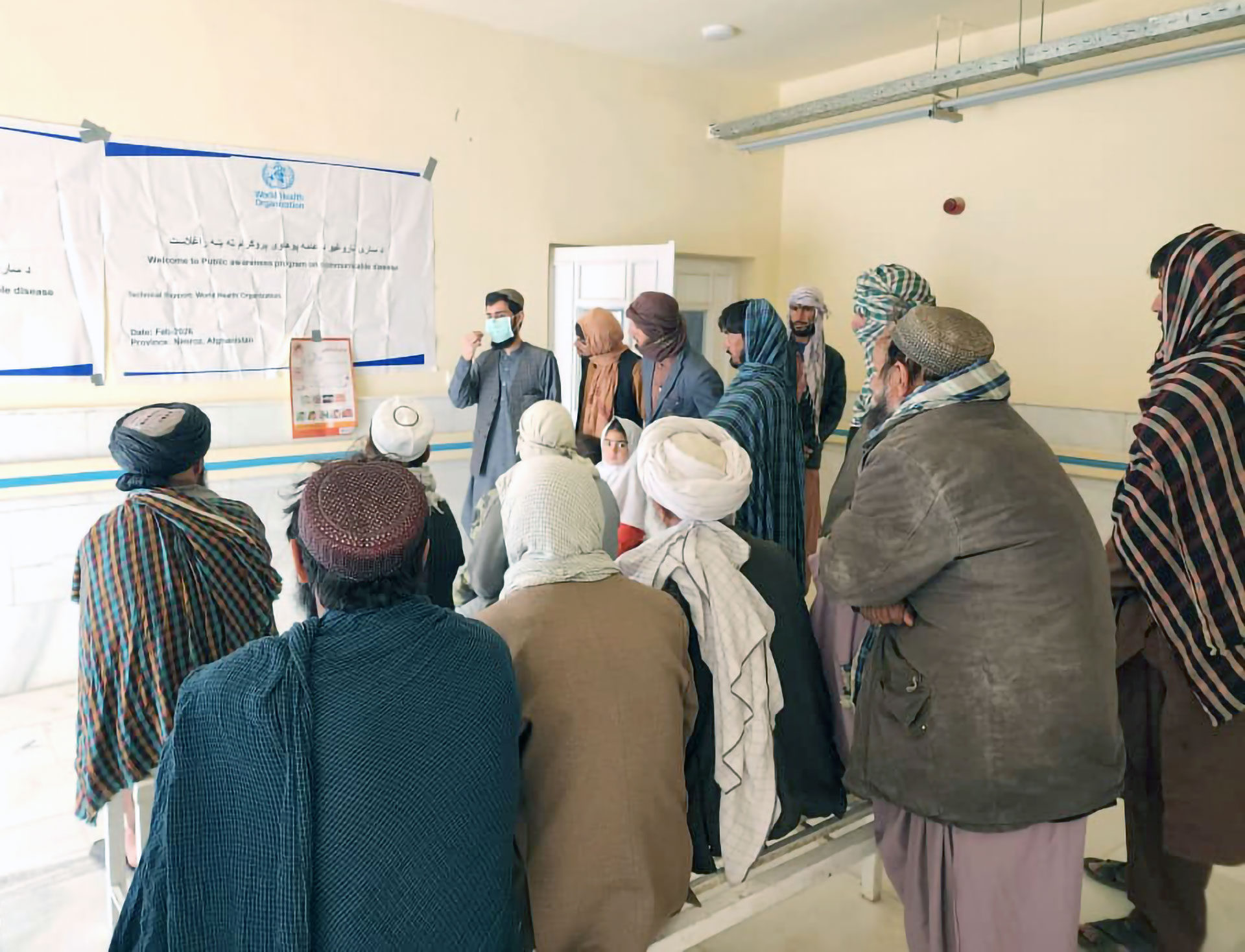
Protecting Afghan families through lifesaving health awareness campaigns at the border
15 March 2026, Kabul, Afghanistan – At the Zero Point of Milak Border Crossing in Nimroz Province, southwestern Afghanistan, 30-year-old social mobilizer Ferishta Zahedi stands before groups of women and returning families, speaking in a calm and friendly voice. “I am here because your health and your family’s health matter. I want to share...

Restoring hope at border crossings: Safa’s journey to recovery
Safa receives care at WHO-supported Torkham Emergency and Trauma Treatment Care Centre. Photo credit: WHO Afghanistan15 March 2026, Kabul, Afghanistan – In the hard-to-reach district of Momand Dara in Nangarhar Province, where thousands of vulnerable families and returnees from Pakistan are trying to rebuild their lives, access to timely health...
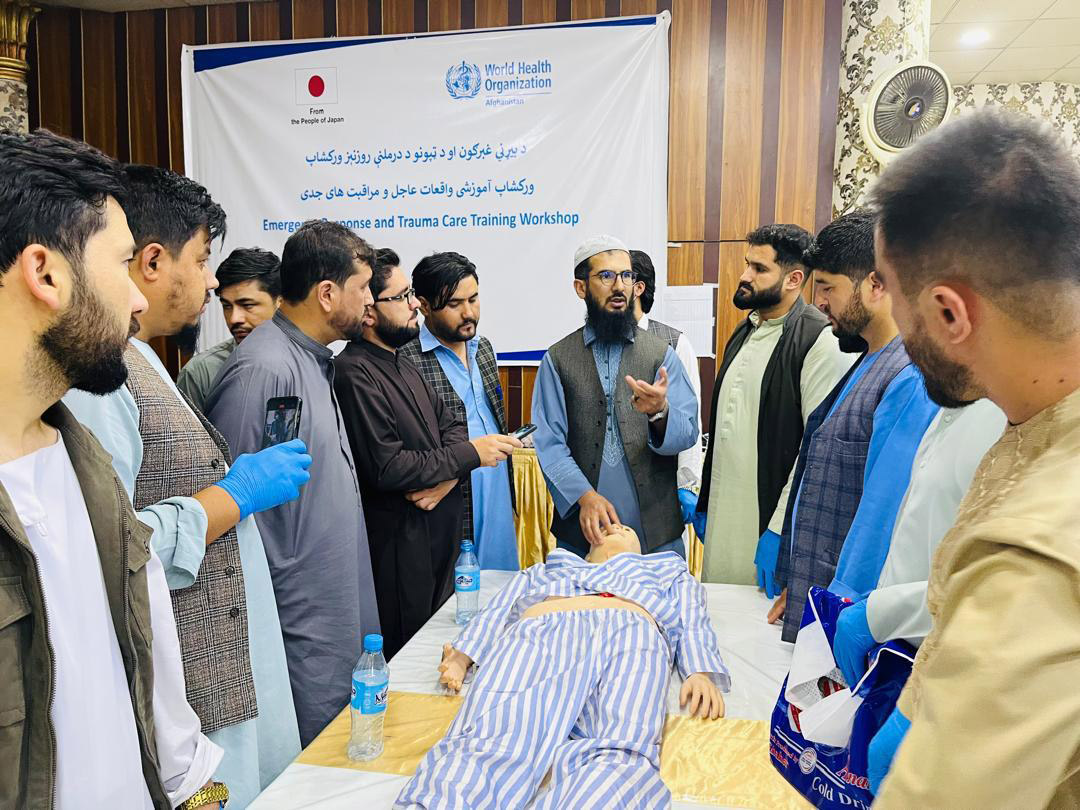
WHO Afghanistan strengthens emergency care for communities in Balkh
Participants practice life-saving skills during Basic Emergency Care training in Mazar-e-Sharif, Balkh Province. Photo credit: WHO 1 March 2026, Kabul, Afghanistan, - WHO Afghanistan has been strengthening emergency care services across the country through its Basic Emergency Care (BEC) training programme, enabling frontline health workers to respond...

WHO and national health partners complete malaria programme review in Afghanistan
17 February 2026, Kabul, Afghanistan - The World Health Organization (WHO) has concluded its malaria programme review mission in Afghanistan, stepping up efforts to reduce the country’s rising malaria cases. Each summer, heavy rains and rising temperatures create ideal breeding conditions for mosquitoes. From June to November, malaria threatens...

Vaccinating zero-dose children among returning families in Nimroz
Karim’s daughter receiving routine vaccination at Targreshk sub-Health Centre. Photo credit: WHO15 February 2026, Kabul, Afghanistan - After years of being displaced, families returning to Khashrood District in Nimroz Province are coming home with children who have never received a single vaccine dose. Karim, a 38-year-old father of three, has...

WHO welcomes Japan’s continued humanitarian support for health services in Afghanistan
WHO-supported health services provide essential care to patients, made possible with the generous support of the Government and people of Japan (Kabul). Photo credit: WHO. 12 January 2026, Kabul, Afghanistan – The World Health Organization (WHO) welcomes Japan’s new humanitarian assistance of US$ 240 000, reaffirming the steadfast commitment of...
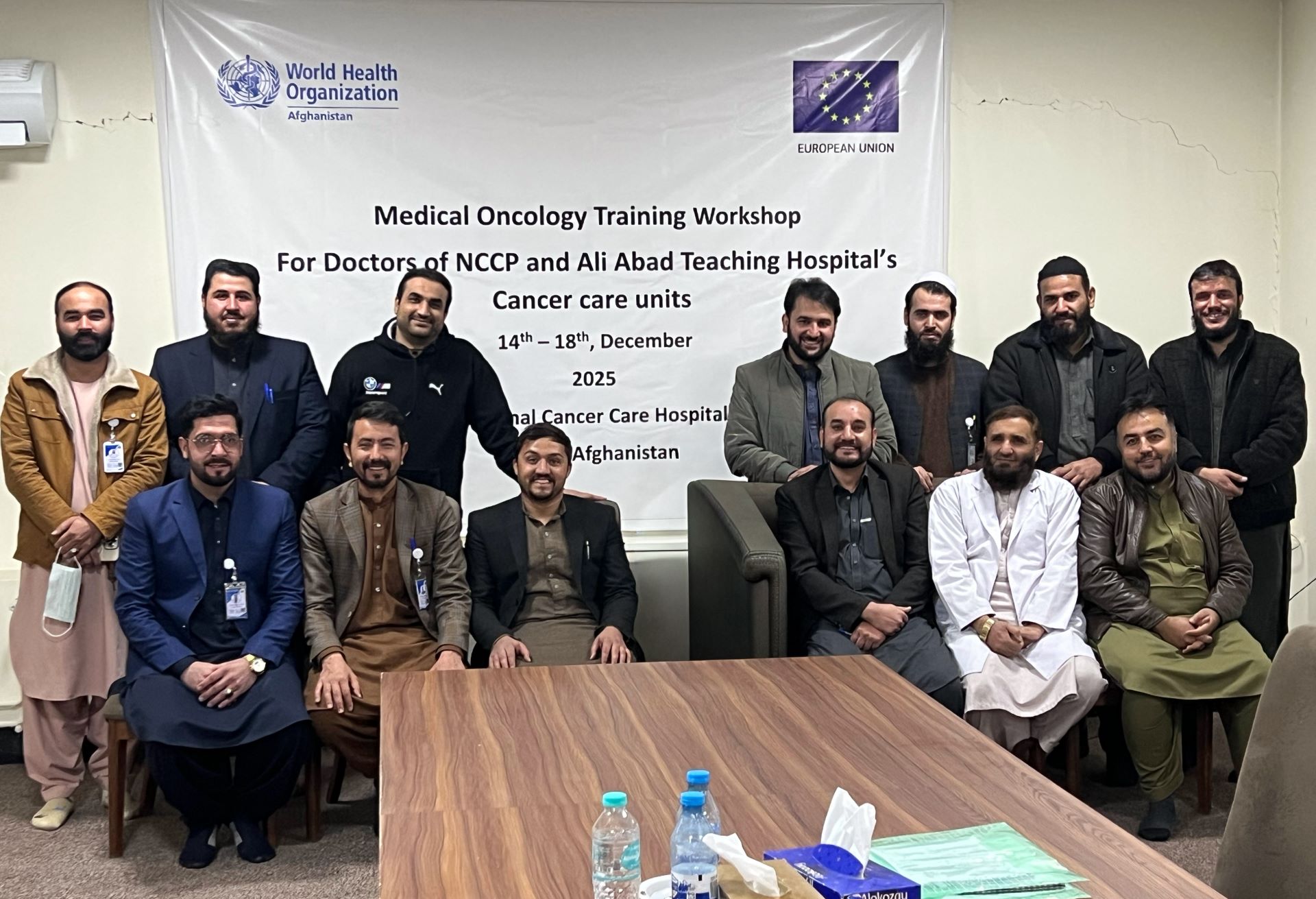
WHO supports stronger cancer and palliative care in Afghanistan
Group photo of doctors following an in-person cancer training workshop to strengthen oncology practice and patient care. Photo credit WHO Afghanistan. Photo Credit: WHO Afghanistan 24 December 2025, Kabul, Afghanistan – A World Health Organization (WHO)-supported multidisciplinary training programme to strengthen cancer and palliative care in...

Over 8 million children in Afghanistan reached as the second phase of the measles campaign concludes
Community members bring their children for measles vaccination as part of the 2nd phase of the nationwide campaign, strengthening protection across the country. Photo Credit: WHO Afghanistan 18 November 2025, Kabul, Afghanistan – The World Health Organization (WHO), the United Nations Children’s Fund (UNICEF) and Gavi, the Vaccine Alliance, in...
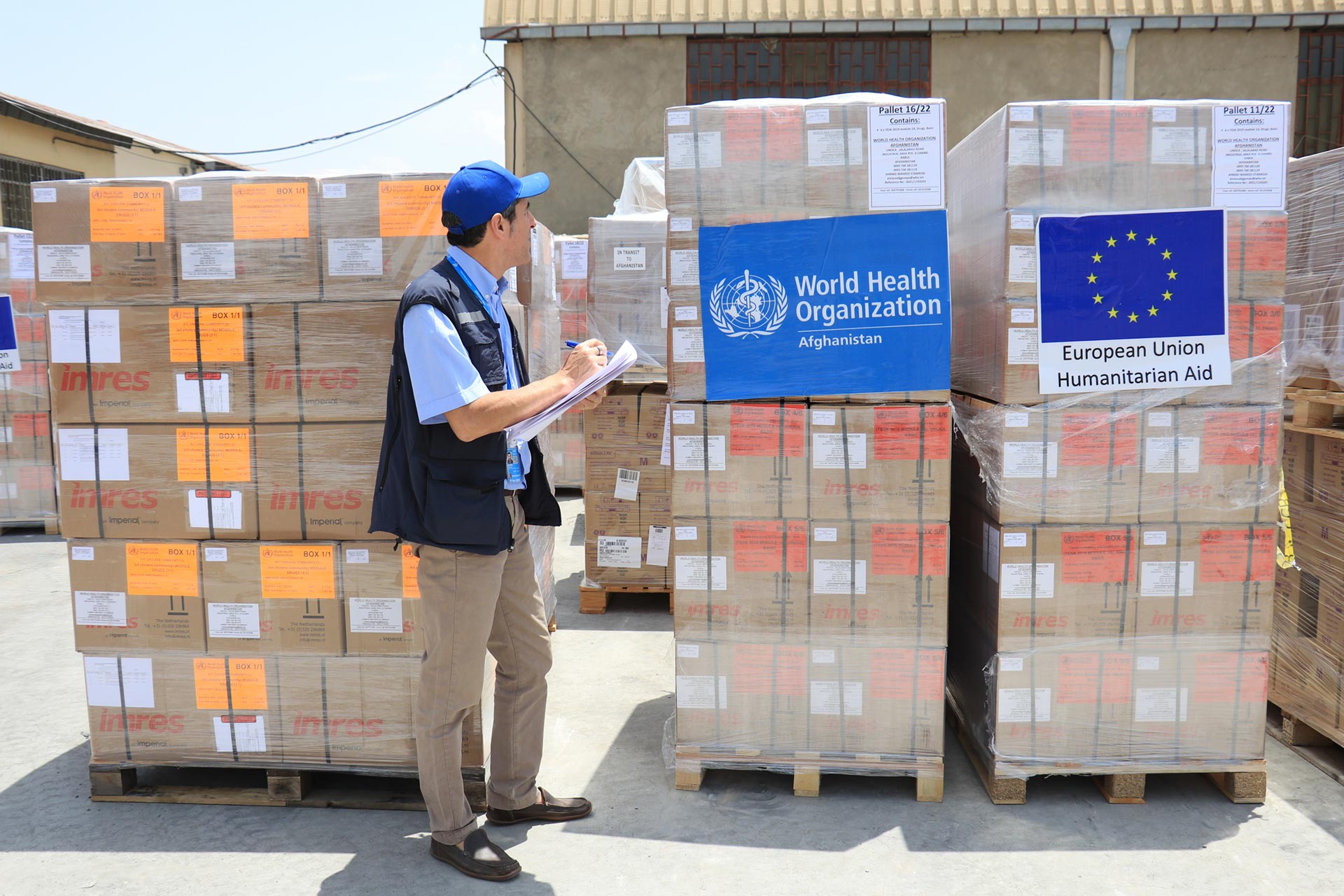
EU Increases humanitarian funding to expand WHO’s health response in Afghanistan
ECHO supports WHO Afghanistan with essential medical supplies. Photo credit: WHO21 October 2025, Kabul, Afghanistan – The World Health Organization (WHO) in Afghanistan has received an additional €1million from European Union (EU) Humanitarian Aid, bringing total EU health funding in Afghanistan to €7 million since May 2025. The extra funding...
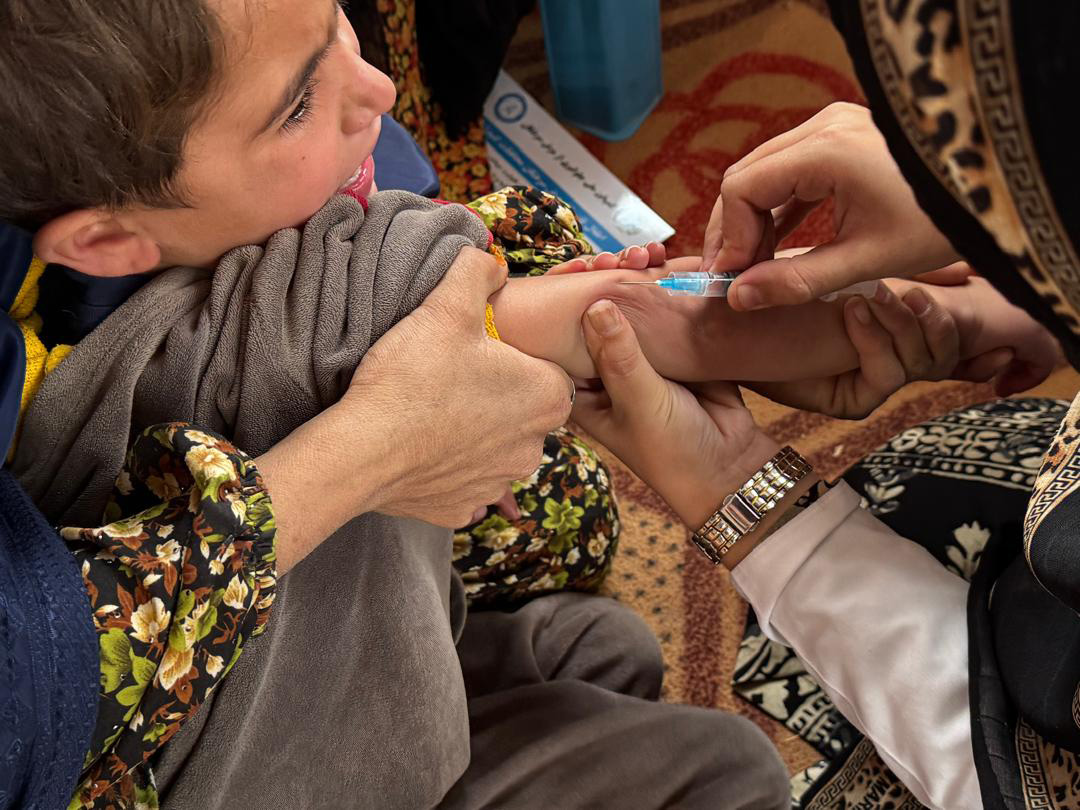
Afghanistan reaches 8.3 million children in the first phase of a nationwide measles campaign
A child in Kaldar District of Balkh Province receives a measles vaccine. Photo credit: WHO Afghanistan8 October 2025, Kabul, Afghanistan – The World Health Organization (WHO) and the United Nations Children’s Fund (UNICEF), in collaboration with the National Expanded Programme on Immunization (NEPI) in Afghanistan, has successfully concluded the...
