


Parasite resistance to antimalarial drugs
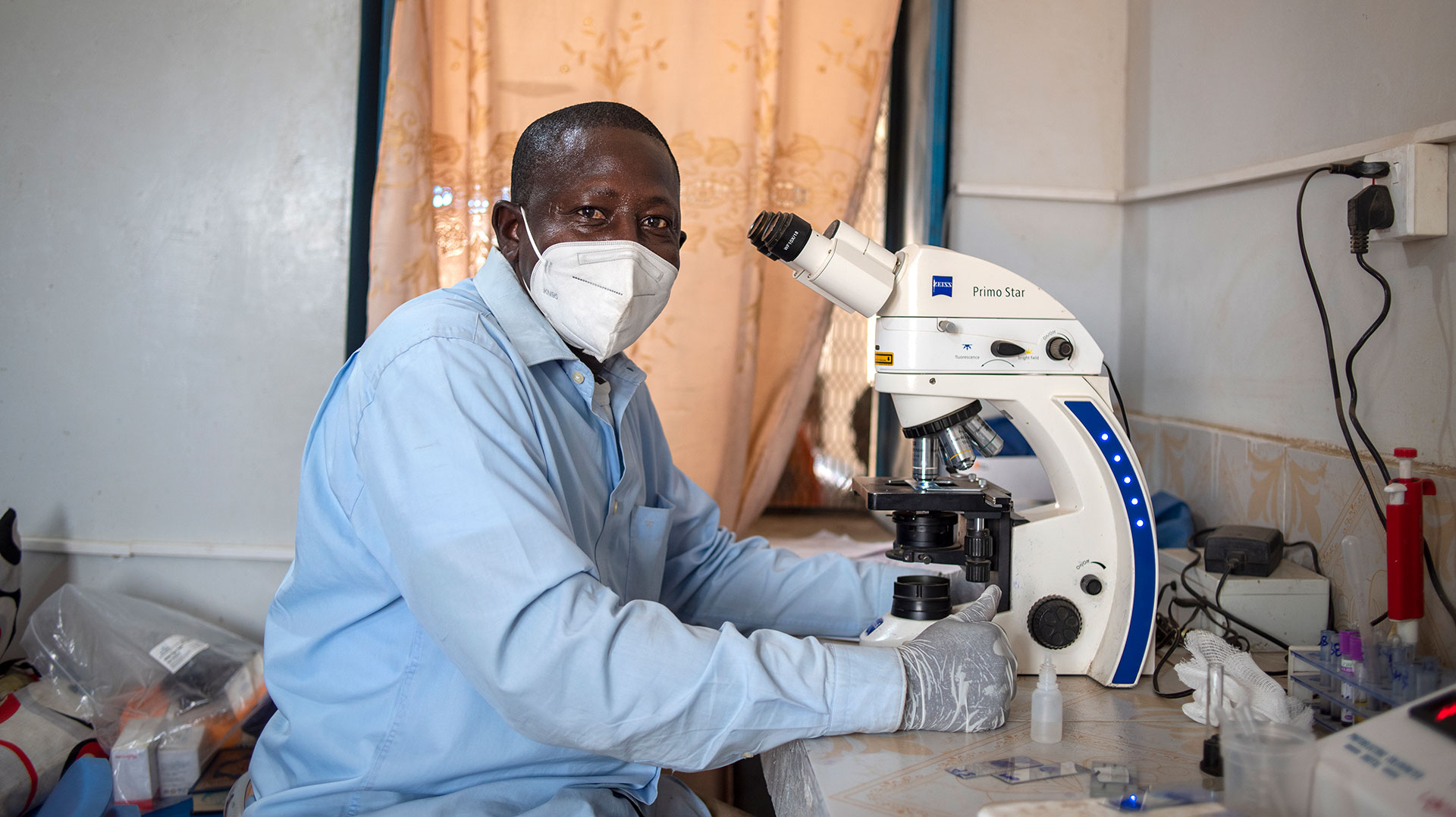 Sudan: Health interventions in North Darfur. Photo credit: WHO/Lindsay Mackenzie
A therapeutic efficacy study (TES) conducted in 2015 detected high treatment failure rates with artesunate plus sulfadoxine–pyrimethamine (AS+SP) alone in Somalia (101) and the Sudan (102), which prompted a change in treatment policy to AL in both countries. Data on the efficacy of AL for the treatment of P. falciparum are available from Afghanistan, Djibouti, Pakistan, Somalia, the Sudan and Yemen (2015–2024), and TES on the efficacy of DHA-PPQ are available from Pakistan, Somalia and Sudan; all studies demonstrated high treatment efficacy. In a recent review of antimalarial drug resistance in the region, a high prevalence of the Pfkelch13 R622I mutation was detected in the Sudan in 2016 and 2020 (103). This finding underscores the need for close monitoring of the efficacy of recommended ACTs and Pfkelch13 mutations in the region. Studies conducted on the efficacy of first-line treatments for P. vivax are available from one study of AL in Somalia (2018) and three studies of CQ in Afghanistan (2016 and 2022); no treatment failures were observed.
Insecticide resistance
Insecticide resistance has been confirmed across many countries of the Region, along with the need for multiple classes of insecticides. This has increased the cost of vector control interventions.
Find out more about the impact of insecticide resistance on vector control.
Invasive vectors
The increasing spread of An. stephensi in Djibouti, Somalia, Sudan and Yemen has increased the risk of malaria, especially in urban and suburban areas.
Aedes-borne diseases have also increased in burden and geographical distribution in the Region. This has added a significant burden to programmes to combat malaria and vector-borne diseases.
Learn more about the impact of invasive vectors on vector control.
Resources to biological threats section:
For maps and data on biological threats to malaria, see: Malaria threats map
