


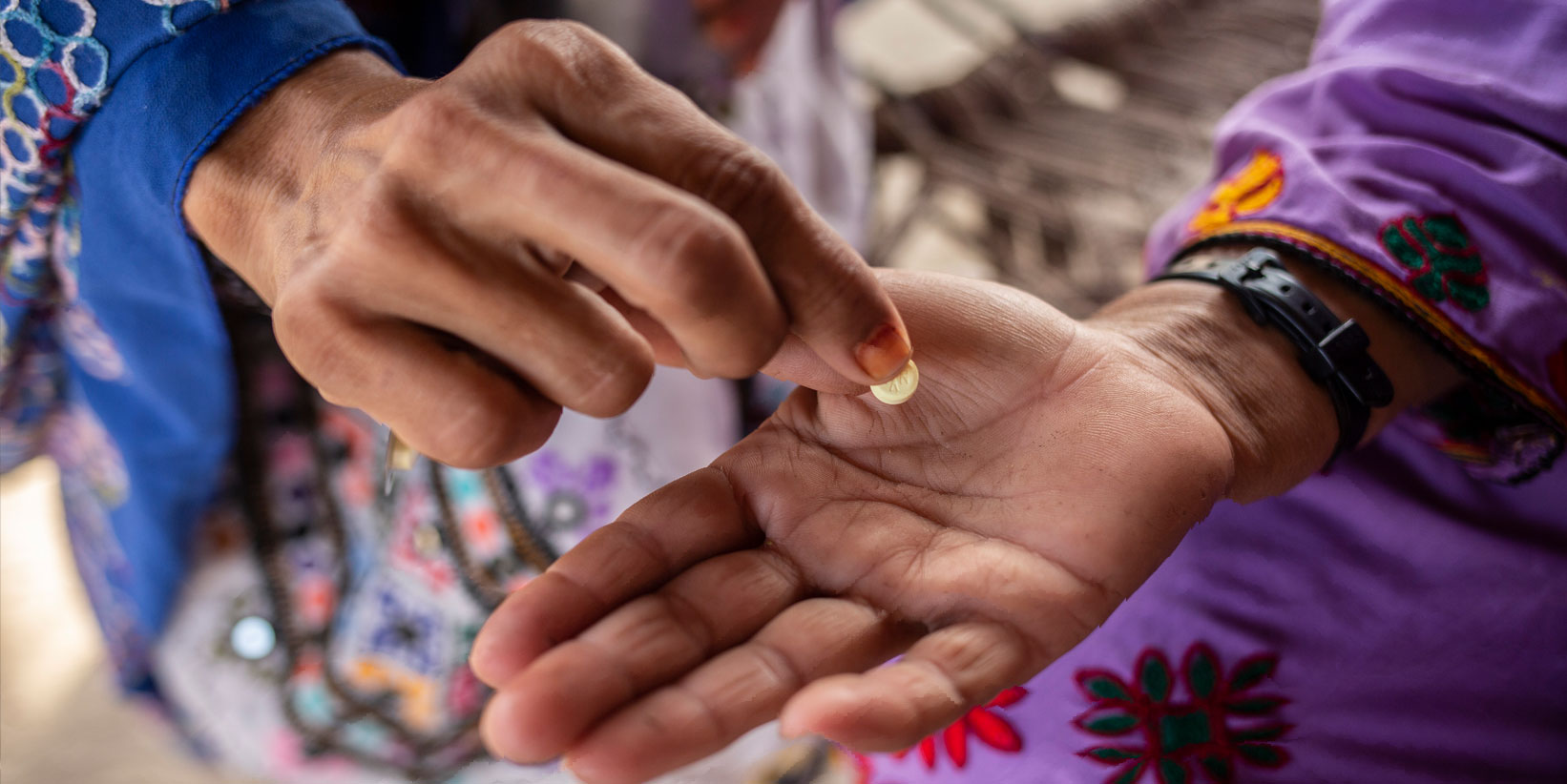
To monitor the efficacy of antimalarial medicines, WHO supports countries through two subregional networks. These produced timely, quality evidence on the efficacy of antimalarials, which was used to update national treatment policies. In 2019, the scope of work of the two networks expanded to include vector control and other biological threats, including insecticide resistance and invasive vectors. The subregional networks are the:
Horn of Africa Network for Monitoring Antimalarial Treatment (HANMAT): Djibouti, Saudi Arabia, Somalia, Sudan and Yemen, WHO Eastern Mediterranean Region; and Ethiopia, Eritrea and South Sudan, WHO African Region; and
Pakistan, Iran and Afghanistan Malaria Network (PIAM-Net).
Other existing networks: G5, IGAD, Expanded Special Project Elimination NTDs, African Leaders Malaria Alliance, ILEP.
Networking and collaboration contribute to:
sharing of information for a timely response (invasive vectors);
more cross-border collaboration on capacity-building;
stronger integrated vector surveillance and vector control, with a community engagement component;
prioritization of research by generating local evidence, including further entomological investigation for informed decision-making on insecticide resistance management and interventions;
improved resource mobilization to strengthen surveillance; and
logistical and technical support to countries.
Partners
Donors
GFATM-MER: Global Fund to Fight AIDS, Tuberculosis and Malaria – Middle East Response (Afghanistan, Djibouti, Pakistan, Sudan, Somalia, Yemen), KS relief: King Salman Humanitarian Aid and Relief Centre, World Bank (YEM): World Bank Yemen Country Program, GLIDE: Global Institute for Disease Elimination, CDC Atlanta: Centers for Disease Control and Prevention, Atlanta (currently frozen), Sasakawa Health Foundation, and pharmaceutical donors.
Collaboration with international institutes and UN
CDC Atlanta: Centers for Disease Control and Prevention, Atlanta, NEA Singapore: National Environment Agency, Singapore, FAO: Food and Agriculture Organization of the United Nations, IRD Montpellier France: Institut de Recherche pour le Développement, Montpellier, France, AHRI Addis: Armauer Hansen Research Institute, Addis Ababa, TIDRC Jimma University Ethiopia: Tropical and Infectious Diseases Research Center, Jimma University, Ethiopia, LSHTM University of London: London School of Hygiene & Tropical Medicine, University of London, LSTM University of Liverpool UK: Liverpool School of Tropical Medicine, University of Liverpool, UK, Baylor University Texas US, NAMRU-EURAFCENT: U.S. Naval Medical Research Unit – Europe & Africa, and UNRWA: United Nations Relief and Works Agency for Palestine Refugees in the Near East.
WHO Collaborating Centres:
Iran Pasteur Institute (Islamic Republic of Iran)
Theodor Bilharz Research Institute (TBRI) (Egypt)
University Al Manar 2, Dermatology Department of La Rabta Hospital (Tunisia)
University of Khartoum, The Mycetoma Research Centre (Sudan) *Under HQ-NTD
