

Sélectionnez votre langue
Vector control
 WHO with KSrelief fund launched a comprehensive emergency vector control campaign in targeted districts of Aden and Lahj governorates in Yemen
Vector control seeks to prevent the transmission of disease. The transmission cycle of vector-borne diseases depends on the infectious bite of a specific disease vector. Vector control breaks this cycle and thus prevents disease. It does this either by killing the vector or by reducing human–vector contact.
Vector control is one aspect of vector-borne disease control. The other is the medical component, which comprises prophylactic chemotherapy, diagnosis, treatment and case management.
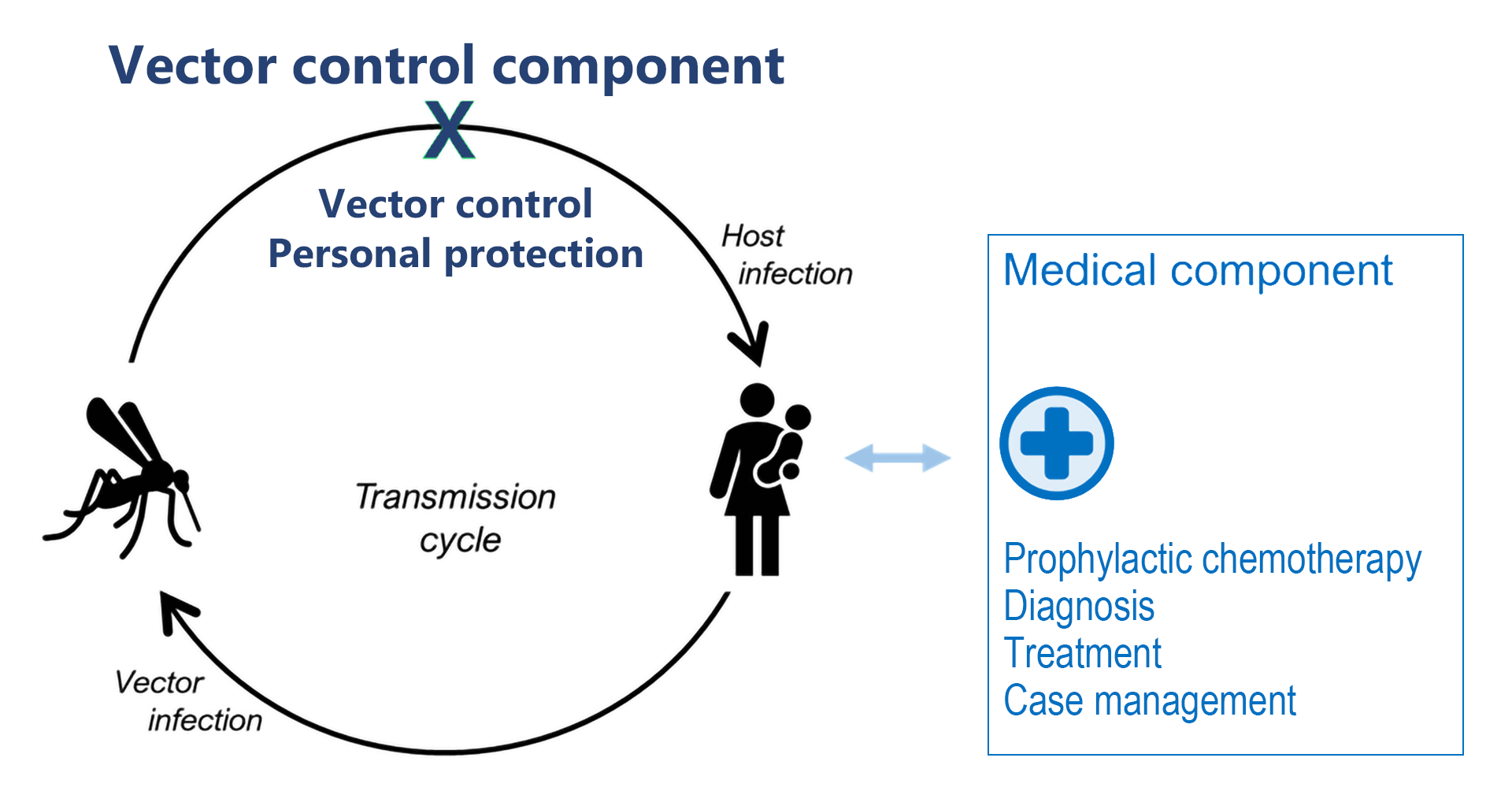 Figure 1. The vector control component and the medical component of vector-borne disease control
Vector control is a cross-cutting activity that is essential within a health system to enhance the impact of other strategic interventions.
A multisectoral approach to vector control is a key strategy to reduce the burden and threat of vector-borne diseases. Political commitment and leadership are vital to sustain a multisectoral approach to the prevention and control of outbreaks of vector-borne diseases.
Extreme climate events can affect the transmission of vector-borne diseases. It is important to engage with climate experts to know the seasonality/climate drivers that can help to predict hot spots for outbreaks.
Existing integrated vector management committees can be an entry point for the One Health approach.