


Select your language


Attacks on health care in Sudan must stop now
Statement by Dr Ahmed Al-Mandhari, WHO Regional Director for the Eastern Mediterranean Cairo, Egypt, 11 January 2022 – The World Health Organization (WHO) is following with great concern the escalating crisis in Sudan, including 15 reported attacks on health care workers and health facilities since November 2021 in Khartoum and other cities, 11 of...
Statement by WHO Representative in Sudan at the Regional press briefing on COVID-19
22 December 2021 - Sudan is witnessing the fourth wave of the COVID-19 pandemic. The first case was reported in the country in March 2020. By September 21st 2021 Sudan had more than 85,000 suspected COVID-19 cases -- of which 45,730 confirmed by lab results -- with 3,518 associated deaths. Out of 1,041 health workers tested in Sudan, 64% were...
WHO to expand support to strengthen delivery of primary health care and essential health services through Canadian grant
24 August 2021 – WHO Representative Dr Ni’ma Saeed Abd met on 17 August with H.E. Adrian Norfolk, the Canadian Ambassador in Khartoum, to discuss the joint collaboration between WHO and Government of Canada in supporting Sudan to accelerate progress towards attaining universal health coverage (UHC) and health security. In March 2021, WHO and the...
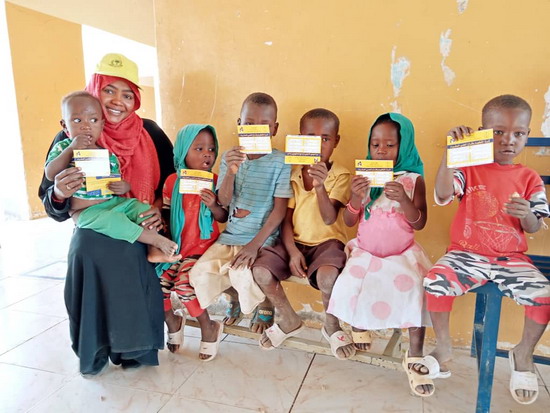
Sudan launches yellow fever vaccination campaign among Ethiopian refugees and host communities
Sudanese authorities carried out an oral cholera and yellow fever vaccination campaign among Ethiopian refugees at Hamdayeet reception centre, Kassala State, from 23 to 26 March 2021 27 April 2021 – Health authorities in Sudan began implementing yellow fever vaccination campaign activities last month in priority states as part of a broader...
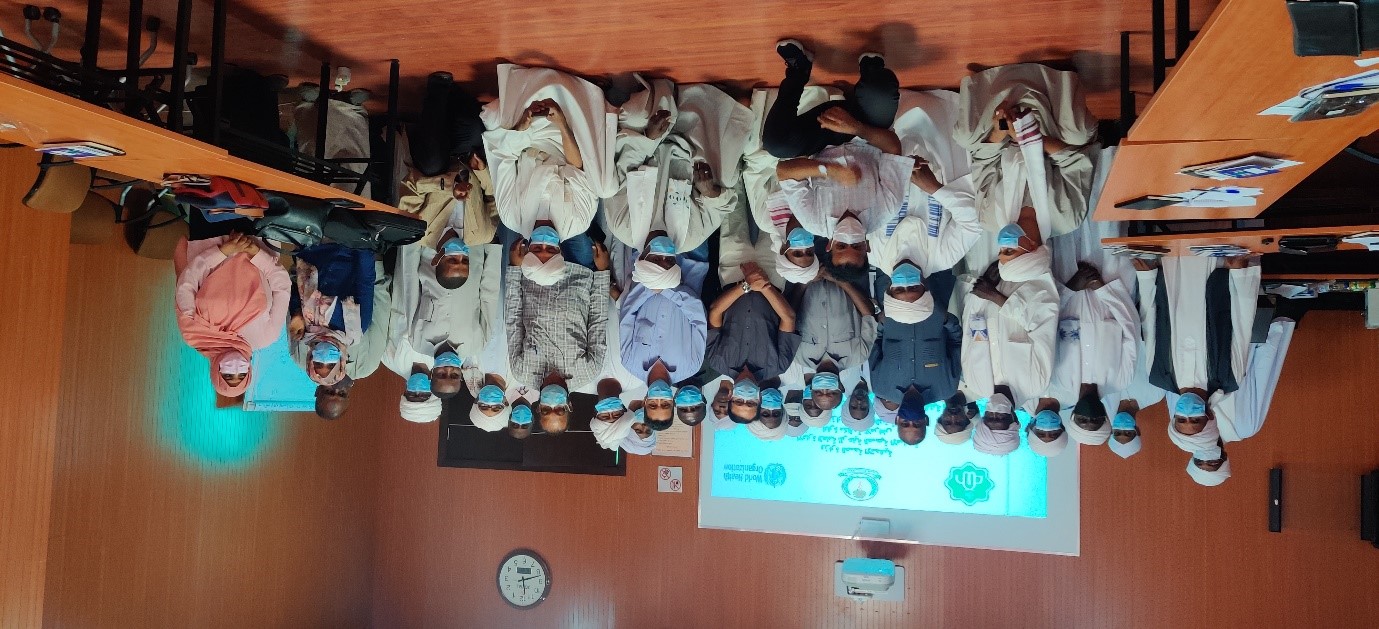
Khali Mein El Ferendit campaign launched in Sudan for the start of Ramadan
22 April 2021 – Guinea worm disease (dracunculiasis) is a parasitic disease contracted by drinking-water contaminated with the infected intermediate hosts of the parasite, called Cyclops. The full-grown guinea worm begins to migrate throughout the infected person's body within about a year after ingestion. Sudan is at pre-certification stage and...
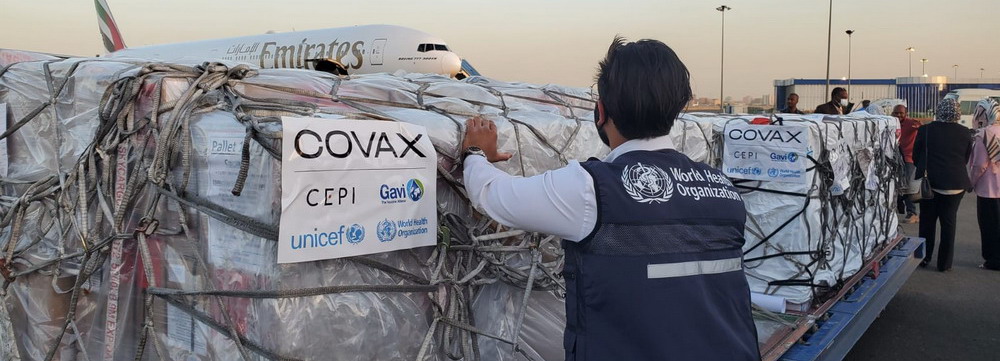
Sudan receives first delivery of COVID-19 vaccines with over 800 000 doses
Sudan becomes first country in the Middle East and North Africa to receive vaccines via the COVAX Facility Initial doses to health care workers and people above 45 with chronic medical conditions KHARTOUM, 3 March 2021 – Sudan is the first country in the Middle East and North Africa (MENA) region to receive vaccines against COVID-19 following the arrival...
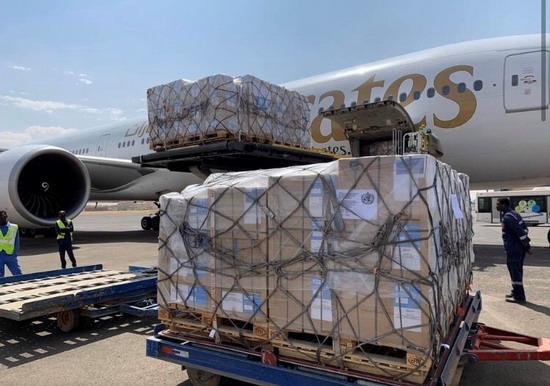
WHO airlifts medical supplies to Sudan
28 February 2021, Khartoum, Sudan – A charter plane carrying life-saving medicines and medical supplies landed in Khartoum, Sudan, this morning to fill critical shortages of emergency supplies in health facilities and support the response to COVID-19. The supplies include emergency health kits, personal protective equipment, and laboratory tests. The...
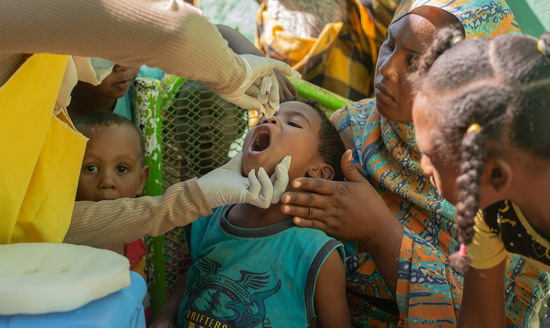
Sudan kicks off second response campaign against polio outbreak
25 January 2021 – Khartoum | As the world is gearing up for mass vaccination for their populations to slow the global COVID-19 pandemic, Sudan launched a different, yet equally important, nationwide vaccination campaign against polio targeting more than 8 million children. The second vaccination round, led by the Federal Ministry of Health and...
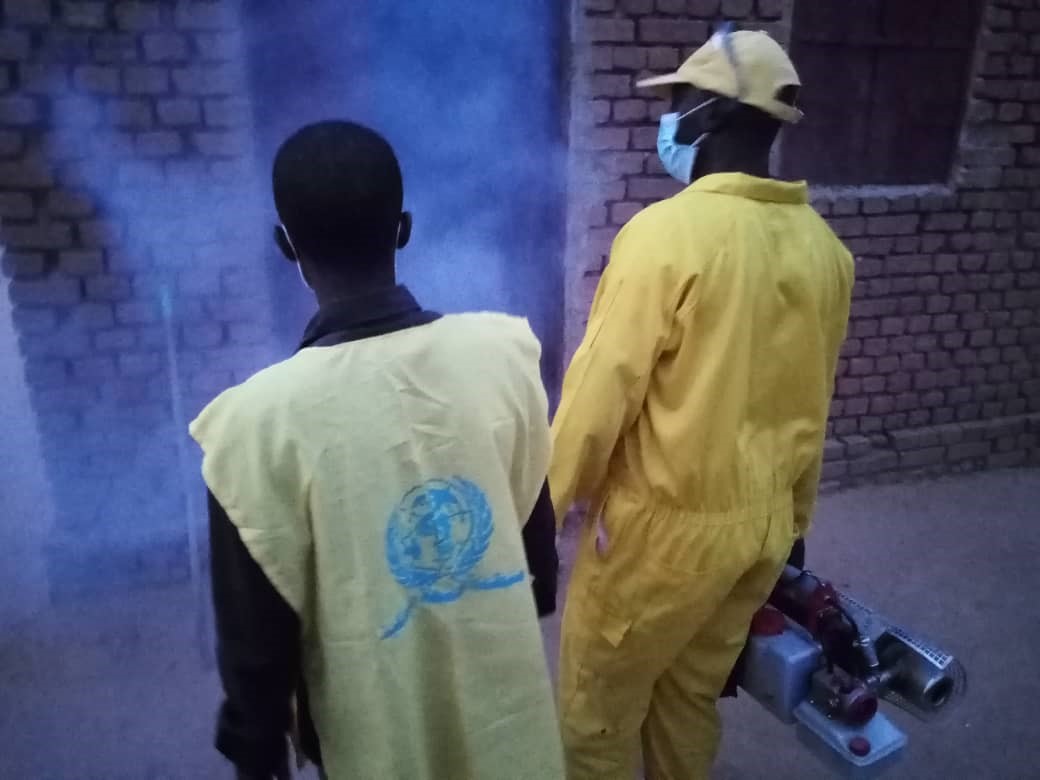
Supporting preparedness and response in North Kordofan in the rainy season
6 December 2020 – In North Kordofan, heavy rains and floods have increased mosquito-borne diseases, malaria in particular, as prolonged rains increase the amount of stagnant water in the environment in which mosquitoes breed. To reduce morbidity and mortality related to water and vectors and to protect vulnerable communities, WHO supported a...
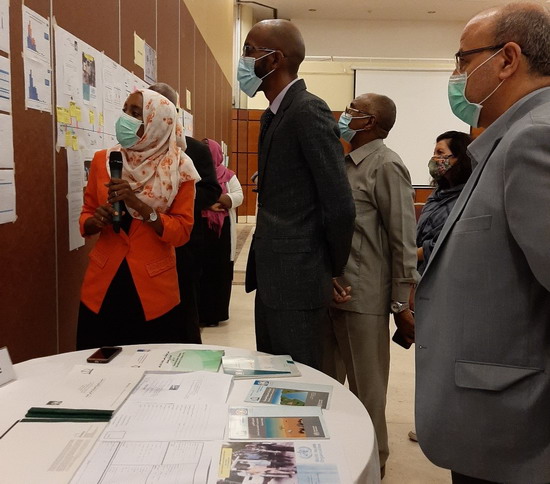
WHO supports After Action Reviews to strengthen multisectoral outbreak response efforts
The Acting Federal Minister of Health and WHO Representative listening to one of the pillar groups during the cholera After Action Review 13 October 2020 - Sudan has been experiencing recurrent epidemic-prone disease outbreaks over the last decades such as cholera, chikungunya, malaria, Rift Valley fever and measles, amongst others. These...
