


Select your language

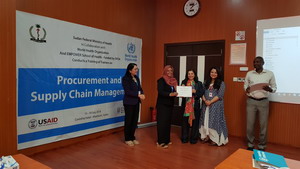
WHO and Ministry of Health invest in national capacities for procurement and supply chain management
During the distribution of certificates workshop facilitator from EMPOWER Faculty, Dr Naeema Al Gasseer WHO Representative for Sudan, Ms Aziza Adam WHO logistics participant in the workshop, and Dr Mohira Boboeva WHO Emergency Technical Officer9 August 2018 – The World Health Organization (WHO), in collaboration with the Federal Ministry of Health...

Developing an accountability framework to advance towards universal health coverage
Khartoum, Sudan, 2 August 2018 – The Federal Ministry of Health, with support from WHO today concluded a 3-day workshop on accountability assessment of the health system and services for members of the accountability assessment taskforce. The workshop marked the participation of 50 professional from the Federal and State ministries of health, in...
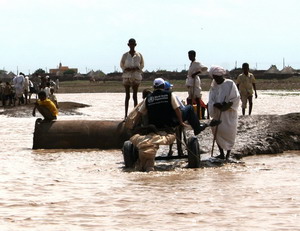
Lifesaving medicines and supplies prepositioned in preparation for Sudan’s rainy season
Khartoum, Sudan, 26 July 2018 – WHO, in support of Sudan’s Federal Ministry of Health, has prepositioned vital medicines and medical supplies for more than 3 million beneficiaries as part of the national emergency preparedness plan for the upcoming rainy season. The supplies include rapid response kits for a population of about 3 million people;...

Setting priorities for strengthening the emergency care system in Sudan
Consensus meeting to address ECSA findings, Khartoum, Sudan, 23 July 2018 (Photo: WHO).24 July 2018 – The Federal Ministry of Health in Sudan, with support from WHO and in collaboration with emergency care partners and stakeholders, have concluded a consensus meeting to address the gaps identified by the Emergency Care System Assessment (ECSA)...
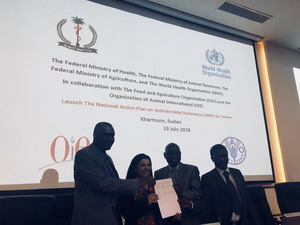
Ministry of Health of Sudan, with WHO and partners, launch AMR national action plan
22 July 2018 – Sudan’s Federal Ministry of Health, Ministry of Animal Resources and Fisheries, Ministry of Agriculture and Forestry and WHO, in collaboration with the Food and Agriculture Organization of the United Nations, World Organisation for Animal Health and the United Nations Environment Programme, have launched the Sudanese national...
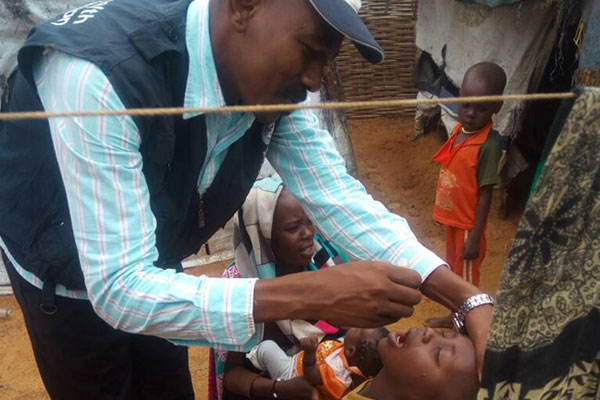
Sudan kicks off July national immunization campaign to vaccinate 4.2 M children
Khartoum, Sudan, 17 July 2018 - Sudan’s Federal Ministry of Health, with the support of the World Health Organization (WHO), and the United Nations International Children’s Fund (UNICEF) launched a national immunization campaign to maintain the country's polio-free status. The National Immunization Days (NID) will be conducted over two phases, with...
WHO restores health care services in newly accessible areas in South Darfur
16 July 2018 – WHO and health partners in Sudan have launched a 1-year project to rehabilitate and equip 5 health clinics and support 4 others in East Jebel Marra, South Darfur, in a bid to improve health services for 242 000 displaced people. The clinics are considered a priority in an area which has had limited access to health services for more...
Sudan, WHO and Japan together for stronger decentralized health system reaching the most in need
Khartoum, Sudan, 8 July 2018 – The World Health Organization (WHO), in partnership with Sudan’s Federal Ministry of Health and with a generous contribution from the Government of Japan, has jointly launched a one-year project to strengthen the decentralization of the health system in 5 of Sudan’s 18 states. Forty-six localities and administrative...
Sudan stands out as global leader in the adoption of Health-in-All-Policies approach
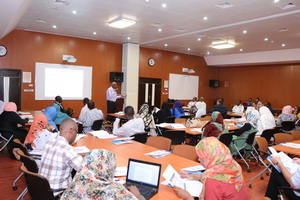
Public Health Institute in Sudan21 June 2018 – The World Health Organization, in collaboration with the Federal Ministry of Health and Public Health Institute in Khartoum, Sudan, held an intersectoral training workshop from 29 to 31 May 2018 on the Health-in-All-Policies (HiAP) approach. The workshop was the first to be rolled out in Sudan. It...
30 Sudanese physicians and nurses graduate from WHO and EMERGENCY “Mass casualty management” course
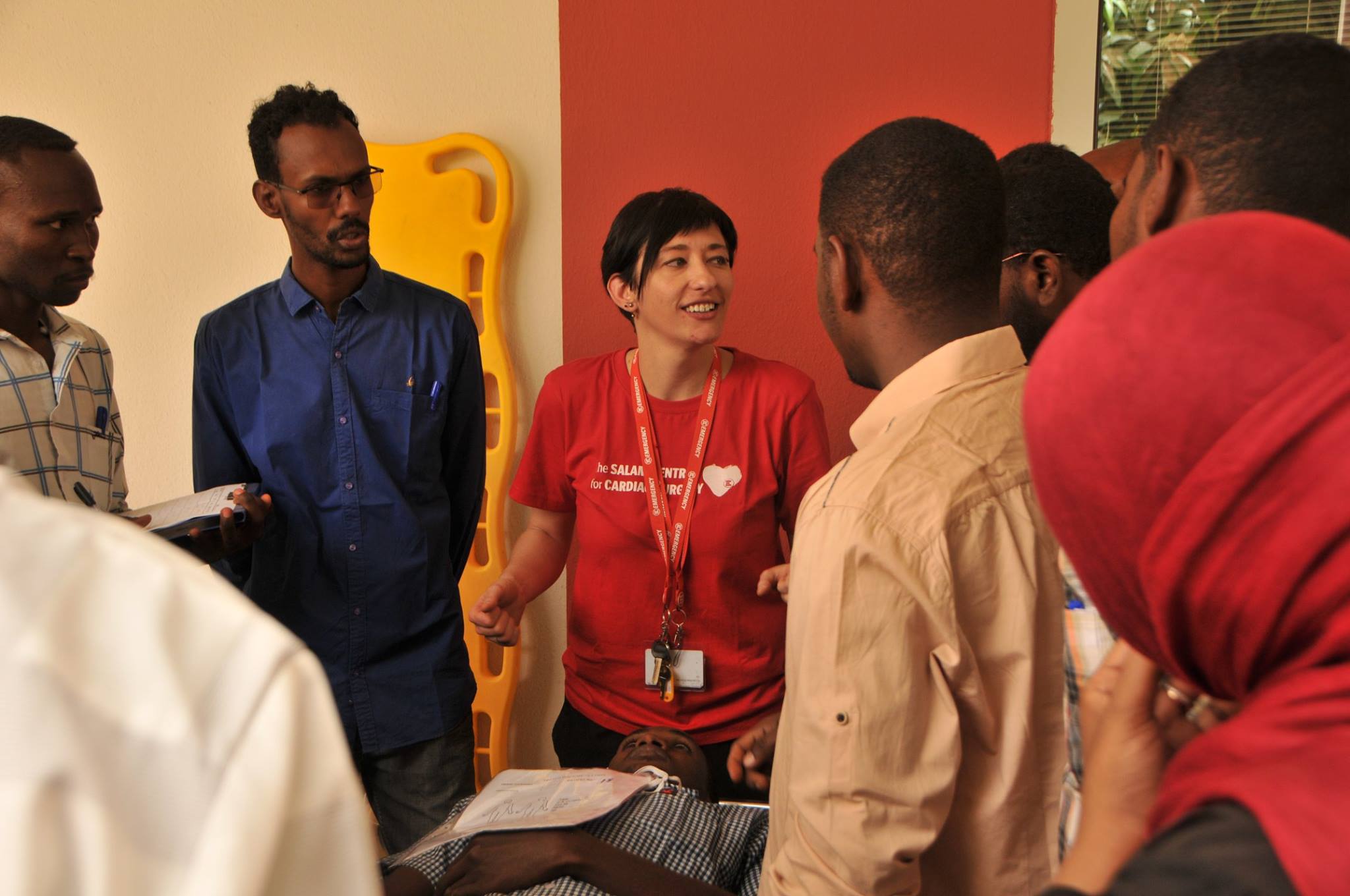
Trainees receive instruction from EMERGENCY staff (Photo: Simon van Woerden/WHO Sudan). From 25 February to 1 March 2018, a total of 30 workshop participants learned about the finer details of dealing with mass casualty incidents at the Salam Centre for Cardiac Surgery - such as large traffic accidents, explosions, or anything else that...
