


Regional Office
On April 4, 2024, the official launch of a new Joint Programme at WHO EMRO in Cairo marked a major step forward for regional collaboration, uniting IOM, WHO, and UNDRR leaders with Resident Coordinators from three participating countries. Regional Offices played a critical role by providing technical guidance, coordinating between agencies, and ensuring high standards through careful selection of consultants and partners. The development of standardized training materials and outreach tools supported uniform capacity building and community engagement, leading to high-quality interventions throughout the region. The programme’s cross-sectoral strategy was showcased at the World Urban Forum 12 as a model for innovative collaboration. Training initiatives, such as the WHO Competency Standards and Risk Communication, Community Engagement and Infodemic Management (RCCE-IM) courses, equipped health workers with skills for inclusive, culturally sensitive care and effective risk communication, especially for migrants and displaced populations. These efforts have strengthened health systems, promoted social cohesion, and established a foundation for ongoing collaborative impact across the three countries.
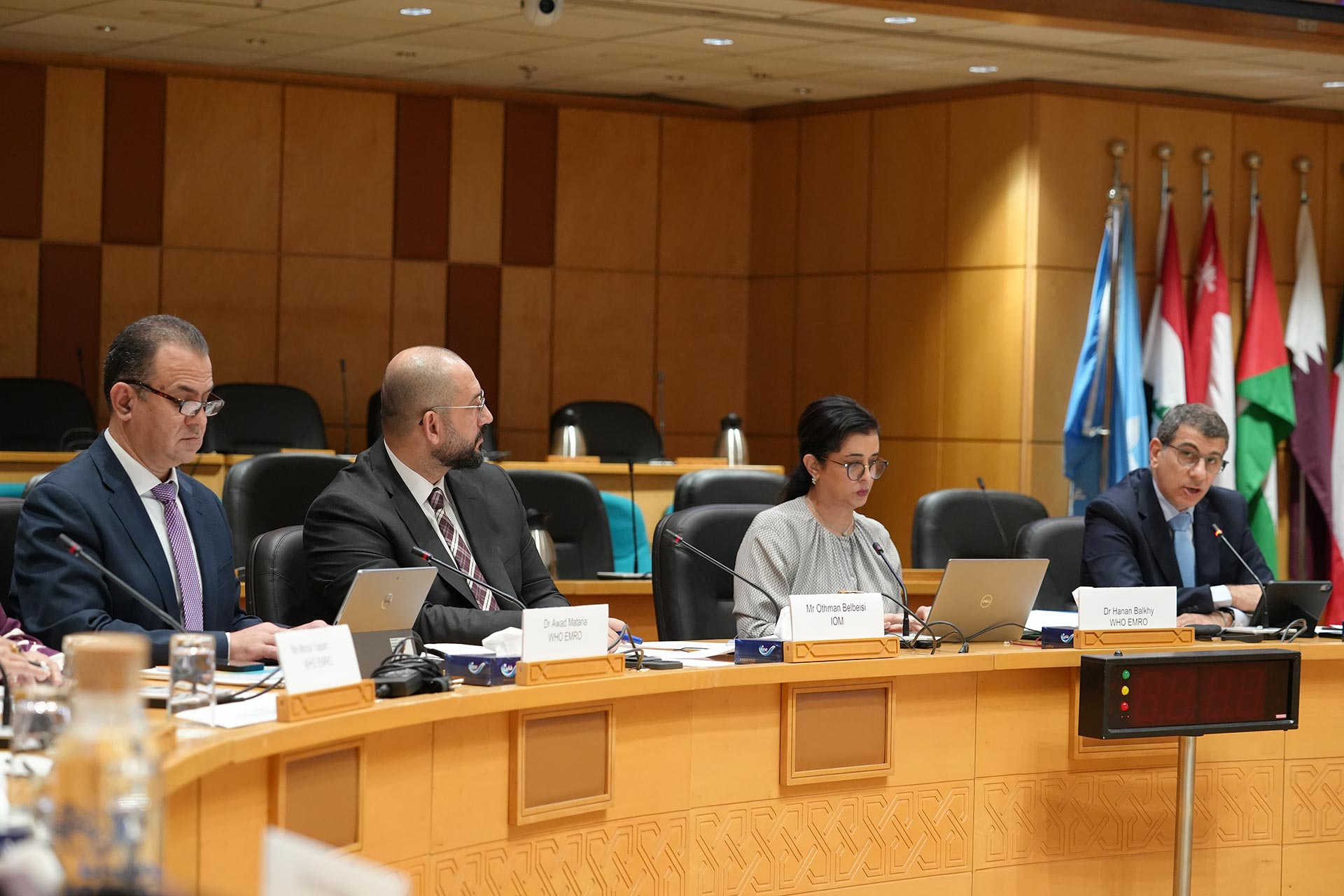 UN agencies launch joint programme to support Iraq, Jordan and Lebanon in climate change response - April 2024. Photo credit: WHO
On April 4, 2024, at the premises of WHO EMRO in Cairo, a significant milestone was achieved for regional cooperation in the Region. The official launch of a new Joint Programme brought together regional directors from the International Organization for Migration (IOM), the World Health Organization (WHO), and the United Nations Office for Disaster Risk Reduction (UNDRR), alongside Resident Coordinators representing the three participating countries. This collective inauguration underscored the shared commitment to building healthier, safer, and more resilient communities across the region.
The Regional Offices played an instrumental role in the programme's early success. Through the provision of technical guidance and facilitation of inter-agency coordination, they ensured cohesive collaboration between country offices. A key focus was supporting the selection of qualified consultants and Implementing Partners, achieved by rigorously reviewing Terms of Reference and project proposals. This process fostered consistent standards and a shared vision for programme implementation throughout the participating countries.
To promote uniformity and excellence, regional teams spearheaded the development of standardized training materials and outreach tools. These resources serve as the foundation for capacity building and community engagement, enabling all partners to deliver high-quality interventions and messages regardless of location. By investing in these harmonized tools, the programme guarantees that best practices and innovative approaches are shared widely, strengthening impact on both the national and regional levels.
The Joint Programme’s innovative and cross-sectoral approach did not go unnoticed on the global stage. At the World Urban Forum 12 (WUF12), the initiative was presented as an example of regional relevance and forward-thinking collaboration. This spotlight at WUF12 offered a unique opportunity to highlight the programme’s successes and encourage replication of its cross-disciplinary methods in other regions facing similar challenges.
The collective efforts of Regional Directors, Resident Coordinators, and technical teams have laid a strong foundation for the Joint Programme’s ongoing success. As the initiative moves forward, continued collaboration, innovation and resilience will be key to overcoming future challenges and achieving long-term sustainable impact for communities across the three countries.
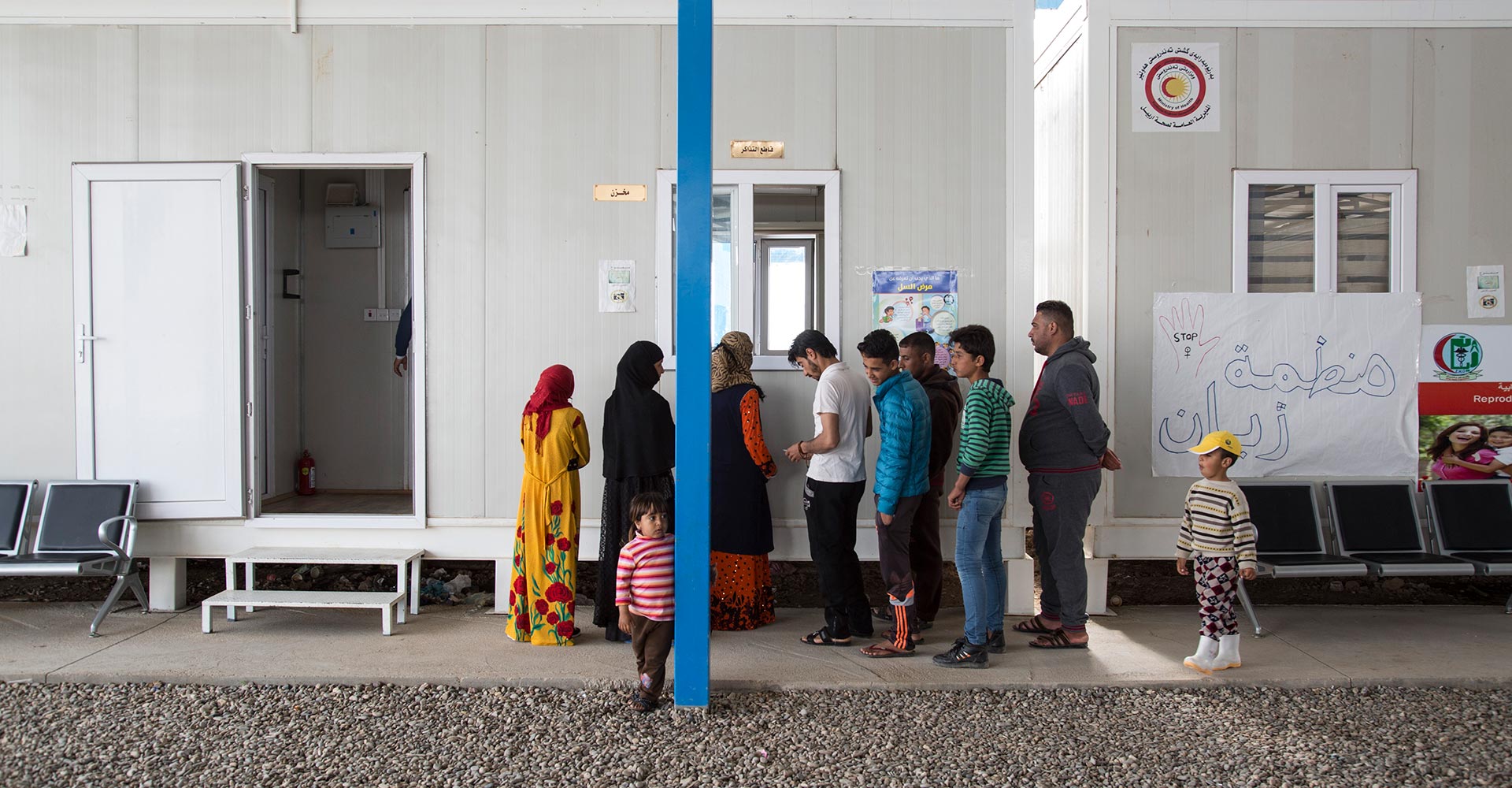 Iraq - Medical Clinic in Debaga Two Refugee Camp. Photo credit: WHO
Health workers need strong skills to provide inclusive, culturally sensitive care. The WHO Competency Standards and Risk Communication, Community Engagement and Infodemic Management (RCCE-IM) course offered structured training so health workers can effectively communicate risks and engage with communities, especially in emergencies. These programs strengthen health systems to better serve migrants, refugees, and displaced people, closing gaps in care and supporting social cohesion. Their success relies on collaboration and ongoing investment. Recently in Iraq, health professionals received first-time RCCE-IM training, gaining tools for evidence-based communication and improved service delivery to migrant and displaced communities. Primary health care workers in both Iraq and Jordan were trained as trainers on the Refugee and Migrant Health: Regional Competency Standards for Health Workers. These training sessions also align with the Regional Director’s flagship initiatives on health workforce development.
Iraq
In July 2024, the M-MTPF programme was launched in Iraq’s Basra Governorate, bringing together national ministries, local authorities, and international organizations like IOM, WHO, and UNDRR to address interconnected challenges of climate change, public health, disaster risk, and human mobility. Prioritizing stakeholder engagement and gender-sensitive approaches, the program established a Steering Committee and conducted foundational research to ensure coordinated, evidence-based interventions. As climate-induced displacement rises and health systems face mounting pressures from environmental hazards, the initiative focuses on equipping health workers with essential communication skills and adaptive strategies to meet Basra’s evolving needs.
In July 2024, Iraq’s Basra Governorate saw the launch of the M-MTPF programme, a coordinated effort addressing climate change, public health, disaster risk, and human mobility. The event brought together key stakeholders from national ministries, local authorities, and international organizations such as IOM, WHO, and UNDRR, establishing a collaborative approach to complex challenges.
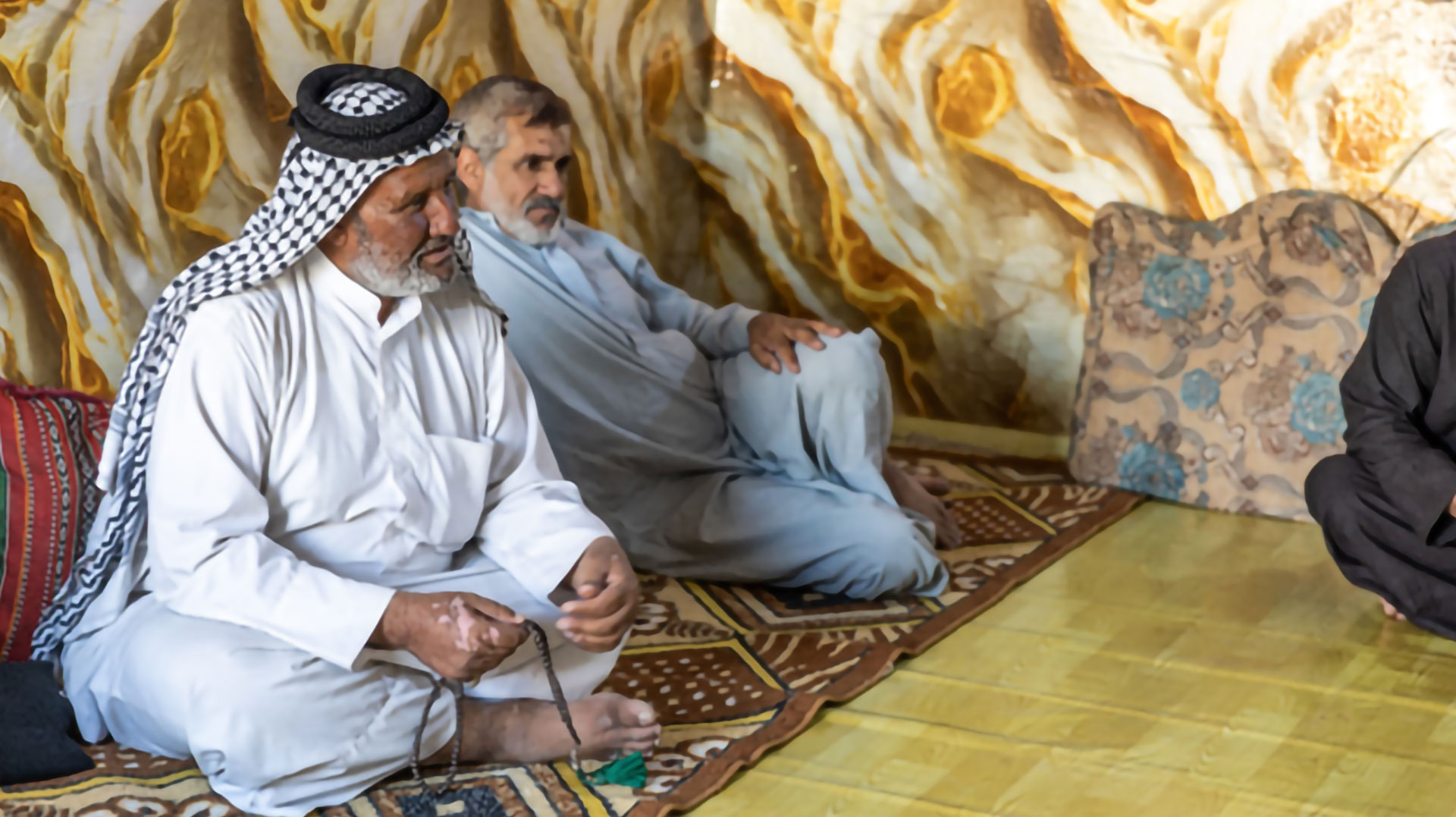 Basra, Iraq, meeting with local government. Photo credit: WHO
From the outset, stakeholder engagement was prioritized through strategic meetings with government and international entities to align objectives and integrate efforts with Iraq’s broader strategies. This collaboration highlighted the need for shared resources and unified goals.
A formal Programme Steering Committee (PSC) was created to oversee implementation and maintain alignment with national priorities. While initially planned as regular joint meetings, the format shifted to focused sessions with individual organizations, enhancing flexibility and responsiveness.
Since its inception, the programme has conducted foundational activities, including mapping stakeholders involved in the climate-health-mobility nexus, reviewing relevant literature to identify research gaps, and preparing for field research with a strong emphasis on gender-sensitive methodologies and community input.
A core element of M-MTPF is its commitment to inclusive, gender-sensitive policymaking, acknowledging that vulnerable groups often face disproportionate impacts. The programme’s design ensures these voices guide intervention strategies.
The M-MTPF programme exemplifies effective multi-stakeholder collaboration, blending high-level direction with grassroots research to address pressing issues collectively and adaptively. As the project unfolds, it aims to offer practical, evidence-based solutions for Basra’s evolving climate, health, and mobility challenges.
Internally displaced persons and returnees have long been part of Iraq’s landscape, but a new challenge is emerging climate-induced displacement. As of October 2024, 28 116 families (168 696 people) have been forced to leave their homes—not because of war, but because their environment can no longer sustain life or agriculture.
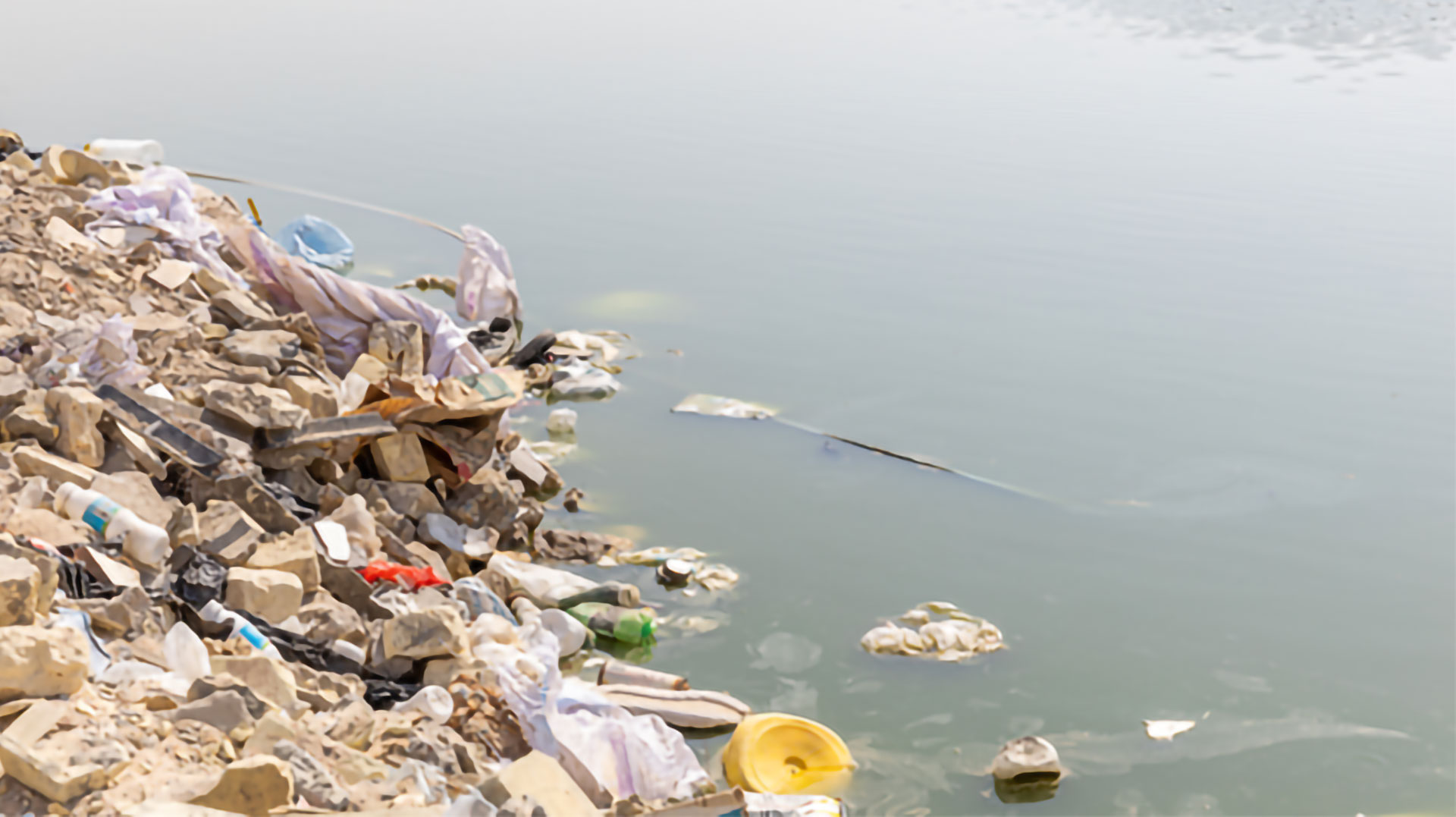 Basra, Iraq. Photo credit: WHO
Basra, a city historically renowned for its cultural and economic vitality, now finds itself on the frontlines of climate change. Health care workers confront a host of climate-related challenges: heatwaves exacerbating chronic conditions, floods disrupting access to care, and water scarcity threatening hygiene and sanitation. The intersection of environmental hazards and health vulnerabilities is stark, demanding agile preparedness and effective communication.
As climate emergencies grow in frequency and intensity, the ability of health workers to respond swiftly and communicate transparently becomes paramount. Communities rely on trusted voices to guide them through uncertainty, dispel rumors, and foster behaviors that can mitigate risk. Recognizing this, local health authorities, in collaboration with global partners, designed a workshop to bolster the communication skills and readiness of Basra’s health workforce.
Basra faces urgent challenges as climate-induced displacement strains health and education services, leaving many families unable to afford basic necessities and at risk of malnutrition and illness. In response, WHO’s Country Office for Iraq has conducted targeted training and expanded technical support to build climate-resilient health strategies, including the development of a localized Basra Health Adaptation Plan informed by stakeholder consultations and the IOM’s Vulnerability and Adaptation assessment. Through collaborative efforts with IOM, UNDRR, and other partners, WHO is strengthening institutional capacity, fostering transparent communication, and aligning adaptation initiatives within the Multi-Partner Trust Fund framework. These actions aim to address Basra’s unique vulnerabilities and build hope for a healthier, more resilient future.
Many end up on the edge of cities, where limited infrastructure places extra strain on health and education services. In Basra, the situation is especially urgent: over half of families displaced by climate change cannot afford food, facing heightened risks of malnutrition, chronic illness, mental health challenges, and poor development in children.
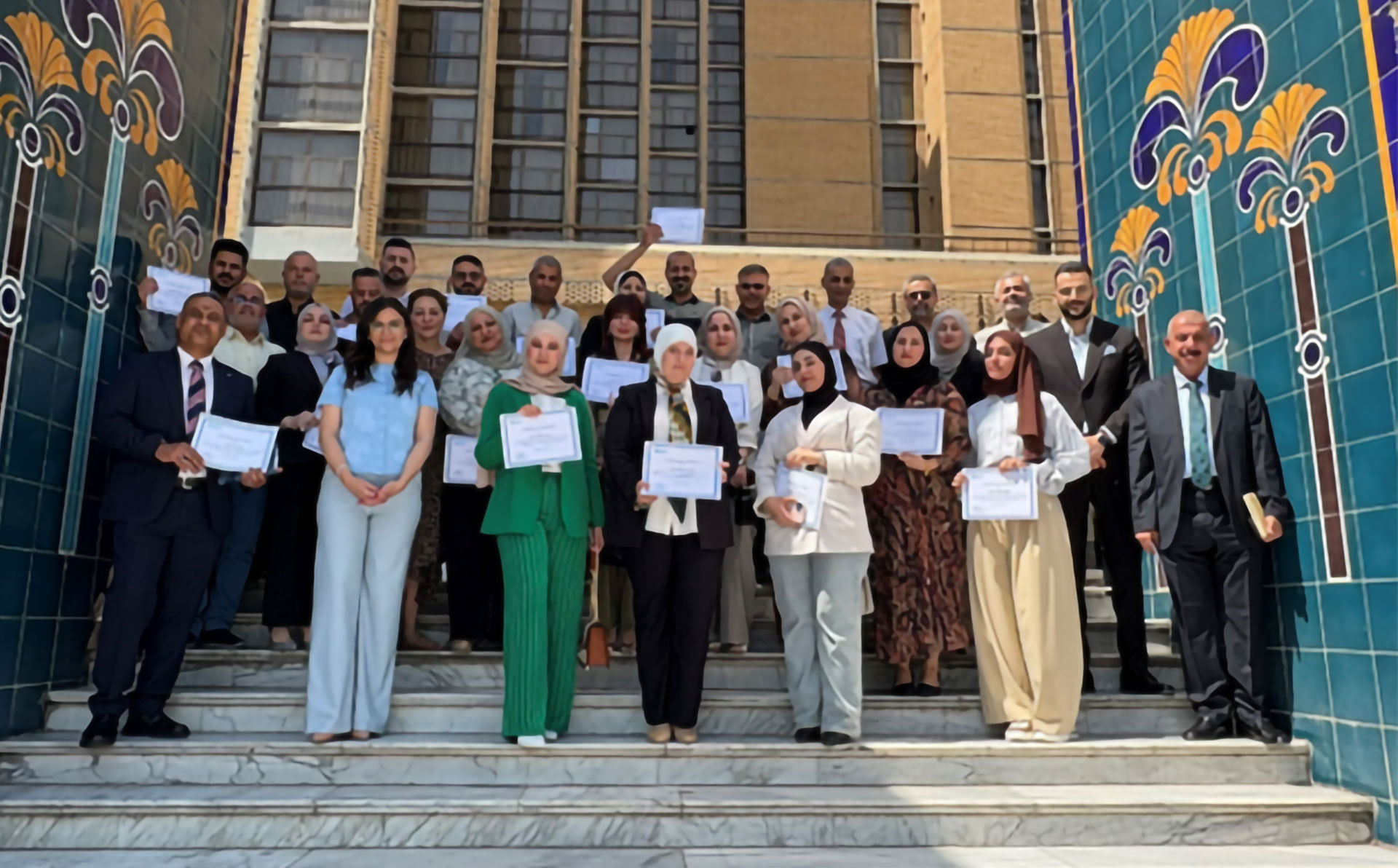 Refugee and Migrant Health: Competency Standards for Health Workers Training in Baghdad, Iraq. Photo credit: WHO
To address these intersecting crises, we recently wrapped up a week-long WHO’s country office for Iraq training, focusing on risk communication, community engagement and infodemic management as well as competency standards for primary healthcare workers and championing a people centered approach and equitable care.
In the heart of Basra, the stakes are high. The shifting climate brings fresh waves of uncertainty, directly impacting the health and wellbeing of communities.
Recognizing the urgency and importance of maintaining progress, WHO’s Country Office for Iraq has expanded its technical support to implement climate-resilient health strategies effectively. It has also begun developing a localized Basra Health Adaptation Plan, building upon the findings of the Vulnerability and Adaptation (V&A) assessment conducted by IOM. This process includes stakeholder consultations and initial drafts of the Basra plan, aimed at addressing region-specific vulnerabilities such as heat stress and vector-borne diseases.
These efforts enhance institutional capacity for evidence-based climate–health adaptation planning and reinforce Iraq’s commitment to addressing the impacts of climate change on health. WHO’s role has been to ensure continuity, provide technical expertise, and align health priorities within the broader adaptation framework, while recognizing that localized analyses—such as the V&A conducted by IOM and the Basra Health Adaptation Plan developed by WHO are essential to address the unique needs of Basra, particularly when factoring in migration and population-specific vulnerabilities.
WHO remains steadfast in its commitment to transparent communication, pledging to keep partners and stakeholders updated on the evolution of the Health National Adaptation Plan (HNAP), the RCCE-IM campaign, and initiatives to enhance healthcare worker capacity. These efforts are not isolated—they are woven tightly into the broader Multi-Partner Trust Fund (MPTF) framework, ensuring alignment and maximizing impact.
At the core of this endeavor is collaboration between WHO and the International Organization for Migration (IOM), working together across several critical fronts:
Vulnerability Assessment: Sharing findings on Basra’s current burden of climate-sensitive health outcomes, and its vulnerabilities to both climate variability and recent climate change.
Health System Capacity: Evaluating the strengths and gaps within Basra’s health infrastructure, identifying areas for resilience-building.
Future Risk Assessment: Projecting health risks—through qualitative and quantitative means—posed by anticipated climate change impacts in Basra.
Adaptation Assessment: Identifying and prioritizing policies, programs, and actions that can mitigate both current and future health risks, ensuring that adaptation is proactive and robust.
This journey has not been without its challenges. Yet, the continued dedication of IOM, UNDRR, WHO and all involved partners has been unwavering. Together, these organizations have navigated complexities with resolve, driven by the shared vision of a healthier, more resilient Basra.
As the process moves forward, WHO remains confident. These joint efforts—rooted in alignment, communication, and complementarity—promise not just a high-quality assessment, but a model for impactful collaboration. The future, shaped by this partnership, holds new opportunities and, above all, hope for the people of Basra.
Jordan
Through a blend of strategic planning, stakeholder engagement, and steadfast alignment with government vision, the programme has made significant strides in advancing climate change and health initiatives in Jordan. The collaborative spirit and early support promise a future where national priorities are met with resilience and innovation, paving the way for sustainable progress.
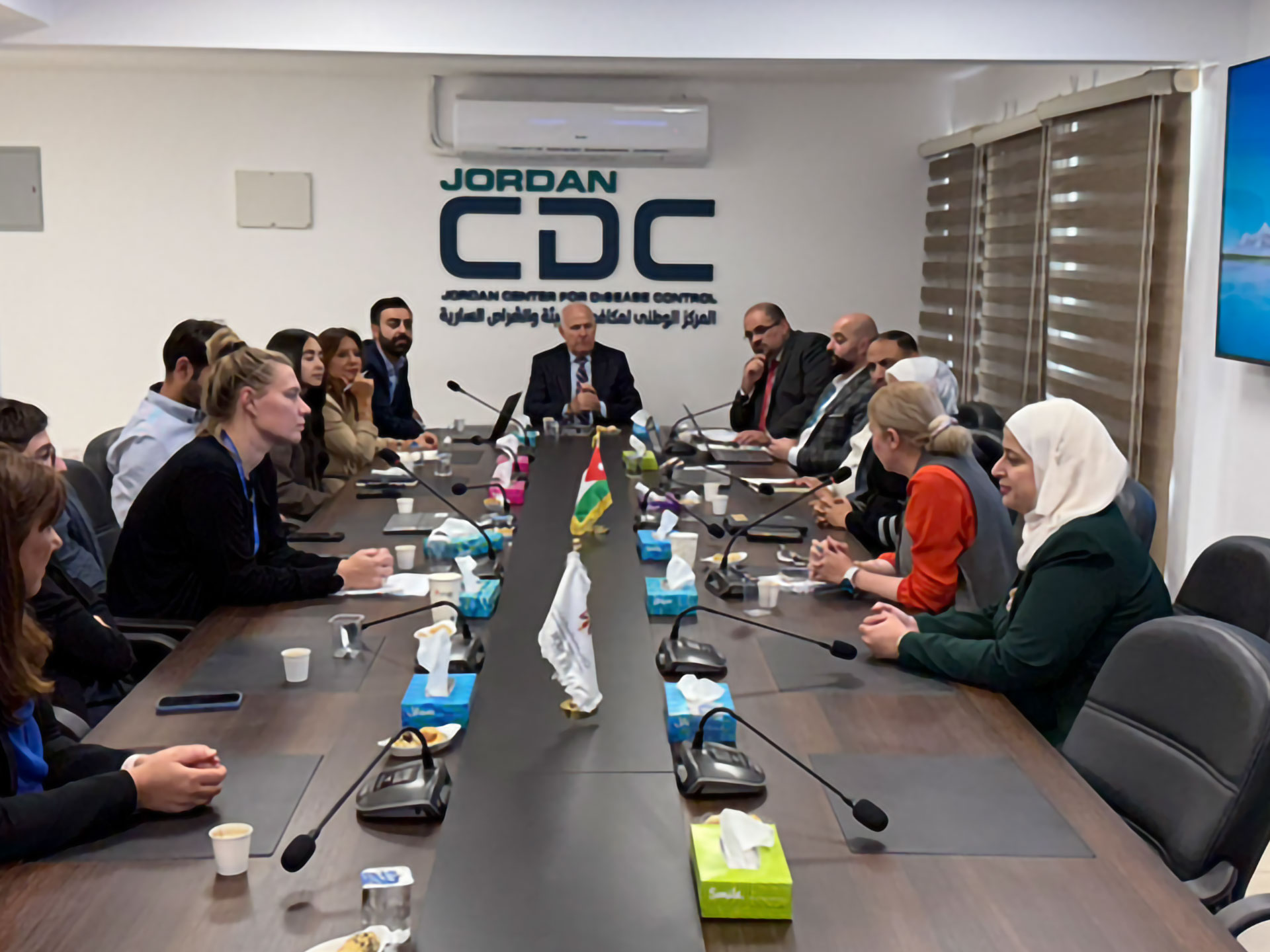 M-MPTF team meets with the Jordan CDC, Amman, Jordan. Photo credit: WHO
The program supporting Jordan’s climate change and health portfolio began with a strong commitment to collaboration, continuity, and alignment with government priorities. Establishing the Programme Support Unit (PSC) and conducting a thorough mapping of relevant documents laid a solid foundation for evidence-based action. Stakeholder engagement and co-creation were prioritized, ensuring that activities reflected national needs and policy directions. A key milestone was the Policy Advisory Committee’s visit, fostering open dialogue and empowering informed decision-making. Overall, strategic planning and partnership have led to significant progress, positioning Jordan’s initiatives for sustainable and resilient advancement.
The programme’s journey in supporting Jordan’s climate change and health portfolio began with a commitment to collaboration and continuity. By building upon previous efforts and aligning closely with the government’s ongoing initiatives and their partners, the programme laid a foundation for meaningful progress.
A pivotal milestone was the establishment of the Programme Support Unit (PSC), a dedicated structure to drive coordination and implementation. In parallel, the programme undertook a comprehensive mapping of documents, publications, and strategies relevant to health and climate action. This strategic step ensured that the initiative was grounded in evidence and responsive to the current policy landscape.
From the earliest stages, the programme prioritized the active participation of stakeholders and decision-makers. Their engagement was not only welcomed but integral: government leaders and partners were invited to provide feedback, share their vision, and recommend adjustments to the programme’s activities. This co-creation approach guaranteed that all efforts remained aligned with Jordan’s national priorities and evolving needs.
A major highlight in the story of this programme was the Policy Advisory Committee (PAC) visit to Jordan. This pivotal event fostered closer alignment between the programme and government priorities. It provided a platform for open dialogue, ensuring that the programme’s goals were attuned to national strategies. The PAC’s engagement empowered decision-makers to make informed choices and maximize the initiative’s positive impact.
Strengthening Health Preparedness: Strategic Risk Assessment Workshops in Aqaba and Irbid
WHO Jordan has advanced efforts in strengthening programme management structures by engaging key ministries and conducting comprehensive assessments that encompass climate, health, and human mobility considerations. This integrated approach ensures that strategic planning responds to the complex challenges faced by the region, fostering collaboration across multiple sectors and supporting the development of evidence-based adaptation and preparedness strategies. From 9–11 December 2024, Aqaba hosted a pivotal strategic health risk assessment workshop led by WHO Jordan. Participants from local governorates, health authorities, and a variety of sectors came together to address vulnerabilities and shape future adaptation strategies to ensure local resilience planning. The workshop proved instrumental in producing a comprehensive hazard profile for the region. This detailed assessment not only catalogued a range of hazards but also generated actionable recommendations for strengthening preparedness and fostering inter-sectoral coordination at the governorate level. These outcomes are now set to become the evidence base for targeted future interventions.
Building on Progress: The Irbid Follow-Up Workshop
Jordan has strengthened its health security through a series of strategic risk assessment workshops, notably the second major event held in Irbid in July 2025. Led by WHO and IOM, the workshop involved over 40 representatives from diverse sectors and utilized the STAR toolkit to evaluate 34 different hazards with a focus on inclusivity and gender-sensitive approaches. These efforts, complemented by simulation exercises and capacity-building activities at critical border points, are enhancing Jordan’s preparedness and response to public health threats. The ongoing collaboration and evidence-based strategies are establishing a resilient framework for protecting communities and guiding future policy decisions.
The momentum continued with the second and final strategic risk assessment workshop, convened in Irbid from 9–10 July 2025. The event stands as a milestone in Jordan’s ongoing commitment to health security. Led once again by WHO and co-led by the International Organization for Migration (IOM), the workshop harnessed the Strategic Toolkit for Assessing Risk (STAR) to guide discussions and analysis. Over 40 representatives spanning the health, military, governmental, university, and private sectors participated, demonstrating a robust, multidisciplinary approach.
During the Irbid workshop, participants assessed 34 anticipated hazards, assigning risk levels ranging from high to very low. Special attention was paid to the inclusiveness of the methodologies, with a dedicated session focused on gender-sensitive risk assessment—a vital component for ensuring that future strategies are both equitable and effective.
A comprehensive report detailing the proceedings and findings of these workshops will be produced in the coming weeks, providing further guidance for policymakers and practitioners alike.
Building on the risk assessment workshop conducted in Irbid, a simulation exercise for pandemic preparedness was conducted at the Jaber border crossing in Irbid. The exercise was preceded with a focused capacity-building activity for the Jaber crossing staff from different agencies including the Ministry of Agriculture, Ministry of Health, Ministry of Interior and other security agencies like the customs, public Security Directorate and General intelligence Directorate. The capacity building activity and the simulation exercise aimed to strengthen preparedness and response capacities at points of entry in the face of potential epidemics identified through risk assessment.
Through these workshops and forthcoming exercises, WHO Jordan and its partners are laying the foundations for a stronger, more coordinated response to health threats. By fostering collaboration across sectors and integrating evidence-based strategies, Jordan is taking decisive steps to protect its communities and build resilience against future risks.
Lebanon
Lebanon has endured years of severe social, economic, and political turmoil, compounded by a devastating conflict from October 2023 to February 2025 that left infrastructure in ruins and displaced nearly one million people. The healthcare sector has been particularly hard hit, with dozens of hospitals and clinics damaged and hundreds of health workers affected. Following a ceasefire in November 2024, many internally displaced people began returning home, but face significant rebuilding challenges. Despite these hardships, gender-sensitive recovery efforts and initiatives aligned with national and international goals are underway, focusing on climate resilience, health coverage, and support for vulnerable populations. Through coordinated recovery programs and international support, Lebanon remains determined to rebuild and strengthen its communities amid ongoing adversity.
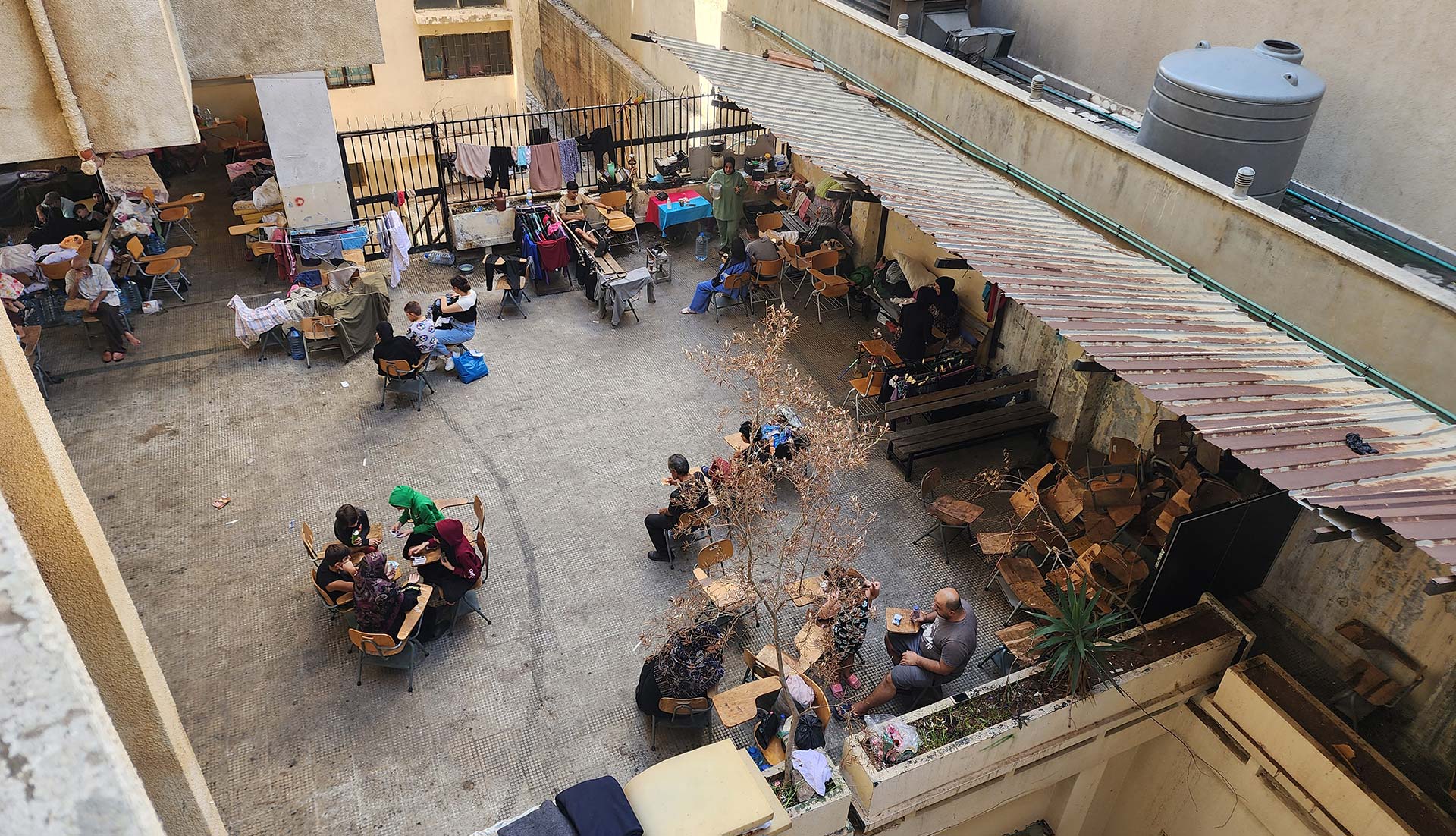 Shelter for Internally displaced persons (IDPs) in Lebanon. Photo credit: WHO
Lebanon has faced an unrelenting barrage of crises, with social, economic, and political instability dominating everyday life for years. The situation grew even more dire beginning in October 2023, as a new conflict erupted and escalated dramatically by September 2024. Between October 2023 and February 2025, the country endured widespread devastation: key infrastructure was shattered, and nearly one million people were forced from their homes. The human cost was staggering, with more than 4000 lives lost and 17 000 individuals injured during this turbulent period.
A hopeful turn came with the ceasefire declared on 27 November 2024. Since then, over 950 000 internally displaced people (IDPs) have begun the journey back to southern Lebanon. Yet, what awaits them in their hometowns is daunting: homes battered by conflict, roads and power lines in ruins, and water networks and health facilities barely functional.
Nowhere is the crisis more visible than in the healthcare sector. Of Lebanon’s approximately 160 hospitals, 39 have sustained damage, with the worst destruction concentrated in the Nabatiyeh, South governorates, and Baalbek-Hermel regions. Primary healthcare centres, dental clinics, pharmacies, and social development centers have also been affected. In total, 31 out of around 311 primary healthcare centres are damaged. Medical services are further hampered by 162 reported attacks on health facilities since the conflict began, leading to the tragic deaths of 241 health workers as of February 2025.
Amid this adversity, Lebanon’s partners have rallied to support the most vulnerable. Programs have adopted gender-sensitive, policy-integrated approaches to migrant inclusion, aligned with both national strategies and the United Nations Sustainable Development Goals (SDGs):
SDG 1: Ending poverty and building resilience for vulnerable populations (Target 1.5: Building resilience and reducing exposure to climate-related extreme events, shocks, and disasters).
SDG 3: Ensuring healthy lives and universal health coverage (Target 3.8: Achieve universal health coverage).
Additional efforts are supporting Lebanon’s updated Nationally Determined Contributions (NDC) under the Paris Agreement, focusing on climate resilience and the protection of public health. Notable initiatives include a new tool to assess climate literacy, awareness, and preparedness in Akkar, as well as research to identify strengths and vulnerabilities among at-risk groups, ensuring their needs and capacities are reflected in the country’s sustainable development pathway.
Lebanon’s returnees and remaining residents face immense challenges as they try to rebuild their lives and communities. The journey is far from over, but through targeted recovery efforts, international solidarity, and a relentless spirit of resilience, there is hope that Lebanon can emerge stronger from the shadows of conflict and crisis.
Strengthening Health Facilities in Akkar: Responding to Climate-Induced Health Risks
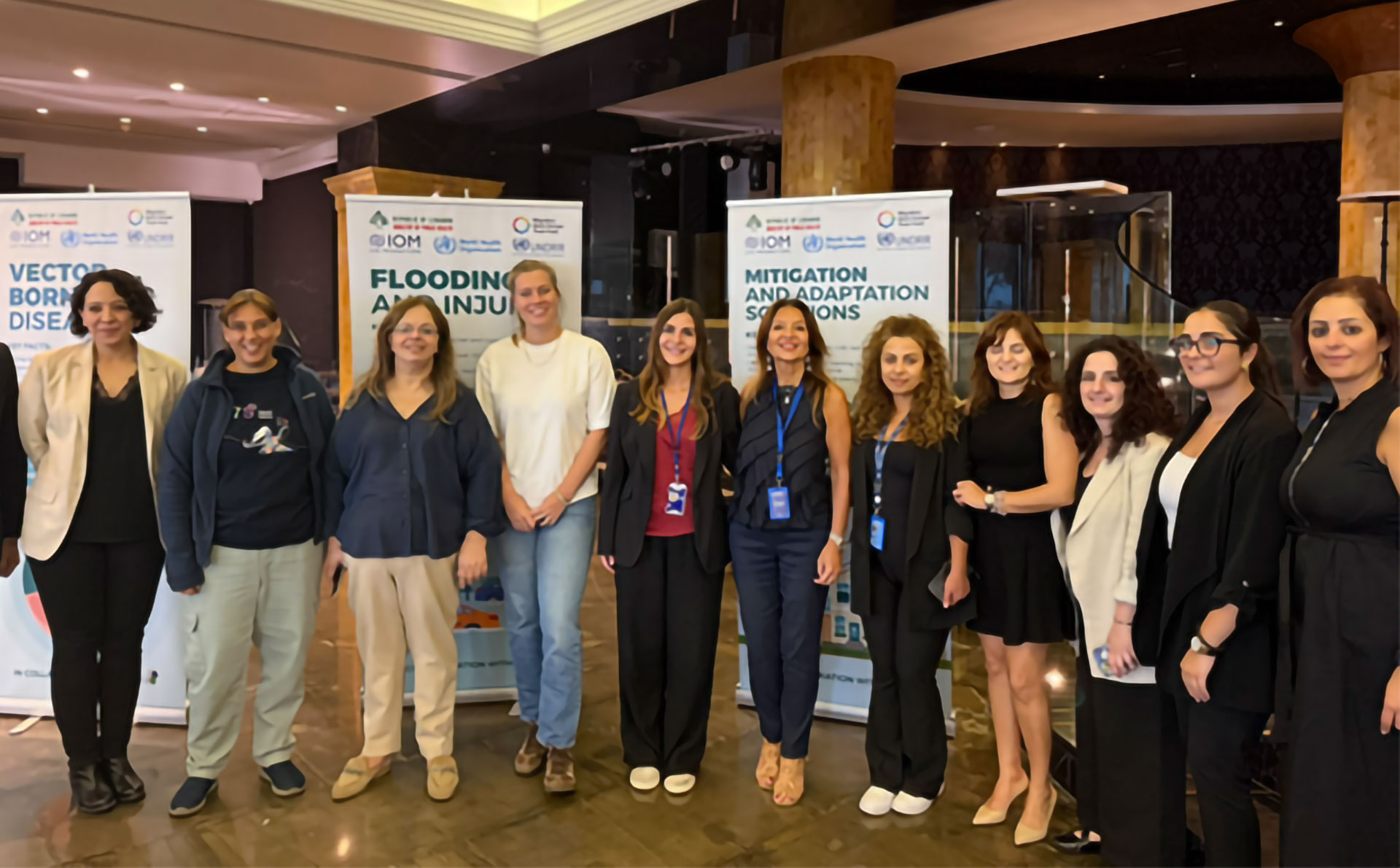 Strengthening Health Facilities in Akkar: Responding to Climate-Induced Health Risks
A comprehensive initiative in Akkar began in July 2025 to assess and strengthen the climate resilience of all 43 healthcare facilities, including hospitals and primary health care centers. Through specialized training, pilot testing, and data collection, the project identified key gaps and developed tailored recommendations to help facilities respond to climate-induced health risks. Findings will be shared in sensitization workshops with government officials and stakeholders, while targeted education materials and capacity-building sessions have equipped healthcare workers to address climate-related challenges such as heatwaves, respiratory illness, and mental health concerns. These coordinated efforts aim to ensure Akkar’s health system is prepared to meet the evolving threats of climate change.
In July, a comprehensive assessment began for all 43 health care facilities—both hospitals and primary health care (PHC) centers—across the Akkar region. This initiative aims to evaluate and enhance their ability to respond to health risks caused by climate change. By systematically analyzing existing resources, gaps, and preparedness, the project sets the stage for actionable recommendations and capacity building.
To ensure the effectiveness of the assessment, specialized training sessions on the assessment tool were conducted for surveyors in Akkar. These took place on July 21 and 24, equipping participants with the necessary knowledge to evaluate facility readiness and climate risk response. In parallel, pilot testing of the tool and additional training for surveyors in PHC centers occurred on July 22 and 24. This process provided practical insights and refined the approach before full implementation.
With the groundwork laid, comprehensive data collection was undertaken from 26 July till mid of August 2025. survey teams visited all targeted health care facilities to gather critical information that will inform future improvements and resilience-building efforts.
Upon the completion of data collection and analysis, two series of tailored recommendations will be drafted for healthcare facilities. These recommendations will be shaped by the lessons learned throughout the assessment process and aim to strengthen the facilities’ ability to address climate-induced health challenges.
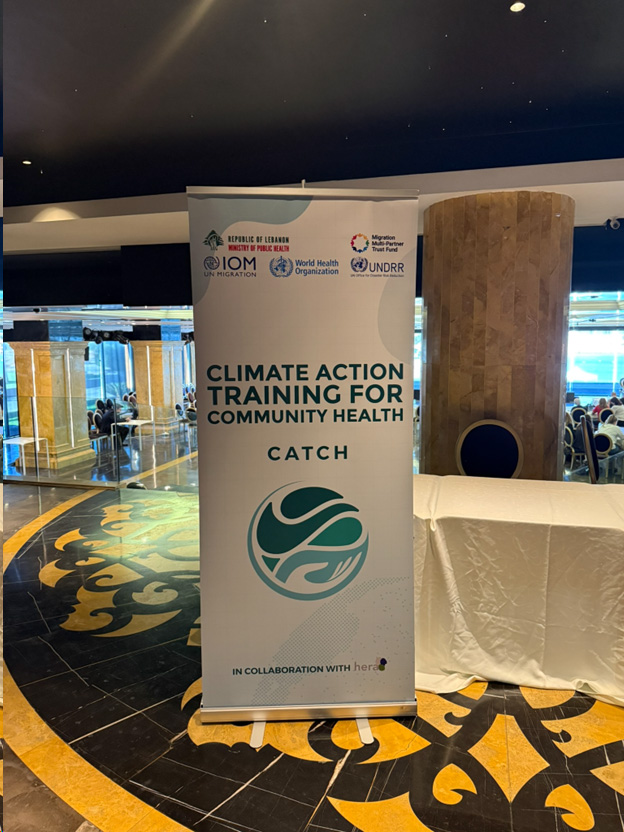 Strengthening Health Facilities in Akkar: Responding to Climate-Induced Health Risks. Photo credit: WHOTo disseminate findings and foster collaboration, sensitization workshops will be organized. The session will engage government officials, key stakeholders, and civil society, providing a platform to present survey results, share best practices, and discuss strategies for adaptive health care delivery in the face of climate threats.
Alongside facility assessments, WHO in Lebanon has reviewed targeted Information, Education, and Communication materials developed by IOM Lebanon. These resources are designed to increase awareness among both host and migrant communities about critical climate-related health risks, including heatwaves, respiratory illnesses, and mental health concerns.
Building on insights from the facility assessment, capacity-building sessions for healthcare professionals working at all healthcare facilities s in Akkar to respond to health threats exacerbated by climate change were conducted. Each 3-day training session covered 5 training modules: i) Fundamentals of climate change and Health workforce; ii) Methods and tools for climate change and health assessment, iii) social determinants of health in the context of climate change, Climate resilient Health care systems; Public Health Preparedness for climate emergencies. These sessions should equip health care workers with the skills and knowledge needed to effectively respond to the evolving health threats associated with climate change.
As climate risks intensify, initiatives like the Akkar health facilities assessment are critical for building resilient health systems and communities. Through robust assessment, training, awareness, and targeted recommendations, stakeholders are working together to ensure that health care in Akkar is prepared for the challenges of a changing climate.
