


12 December 2025, Tehran, Islamic Republic of Iran – From 12 to 19 November 2025, Dr Benedetta Allegranzi, Director of the Department of Communicable Diseases at the Word Health Organization (WHO) Regional Office for the Eastern Mediterranean, conducted a technical mission to Iran.
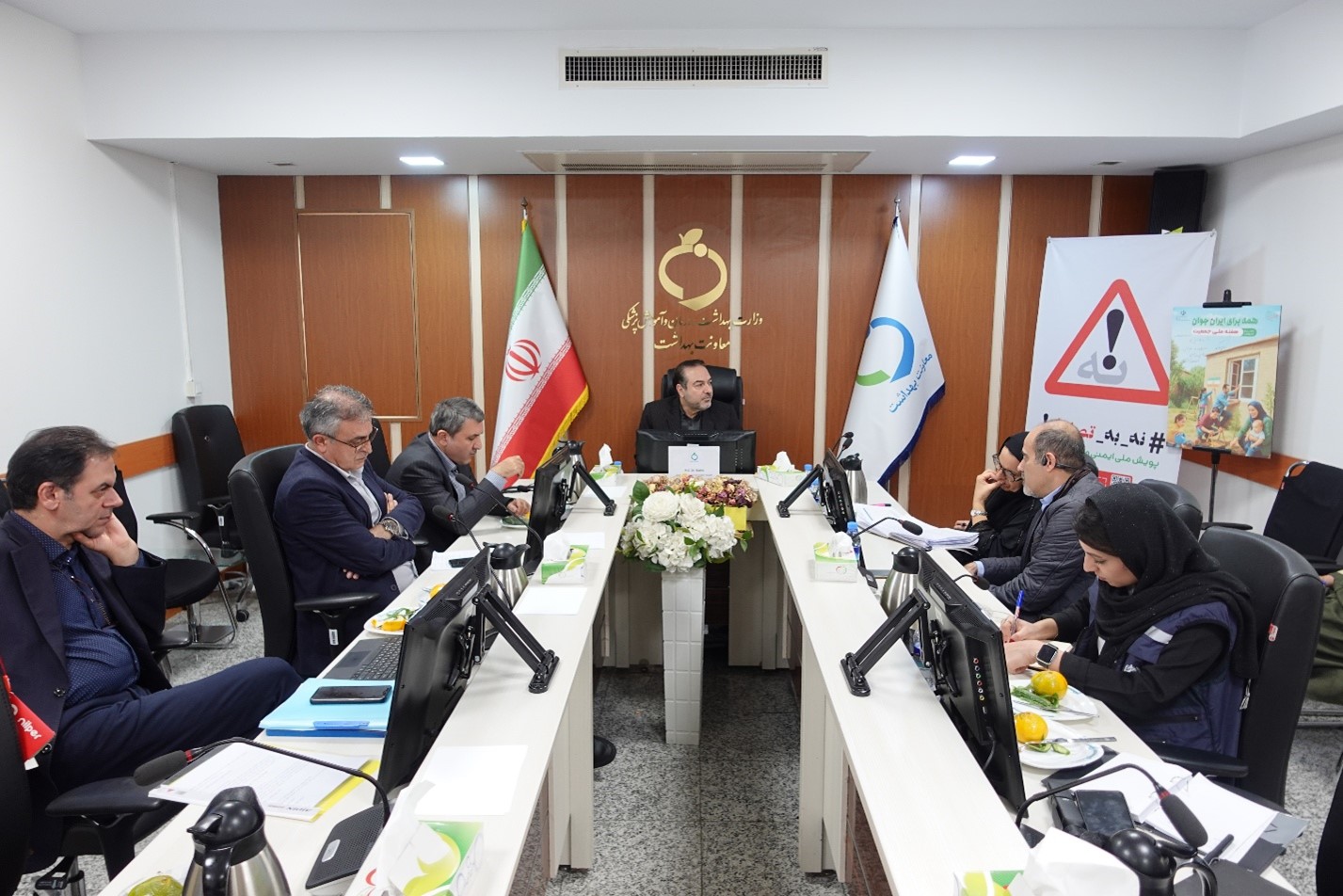 Meeting with Deputy Minister for Public Health Dr Alireza Raeesi to discuss national public health priorities and strategies, Tehran. Photo credit: WHO Islamic|Republic of Iran
Accompanied by experts from the WHO Iran Country Office and the Centre for Communicable Diseases Control (CCDC) of the Ministry of Health and Medical Education (MoHME), Dr Allegranzi visited key sites in Tehran, Tabriz in the northwest of the country and Bandar Abbas in south.
The mission focused on: ensuring procurement and availability of essential health commodities, including drugs and vaccines; strengthening responses to malaria and dengue outbreaks; addressing respiratory diseases and tuberculosis (TB), including drug-resistant strains, particularly among migrant populations; advancing the One Health approach, antimicrobial resistance (AMR) and infection prevention and control (IPC); advancing hepatitis elimination efforts, and bolstering health systems through enhanced laboratory capacity and surveillance for diseases like HIV, neglected tropical diseases (NTDs), respiratory pathogens and vector-borne diseases (VBDs).
Engagements in Tehran
In Tehran, Dr Allegranzi discussed IPC and antimicrobial stewardship (AMS) with Deputy Minister for Clinical Affairs Dr Sajjad Razavi. Discussions during Dr Allegranzi’s meeting with Deputy Minister for Public Health Dr Alireza Raeissi focused on broader public health priorities.
Dr Allegranzi visited several facilities, including the National Reference Laboratory, the Pasteur Institute of Iran and the Valfajr HIV-VH Clinic, and participated in and delivered closing remarks at a 5-day capacity-building workshop for Iran's National Immunization Technical Advisory Group (NITAG).
Organized by WHO in collaboration with MoHME and supported by Gavi, the Vaccine Alliance, the workshop aimed to strengthen NITAG’s evidence-based approach in alignment with the Immunization Agenda 2030 and regional framework for immunization.
A meeting with CCDC programme managers covered vector-borne diseases (VBDs), the Expanded Programme on Immunization (EPI), neglected tropical diseases (NTDs), TB and respiratory diseases, HIV, hepatitis and sexually transmitted infections (STIs), water- and foodborne diseases, AMR, surveillance systems and fostering dialogue on integrated disease management.
Field visits in Bandar Abbas
The 2-day mission to Bandar Abbas focused on dengue fever response and broader communicable disease control. Dr Allegranzi engaged in meetings and field assessments, visiting Shahid Mohammadi Hospital, Touhid Comprehensive Urban Health Centre and the Hormozgan University of Medical Sciences (HUMS) Reference Laboratory.
Field visits took in migrant health services and potential mosquito breeding sites, allowing the mission to observe capacities in patient management, infection control, respiratory disease surveillance and diagnostic processes for VBDs, TB and other communicable diseases.
Mission to Tabriz
A 1-day visit to Tabriz focused on local capacities in communicable disease prevention, primary health care services, health care-associated infection management, immunization, AMR and zoonotic diseases.
Mardani Azar Children’s Hospital, Cheshmandaz Health Centre, the Rabies Prevention and Control Centre and the Comprehensive Health Laboratory of Tabriz were among the facilities visited by Dr Allegranzi.
The mission’s observations and discussions underscored the need for enhanced surveillance, rational antibiotic use, intersectoral collaboration to combat NTDs like rabies, and strengthened WHO support for provincial health initiatives.
Concluding her mission, Dr Allegranzi presented a summary report to Iran's CCDC, praising the country's workforce, resilient health infrastructure, successful national programmes in immunization and TB control, specialized laboratory capabilities and service provision for migrant and refugee populations.
She offered strategic recommendations for upgrading surveillance systems; advancing multi-disease elimination for hepatitis C and mother-to-child transmission of HIV, syphilis, hepatitis and schistosomiasis; addressing undiagnosed HIV cases through self-testing and other innovative people-centred services; bolstering One Health and AMR programmes and improving IPC policies and practices; enhancing NITAG's role as an independent entity and promoting regional knowledge exchange.
CCDC Director Dr Ghobad Moradi expressed gratitude for WHO's technical support, noting that the recommendations provide a roadmap for future collaborations.
WHO is committed to supporting the Islamic Republic of Iran enhance communicable disease programmes, surveillance and response to outbreaks, and fostering international partnerships for a healthier future.
Selected photos from the mission
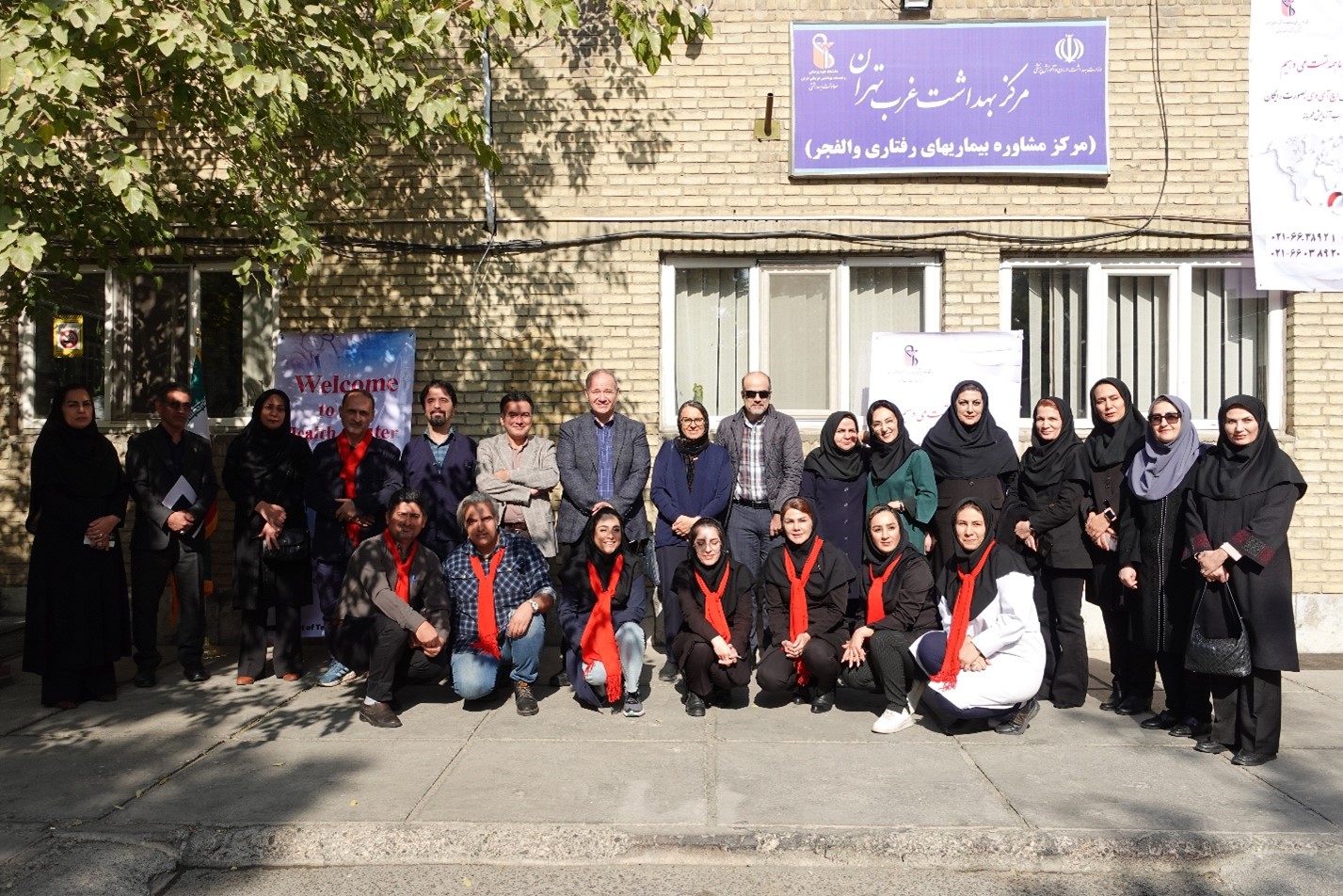 Observing HIV services, including prevention, diagnosis, care and treatment, counseling, and psychosocial support at Valfajr HIV Clinic, Tehran. Photo credit: WHO Islamic|Republic of Iran
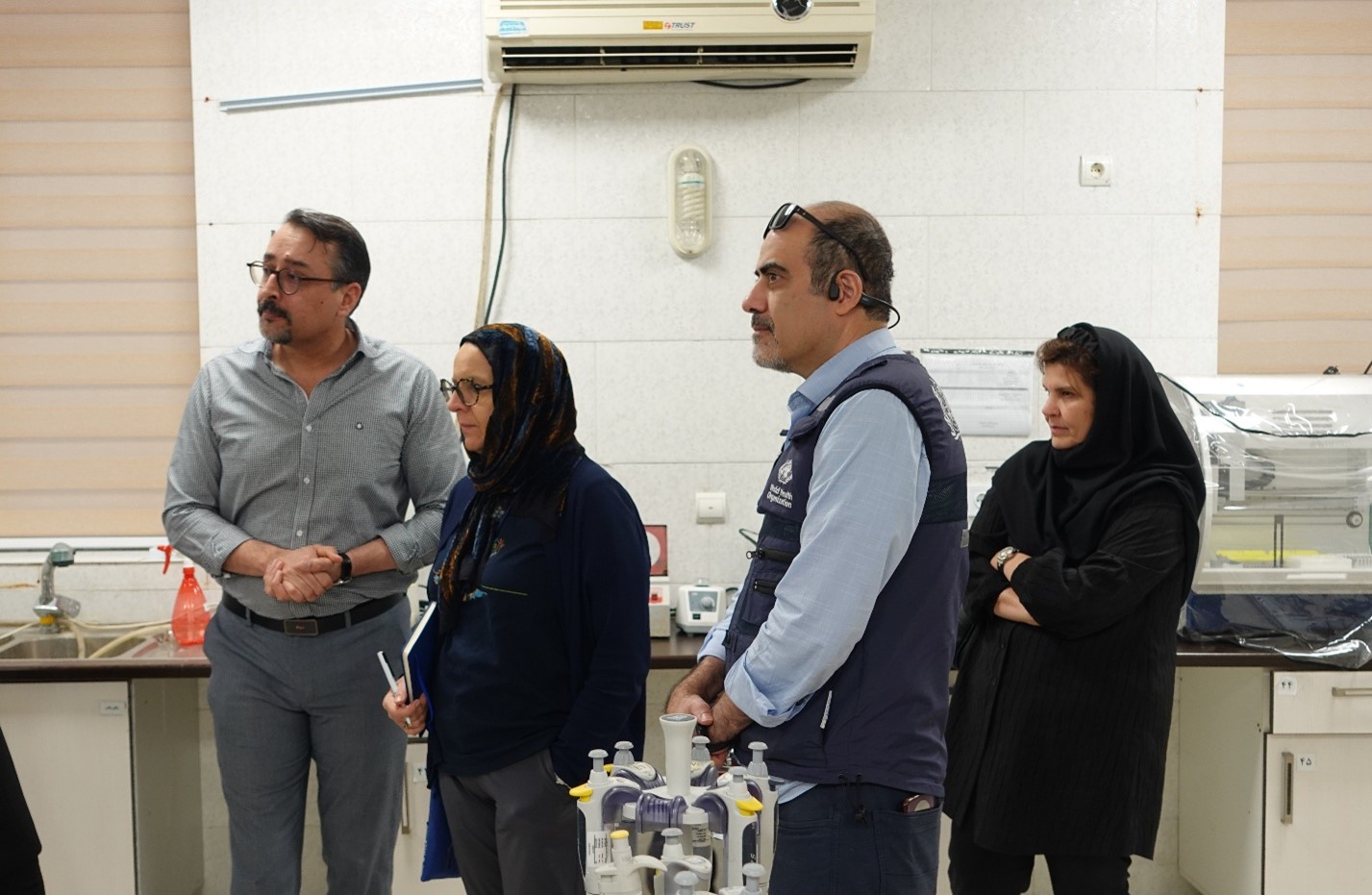 Observing laboratory processes and surveillance for communicable diseases at the Provincial Health Reference Laboratory, Bandar Abbas. Photo credit: WHO Islamic|Republic of Iran
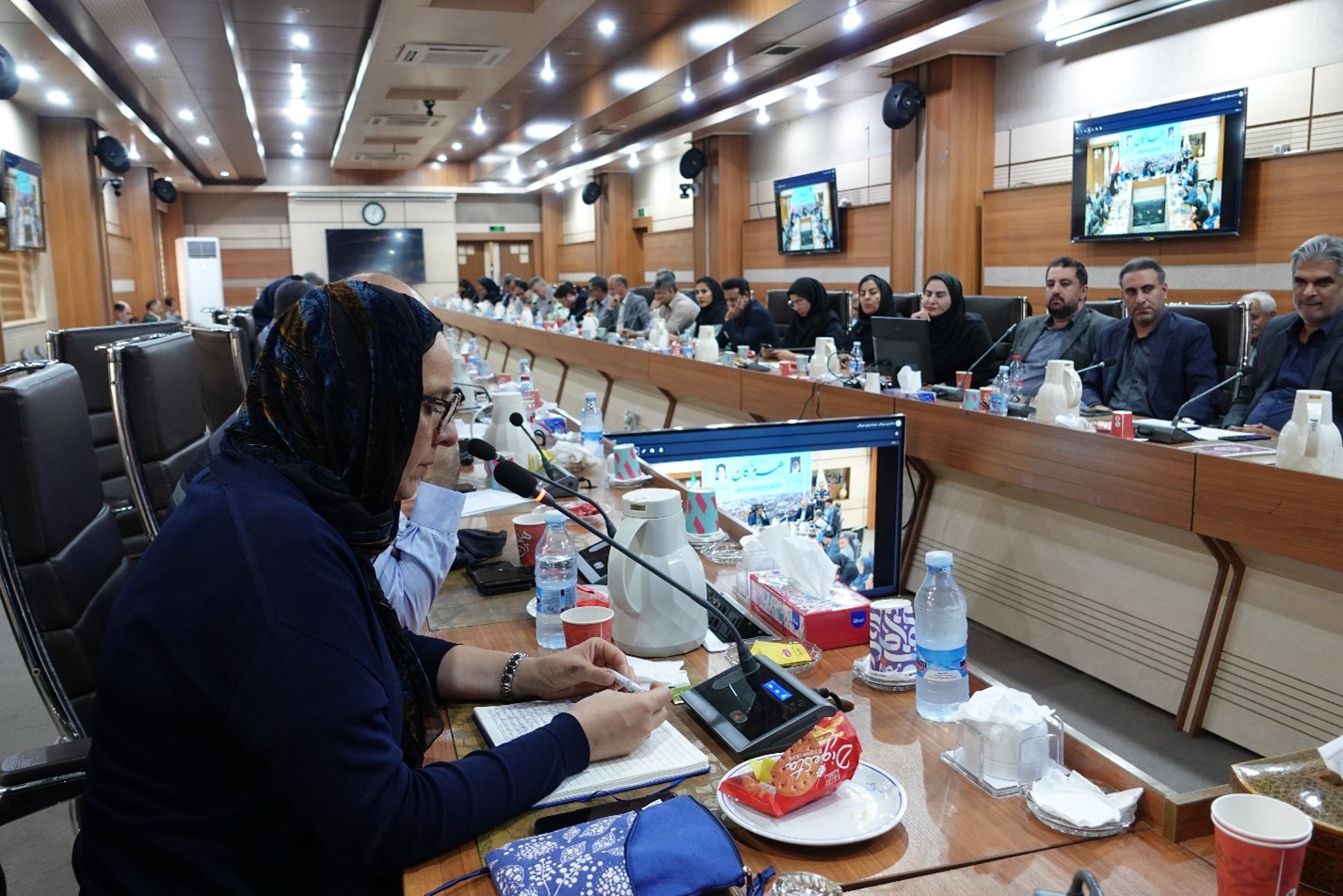 Provincial Health Committee meeting with WHO and Ministry of Health representatives to review the dengue situation and response measures, Provincial Governor’s Office, Bandar Abbas. Photo credit: WHO Islamic|Republic of Iran
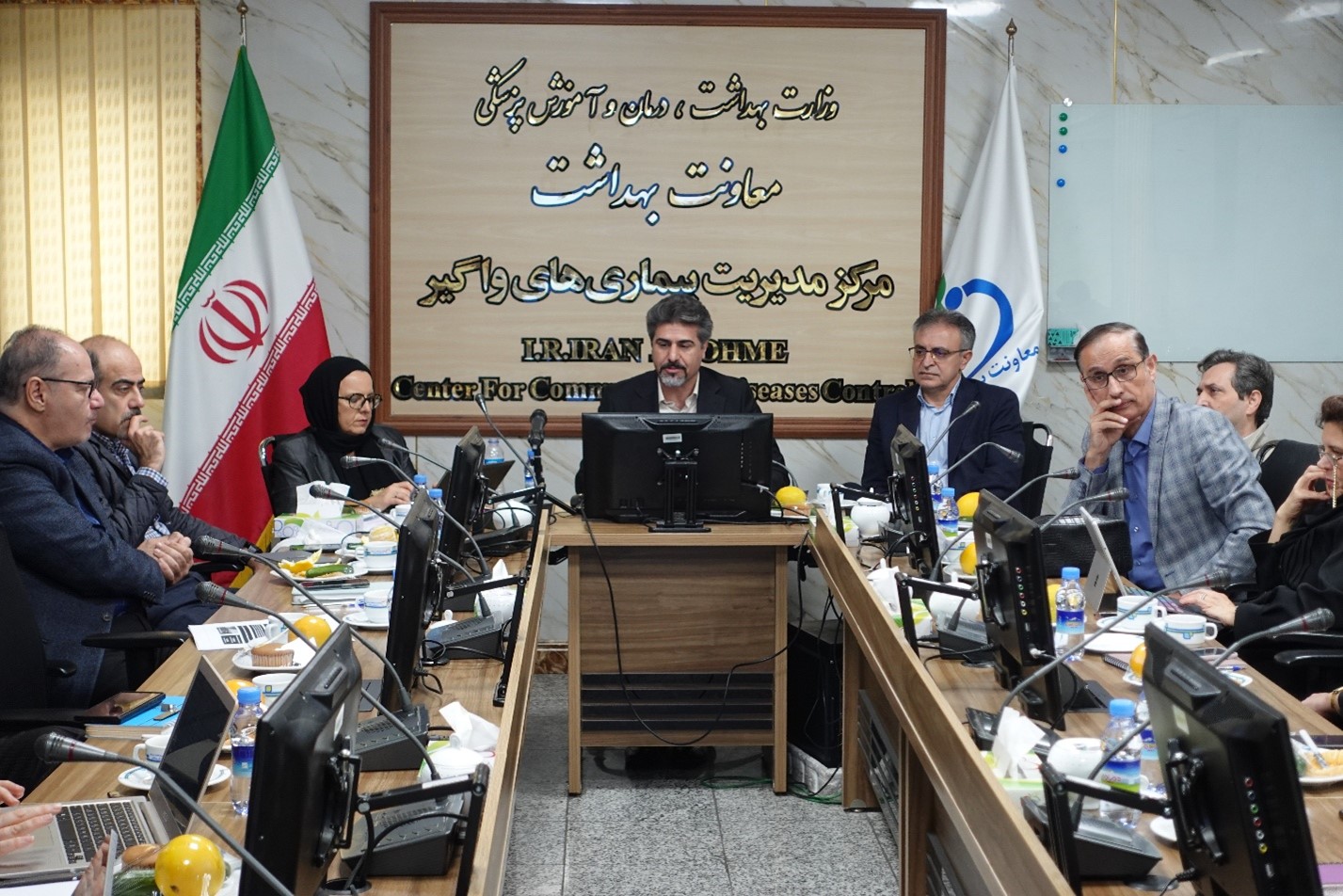 Meeting with CCDC programme managers. Photo credit: WHO Islamic|Republic of Iran
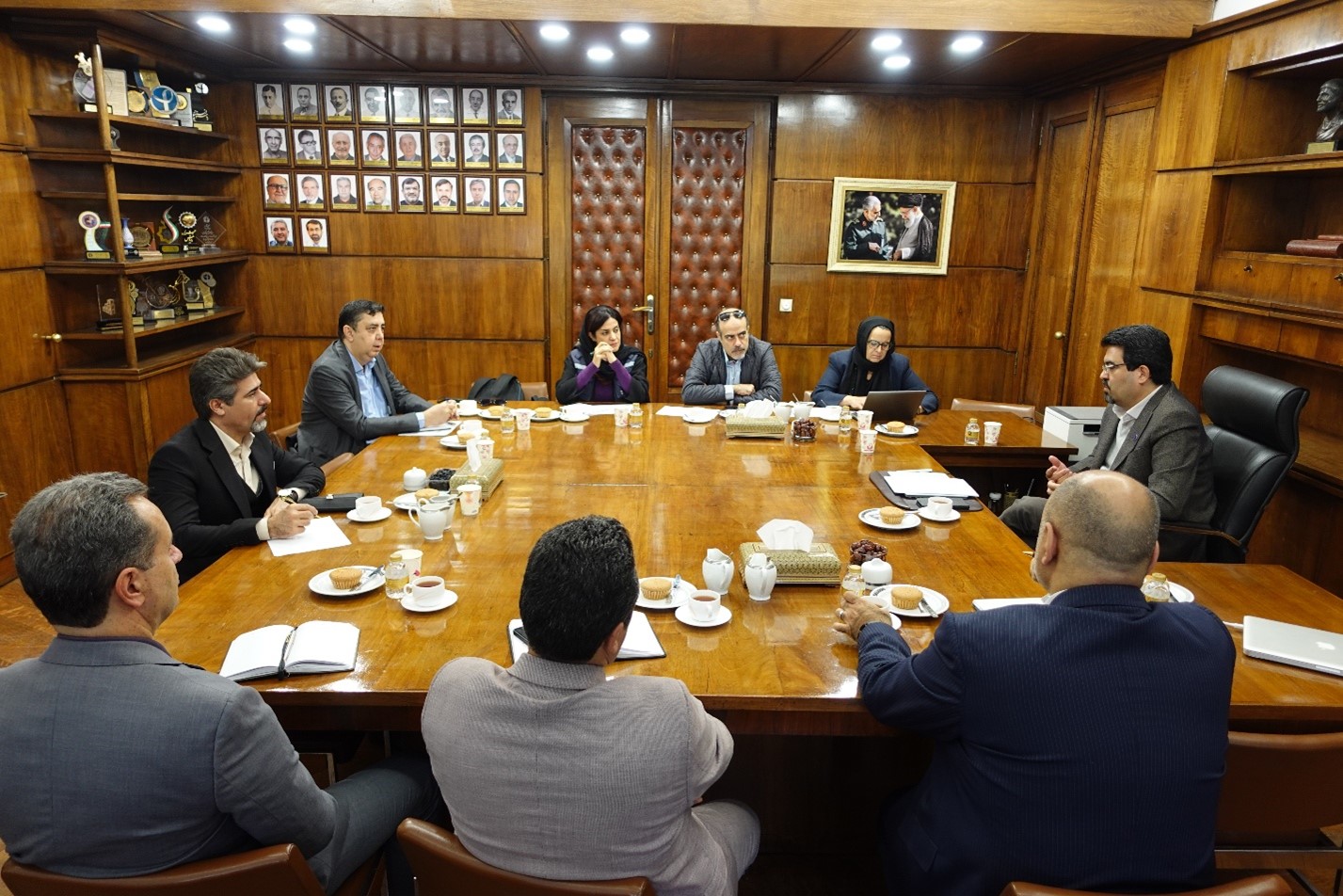 Meeting with the Pasteur Institute of Iran’s Director and staff. Photo credit: WHO Islamic|Republic of Iran
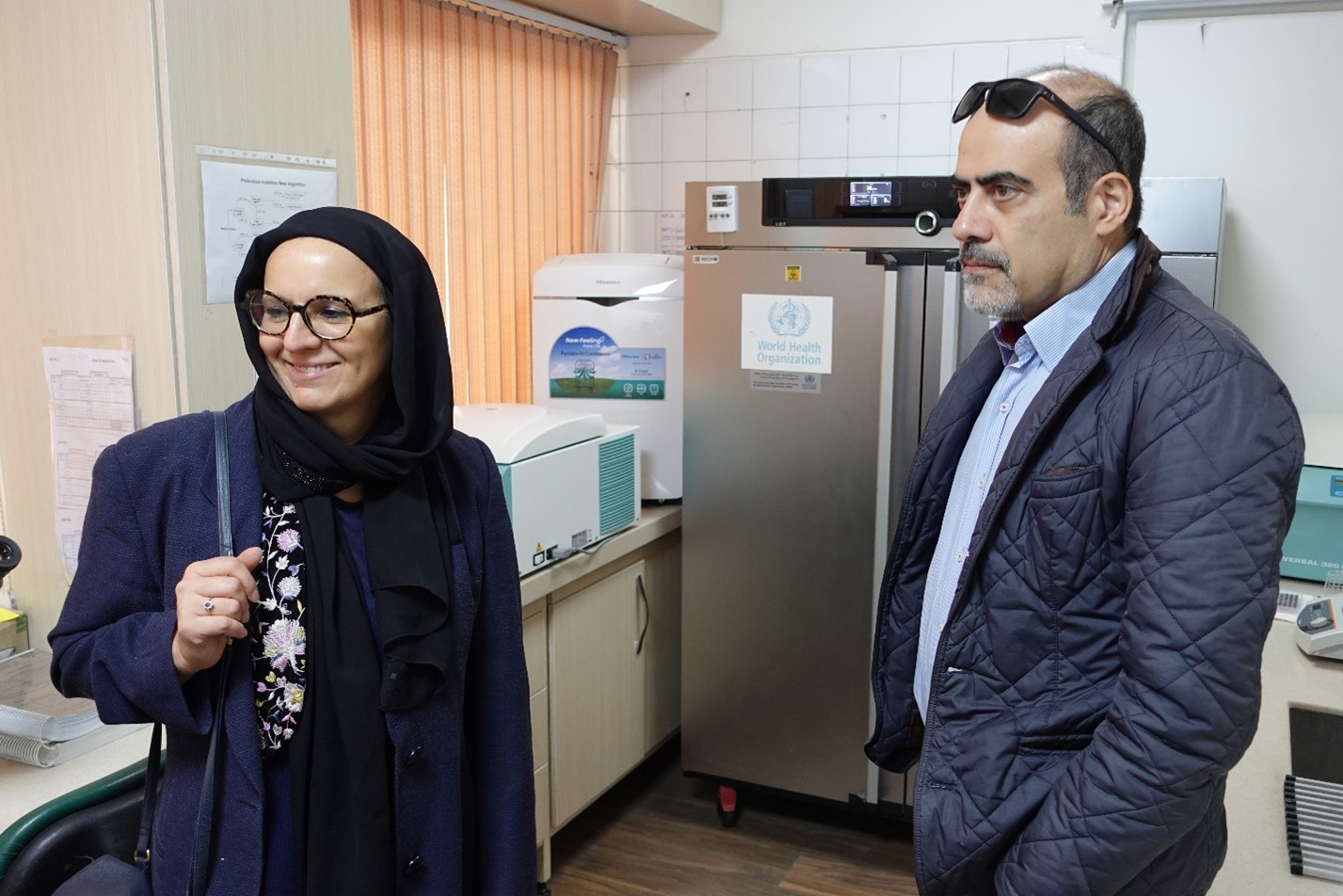 Visiting the National Influenza, Polio, Measles and Rubella Reference Laboratories at the National Reference Laboratory, Tehran. Photo credit: WHO Islamic|Republic of Iran
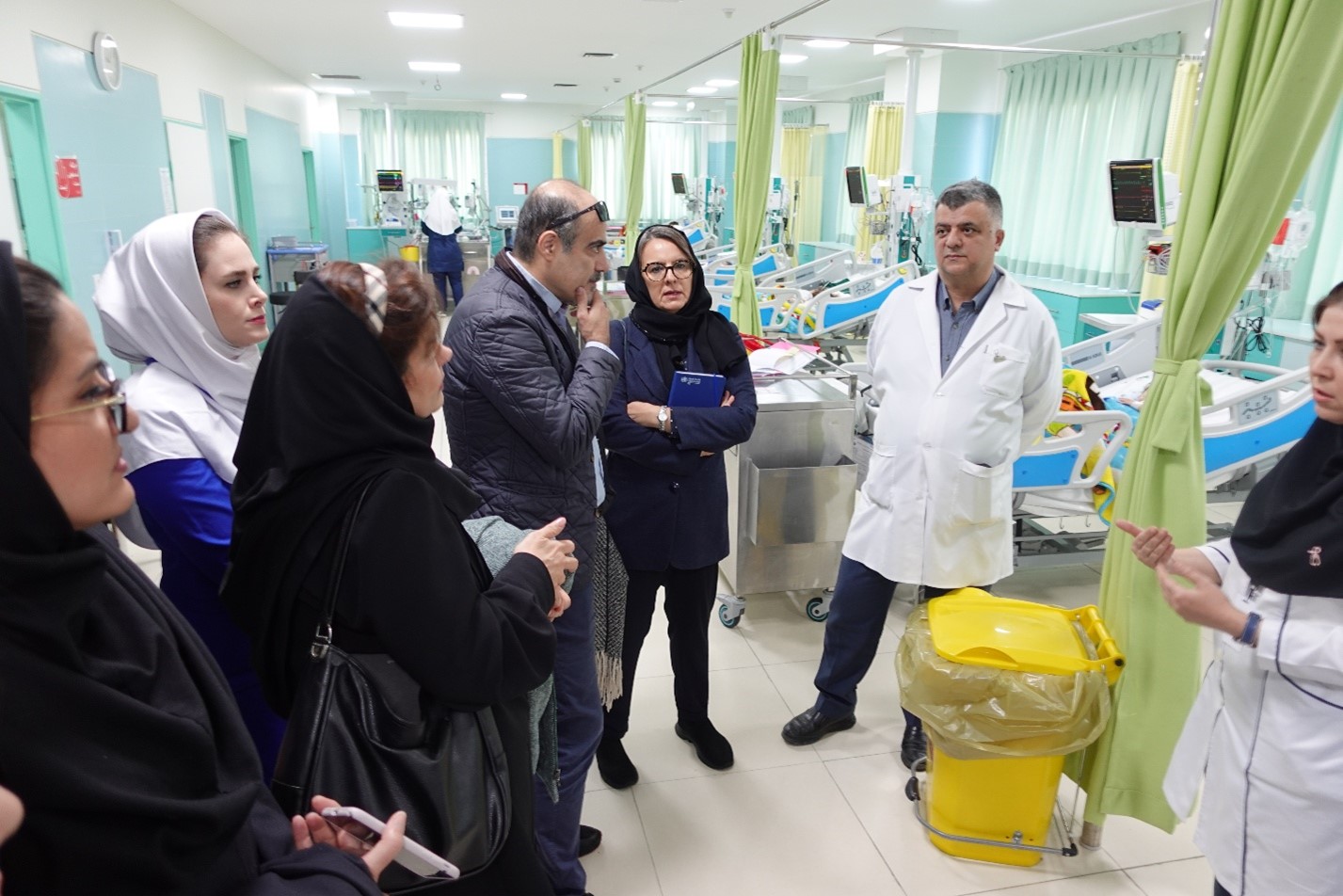 Visiting Mardani Azar Children’s Hospital, Tabriz. Photo credit: WHO Islamic|Republic of Iran
Meeting with Deputy Minister for Public Health Dr Alireza Raeesi to discuss national public health priorities and strategies, Tehran. Photo credit: WHO Islamic|Republic of Iran
