


 Engaging in lively group work and technical discussions, strengthening partnerships for better immunization policy. Photo credit: WHO Iran16 November 2025, Tehran, Islamic Republic of Iran – A 5-day in-person capacity-building workshop for Iran's National Immunization Technical Advisory Group (NITAG) was held in Tehran. The workshop, which aimed to enhance NITAG's functionality and ensure its alignment with global standards, is a collaborative endeavor between the World Health Organization (WHO) and the Ministry of Health and Medical Education (MoHME) of the Islamic Republic of Iran, with support from Gavi, the Vaccine Alliance.
Between 9 and 13 November 2025, participants attended a series of lectures, technical discussions, group work and case presentations designed to foster teamwork, support peer-to-peer learning and encourage knowledge sharing. Participants included NITAG members from Iran, MoHME officials and experts from the Pasteur Institute, Razi Institute and the National Institute for Health Research, alongside representatives from WHO and the United Nations Children’s Fund (UNICEF) in Iran and technical experts from the WHO Regional Office for the Eastern Mediterranean.
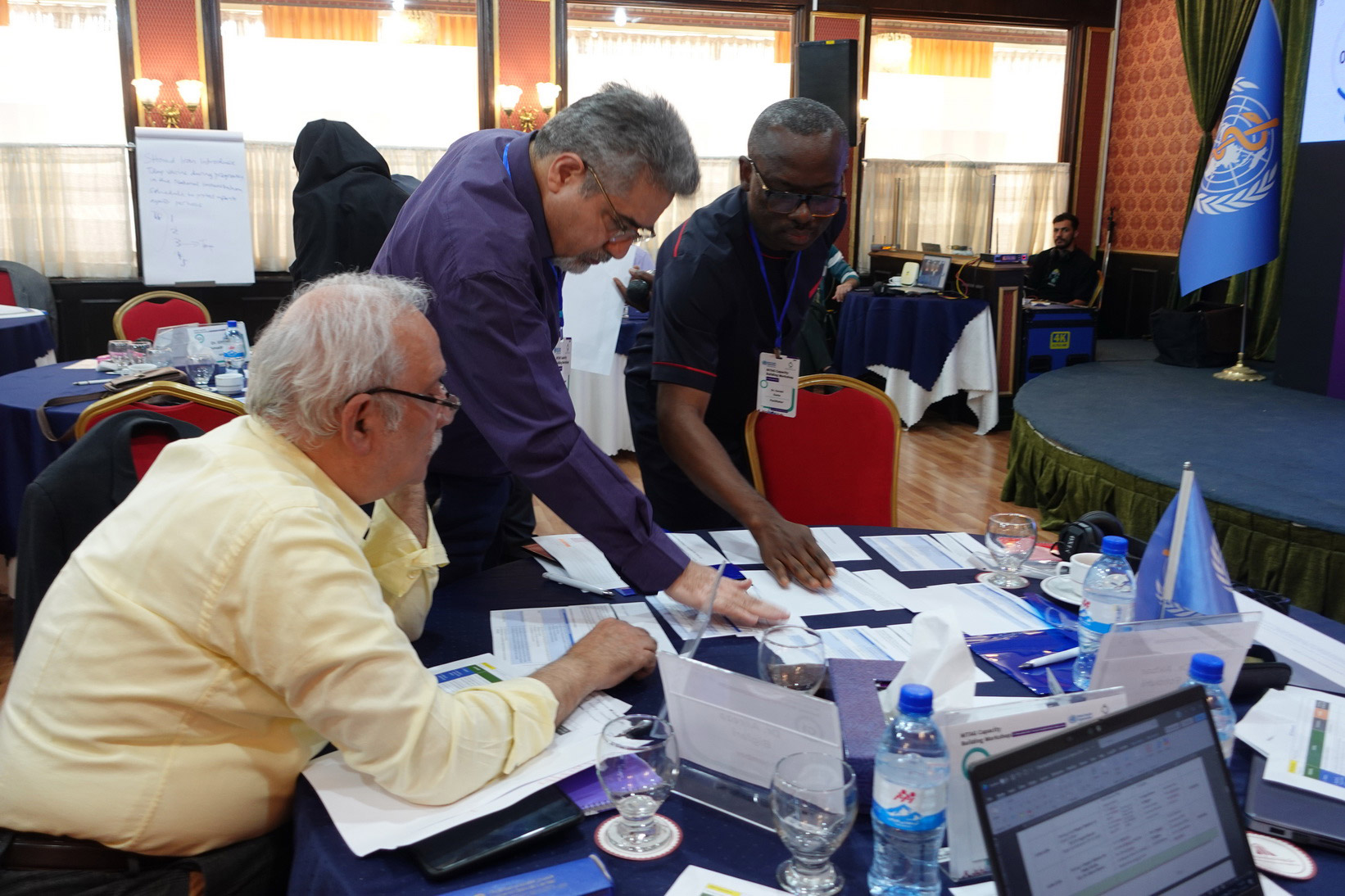 Reviewing data and present evidence-based cases with guidance from WHO EMRO experts, reinforcing independent, science-driven recommendations for vaccine introduction and routine immunization across the life course. Photo credit WHO IranNITAG provides independent, evidence-based recommendations to support national decisions on vaccine registration, distribution and administration in Iran. It functions in close collaboration with the Essential Programme of Immunization (EPI) and MoHME, helping guide vaccine introduction strategies and recommending ways to optimize routine vaccination throughout the life course.
Acting WHO Representative and Head of Mission in the Islamic Republic of Iran Dr Awad Mataria addressed the opening session, saying: “This workshop is a critical and timely event, fully aligned with our collective global and regional goals. The Immunization Agenda 2030 (IA2030) provides our global vision – a world where everyone, everywhere, at every age, fully benefits from vaccines for good health and well-being.”
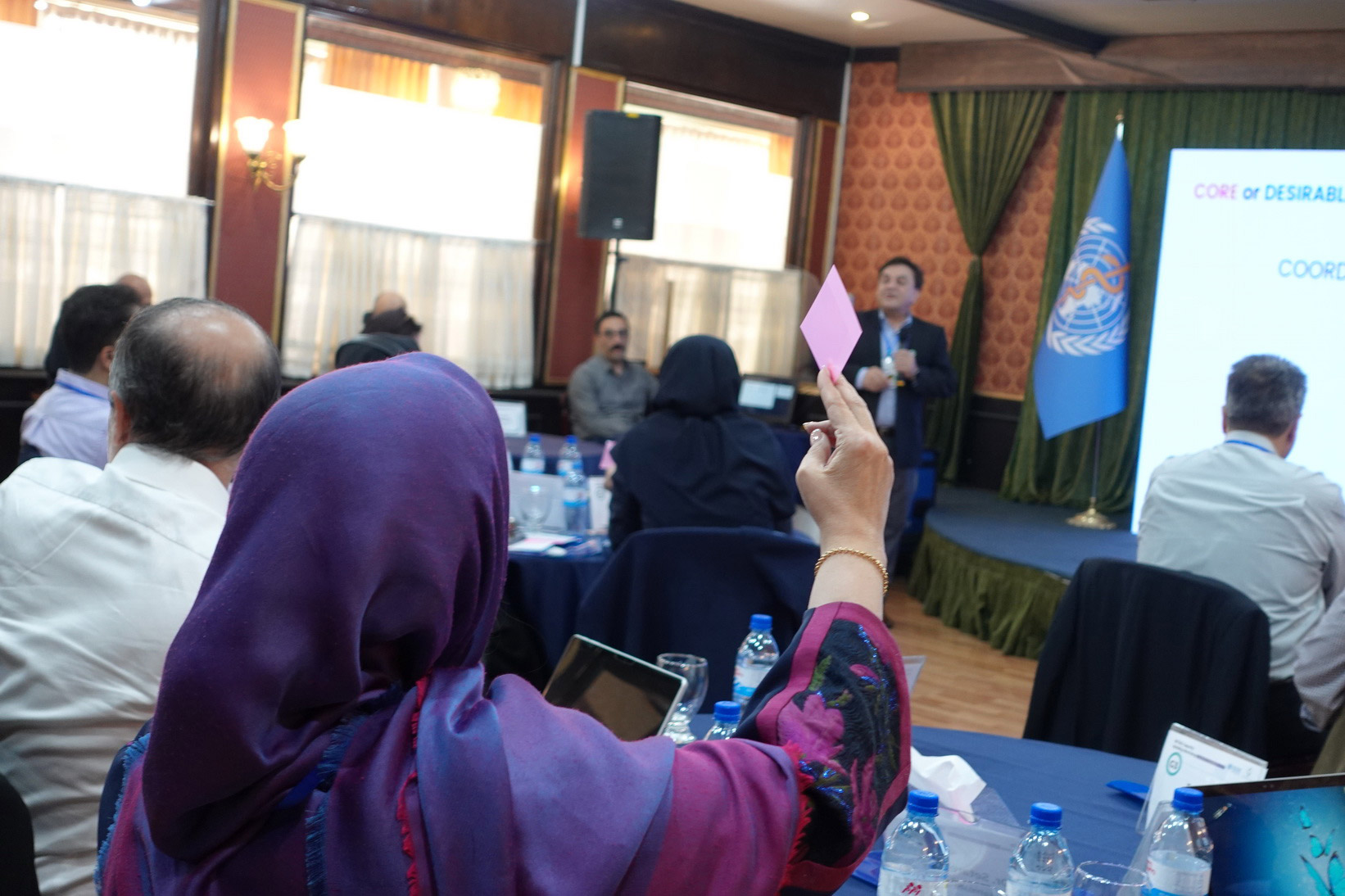 Exchanging experiences and receiving the latest technical updates from WHO and regional experts, building the knowledge and skills needed to align with Immunization Agenda 2030 goals. Photo credit: WHO Iran“A central pillar of IA2030 is strong country ownership, built on robust, evidence-based decision-making. In our Region, the Strategic Framework for IA2030 makes this tangible by ensuring that Member States have a functional and strong NITAG. WHO, at all 3 levels – headquarters, the Regional Office and the Country Office here in Tehran – is fully committed to providing technical support for this process.”
The overall goal of the workshop was to support NITAG's capacity and promote institutional strengthening through structured training, expert guidance and collaborative planning. This will result in a well-functioning, evidence-based advisory body that helps ensure more effective vaccine policy-making, improved immunization coverage and better health outcomes for the entire population.
With increased Iranian engagement in global and regional immunization dialogues there is a need to reinforce the group’s technical preparedness. The workshop represented a crucial step in equipping NITAG members and partner organizations with the tools, knowledge and collaborative experience necessary to support high-quality immunization decisions that strengthen current interventions and improve health for all people in the country.
