


17 February 2026, Tehran, Islamic Republic of Iran - Dr Awad Mataria, acting WHO Representative and Head of Mission to the Islamic Republic of Iran, underscored the critical role of data integration in saving lives during the closing ceremony of the 20th International Conference on Traffic and Transportation Engineering (ICTTE) (14-15 February 2026).
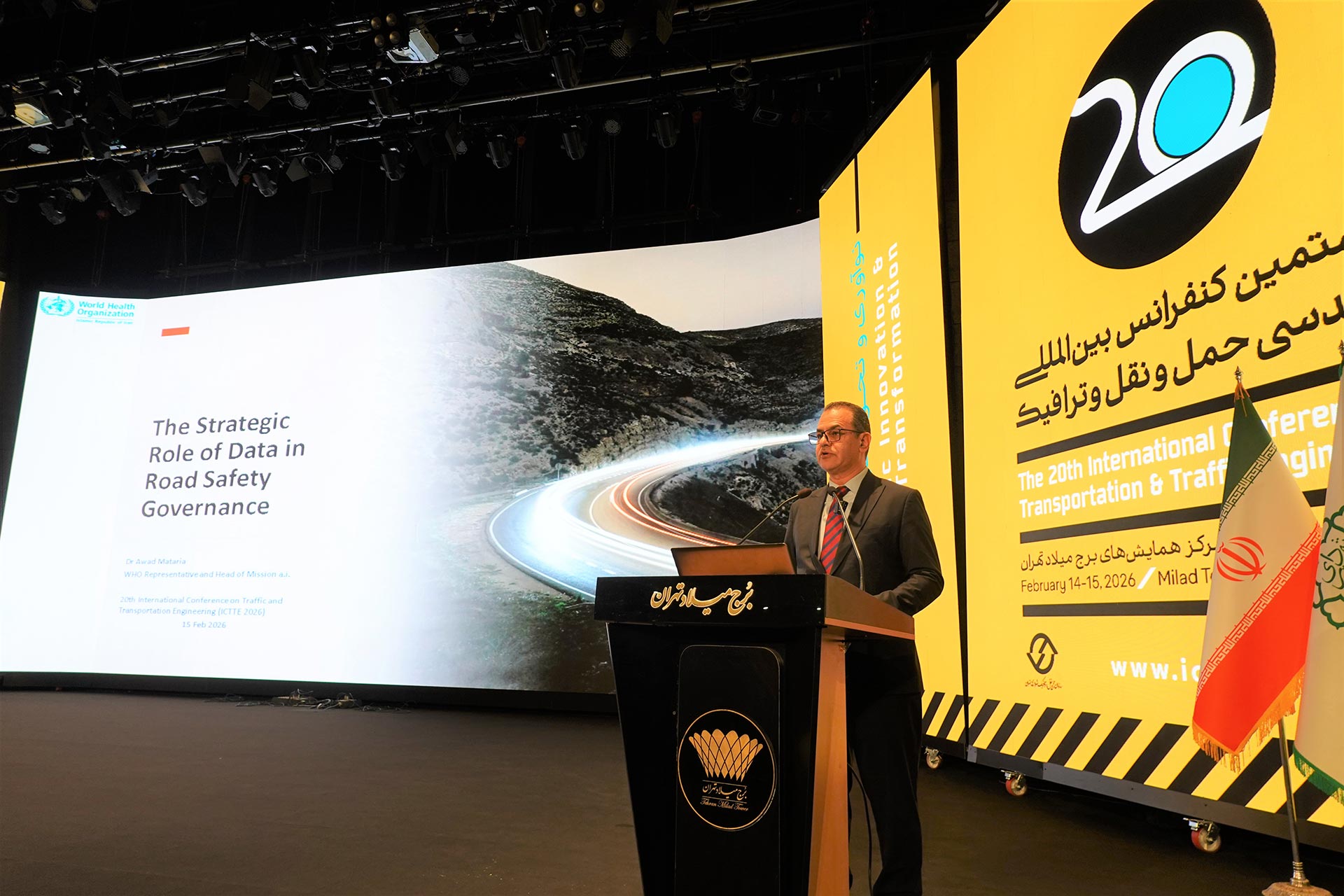
Addressing an audience of distinguished professors, engineers, policy-makers and law enforcement officials, Dr Mataria highlighted that while engineering innovation is vital, the strategic role of data is key to transforming technical knowledge into life-saving governance.
Dr Mataria noted that road safety remains one of the most urgent intersections of engineering and public health. According to the World Health Organization (WHO), road traffic injuries claim approximately 1.19 million lives annually worldwide and remain the leading cause of death for young people aged 5 to 29.
"Preventing road traffic injuries requires contributions from many disciplines," Dr Mataria stated. "Conferences like ICTTE matter because they bring together the knowledge needed to design safer mobility systems."
A central theme of the keynote speech was the transition from viewing data as a mere technical output to utilizing it as actionable intelligence. Dr Mataria observed that when engineering, crash, hospital and enforcement data are integrated, they enable decision-makers to identify high-risk environments and allocate resources effectively.
"Data is not simply a technical output of transport systems. It is the foundation of effective road safety governance," Dr Mataria remarked. "In short, data connects engineering solutions to life-saving outcomes."
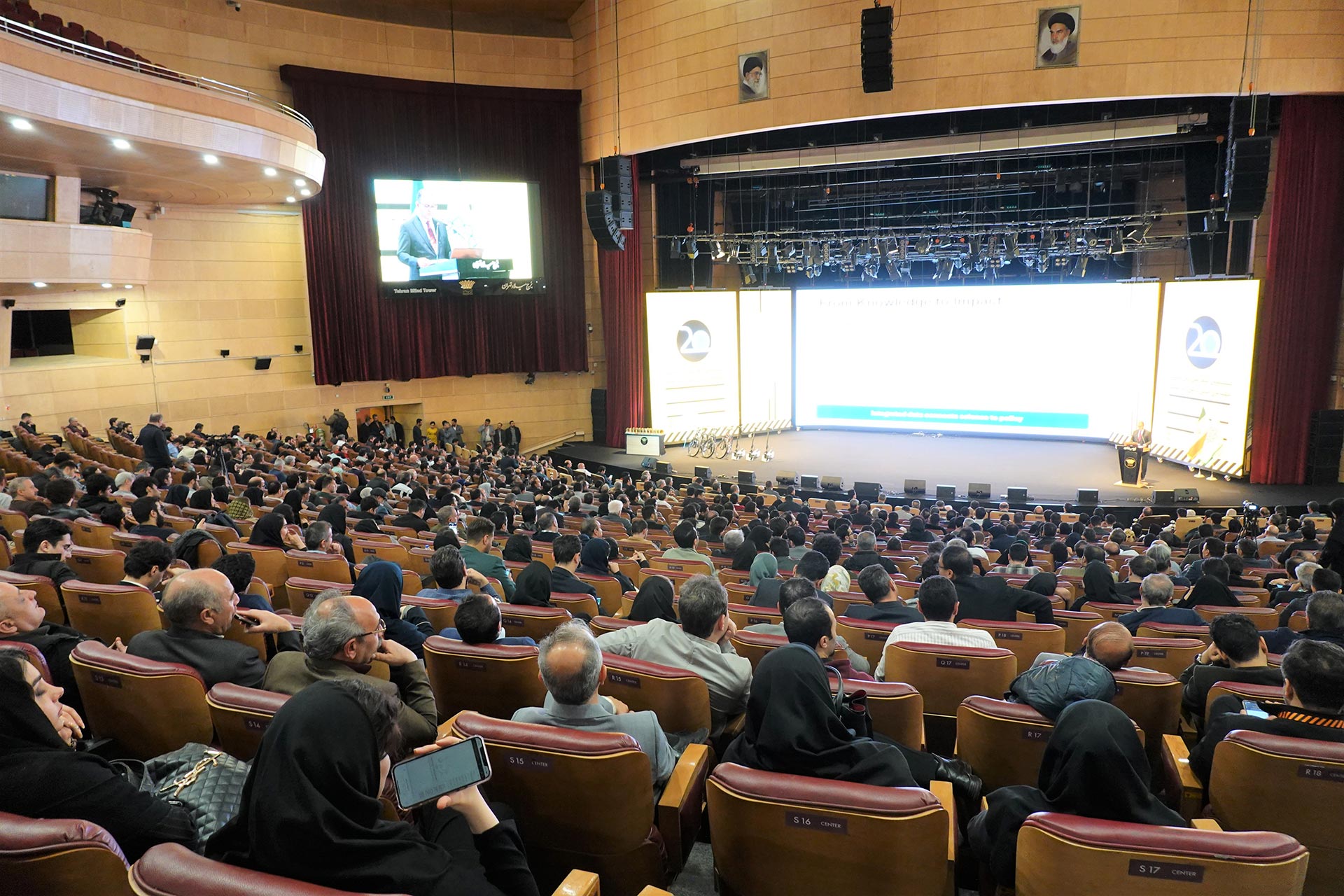
The acting WHO Representative acknowledged the Islamic Republic of Iran’s strong foundation in transportation engineering, specifically citing the country’s growing expertise in smart transportation systems, traffic modelling and infrastructure design. He recommended that the next strategic step should be ensuring that this scientific capacity is systematically connected to decision-making bodies.
Dr Mataria outlined a tripartite approach to reducing road traffic injuries through evidence, governance and implementation. He emphasized that countries achieving sustained reductions in traffic deaths are those that invest heavily in data integration and analytics which support the move from reacting to crashes to preventing them.
In his closing reflections, Dr Mataria offered a powerful vision for the future of road safety: "Road traffic injuries are preventable. Engineering innovation makes prevention possible. Data makes prevention precise. Leadership makes prevention happen."
