


 WHO Health Emergency (WHE) team from the Islamic Republic of Iran meeting with staff at the School of Public Health, Tehran University of Medical Sciences, on 26 November 2025. The visit focused on reviewing ongoing technical cooperation and assessing the operational needs of the National Polio Laboratory (NPL) and the National Influenza Centre (NIC)1 December 2025, Tehran, Islamic Republic of Iran – On Wednesday 26 November 2025, the health emergencies team from the WHO Country Office in the Islamic Republic of Iran visited the National Polio Laboratory (NPL) and the National Influenza Centre (NIC) – 2 of Iran’s leading public health reference centres – at the School of Public Health, Tehran University of Medical Sciences. The purpose of the visit was to review ongoing collaboration, assess operational needs and discuss ways to strengthen laboratory capacities to enhance infectious disease surveillance.
For more than 4 decades, WHO has provided technical and operational support to the 2 national reference laboratories. Despite challenges in procuring specialized equipment and reagents, continuous WHO assistance has helped ensure the laboratories remain fully operational and able to serve the entire Iranian population.
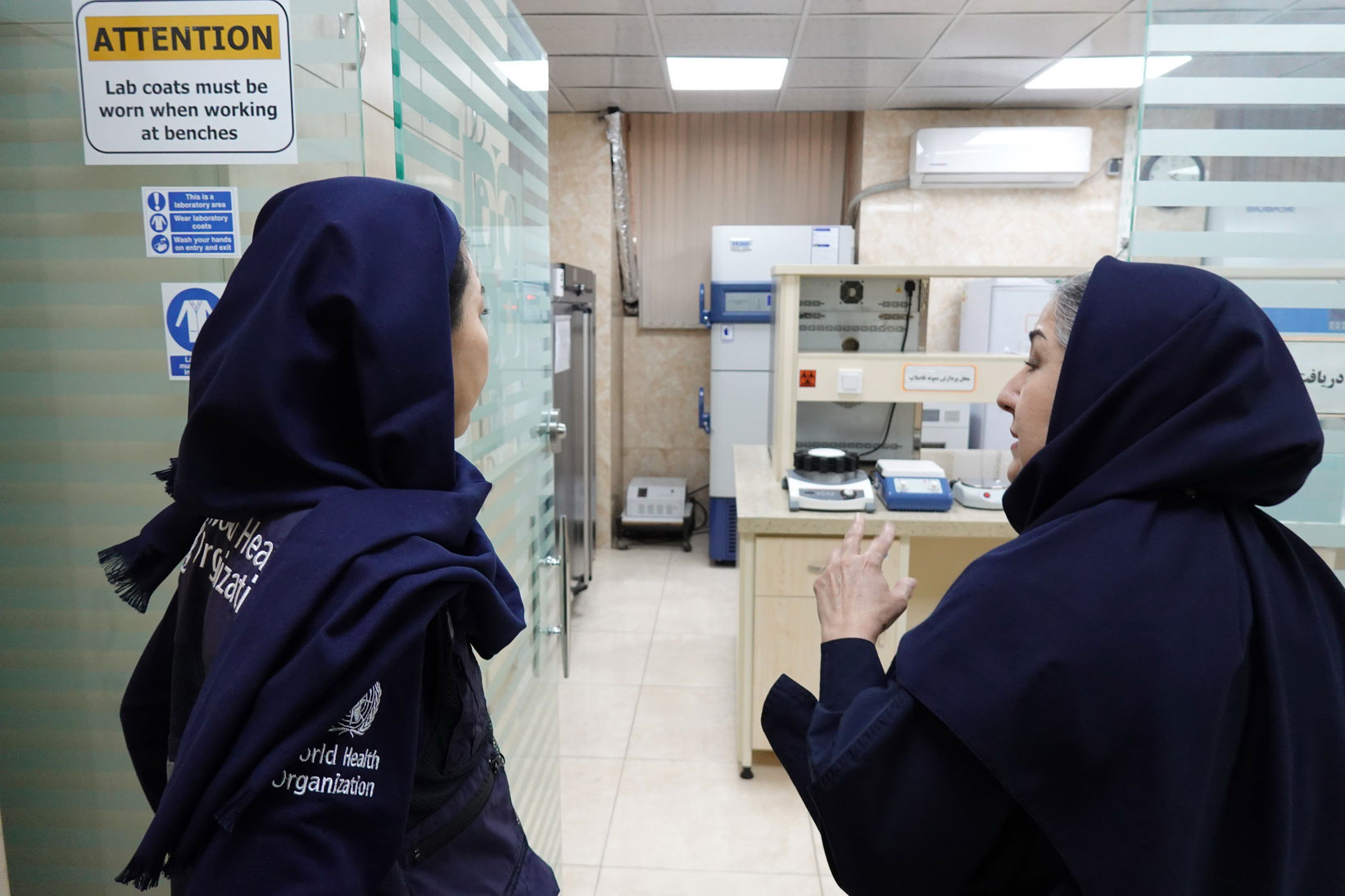 The National Polio Laboratory (NPL) plays a critical role in safeguarding Iran's polio-free status. Despite challenges, continuous WHO support ensures the NPL can test approximately 2500 human stool samples annually, providing timely detection crucial for national outbreak prevention and global eradication efforts.NPL plays an essential role in safeguarding the Islamic Republic of Iran’s polio-free status. While the country’s last reported case of wild poliovirus was in 2000, ongoing transmission of wild poliovirus in neighbouring countries and frequent cross-border population movement continue to pose a risk of virus importation.
To counter this threat, NPL tests environmental samples, mostly from the province of Sistan and Baluchistan, and stool samples from suspected cases referred by health facilities nationwide. Testing roughly 2500 human stool samples annually, NPL plays a critical role in timely detection and reporting. Its capacities, combined with routine polio vaccination, are vital to polio surveillance, national outbreak prevention and global efforts to eradicate polio.
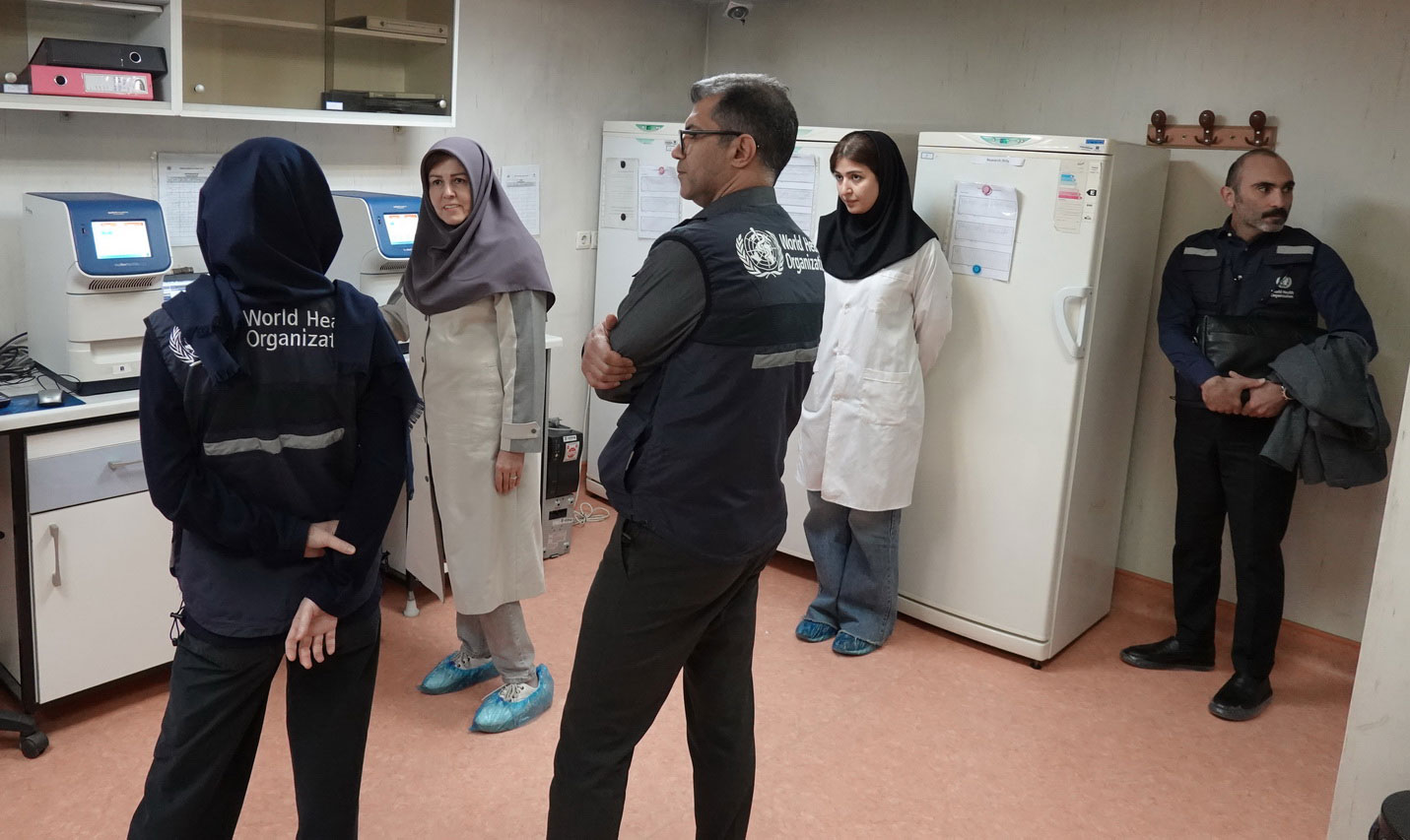 The National Influenza Centre (NIC) serves as Iran's key reference laboratory for detecting respiratory pathogens. Data generated through WHO-supported typing, subtyping, and surveillance activities is shared with the Global Influenza Surveillance and Response System (GISRS), which helps inform the composition of seasonal vaccines worldwide.The NIC serves as Iran’s leading reference laboratory, spearheading the detection and characterization of influenza viruses and other respiratory pathogens. With WHO’s operational and technical support – from virus typing and subtyping to sequencing and strengthening national and subnational surveillance systems – NIC generates essential data that inform domestic seasonal influenza vaccination policies and outbreak response measures. It also shares data with the Global Influenza Surveillance and Response System (GISRS), helping inform WHO’s recommendations for the composition of seasonal vaccines.
WHO’s continued support has helped NIC maintain strong diagnostic capacity and readiness, enabling Iran to rapidly detect and characterize emerging strains, enhance pandemic preparedness and better protect communities from respiratory infections.
