

Sélectionnez votre langue
Vaccine-preventable diseases continue to spread in Yemen
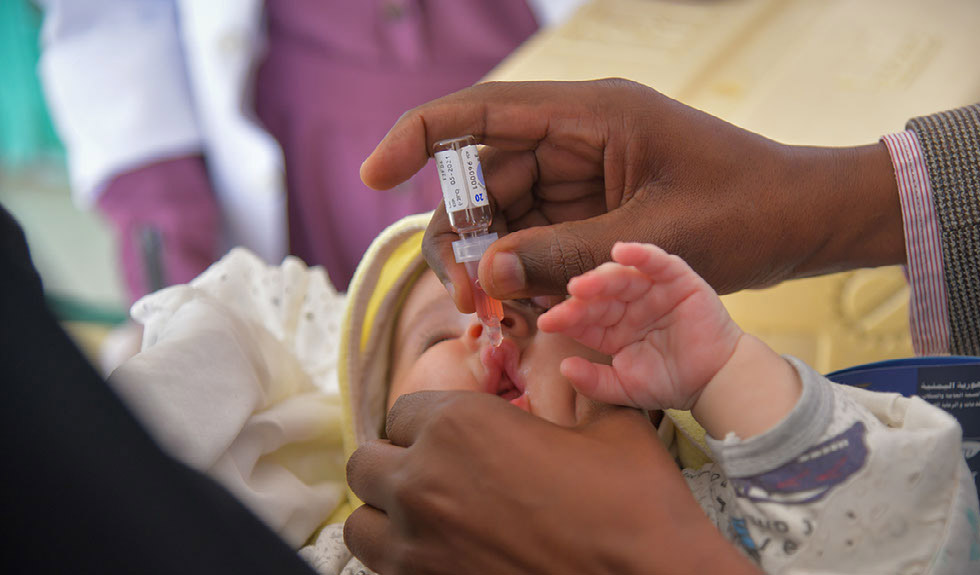
Daunting challenges to immunization efforts are disproportionately affecting the youngest children
It’s not just polio. Against the backdrop of ongoing conflict, widespread malnutrition and shortages of food and medicine, one of Yemen’s fastest growing problems, is, ironically, easily solvable: multiple outbreaks of vaccine-preventable diseases.
The numbers are daunting. Yemen recorded more than 22,000 measles cases in 2022, including 161 deaths. In 2023 to date, cases have already spiked to 9,418, with 77 children dead. Diphtheria and pertussis – whooping cough – cases are also on the rise, as are deaths from each disease.
World Health Day 2023: commemorating seven decades of public health history in Yemen
Health is a state of complete physical, mental and social well-being, and not merely the absence of disease or infirmity. — WHO Constitution
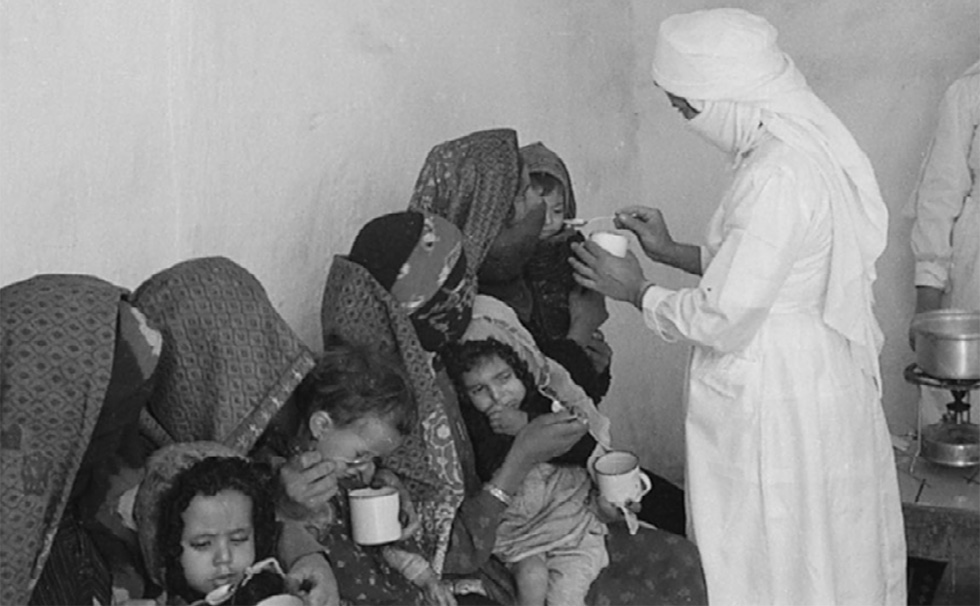
When diplomats met to form the United Nations in 1945, one of the earliest things they discussed was the setting up a global health organization. On 7 April 1948, the World Health Organization (WHO) was born and celebrated with the first-ever World Health Day.
Five years later, in 1953, Yemen became the 81st country to join the WHO.
This year’s World Health Day marks WHO’s 75th birthday, and its 70th year of service to the people and government of Yemen.
Acute food insecurity threatens child survival across Yemen
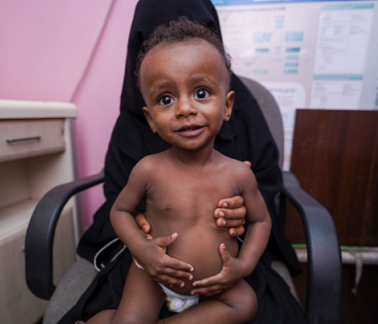 Young Yemeni boyWith continued support from the King Salman Humanitarian Aid and Relief Centre (KSrelief), the World Health Organization (WHO) is providing essential medicines, medical supplies, equipment, and training to eight high-priority hospitals in Yemen to treat severe acute malnutrition (SAM) among children under five.
Eight long years of grinding conflict has devastated Yemen’s economy, while widespread food shortages and soaring prices have pushed about half of the country's population of 31.6 million people into acute food insecurity. Of this number, 1.15 million children under age 5 are presently suffering from moderate acute malnutrition (MAM), and another 540 000 children under 5 are suffering from severe acute malnutrition (SAM) – with a direct risk of death.
Eight years and counting: achieving peace through health in conflict-ravaged Yemen
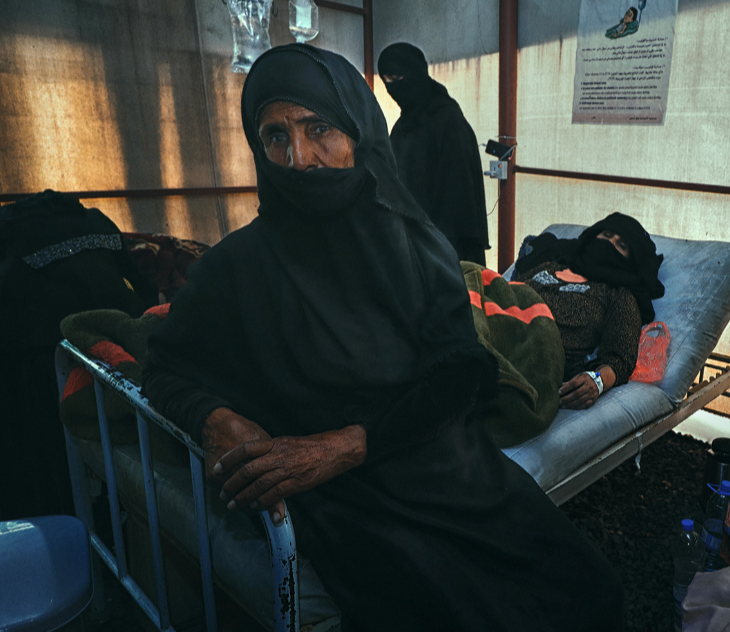
30 March 2023 – The conflict in Yemen has become a largely forgotten and neglected humanitarian crisis in which two-thirds of the population – more than 20 million people – are in present need of urgent health assistance. But as this protracted conflict now enters its ninth year, there is renewed hope for eventual peace and health, for all Yemenis.
“Arabia Felix”, or “Happy Yemen” – as this beautiful and once-prospering country was called in ancient Roman times – is deeply suffering and impoverished today.
Since March 2014, long years of conflict have driven Yemen into a dark abyss of human deprivation and despair. Multiple life-threatening health risks, and a severely crippled and overwhelmed health system, have contributed to making Yemen home to one of the world’s most protracted and dire humanitarian crises.
Currently, only 54% of health facilities are functioning, while 46% are closed or only partially operating. Facilities that are still open are badly overstretched and struggling to provide even most basic services, due to shortages of staff, electricity, medicines, supplies, and equipment. Most health workers are receiving reduced payments if any, compared to previous years – resulting in further deterioration of essential services.