

Sélectionnez votre langue
Creating safer, more resilient hospitals in Yemen
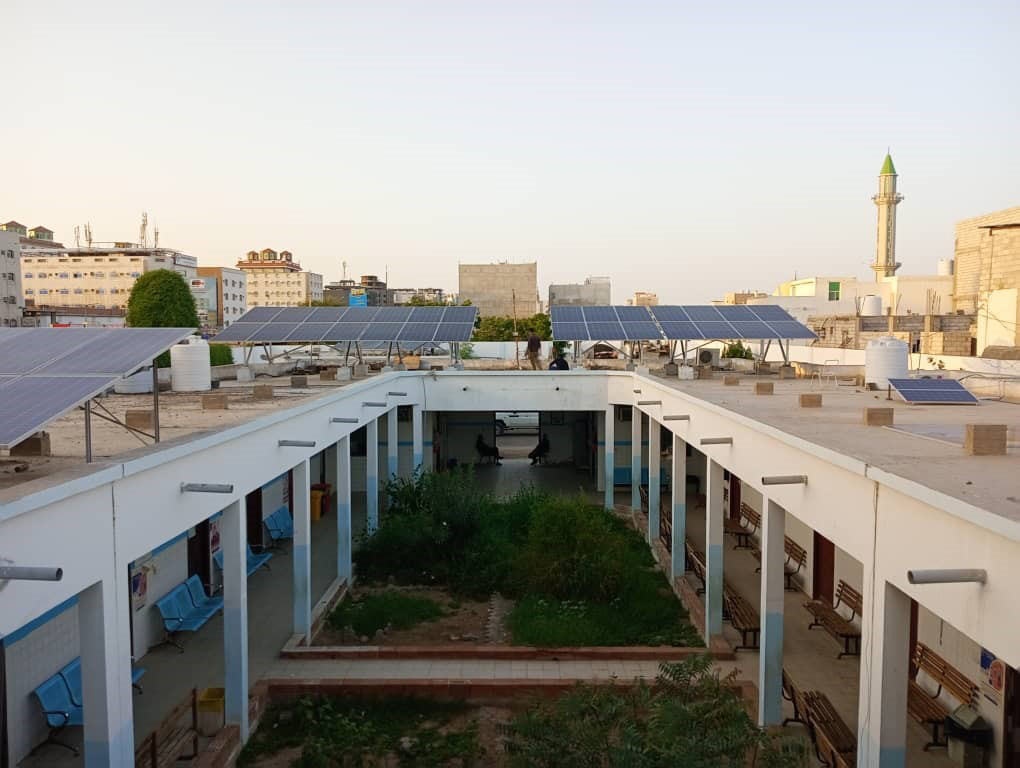 Solar system installation at Hashed Health complex in Aden. Photo credit: WHO Yemen05 May 2026, Aden, Yemen – Hospitals, a cornerstone of functioning health systems, continue to face significant challenges in Yemen due to the ongoing conflict, limited resources, damaged infrastructure and the growing impacts of climate change.
To address these challenges, in 2023 the World Health Organization (WHO) and the Ministry of Public Health and Population launched an initiative to enhance hospital resilience. As WHO Representative to Yemen, Dr Syed Jaffar Hussain, explained: “The initiative aims to build capacities to prepare for and respond to a sudden increase in demand for emergency care during crises, including cyclones, floods and mass casualty events.”
The initiative, supported by the World Bank as part of the Emergency Human Capital Project (EHCP), includes training hospital managers and staff on disaster management concepts and establishing disaster management teams within participating facilities.
 Hospital resilience training to the faculty of medicine in TaizzSo far nine governorate hospitals are participating in the initiative. More than 263 of their staff (50% female) have participated in training. Collectively, these hospitals serve millions of people every year.
To coordinate and roll out the initiative, local trainers have been appointed in each targeted governorate.
Building on orientation and initial training activities, participating hospitals have conducted baseline risk assessments to determine the crises they are most likely to face. Using the WHO operational guide and the Hospital Safety Index, participating hospitals developed improvement plans to enhance preparedness. Hospitals are now implementing these plans using their own budgets, including repairs and maintenance to strengthen safety.
WHO provided online training on the Health Equity Assessment Toolkit (HEAT) in 2024 for more than 70 health workers from 10 governorates across the country. The training targeted emergency room managers, technical managers and quality team leads in hospitals and aimed to better assess emergency room conditions and identify service gaps.
 Resilience committee field visit for the baseline assessment in Ibn Khaldoon hospital in Lahj. Photo credit: WHO YemenAll of this work builds on the success of the hospital care and management programme, previously implemented by WHO with support from the World Bank. Through this programme, more than 1,700 hospital managers and senior health staff across Yemen were equipped with essential skills in leadership, quality of care, and emergency and disaster management, helping to strengthen hospital performance nationwide. Building on these achievements, the same trained staff are now taking part in the hospital resilience initiative, where they continue to strengthen and enhance their skills.
Moving forward, hospitals plan to continue rolling out disaster management training, including drills and post-exercise debriefings. They also hope to invest in better communication systems for internal and external coordination.
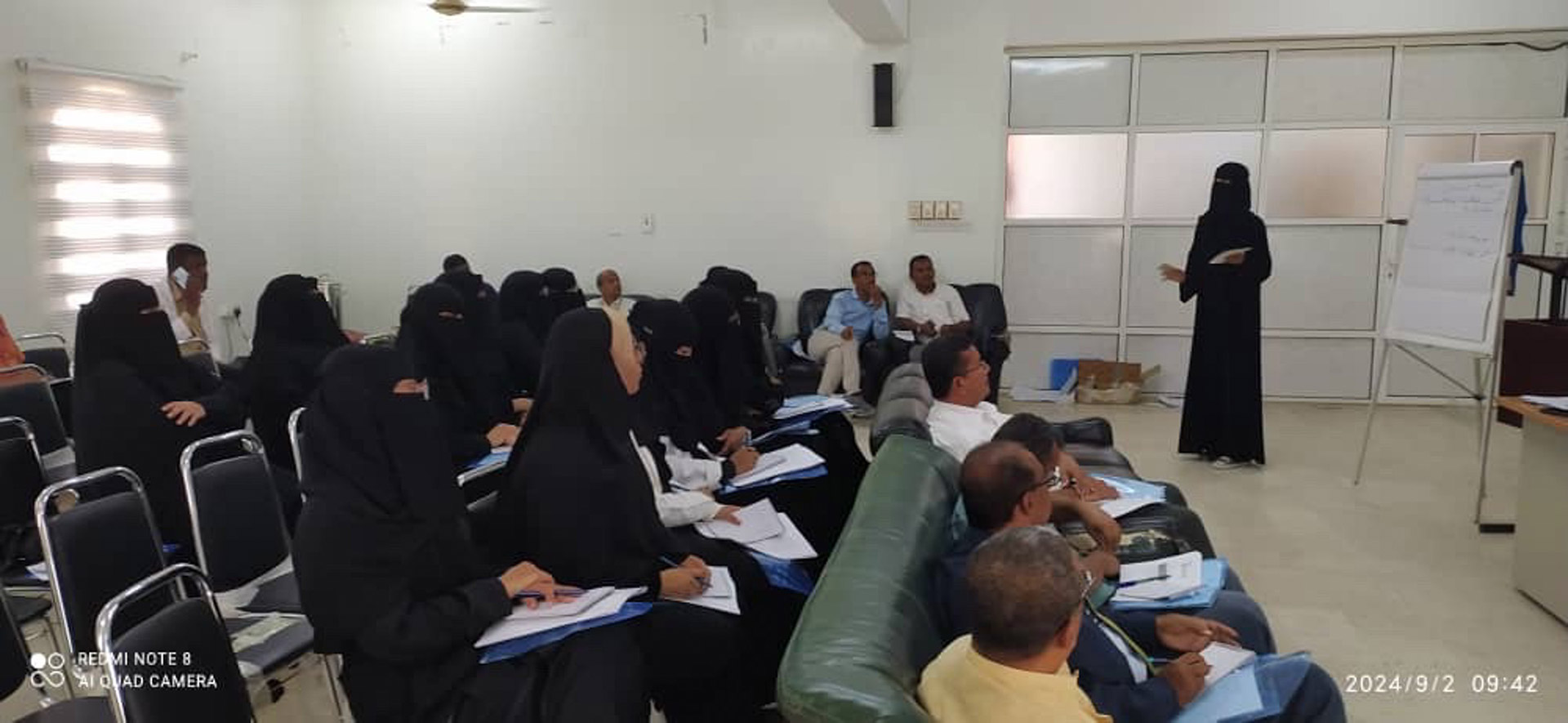 The first hospital resilience training session in Mukalla, Hadramout. Photo credit: WHO Yemn
Given significant challenges in ensuring uninterrupted provision of electricity, water and sanitation services, hospitals are exploring backup systems to maintain essential operations. Hospitals will also seek to improve patient data management, enhance community coordination and provide mental health support for staff and patients in times of crisis.
Learn more:
A lifeline in Mukalla: Ensuring safe blood transfusions for Yemen’s most vulnerable
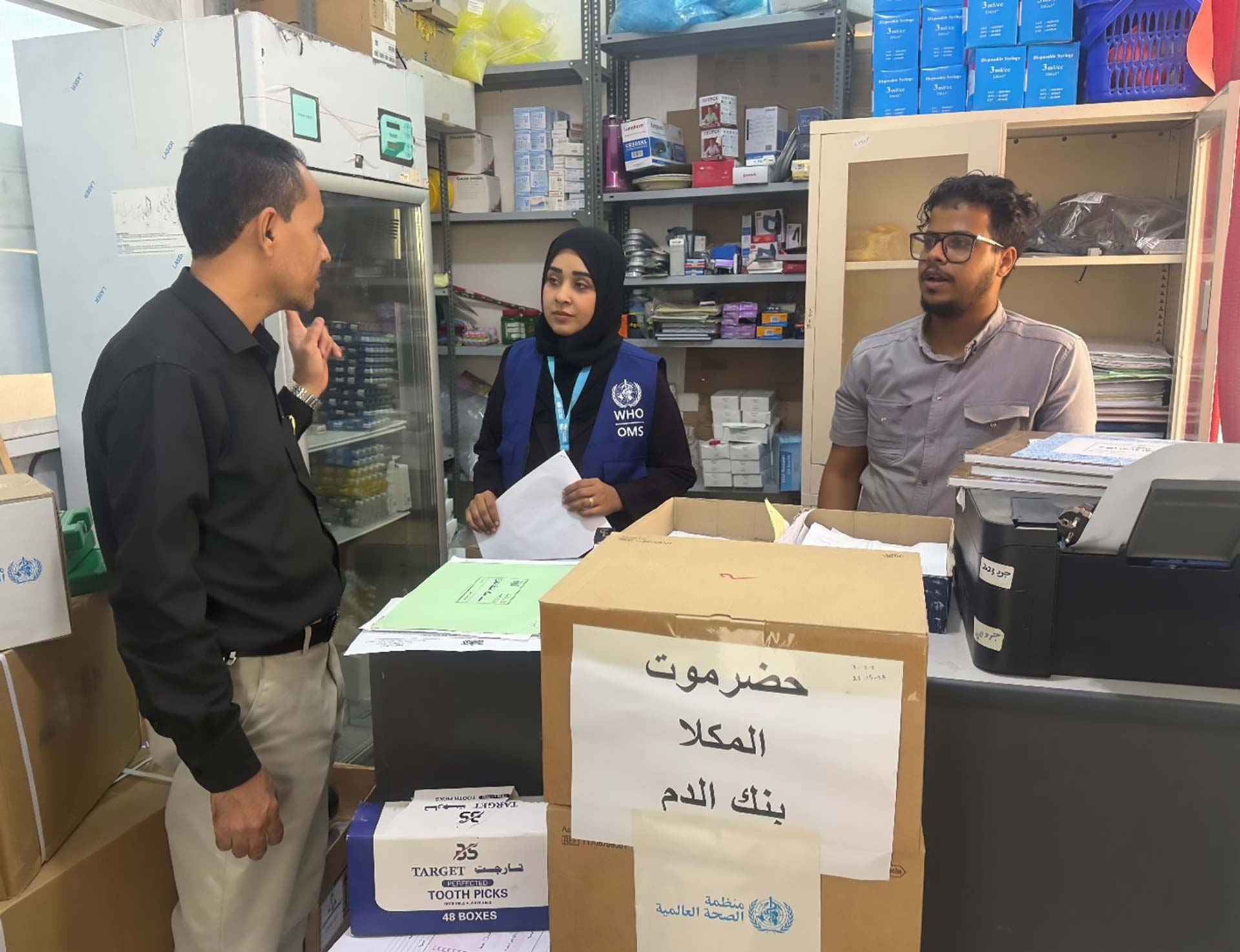 WHO sub-national health cluster coordinator Ms. Khalil Ba-Matraf visits the National Blood Transfusion Centre in Mukalla. Photo credit: WHO Yemen05 May 2026, Mukalla, Yemen – Patients arrive daily at the National Blood Transfusion and Research Centre in Mukalla, including children with thalassemia who need regular transfusions, cancer patients undergoing treatment, and people living with chronic conditions such as kidney and heart disease. For them, and their families, the Centre represents hope, and is a vital lifeline.
With support from the World Bank through the Emergency Human Capital Project (EHCP), the World Health Organization (WHO) is helping sustain these services by providing over 90 percent of the essential supplies, reagents and materials required for blood screening. This support enables the Centre to continue delivering safe and reliable services.
Behind the scenes, health workers screen every unit of donated blood for infectious diseases, to ensure it is safe for transfusion. This process protects patients from serious health risks and reinforces confidence in the care they receive.
“For many patients, access to safe blood is a matter of life and death. Ensuring access to safe blood is a cornerstone of resilient health systems,” said WHO Representative in Yemen, Dr. Syed Jaffar Hussein. “Through our partnership with the World Bank, WHO remains committed to supporting essential health services in Yemen and safeguarding the lives of the most vulnerable populations.”
This support allows the Centre to provide transfusion services free of charge, easing the financial burden on families who already face significant hardship. For many, it makes the difference between accessing treatment and going without it.
The steady provision of supplies allows the Centre to operate without interruption, ensuring patients can access care when they need it, without fear of delays or shortages.
The National Blood Transfusion and Research Centre in Mukalla demonstrates what sustained support can achieve. Through the partnership between WHO and the World Bank, thousands of lives are being protected.
A vital health service continues to offer hope to those who depend on it every day.
World Malaria Day 2026: Yemen rallies to end malaria
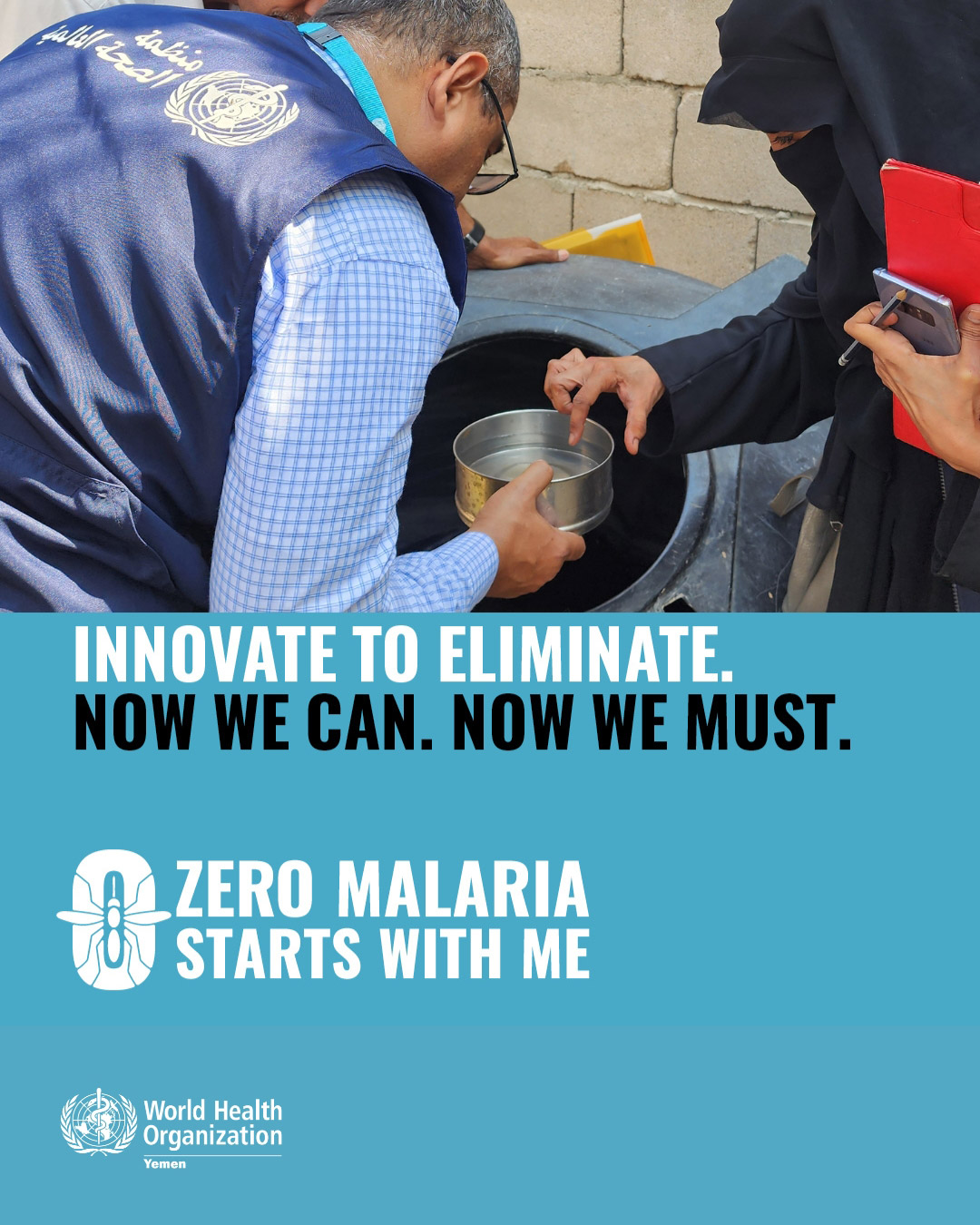 25 April 2026, Aden, Yemen – On World Malaria Day 2026, under the global theme “Driven to End Malaria: Now We Can. Now We Must”, the World Health Organization (WHO) joins the Ministry of Public Health and Population and partners in Yemen to reaffirm commitment to ending the disease.
Malaria remains a major public health concern in Yemen, with approximately 64% of the population residing in areas at risk of transmission. In 2025, 1,442,270 malaria cases were tested. The most vulnerable groups include pregnant women and children under five years of age. While malaria is endemic across the country, regions with historically low transmission rates are increasingly susceptible to outbreaks, particularly due to population movements, limited access to healthcare in remote areas, and climatic changes such as rising temperatures, heavy rainfall, and high humidity.
Despite ongoing conflict, climate shocks and strained health systems, progress is being made through coordinated national efforts and sustained partner support. Hope is within reach. Scientific advances are transforming the global malaria response. New vaccines, innovative treatments, next-generation mosquito nets and emerging technologies are bringing the world closer than ever to ending malaria.
Around the world, countries are scaling up lifesaving tools. The urgency is real. Malaria does not wait. Any disruption to funding and services can quickly reverse progress, putting lives at risk and increasing the burden on already fragile health systems. In Yemen, where access challenges and resource constraints persist, sustained investment is urgently needed to protect gains and prevent resurgence.
Action must be taken now. With support from partners, including the King Salman Humanitarian Aid and Relief Centre (KSrelief), WHO continues to implement large-scale malaria prevention and control interventions across multiple governorates. Efforts include the deployment of mobile health teams, distribution of essential medicines and supplies, strengthening surveillance systems and community awareness campaigns aimed at early detection and treatment.
“Yemen stands at a critical moment in the fight against malaria,” said WHO Representative in Yemen Dr Syed Jaffar Hussain. “We have the tools, the knowledge and the partnerships to end malaria. What we need now is sustained commitment and investment. Every delay risks lives – especially among the most vulnerable.”
WHO calls on all partners, donors and stakeholders to grasp the moment, protect lives now and fund a malaria-free future. Continued investment will ensure that lifesaving interventions reach those who need them most and that progress towards elimination is accelerated.
On this World Malaria Day, communities, health workers and partners across Yemen are united behind a shared message: Now We Can. Now We Must.
Media contacts
WHO Yemen Communications
Email:
About WHO
Founded in 1948, the World Health Organization (WHO) is the United Nations agency dedicated to promoting health, keeping the world safe and serving the vulnerable. WHO leads global efforts to expand universal health coverage, coordinate responses to health emergencies and advance well-being for all.
World Immunization Week 2026: WHO calls for every generation to be protected in Yemen
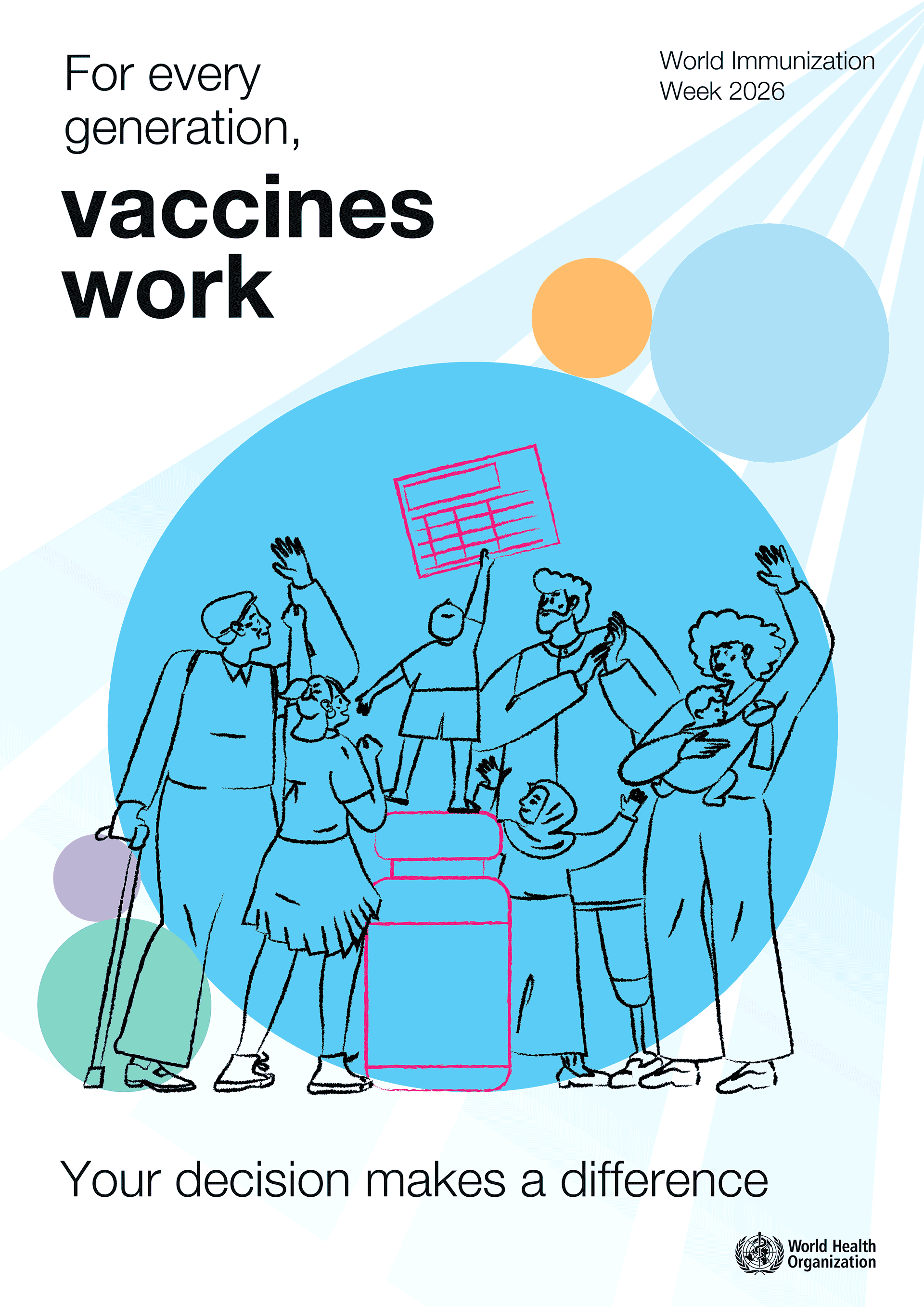 24 April 2026, Aden, Yemen – The World Health Organization (WHO) is marking World Immunization Week 2026 with the theme, “For every generation, vaccines work.”
Observed from 24 to 30 April, the week highlights the lifesaving power of vaccines. This year’s campaign amplifies a simple message – “Your decision makes a difference. Get vaccinated”.
Vaccines have been protecting people from preventable diseases for more than 200 years. Over the last 50 years alone, vaccines have saved more than 154 million lives- the equivalent of six lives every minute, every day, for five decades. Vaccination has contributed to a 40% improvement in infant survival globally, enabling millions of children to live healthier lives, free from preventable disease. In Yemen, as elsewhere, vaccines are one of the most powerful tools in public health. Despite ongoing challenges, including), A sustained outbreak of Polio Variant type 2 (cVDPV2) has persisted since 2021, underscoring ongoing immunity gaps.
In 2025, a total of 31 VDPV cases were reported across Yemen representing a substantial decline from the 187 cases reported in 2024. Measles remains endemic in Yemen, with a persistently high disease burden reported since 2020. In 2025 alone, the country recorded 27,560 confirmed measles cases and 218 associated deaths nationwide. Vaccination remains a critical pillar in protecting children and communities across the country from vaccine‑preventable diseases such as Measles, Polio, Diphtheria, Pertussis and tetanus.
WHO, in collaboration with the Ministry of Public Health and Population and with the support of partners including Gavi, the Vaccine Alliance, the Global Polio Eradication Initiative (GPEI) and the King Salman Humanitarian Aid and Relief Centre (KSrelief), continues to strengthen routine immunization services, expand integrated outreach and enhance sensitive Vaccine preventable disease surveillance across the country.
Recent progress in 2024-25 underscores the impact of sustained immunization efforts in Yemen. Nine outreach rounds reached 542,183 children, including 119,702 zero‑dose children. Through the HEER response, 2.1 million children received measles–rubella (MR) vaccination, while four nOPV2 polio campaigns successfully protected 1.4 million children under five years of age, achieving 100% coverage. These achievements were further reinforced by system‑strengthening efforts, with more than 18,832 immunization staff trained to improve service delivery, and 800 polio and VPD personnel enhancing their capacities in surveillance, outbreak investigation, and specimen management.
“Vaccines save lives, protect futures and strengthen communities,” said WHO Representative in Yemen, Dr Syed Jaffar Hussain, “This World Immunization Week, we call on all families, communities and partners to play their part to ensure every child in Yemen has access to vaccines to safeguard them from a wide range of preventable diseases. Protecting every generation starts with the action we take today.’’
Vaccination is essential at every stage of life. From early childhood adolescents, pregnant women and older adults, it reduces the risk of severe illness and death and are among the most cost-effective tools to safeguard public health, reducing families’ financial burden by protecting them from the effects of diseases.
This World Immunization Week, WHO calls for strengthened collective action to build trust, promote accurate information and ensure equitable access to vaccines for all. In Yemen, protecting future generations depends on creating sustainable systems that reach every child, everywhere with vaccines.
Your decision makes a difference Ensure people of all ages receive their vaccines.
Media contacts
WHO Yemen Communications
Email:
About WHO
Founded in 1948, the World Health Organization (WHO) is the United Nations agency dedicated to promoting health, keeping the world safe and serving the vulnerable. WHO leads global efforts to expand universal health coverage, coordinate responses to health emergencies and advance well-being for all.
World Bank and WHO Strengthen Yemen’s National Emergency Response
22 April 2026, Aden, Yemen – Amid persistent public health threats driven by years of conflict, fragile infrastructure, disease outbreaks and limited access to essential health services, coordinated emergency response is more critical than ever in Yemen.
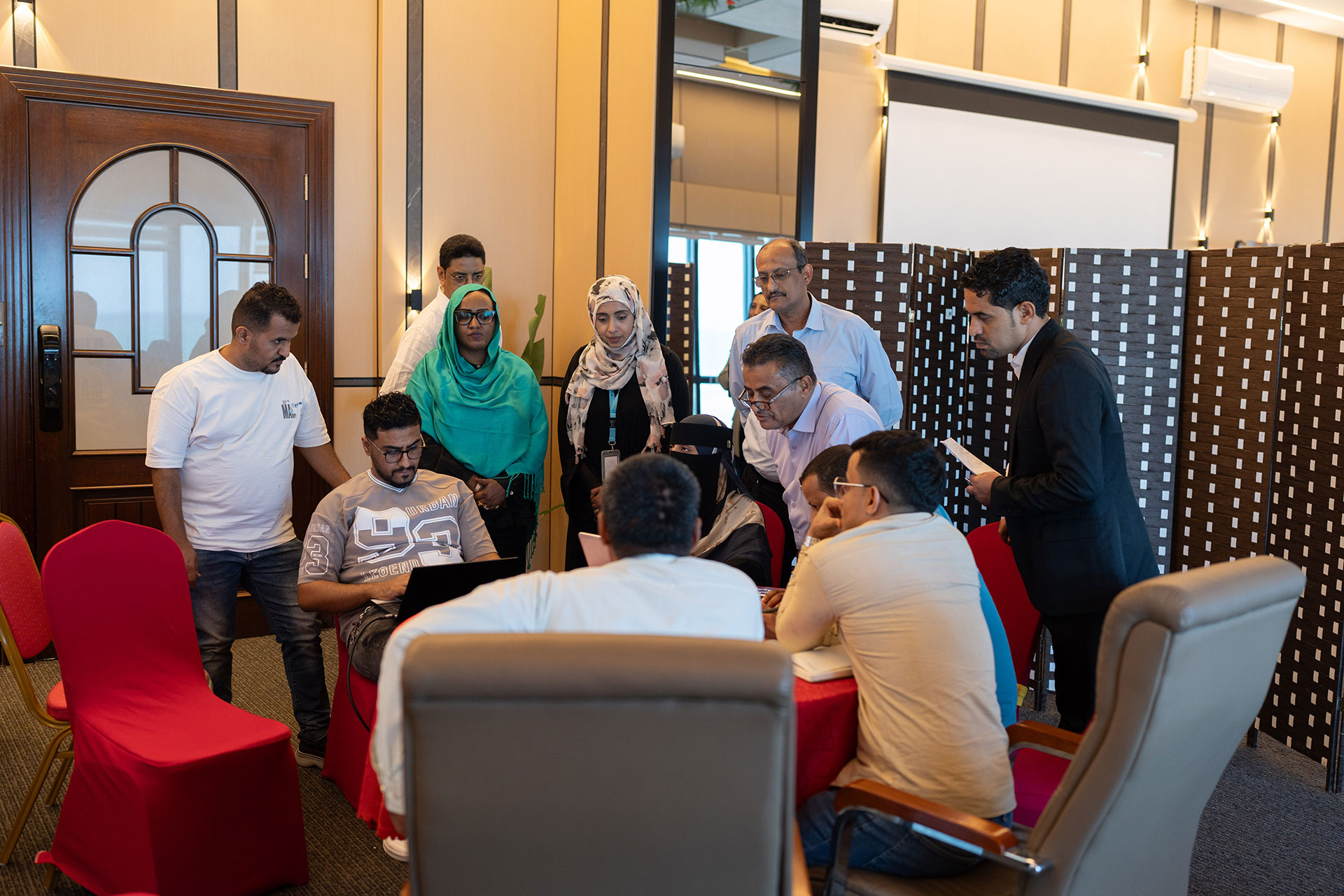 Participants collaborate during a WHO-supported PHEOC training in Aden, strengthening coordination and decision-making for effective emergency response
To help address gaps, the Ministry of Public Health and Population, in collaboration with the World Health Organization (WHO), conducted a training of trainers (ToT) on public health emergency operations centres (PHEOCs) from 15 to 24 December 2025, with support from the World Bank through the Emergency Human Capital Project (EHCP) and from the Pandemic Fund through the Pandemic Preparedness and Response Project.
The training brought together 35 participants, including 9 females, representing key positions such as PHEOC staff, point of entry staff and risk communication and community engagement unit staff. The training aimed to equip participants with the knowledge, practical skills and confidence to lead emergency operations and coordinate responses to public health threats using the WHO Incident Management System.
The interactive training programme, delivered in Arabic, combined theoretical modules with hands-on exercises. Participants learned about the fundamentals of public health emergency management, the core components of PHEOCs and different operational modes. Practical sessions included tabletop exercises, case studies and a multi-day functional simulation exercise covering events such as cholera and measles outbreaks and flooding.
The exercises enabled participants to apply emergency management frameworks, develop situation reports and practice decision-making under simulated crisis conditions.
A key feature of the training was the collaborative design and execution of the simulation exercises. Participants worked in groups to develop scenarios and response matrices. Peers observed and provided feedback. The exercises enhanced the critical thinking, problem-solving and coordination skills needed to respond effectively to emergencies.
 Hands-on simulation exercises build practical skills in data analysis and emergency management to respond rapidly to public health threats
Pre- and post-training assessments showed significant knowledge gain. Participants’ average score, measuring their understanding of PHEOC operations, increased from 57 percent before the training to 79 percent after the training. Feedback from participants highlighted the functional simulation exercises as the most beneficial component of the training.
“This training is a vital step in strengthening Yemen’s capacity to detect, assess and respond rapidly to public health emergencies,” said WHO Representative in Yemen Dr Sayed Jafar. “It demonstrates the Ministry’s commitment to building a resilient health system, supported by WHO and the World Bank.”
Immediate outcomes of the ToT include a roster of trained PHEOC facilitators, Arabic-adapted training materials, and stronger capacity to conduct future simulation exercises. In the medium term, the training will support the development of national PHEOC guidance, standard operating procedures and emergency response plans.
The training underscores Yemen’s commitment to public health emergency preparedness and the continued importance of collaboration between the Ministry, WHO and the World Bank to strengthen national capacities and protect communities from health crises.
Strengthening early warning systems to detect health emergencies in Yemen
19 April 2026, Aden, Yemen – In Yemen, where a fragile health infrastructure, undermined by years of conflict, faces recurring disease outbreaks, strengthening early detection and coordinated response to public health threats remains a priority.
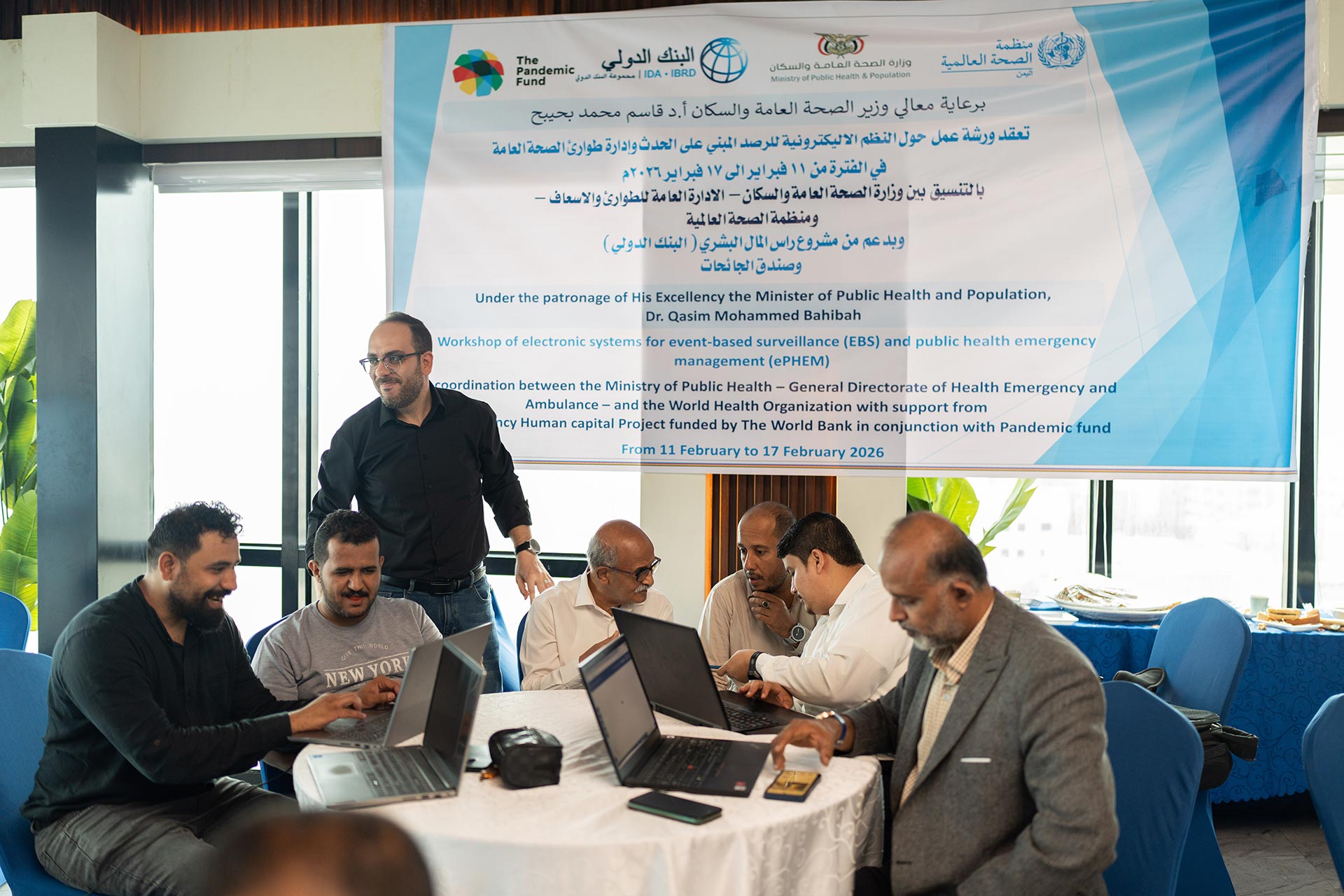 Participants strengthen digital surveillance and emergency management skills during a WHO-supported workshop in Aden. Photo credit: WHO Yemen
To strengthen early warning systems and emergency management capacities, the World Health Organization (WHO), in collaboration with the Ministry of Public Health and Population, convened a training workshop in Aden from 11 to 16 February 2026 on electronic event-based detection systems (EBS) and public health emergency management (PHEM).
The workshop was supported by the World Bank through the Emergency Human Capital Project (EHCP) and by the Pandemic Fund through the Pandemic Preparedness and Response Project.
The 37 participants were drawn from key staff at public health emergency operations centres (PHEOCs), epidemiological departments and other relevant units at both national and governorate level.
Through interactive sessions, discussions and live demonstrations, participants strengthened their knowledge of core public health emergency management concepts and enhanced their ability to detect, assess and manage health events through digital systems.
 Group photo of participants during the WHO-supported workshop on digital surveillance and public health emergency management in Aden. Photo credit: WHO Yemen
The workshop included practical training on two key digital platforms: Epidemic Intelligence from Open Sources (EIOS) and the electronic Public Health Emergency Management system (ePHEM). EIOS enables health authorities to identify early signals of potential public health threats by analyzing publicly available information, including news reports and online sources, for public health purposes. The ePHEM supports structured tracking, and the coordination/ management of emergency responses in real time.
 Hands-on training enhances capacity to detect and respond to public health threats using digital systems. Photo credit: WHO Yemen
Participants gained hands-on experience in the use of these tools in managing public health and emergency response data, identifying early warning signals of public health threats and coordinating emergency response actions more effectively.
“Strengthening digital early warning and emergency management systems is essential in a context like Yemen, where health threats can emerge rapidly and resources are limited,” said WHO Representative in Yemen, Dr Sayed Jaffar. “Through the Emergency Human Capital Project, with support of the World Bank, WHO is committed to building the skills of Yemen’s health workforce and strengthening systems that help detect health risks early and protect communities.”
By investing in digital tools and strengthening the capacities of health professionals, WHO and its partners are supporting Yemen in building stronger early warning and emergency response systems and ultimately saving lives.
World Health Day 2026: science protects lives and strengthens health systems in Yemen
07 April 2026, Aden, Yemen – The theme of World Health Day 2026, Together for Health, Stand with Science, celebrates the power of scientific collaboration to protect the health of people, animals, plants and the planet. The World Health Organization (WHO) in Yemen joins the global call to highlight the critical role of science and evidence-based action in protecting lives and sustaining health services.
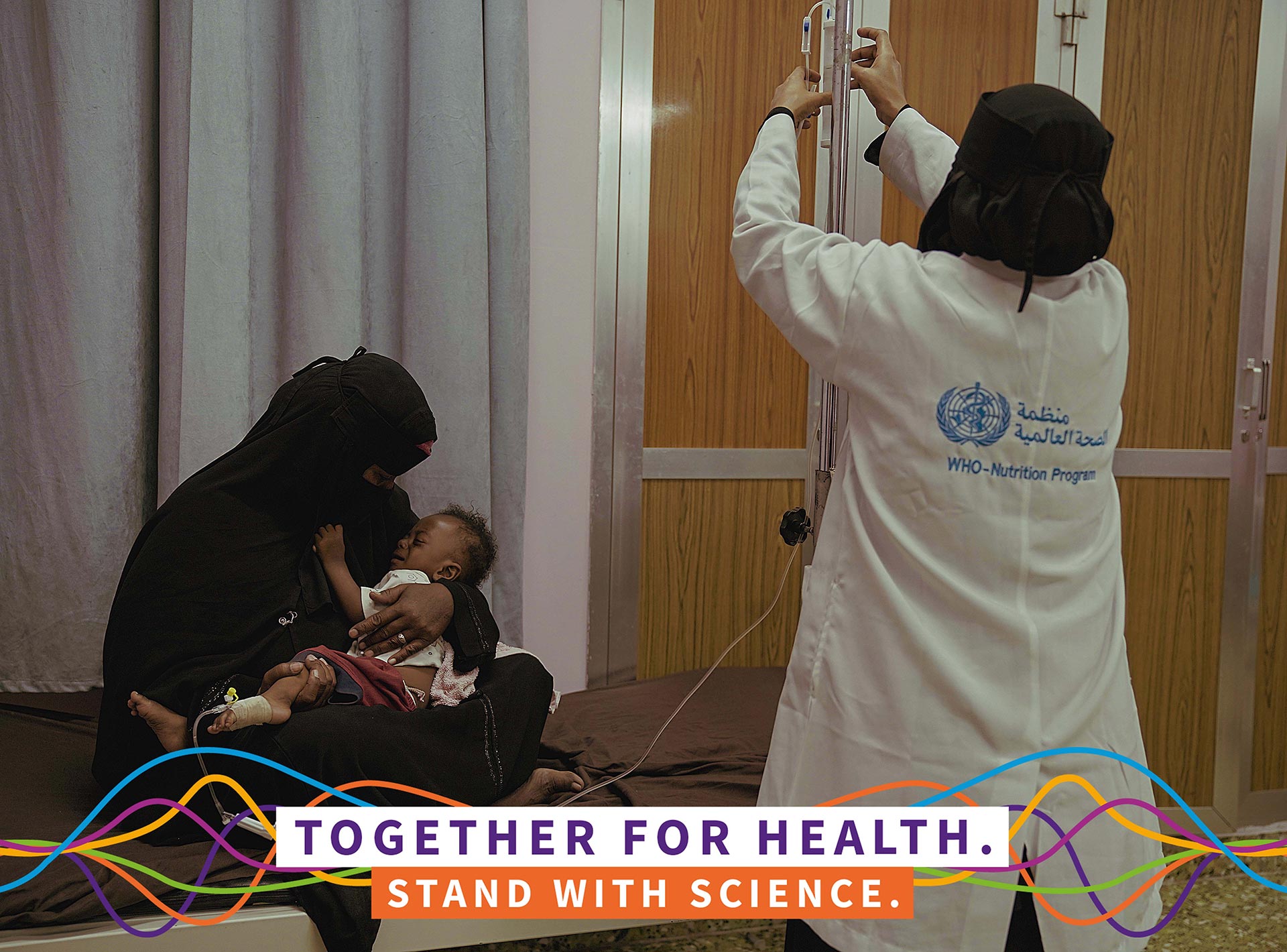
Science is a lifeline In Yemen, where conflict, economic hardship and recurring health emergencies continue to strain the health system. From controlling disease outbreaks to ensuring access to essential health services, evidence-based interventions guide every aspect of the health response, saving lives and supporting communities when they are at their most vulnerable.
Across the country, WHO works closely with health authorities and partners to translate science into action. This includes strengthening disease surveillance systems, supporting laboratories, training thousands of health workers and delivering lifesaving medicines and supplies to health facilities. These efforts ensure that health decisions continue to be informed by data, expertise and global standards in the most challenging environments.
Science-driven approaches have been central to recent public health gains in Yemen. Immunization campaigns have reached millions of children, helping to stop the spread of vaccine-preventable diseases. Emergency response operations have enabled rapid detection and control of outbreaks of diseases such as cholera, dengue and measles. Continued investment in health workforce capacity and health system resilience is helping ensure that essential services remain available for millions of people.
“Science is at the heart of every lifesaving intervention in Yemen,” said WHO Representative in Yemen Dr Syed Jaffar Hussain. “From outbreak response to emergency care, evidence-based action allows us to reach those most in need. On this World Health Day, we call on partners and communities to stand with science and ensure that health services continue to reach every person, everywhere.”
This year’s global theme highlights the importance of the One Health approach, recognizing the interconnected health of people, animals and the environment. In Yemen, where climate-related risks and disease outbreaks intersect, strengthening science-based, multisectoral collaboration is essential to prevent and respond to health threats.
WHO is urging communities, partners and decision-makers to support science-led health action, promote accurate information, strengthen trust in public health guidance and invest in sustainable health systems.
On World Health Day and beyond, WHO reaffirms its commitment to working with partners across Yemen to ensure that science continues to guide the response, protect communities and build a healthier future for all.
Media contacts
WHO Yemen Communications
Email:
About WHO
Founded in 1948, the World Health Organization (WHO) is the United Nations agency dedicated to promoting health, keeping the world safe and serving the vulnerable. WHO leads global efforts to expand universal health coverage, coordinate responses to health emergencies and advance well-being for all.
Saving lives on the frontline: how the Contingency Fund for Emergencies sustained Yemen’s health response in 2025
24 March 2026, Aden, Yemen – Conflict intensified across Yemen in 2025. Repeated air and naval strikes placed immense pressure on the already fragile health system. Hospitals, which were already struggling with critical shortages of medicines, medical supplies and functioning referral services in Sana’a, Hodeida, Al-Baidha and other affected governorates, faced a sudden surge in trauma cases.
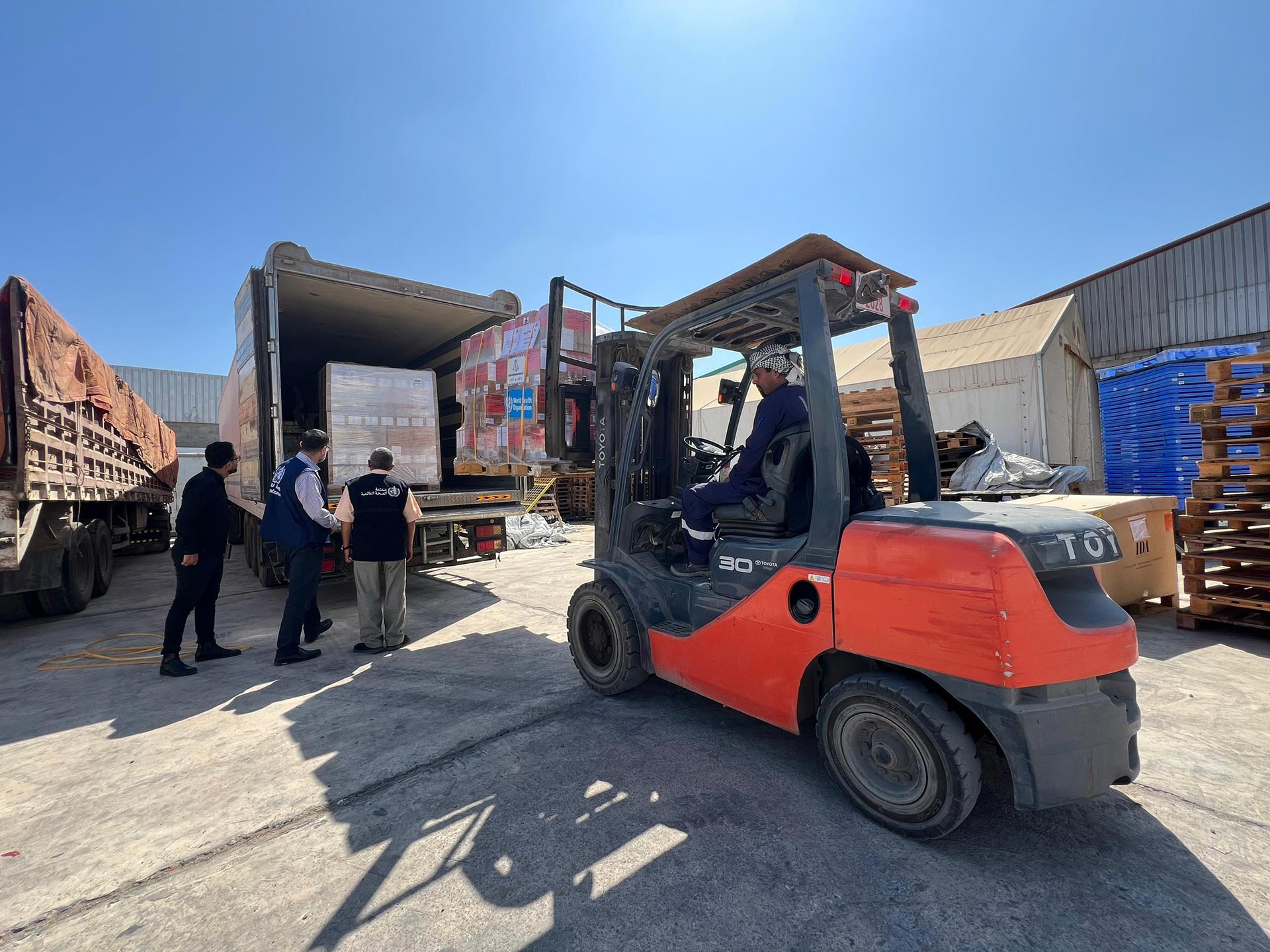 Medicines and Supplies Distribution, Aden. Credit: WHO Yemen/Nesma Khan
For injured civilians, access to lifesaving care depended on the ability of health facilities to continue operating under extremely challenging conditions. At this critical moment, the World Health Organization (WHO) rapidly mobilized support through the Contingency Fund for Emergencies (CFE), enabling an immediate scale up of lifesaving health services.
Through this rapid financing mechanism, WHO delivered more than 60 metric tons of essential medicines and medical supplies to hospitals across Yemen. The shipments included intravenous fluids, trauma emergency surgical kits (TESK), Interagency Emergency Health Kits (IEHK), blood bags and laboratory reagents, allowing hospitals to continue performing emergency surgeries, blood transfusions and critical diagnostic services.
The supplies helped health facilities provide lifesaving care to more than 200 000 people affected by the escalating violence.
 The surgical team at Al-Thawarah Hospital performs a surgical intervention, providing critical and lifesaving care to patients. Photo credit: WHO Yemen/2025
CFE support to Yemen in 2025 strengthened emergency care capacity, with 6 WHO-supported surgical teams performing over 2000 major lifesaving surgeries and providing consultations and treatment for more than 7000 patients in Sana’a city, Hodeida, Al-Baidha and Al-Dhale’e. Sixteen ambulances supported referral services, enabling the safe transport of 1800 critical patients to facilities capable of providing advanced medical care in Sana’a, Hodeida, Marib and Taiz.
To improve emergency preparedness, WHO trained 296 health workers in mass casualty management and basic life support, strengthening the ability of hospitals to respond to sudden surges of trauma cases. Six mobile health teams delivered essential primary health care services to more than 42 000 internally displaced people and vulnerable communities in Hodeida, Hajjah and Taiz.
To keep hospitals functioning amid severe electricity shortages, with CFE support WHO supplied around 610 000 litres of fuel to 59 health facilities across northern Yemen, powering generators for operating theatres, laboratories and critical medical equipment and enabling continued emergency care for over 22 000 patients.
Though these interventions saved lives and helped stabilize critical services, Yemen’s health system remains under enormous strain. Continued international support and flexible emergency funding are essential to sustain lifesaving operations, protect health services and ensure that millions of Yemenis continue to receive the care they urgently need.
Restoring immunity by reaching every child: Yemen reinforces immunization
16 March 2026, Aden, Yemen – Amid one of the world’s most complex humanitarian crises, Yemen has reinforced its national immunization system and successfully interrupted variant poliovirus type 2 (cVDPV2) transmission in the south.
Between 2024 and 2025, the World Health Organization (WHO), with financial support from Gavi, the Vaccine Alliance; the Global Polio Eradication Initiative (GPEI) and the King Salman Humanitarian Aid and Relief Centre (KSrelief), delivered comprehensive technical and operational assistance to the Ministry of Public Health and Population. This support strengthened the Expanded Programme on Immunization (EPI) and the national Polio programme.
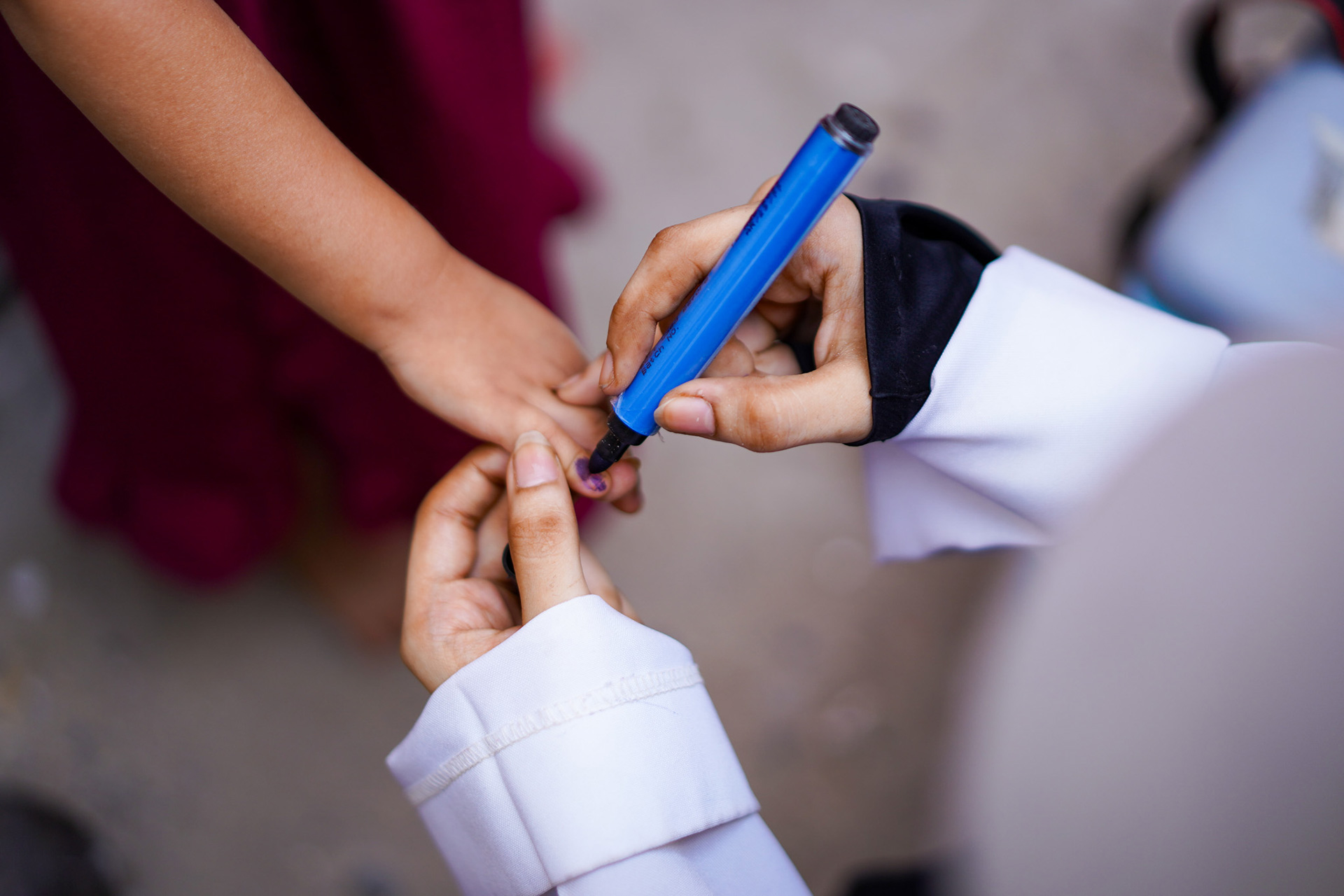 A health worker marks a child’s finger during a community vaccination campaign
A total of 18,832 immunization staff were trained to enhance routine services and 800 polio and vaccine-preventable diseases personnel trained to improve surveillance, outbreak investigation and sample management capacities. Laboratories in Aden, Sana’a and Taiz received nearly US$ 1 million in essential supplies to improve sample storage and testing, and laboratory workforce capacities were strengthened with continuous training.
Faced with the threat of cVDPV2 transmission, the response was swift and coordinated. WHO supported the rollout of novel oral polio vaccine type 2 (nOPV2), training over 9000 vaccinators and deploying more than 7,000 vaccination teams. Two nationwide vaccination rounds in 2024 achieved 100% coverage. They were followed by 2 additional 100% coverage rounds in 2025, protecting millions of children and expanding access to vitamin A supplementation.
 Community health volunteer Ahlam Ahmed visits households to support vaccination efforts
“When the outbreak began, we knew we could not afford delays. We went door to door, sometimes walking for hours to reach children in remote villages and displacement sites. Every child vaccinated meant one more family protected and brought us one step closer to stopping the virus,” said community health volunteer Ahlam Ahmed.
Reaching those previously unreached was central to the success of the initiative. During 9 integrated outreach rounds across 12 southern governorates, 7620 health workers travelled to remote valleys, mountain settlements and displacement sites.
These efforts reached 542,183 children under 5, including 119,702 zero-dose children. More than 222,120 pentavalent doses and 184 063 measles vaccines were administered, helping close long-standing immunity gaps.
In northern Yemen, outreach services resumed for the first time in more than 3 years. In 2025, 2.2 million measles-rubella vaccinations were delivered alongside integrated child, maternal and nutrition consultation services.
Behind these statistics are families whose confidence in health services is being rebuilt.
“For months, we lived in fear of disease spreading among our children. When the vaccination teams arrived, I did not hesitate. I made sure my children were vaccinated immediately. Protecting them is my responsibility. I encourage every parent to vaccinate their children. Every dose brings us closer to a healthier, safer future for all,” said Abdullah Raged.
These successes have been made possible by the unwavering commitment of national health authorities and the support of WHO’s donors and partners whose investments enabled workforce training, surveillance strengthening, laboratory improvements, extensive outreach campaigns and the rapid deployment of lifesaving vaccines.
The work must continue. In a health landscape shaped by conflict, displacement and system fragility, millions of children remain vulnerable to vaccine‑preventable diseases. Sustained and flexible donor support is essential to maintain immunization coverage, close remaining immunity gaps, sustain robust surveillance and ensure every child receives lifesaving vaccines.
With continued partnership and solidarity, Yemen can secure a polio‑free future for its children.
Yemen introduces a national emergency medicine diploma to address the critical shortage of specialists
11 March 2026, Aden, Yemen – After a decade of conflict, Yemen’s health system is severely strained.
In the face of enormous challenges and overwhelming needs, health care workers remain at the heart of the system, continuing to serve on the front lines. They are the lifeline that keeps hospitals and emergency services functioning. But the critical shortage of specialized emergency physicians limits hospitals’ ability to provide timely, lifesaving care.
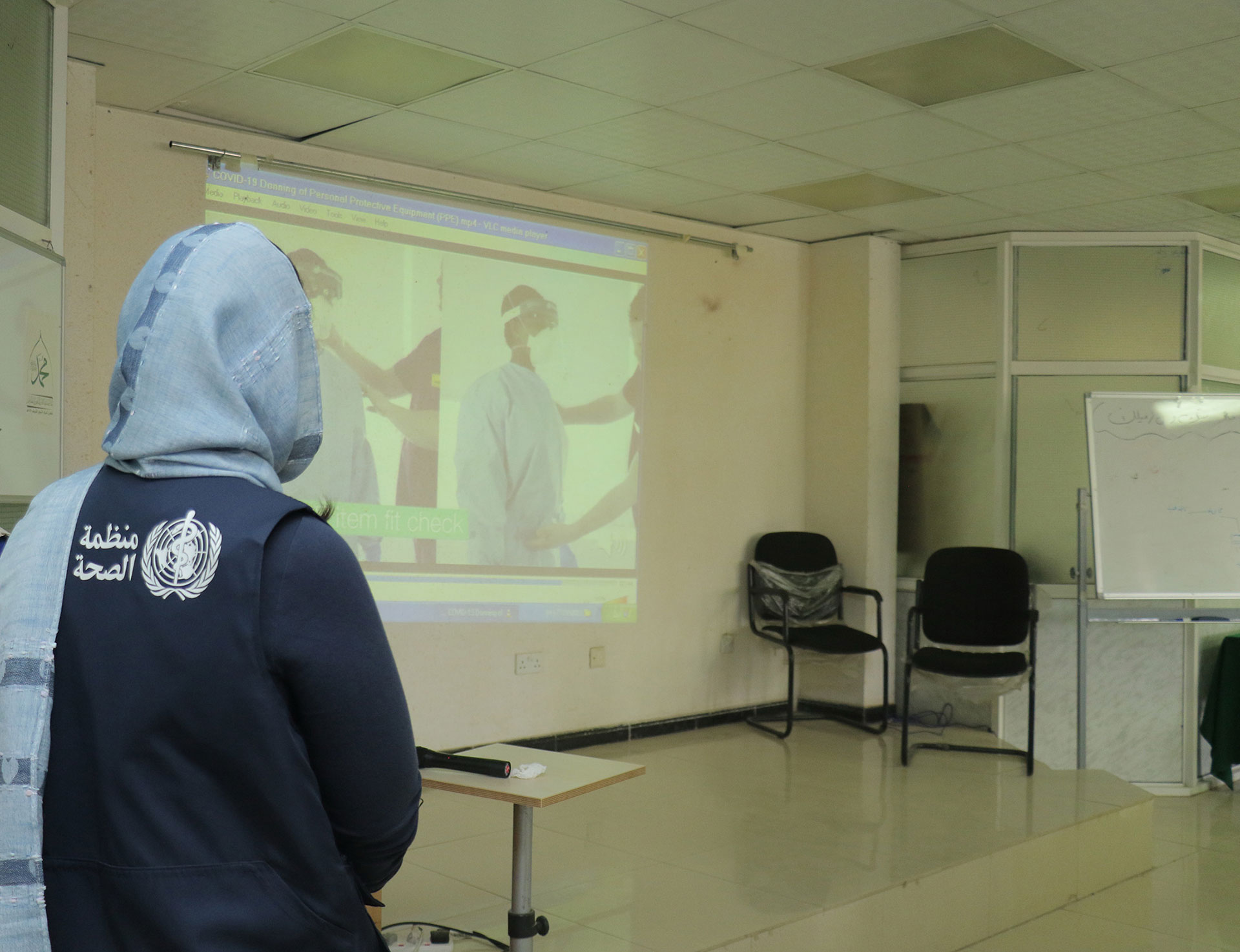 Strengthening emergency response across Yemen. Photo credit: WHO Yemen
As of 2026, approximately 23.1 million Yemenis require humanitarian assistance and protection services, with projections indicating more than half of the population will remain in crisis or emergency conditions, underscoring the critical need to invest in the workers that sustain the health system.
To help address this gap, WHO Yemen, in collaboration with the Ministry of Public Health and Population and the Yemeni Medical Council for Specialties, supported the launch of Yemen’s first Postgraduate Diploma in Emergency Medicine in Aden on 12 April 2025 via the Emergency Human Capital project funded by The World Bank.
The initiative strengthens national institutional capacity by embedding the curriculum within Yemen’s own medical educational system, delivered through the Yemeni Medical Council for Specialties. By collaborating with national institutions and accredited bodies, the programme ensures emergency medicine specialization is locally led and sustainably integrated into health workforce development.
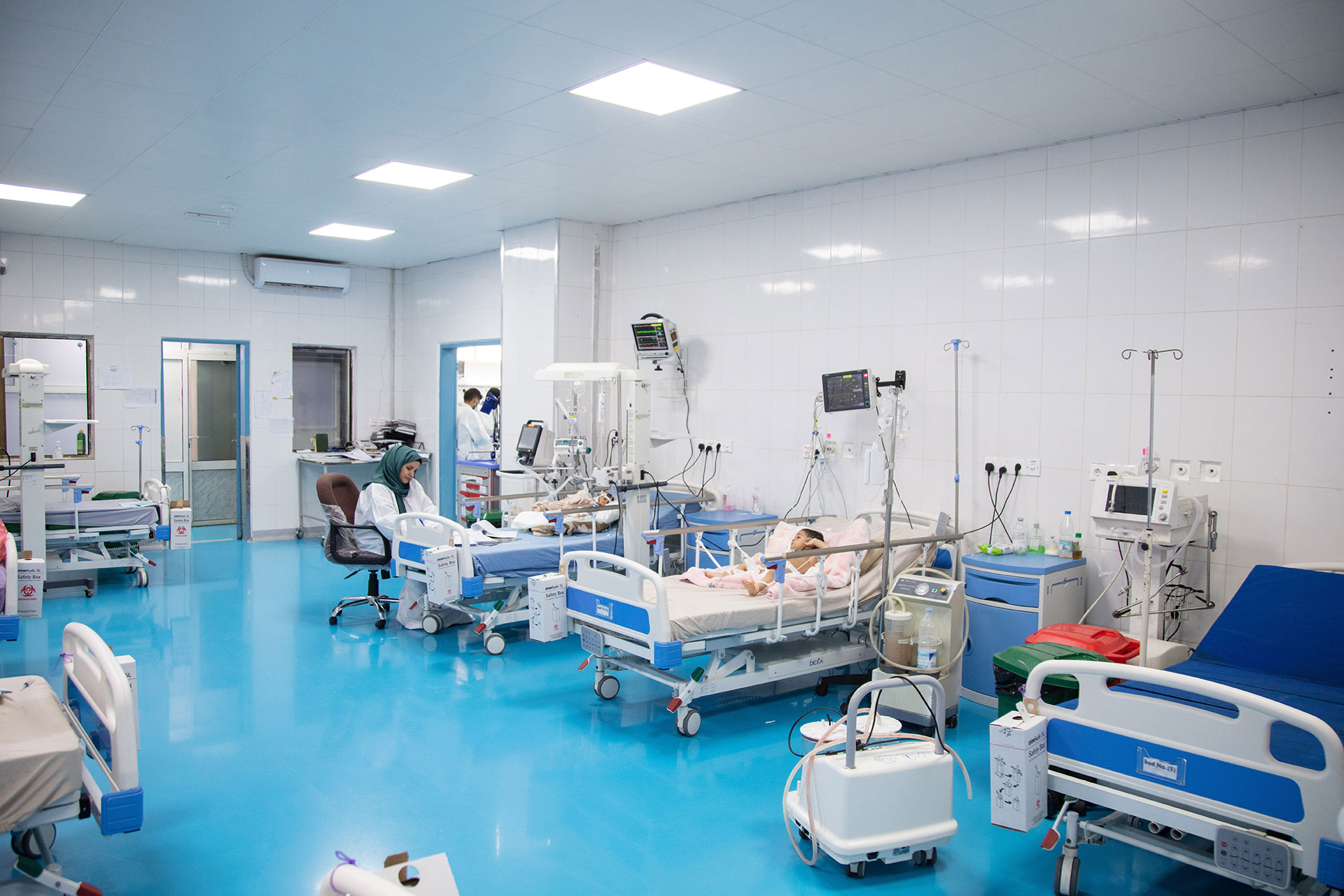 Health workers receive emergency care response training in the intensive care unit. Photo credit: WHO Yemen
The landmark 9-month programme enrolled 25 physicians from public hospitals across southern governorates, including facilities in rural and underserved areas. The training, which combined theoretical instruction with hands-on clinical rotations in emergency rooms and intensive and cardiac care units, equipped participants with the skills needed to manage critical emergency conditions, including trauma, infectious diseases and mass casualty incidents.
The programme represents a long-term investment in Yemen’s health workforce, helping establish a national pool of qualified emergency medicine professionals to serve vulnerable populations. By strengthening physicians’ skills, the diploma enhances the quality and timeliness of lifesaving emergency care services in public hospitals, building institutional capacity.
As Yemen continues to face one of the world’s most complex humanitarian crises, strengthening the health workforce is vital to sustaining critical health services.
Initiatives such as the Postgraduate Diploma in Emergency Medicine help ensure that hospitals can continue delivering lifesaving care under challenging conditions. By investing in national capacity, WHO and its partners are supporting Yemen’s path towards a more resilient health system capable of responding to emergencies and saving lives.