

Sélectionnez votre langue
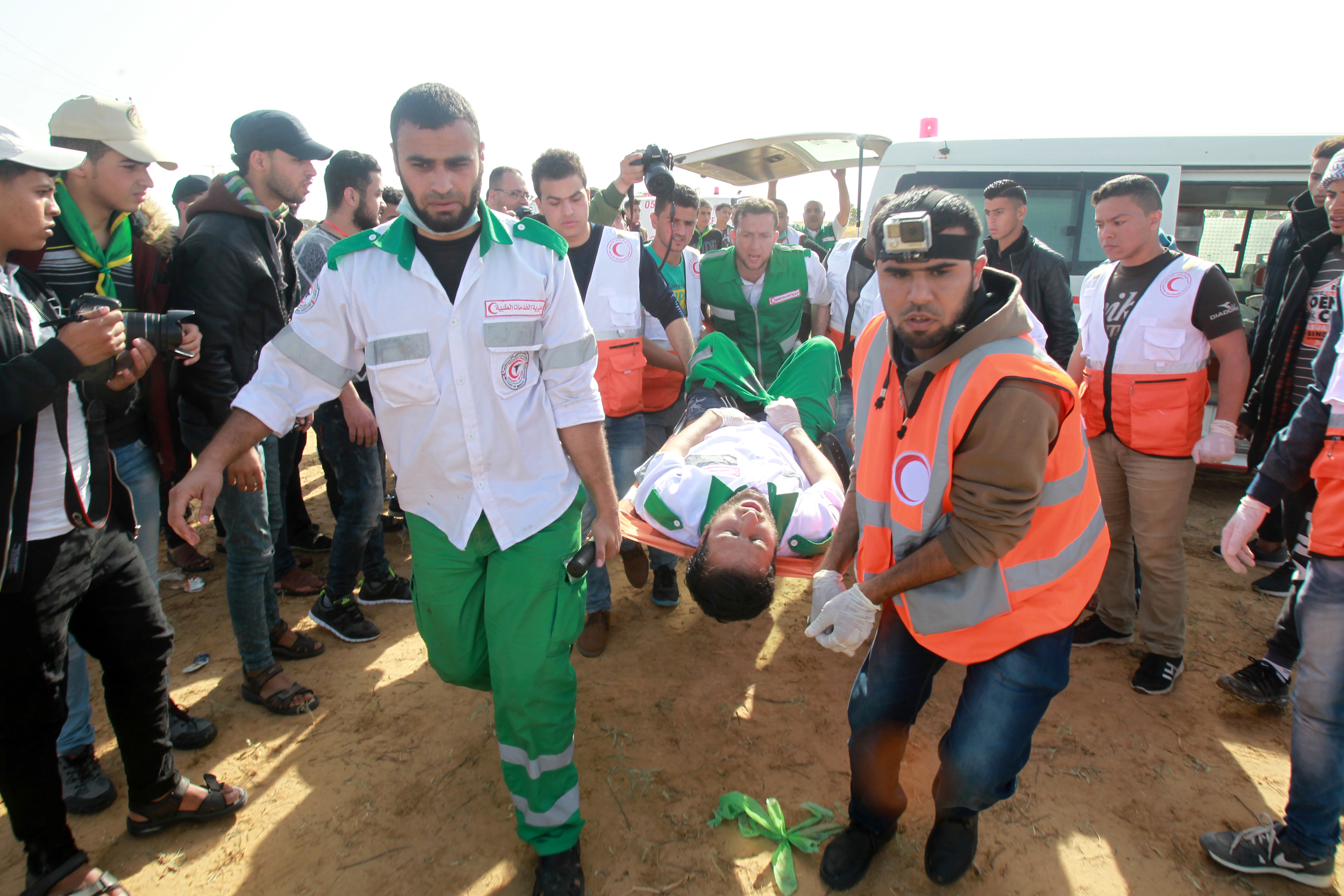
Health worker shot in the leg during Gaza demonstrations, April 2018

April 2018, Gaza –Imad is 34 and has been volunteering as a first responder with the Palestinian Red Crescent Society (PRCS) since 2006. On Monday 9 April 2018, Imad volunteered with PRCS east of al Bureij refugee camp in the Middle Area of the Gaza Strip. Imad was waiting as part of the PRCS team, sitting in the front passenger seat of an ambulance beyond the 300-metre zone.
“Just after 5 o’clock there was suddenly shooting from the barrier and I was hit in my right leg. We got out of the ambulance straight away and went to hide behind it [on the opposite side from the Gaza barrier]. At this point the paramedics who were with me put a bandage on my leg to stem the bleeding and then they got me into the ambulance and moved me to Al Aqsa Hospital in Deir Al-Balah. I was in Al Aqsa Hospital for about 30 minutes to receive first aid and then I was moved to Al-Quds Hospital in Gaza City. From there they transferred me to Shifa Hospital after the doctors diagnosed me with compartment syndrome [bleeding into the calf of the leg that then cuts off the blood supply to the leg]. In Shifa I had surgery. Doctors told me that if I hadn’t been able to have this surgery I would have lost my leg.”
Imad has been volunteering with PRCS for more than 10 years. He reports that the teams he works with are often exposed to tear gas and he himself has previously sustained some minor injuries. However, Imad remains committed to volunteering with the ambulances and first responders.
“We need humanitarian workers in this difficult situation. Gaza has been exposed to three wars in 6 years. Life here is a constant emergency. Working with PRCS to help the sick and injured, you feel at least that you are able to improve things in some small way.”
Imad graduated in English from Al-Azhar University in Gaza in 2008. He works intermittently as an emergency trainer for the PRCS and other organizations. He is married and has 2 young children.
Now Imad is recovering from this initial operation at Al Quds Hospital in Gaza City. He is due for a second operation to remove the bullet, which is still lodged in his right calf muscle, and to fix a fracture. “After I complete my treatment and get better, I’m aiming to go back to working with the ambulances. For me, it’s a duty that I feel to our patients and to Gaza.”
Health for all: Celebrating World Health Day and launch of project for Universal Health Coverage, April 2018
World Health Day and Universal Health Coverage
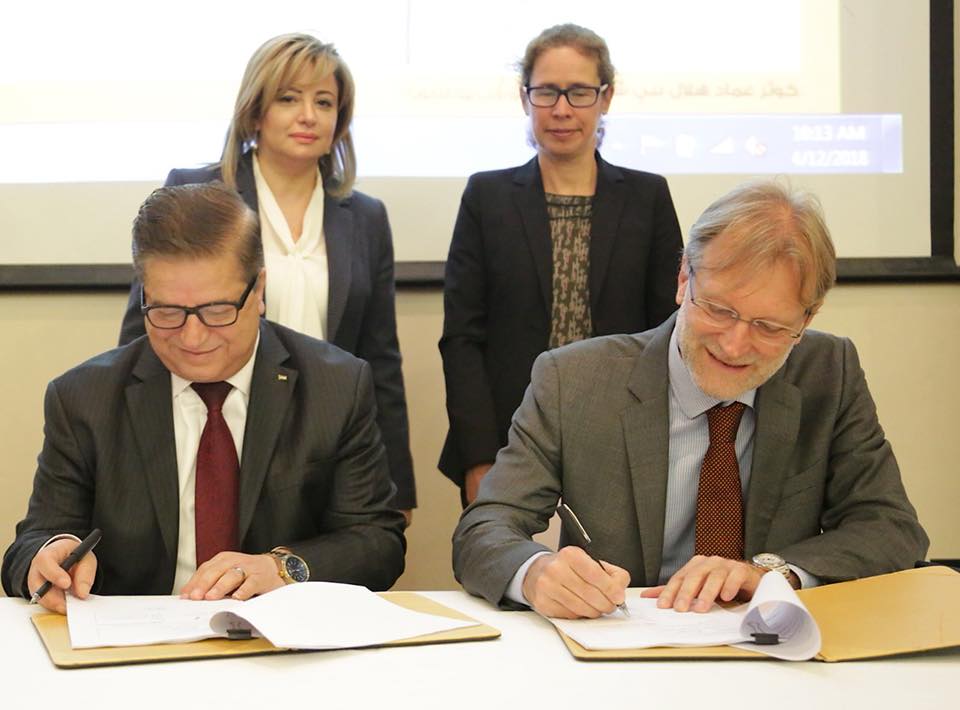 April 2018, oPt – The Palestinian Ministry of Health, together with WHO in the occupied Palestinian territory and the Palestinian National Institute of Public Health, celebrated World Health Day with two events in the West Bank and Gaza to raise awareness about the importance of Universal Health Coverage (UHC) to ensure ‘Health for All’ in the 21st century.
World Health Day marks the founding of the World Health Organization on 7th April 1948, with 2018 the 70th anniversary of the organization. Each year, WHO tries to focus attention on important health topics to raise public awareness. This year the theme was Universal Health Coverage (UHC), which aims to ensure access to health services for all without facing financial hardship. UHC promotes improved health system management and tries to ensure the availability of essential medicines and technologies for the diagnosis and treatment, as well as the training of sufficient numbers of health personnel to provide care. UHC is also an important component of sustainable development, poverty reduction and an essential component of efforts to reduce inequities in society.
Ramallah, West Bank, occupied Palestinian territory
In Ramallah, participants from across the health sector came together to celebrate World Health Day, in commitment to achieving Universal Health Coverage and Health for All in the occupied Palestinian territory. There were speeches and presentations, with opening remarks from Dr Jawad Awad, the Palestinian Minister of Health, Dr Marina Wes, Country Director for the World Bank, and Dr Gerald Rockenschaub, Head of WHO Office in the occupied Palestinian territory. The Palestinian Ministry of Health, WHO, the World Bank and the Palestinian National Institute of Public Health launched a joint Universal Health Coverage project for the occupied Palestinian territory.
Gaza City, occupied Palestinian territory
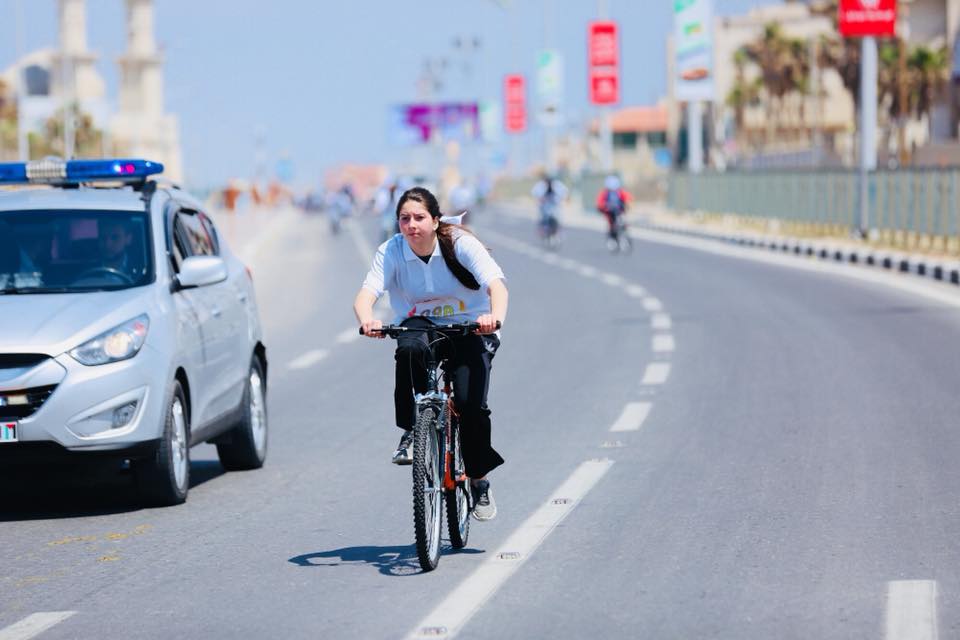 In Gaza, participants from the Ministry of Health, UNRWA, health cluster, human rights organizations, academic institutions and UN agencies joined events to celebrate World Health Day, with talks and a panel discussion on the challenges for Universal Health Coverage in Gaza, presentation of a short video, a theatre performance and a public bike race with more than 250 participants.
Regional art competition for World Health Day
In the West Bank and Gaza, the day concluded a regional art competition for schoolchildren aged 8–18 years conducted for the whole WHO Eastern Mediterranean Region, which includes 22 countries. A panel of judges selected drawings from across the region, with a Palestinian student from Rafah winning 4th place in the 14-15 year old age group. All students were applauded for their excellent contributions, with an exhibition of the entries on display during both events.
Commitment to Universal Health Coverage
Dr Jawad Awad, Palestinian Minister of Health, reiterated the commitment of the Ministry of Health to achieving Universal Health Coverage for all Palestinians. He welcomed the coming project for the Universal Health Coverage that represents a partnership between the Palestinian Ministry of Health, WHO, the World Bank and the Palestinian National Institute of Public Health.
Dr Gerald Rockenschaub, Head of WHO Office in the occupied Palestinian territory, stated: "There are evidently major barriers to achieving Universal Health Coverage for Palestinians in the West Bank and Gaza, who continue to experience the effects of on-going occupation and the impact that this has for access to health services, their availability and affordability. This new initiative in partnership with the World Bank and Palestinian National Institute for Public Health, and in conjunction with the Palestinian Ministry of Health, is an important step to broadening Universal Health Coverage to promote Health for All Palestinians in the occupied Palestinian territory.”
Journalist denied exit from Gaza for health care loses his left leg from a gunshot wound
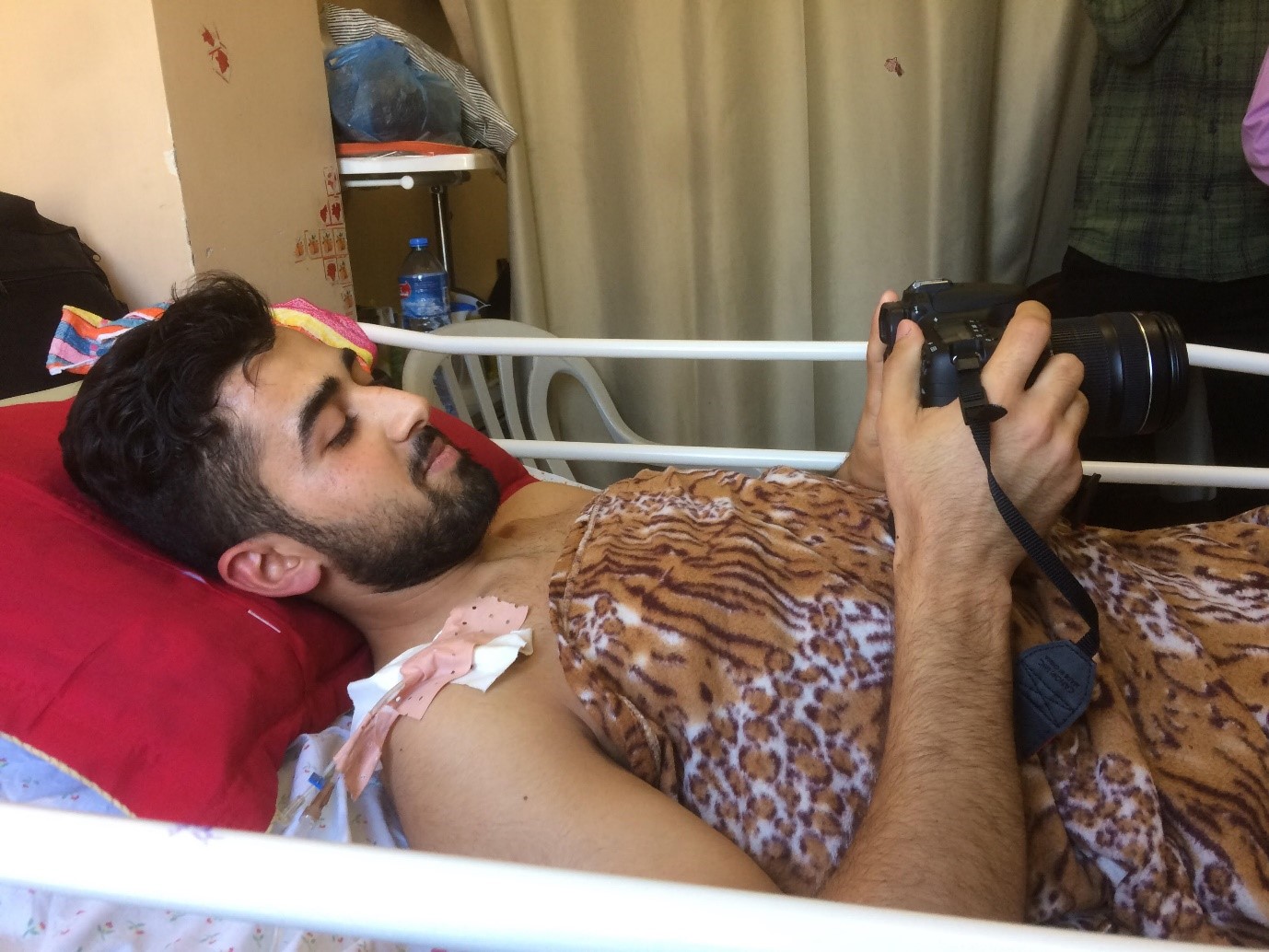 15 April 2018 – Yousef is a 19-year-old reading Media Studies and Public Relations at Al Azhar University in Gaza.
He works as a part-time journalist, and on 30 March he decided to cover the Great Return March from east of Al Bureij refugee camp in the Middle Area of the Gaza Strip, where he grew up. Yousef’s family is originally from Al-Faluja, a village 30 kilometres east of Gaza.
“I went to the barrier to take footage of the demonstrations, and I managed to take videos and photographs for 45 minutes. I stayed further than 300 metres from the barrier, because the Israeli army had dropped leaflets from the air before the protests telling us to stay more than 300 metres from the barrier. I also wore a jacket marking me out as ‘PRESS’. I was just packing up – about 800 metres from the barrier – and I was shot in my left leg. I tried to use my tripod at that point to stand up, but I was shot again – this time in the right leg. I fell to the ground again and a friend who is also a journalist who was covering the protest ran over to help me. He was shot in the leg as well. Another friend – again a journalist – then ran over and was shot as well. The paramedics arrived to take us to the ambulance, and at that point I remember they shot tear gas at us and the air was thick with it. It even went into the ambulance. I’m told that I needed more than 30 units of blood and that I’m really lucky to be alive.”
Yousef had bullet wounds to both legs. The vascular surgeons operated successfully on Yousef’s right leg at Shifa Hospital, but they were unable to save his left leg and on 9 April he had an above-knee amputation. Yousef was referred on 1 April for specialist vascular care and follow up outside Gaza, but his application to exit was denied by Israeli authorities. Now Yousef is hoping to leave Gaza via Rafah terminal to Egypt, if this is opened in the coming days or weeks. He hopes to receive a limb prosthesis and rehabilitation services in Egypt, and travel to Egypt to receive this treatment would be expensive for his family. Yousef aims to continue his studies at the university. He is a keen photographer and at the end of the interview he admires the camera we are using:
“It’s nice! Mine is a Canon 5D Mark IV, but it’s a used one – not new like yours!”
WHO Special Situation Report occupied Palestinian territory, Gaza, 6th - 8th April 2018
 Following the second mass demonstration by Palestinians on the Gaza side of the perimeter fence with Israel which took place on the 6th April 2018, 11 Palestinians were killed and 1,356 were injured by Israeli forces, according to the Ministry of Health (MoH).
Out of the 1,356 injuries, 754 required immediate transfer to the MoH hospitals or to NGO hospitals (including 81 children, 24 females and 730 males). From the injuries, 35 cases are critically life threatening and 347 may result in temporary or permanent disability. The remaining 947 are unspecified.
A further 602 injuries were managed by primary healthcare centres and medical points by the MoH, Union Health Workers Committee (UHWC) NGO and by the Palestinian Red Crescent Society (PRCS).
Since the mass demonstration began, on the 30th March, according to the MoH, a total of 30 people have been killed and 2,901 people have been injured. From this total, an accumulative 1,814 were admitted to hospitals including MoH hospitals and NGO hospitals (Al Awda Hospital and Al Quds Hospital). A further, 1,366 cases were treated at the primary healthcare facilities and medical points by the MoH UHWC and by the Palestinian Red Crescent Society (PRCS).
The casualties occurred during the mass demonstrations by Palestinians on the Gaza site of the perimeter fence with Israel. People from all over the Gaza Strip gathered near the fence, where the Israeli army imposes a ‘No Go Zone’, to mark the Palestinian ‘Land Day’, the second of a series of mass peaceful protests leading up to the 70th anniversary of what Palestinians refer to as the 1948 ‘Nakba’, on 15 May.
For the second week in a row, mass gatherings took place across Gaza, 500-700 meters away from the perimeter fence, in 5 locations.
More details about health cluster response, immediate health priorities and unmet needs: Full Report