

Sélectionnez votre langue
Gaza patients’ painful journey to cancer treatment
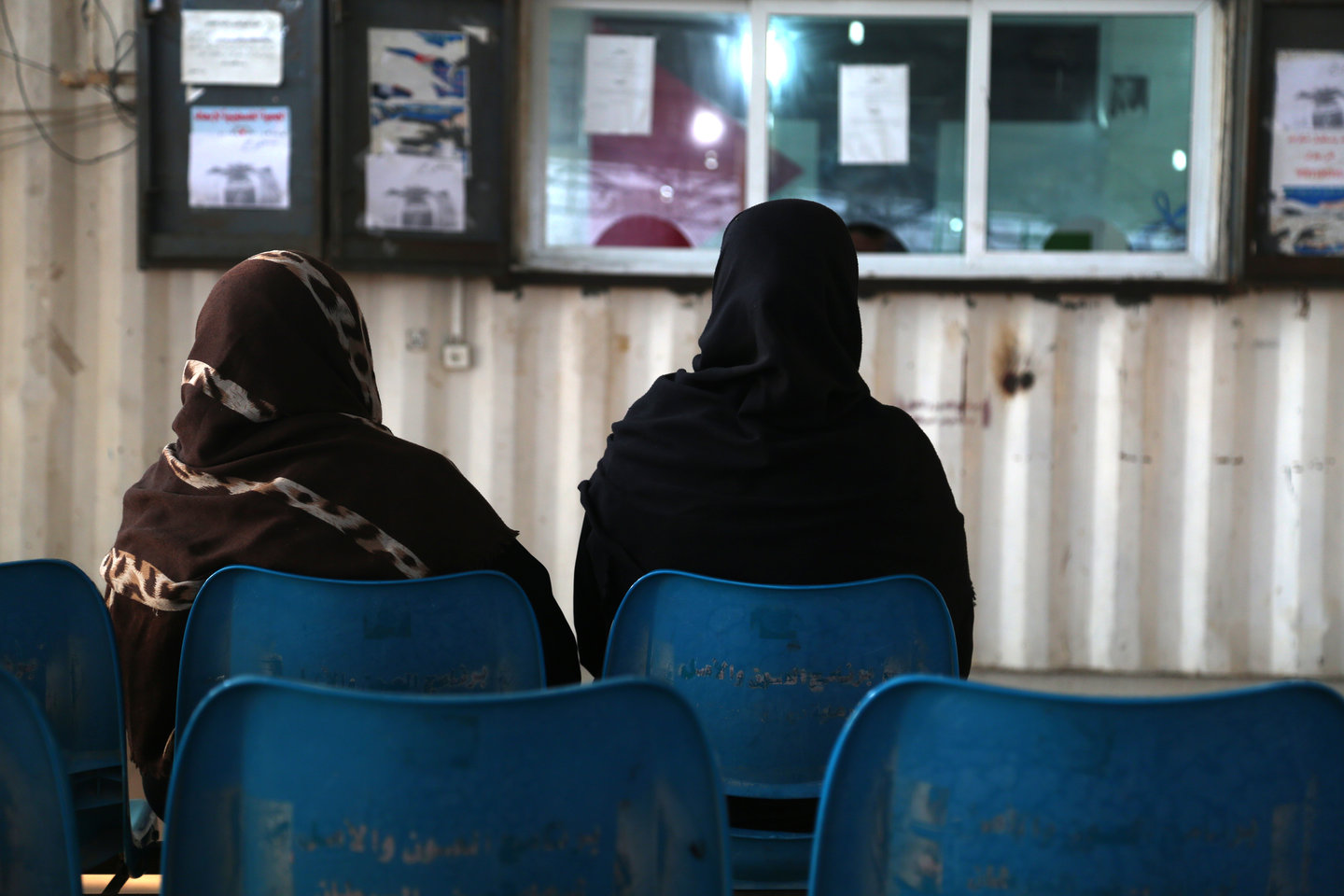 Women waiting at a cross point to exit Gaza for treatment. Photo: WHO 4 February 2019 – After being diagnosed with cancer, patients in Gaza may often have to wait for months before being able to receive treatment. Getting a permit to access the health care needed outside can be a stressful and unpredictable process, and many apply multiple times before being able to exit. Even then, some patients are never able to secure the permits they need to access care.
The ability of Gaza’s hospitals to provide adequate diagnosis and treatment to cancer patients is severely limited due to chronic shortages of medicines and lack of medical equipment. Nuclear medicine scanning needed for staging cancers, radiotherapy equipment and some specialized surgeries are unavailable. More than half of essential chemotherapy drugs were at less than a month’s supply throughout 2018.
Many patients need health care elsewhere in the occupied Palestinian territory or abroad. But to leave the Gaza Strip for treatment, they must obtain a permit from Israeli authorities. This process can take up to several months, and even then some patients may be unsuccessful in securing access to travel for health care. In 2018, 39% of patient applications for permits to exit Gaza for health care were unsuccessful.
64-year-old Samira was diagnosed with uterine cancer in 2016. She underwent surgery but then required follow-up treatment unavailable in Gaza. Doctors referred Samira for radiotherapy to East Jerusalem. It took her more than 6 months and 5 permit applications to finally exit Gaza in June 2018. “All this time I was suffering from abnormal bleeding. It was a matter of life and death. Why was I denied a permit?’’ she says.
Proper cancer diagnosis and effective treatment are essential to improve the prognosis of patients and their chance of survival. The 5-year survival rate for breast cancer can exceed 80% if early detection and essential treatment services are available and accessible. In Gaza, however, it is significantly lower - only 65% of women with breast cancer survive 5 years after diagnosis.
Khadijah, a 32-year-old mother of 4, noticed something unusual with her breast in December 2017. Soon doctors confirmed she had breast cancer. In January 2018, Khadijah applied for a permit to go to Augusta Victoria Hospital in East Jerusalem for a specialized investigation – to see whether the cancer had spread and if so, how far. Her permit was denied. She started receiving chemotherapy in Gaza, but for optimal treatment surgery was needed. In July, Khadijah reapplied for a permit, and again was denied. She decided to change her treatment destination to Egypt. Khadijah’s second attempt to leave Gaza to Egypt was finally successful. She had surgery in August 2018, 7 months after diagnosis.
Every cancer patient has the right to health. This means being able to access quality and acceptable health care and to enjoy the conditions of life that support staying healthy. Restrictions to accessing essential health services are one of the major barriers to the right to health for Palestinians living in the West Bank and Gaza Strip. Restrictions affect cancer patients at a vulnerable point in their lives, when they need specialist care and services for diagnosis and treatment. The World Health Organization calls for the protection and fulfilment of the right to health for all Palestinians.
Injured journalist prevented from accessing health care
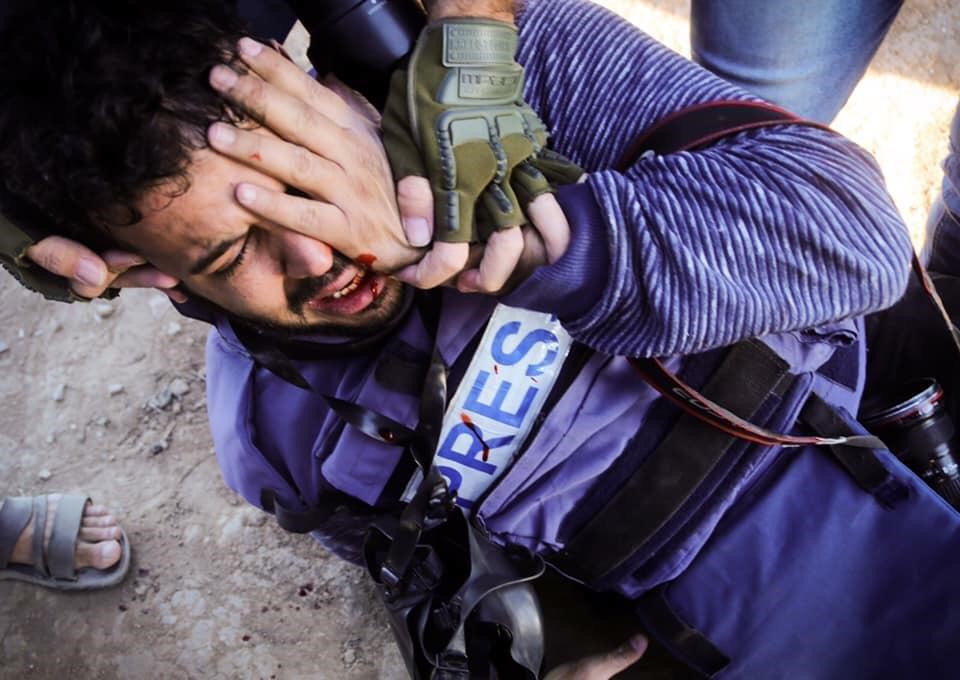 Attia Darwish hit in the face by a tear gas canister. Photo: Nidal Al-whaidyThe tear gas canister hit Attia Darwish, a 31-year-old photojournalist, in the face under his left eye when he was covering demonstrations near the Gaza fence for a local newspaper.
“I was taking photos when my phone rang, and I tried to take the call. Suddenly, I felt a blow to my face and fell down,” Attia said.
The ambulance picked him up within minutes and took him to a trauma stabilization point close to the fence. After initial assessment and first aid, Attia was rushed to Shifa hospital in Gaza for treatment.
He had multiple facial fractures and severe bleeding at the back of his eye, putting his sight at risk. He had surgery to remove shrapnel from the wound, fix his lower jaw and replace fragmented bones in his face with metal plates. Attia received initial treatment for his eye injury, but needed review and specialist care outside Gaza.
“As a photographer, I depend on my eyes to do my job. Now, I can hardly see with my left eye. Getting proper treatment is something critical for me,” Attia said.
Attia had a medical referral from the Palestinian Ministry of Health to go for an appointment to St John’s Eye Hospital in Jerusalem. He applied to Israeli authorities for a permit to exit Gaza for treatment, but when the date of his hospital appointment came his permit application was still under review.
Attia despaired of getting a permit to exit Gaza via Erez crossing with Israel and asked the Services Purchasing Unit in the Ministry of Health to refer him instead for treatment to Egypt. On the day of his travel, however, Rafah crossing point to Egypt was closed for exit.
“I cannot feel the left side of my face. I can only eat soft food and I’m suffering with the pain. The cold weather makes it even worse. When I was in hospital, one of the doctors said I either need a bone graft or an artificial implant. But neither of those is available in Gaza.”
When WHO spoke with Attia, he still had not received his permit to leave Gaza to Jerusalem. His case is not an exception. Of 435 permit applications to Israeli authorities by those injured during the Great March of Return demonstrations, only 19% have been approved. Those unable to access the health care they need face a higher risk of complications and poorer health outcomes.
Related link
WHO latest report on health access barriers for patients and patient companions in the oPt: December 2018
Improving the health system in the West Bank and Gaza to achieve health for all
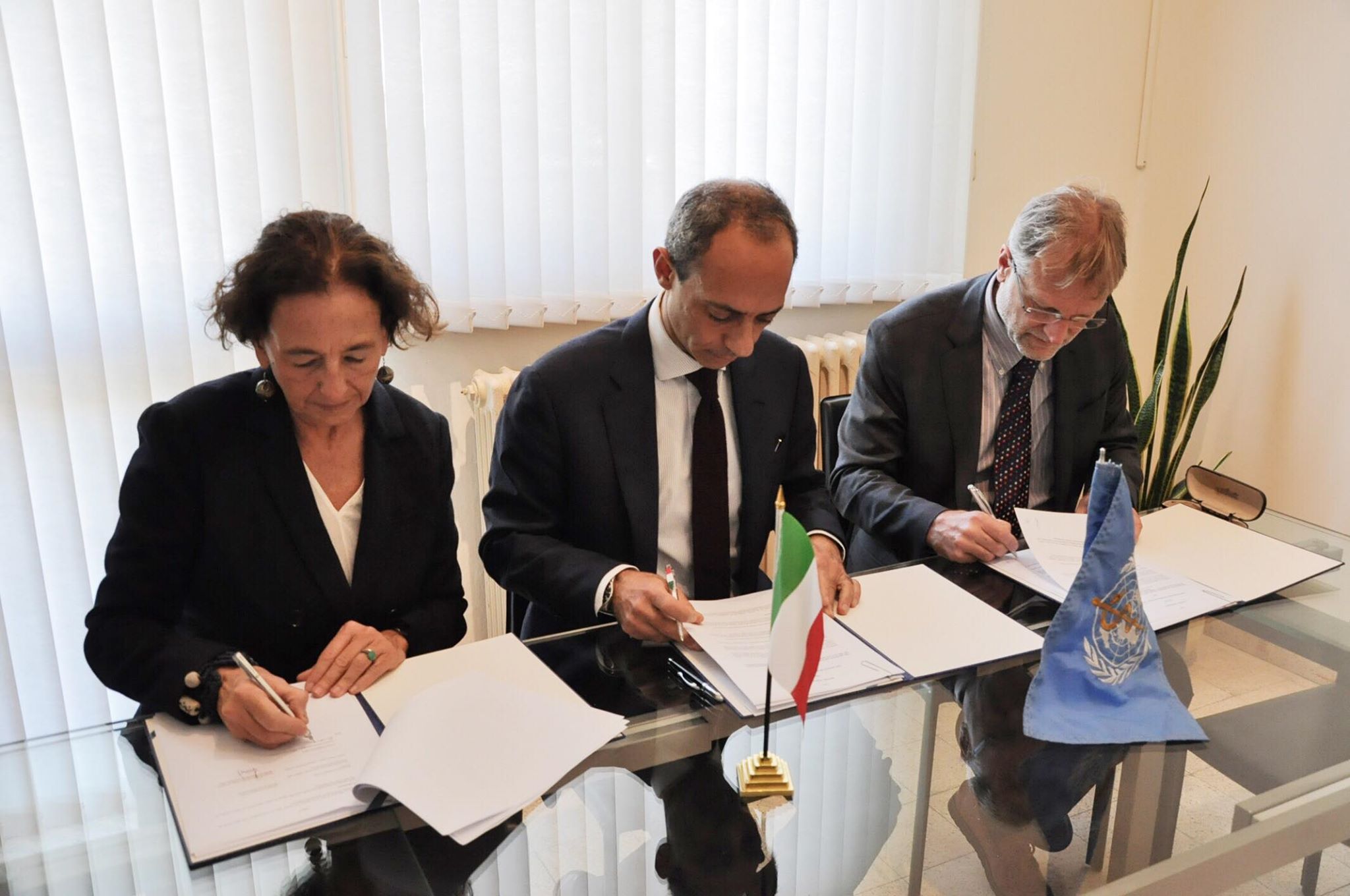 Credit: Italian Cooperation22 January 2019 – With the generous support of the Italian Cooperation, World Health Organization in the occupied Palestinian territory is launching a 2-year project to improve the health system to achieve universal health coverage. The health system in the West Bank and Gaza is afflicted by the continued occupation, prolonged conflict and deteriorating social-economic conditions. The funding from the Italian Cooperation will help to implement a number of interventions to support the improvement and sustainability of the Palestinian health system.
Within the Improving health systems towards universal health coverage project, WHO, under the Ministry of Health leadership, will foster the continuity of service delivery based on evidence-supported decisions. To strengthen the ability of the health system to deliver quality health services, WHO will also focus on addressing the remaining gaps in mental health care, the rollout and promotion of early essential newborn care and strengthening referral pathways for vulnerable patient groups.
“We are grateful to the Italian Cooperation for their financial support that will help us to enhance the Palestinian health system on the road towards universal health coverage. This project will effectively complement other WHO and the Ministry of Health activities to support health development in the West Bank and Gaza,” said Dr Gerald Rockenschaub, Head of the WHO office for the West Bank and Gaza.
“Supporting and strengthening of the Palestinian health system is one of the priorities of Italian development cooperation in Palestine. A system that can provide universal health coverage is essential for the well-being of its population. Italy is deeply committed to Palestine’s capacity and institution building, with the prospect of establishing a future Palestinian State within the framework of the 2-state solution” said the Consul General of Italy in Jerusalem, Fabio Sokolowicz.
“This initiative with WHO is part of our strategy for the enhancement of the Palestinian health system and the Ministry of Health, that we are currently supporting with a general contribution of 36 million Euro. We are also building 2 hospitals in Dura and Halhoul through a €10 million soft loan and we are participating in the European Programme PEGASE, which aims at supporting the 6 hospitals of East Jerusalem,” stated Cristina Natoli, Head of the Italian Agency for Development Cooperation in Jerusalem.
The Improving health system towards universal health project will contribute to building the resilience and responsiveness of the Palestinian health system that is centred on people’s needs and circumstances. In the occupied Palestinian territory, WHO has consistently supported health system strengthening through leadership and governance, health information systems, health financing, human resources for health, essential medical products and technologies, and service delivery.
Related link
WHO concerned over health impact of evolving fuel crisis in Gaza
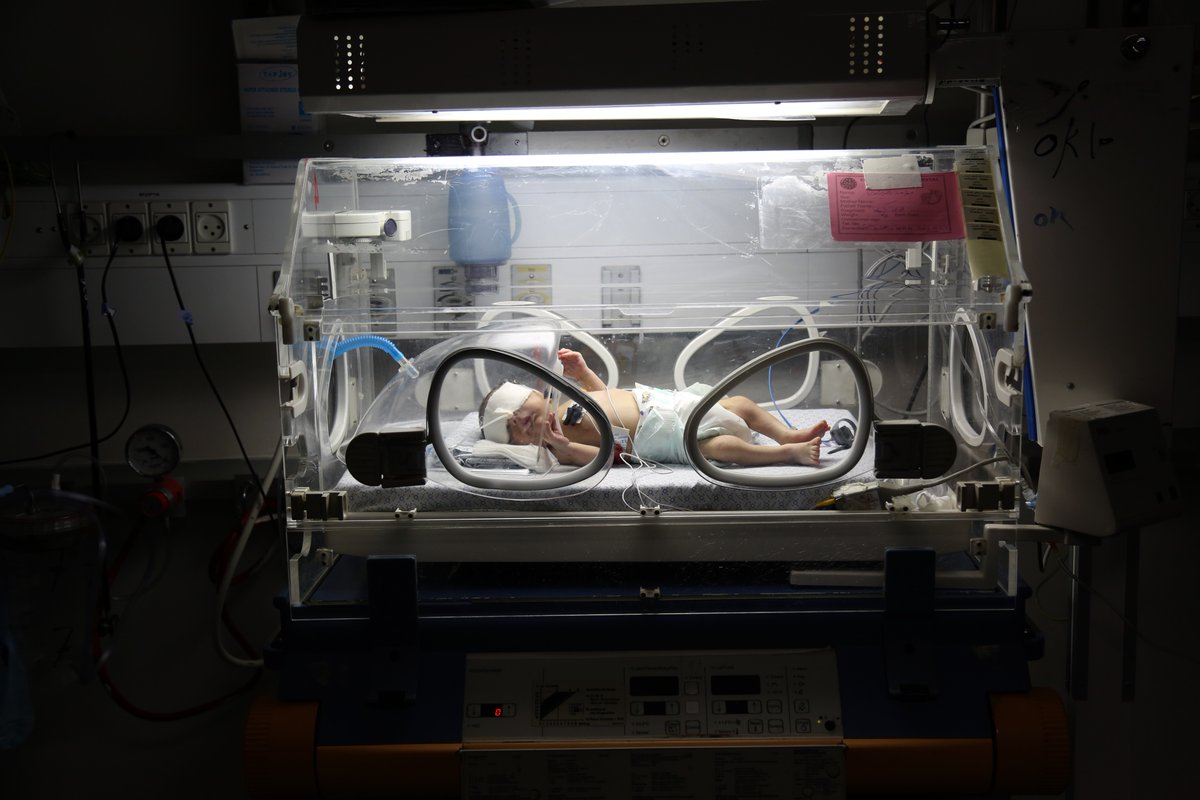 21 January 2019, Gaza - The World Health Organization is concerned over the potential impact the evolving fuel crisis in Gaza might have on the lives and health of patients whose treatment requires uninterrupted power supply if no immediate solution to address the aggravating shortages is found.
The functionality of Gaza’s 14 public hospitals is increasingly jeopardized by electricity shortages and the rapidly declining UN coordinated fuel reserves required to run emergency generators during prolonged electricity cuts from the main grid.
Several of the most severely impacted hospitals have already put rationalization measures in place and suspended sterilization, diagnostic imaging, cleaning, laundry and catering services during cut-off hours. Elective surgeries have been further reduced and drastic service reductions, including closures of wards and hospitals, are imminent, doctors and nurses in Gaza are warning.
Hundreds of patients, including newborn and children, whose life depends on the availability of dialysis services, incubators and ventilators in intensive care units, and other electrical life-sustaining devices, and those requiring surgical interventions will be directly affected.
“The acute fuel shortages are rapidly exhausting the last coping capacities of the health system in Gaza, which is struggling with chronic shortages of pharmaceuticals, medical supplies and electricity. Without a quick solution to address the critically low emergency fuel supplies in hospitals, many of the most vulnerable patients will be put at risk. Following our visits to several affected facilities in Gaza to assess the situation firsthand, we call on all parties to de-politicize health and to collectively ensure that lifesaving services are sustained,” said Dr Gerald Rockenschaub, head of WHO office for the West Bank and Gaza.
Current fuel reserves are expected to sustain critical hospital services for only a few more days, depending on the number of hours of electricity cuts.
WHO calls on the local authorities in Gaza and on all parties and stakeholders to meet their responsibilities and to ensure the right to health and sustained access to essential health services for all patients.
For more information, please contact:
Olha Izhyk
WHO Communication Officer
(+972) 547716392