

Sélectionnez votre langue
WHO and ECHO provide essential aid for malnourished children in Somalia
 12 October 2025, Mogadishu, Somalia – Banadir Hospital in Mogadishu – Somalia’s largest paediatric referral public hospital – is at the forefront of efforts to address severe acute malnutrition.
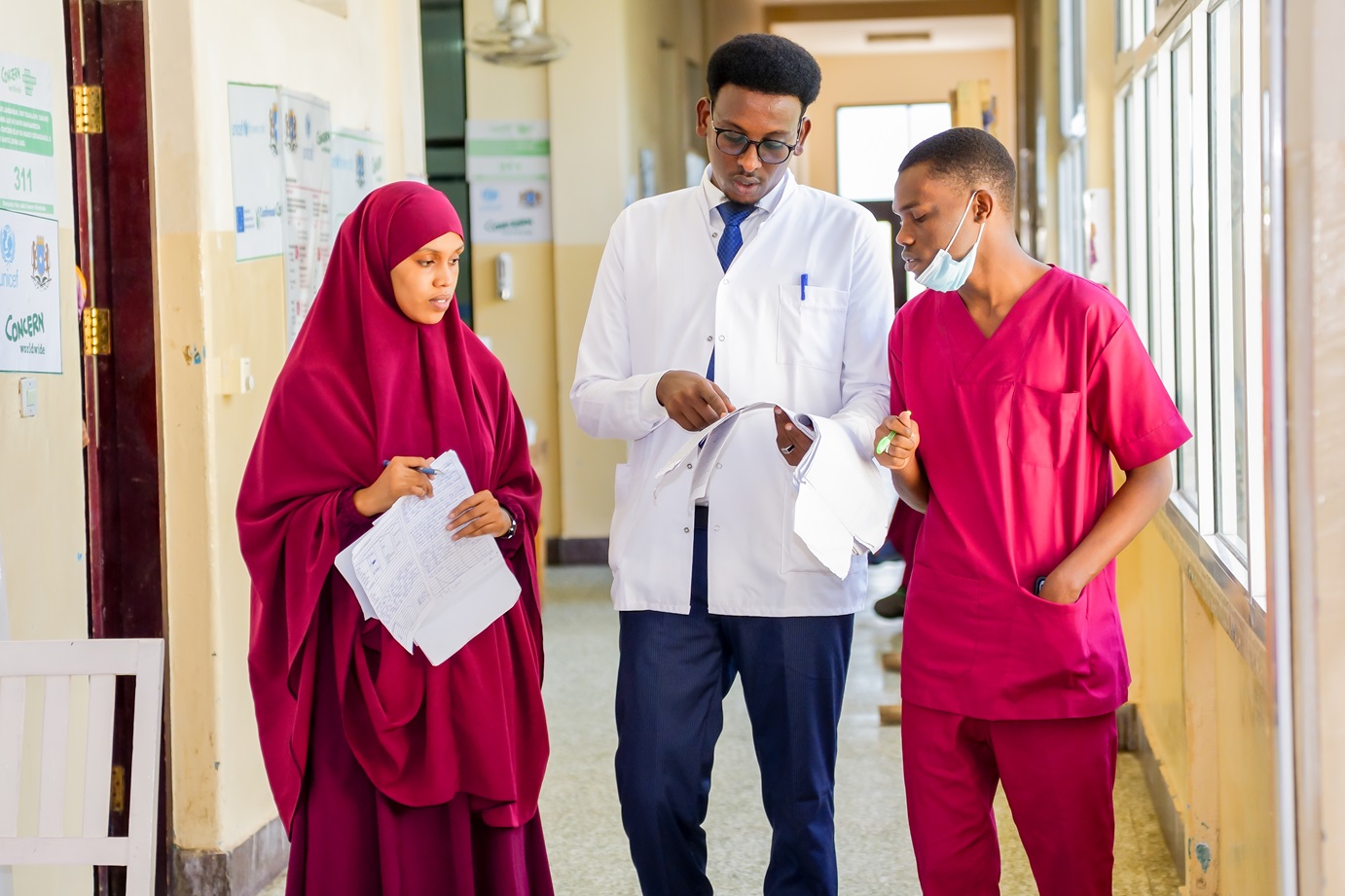
Inside the stabilization centre, small hospital beds are lined up, each holding a child fighting not only hunger but illnesses like pneumonia, diarrhoea and dehydration. Nurses move quickly between them, administering essential medicines, checking oxygen and comforting worried mothers who have often walked long distances to find help. For many, Banadir Hospital is their last hope.
“Most of the cases we see are extremely, severely malnourished, and often come with many complications,” says Dr Mohamed Jama Hashi, a paediatric specialist at Banadir Hospital. “Some children arrive swollen, some need oxygen, others come in shock – their small bodies are fighting for survival – and severely dehydrated. The family members who bring them are often visibly malnourished themselves.”
Over the past few months the Hospital’s stabilization centre – Somalia’s main referral point for malnourished children – has seen a sharp increase in emergency cases. Families travel for hours, sometimes days, to reach the hospital, clinging to the hope that their children will survive.
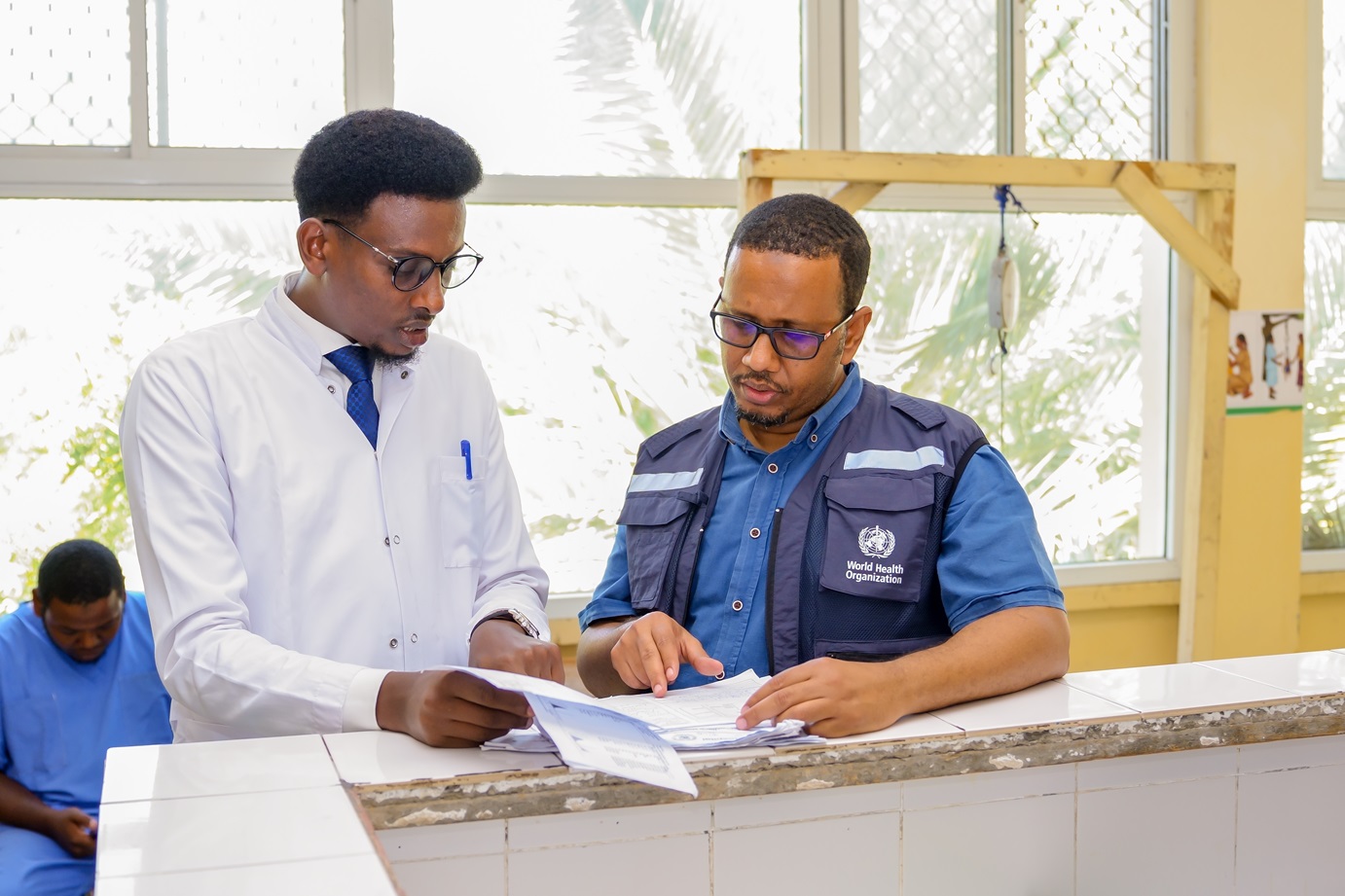 Timely access to essential medicines supports recovery and saves lives. For families struggling to feed their children amid drought and rising prices, finding free treatment here offers a rare sense of relief. “The medicines are critical because they address complications and play an important role in rehabilitation,” says Dr. Hashi. “They also prevent struggling mothers from having to search outside the hospital for treatment they could never afford.”
Supplies mean survival
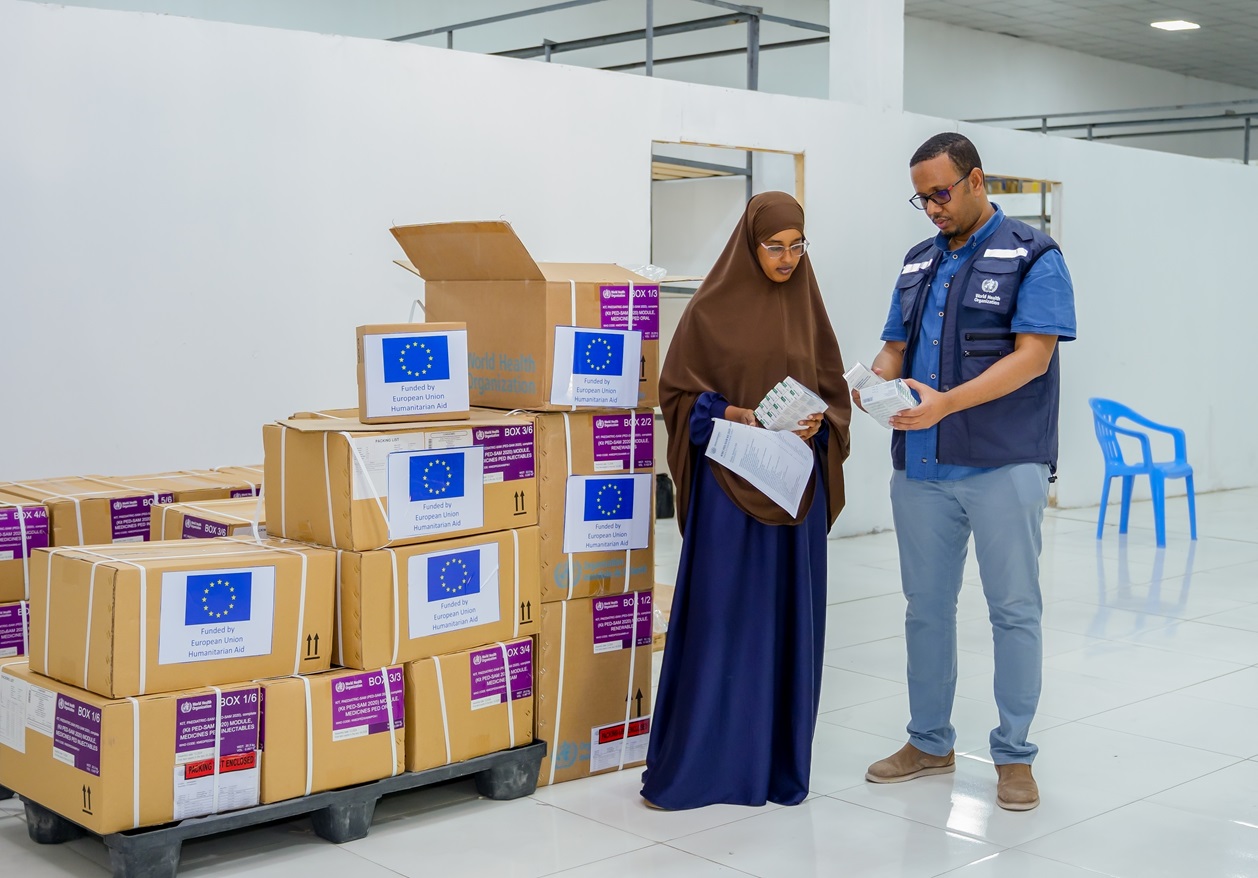
Inside the ward, treatment begins immediately with essential medicines supplied through the World Health Organization’s (WHO) paediatric severe acute malnutrition (PED/SAM) kits. Delivered with support from European Civil Protection and Humanitarian Aid Operations (ECHO), the kits are designed for inpatient care of severely acute malnourished children with medical complications.
“These medicines are essential for managing the most complicated cases,” explains Dr Abdulmunim Mohamed, Nutrition & Health Technical Focal Point, WHO Somalia. “They help prevent and treat life-threatening complications. Their timely use is crucial in reducing mortality and giving these children a chance to recover.”
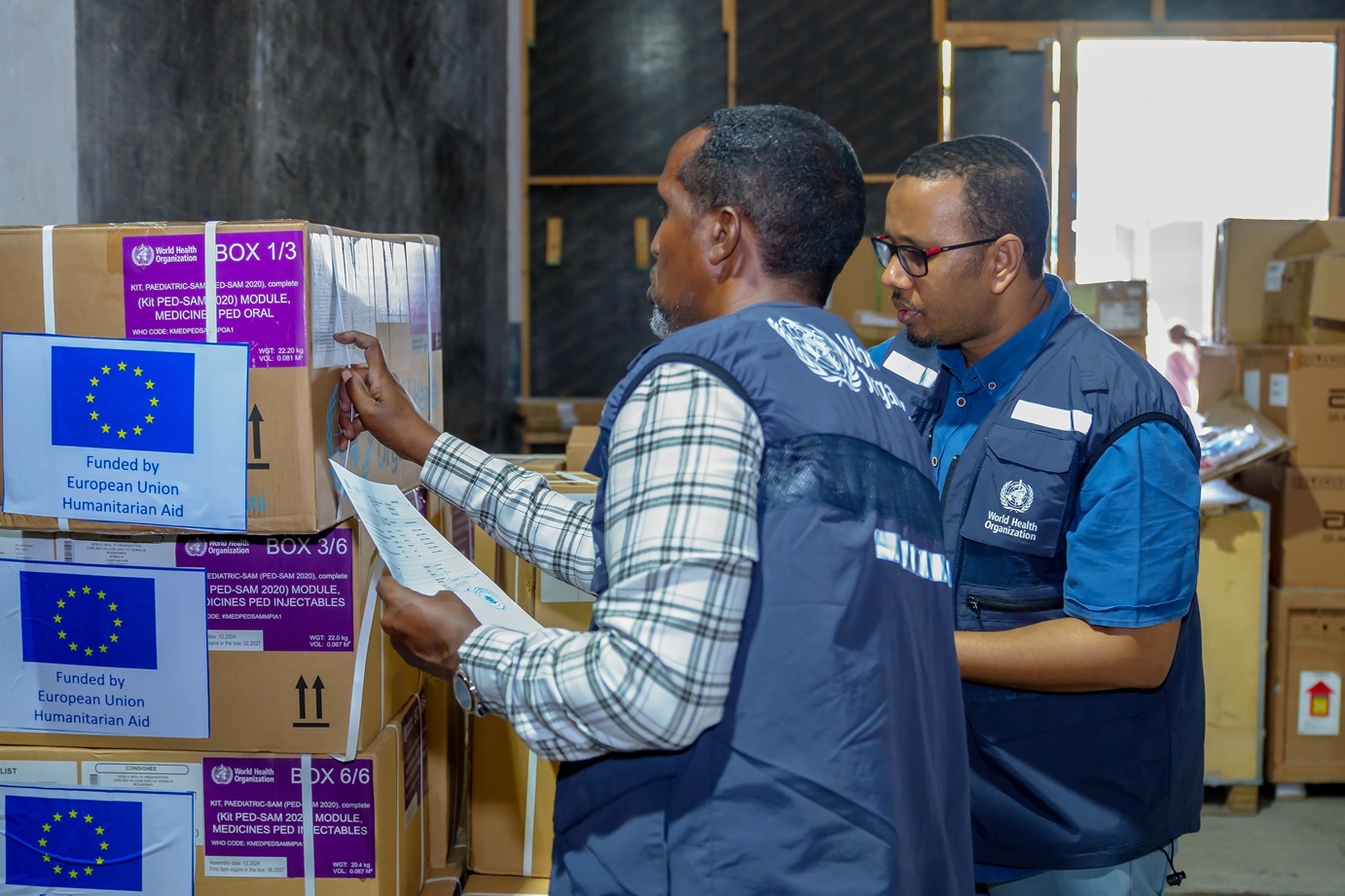 The supplies mean the difference between life and death for thousands of Somali children. According to Dr Abdulmunim, “ECHO’s support has been critical in saving lives today and strengthening systems for tomorrow, ensuring that Somalia’s most vulnerable children not only survive severe acute malnutrition but also access integrated health services that safeguard their long-term recovery.”
At Banadir hospital, the results are visible every day. Severely malnourished children who arrive on the edge of survival gradually regain strength. Family members, many exhausted from their own struggles with hunger, find hope in the knowledge that their children can recover. Parents who bring critically ill children to Banadir Hospital Stabilization Centre can trust that the Hospital is stocked with the essential medical supplies needed to provide quality treatment and reduce preventable child deaths.
ECHO’s contribution has been vital in ensuring that essential medicines reach families who would otherwise have had no access to them. “It is a programme we deeply appreciate,” Dr Hashi said. “Without it, many Somali children would not have survived.”
 In Somalia, drought, diseases, conflict and poverty continue to put children’s lives at risk. For many, quick access to therapeutic food and medical care is the difference between life and death. With support from WHO and ECHO, thousands of children aren’t just being treated – they’re getting a chance to live, grow and thrive.
For more information, please contact:
Khadar Hared, Communication Officer, WHO Somalia
Tel: +252619800011
Email:
Kim Beentjes, External Relations Officer, WHO Somalia
Email:
Polio campaign reaches more than 1.5 million children in northern Somalia
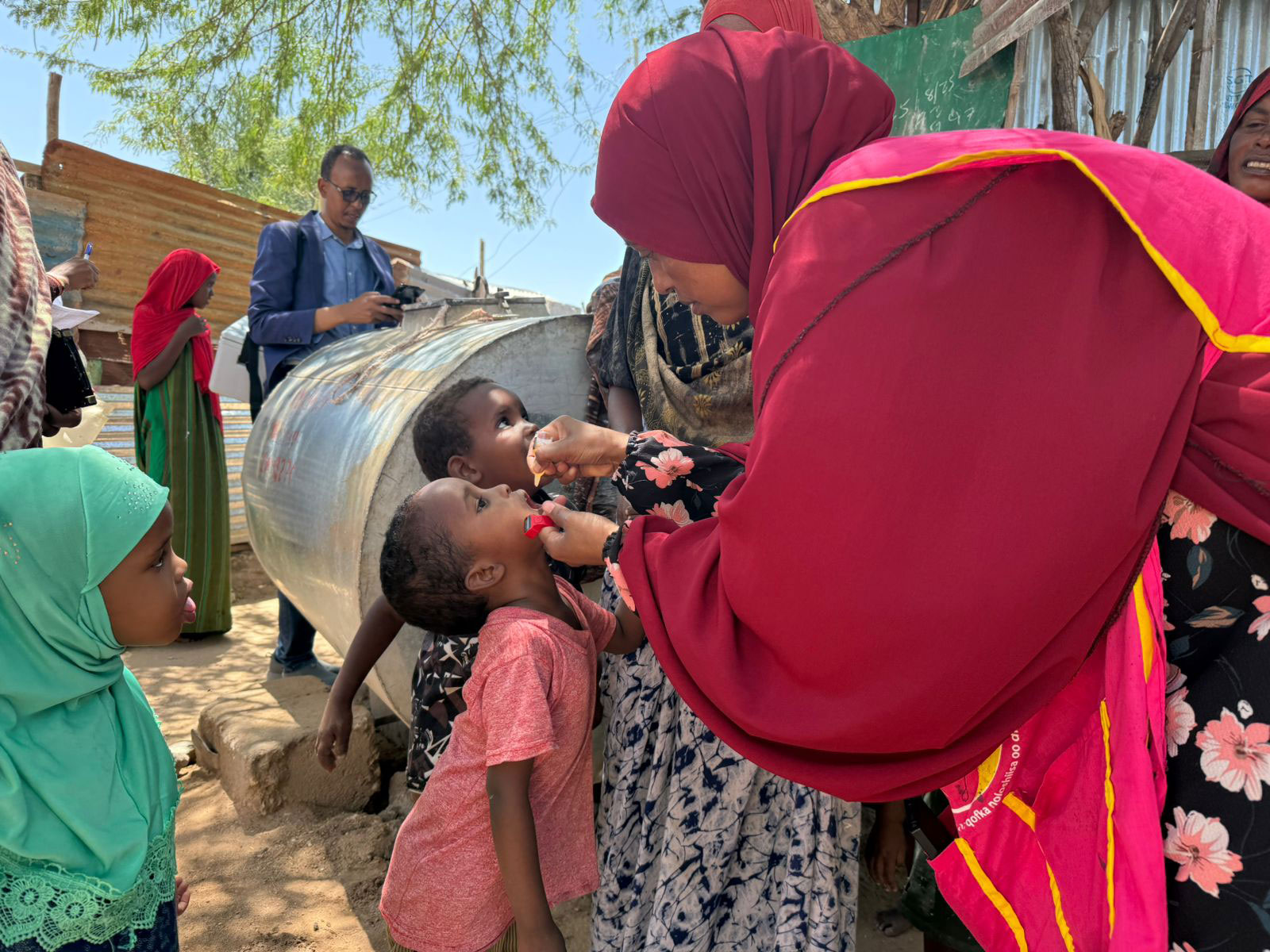 2 September 2025, Mogadishu, Somalia – More than 1.5 million children under 5 received the novel oral polio vaccine type 2 (nOPV2) in Somaliland and Puntland during the second round of a nationwide vaccination campaign.
The campaign – part of Somalia’s ongoing efforts to end polio once and for all – launched on 24 August in Somaliland, where health teams successfully vaccinated 852,000 children – from urban and remote rural communities – with nOPV2. In Puntland, the campaign began on 26 August and protected 676,000 children across all districts, including in hard-to-reach areas where access to health care is limited.
In both states, the campaign was led by the respective ministries of health, in collaboration with the World Health Organization (WHO), the United Nations Children’s Fund (UNICEF), and Global Polio Eradication Initiative (GPEI) partners. Ahead of the vaccination drive, frontline health workers were trained to administer the vaccine safely, maintain accurate records, and follow strict safety protocols, ensuring that every child reached was fully protected.
“We have not yet reached where we need to be, but we remain committed to eradicating polio,” said Dr Ahmed Jama, Director General of the Ministry of Health Development, Somaliland. “Vaccination is helping safeguard our children and prevent deadly outbreaks. The communities of Somaliland, especially parents, have worked hand in hand with us. Delivering vaccines to our children is vital. It strengthens public health, which in turn builds healthier, more educated and resilient communities. We will continue our awareness efforts to ensure that lifesaving messages reach every corner of Somaliland.”
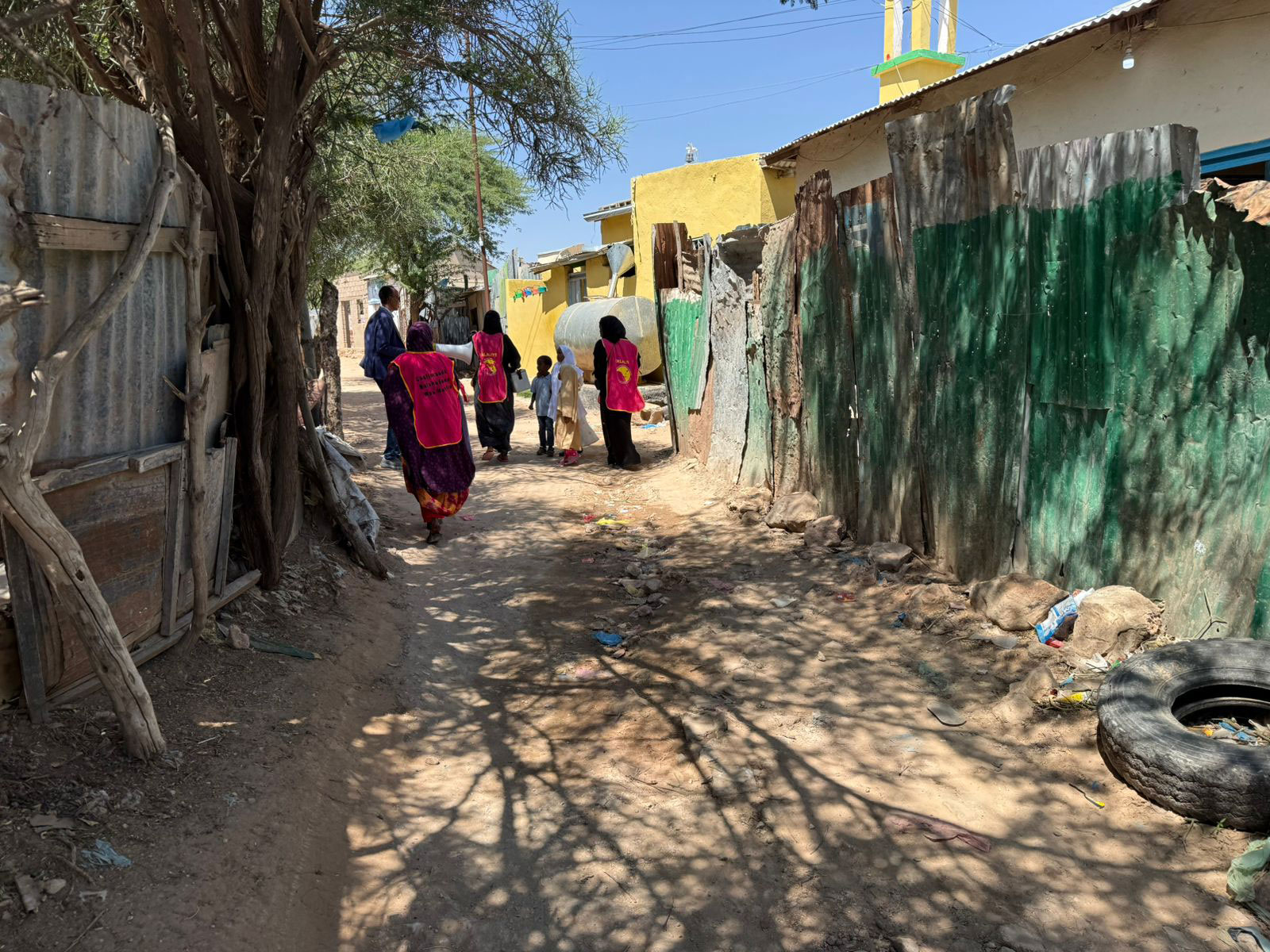 In addition to administering polio vaccines, the campaign strengthened routine immunization services and engaged communities to build trust, address concerns and raise awareness about the importance of immunization.
Similar polio campaigns, with ministries of health working closely with WHO and UNICEF, have been conducted in other Somalia’s states. So far in 2025, 3 rounds have been completed in southern and central states – a sub-national immunization round and 2 national immunization rounds – targeting around 2.7 million children under 5. These rounds have helped strengthen protection against polio while maintaining high levels of community awareness and trust.
Somalia’s progress in immunization extends beyond polio. In May 2025, Somalia successfully introduced the pneumococcal conjugate vaccine (PCV) and the rotavirus vaccine into its national immunization schedule. Together, these protect children against pneumonia and severe diarrhoea, 2 leading causes of death among Somali children under 5.
For more information, please contact:
Khadar Hared, Communication Officer, WHO Somalia
Tel: +252619800011
Email:
WHO Somalia enhances staff skills to develop impactful health interventions
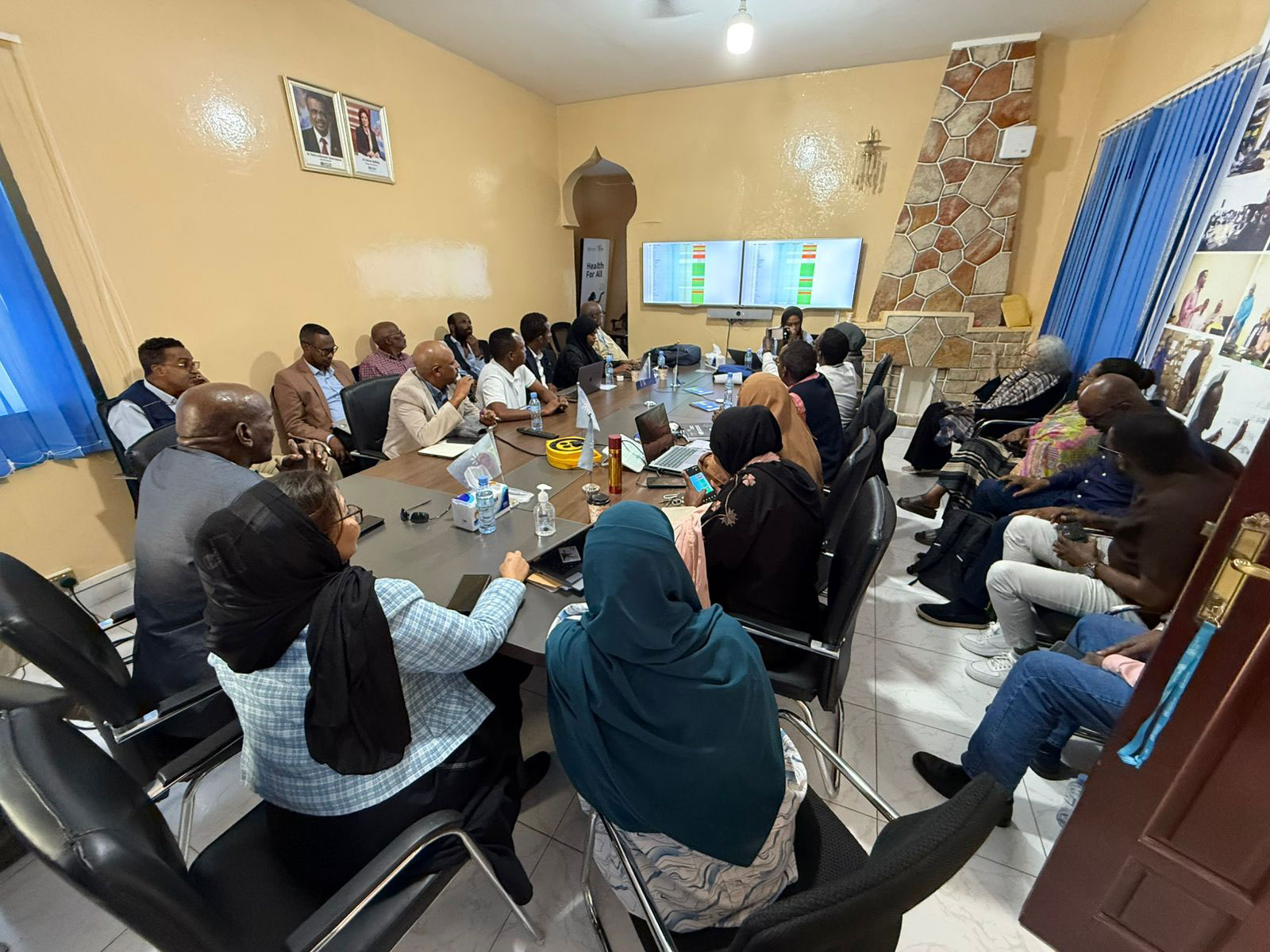 25 August 2025, Mogadishu, Somalia – World Health Organization (WHO) Somalia recently, 20-21 August 2025, completed a lively 2-day professional development training on results-based management (RBM), with a focus on the theory of change (ToC). The sessions aimed to equip technical staff with new skills and tools to plan, monitor, and report on health programmes.
WHO staff from various departments across Somaliland gathered for the training which focused on fostering a unified, results-driven approach and enhancing the Organization’s capacity to develop impactful interventions aligned with national goals and WHO’s regional vision.
Led by the Country Office, the Hargeisa Sub-Office engaged in practical sessions designed to enable teams to improve programme design, strengthen accountability and more effectively highlight WHO Somalia’s role in creating a healthier future.
Comprehensive skill development
On the first day, participants explored RBM and ToC as tools to connect daily work with long-term health outcomes. Through case studies, including on maternal mortality in Djibouti and pneumonia in Somali children, staff practiced building problem trees, solution trees and causal pathways, demonstrating how interventions contribute to measurable impact.
The second day focused on workplan development and management, laying the foundation for a broader training series on award monitoring, reporting and financial accountability. Staff gained hands-on experience developing results-oriented work plans, aligning them with WHO strategic priorities and donor requirements, and applying WHO systems such as GSM.
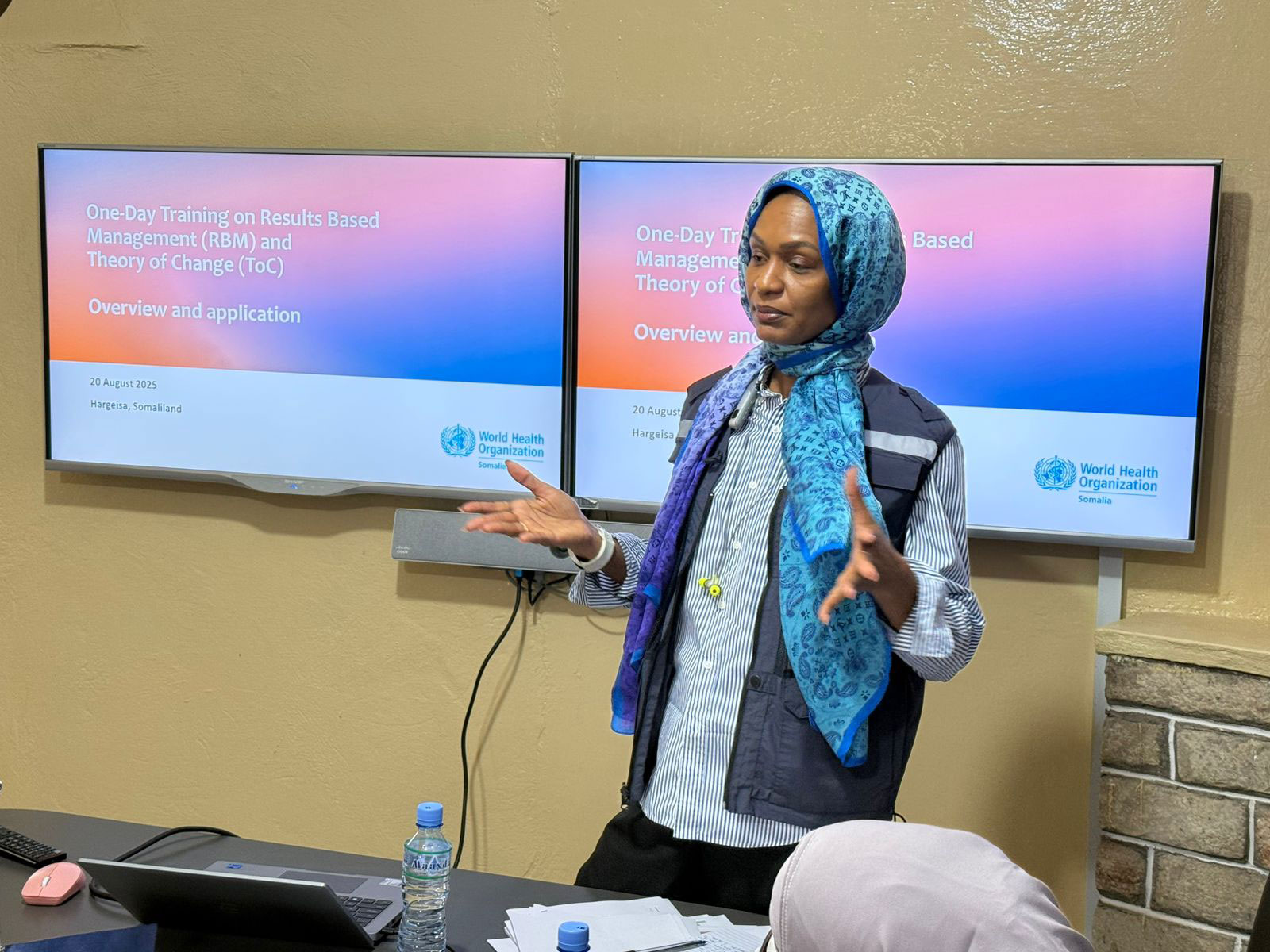 “The training is important because it helps our teams connect their daily work to long-term results,” said Programme Management Specialist at WHO Somalia Nazik Elshiekh. “By using the theory of change, we can better articulate how our interventions lead to improved health outcomes, while also enhancing accountability to the people we serve.”
Workplan development and management is the first of a 3-part training series. The session equipped participants to develop comprehensive, realistic and results-oriented workplans, align workplans with WHO's strategic objectives and donor agreements, apply RBM principles directly to operational planning and use WHO templates and systems, such as GSM, for workplan development.
Participants reported that the training enhanced their capacity to improve accountability, strengthen donor reporting and increase programme impact. Somaliland Polio Eradication Officer Dr Hussein Abdi said the workshop had also served as a reminder of the importance of accelerating essential health work.
Key takeaways from the training included greater confidence in applying RBM and ToC to Somalia’s health programmes, practical experience in linking strategic objectives to operational work plans with SMART indicators and strengthened accountability and donor reporting capacity across departments.
By strengthening staff capacity, WHO Somalia is reinforcing its commitment to results-driven programming, transparency and impact, helping to ensure that every activity contributes to a healthier future for Somalia’s people.
For more information, please contact:
Khadar Hared, Communication Officer, WHO Somalia
Tel: +252619800011
Email:
WHO supports Somaliland as it finalizes a new operational plan to strengthen public health systems
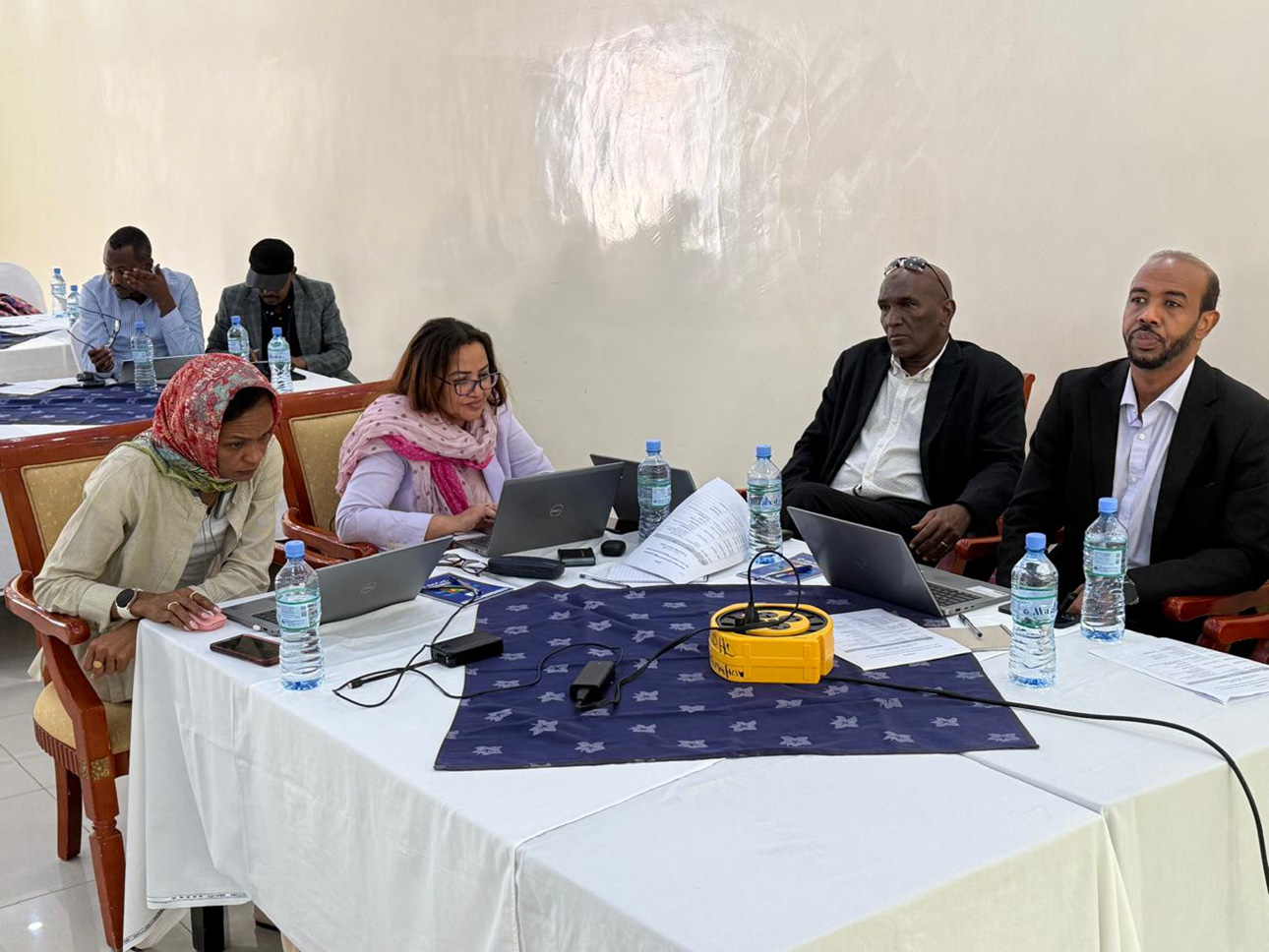 21 August 2025, Mogadishu, Somalia – The World Health Organization (WHO) is working alongside the Somaliland Ministry of Health Development (MoHD) and partners to improve public health services and strategic planning. A key component of the drive is the development of an operational plan for health priorities to guide health development in Somaliland.
On 18–19 August 2025, WHO Somalia and MoHD held a high-level meeting in Hargeisa to review Somaliland’s health priorities for 2026–2027. Attended by senior Ministry officials, WHO Somalia technical experts and representatives from the United Nations Children’s Fund (UNICEF), international partners and other key stakeholders, discussions focused on aligning Somaliland’s priorities with partner strategies to ensure a coordinated approach to meeting community health needs.
During the meeting, MoHD officials highlighted the importance of strong collaboration with international partners to achieve national health goals. In response, WHO Somalia pledged ongoing support for Somaliland as it strengthens its health systems, works to ensure access to quality care and advances universal health coverage.
“Working together with WHO on this operational plan is an important move for us as we work to strengthen our health system and meet the real needs of our people,” said the Director of Planning of Somaliland MoHD, Dr Khalid Ali Ahmed. “This plan is a testament to our shared promise to make vital services more accessible and to join forces with partners so that people across Somaliland can lead healthier lives."
The final operational plan will outline a clear, actionable strategy to guide future health interventions and investments, strengthening the health sector's capacity to deliver essential services to all populations, including those in remote and underserved areas.
Aligning health system priorities
The main objective of the meeting was to match the Ministry’s priority goals with those of international partners and local organizations that provide direct support to health services. Alignment is essential to avoid duplication, ensure efficient use of resources and create a single operational framework to guide coordinated action over the next 2 years.
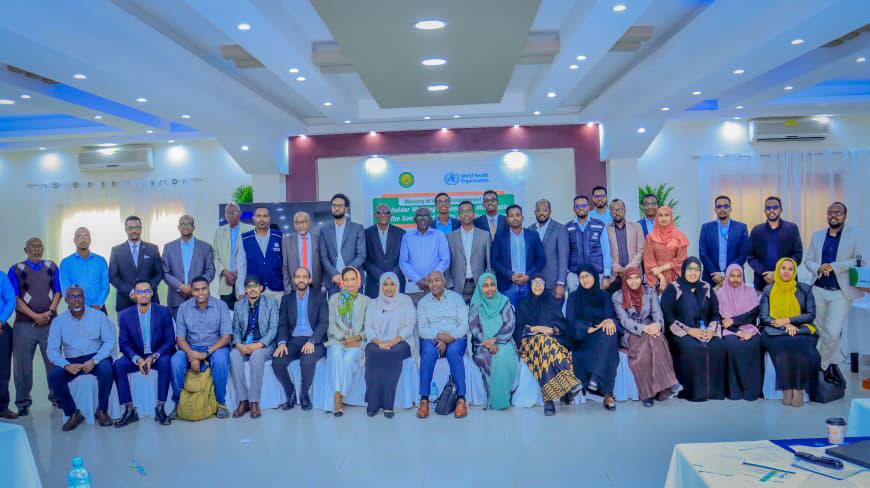 The operational plan will serve as a blueprint for strengthening health systems, shaping future health projects and improving the delivery of essential services. It will set out clear monitoring and implementation mechanisms, helping MoHD and partners track progress, respond to emerging challenges and remain accountable to the government and the communities being served.
By combining strategic planning with staff capacity-building, the initiative aims to enhance the skills and systems necessary to translate health priorities into tangible impact on the ground.
“This plan isn’t just paperwork – it’s a promise to work together for better health in Somaliland. By teaming up with our partners and making sure we’re all moving in the same direction, we can use our resources wisely, help those who need it most and make our communities stronger. WHO is glad to join hands with the Ministry of Health Development and others to turn these goals into real changes for the people of Somaliland,” said WHO Somalia Deputy Representative Dr Kamil Mohamed.
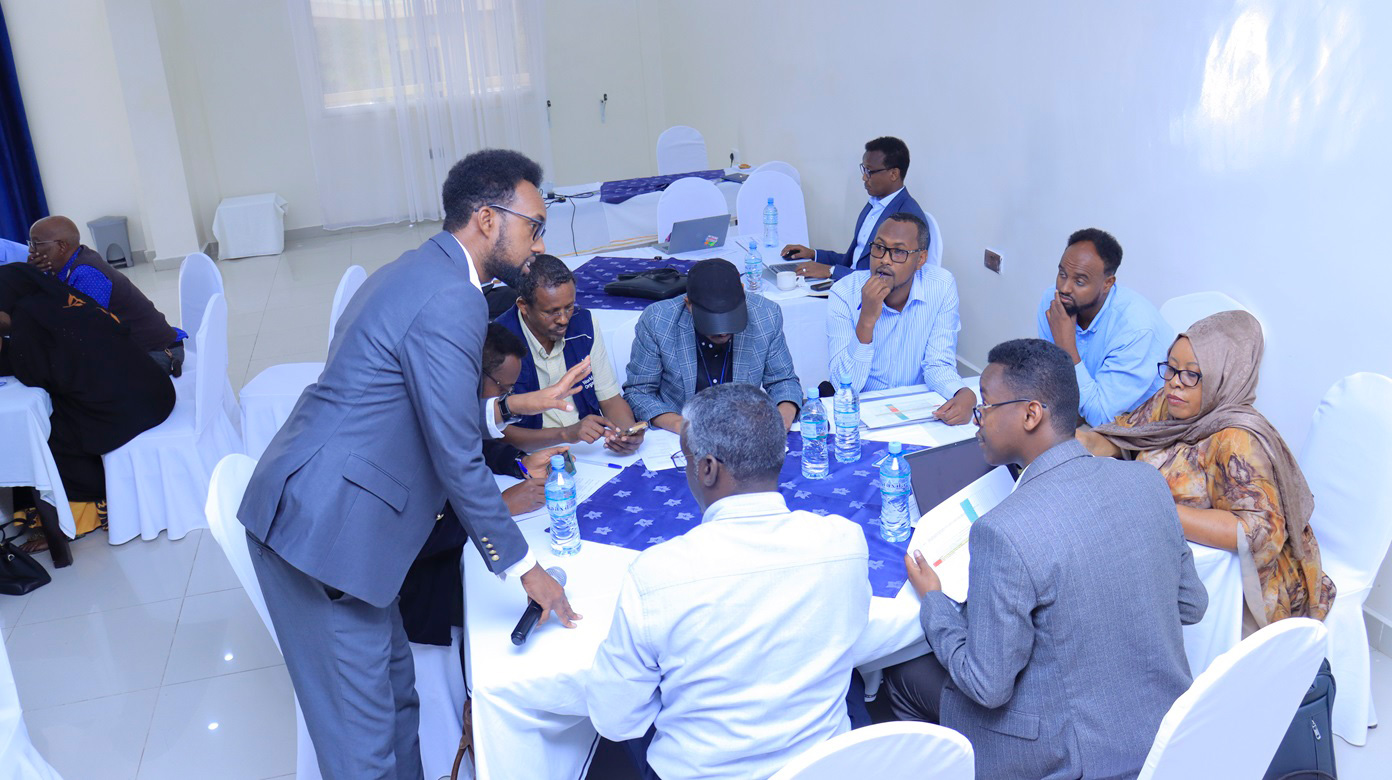 During the 2-day meeting in Hargeisa, WHO and MoHD laid out new health priorities to tackle the most significant gaps in Somaliland’s health system. By coming together, these efforts will lead to:
a finalized and validated operational plan for health priorities 2026–2027;
a clear framework for implementation, monitoring and evaluation;
stronger government ownership and leadership in the health sector;
improved collaboration and coordination among partners; and
enhanced capacity of WHO and MoHD staff to manage and deliver results.
Somalia’s health sector is going through tough times. With funding stretched thin, working together and making the most of every resource matters more than ever in advancing our shared vision of a future in which every community has equitable access to the care they need.
By building strong and resilient health systems, we can protect the well-being of people not just today, but for generations to come.
For more information, please contact:
Khadar Hared,
Communication Officer, WHO Somalia
Tel: +252619800011
Email: