


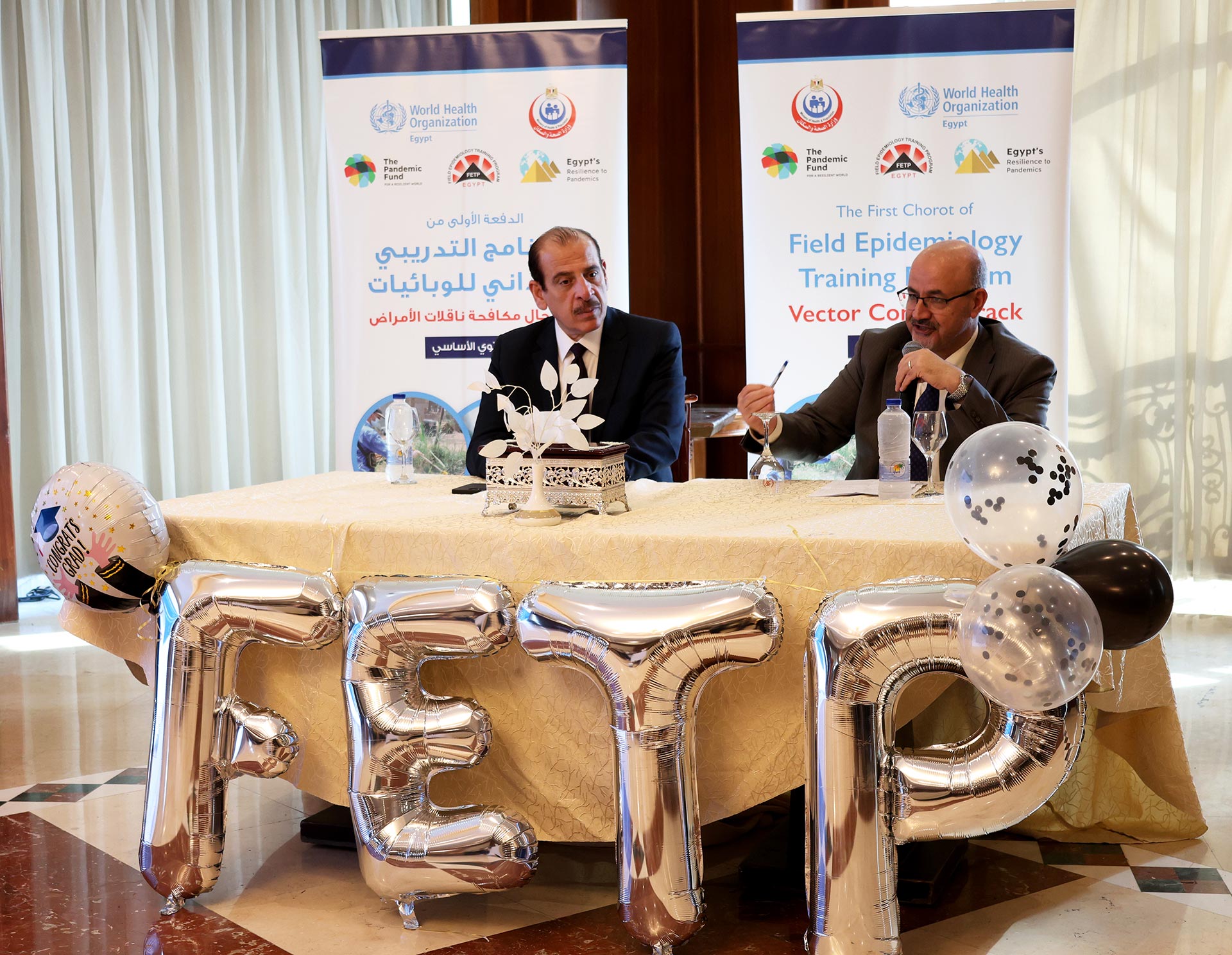
 Dr Abid and Dr Kandeel addressing graduates during the graduation ceremony. Photo credit: WHO Egypt10 December 2025, Cairo, Egypt – The first cohort of Egypt’s Field Epidemiology Training Programme (FETP) specialized in vector control – the first of its kind in the Middle East and North Africa – has graduated.
The training, hosted by the Ministry of Health and Population (MOHP) and WHO Egypt and supported by the Pandemic Fund, is designed to strengthen national capacity to detect, prevent and respond to vector-borne diseases. It was completed by 32 participants drawn from the national and subnational levels.
Combining practical fieldwork and theoretical modules over 6 months, the basic-level curriculum equips participants with essential skills in vector surveillance, insecticide resistance monitoring and outbreak investigation.
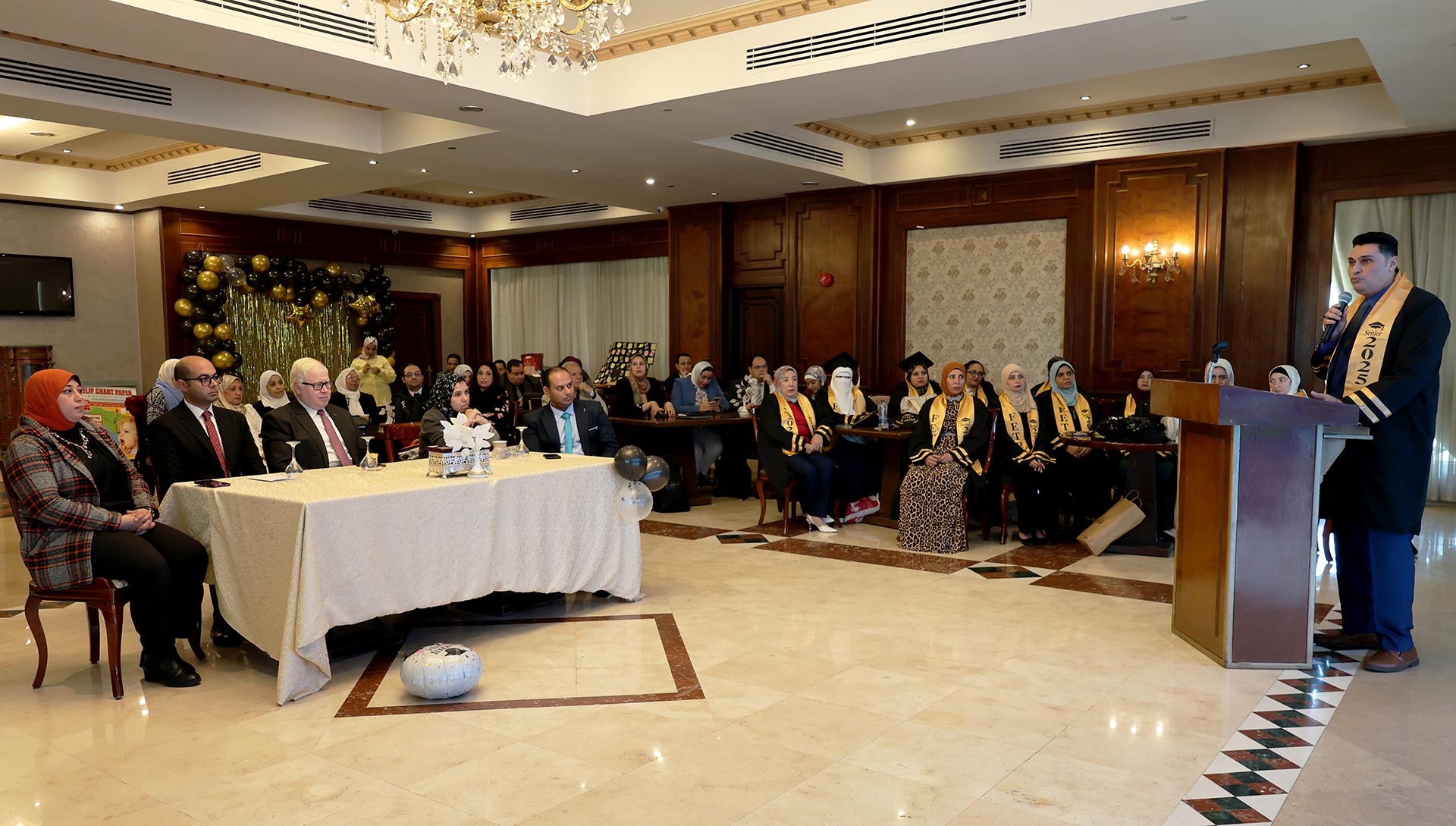 A graduate delivers remarks during the graduation ceremony. Photo credit: WHO EgyptThe graduation ceremony was attended by WHO Representative in Egypt Dr Nima Abid and Deputy Minister of Health and Population Dr Amr Kandeel. Both highlighted the vital role field epidemiologists play in preventing and controlling health threats and emphasized the importance of sustained collaboration between WHO and MOHP to strengthen public health preparedness.
Egypt’s FETP is a competency-based, mentored training programme. Since 1993, it has trained and graduated epidemiologists across its basic, intermediate and advanced levels. WHO Egypt provides ongoing technical support, including updating training materials, mentoring participants and facilitating workshops and field activities.
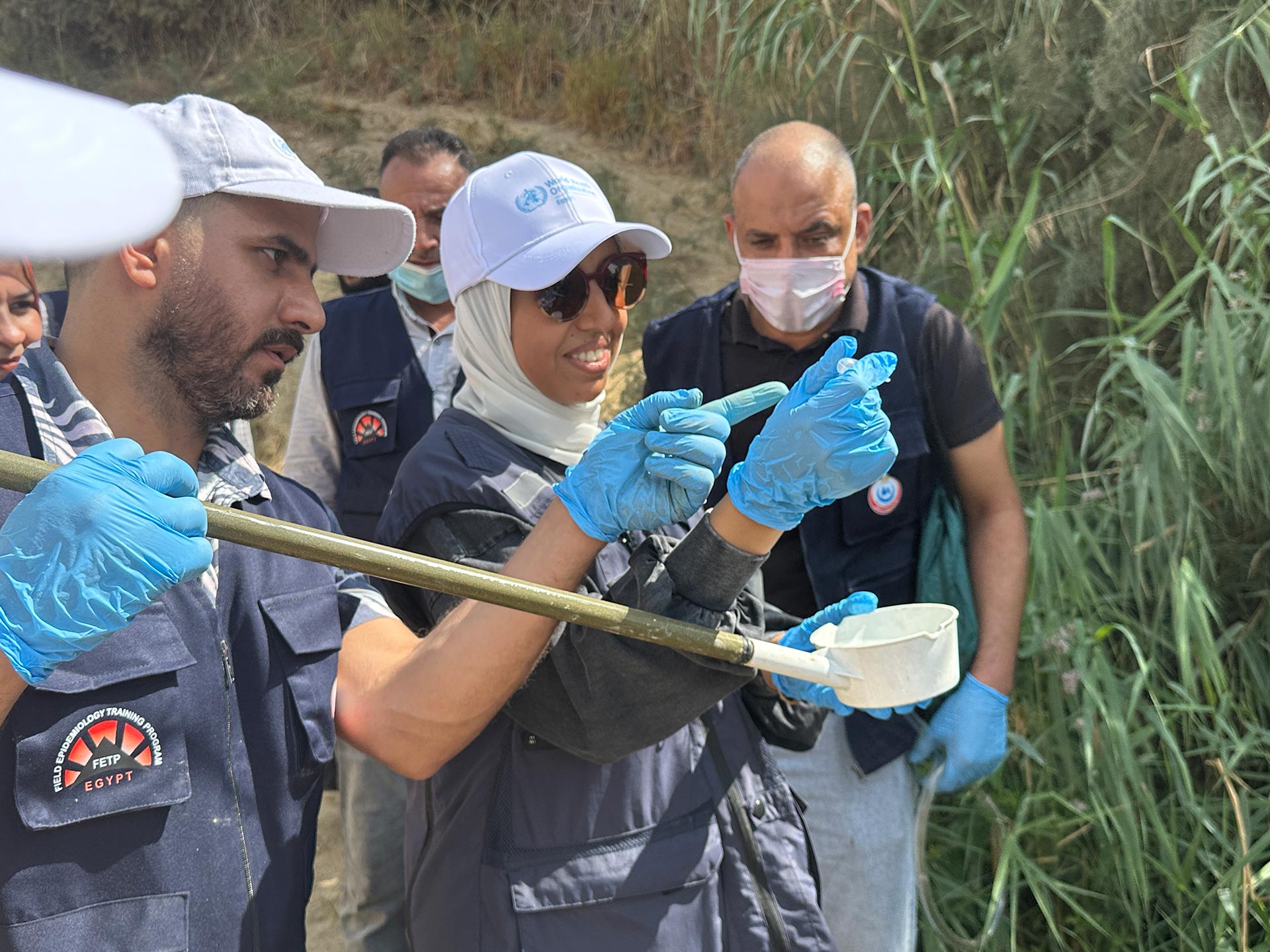 Trainees engaging in hands-on fieldwork activities in vector control, accompanied by a WHO technical officer. Photo credit WHO EgyptThe growing global impact of climate change, and the impact of evolving patterns of interaction between humans and animals on the spread and intensity of vector-borne diseases, demand a multisectoral response. By bringing together agricultural engineers and public health professionals and integrating expertise across the health, agriculture and environmental sectors, the programme aims to build a multisectoral workforce and enhance coordination and communication between the human, animal and environmental health sectors, adopting a One Health approach to address vector-borne disease threats more effectively.
Related links:
Egypt celebrates the graduation of the first One Health Field Epidemiology Training Programme cohort
