WHO EMRO
  • المناطق
WHO EMRO
WHO Regional websites
أفريقيا أفريقيا
الأمريكتان الأمريكتان
جنوب شرق آسيا جنوب شرق آسيا
أوروبا أوروبا
شرق أوسطي شرق أوسطي
غرب المحيط الهادئ غرب المحيط الهادئ
  • الصفحة الرئيسية
  • المواضيع الطبية
  • المعطيات والإحصائيات
  • مركز وسائل الإعلام
  • موارد المعلومات
  • البلدان
  • البرامج
  • معلومات عن المنظمة
يبحث يبحث

يبحث

- كل الكلمات: لعرض المستندات التي تطابق كل الكلمات فقط.
- أي كلمة: لعرض المستندات التي تطابق أي كلمة.
- العبارة الدقيقة: يعرض فقط المستندات التي تطابق العبارة تمامًا التي تم إدخالها.
- :بادئة العبارة يعمل مثل وضع العبارة التامة، باستثناء أنه يسمح بتطابقات البادئة في المصطلح الأخير في text.
- حرف البدل: يعرض المستندات التي تطابق تعبير حرف بدل.
- استعلام غامض: يعرض المستندات التي تحتوي على مصطلحات مشابهة لمصطلح البحث. على سبيل المثال: إذا كنت تبحث عن كولومبيا. سيعرض نتائج البحث التي تحتوي على كولومبيا أو كولومبيا.
  • العالمي
  • المناطق
    WHO Regional websites
    • أفريقيا أفريقيا
    • الأمريكتان الأمريكتان
    • جنوب شرق آسيا جنوب شرق آسيا
    • أوروبا أوروبا
    • شرق أوسطي شرق أوسطي
    • غرب المحيط الهادئ غرب المحيط الهادئ
يبحث يبحث

يبحث

- كل الكلمات: لعرض المستندات التي تطابق كل الكلمات فقط.
- أي كلمة: لعرض المستندات التي تطابق أي كلمة.
- العبارة الدقيقة: يعرض فقط المستندات التي تطابق العبارة تمامًا التي تم إدخالها.
- :بادئة العبارة يعمل مثل وضع العبارة التامة، باستثناء أنه يسمح بتطابقات البادئة في المصطلح الأخير في text.
- حرف البدل: يعرض المستندات التي تطابق تعبير حرف بدل.
- استعلام غامض: يعرض المستندات التي تحتوي على مصطلحات مشابهة لمصطلح البحث. على سبيل المثال: إذا كنت تبحث عن كولومبيا. سيعرض نتائج البحث التي تحتوي على كولومبيا أو كولومبيا.

اختر لغتك

  • Français
  • English
WHO EMRO WHO EMRO
  • الصفحة الرئيسية
  • المواضيع الطبية
  • المعطيات والإحصائيات
  • مركز وسائل الإعلام
  • موارد المعلومات
  • البلدان
  • البرامج
  • معلومات عن المنظمة
  1. Home
  2. Yemen site
  3. Yemen site-news

Medicines or meals? Desperate choices for most vulnerable Yemenis

Medicines or meals Desperate choices for most vulnerable Yeminis

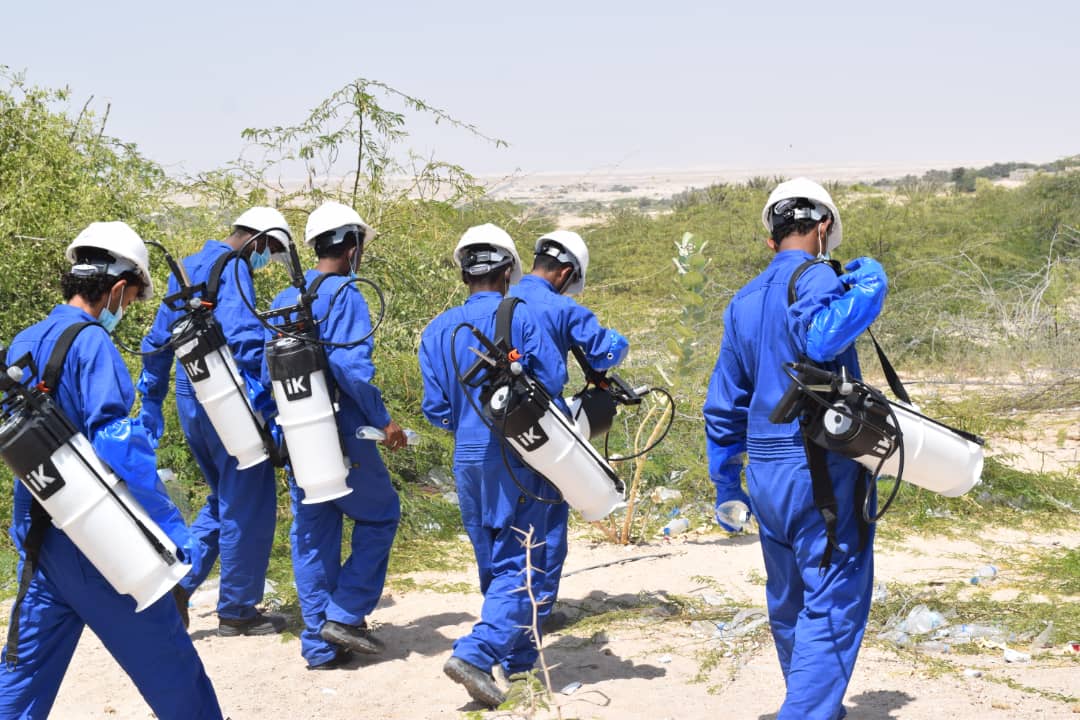
31 January 2023–Yemen’s economy and health systems rank among the least developed in the world. Overstretched health facilities struggle to provide even the most basic services to the country’s 34.24 million people. For most vulnerable Yemeni households, daily survival can be reduced to a desperate choice between needed medicines or a next meal.

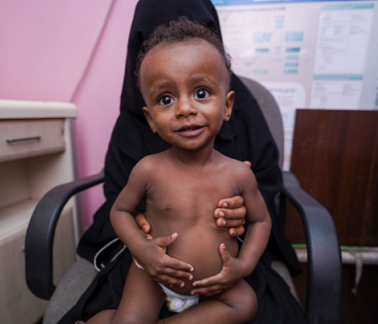
Free medicines and healthcare services are prerequisites for many Yemenis to embark on often arduous journeys to hard-to-reach health facilities. This constitutes a dire predicament driven by the context of Yemen’s ongoing armed conflict and complex human crisis – considered today to be among the world’s worst.

Read the full story

Arabic version of the story

Essential medicines, supplies and training ensure the survival of mothers and newborns across Yemen

Essential medicines, supplies and training ensure the survival of mothers and newborns across Yemen

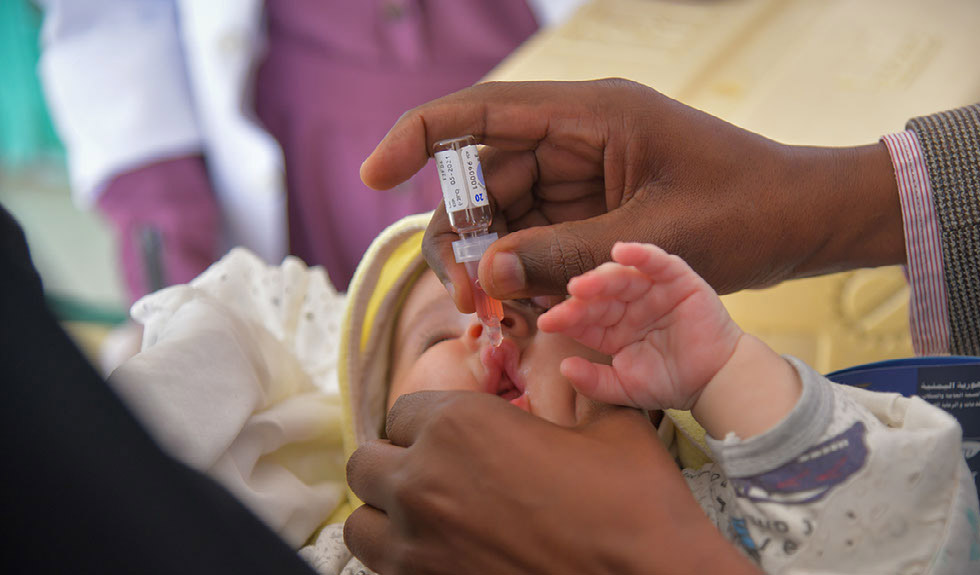
23 January 2023  – At hospitals and health facilities throughout Yemen, the World Health Organization (WHO) is partnering with the King Salman Humanitarian Aid and Relief centre (KSrelief) to provide essential life-saving medicines, supplies and training for ensuring the survival of mothers and newborns.

Together with KSrelief, WHO has supported the Ras al-Ara Health Centre with reproductive health kits containing essential medical supplies, medicines and reusable instruments for its maternal health services that are provided free of charge – from mothers’ early pregnancy to infant delivery.

Read the full story

Arabic version of the story

Keeping Yemen’s public health laboratories equipped and operating

Keeping Yemen’s public health laboratories equipped and operating

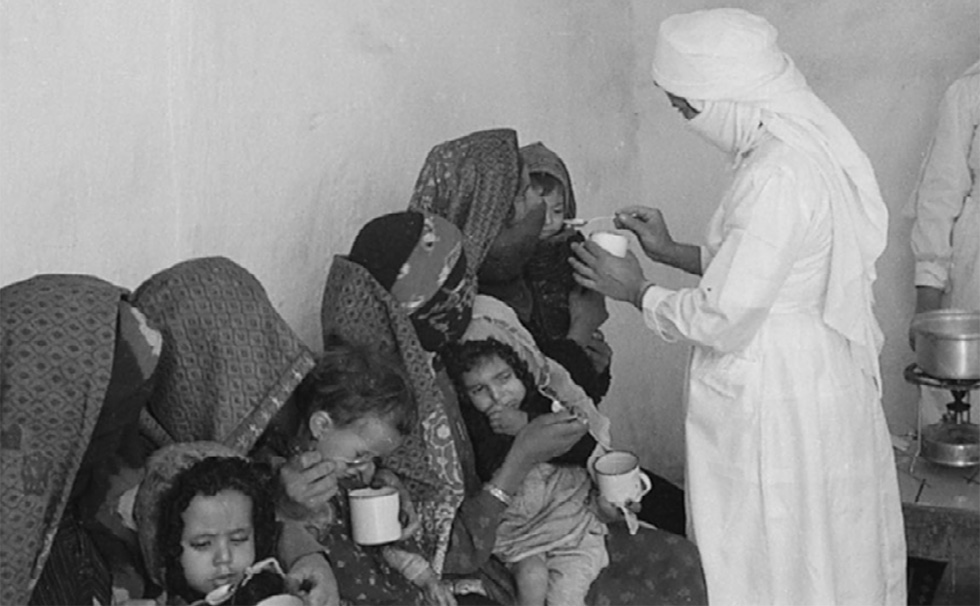
23 January 2023 – Yemen’s humanitarian crisis, now in its eighth year, has crippled the country’s health facilities and laboratories, while curtailing the quality and availability of many essential health services.

The World Health Organization (WHO) has renewed its partnership with the King Salman Humanitarian Aid and Relief Center (KSrelief) to provision Yemen’s health system with medicines, supplies, and equipment needed for general care, child health, reproductive and maternal health, dialysis, and treatment of non-communicable diseases.

Read the full story

Tackling mental health challenges in Yemen by building capacities

mental-health-training-1
Sana’a, Aden, 5 December 2022 – Mental health disorders have increased in Yemen over the past 8 years due to the impact of conflict on people’s lives, homes, communities, and livelihoods. Estimates indicate that one in 4 Yemenis, or over 5.5 million people, suffer from mental health disorders and require medical intervention. 

Access to care for people with mental health disorders is incredibly challenging in Yemen. There are only 58 psychiatrists and 120 psychologists in the country as of 2020, and there are also severe shortages in other related cadres such as psychiatric nurses, social workers, and psychologists. 

Through the Emergency Human Capital Project (EHCP), WHO and the World Bank are working together to provide mental health care in Yemen by expanding capacities. As part of this effort, in August and September 2022, WHO supported the local authorities to train 90 health workers on the training of trainers programme so that they could cascade knowledge and skills in mental health care to their peers. 

WHO Representative to Yemen Dr Adham Rashad Ismail Abdel Moneim described the key elements of the training, “The participants learned how to recognize and address stress, trauma, psychological first aid related to humanitarian crises, loss, grief, ways to help vulnerable communities and raise community awareness on the importance of mental health care”. 

The 5-day training brought together participants from the authorities and civil society. To enhance equitable access and service acceptance by men and women, 60% of the participants were females. Through presentations, case scenarios, and discussions, the training focused on the provision of primary psychological services by improving diagnostic capacities and knowledge of treatment methods. The pre-and post-test scores showed a dramatic improvement in relevant knowledge, up from 30% before the training to 83% after completing the course. 

One of the participants, Dr Mohammed Jumail, a specialist and therapist in Yemen’s Sphere Organization and Al-Tamaninah Clinic in Sana’a, shared his impression of the training saying, “It was an honour to take part in this training among other colleagues from different institutional backgrounds. Theoretically, the course was very effective and came at the right time for us as practitioners. The cognitive enrichment was at a high level due to the professional trainer assigned to us, and we hope that practical sessions are included in the upcoming training. We took the new skills back with us to the field, to use and reflect in our mental health care practices”. 

In the upcoming months, WHO is planning to conduct the training of trainers course for more health workers across Yemen, and to guide the trained participants in sharing their skills and knowledge with their peers. Practical sessions and role-play components of the course will be increased in line with participants feedback. Also, there are planned training on psychological first aid, case detection, referral, and psychosocial support as well as mhGAP targeting managers, physicians, and decision-makers in national and international organizations. 

Capacity-building is part of a comprehensive approach by WHO to enhance mental health care in Yemen. This work is framed by the National Mental Health Strategy for Yemen, which was launched in October 2022. To take this strategy forward, in addition to capacity-building, under EHCP, WHO is planning to rehabilitate psychiatric facilities in Aden, Taizz, and Saadah, and to establish mental health clinics across 19 EHCP-supported hospitals, as well as carrying out educative and awareness campaigns to reduce stigma around mental health. 

Related links

Responding to Yemen’s unseen mental health crisis

Enhancing basic and advanced life support skills among Yemen’s health workforce

Trainees take immediate proactive steps to cascade life-saving skills

Texts from the field: life-saving impacts of basic and advanced life support training in Yemen


الصفحة 27 من 63

  • 22
  • 23
  • 24
  • 25
  • 26
  • 27
  • 28
  • 29
  • 30
  • 31
  • خريطة الموقع
    • الصفحة الرئيسية
    • المواضيع الطبية
    • المركز الإعلامي
    • المعطيات والإحصائيات
    • موارد المعلومات
    • البلدان
    • البرامج
    • معلومات عن المنظمة
  • مساعدة وخدمات
    • التوظيف في منظمة الصحة العالمية
    • حقوق الطبع
    • الخصوصية
    • إتصل بنا
  • مكاتب منظمة الصحة العالمية
    • المقر الرئيسي لمنظمة الصحة العالمية
    • المكتب الإقليمي لأفريقيا
    • المكتب الإقليمي للأمريكتين
    • المكتب الإقليمي لغرب المحيط الهادئ
    • المكتب الإقليمي لجنوب شرق آسيا
    • المكتب الإقليمي لأوروبا
WHO EMRO

سياسة الخصوصية

© منظمة الصحة العالمية 2026. جميع الحقوق محفوظة