


اختر لغتك

In Yemen, WHO-supported frontliners deliver hope at the start of life
 26 October 2025, Aden, Yemen – In the heart of Aden, where conflict, fragility and a crumbling health system converge, 2 health care heroes – Ashwaq Saeed and Hind Hadi – are quietly rewriting the story of maternal and newborn survival. Each day, at Al-Sadaqa Teaching Hospital, they struggle against the odds to give every newborn the best possible start in life.
Ashwaq Saeed, Supervisor of the Midwifery Department and Head of the Gynaecology and Obstetrics Ward, started at Al-Sadaqa as a volunteer. Her role soon evolved into a life-defining mission.
“Midwifery isn’t just about delivering babies,” says Ashwaq. “It’s about being present at the most vulnerable and beautiful moment in a family’s life.”
In a health system where only 50% of facilities are fully functional and maternal and neonatal mortality rates are alarmingly high, Ashwaq’s passion fills a critical gap. She and her team face a near constant scarcity of supplies, workforce shortages and low community awareness, yet she finds ingenious ways to adapt.
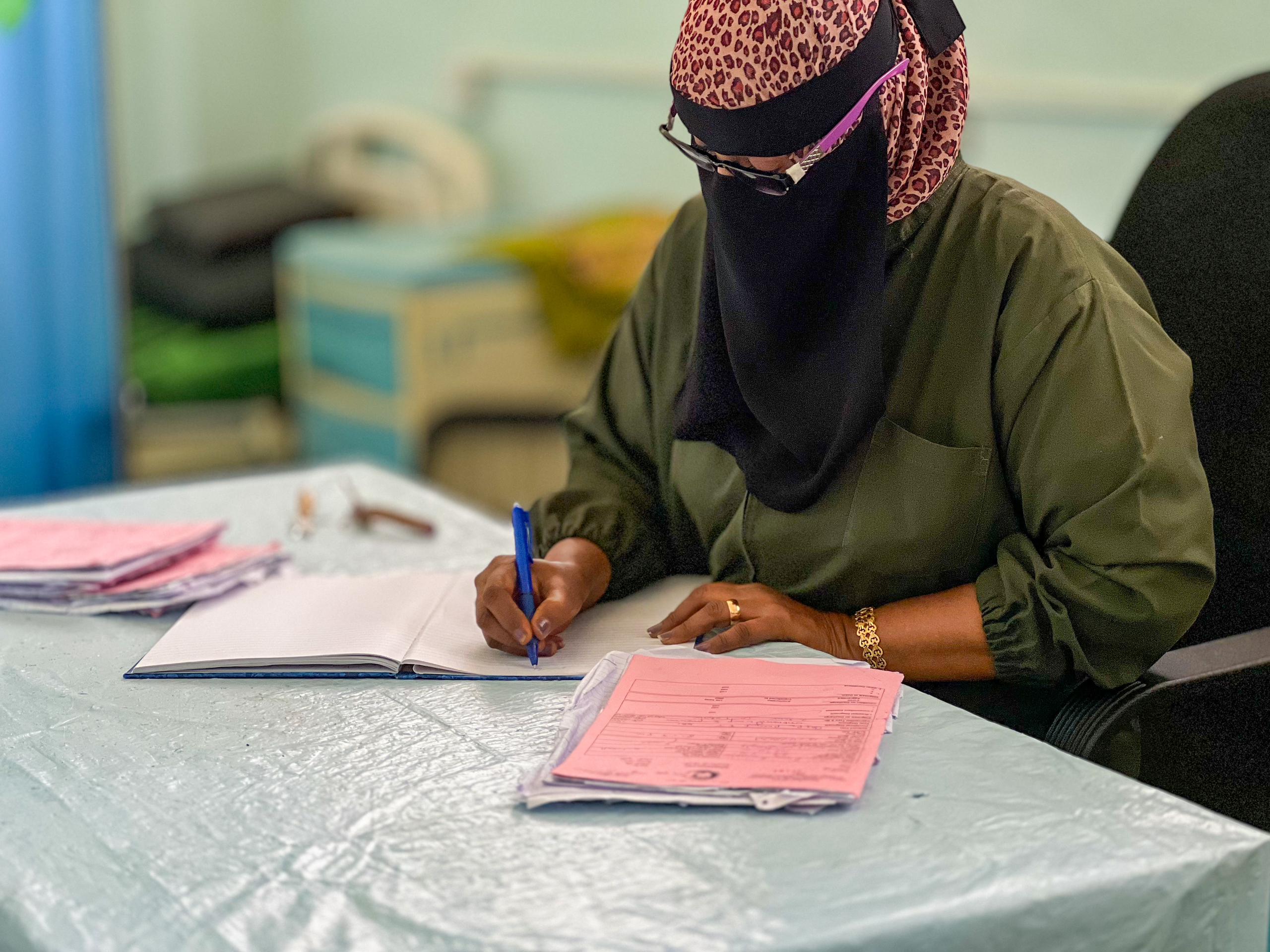 “We store surplus supplies for emergencies and we educate mothers whenever we can,” says Ashwaq. But to improve outcomes, she adds, more investment in training and equipment is urgently needed.
In the adjacent neonatal unit Hind Hadi, a nurse with over 12 years of experience, manages the care of premature and critically ill newborns. “We receive babies not just from the emergency department but from across other governorates,” she says. “Sometimes we simply don’t have enough beds.”
Her unit battles overcrowding daily, yet her commitment never wavers. “The joy in a mother’s eyes when her child recovers, it’s indescribable. That’s when I know our work truly matters,”
Ashwaq and Hind’s courage and commitment may fill some of the gaps, but without systemic change, training and resources, these health care workers are being stretched beyond their limits. Frontline dedication alone is not enough.
Recognizing these challenges, the World Health Organization (WHO) has taken a decisive role in strengthening Yemen’s maternal and newborn care through the introduction of Early Essential Newborn Care (EENC), a package of evidence-based lifesaving interventions during delivery and the early newborn period designed to prevent the most common causes of newborn mortality – hypothermia, asphyxia and infections – through low-cost, high-impact practices like immediate skin-to-skin contact, delayed cord clamping and early initiation of breastfeeding.
Under the leadership of the Ministry of Public Health and Population, WHO conducted Yemen’s first EENC coaching for facilitators in June 2022, beginning with Al-Sadaqa Hospital.
Baseline assessments prior to the EENC coaching revealed alarming shortcomings in current practice. Many newborns were being separated from their mothers immediately after birth. Skin-to-skin contact and thorough drying were rarely performed. Harmful routines such as early cord clamping and routine suctioning were widespread.
The WHO-supported coaching proved transformative. Staff knowledge scores for managing breathing babies jumped from 0% to 96%, and for non-breathing babies from 36% to 93%. A total of 28 facilitators and staff from 4 hospitals were trained, including Ashwaq and Hind. Both now serve as EENC champions within their departments.
Hind, who had been managing her unit’s overwhelming caseload with limited equipment, now has the technical tools to respond faster and more effectively to emergencies. Ashwaq, empowered by new techniques and protocols, is pushing for changes in hospital policies and advocating for increased recognition of midwives in her community.
The transformation is human as well as technical. EENC has reinvigorated cooperation between paediatricians, obstetricians and nurses. It has restored a sense of agency to health workers that had long been overshadowed by systemic failure.
Sustaining this progress requires more than one-off trainings. As WHO continues to scale up EENC in other hospitals, including Al Sha’ab, Al Razi and Ibn Khaldoun, consistent supplies of coaching materials and medical equipment, as well as policy backing, are vital. Support is also needed to address infrastructure challenges such as the absence of proper resuscitation spaces near delivery rooms, and to ensure mothers have clothing that allows skin-to-skin contact.
Today, it is frontline champions like Ashwaq and Hind who carry WHO’s vision forward. But they cannot do it alone.
Yemen’s health system is still under-resourced, leaving newborn lives at risk. Sustained donor support is urgently needed to expand lifesaving interventions like EENC across the country. By investing in these local heroes and the systems that support them we not only save lives – we restore dignity and hope to families across Yemen.
Every child deserves the chance to take their first breath in safe hands.
WHO and UAE launch joint programme to reduce malnutrition among Yemenis on Socotra Island
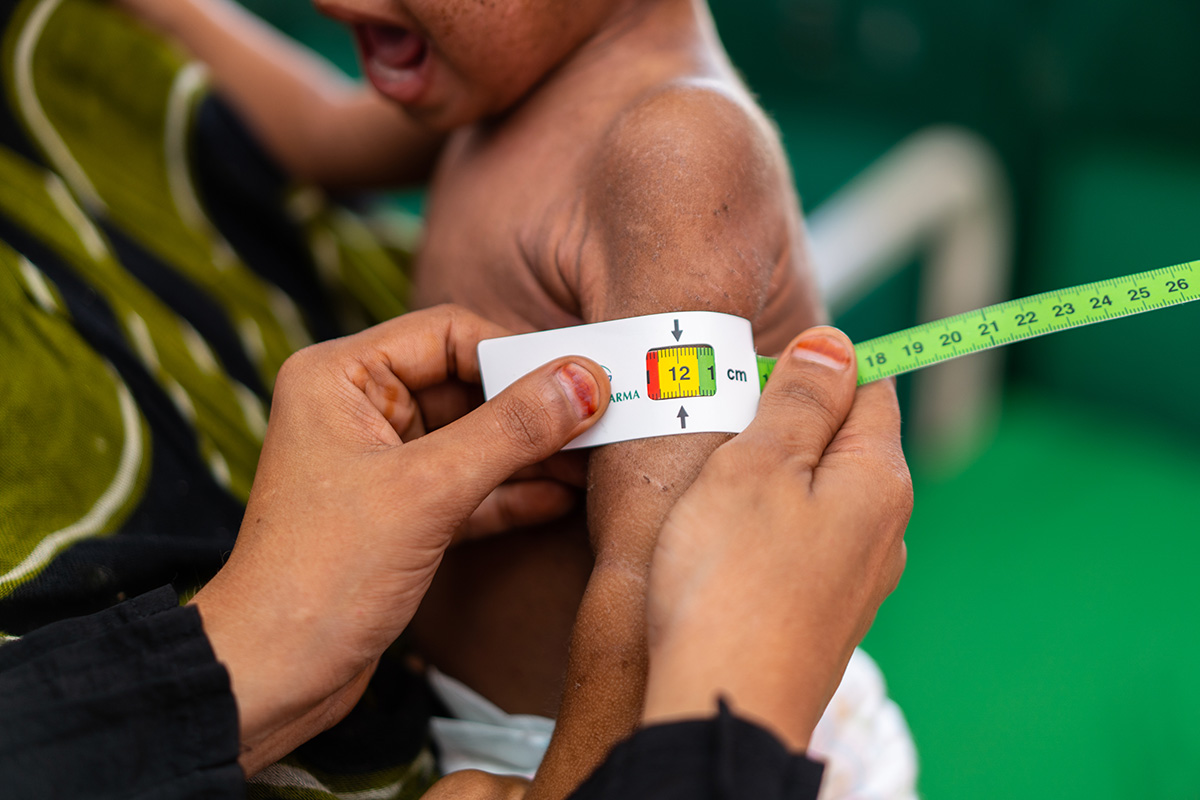 01 June 2025 – The World Health Organization (WHO), in partnership with the Government of the United Arab Emirates through the Khalifa bin Zayed Al Nahyan Foundation for Humanitarian Work (an affiliate of Erth Zayed Philanthropies), and in close coordination with Yemen’s Ministry of Public Health and Population (MoPHP), has launched a comprehensive programme to combat malnutrition in Socotra, a Yemeni island in the Indian Ocean.
Socotra is facing malnutrition challenges driven by food insecurity, as well as repeated outbreaks of cholera, measles and dengue fever. Health and nutrition services are critically under-resourced, placing children under 5 and pregnant and lactating women at extreme risk of preventable illness and death.
The island’s more than 83 000 residents are served by 32 health facilities which are under immense strain. It lacks a central public health laboratory, a functional drug warehouse and a medical prepositioning system, all of which are essential for timely emergency response and sustainable health care delivery.
The fragile health system suffers from a lack of skilled health personnel, essential medicines and emergency readiness mechanisms. Maternal health indicators are alarming, with 92.7% of pregnant women anemic and antenatal care attendance low. Around 37% of children have yet to receive a single vaccine dose. The global acute malnutrition (GAM) rate stands at 10.9% and the severe acute malnutrition (SAM) rate at 1.6%, indicating a serious public health emergency.
“This programme reflects a joint commitment by WHO and the UAE to improving the health and well-being of vulnerable populations, particularly mothers and children, while reinforcing healthcare systems in crisis-affected areas. In partnership with national authorities, we are working to create more resilient, equitable, and responsive health services for the people of Socotra, establishing a foundation for long-term health security on the island and contributing to a stronger and healthier Yemen,” said Acting WHO Representative in Yemen Dr Ferima Coulibaly-Zerbo.
The initiative began with a baseline health and nutrition survey conducted between 24 and 30 May 2025. Over the next two, years the project aims to reduce mortality related to poor health and malnutrition by 20% through an integrated health system strengthening approach. The project aims to:
enhance maternal and child health service coverage in 80% of health facilities within the next 24 months;
strengthen outbreak preparedness and disaster risk reduction by equipping health care facilities and build staff capacity so they can respond effectively to epidemic-prone diseases and cyclone-related emergencies;
establish a multisectoral health and nutrition coordination platform that enables quarterly strategic planning meetings between WHO, UAE, MoPHP and partners;
generate real-time evidence-based data through the baseline health and nutrition survey conducted between 24 and 30 May 2025; and
strengthen routine health information reporting/ system to track progress on service utilization, morbidity and mortality.
“H.E. Mohamed Haji Al Khouri, Director General of the Khalifa Bin Zayed Al Nahyan Foundation for Humanitarian Work, stressed the UAE’s humanitarian and global responsibility to develop communities and enhance critical health services. “This stems from the enduring humanitarian legacy of the late Sheikh Zayed bin Sultan Al Nahyan and the leadership of His Highness Sheikh Mohamed bin Zayed Al Nahyan, President of the UAE. We are determined to effectively address food and health challenges faced by women and children in Socotra, in collaboration with the WHO,” he said.
Al Khouri explained that the Khalifa Foundation, an affiliate of Erth Zayed Philanthropies, would work with the WHO to develop appropriate solutions to nutritional and health challenges using a new survey based on current data. “The joint initiative aims to reduce maternal and child mortality caused by malnutrition through a comprehensive plan of action. This will enhance maternal, infant, and child care services, and improve emergency preparedness and response to epidemics,” he added.“
For media inquiries, please contact:
WHO Yemen Communications Team
Email:
About WHO
Since 1948, the World Health Organization (WHO) has been the United Nations agency dedicated to advancing health for all, so that everyone, everywhere can attain the highest level of health. WHO leads global efforts to expand universal health coverage, direct and coordinate the world’s responses to health emergencies and connect nations, partners and people to promote health, keep the world safe and serve the vulnerable.
Creating safer, more resilient hospitals in Yemen
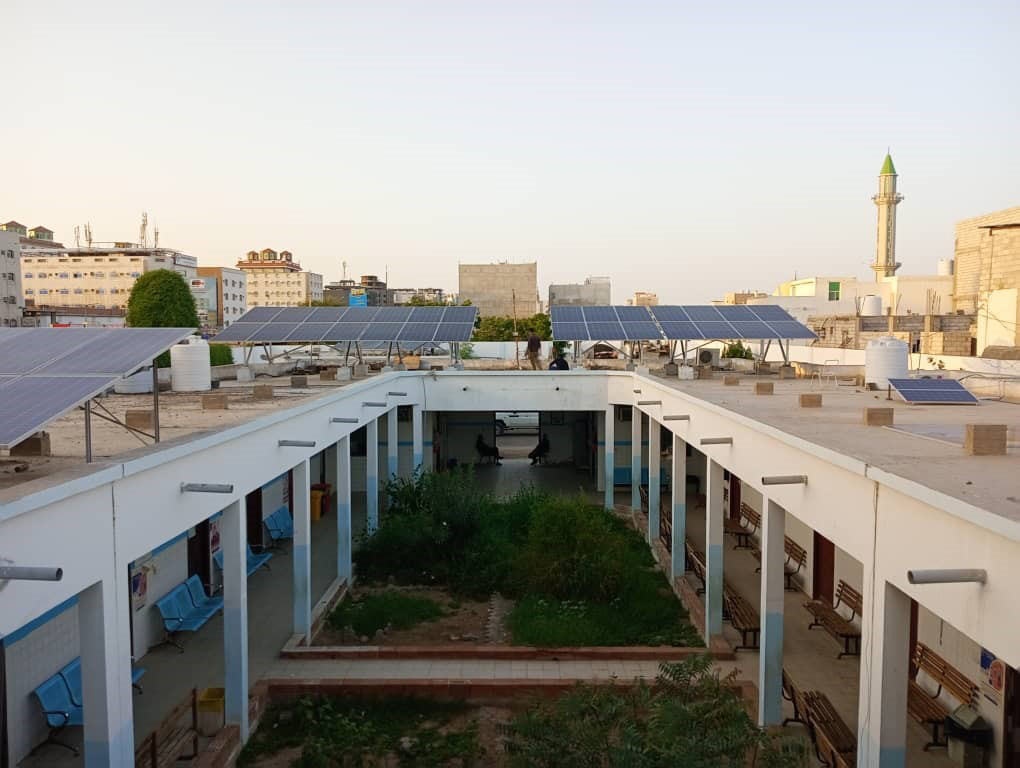 Solar system installation at Hashed Health complex in Aden. Photo credit: WHO Yemen05 May 2026, Aden, Yemen – Hospitals, a cornerstone of functioning health systems, continue to face significant challenges in Yemen due to the ongoing conflict, limited resources, damaged infrastructure and the growing impacts of climate change.
To address these challenges, in 2023 the World Health Organization (WHO) and the Ministry of Public Health and Population launched an initiative to enhance hospital resilience. As WHO Representative to Yemen, Dr Syed Jaffar Hussain, explained: “The initiative aims to build capacities to prepare for and respond to a sudden increase in demand for emergency care during crises, including cyclones, floods and mass casualty events.”
The initiative, supported by the World Bank as part of the Emergency Human Capital Project (EHCP), includes training hospital managers and staff on disaster management concepts and establishing disaster management teams within participating facilities.
 Hospital resilience training to the faculty of medicine in TaizzSo far nine governorate hospitals are participating in the initiative. More than 263 of their staff (50% female) have participated in training. Collectively, these hospitals serve millions of people every year.
To coordinate and roll out the initiative, local trainers have been appointed in each targeted governorate.
Building on orientation and initial training activities, participating hospitals have conducted baseline risk assessments to determine the crises they are most likely to face. Using the WHO operational guide and the Hospital Safety Index, participating hospitals developed improvement plans to enhance preparedness. Hospitals are now implementing these plans using their own budgets, including repairs and maintenance to strengthen safety.
WHO provided online training on the Health Equity Assessment Toolkit (HEAT) in 2024 for more than 70 health workers from 10 governorates across the country. The training targeted emergency room managers, technical managers and quality team leads in hospitals and aimed to better assess emergency room conditions and identify service gaps.
 Resilience committee field visit for the baseline assessment in Ibn Khaldoon hospital in Lahj. Photo credit: WHO YemenAll of this work builds on the success of the hospital care and management programme, previously implemented by WHO with support from the World Bank. Through this programme, more than 1,700 hospital managers and senior health staff across Yemen were equipped with essential skills in leadership, quality of care, and emergency and disaster management, helping to strengthen hospital performance nationwide. Building on these achievements, the same trained staff are now taking part in the hospital resilience initiative, where they continue to strengthen and enhance their skills.
Moving forward, hospitals plan to continue rolling out disaster management training, including drills and post-exercise debriefings. They also hope to invest in better communication systems for internal and external coordination.
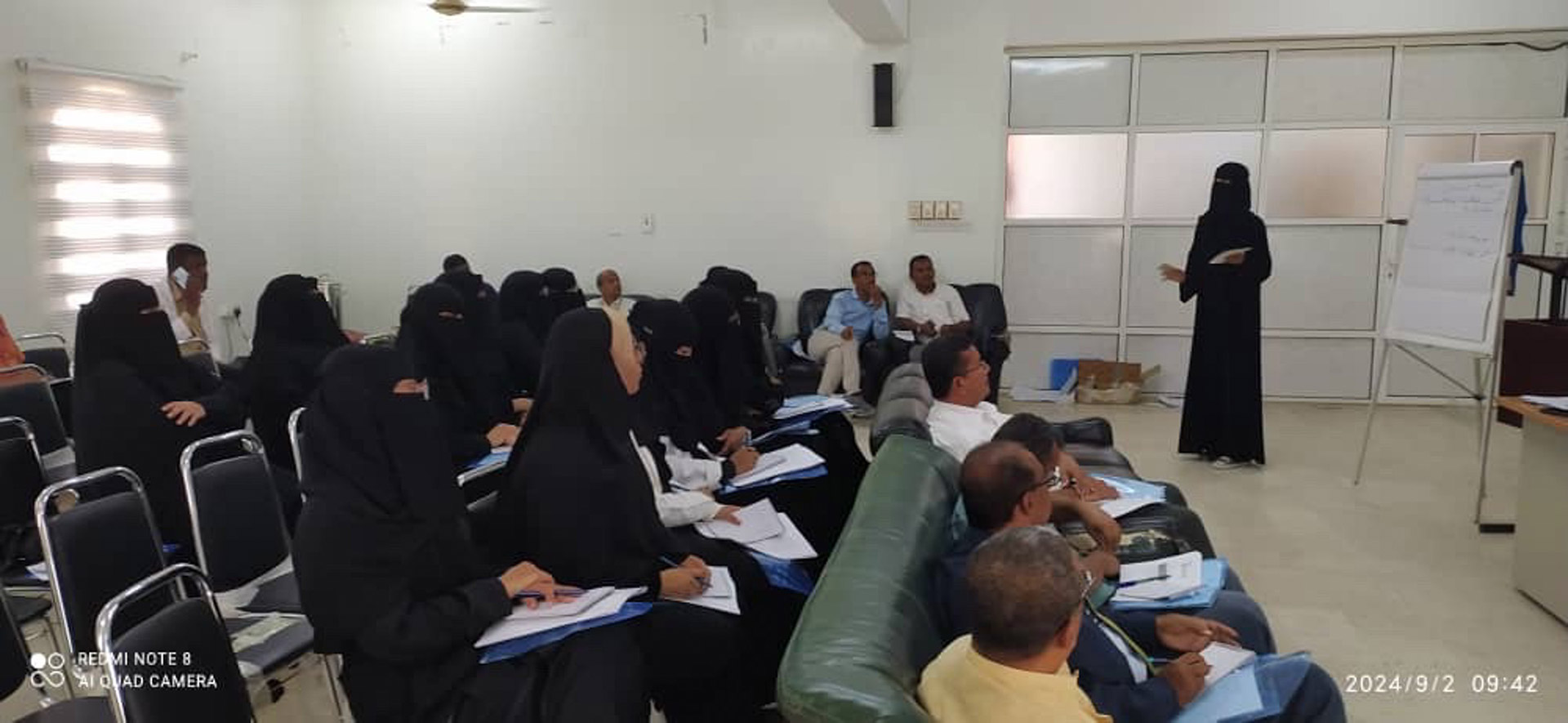 The first hospital resilience training session in Mukalla, Hadramout. Photo credit: WHO Yemn
Given significant challenges in ensuring uninterrupted provision of electricity, water and sanitation services, hospitals are exploring backup systems to maintain essential operations. Hospitals will also seek to improve patient data management, enhance community coordination and provide mental health support for staff and patients in times of crisis.
Learn more:
A lifeline in Mukalla: Ensuring safe blood transfusions for Yemen’s most vulnerable
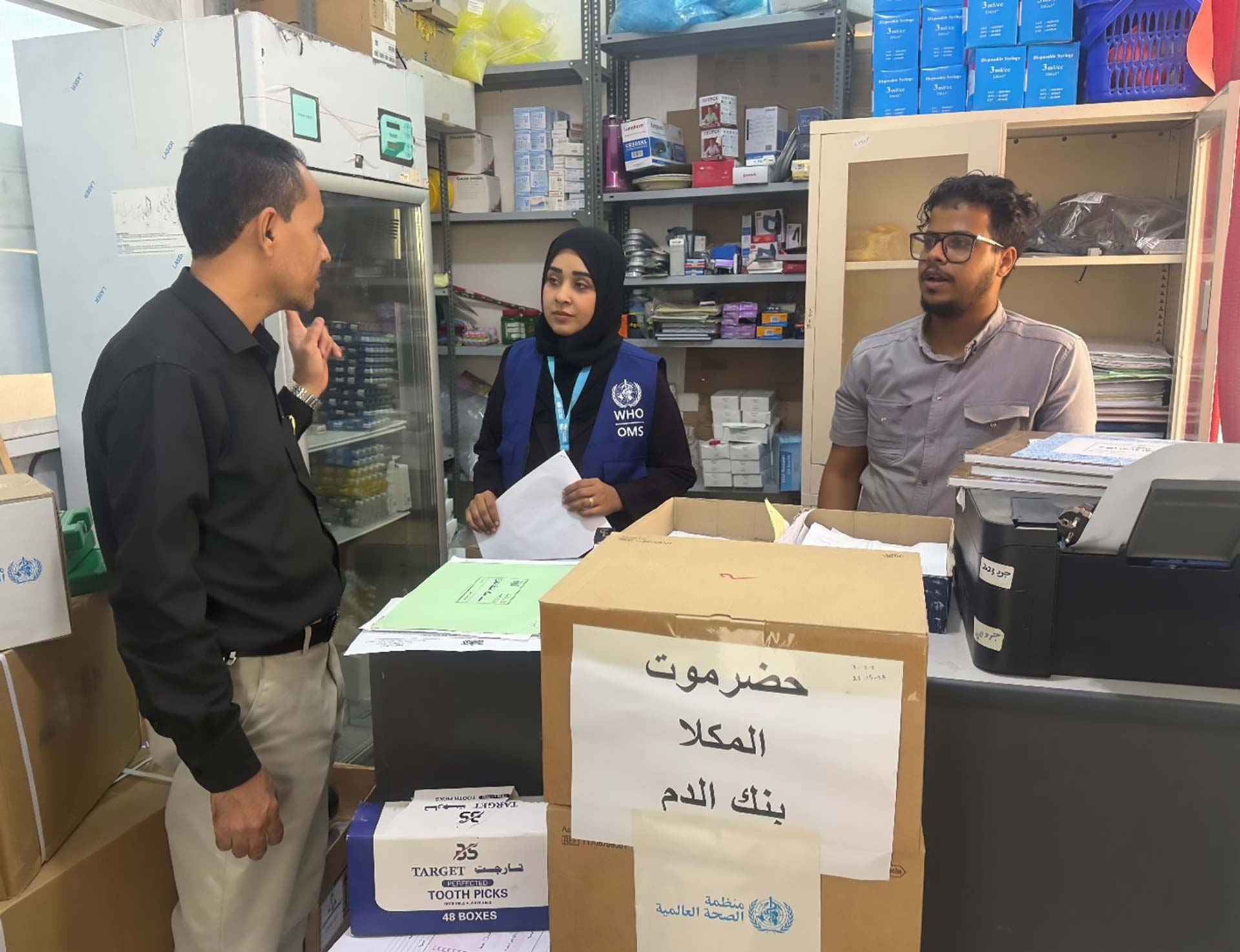 WHO sub-national health cluster coordinator Ms. Khalil Ba-Matraf visits the National Blood Transfusion Centre in Mukalla. Photo credit: WHO Yemen05 May 2026, Mukalla, Yemen – Patients arrive daily at the National Blood Transfusion and Research Centre in Mukalla, including children with thalassemia who need regular transfusions, cancer patients undergoing treatment, and people living with chronic conditions such as kidney and heart disease. For them, and their families, the Centre represents hope, and is a vital lifeline.
With support from the World Bank through the Emergency Human Capital Project (EHCP), the World Health Organization (WHO) is helping sustain these services by providing over 90 percent of the essential supplies, reagents and materials required for blood screening. This support enables the Centre to continue delivering safe and reliable services.
Behind the scenes, health workers screen every unit of donated blood for infectious diseases, to ensure it is safe for transfusion. This process protects patients from serious health risks and reinforces confidence in the care they receive.
“For many patients, access to safe blood is a matter of life and death. Ensuring access to safe blood is a cornerstone of resilient health systems,” said WHO Representative in Yemen, Dr. Syed Jaffar Hussein. “Through our partnership with the World Bank, WHO remains committed to supporting essential health services in Yemen and safeguarding the lives of the most vulnerable populations.”
This support allows the Centre to provide transfusion services free of charge, easing the financial burden on families who already face significant hardship. For many, it makes the difference between accessing treatment and going without it.
The steady provision of supplies allows the Centre to operate without interruption, ensuring patients can access care when they need it, without fear of delays or shortages.
The National Blood Transfusion and Research Centre in Mukalla demonstrates what sustained support can achieve. Through the partnership between WHO and the World Bank, thousands of lives are being protected.
A vital health service continues to offer hope to those who depend on it every day.
