


اختر لغتك

Yemen’s children grasp life amid the crisis
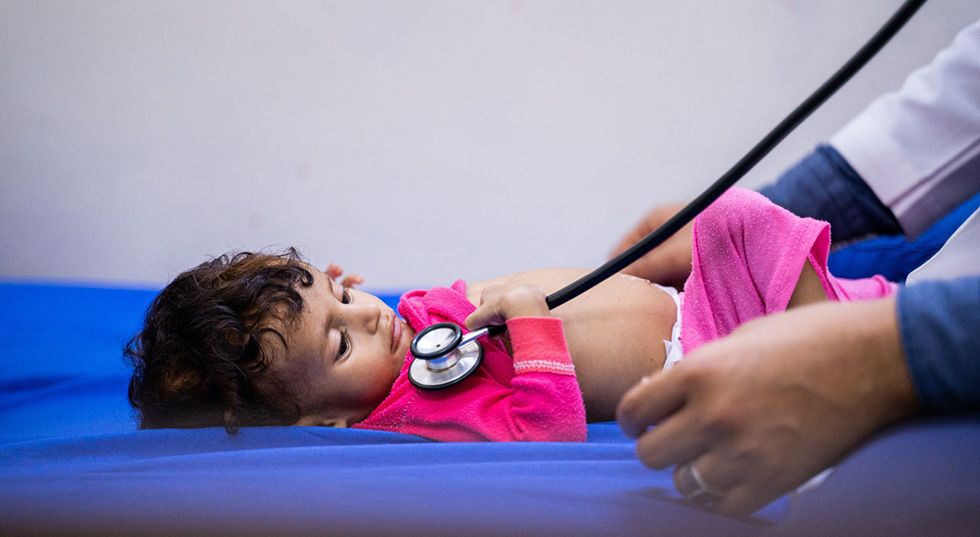
11 February 2024 – In war-ravaged Yemen, children’s lives are overshadowed by poverty, malnutrition, and diseases, robbing them of a carefree childhood. An estimated 5 million children in the country are acutely malnourished.
Behind this number are the individual stories of children facing malnutrition, families struggling to afford treatment, and journeys made to seek help. Families in Yemen not only struggle to keep their children safe from war but also from death from hunger and disease as a result of poverty made worse by the ongoing crisis. At the same time, the health system is crumbling under the weight of the conflict.
Yemen’s conflict-driven economic and humanitarian crisis has shattered the country’s health system, disrupting basic health services at health facilities across the country. With the system unable to address the increasing emergence of diseases, families are left struggling to access basic medical care.
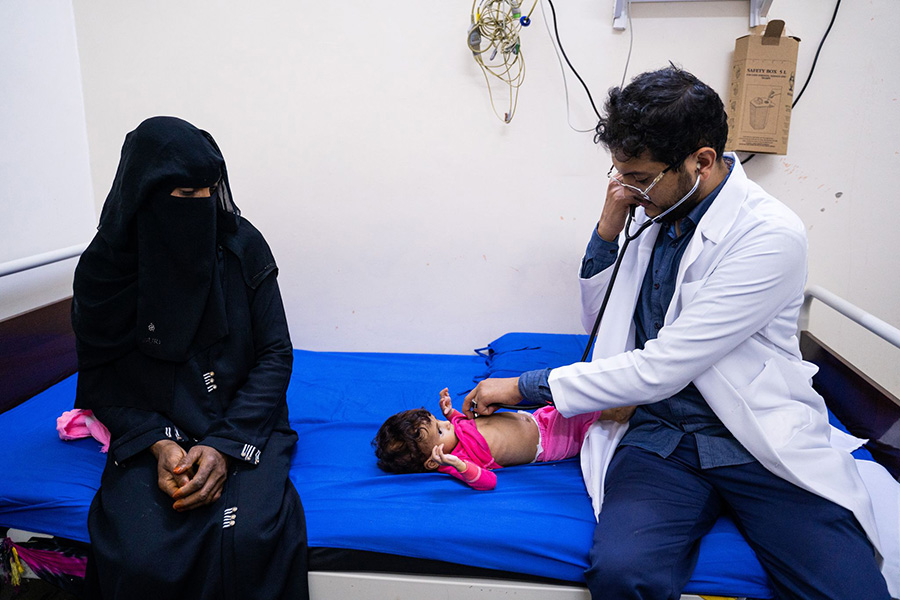 Dr Jamal Al Babeli, a dedicated doctor at the therapeutic feeding centre (TFC) at Bajil Hospital, Hudaydah governorate, embodies the hope that persists amid this despair. Fuelled by an ambition to become a doctor and his passion to elevate the country’s health standards, Dr Al Babeli realized his dream and completed his medical studies, even amid the difficulties in Yemen. Despite continuing to face immense challenges, he fights tirelessly to save the lives of children ravaged by malnutrition and disease.
Dr Al Babeli works within a network of 4 TFCs supported by WHO through its support from the Central Emergency Response Fund (CERF). These centres provide life-saving nutrition interventions, essential medical supplies, oxygen and safe water to children suffering from malnutrition, dehydration and other illnesses.
In the second half of 2023, up to 1876 children were admitted, many from remote areas with limited access to health care. Cases often exceed capacity, forcing referrals to other strained facilities. Some children are admitted with dehydration or at a stage that is close to critical because of their family’s inability to have them brought to the hospital on time. Critical life-saving emergency care is then needed to save the children’s lives.
During the same period, 1876 children aged under 5 years were treated and their caregivers benefited from counselling. In addition, to ensure detection and referral to prevention or treatment, about 8703 children aged under 5 years were screened for different forms of malnutrition. Acute malnutrition was identified in 40% of these children, who were then referred to therapeutic feeding programmes for treatment.
“We couldn’t stand by helpless – quality care was provided at no cost,” said Dr Al Babeli, sharing the moving case of a child in critical condition, whose family was unable to afford treatment. “Most admitted children – 99% – cannot afford treatment. Thanks to collaboration like WHO and CERF, it’s free, significantly reducing the death rate.”
Free-of-charge treatment has significantly reduced mortality rates, highlighting the impact of the WHO–CERF project. Cost of treatment is not the only hurdle, though: reaching the TFC can also be costly for families, who must divert already scarce resources from basic needs to do so. WHO-supported transportation assistance eases this burden. WHO buys and distributes admission kits and covers transportation costs for caregivers, easing their financial burden.
To ensure children’s long-term health, counselling sessions equip families with essential knowledge on proper nutrition and feeding practices, and how to follow up with the outpatient therapeutic feeding programme to get medication if needed. WHO also supports early childhood development activities in baby-friendly spaces to enhance the recovery progress of young children.
Through this collaboration, nearly 112 paid medical workers who provide life-saving care have received crucial training to strengthen quality service delivery. The free services have demonstrably reduced the death rate for malnourished children by offering a lifeline to families who cannot afford treatment for their children.
Dr Al Babeli himself has benefited from on-the-job training, gaining specialized skills in the treatment of malnourished children. “I became more confident in my work,” he explained. “Working at the TFC has given me a new set of skills and knowledge. I have learned clinical diagnosis and methods of treating malnourished children, who differ from other children in terms of criticality of the cases.”
“My experience in dealing with malnourished children made me more passionate about elevating the level of health. Having the ability to save a child affected by malnutrition and disease ... is worth the life itself,” declared Dr Al Babeli. His dedication, fuelled by passion, offers hope in Yemen’s fight for a healthier future for its children.
With CERF support, WHO has addressed the needs of children suffering from the complications of severe acute malnutrition. It has also provided health care for patients referred from the community and other health structures by supporting referral hospitals in 3 districts. WHO also provided essential medicines, medical supplies and rapid diagnostic tests and supported disease surveillance through rapid response teams in the targeted districts to detect and urgently respond to outbreaks. More than 22 000 patients benefited from the health and referral services provided by WHO and its national nongovernmental organization partners.
WHO Yemen concludes KSrelief-funded project to provide life-saving services, through the installation of 5 oxygen stations
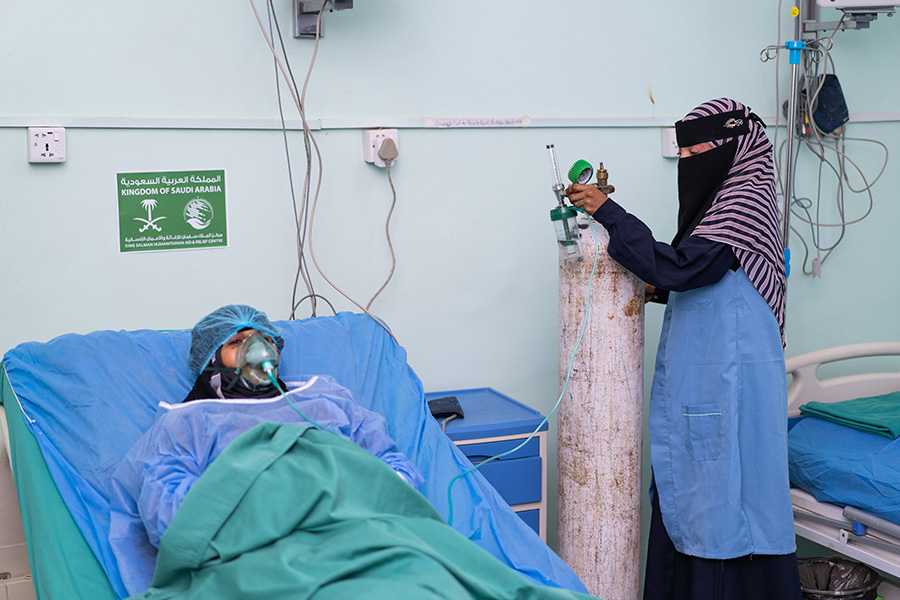 29 January 2024, Aden, Yemen – WHO and Yemen’s Ministry of Public Health and Population have successfully implemented a project entitled “Provide Life-saving Services in Selected Hospitals in Yemen through the Installation of 5 Oxygen Stations”. The project was made possible thanks to generous funding from King Salman Humanitarian Aid and Relief Centre (KSrelief).
From March 2022 to October 2023, the project installed 5 oxygen stations in strategic locations in Abyan, Al Maharah, Hadhramaut, Marib and Shabwah governorates. This collaborative effort between WHO and KSrelief reflects a shared commitment to strengthen health systems in Yemen and exemplifies resilience-building through ensuring health service continuity in targeted hospitals.
The 5 oxygen stations now supply critical oxygen to hospitals and cater to the oxygen needs of 88 nearby health centres. This has significantly enhanced the health infrastructure in remote districts, especially in high-risk areas.
Oxygen network piping systems were also set up as part of the initiative, to bring the oxygen from the production site directly to the wards of the relevant hospital. In addition, 21 technical and hospital personnel were trained on station maintenance, and a monitoring system was put in place to ensure the effectiveness of the overall effort.
To date, nearly 236 000 beneficiaries from the communities next to the hospitals have benefited, with an estimated 85 454 patients receiving essential oxygen therapy. These figures highlight the profound impact on patients in need, emphasizing the life-saving nature of the project.
“On behalf of WHO Yemen, I would like to express our deepest gratitude for the funding received from KSrelief,” said Dr Arturo Pesigan, WHO Representative in Yemen. “This project has not only enhanced the financial efficiency of oxygen supply to health care facilities but also improved access to consistent medical oxygen in prioritized governorates through strategic procurement and deployment. This emphasizes the commitment to sustainable and accessible health care solutions for communities in need.”
Mr Naif Asiri, Assisting Director, KSrelief Aden branch , said: “King Salman Humanitarian Aid and Relief Centre has played a crucial role, in collaboration with the World Health Organization, in bolstering health care services by supporting programmes and projects that encompass various institutions within the health care sector in Yemen. Oxygen stations stand out as vital projects with significant impact, functioning to supply government hospitals across 5 Yemeni governorates. These stations, with their production capacity, contribute to the enhancement of health services within the corresponding health departments.”
“We highly appreciate the partnership with the World Health Organization in the implementation of the project to support oxygen stations in Yemen – the second phase. Additionally, we acknowledge the commendable efforts of the Yemeni Ministry of Public Health and Population in overcoming challenges associated with the project,” added Mr Asiri.
The successful collaboration between WHO, the Ministry of Public Health and Population and KSrelief supports the sustainable presence of oxygen in the 5 governorates for the people of Yemen. It also sets a precedent for future collaborative efforts in health infrastructure development.
KSrelief has been one of the largest contributors to the Yemen Humanitarian Response Plan since 2017, having contributed over US$ 320 million to WHO in support of humanitarian and health response operations.
Empowering lives: impactful oxygen station on-the-job training
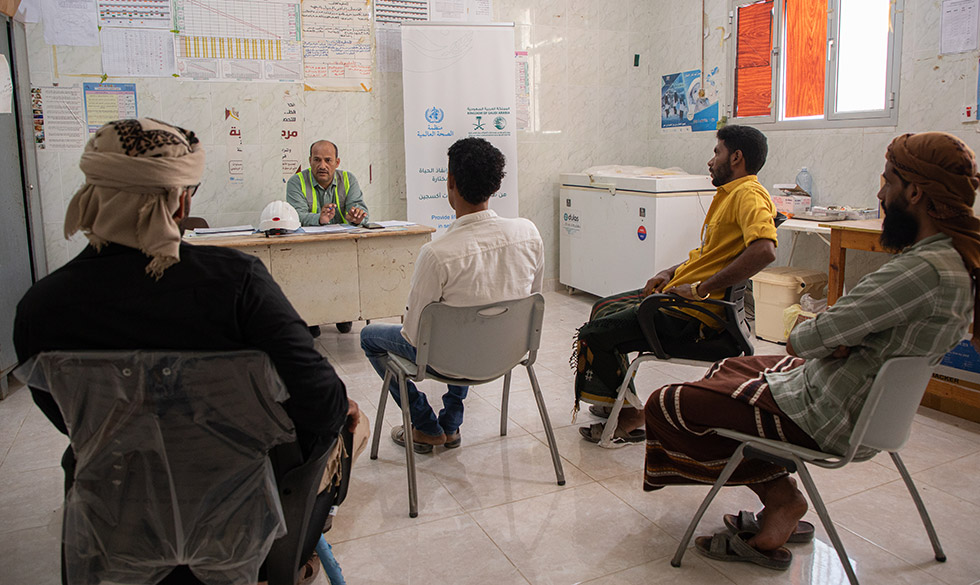 Training under way in Tarim district, Hadhramaut governorate. Photo credit: WHO
29 January 2024 – With funding received from King Salman Humanitarian Aid and Relief Centre (KSrelief), WHO has set up 5 life-saving oxygen stations in hospitals across 5 key governorates in Yemen. This impactful project has involved a series of crucial activities, including provision of electric generators, construction of structure for oxygen station equipment, procurement and installation of oxygen plants, implementation of an oxygen network piping system to distribute medical oxygen to the wards in each hospital, and training of 21 skilled technical workers.
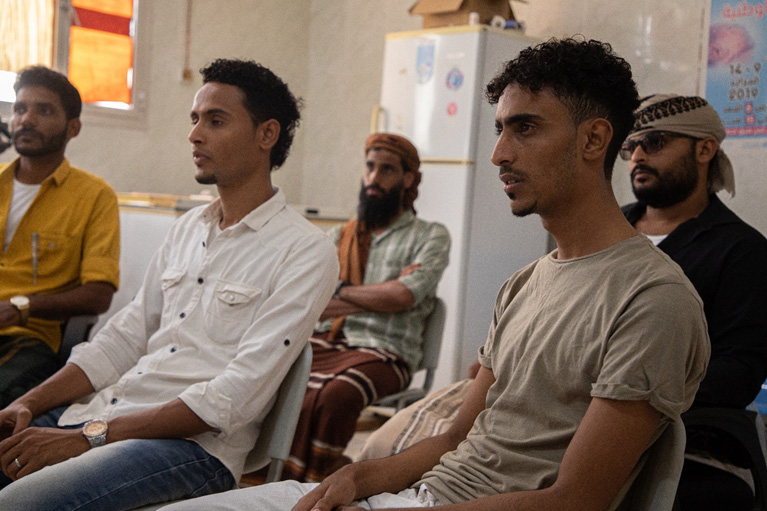 Contractor Mr Hashim Aidroos (front row, right) in the training session. Photo credit: WHOMinistry of Public Health and Population engineers thoroughly inspected the oxygen stations before they were officially handed over to the hospitals. The oxygen stations are now playing a vital role in supplying medical oxygen to the hospitals, ensuring a lifeline for those in critical need. An integral part of the project was the 3-day training provided to the technical workers from the 5 hospitals. This on-the-job training ensures the efficient functioning and delivery of oxygen services at these crucial health facilities.
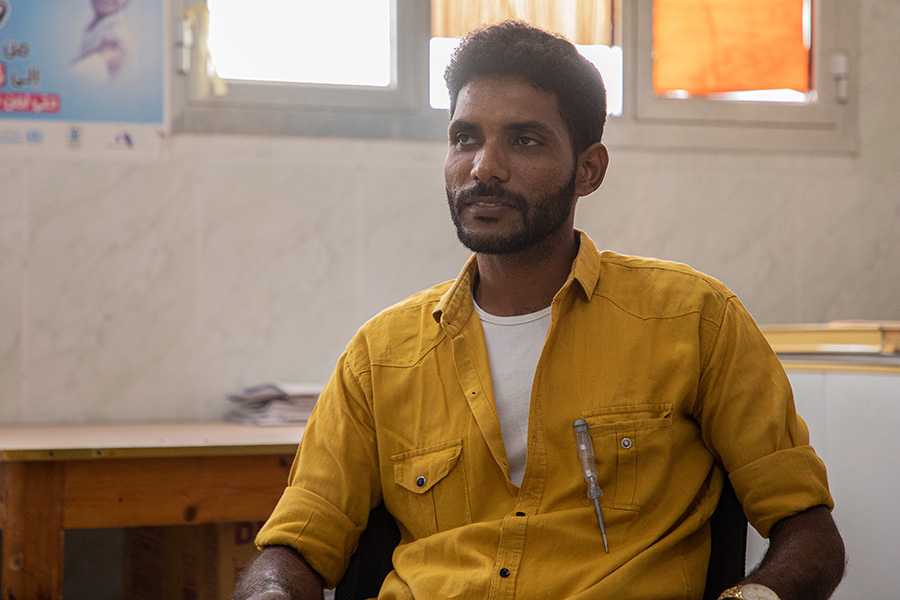 Maintenance technician Mr Ahmed Ali during the training session. Photo credit: WHO“The training session on the oxygen station today was incredibly insightful,” said contractor Mr Hashim Aidroos. “I gained a comprehensive understanding of the oxygen’s source, its various types and its crucial role in sustaining both humanity and hospitals. Recognizing its significance for patients, I personally believe we need more of these stations to alleviate overcrowding and enhance health care services.”
“This station saves time and costs, being here in Qishn,” he added. “We, as contractors, are committed to fortifying its operations, fostering collaboration and ensuring its continued success. From our experience and discussions with people we know, the impact has been tangible.”
Added another trainee, Mr Ahmed Ali, a maintenance technician: “We learned the sophisticated process of extracting oxygen from nature, mastering the techniques of filtration and purification to fill cylinders with pure oxygen. This visionary project is designed to cater not only to our district, but I personally see it as a great step to the whole of Yemen.”
“The joy is immeasurable when witnessing a patient’s recovery,” he went on to say. “As the oxygen station commenced its operations, a moment of divine satisfaction embraced us, marking balance and independence from external oxygen sources.”
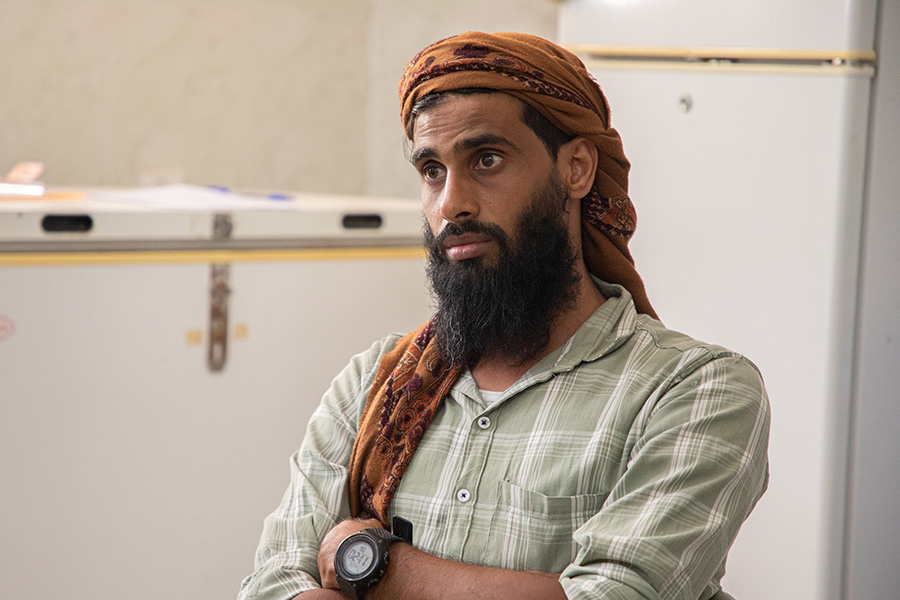 Mr Abdullah Khalid Shallal, a dentist, also found the training very useful: “The training was valuable for us, equipping us with essential skills in operating machines, filling cylinders, and exercising caution due to the presence of flammable materials. Before the establishment of the oxygen station, obtaining oxygen was a constant struggle, relying on donated cylinders. Now, with the station in operation, we are not only self-sufficient but can also provide oxygen to others.”
“Grateful for the oxygen station, we aspire to extend these services throughout Yemen, fostering the development and enhancement of the country’s health department,” he continued.
“Witnessing a patient’s recovery and improvement is an indescribable joy. The arrival of the oxygen station is a blessing,” said Mr Shallal. “We hope for its expansion, offering more stations, services and additional health care departments. This, we believe, will contribute to the overall advancement of the health sector.”
Lifeline of hope: health care in remote areas is enhanced by the KSrelief oxygen station
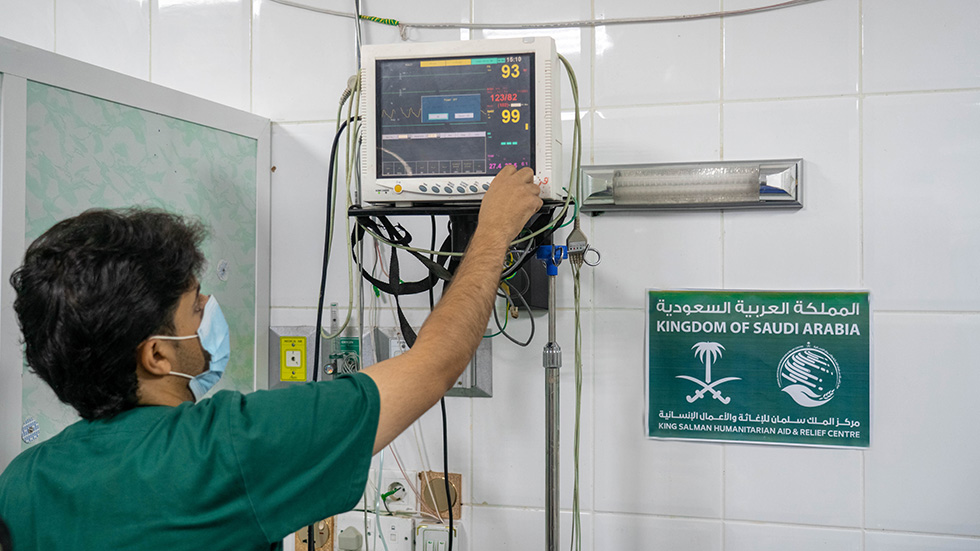
28 January 2024 – Nestled in the remote reaches of Bayhan district, Shaheed Al Defaiaah Hospital is a vital element of health care provision. In this isolated part of Yemen, this hospital provides access to medical care at reasonable prices, making it a lifeline to local communities.
The hospital plays a crucial role in facilitating the urgent transfer of patients who require complex and specialized treatment while ensuring that others in need receive timely and proper care.
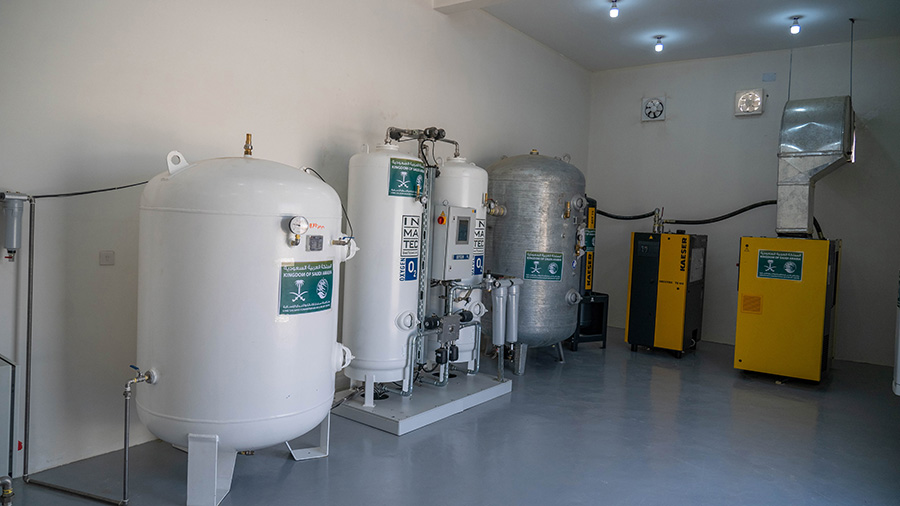 Given this critical mission, the support from King Salman Humanitarian Aid and Relief Centre (KSrelief) to establish an oxygen station at the hospital benefits not only the district but also the entire Shabwa governorate . The new station ensures a steady and reliable supply of oxygen to those in desperate need.
"The oxygen station replaced the previous practice of transporting oxygen from nearby districts, providing a more sustainable solution for Bayhan district,” said Emergency Department Manager Dr Mohammed Tawfiq Sheikh Al-Fatmi.
From struggle to hope: Al-Akhdar Hadi’s encounter with the oxygen station
In Alghariqa village in Bayhan, Mr Al-Akhdar Saleh Ahmed Hadi , a resilient 30-year-old asthma patient, vividly shares the uphill battle his family has faced due to the relentless grip of asthma. “Asthma appears to run in my family,” he said. He went on to describe the severe breathlessness that he endures when exposed to dust or the smoke from burned incense.
Both Mr Hadi and his mother are asthma patients and require oxygen supply from time to time. Unfortunately, this essential resource has often been unavailable owing to oxygen shortages in the area. These frequent shortages have left patients like Mr Hadi and his mother gasping for air during distressing asthma attacks.
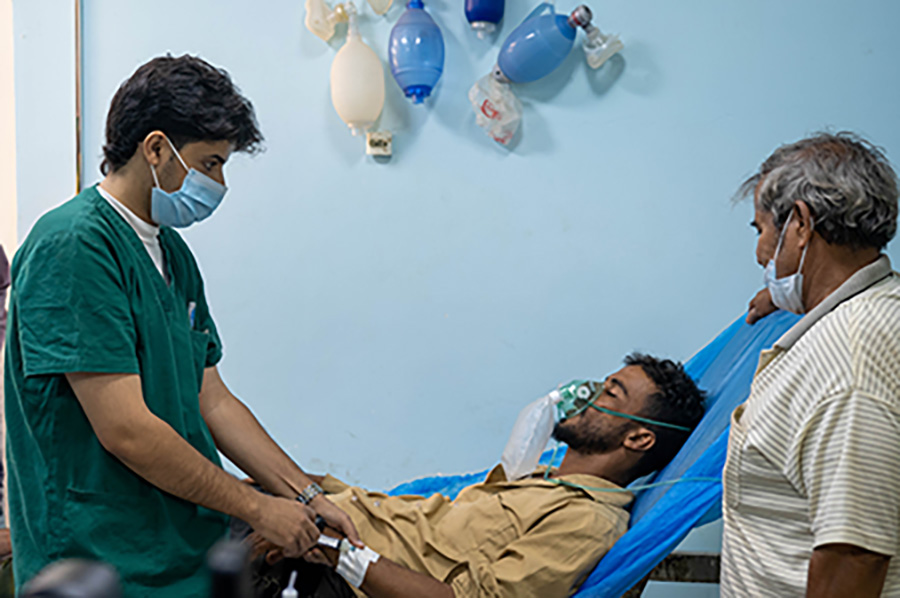 “Asthma is a relentless adversary for my family,” Mr Hadi stressed. “My mum and I need a supply every now and then – especially during dusty weather – which we sometimes could not find.”
The setting up of an oxygen station in the area, with the aim of supporting all patients like Mr Hadi, has transformed the situation. Oxygen availability has increased, lessening the struggles faced by both patients and health workers, especially in critical asthma and stroke cases . “The station alleviated many of the struggles for health care providers and patients, as oxygen is mostly used and is a crucial medical supply, and the presence of the station alleviated the concerns we used to have before,” said Dr Al-Fatmi .
“I’m glad that we will finally be able to find the oxygen when needed the most. I feel more secure for myself and my family,” concluded Mr Hadi.
The oxygen station project surpasses mere oxygen provision – it signifies a commitment to make oxygen available to all , whenever it is needed. The community has felt the positive effects of the project, confirming that the project has exceeded expectations in all the geographic areas it has managed to reach. The improved accessibility to oxygen has emerged as a lifeline for vulnerable families in dire need of this essential service.
