


18 February 2026 – In 2025, between March and October, as conflict intensified across Yemen, repeated air and naval strikes placed immense pressure on health facilities in Sana’a, Hodeida, Taiz and other affected governorates. Hospitals experienced a surge in trauma cases, critical shortages of essential medical supplies and disruptions to emergency referral services – severely constraining access to life-saving care for communities caught up in the violence.
In response, the World Health Organization (WHO) rapidly scaled up its emergency response to sustain critical health services across the country. It delivered more than 3210 metric tons of essential medical supplies, including intravenous fluids, trauma emergency surgical kits, interagency emergency health kits, blood bags and laboratory reagents to major hospitals nationwide. These supplies enabled health facilities to continue emergency surgeries, blood transfusions and essential diagnostic services during peak periods of need.
To further reinforce emergency care, WHO provided support to 12 surgical teams across 8 governorates and strengthened referral pathways by funding the operation of 13 ambulances in Sana’a, Hodeida and Taiz. In parallel, 432 health workers were trained in mass casualty management and basic life support, while a 1-year national emergency medical teams framework was developed to strengthen coordinated emergency response.
Following further escalation in the southern governorates in December 2025, WHO delivered an additional 2.8 metric tons of trauma and emergency health kits, supporting 1900 surgical interventions and care for 20 000 patients. WHO also provided fuel to 11 health facilities in Hadramout, ensuring the continuity of life-saving services amid power disruptions.
“WHO’s support has enabled our surgical team to provide better care to patients arriving with severe trauma or in critical condition. Despite ongoing challenges and shortages, this support allows us to save lives every day. With continued investment in medicines, equipment and trained staff, we can strengthen this emergency centre and ensure life-saving care for the community,” says Dr Abduljaleel Hasan, an anaesthesia technician with the surgical emergency team Al-Thawra Hospital in Taiz.
As conflict persists and needs continue to rise, protecting Yemen’s health system is a life-saving imperative. Sustained, flexible funding is urgently needed to keep hospitals functioning, maintain emergency referral services and ensure health workers can respond swiftly to future escalations and save lives.
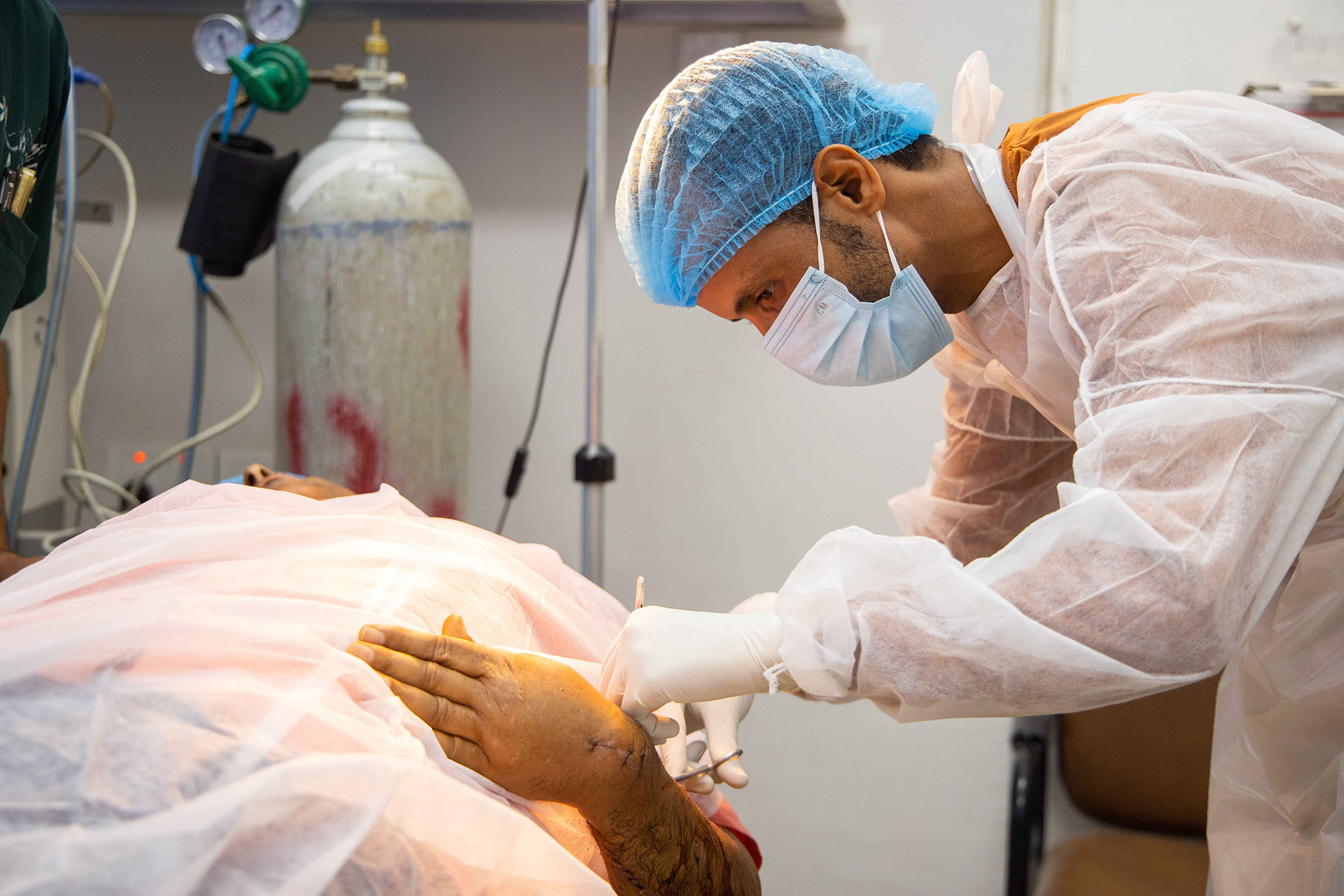 The medical team at Al-Thawra Hospital performs a surgical operation. Credit: WHO Yemen/2025
Protecting health amid floods and disease risks
In August 2025, heavy rains and flash flooding swept across 10 governorates in Yemen, compounding an already fragile humanitarian situation and sharply increasing public health risks. Floodwaters damaged infrastructure, displaced families and created conditions conducive to the spread of water-borne and vector-borne diseases, placing severe pressure on overstretched health facilities struggling to meet rising needs.
In response, the World Health Organization (WHO) rapidly mobilized life-saving support to sustain essential health services and prevent secondary health emergencies. WHO supported major hospitals with 136 metric tons of essential medicines and medical supplies, 108 units of critical medical equipment and 139 810 bottles of intravenous fluids, enabling health facilities to provide timely treatment for 27 762 patients affected by injuries, acute illnesses and complications linked to flooding.
To mitigate the heightened risk of disease outbreaks, WHO strengthened entomological surveillance and supported preventive interventions, including the provision of malaria and dengue medicines, rapid diagnostic tests and insecticides for indoor residual spraying and larvicidal campaigns in high-risk areas. These measures helped reduce transmission risks and supported early detection and response to priority diseases.
As climate-related emergencies continue to increase in frequency and severity, sustained and predictable support remains critical to protect lives, prevent outbreaks and strengthen Yemen’s capacity to anticipate, withstand and respond to future climate shocks.
 Floodwaters inundate a residential area in Yemen, leaving standing water and debris that pose health and safety risks for affected communities. Credit: WHO Yemen/2025
Strengthening disease surveillance and outbreak response
Amid fragile health conditions, WHO strengthened Yemen’s capacity to detect, prevent and respond to recurrent disease outbreaks during the year. WHO provided technical and operational support to disease surveillance and rapid response teams, including 1974 rapid response kits, enabling 1565 staff at central, governorate and district levels to verify alerts, investigate outbreaks and deliver early response interventions. WHO also supported the Electronic Integrated Disease Early Warning System and sentinel sites nationwide to strengthen epidemiological data collection and verification.
To improve cholera case management, WHO supported the operation of 27 diarrhoea treatment centres, managing more than 56 600 severe cholera cases, and trained 781 health workers on integrated outbreak case management.
“At the peak of the cholera outbreak, WHO’s support allowed us to treat severe cases quickly and effectively,” says Dr Saleh Al-Dobahi, technical supervisor at Al-Saddaqa Hospital, Aden. “With the medicines, supplies and training provided, we were able to save lives that would otherwise have been lost.”
WHO further strengthened outbreak prevention through supporting Yemen’s first national risk communication and community engagement strategy and oral cholera vaccination campaigns that reached over 3 million people. As disease threats persist, sustained and flexible funding is critical to maintain surveillance, rapidly contain outbreaks and protect lives across Yemen.
 Photo caption: A cholera patient receiving care from medical staff. Credit: WHO Yemen/2025
Strengthening emergency preparedness
To strengthen Yemen’s preparedness for public health emergencies and emerging disease threats, WHO enhanced integrated, multisectoral coordination through the One Health approach, while reinforcing public health emergency operations centres (PHEOCs). WHO provided technical support to activate multisectoral One Health coordination mechanisms, strengthening core International Health Regulations (IHR) and Performance of Veterinary Services (PVS) capacities, with a focus on surveillance, laboratories and workforce development. The activation of the Zoonotic Diseases Technical Committee further improved early warning and information sharing among health, veterinary and environmental stakeholders.
In parallel, WHO supported emergency coordination by building the capacity of 33 national professionals on incident management through PHEOCs and initiated preparations for training on electronic public health emergency management to strengthen emergency reporting and event-based surveillance systems.
As health threats become increasingly complex and interconnected, sustained investment in coordinated preparedness systems is essential to protect communities, detect risks early and ensure rapid, effective responses to future public health emergencies in Yemen.
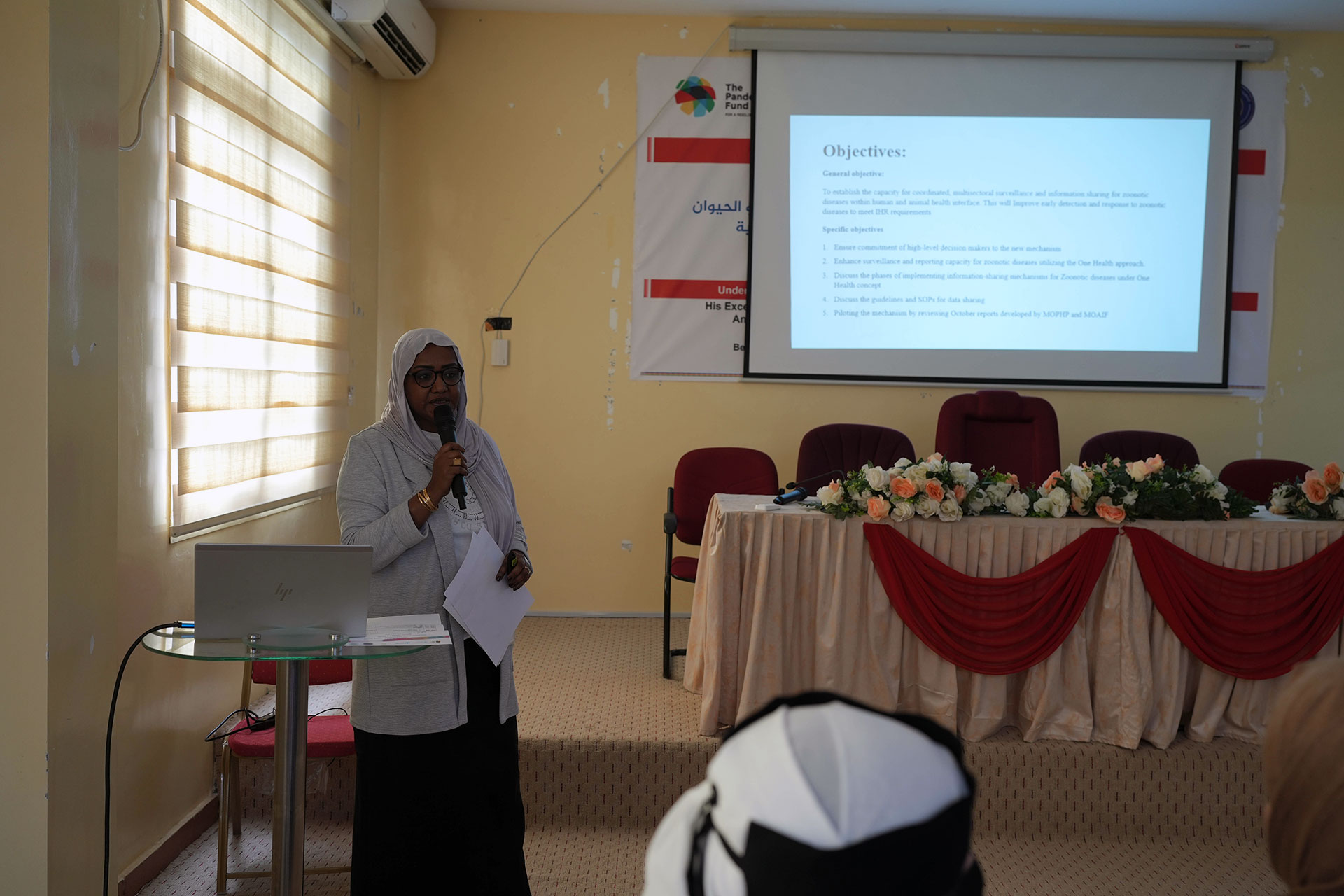 One Health workshop on information-sharing mechanisms for zoonotic diseases. Credit: WHO Yemen/2026
Strengthening laboratory and blood bank services
To enhance disease detection and ensure life-saving diagnostic and transfusion services, WHO strengthened public health laboratories and blood banks across Yemen during 2025.
WHO fully equipped 12 laboratories with essential diagnostic machinery, reagents, media and consumables, as well as integrated solar power systems to ensure uninterrupted laboratory operations amid chronic power disruptions. Field assessments were also completed to support the upgrading of general laboratories in Socotra and Al-Baidha governorates to full central public health laboratory status.
Supplies were secured for the specialized diagnosis of cholera, diphtheria, dengue and other respiratory and arboviral threats, including molecular tests, culture media and antimicrobial sensitivity testing kits. Capacity for water and food testing was strengthened to address the underlying drivers of recurrent outbreaks.
In parallel, WHO ensured a continuous supply of blood bags and consumables to blood banks, supporting trauma care and emergency surgeries.
“Strengthening laboratory and blood bank capacity is fundamental to early detection and effective response to health threats,” says Dr Wahid Al-Bakhishi, General Director of central public health laboratory in Aden. “WHO’s support has significantly improved our ability to deliver reliable diagnostics and life-saving services, even under extremely challenging conditions.”
WHO also supported the capacity-building of 240 laboratory professionals, including in the use of digital systems. Sustained investment is essential to safeguard surveillance systems, sustain critical services and protect lives across Yemen.
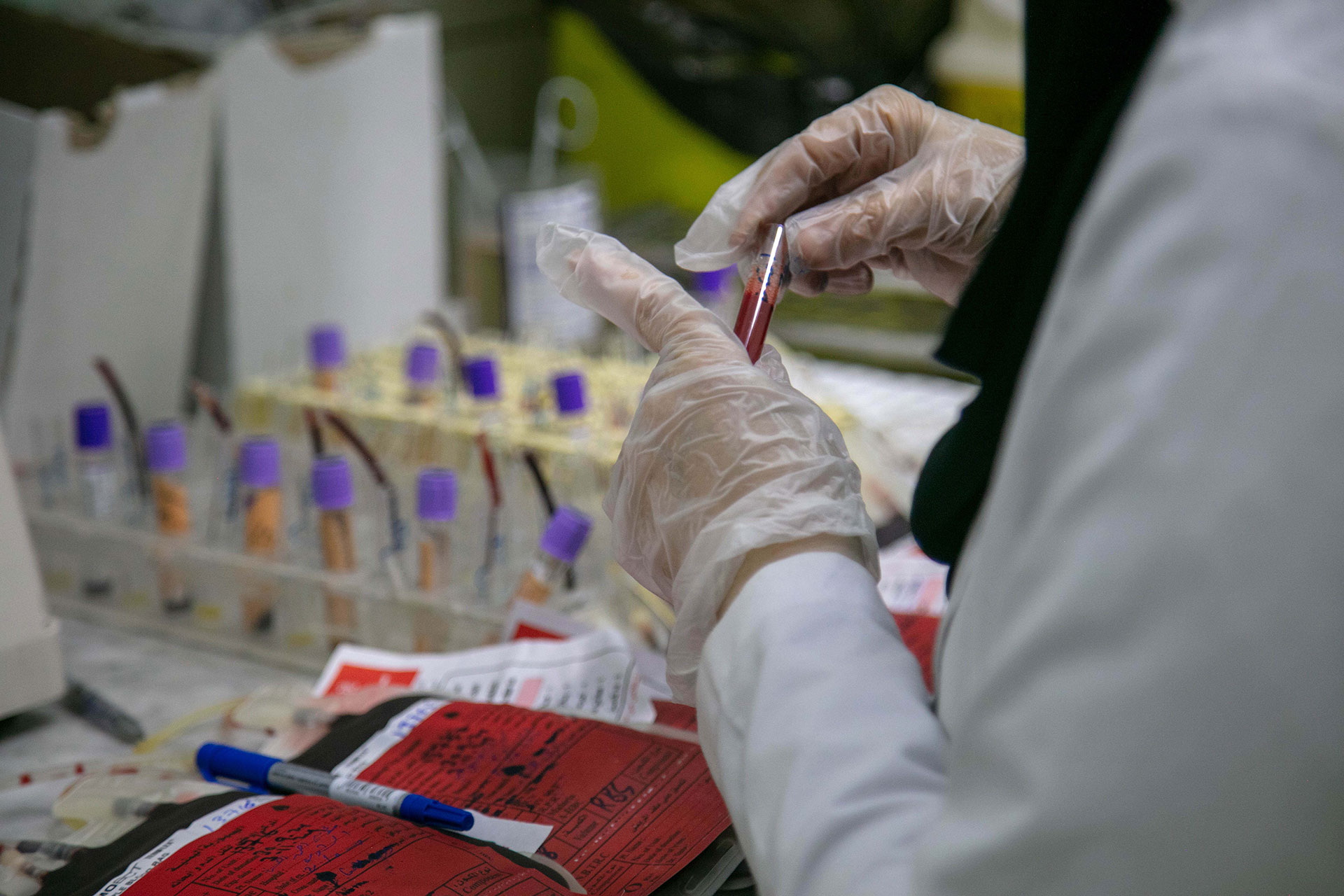 Blood samples being processed for testing. Credit: WHO Yemen/2025
Saving lives where care must not stop
During 2025, WHO provided a direct lifeline support of essential utilities to the referral health facilities across Yemen, ensuring continuity of life-saving care. This included the delivery of approximately 3.96 million liters of medical oxygen to 52 health facilities in northern governorates, supporting the treatment of critically ill patients and emergency cases. To sustain facility operations and power generators for essential medical equipment, WHO supplied around 4.33 million liters of fuel to 177 health facilities nationwide (129 in the north and 48 in the south). In parallel, to strengthen infection prevention and control and maintain a safe care environment, WHO delivered approximately 41.27 million liters of safe water to 68 health facilities.
The health facilities supported through this intervention constitute a critical backbone of Yemen’s healthcare infrastructure. Collectively, they serve a catchment population of more than 20 million people across all governorates, providing a substantial level of clinical capacity, including approximately 12,000 inpatient beds, 1,079 ICU beds, and 1,011 nursery units. This scale highlights the powerful multiplier effect of the intervention: by ensuring the continuous operation of these strategically important facilities, WHO’s support for essential utilities safeguarded sustained access to both advanced and routine medical care for millions of Yemen’s most vulnerable people. The provision of fuel, safe water, and medical oxygen was the essential catalyst that enabled these facilities to sustain their life-saving functions. This foundational support translated directly into uninterrupted access to care for an estimated five million vulnerable people during the reporting period. Continued facility operations made it possible to deliver more than 6,744,736 medical consultations, safely admit and treat over 341,186 inpatients, and perform approximately 115,664 surgical procedures. Crucially, this support protected maternal and newborn survival, enabling 43,352 caesarean sections (CS) and allowing more than 100,000 mothers to give birth safely in functioning health facilities. From routine consultations to complex emergency interventions, every service depended on the continuous functioning of these health facilities, made possible through WHO’s support, demonstrating how this targeted support safeguarded human dignity and saved lives at scale.
Health Cluster Coordination
Despite the defunding caused by the withdrawal of the US donors from the start of the year, the Health Cluster was able to advocate for funding from other sources, including the Yemen Humanitarian Fund (YHF), and receive nearly half (47.8%) of the financial requirements under the HNRP 2025, i.e., $125.3M out of $262M.
This allowed around 50 cluster partners to reach nearly 4.8 million affected and vulnerable people nationwide - including women of childbearing age, children, the elderly and people with disabilities - with lifesaving primary and secondary healthcare services.
The Cluster played a vital role in the response to the floods that affected several portions of the country during mid-late 2025 through provision of medicines/supplies to partners, coordination with authorities and advocacy with OCHA and donors.
This is in addition to the coordination of the cholera response between the MoH and partners, including through integrating the mapping of DTCs/ORCs and other partner response into the Health Custer Response Monitoring Dashboard for 2025
