


18 February 2026, Aden, Yemen – A two-day national consultative workshop was convened in Aden to conduct Yemen’s State Party Self-Assessment Annual Reporting (SPAR) for 2025, in line with the International Health Regulations (2005) (IHR). With support from the Pandemic Preparedness and Response Project (PPRP), funded by the Pandemic Fund, the workshop brought together key national stakeholders to collectively assess the country’s readiness to prevent, detect, and respond to public health threats. The initiative strengthened collaborative engagement, promoted national ownership, and reinforced the transparency of the reporting process.
 Group photo of participants at the SPAR 2025 workshop in Aden, strengthening Yemen’s health security efforts. Photo credit: WHO Yemen/Nesma Khan
Building on the findings of the 2024 SPAR submission, the workshop provided a structured platform for a comprehensive, multisectoral self-assessment using the official WHO SPAR tool. Participants reviewed progress achieved, examined existing gaps and agreed on priority actions to further strengthen Yemen’s health security system.
Emphasizing the importance of national leadership and cross-sectoral collaboration, Dr Entesar Jaber, Deputy Assistant for Primary Health Care and the IHR-NFP at the Ministry of Public Health and Population, highlighted the value of the SPAR process for strengthening preparedness. “The SPAR assessment is not merely a reporting obligation,” she noted. “It is a critical opportunity for Yemen to reflect on its collective capacities, identify priority gaps and agree on concrete actions across sectors to better prevent, detect and respond to public health emergencies. The consensus achieved during this workshop demonstrates a strong national commitment to safeguarding public health.”
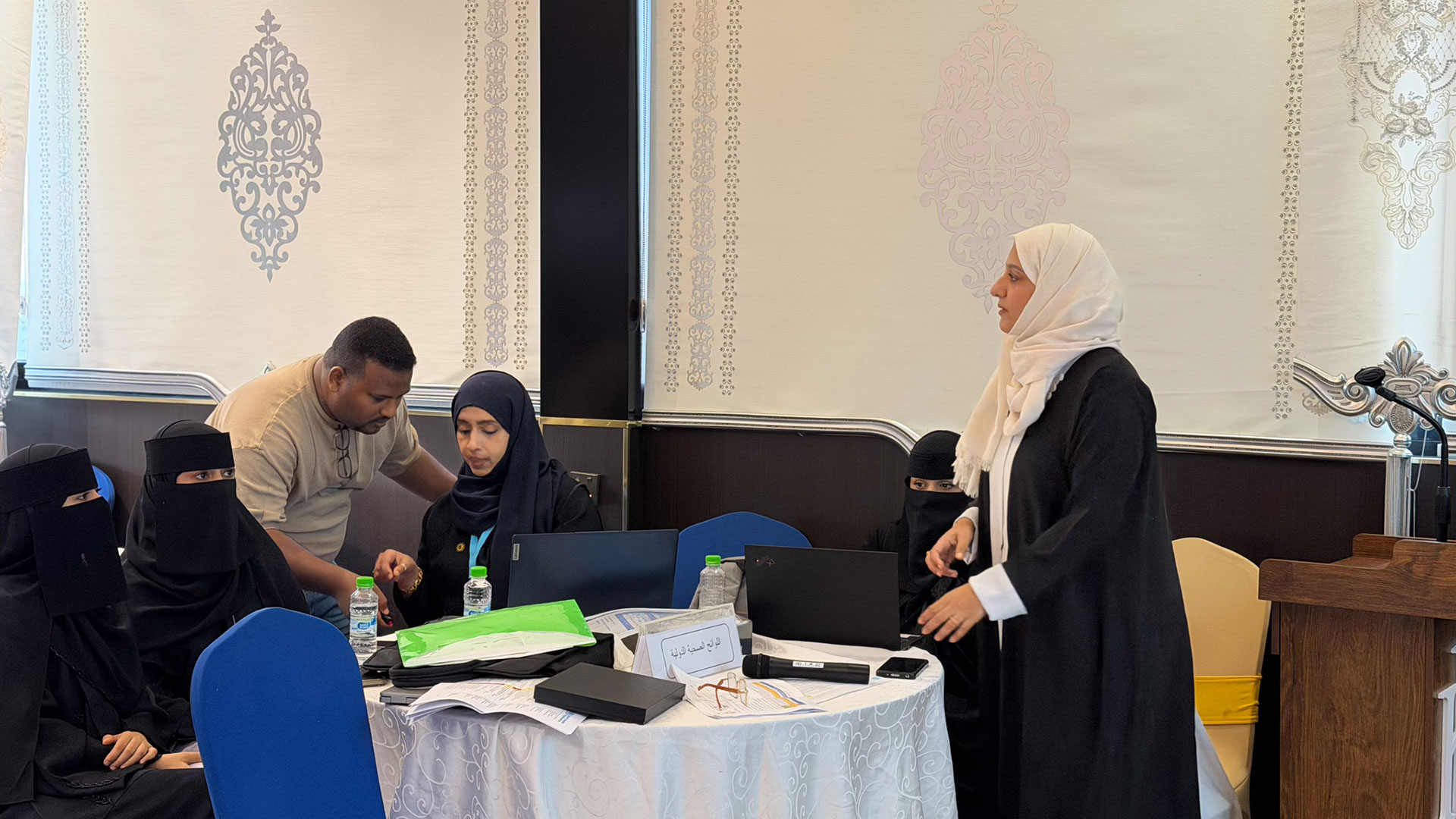 Technical groups review evidence and score Yemen’s core IHR capacities. Photo credit: WHO Yemen/Nesma Khan
The workshop opened with plenary sessions introducing the SPAR 2025 methodology, indicators and scoring system, alongside a review of the 2024 results and recent amendments to the IHR. Facilitated technical working groups then examined evidence across all IHR core capacities, including surveillance, laboratories, health emergency management, infection prevention and control, risk communication and community engagement, points of entry, zoonotic diseases, food safety, chemical events and radiation emergencies.
Participants used structured discussions to assess current capacities, verify documentation, and reach consensus on evidence-based scores for each SPAR indicator. The process highlighted strong multisectoral collaboration essential for health emergency preparedness and response.
Key stakeholders from government ministries, public health institutions, laboratories, points of entry, emergency response agencies, and security and civil defense sectors participated actively, with WHO supporting the process through technical expertise and facilitation.
 Dr Entesar Jaber highlights national leadership and multisectoral collaboration to strengthen health security. Photo credit: WHO Yemen/Nesma Khan
By the end of the workshop, participants agreed on SPAR 2025 scores across all technical areas and documented the evidence underpinning each score. Key gaps, challenges and best practices were identified, alongside priority actions to guide future IHR capacity-strengthening efforts. A draft SPAR 2025 assessment report was compiled for final review by the national IHR focal point and subsequent submission in accordance with global reporting timelines.
This consultative process marks an important step in strengthening Yemen’s national health security, promoting coordinated action across sectors, and ensuring sustained progress in implementing the IHR.
Media contacts
WHO Yemen Communications
Email:
About WHO
Founded in 1948, the World Health Organization (WHO) is the United Nations agency dedicated to promoting health, keeping the world safe and serving the vulnerable. WHO leads global efforts to expand universal health coverage, coordinate responses to health emergencies and advance well-being for all.
