Select your language

World AIDS Day 2025
Overcoming Disruption, Transforming the AIDS Response
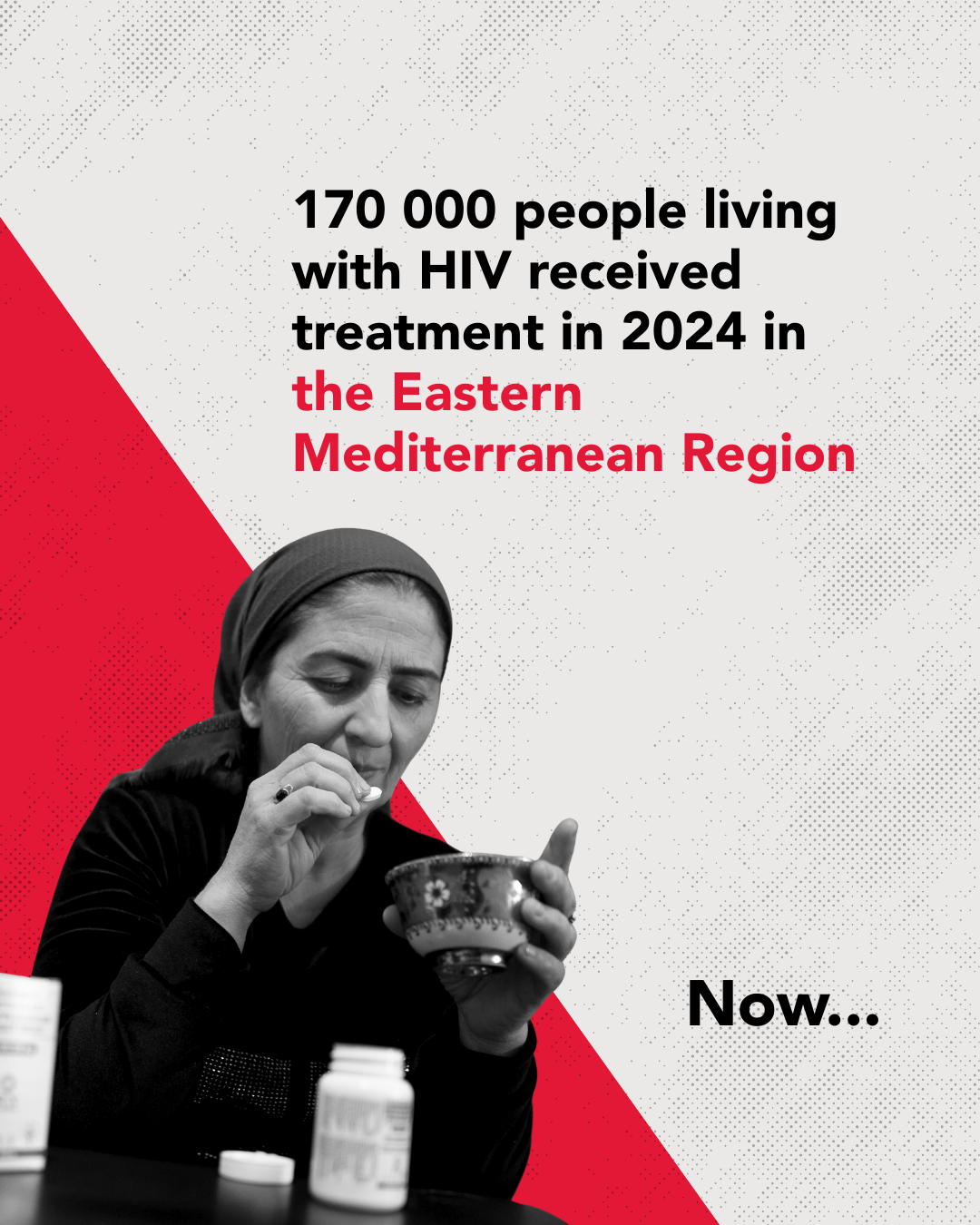
The Eastern Mediterranean Region is facing a fast growing HIV epidemic, with an estimated 610,000 people living with HIV (PLHIV). Only 38% have been diagnosed, and just 28% are receiving treatment, leaving 2 out of 3 people unaware of their status.
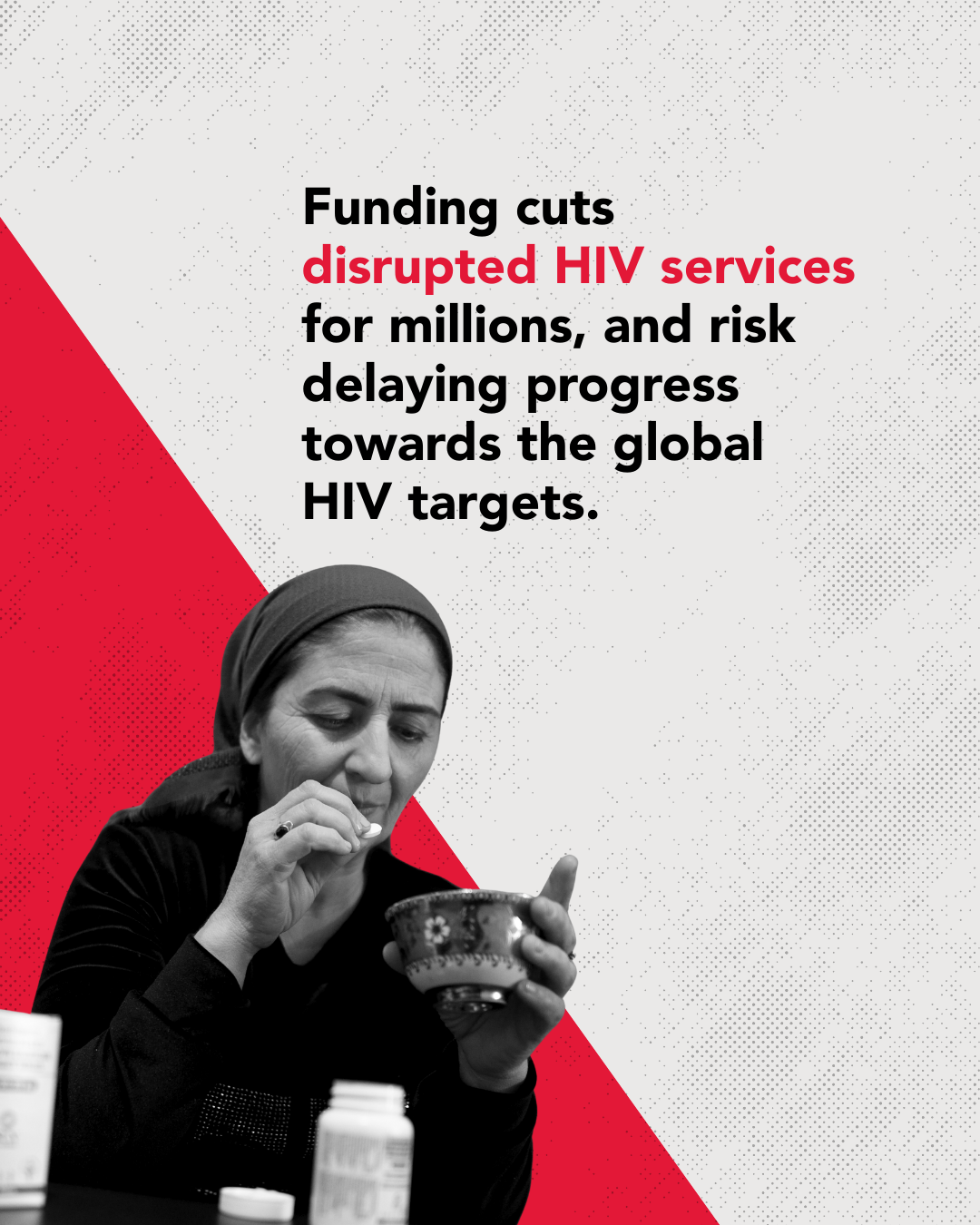
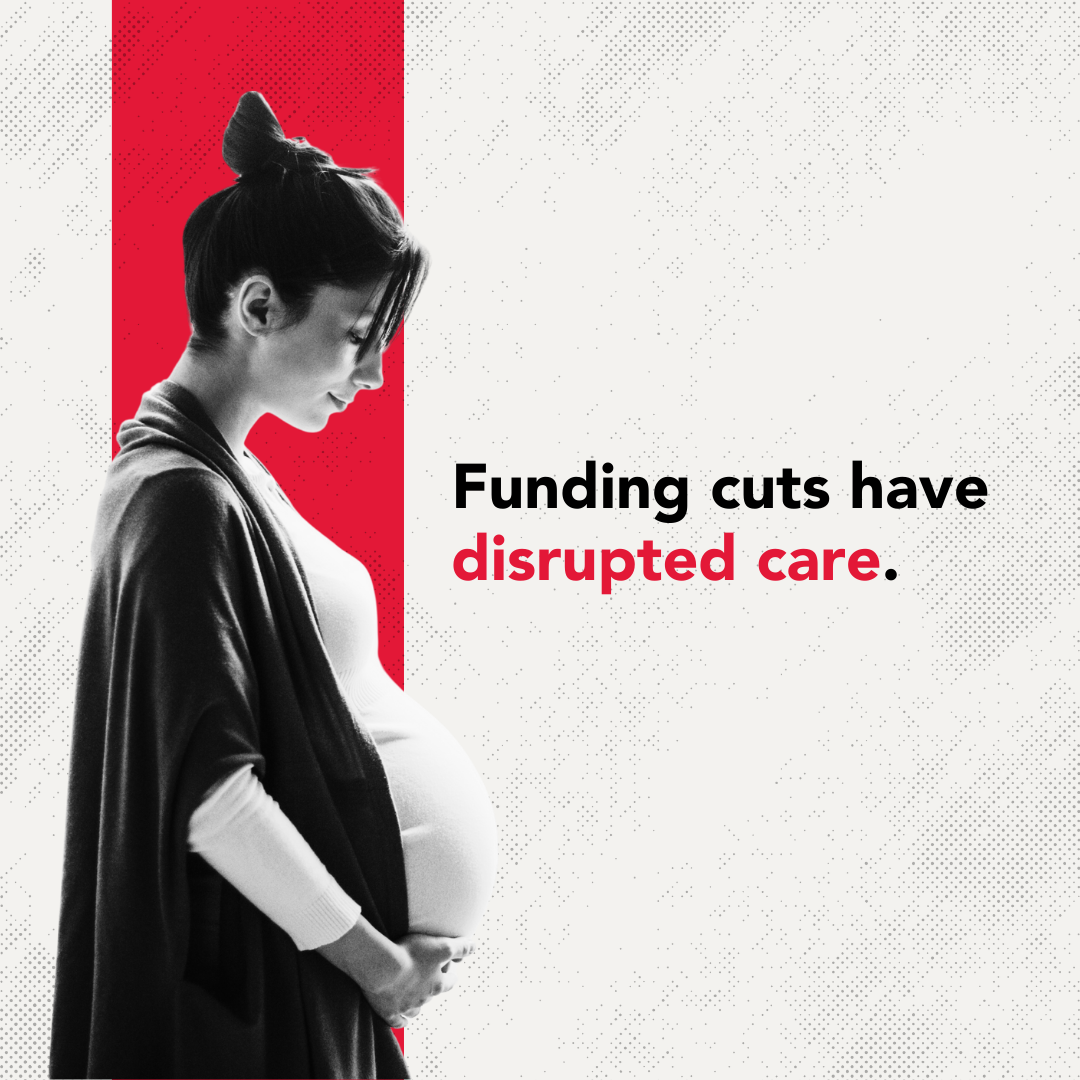
In recent years, reductions in global funding have disrupted HIV prevention, testing and treatment services across the Region, threatening progress and placing additional pressure on national health systems already stretched by multiple crises.
Under the global theme Overcoming Disruption, Transforming the AIDS Response, this year’s World AIDS Day campaign calls on countries, communities and partners to reignite commitment, embrace innovation, integrate HIV services into broader health programmes, act against stigma and structural barriers to treatment and scale up the response towards HIV in the Region.
Key messages and call to action
The World AIDS Day 2025 campaign seeks to engage government leaders, national HIV programmes, partners, community-based organizations and stakeholders. It calls for:
Regional statistics
HIV Cascade of Care in the EMR 2024
Figure 1. HIV cascade of care in the EMR 2024
Information sheet: HIV statistics, globally and by WHO region, 2025
Regional HIV Statistics 2024
| Indicator | Value (2024) |
|---|---|
| Number of people (all ages) living with HIV | 610,000 [520,000–780,000] |
| Number of new HIV infections | 72,000 [59,000–100,000] |
| AIDS related deaths | 23,000 [18,000–31,000] |
| Treatment Indicators | Value |
|---|---|
| Number of people receiving antiretroviral therapy | 170,000 |
| Antiretroviral therapy coverage | 28 [21–37] |
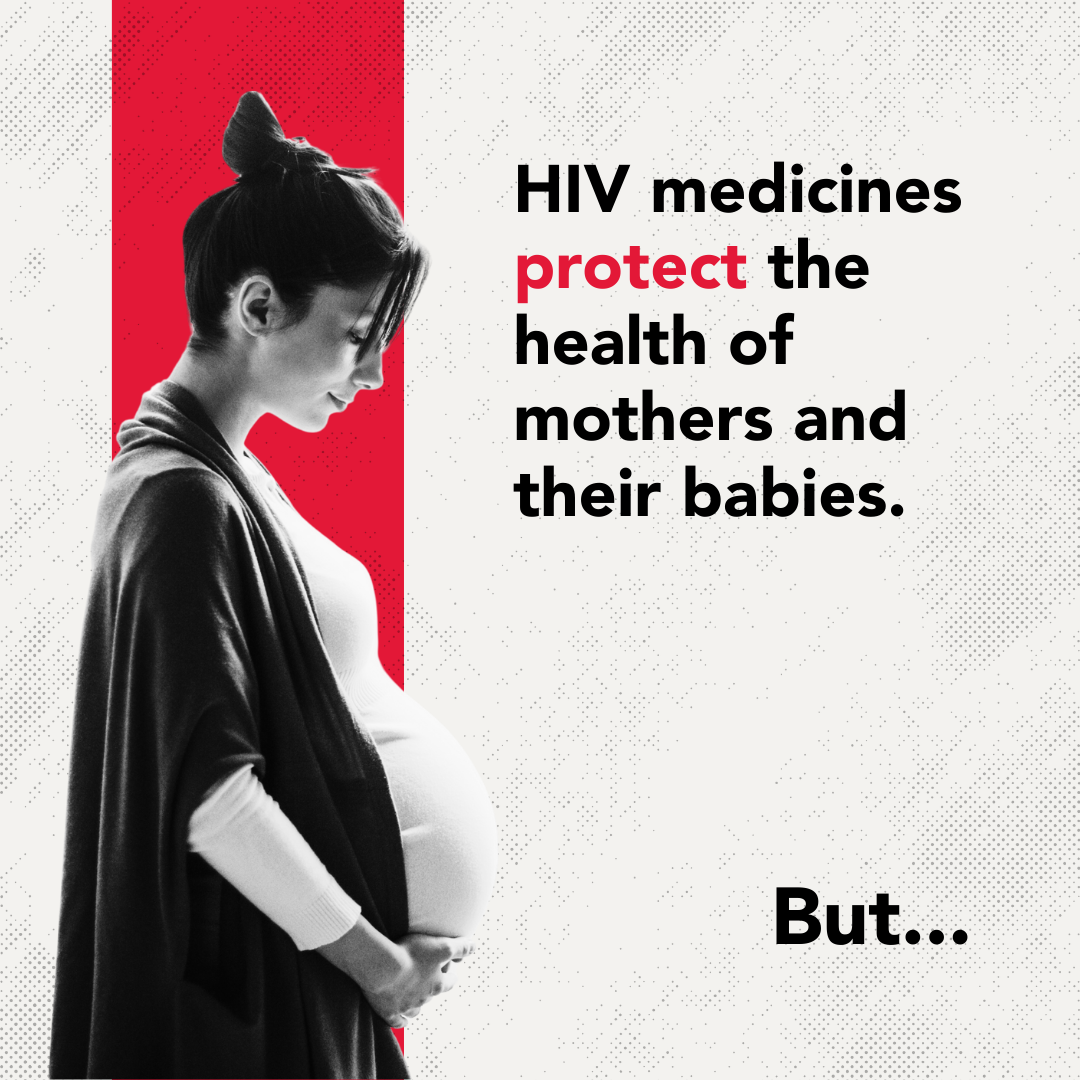
| Prevention of Mother-To-Child Transmission coverage | 20 [15–25] |
Consequences of inaction
Rising infections and preventable deaths
Failure to act will lead to increased transmission of HIV, viral hepatitis and STIs, reversing public health gains and resulting in avoidable illness and mortality.
Strained health systems
Delayed diagnosis and treatment will further burden health care infrastructure, leading to increased long-term costs and undermining progress in maternal and child health.
Missed global elimination targets
Inaction jeopardizes regional and global elimination goals
Country highlights
Examples of leadership and innovation from across the Region
Oman
Oman’s elimination of Mother-to-Child Transmission of HIV and syphilis
Morocco and Lebanon
Sustained progress in HIV coverage and the meaningful engagement of civil society organizations in Morocco and Lebanon
Egypt
Egypt’s national hepatitis C elimination campaign which offers a model for large scale infectious disease control that can be adapted to serve other diseases, including HIV
Regional Director's message
Message by Dr Hanan Balkhy, Regional Director for the Eastern Mediterranean on World AIDS Day 2025
Watch on YouTube Read the messageCampaign visuals