


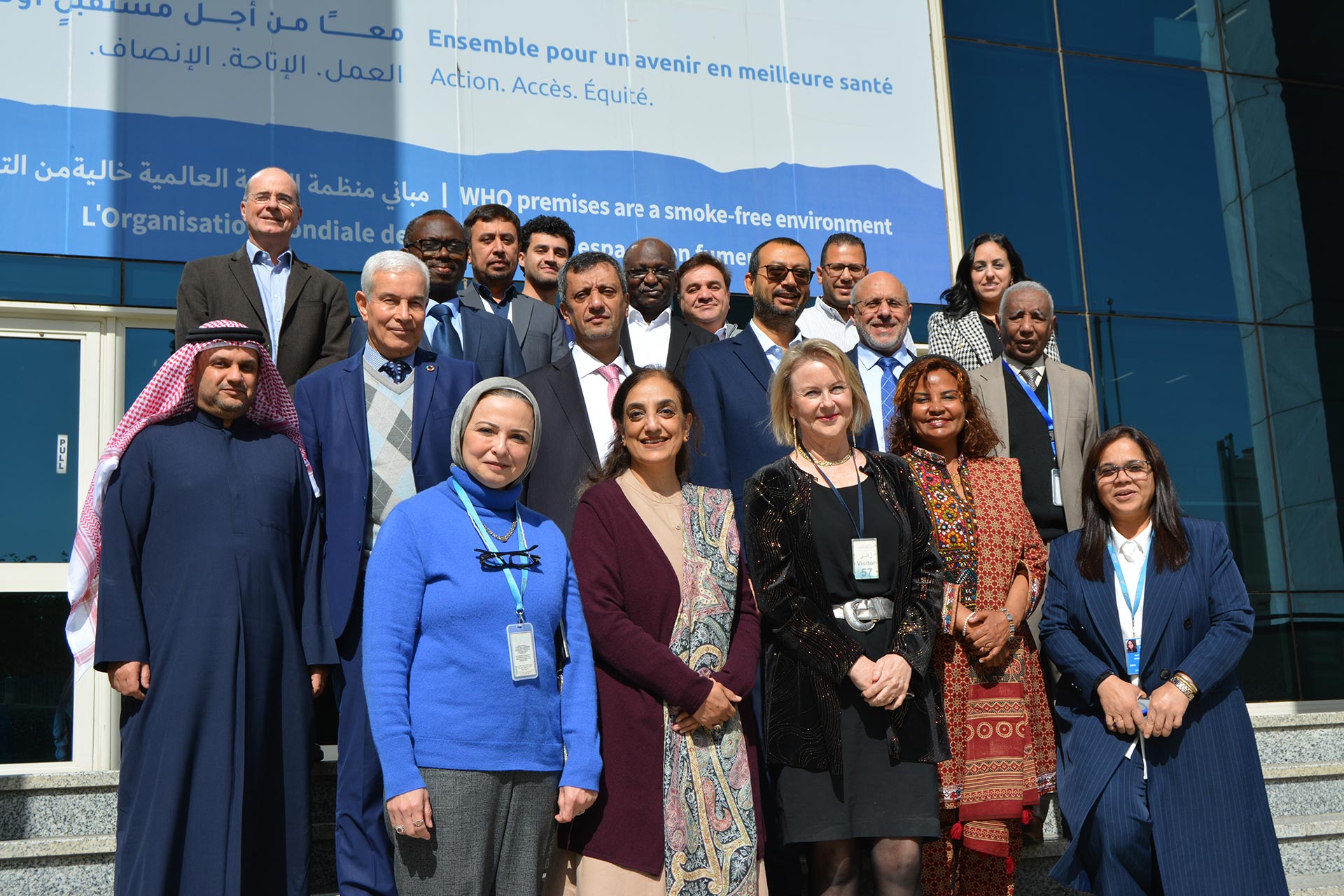
 Group picture of RITAG Meeting participants. Photo credit: WHO
1 March 2026, Cairo, Egypt – In the World Health Organization (WHO) Eastern Mediterranean Region, protecting children from vaccine-preventable diseases remains a public health priority and urgent equity challenge. In many of the Region’s fragile and underserved settings, disruptions to routine immunization are leaving children without essential vaccines, increasing the risk of outbreaks and widening coverage gaps. At a time when the risk of poliovirus circulation remains and several countries are facing measles outbreaks, strengthening routine immunization services is more important than ever.
This is the backdrop against which regional and global immunization experts met in Cairo on 11 and 12 February 2026 for the first biannual meeting of the Regional Immunization Technical Advisory Group (RITAG), WHO’s independent advisory body on vaccines and immunization. The meeting brought together RITAG members, the Chair of the Strategic Advisory Group of Experts on Immunization (SAGE), representatives from national immunization programmes and partners, including UNICEF and the Eastern Mediterranean Public Health Network, and technical teams from the WHO Regional Office and headquarters.
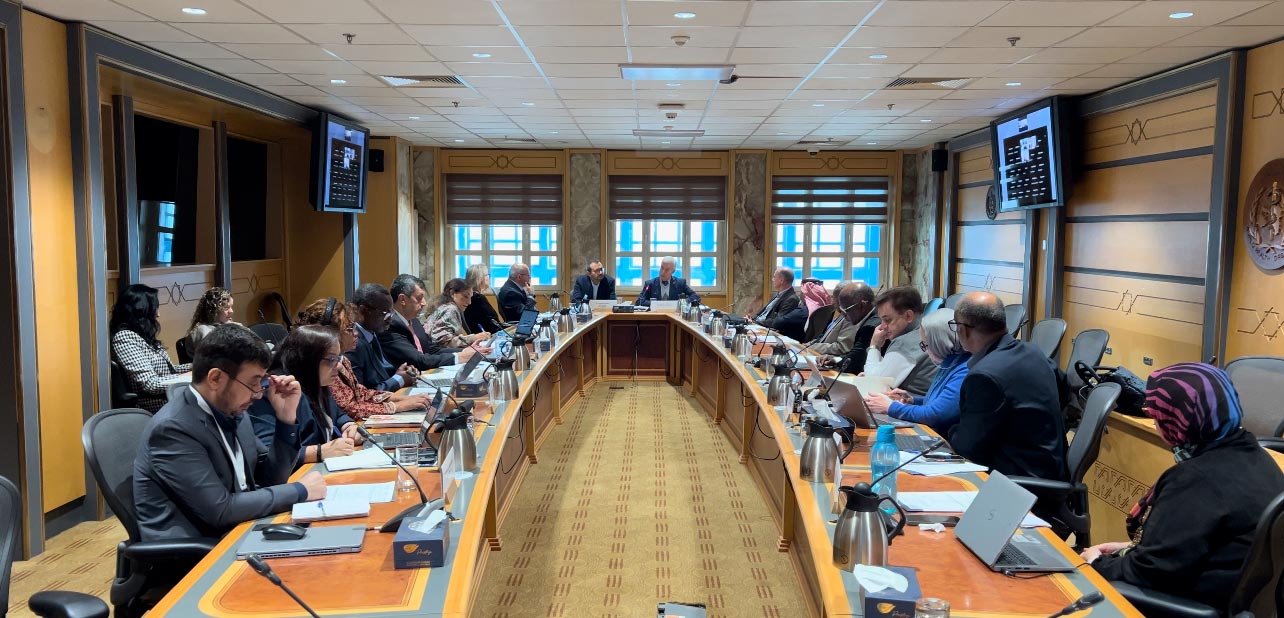 RITAG meeting participants during the opening session in the meeting hall. Photo credit: WHO/Diyar Al-Zuhairi
To identify practical priorities for action, meeting participants examined both immunization policy and the delivery of programmes. Discussions covered routine immunization performance, progress in introducing new and underutilized vaccines and how systems can better respond to emerging risks while sustaining recent gains.
Data reviewed during the meeting highlighted progress made and ongoing challenges. Coverage for the third dose of a diphtheria–tetanus–pertussis-containing vaccine (DTP3), commonly delivered through the pentavalent vaccine in routine programmes, declined from 84% in 2019 to 79% in 2024. Over the same period, the number of zero-dose children increased from 2 million to 2.8 million, with 6 conflict-affected countries accounting for the majority of missed children.
The meeting explored ways to accelerate recovery and close gaps, with a focus on country-context strategies to strengthen delivery through primary health care, reach unvaccinated communities, especially in urban slums and remote areas, advance measles and rubella elimination, support efforts towards defeating meningitis and ensure more targeted support for those countries facing the greatest operational and equity challenges.
The Big Catch-Up initiative has demonstrated how targeted efforts can reconnect families with essential services. Over a 12-month period, 3.1 million zero-dose children were reached with a first dose of pentavalent vaccine and 5.7 million children received a measles-containing vaccine.
At the conclusion of the meeting, RITAG members agreed on a set of technical recommendations to guide the next phase of immunization planning across the Region. The recommendations will inform decisions by the WHO Regional Director and support context-specific immunization strategies. Key areas of focus include:
- strengthening routine immunization services;
- reaching zero-dose and under-immunized children;
- improving preparedness and timely response to outbreaks;
- evidence-based introduction of new vaccines;
- strengthening digitalization and innovative technology for data collection and use; and
- enhancing partner-coordinated support for countries facing the greatest operational and equity challenges.
As countries and partners move forward, the priorities are clear. We must address immunity gaps, introduce new vaccines and prevent and respond to outbreaks as we work to ensure every child in the Region is protected from vaccine-preventable diseases.
