


 Dr Lina Wanli, Nutrition Programme Coordinator at Aleppo Health Directorate, explains the use of the SMART methodology during a national training workshop on malnutrition surveys. Photo credit: WHO
29 December 2025, Aleppo, Syrian Arab Republic – Without reliable data, malnutrition can remain hidden, delaying timely action for people most in need. With funding from the European Union (EU) through its Civil Protection and Humanitarian Aid Operations (ECHO), the World Health Organization (WHO), in collaboration with the Ministry of Health, concluded a series of national workshops to strengthen Syria’s capacity to conduct a nationwide malnutrition survey, providing a critical evidence base to guide future nutrition responses.
Disruptions to health services during years of crisis have increased the risk of malnutrition across the country, particularly among children and women. Inadequate feeding practices, poor hygiene and repeated infections continue to drive malnutrition, underscoring the need for accurate, comparable data to inform targeted and effective interventions.
More than 80 participants from Aleppo, Idleb, Deir-ez-Zor, Ar-Raqqa and Al-Hassakeh took part in three five-day workshops focused on standard survey methodology, data entry procedures and the use of standardized tools. The trainings aimed to ensure consistent and high-quality data collection to support national planning and response efforts.
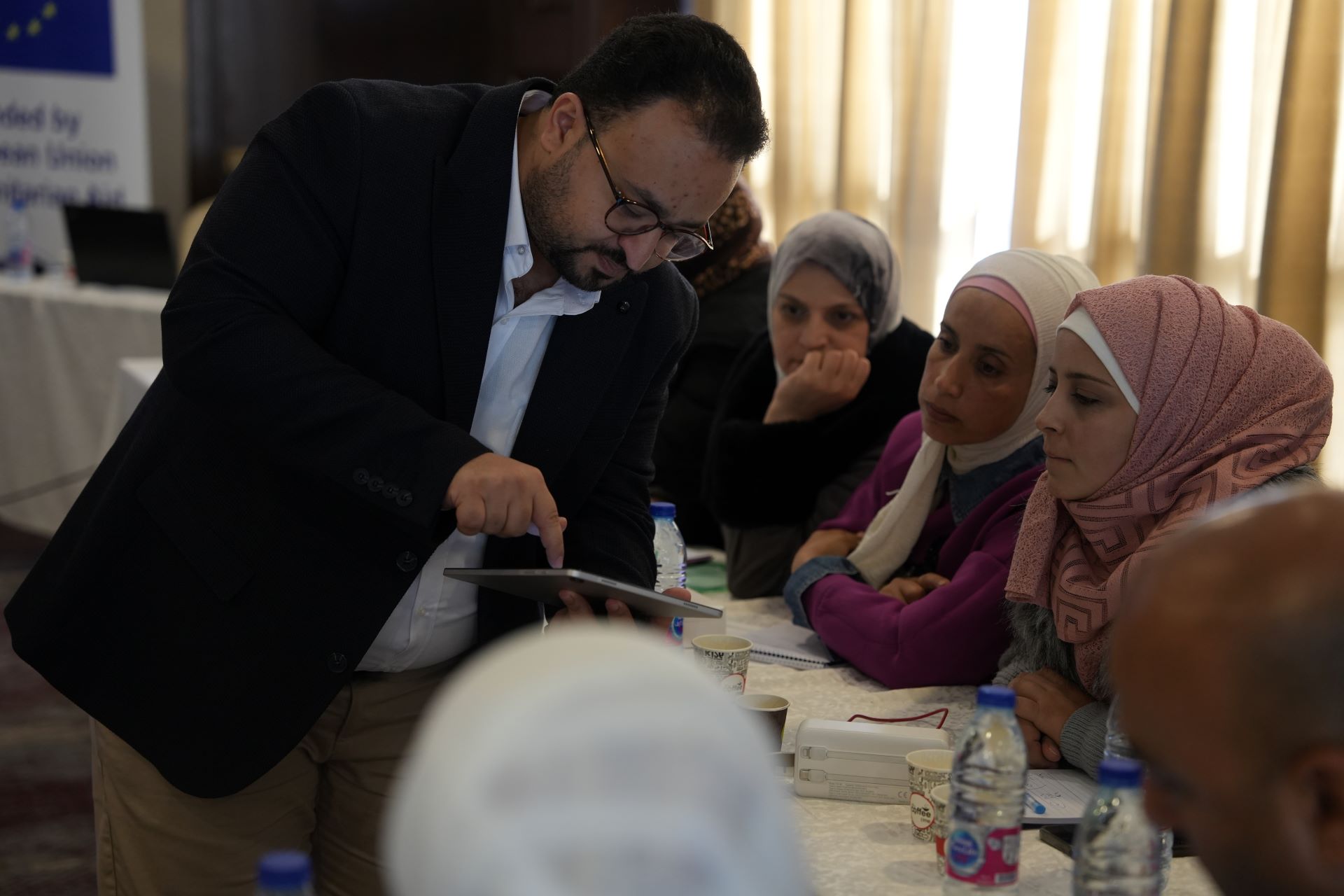 Khaled Najjar, Information Officer for Nutrition Sector at Save the Children, guides participants on accurate data collection and entry during the training. Photo credit: WHO
For health workers involved in implementation, the survey is a critical tool for follow-up and prevention. Nurse Malak Abras, Nutrition Focal Point in the Azaz area, highlighted its importance for strengthening services on the ground. “We hope that the survey will strengthen nutrition interventions to reduce malnutrition among children by enhancing nutrition services for children and women, as a first step towards a healthier generation,” she said.
At the institutional level, the workshops helped clarify roles and responsibilities while reinforcing national ownership of the process. Dr Lina Wanli, Nutrition Programme Coordinator at Aleppo Health Directorate, noted that participants were trained to apply a standardized approach to field surveys. “Participants were trained on the use of the SMART methodology to conduct field surveys, ensuring that the nutrition situation can be tracked over time and compared,” she said. “The survey will estimate the prevalence of acute, moderate and severe malnutrition, including among women of reproductive age, and assess families’ access to improved water and sanitation.”
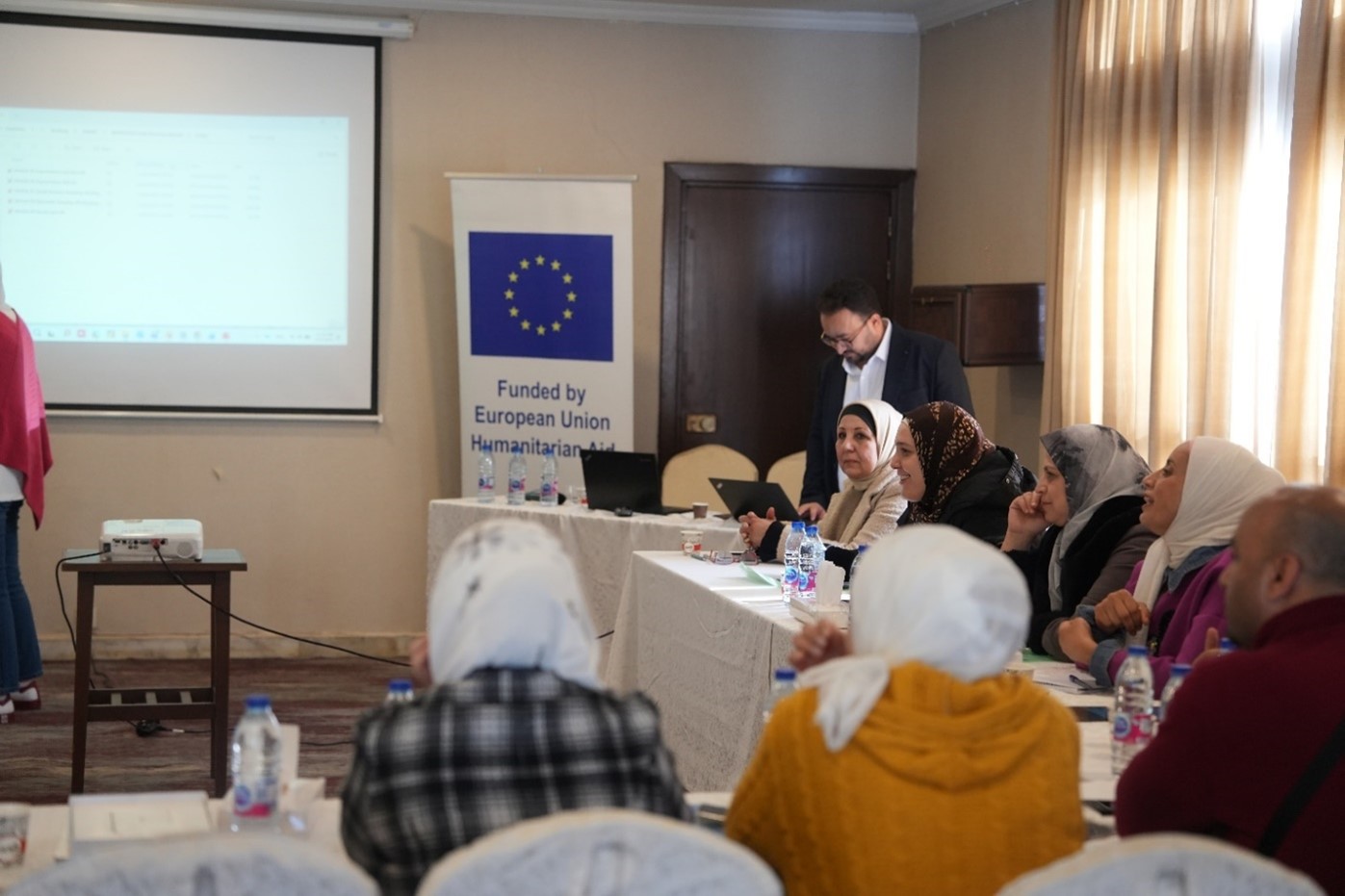 Participants and trainers review standardized methodologies to be applied during the nationwide malnutrition survey. Photo credit: WHO
Partners supporting implementation emphasized the importance of accurate data for evidence-based decision-making. Khaled Najjar, Information Officer – Nutrition Sector at Save the Children, explained that the workshop guided participants through data collection, analysis and reporting. “The outcome of the workshop will be the development of a malnutrition response plan based on the indicators generated, with the survey serving as a guide for the Ministry of Health and international organizations to respond to and mitigate malnutrition,” he said
At the national level, the survey will play a key role in shaping targeted responses. Dr Najoud Soumini, Nutrition Coordinator at WHO , emphasized that accuracy in data collection is essential to inform planning and resource allocation. “The results will inform analysis and the development of response plans to address gaps in nutrition programmes and provide appropriate support,” she said. “The survey will also generate insights into breastfeeding practices and complementary feeding among families.”
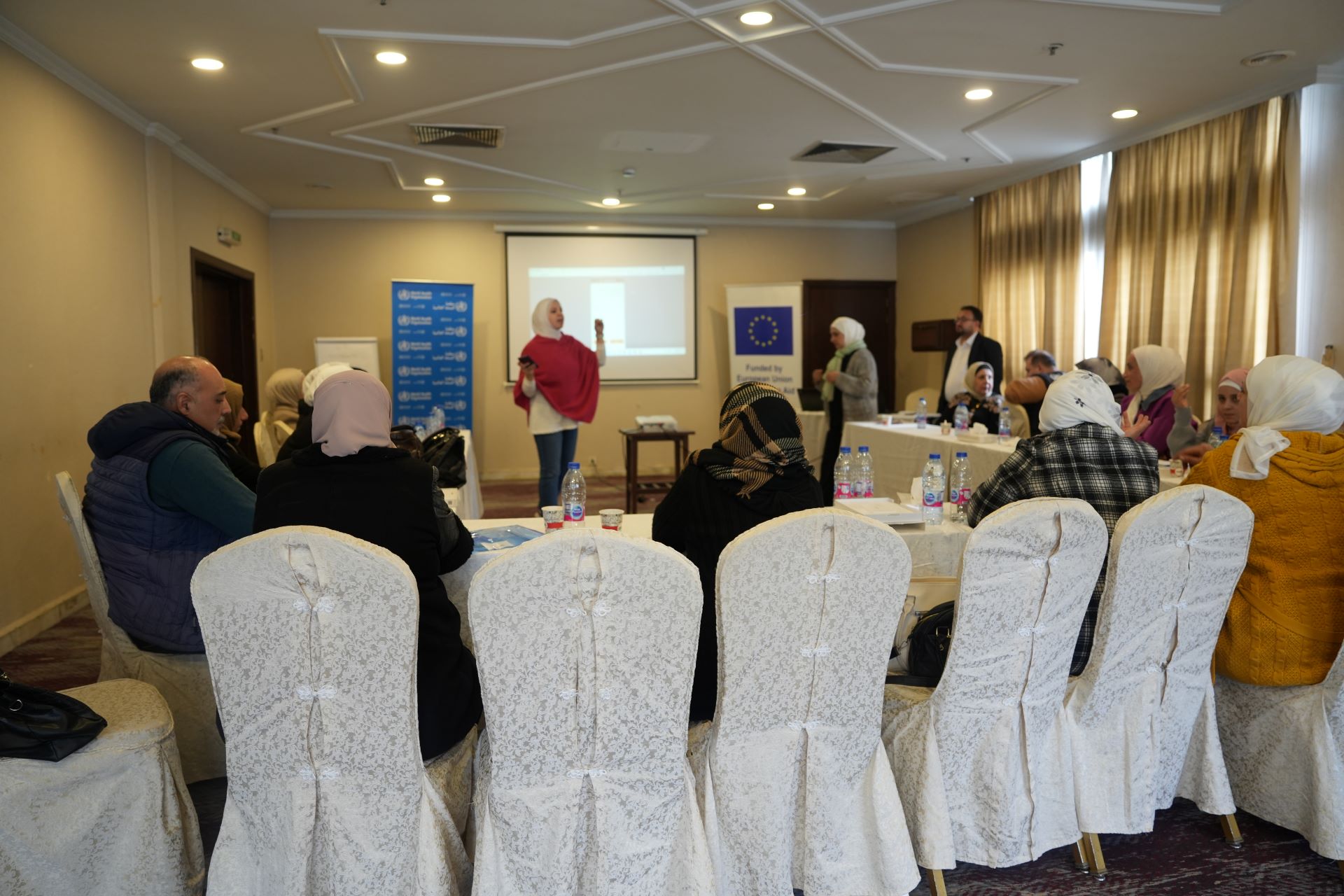 Participants and trainers in one of the sessions, exploring new methodologies to be implemented while conducting the survey. Photo credit: WHO
WHO, in coordination with the Ministry of Health and with continued support from the EU, remains committed to strengthening Syria’s health system and supporting national efforts to address malnutrition. Through investments in capacity-building, essential health services and core health system functions, EU support contributes to improving health outcomes and enhancing resilience for communities across the country.
