


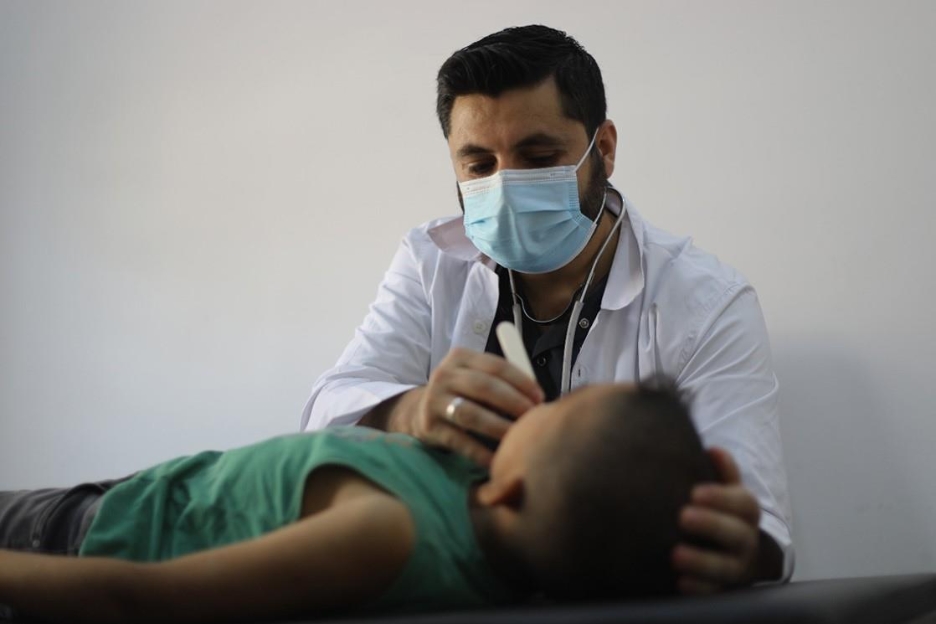
 Dr Jaber Al-Omar examines a young patient at Ma’arrat An Nu’man public health centre that was rehabilitated and supported by WHO. Photo credit: WHO
28 December 2025, Damascus, Syrian Arab Republic – When 72-year-old Ali Ibrahim from rural Tartous was told he urgently needed heart surgery, he feared the worst. Private care was far beyond his means and travelling long distances was not an option.
At Tartous National Hospital, Ali received the care he needed – care he believes saved his life.
“At first, I was afraid,” he said. “But the hospital took care of everything. The doctors checked on me constantly, gave me my medications and never let me feel alone. Without this care, I don’t know if I would still be alive.”
For many families in Tartous and surrounding rural areas, access to essential medical services is often a race against time. In 2025, support to Syria’s health system helped ensure that more people like Ali could reach safer care, closer to home.
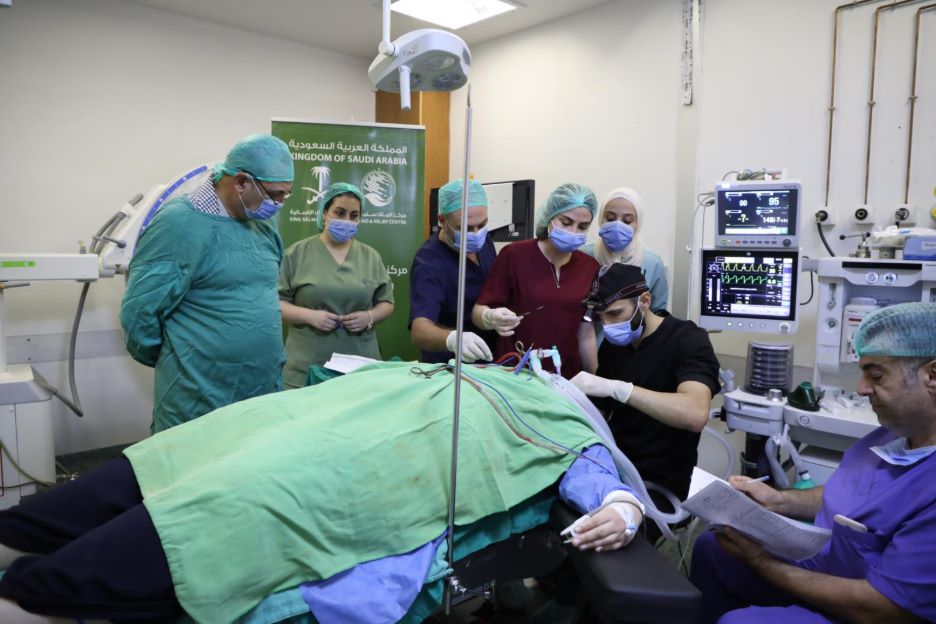 Anesthesia machine provided by WHO at Latakia National Hospital, being used during surgery. Photo credit: WHO
A year of transition, supported by partnership
2025 brought promising signs of change. In some areas, access expanded. Communities began rebuilding daily life after years of crisis. Yet Syria’s health system remained under immense strain: as equipment aged and patient needs grew, health workers continued showing up through challenging conditions.
During this period of transition – from prolonged emergency response toward recovery — WHO worked alongside the Ministry of Health and health partners to sustain essential services, strengthen readiness and keep care within reach for communities across Syria.
At Tartous National Hospital, strengthened equipment helped improve diagnostics and surgical safety.
“We perform between 50 and 70 surgeries every day,” said Dr Ali Hussein, Head of the Anesthesia Unit. “Our older machines have served for many years but no longer met current safety standards. This new anesthesia machine has improved stability during operations and enhanced patient safety.”
In the cardiac surgery unit, Dr Mohammad Ali Ali, Head of the Cardiac Department, added that upgraded equipment has expanded capacity and strengthened emergency readiness, helping teams provide life-saving treatment when every minute counts.
Ali’s story is one moment in one hospital. But it reflects something broader.
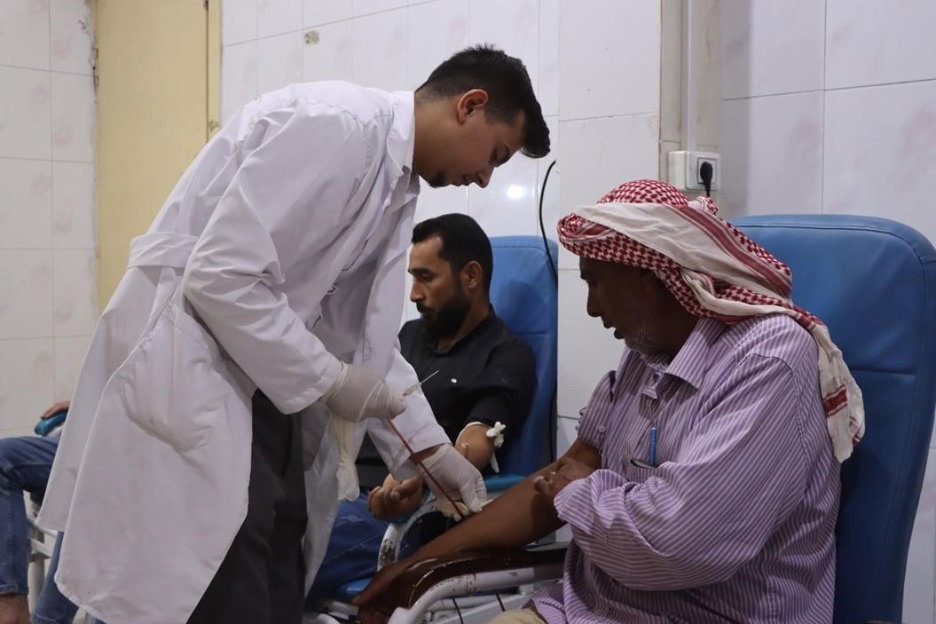 Laboratory technician Abdel Salam Khalaf collects blood from a donor at Menbij National Hospital that was supported by WHO. Photo credit: WHO
Across Syria, donor support helped keep health systems functioning end to end – from disease surveillance and medical supply chains, to emergency response, referrals, immunization, essential services, and the gradual rehabilitation and strengthening of health facilities.
What that looked like in practice varied from place to place.
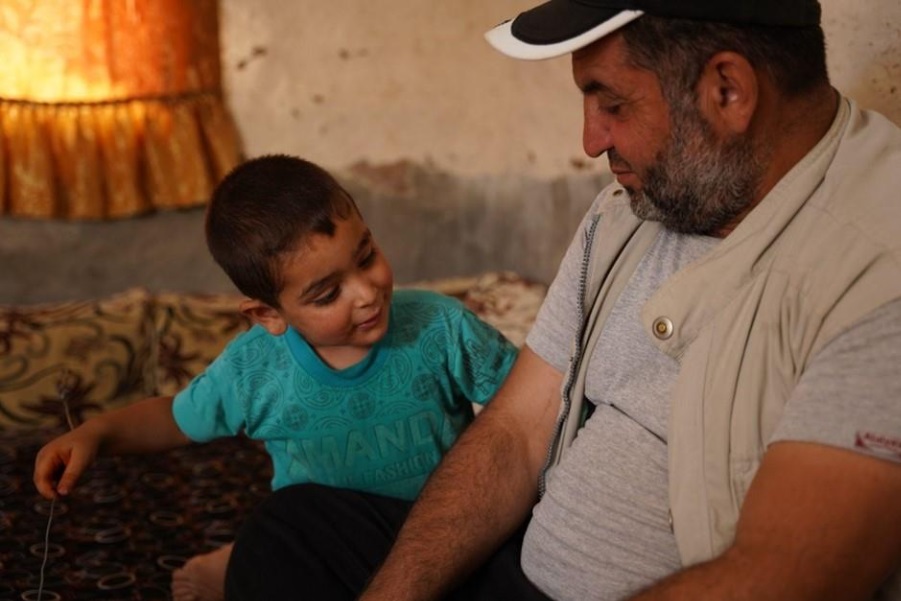 Abu Tarek shares a tender moment with his son inside their shelter after a routine vaccination was administered to his children. Photo credit: WHO
What support looked like on the ground
Across Syria, the impact of support was visible in the places where care meets daily life – clinics, camps, ambulances and hospital wards.
In a displacement camp in Afrin, Abu Tarek, a father of eight, watched vaccination teams return month after month – with predictable schedules and follow-up that helped rebuild trust.
“They inform the camp administration in advance,” he explained. “Announcements go out. If a child misses a dose, they follow up. They don’t leave anyone behind.”
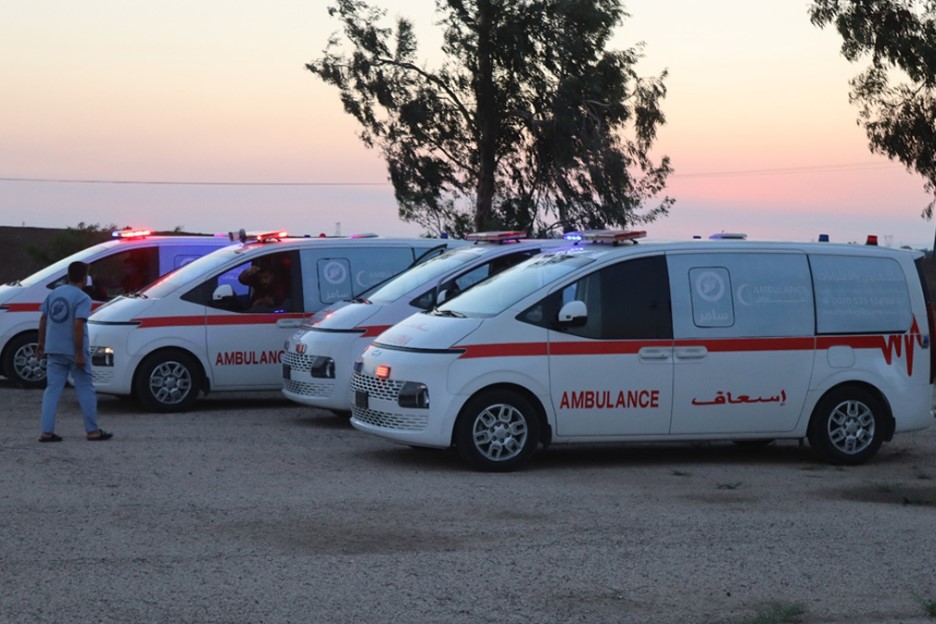 Ambulances supported by WHO prepare to transfer patients with conflict-related injuries in Sweida. Photo credit: WHO
Across Aleppo, Idlib, Sweida and Lattakia, paramedics kept referral pathways moving — often across long distances and damaged roads, responding to emergencies where delays can be fatal. For families, these services also reduced the financial burden of care, replacing costly private transport with safe, timely transfers to the right facility.
“Even a single minute can mean the difference between life and death,” says Bashar Al Ali, a paramedic from rural Idlib. “Within seconds, we must be in the vehicle, preparing our equipment and rushing towards the patient.”
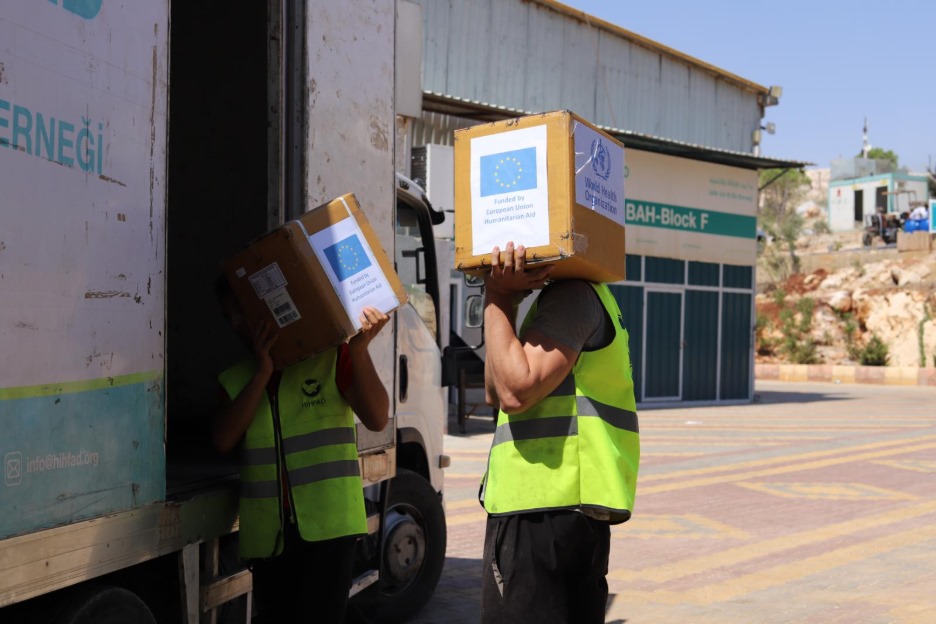 In dialysis centres across northern and central Syria, patients like Hassan, Abdulrazzaq and Ibrahim returned for treatment several times a week. Dialysis is not a service that can be paused while conditions improve.
“If dialysis stops, my life stops,” Hassan said.
For Abdulrazzaq, the difference was also dignity. “Before, I sometimes had to borrow money to buy filters and I would choose between provisions and treatment. Now, the hospital provides everything I need without cost at the point of care.”
And in the south and coastal areas, as displacement and emergency situations increased pressure on communities and health services, health workers and mobile teams worked to stay close to families, delivering consultations, maternal health care, essential medicines, oxygen support and preparedness for potential outbreaks.
Again and again, the pattern was the same: teams returned, services held and care continued.
With thanks to our partners
WHO extends its sincere appreciation to the partners whose support in 2025 helped sustain health services across Syria during a critical year:
- Austrian Development Agency (ADA)
- European Civil Protection and Humanitarian Aid Operations (ECHO)
- European Union (Directorate-General for the Middle East, North Africa and the Gulf)
- Gavi, the Vaccine Alliance
- Gates Foundation
- The Global Fund (channeled through International Organization for Migration)
- Government of Greece
- Government of Italy
- Government of Japan
- Government of Norway
- Government of Germany
- Government of the Republic of Korea
- King Salman Humanitarian Aid and Relief Centre (KSrelief)
- Novo Nordisk Foundation
- Qatar Charity
- UNITAID
UN-coordinated pooled funds:
- Central Emergency Response Fund (CERF)
- Syria Cross-border Humanitarian Fund (SCHF)
- Syria Humanitarian Fund (SHF)
Looking ahead
As Syria continues its shift toward recovery, health remains both a foundation and a bridge – connecting emergency response to stability, resilience and hope.
WHO, together with partners and in coordination with the Ministry of Health, remains committed to supporting health services across Syria, helping ensure that every patient can access timely, safe and effective care close to home.
To all our partners, thank you for standing with Syria in 2025 and for helping keep care alive.
