


20 April 2026, Syrian Arab Republic: In a small vaccination room in Deir-ez-Zor, a child hesitates as a nurse prepares a dose. The space is crowded, the day is long, and some families are unsure. But with patience and reassurance, the team continues – explaining, listening, and building trust, one conversation at a time.
Across Syria, moments like this are where science meets everyday life. Not in headlines or laboratories alone, but in clinics, camps and communities—where health workers rely on science, data and collaboration to guide decisions that protect people’s health, often in challenging and resource-constrained settings.
As efforts to sustain and strengthen Syria’s health system continue, these approaches remain critical to protecting health and expanding access to care.
From evidence to trust
In Aleppo and Idlib, Dr Aya Hallak, WHO’s risk communication and community engagement focal point, works at the intersection of science and trust, ensuring that health information is not only accurate, but understood. “Health information needs to be clear, simple and practical,” she says. “Our role is to translate evidence into messages that people can actually use in their daily lives.”
 Dr Aya Hallak, WHO risk communication and community engagement focal point, leads a session in Aleppo to support community understanding of health risks and services. Photo credit: WHO
Her work is grounded in data – from tracking rumours to analysing community feedback and patterns in service use. These insights help shape messaging, address concerns and adapt responses in real time. “Vaccines are one of the most important public health interventions,” she explains. “But their success depends directly on how much people trust them. Through transparent communication and listening to concerns, we help people make informed decisions.”
That connection between information, trust and action is visible across communities.
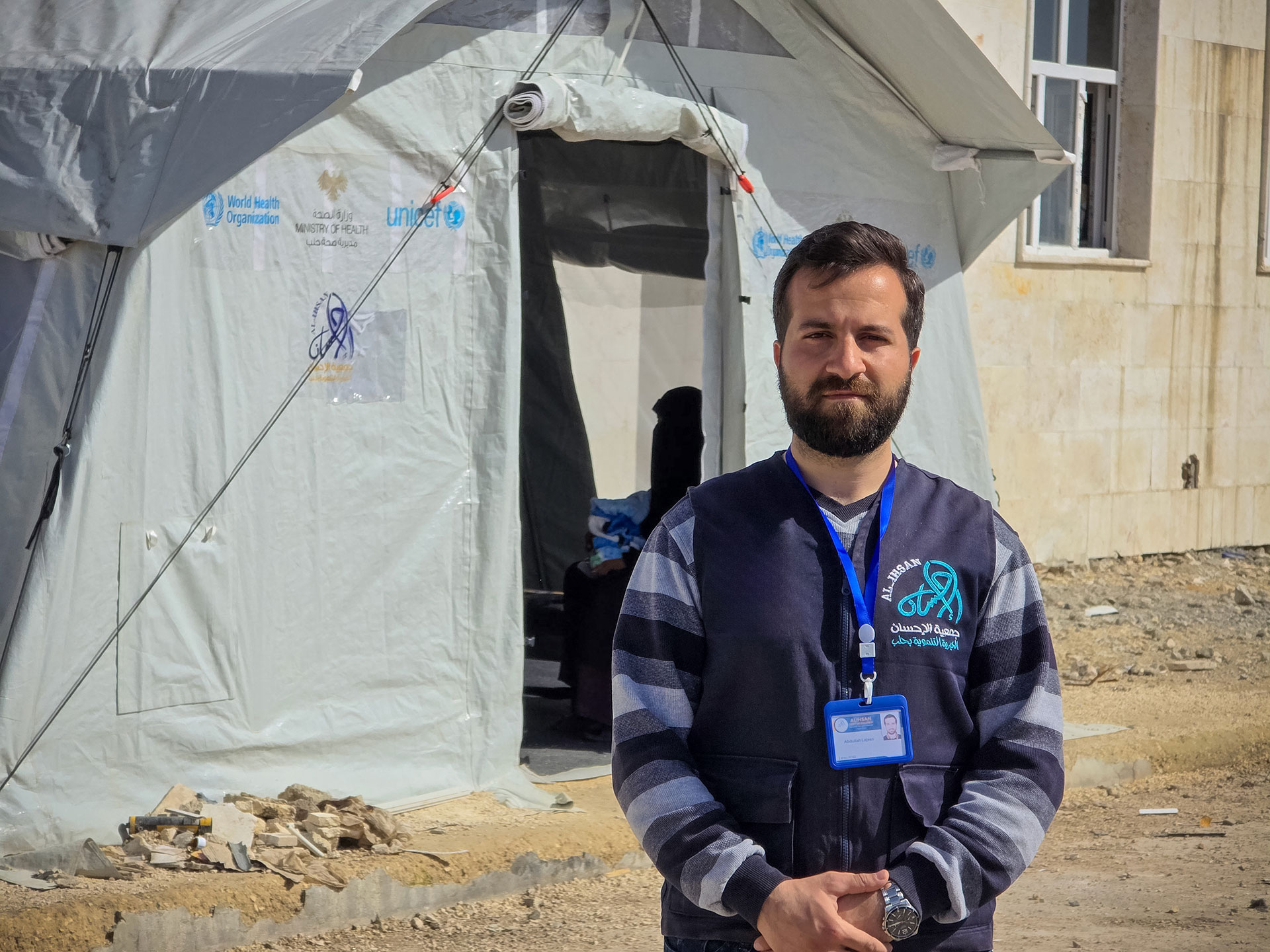 Abdallah Lasheen, a health educator with Al Ihsan NGO, stands outside a health tent in northern Aleppo, where he works with families to raise awareness on hygiene, nutrition and disease prevention. Photo credit: WHO
In northern Aleppo, health educator Abdallah Lasheen moves between families in a camp, speaking about hygiene, nutrition and disease prevention. His work is guided by evidence and data from WHO but shaped by what people are experiencing on the ground.
“We work to correct misconceptions and encourage healthy behaviours,” he says. “When people understand the risks, such as diseases linked to unsafe water – they are better able to protect themselves and their children.”
Through conversations with caregivers, especially mothers, he helps address concerns around vaccination, reinforcing trust in health services.
Detecting risks early
While community engagement builds understanding, surveillance systems work quietly in the background to detect risks before they escalate. At the Ministry of Health, Dr Yasser Farouh, the Director of the Communicable Diseases Directorate, describes surveillance and early warning systems as the first line of defence.
 Dr Yasser Farouh, Director of the Communicable and Non-Communicable Diseases Department at the Ministry of Health, supports national surveillance and early warning systems that help detect and respond to disease outbreaks across Syria. Photo credit: WHO
“Through weekly reporting and immediate alerts, we can quickly detect any unusual increase in cases,” he says. “During the cholera response, this allowed us to identify hotspots within days and respond rapidly – helping to limit the spread of the disease and save lives.”
Advances in epidemic intelligence are strengthening this work further. By combining official reporting with digital and open-source data, signals can now be detected earlier.
“We no longer rely only on traditional reporting,” he explains. “Sometimes we detect alerts even before laboratory confirmation, which gives us valuable time to verify and respond.”
But surveillance is not only about systems, it depends on people. Health workers, communities and partners all contribute to the flow of information that enables timely, evidence-based decisions.
Behind the scenes in laboratories
In Deir-ez-Zor, this early detection is confirmed through laboratory testing. Dr Ziad Mahmoud Shouaibi, a laboratory diagnostics specialist, oversees a public health laboratory supported by WHO. Here, samples are analyzed to track diseases such as influenza and cholera, and to monitor environmental risks, including water quality.
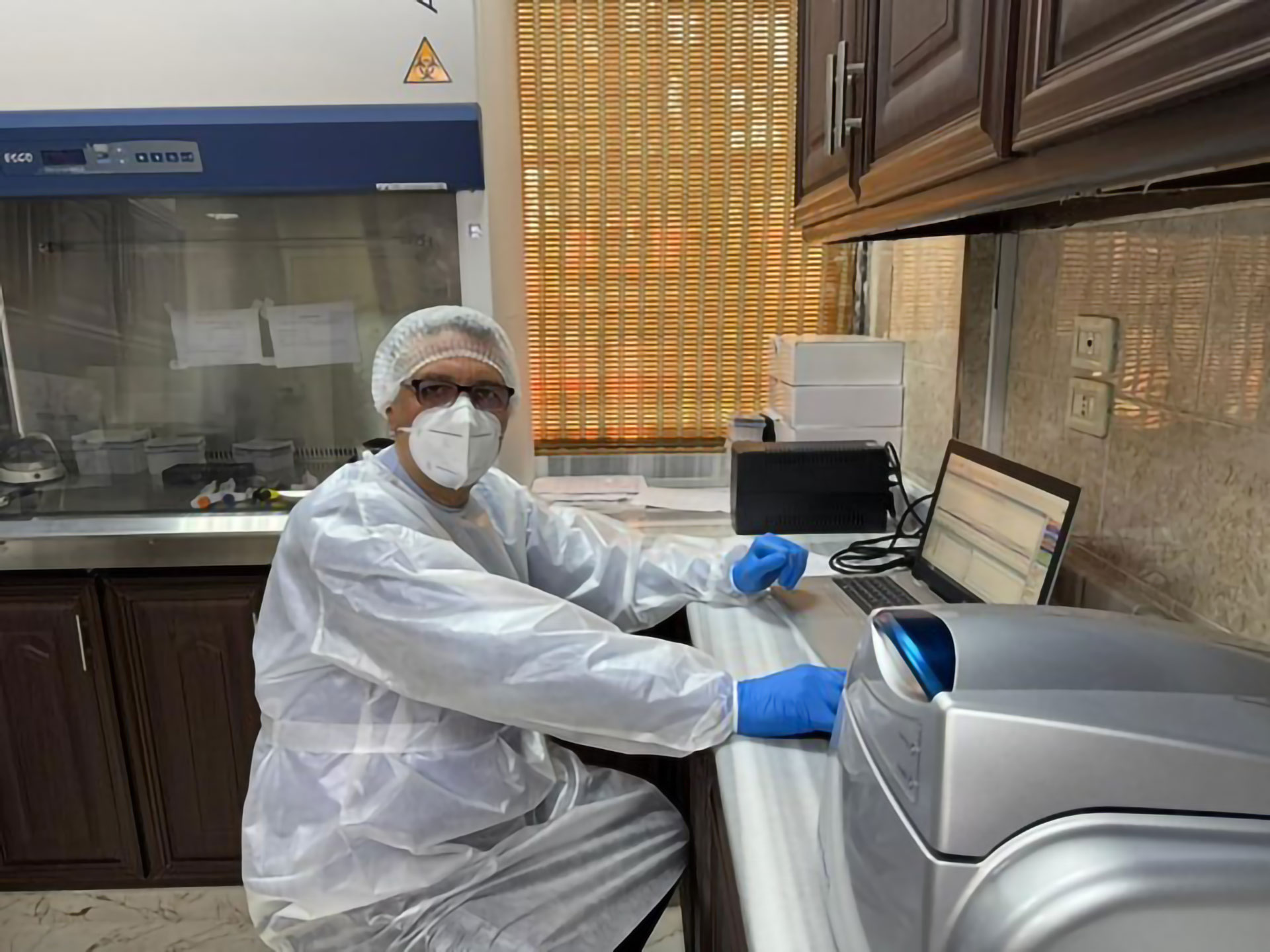 Dr Ziad Mahmoud Shouaibi, a laboratory diagnostics specialist in Deir-ez-Zor, conducts testing to detect infectious diseases and monitor public health risks. Photo credit: WHO
“Laboratories are the first line of defence for public health,” he says. “Through testing and surveillance, we can detect outbreaks early and support the right response.”
In a context shaped by displacement and strained health systems, laboratory work becomes even more critical. The team monitors data, follows national and global guidance, and remains alert to potential outbreaks that do not respect borders.
“Epidemic diseases do not stop at boundaries,” he adds. “Our role is to detect them early, report them quickly and support action to break transmission.”
Science in everyday care
In health centres across the country, science is also guiding daily clinical decisions.
In Hama, primary health care doctors are applying science in everyday decisions. Dr Moustafa Hasoun describes how evidence-based medicine shapes care for children – from routine follow-ups to early detection of conditions such as malnutrition or developmental concerns.
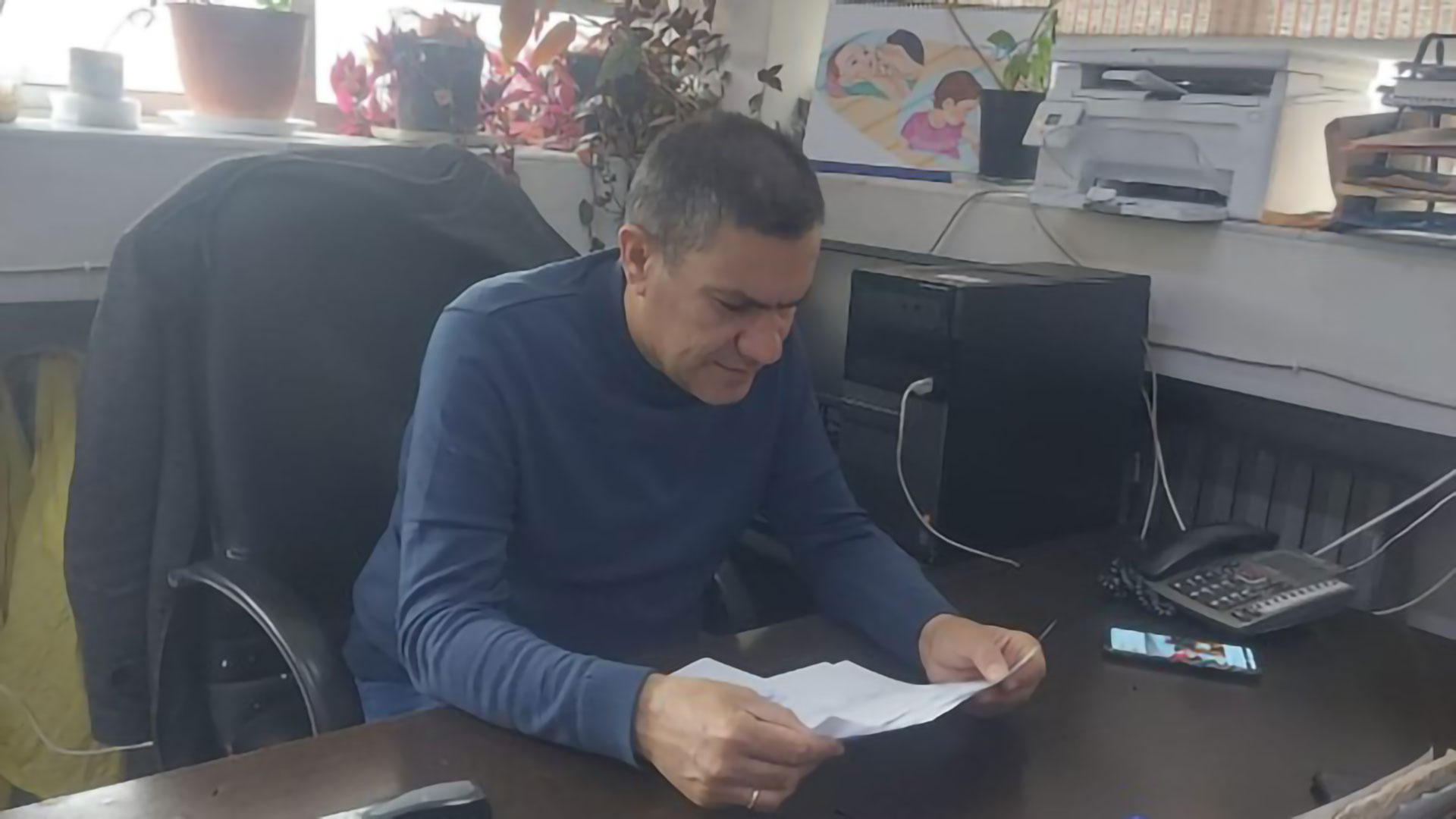 Dr Moustafa Hasoun, a primary health care doctor in Hama, reviews patient information as part of routine consultations. Photo credit: WHO
“Evidence helps us make the right medical decisions, not just rely on personal experience,” he says. “It allows us to diagnose early, treat effectively and avoid practices that are not useful.”
His colleague, Dr Saad Shoumal, a general practitioner, highlights the importance of prevention and early detection.
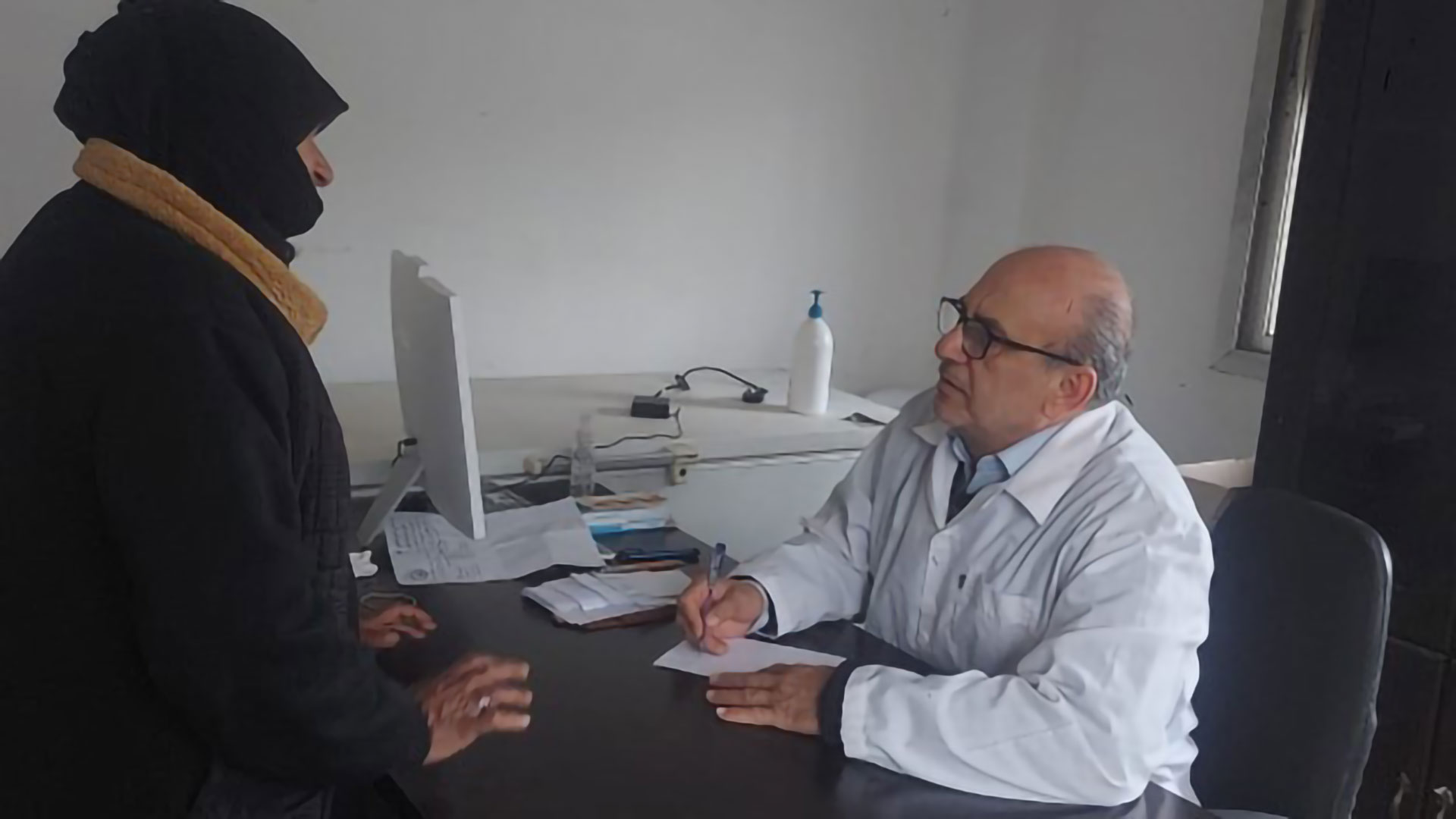 Dr Saad Shoumal, a general practitioner in Hama, consults with a patient at a primary health care centre. Photo credit: WHO
“Primary health care plays a key role in identifying diseases early and supporting prevention,” he says. “Using evidence and updated medical knowledge helps us make better decisions for patients every day.”
Protecting children through vaccination
Back in Deir-ez-Zor, vaccination teams continue their work, often under challenging conditions. Ghofran Khozam, a vaccination focal point, describes both the progress and the challenges – from limited space in clinics to hesitancy among families and fear among children.
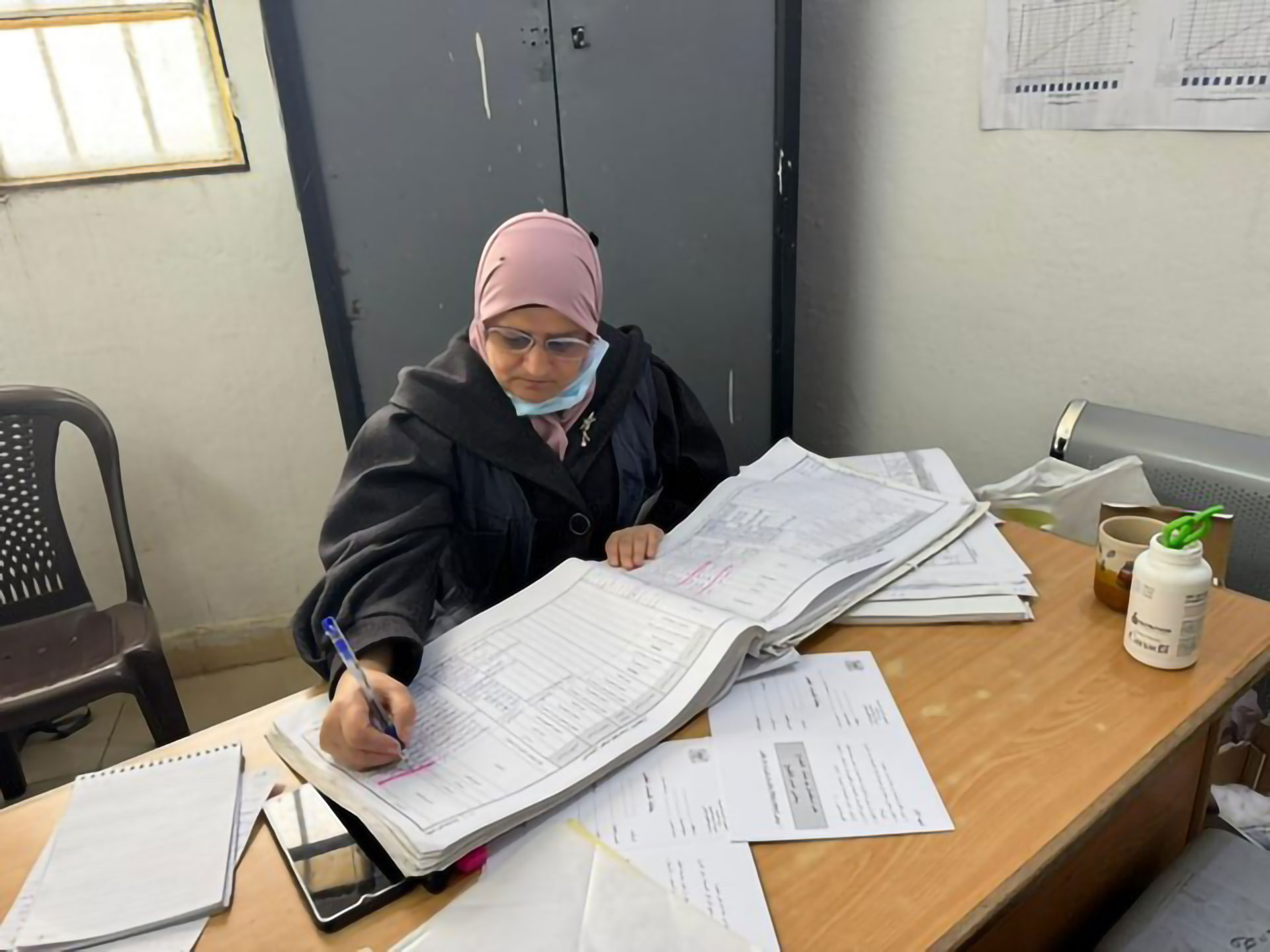 Ghofran Khozam, a vaccination focal point in Deir-ez-Zor, reviews records as part of efforts to ensure children receive life-saving vaccines. Photo credit: WHO
“We speak with families directly, explain why vaccines are important, and reassure them that they are safe and effective,” she says.
When children who may have missed routine immunization are finally reached, the impact is immediate. “When we succeed in vaccinating a child, especially those who were missed before, we feel a real sense of relief and happiness,” she says. “Because we know we are protecting them from serious disease.”
Vaccination, she adds, is not only about individual protection, it helps safeguard entire communities.
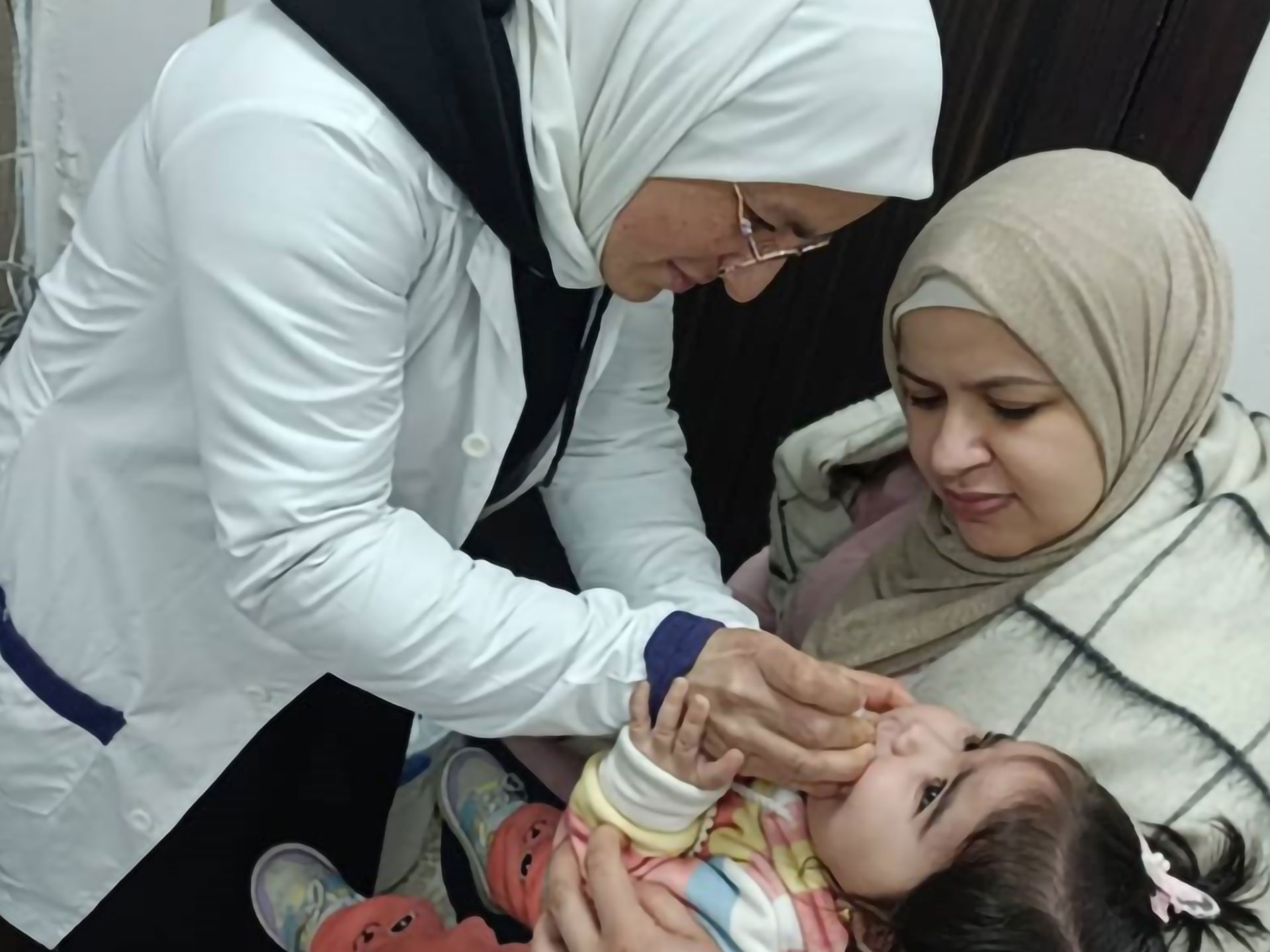 Dr Ruba Shaalan Atasi administers a vaccine to a child in Homs as part of ongoing immunization efforts. Photo credit: WHO
At the programme level, this work is supported through systematic monitoring and outreach. In Homs, Dr Ruba Shaalan Atasi, Head of the Child Health and Immunization Programme, explains how data guides vaccination efforts.
“We continuously track coverage levels across different areas,” she says. “If we identify gaps, we investigate the reasons and intensify efforts through outreach, awareness and targeted campaigns – to ensure all children are reached.”
From routine immunization to follow-up of missed children, her team works to ensure that vaccines reach every community, including newly displaced populations and hard-to-reach areas.
A system that works together
Across Syria, these efforts are deeply interconnected – from laboratories and surveillance systems to health centres and community outreach. Science does not sit in one place. It moves through systems, decisions and relationships – carried forward by people who use evidence every day to protect lives.
Their work is a reminder that standing with science is not only about research or data. It is about ensuring that knowledge reaches people, builds trust, and translates into care that makes a difference.
