


 Vaccinator Ali prepares a vaccine dose during an outreach session in a remote community in Ghorabari, Sindh. Photo credit: WHO Pakistan
30 April 2026, Islamabad, Pakistan – In the narrow, muddy lanes of Ghorabari, Sindh, Ali Muhammad’s motorbike brings hope and medical science to the most remote communities. Over the last two decades, Ali has been navigating this marginalized landscape, where accessing healthcare can be a daily struggle. Ali is one of over 15 000 skilled vaccinators trained by the World Health Organization (WHO) under the leadership of Pakistan’s Expanded Programme on Immunization.
His mission: to ensure every child completes their full vaccination course, staying protected from vaccine-preventable diseases that could lead to lifelong disability or death.
 Vaccinator Ali on his motorbike, about to head to vaccination in a remote area in Sindh province, Pakistan. Photo credit: WHO Pakistan
Day after day, Ali fights a burden of diseases that particularly threatens communities living in makeshift houses far from health facilities.
WHO’s collaboration with Pakistan and partners – supported by donors like Gavi, the Vaccine Alliance – provides the infrastructure, training, and tools needed to record the vaccination status of children and reach those living in the most isolated areas.
 Ali Muhammad with a vaccine carrier and safety box on his way to remote households in Ghorabari, Sindh. Photo credit: WHO Pakistan
Whether during the 2022 floods or the measles and rubella vaccination campaigns of 2022 and 2025, Ali was on the ground to provide a safety net for the most vulnerable. "I have seen real improvement because of vaccination," Ali says. "There are fewer outbreaks now, but our work must be consistent to keep children safe."
Ali often encounters hesitation due to misinformation. He remembers one family who, fearing minor side effects like fever, chose to skip life-saving vaccines.
"We would get our children vaccinated sometimes, and other times we wouldn't," says Zohra, a mother in Ghorabari. This inconsistency turned fatal when her daughter fell ill. Mistaking her fever for a common chest infection, the parents waited. It was only when a rash appeared and they reached the hospital that the truth emerged: it was measles. The realization came too late; the young girl died the next day.
Today, Zohra has transformed her grief into a plea: "My daughter is gone because I was careless. I let my doubts come before her safety, and now I have to live with that grief every day. I thought I was protecting her from a fever. I urge every mother: do not wait for a rash to appear, do not let your child become a memory; ensure they are vaccinated on time, every time."
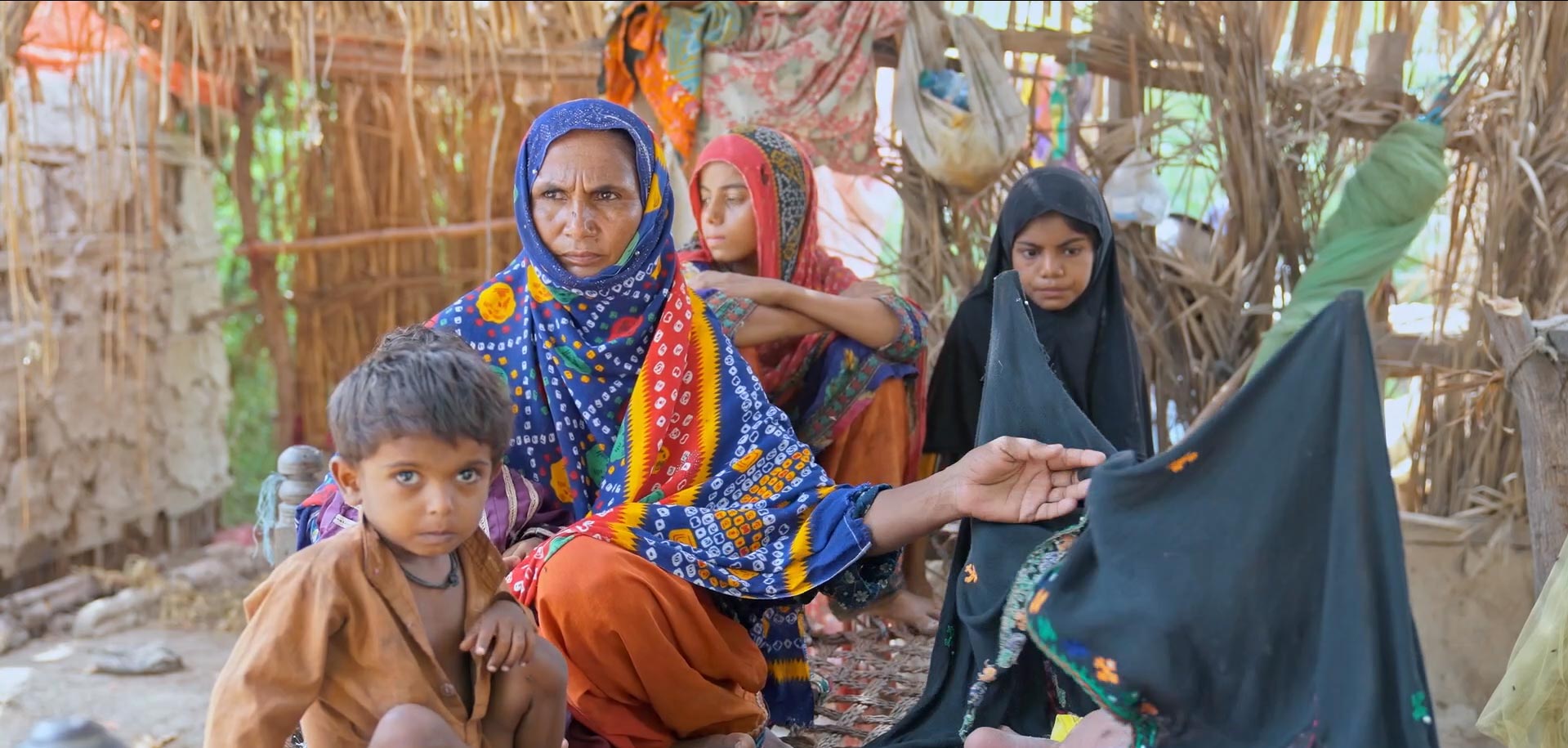 Zohra, a mother in Ghorabari, Sindh, advocates immunization after losing her daughter to a preventable measles outbreak. Photo credit: WHO Pakistan
Ali vaccinates over 3500 children annually at the basic health unit and in outreach sites, but he is more than a vaccinator. He is also a counselor who shares the plight of parents like Zohra to break the cycle of refusal. Every morning, he prepares his vaccine carrier, safety box, and vaccines, heading out to reach every woman and child, no matter where they live or who they are.
"In this area, some people don’t have access to basic health facilities; my mission is to ensure that every child completes their full vaccination course, so they are safe and protected.
Written by Ayesha Javed.
Edited by José Ignacio Martín Galán.
