


20 December, Cairo, Egypt – From 25 to 27 November 2025, World Health Organization (WHO) representatives from across the Eastern Mediterranean Region came together to reflect on their shared vision for health in a rapidly changing global landscape and identify practical pathways to move from vision to action and drive WHO’s mission across diverse settings.
Discussions centred on how WHO can remain fit-for-purpose, deliver on its mandate amid evolving challenges and position itself for success through integrated health programmes, stronger accountability and inter-country collaboration.
Here’s what WHO country representatives had to say about their priorities for the coming year.

Edwin Ceniza Salvador, WHO Representative in Afghanistan
“Our 3 flagships will be priority – building supply chain resilience, rebuilding the health workforce and tackling substance use with systemic solutions.”
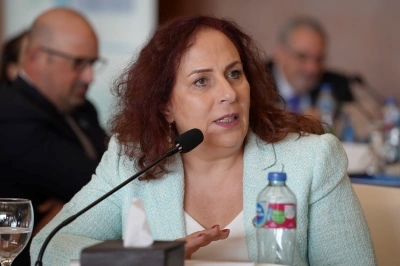
Joumana Hermez, WHO Representative in Djibouti
“In 2026, my priority is to lead Djibouti towards a resilient health system, reinforced by sustainable domestic health financing and less reliance on international donors for essential health services.”
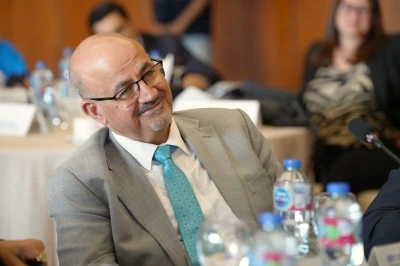
Nima Saeed Abid, WHO Representative in Egypt
“My goal is to make this office the best in the Region – we have the talent, and we can lead.”
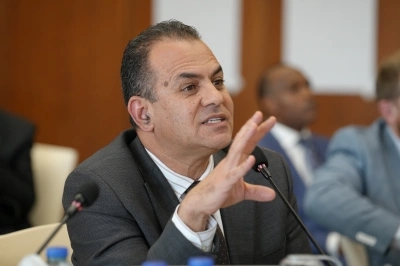
Awad Mataria, Acting WHO Representative in the Islamic Republic of Iran
“In 2026, the Iran Country Office’s top priority is to ensure full implementation of Programme Budget 2026–27 activities – despite the challenges from economic sanctions – through innovative collaboration with the Ministry of Health and Medical Education, the United Nations Country Team, collaborating centres and partners.”
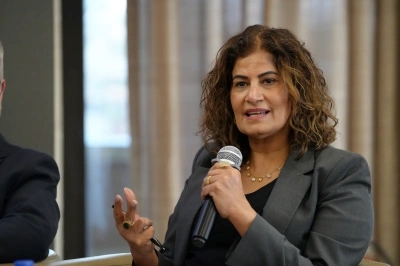
Jamela Al-Raiby, WHO Representative in Iraq
“My focus is helping Iraq transition from emergency aid to development, advancing universal health coverage while staying ready for public health threats.”
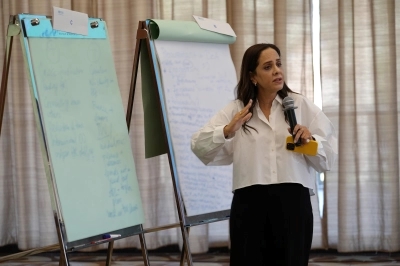
Iman Shankiti, WHO Representative in Jordan
“In 2026, we remain committed to expanding universal health coverage, advancing digital health and strengthening emergency preparedness. Our priority is turning the Regional Director’s flagship initiatives into tangible gains.”
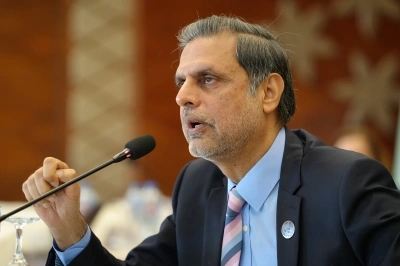
Assad Hafeez, WHO Representative in Kuwait and Acting Representative in Bahrain
“Over the past year, WHO has undergone a major prioritization and realignment process. As public health leaders we must adapt to a continuously changing regional and global landscape.”
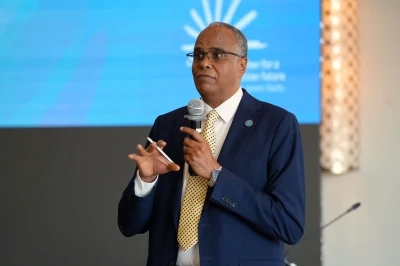
Abdinasir Abubakar, WHO Representative in Lebanon
“After a tough year, we are realigning priorities to meet Lebanon’s needs amid a protracted emergency, balancing capacity with demand.”
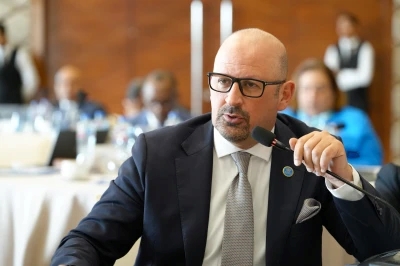
Ahmed Zouiten, WHO Representative in Libya and Acting Representative in Tunisia
“We’re strengthening health systems and emergency preparedness – risk assessment, contingency planning and readiness – while addressing the needs of refugees and migrants [in Libya].”
“Tunisia’s strong health system allows us to focus on governance, revive societal dialogues and advance health financing and digitalization.”
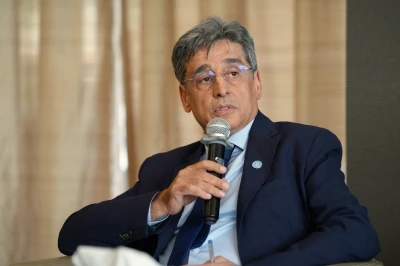
Mondher Letaief, Acting WHO Representative in Morocco
“I’m committed to supporting Morocco’s ongoing health reforms.”
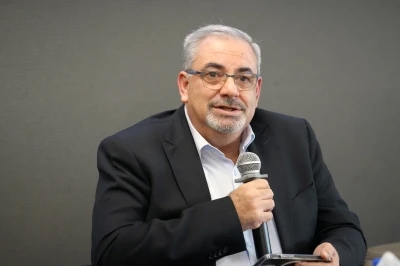
Jean Jabbour, WHO Representative in Oman
“With limited resources, prioritization is key – aligning technical support with Oman’s national health plans.”
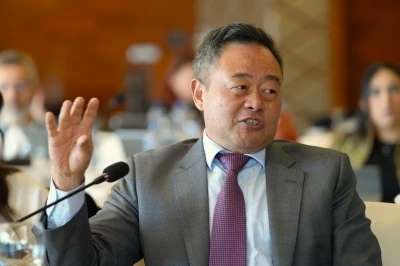
Dapeng Luo, WHO Representative in Pakistan
“My priority is to continue providing leadership and support to run the last mile of polio eradication, advance universal health coverage and stay ready for health emergencies.”
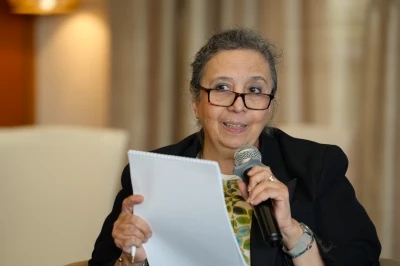
Rayana Bou Haka, WHO Representative in Qatar
“My priority is guiding Qatar through its National Health Strategy 3, aligned with the Fourteenth General Programme of Work 14 2025–2028, with an eye on innovation.”
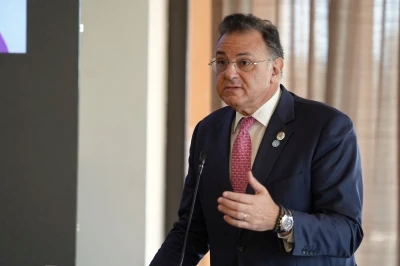
Adham Ismail, WHO Representative in Saudi Arabia
“In 2026, we will sustain momentum in reducing road traffic deaths, uphold excellence in Healthy Cities and contribute globally to combating antimicrobial resistance.”
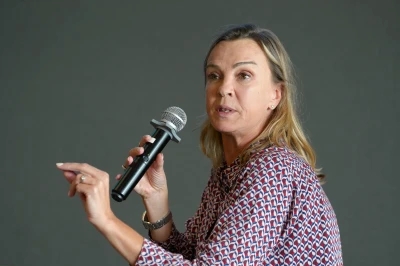
Reinhilde Van de Weerdt, WHO Representative in Somalia
“As Somalia faces major transitions in 2026, it’s crucial we stay focused on the needs of the most vulnerable and ensure they have access to quality health services.”
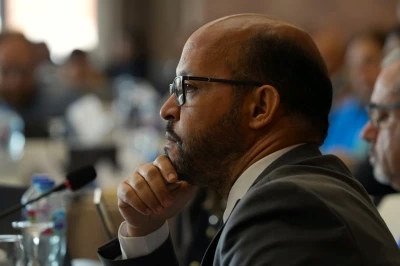
Shible Sahbani, WHO Representative in Sudan
“With scarce resources and growing needs, we must be more operational, integrate health across sectors and mobilize funds effectively.”
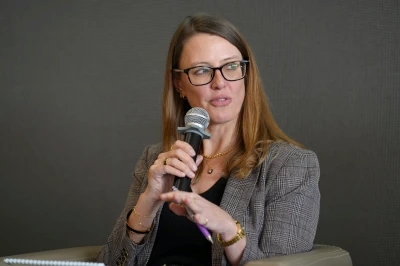
Christina Bethke, Acting WHO Representative in the Syrian Arab Republic
“Regional Office solidarity has been vital for Syria. In 2026 and beyond, we aim to strengthen recovery, transition to development and rebuild health systems with national partners.”
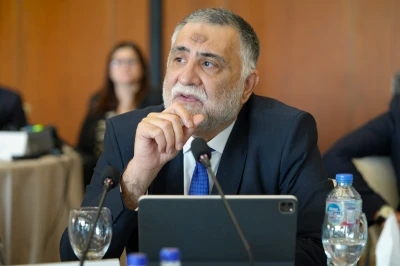
Syed Jaffar Hussain, WHO Representative in Yemen
“Our main priority is saving the lives of the most vulnerable.”
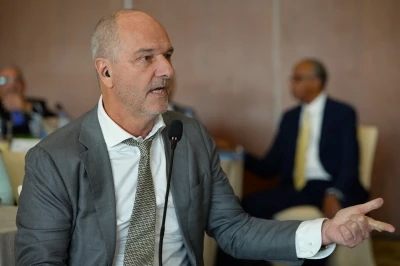
Richard Peeperkorn, WHO Representative in occupied Palestinian territory
“In 2026, WHO in the oPt will continue its substantial humanitarian health support and expand its early recovery, rehabilitation and reconstruction activities in Gaza and, to a lesser extent, in the West Bank.”
During the workshop, country representatives, directors and regional colleagues took part in panel discussions and interactive group work to identify country-specific challenges, share best practices and explore practical solutions.
Covering more than 15 key topics , the retreat concluded with agreed actions and next steps aimed at strengthening support to country offices and ensuring the delivery of tangible results in the Region.
