


Overview
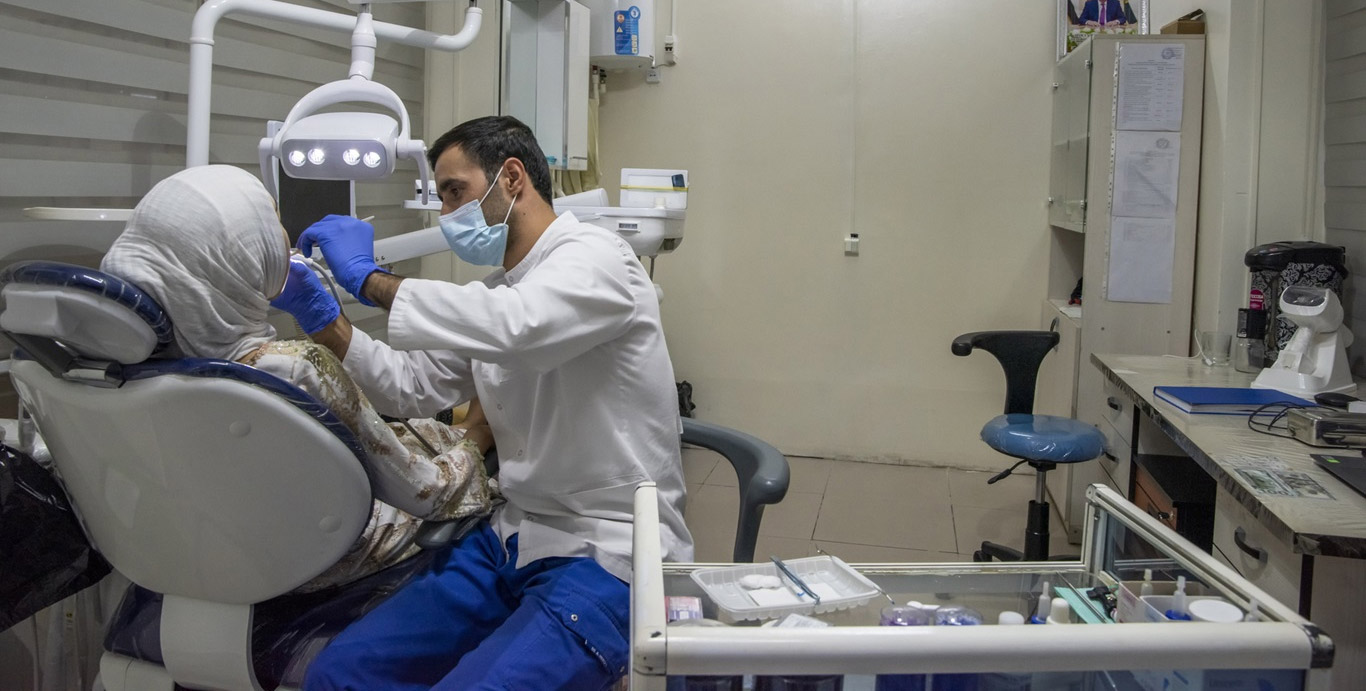
WHO defines oral health as the state of the mouth, teeth and orofacial structures that enables individuals to perform essential functions, such as eating, breathing and speaking, and encompasses psychosocial dimensions such as self-confidence, well-being and the ability to socialize and work without pain, discomfort and embarrassment.
Oral diseases are among the most common and preventable noncommunicable diseases (NCDs) in the Region. In 2019, they affected more than 330 million people (46.5% of the population), with a disproportionate impact on the poor and socially disadvantaged.
Oral diseases also share risk factors, including high intake of free sugars, all forms of tobacco use and harmful alcohol use, with other NCDs. Taking a common risk factor approach to the prevention of oral diseases by embedding oral health within the broader NCD agenda ensures that progress can be made across a range of NCDs, including oral diseases, diabetes, cancer and cardiovascular diseases.
The accessibility and affordability of essential oral health care is a challenge in many countries given the unequal distribution of oral health professionals, the lack of appropriate essential oral health care provided in primary health care settings, and inadequate coverage in national universal health coverage (UHC) benefit packages.
Impact
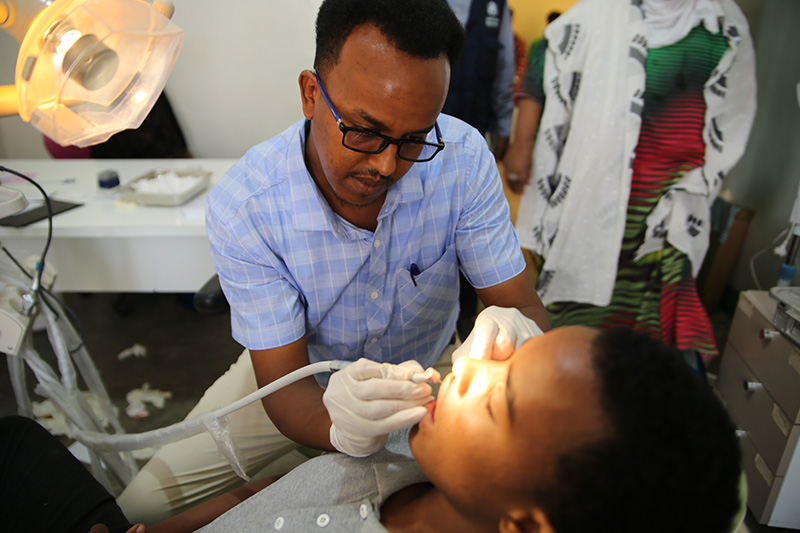 Between 1990–2019, estimated case numbers of major oral diseases in the Region grew by almost 165 million – a 95.6% increase, the second largest percentage increase in oral diseases among WHO regions. This burden of oral diseases has economic implications: in 2019, total direct expenditure was estimated at around US$ 7 billion and productivity losses at US$ 10 billion.
Because services are predominantly provided by private practitioners and are usually only partially or not at all covered by national UHC benefit packages, oral health care is also associated with high out-of-pocket expenditures.
WHO response
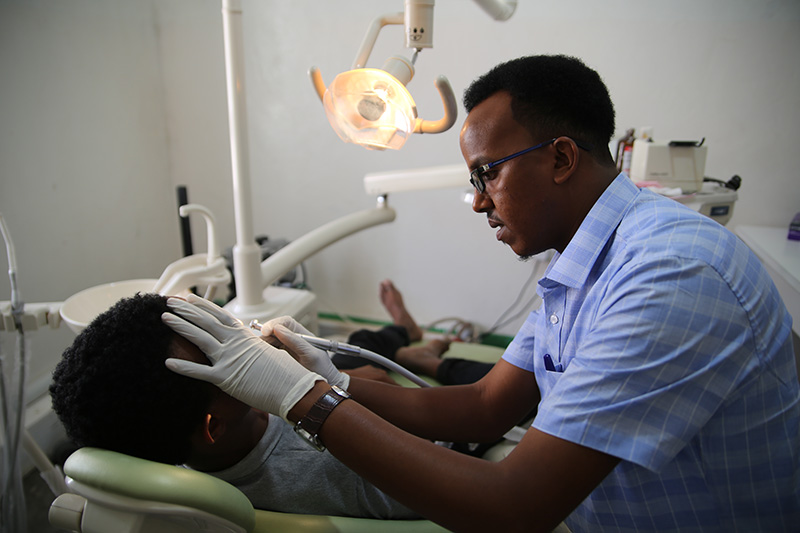 The landmark Resolution on Oral Health adopted in 2021 at the 74th World Health Assembly recommends a shift from a traditional curative approach towards a preventive approach that includes promotion of oral health within the family, schools and workplaces and timely, comprehensive and inclusive care within the primary health care system.
The Resolution affirms that oral health should be firmly embedded within the NCD agenda and that oral health care interventions should be included in national UHC benefit packages.
Following the mandate outlined in the resolution, the Secretariat developed the Global strategy on oral health in 2022 (WHA75(11)) and the Global oral health action plan 2023‒2030 (GOHAP) in 2023 (WHA76 (9)).
GOHAP provides concrete guidance to progress the oral health agenda in countries and proposes a monitoring framework with targets to track progress towards 2030.
Questions and answers
What are the most common oral diseases in the region?
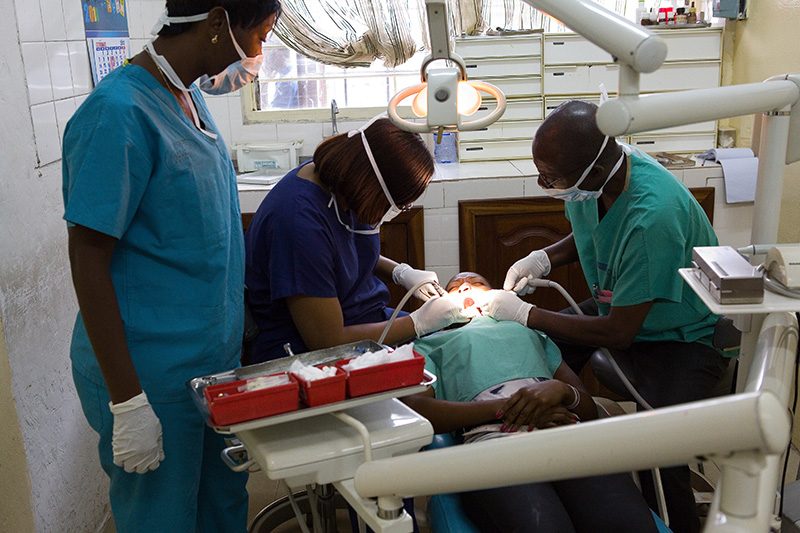
Common oral diseases include dental caries, severe periodontal diseases, tooth loss and oral cancer.
These conditions affect more than 330 million people (46.5% of the population), with dental caries the most prevalent, affecting more than 269 million people in 2019. The Region also recorded more than 14 000 deaths from oral cancers in 2020. Risk factors include tobacco use, betel quid chewing and unhealthy alcohol consumption.
What is the Global Strategy and Action Plan on Oral Health?
The Global strategy on oral health (WHA75(11)) outlines six strategic areas for prioritizing actions to promote oral health and prevent and control oral diseases as part of the NCD and UHC agendas and beyond:
oral health governance;
oral health promotion and oral disease prevention;
health workforce;
oral health care;
oral health information systems; and
oral health research agendas.
Based on the Global strategy on oral health, the Global oral health action plan (WHA76 (9)) was developed. It proposes 100 actions across six strategic objectives for Member States, the WHO Secretariat, international partners, civil society organizations and the private sector, and sets 11 global oral health targets to be achieved by 2030, including two overarching targets – to fully integrate oral health services in UHC, and reduce the oral disease burden.
What are the challenges and opportunities for the Region?
The major challenge facing the Region is the lack of accessibility and affordability of essential oral health care. This is due to a service delivery model that relies heavily on specialized providers and does not integrate essential oral health care into the national UHC benefit packages. As a result, high out-of-pocket expenditures place a significant financial burden on families and communities.
Improving integration of oral health services in primary health care as part of the national UHC benefit package while fostering interprofessional collaboration with other primary health care workers is critical to achieve UHC for oral health by 2030.
Adopting a public health approach that addresses common risk factors for oral diseases and other NCDs presents a significant opportunity for oral health. This includes promoting a well-balanced diet low in sugars, stopping all forms of tobacco use, reducing alcohol consumption and improving access to effective and affordable fluoride toothpaste.
