

Sélectionnez votre langue
Douma National Hospital takes shape again with support from Japan
27 November 2025, Rural Damascus, Syrian Arab Republic – On a quiet street in Douma, a large hospital complex is almost ready for the day it will welcome patients again. For now, its corridors are still, but inside, teams from the Ministry of Health, the Rural Damascus Health Directorate and the World Health Organization (WHO) are completing final checks on a hospital that once served as a lifeline for communities across eastern Ghouta.
Before it was damaged during years of fierce hostilities, Douma National Hospital was the main referral hospital for the area, receiving patients from across eastern Ghouta and parts of Rural Damascus. With 175 beds and 10 operating rooms, it offered a wide range of surgical and medical services. Since 2012, however, the hospital has been out of service, and people in the area have had to rely on a small emergency facility with a single operating room and just two inpatient beds.
Today, the rehabilitation and equipping of Douma National Hospital is nearing completion. Under the leadership of the Ministry of Health and the Rural Damascus Health Directorate, and with support from WHO, the hospital has been structurally repaired and redesigned to restore safe services for around 550 000 people in Douma and an estimated 3 million people in surrounding areas. This work has been made possible thanks to support from the Government of Japan.
A hospital prepared for safer, more specialized care
The rehabilitated and newly equipped complex now consists of two main blocks and upgraded site infrastructure. Block A will function as a specialized women’s and children’s hospital, with around 30 beds. It includes two operating rooms (one general and one maternity), labour and post-operative recovery rooms, a fully equipped laboratory, an intensive care unit, a neonatal care unit and a paediatric ward. Imaging services will include mammography, X-ray and obstetric–gynecologic ultrasound.
Block B will host a general emergency department, designed to stabilize urgent cases closer to home. It will feature an emergency operating room, emergency intensive care beds, CT scanning, digital and mobile X-rays, ultrasound and a fully equipped emergency laboratory, alongside clinics and administrative rooms.
“We are now in the final stages of preparing the hospital to resume services,” says Dr Mwaz Anwar Sidoi, general and vascular surgeon and Director of Douma National Hospital. “Once it is staffed, the hospital will again be able to receive most emergency cases – from obstetrics and paediatrics to internal medicine and trauma – and reduce the need for patients to travel long distances for care.”
Built with safety, accessibility and future needs in mind
From the beginning, rehabilitation has focused on safety and quality. New layouts and systems have been designed to improve infection prevention and control, with dedicated sterilization areas, better patient flows, and safer working conditions for staff.
“Once Douma National Hospital resumes services, there will be clear procedures in place to control infection and protect both patients and health workers,” explains Dr Sidoi. “Plans include having a specialized sterilization team, training staff on personal protection and safe management of critical cases and ensuring regular vaccination and health checks for medical staff.”
Local engineers at the heart of recovery
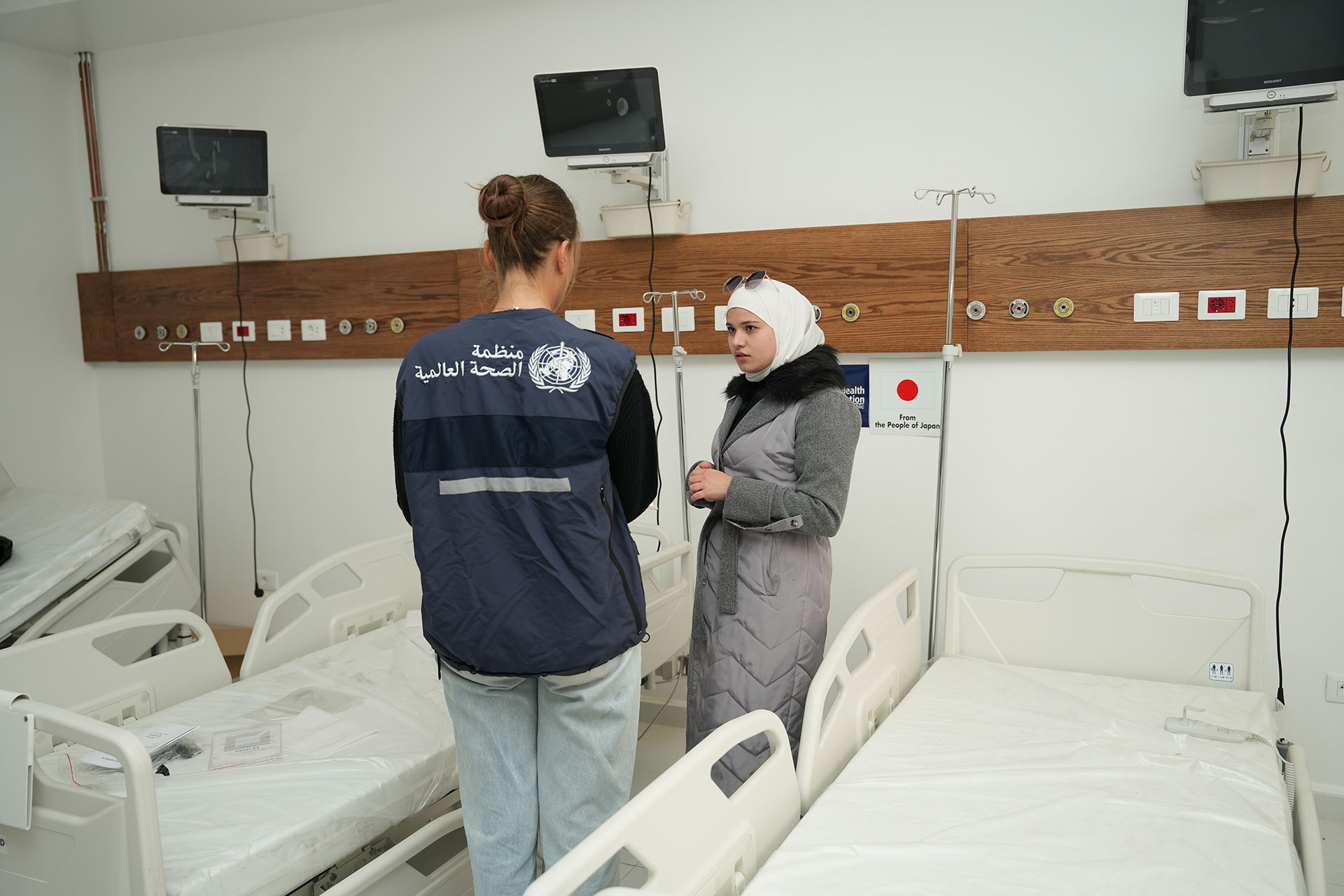 The engineering team inside the newly rehabilitated inpatient ward, equipped and prepared for future patient services. Photo credit: WHO
For biomedical engineer Rima Ouda, who worked as an engineer on the project, rehabilitation is also about adapting the building to the needs of different groups of patients. “Douma has a large population, and people here have been waiting for a functioning hospital,” she says. “The new design follows international standards, with a strong focus on accessibility and patient comfort – especially for older people, children and people with disabilities.”
“In the final stages of the project, it was clear how closely the engineering teams from the Ministry of Health, the Rural Damascus Health Directorate and WHO were working together,” notes Dr Sidoi. “Regular joint visits, careful supervision and a shared commitment to quality helped ensure that the rehabilitation meets global benchmarks for hospital construction.”
A shared investment in the future of health services
For the Rural Damascus Health Directorate, the restoration of services Douma National Hospital is a critical step in restoring equitable access to care after years of disruption.
“Rehabilitating and equipping Douma National Hospital is an investment in the health of our communities for years to come,” says Dr Taufik Hasaba, Director of the Rural Damascus Health Directorate. “With support from the Government of Japan, under the leadership of the Ministry of Health and in collaboration with WHO, we now have a facility ready to host modern, safe services once staffing, equipment installation and operating budgets are in place. Our shared priority is to ensure that people in Douma and neighbouring areas can receive quality care closer to home.”
WHO technical teams have accompanied the project from design through to completion, ensuring that the hospital layout, infrastructure and equipment planning align with national priorities and international standards.
“Douma National Hospital shows what is possible when long-term partners focus on rebuilding quality, essential services, not only responding to emergencies,” says Dr Wail Ismail, WHO Public Health Officer. “With Japan’s support, this hospital has been structurally rehabilitated and equipped to host high-quality emergency, surgical, maternal, newborn and paediatric care in the future. The next step is to bring in health workers, commission equipment, and fully integrate the hospital into the wider referral network so that this investment translates into tangible services for patients.”
A hospital ready for the day it reopens
For many health workers in Douma, the hospital is more than a building: it is part of the city’s memory. Before it was damaged, surgical patients came from as far as Qarah and al-Dumayr to receive specialized care here.
“We hope that, once services begin, Douma National Hospital will gradually regain its role as a key surgical and emergency hospital for Rural Damascus,” says Dr Sidoi. “If the necessary support continues – to expand some departments, open new units and retain trained staff – the hospital can once again become one of the leading public hospitals in the governorate.”
For now, the wards, operating rooms and intensive care units stand ready, waiting for the day they will be filled with patients, families and health workers again. The rehabilitation of Douma National Hospital is a concrete step towards Syria’s recovery – a sign of how sustained support from partners, including Japan, is helping the countryt rebuild the foundations of its health system.
Building stronger health preparedness across Syria
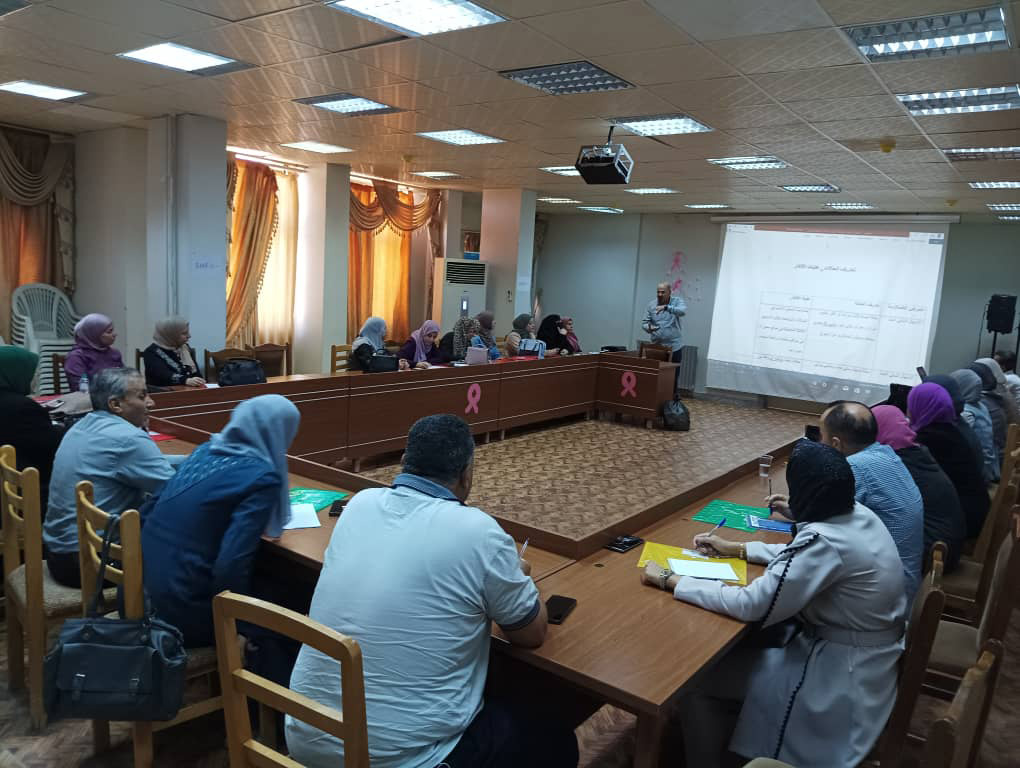 Participants attending the cholera Rapid Diagnostic Tests (RDTs) training in Daraa Governorate. Photo credit: WHO 27 November 2025, Damascus, Syrian Arab Republic – In Syria’s towns and villages, a quick and coordinated response can mean the difference between a contained outbreak and hundreds falling ill. When a child arrives at a clinic with symptoms of acute watery diarrhoea, trained health workers now know what to look for, how to test safely, and how to act fast to protect others.
To strengthen this readiness across the country, the World Health Organization (WHO) and the Ministry of Health (MoH) have completed a series of nationwide workshops to improve early detection and rapid response to acute watery diarrhoea and other waterborne diseases.
With generous support from the Syria Humanitarian Fund (SHF) — a rapid and flexible pooled funding mechanism managed by the United Nations Office for the Coordination of Humanitarian Affairs (OCHA) to address the most critical humanitarian needs — these joint efforts are helping strengthen Syria’s public health preparedness as communities adapt to challenges such as climate change, population movements, and water scarcity.
“Health workers are the backbone of any health system. By improving their ability to detect and respond quickly to disease outbreaks and keeping them informed with the latest research and tools, we are protecting families and strengthening Syria’s resilience against future health threats,” says Dr Rasmieh Al-Lahham, Technical Officer at WHO Syria.
Across all governorates, 11 three-day workshops brought together health officers responsible for tracking and responding to diseases. Participants learned how to identify suspected cholera cases, investigate outbreaks, report accurately, and coordinate response efforts. More than 300 health workers were trained in updated reporting methods, safe collection and transport of laboratory samples, and essential infection prevention and control practices. The sessions also focused on water, sanitation and hygiene measures and on working closely with rapid response teams to stop outbreaks faster.
In parallel, 11 additional workshops were organized for laboratory technicians working in health centres. These sessions strengthened their skills in using and interpreting rapid diagnostic tests for cholera and reinforced reporting systems that help confirm cases and trigger timely action.
“Every minute counts in outbreak detection and response,” adds Dr Rasmieh Al-Lahham. “With support from the Syria Humanitarian Fund, we were able to cover the operational costs for Ministry of Health rapid response teams to verify suspected cases, follow up in the field, improve data accuracy, and ensure health facilities are ready to respond. We also helped strengthen communication skills so health workers can raise awareness in their communities on how to prevent illness and protect their families.”
From the first signs of illness in a local clinic to the coordinated action of trained health workers, these efforts now mean faster detection, quicker confirmation, and stronger protection for families across Syria – helping keep communities safe and healthy.
How two hospitals provide continuous care for dialysis patients and newborns
26 November 2025, Aleppo, Syrian Arab Republic – For many families across northern Aleppo, weekly visits to their local hospital are a vital lifeline — whether for lifesaving dialysis sessions or for the care of newborns recovering from early illness. At Azaz National Hospital and Marea National Hospital, health workers provide steady, reliable services that help patients manage long-term conditions and protect infants during their most vulnerable days.
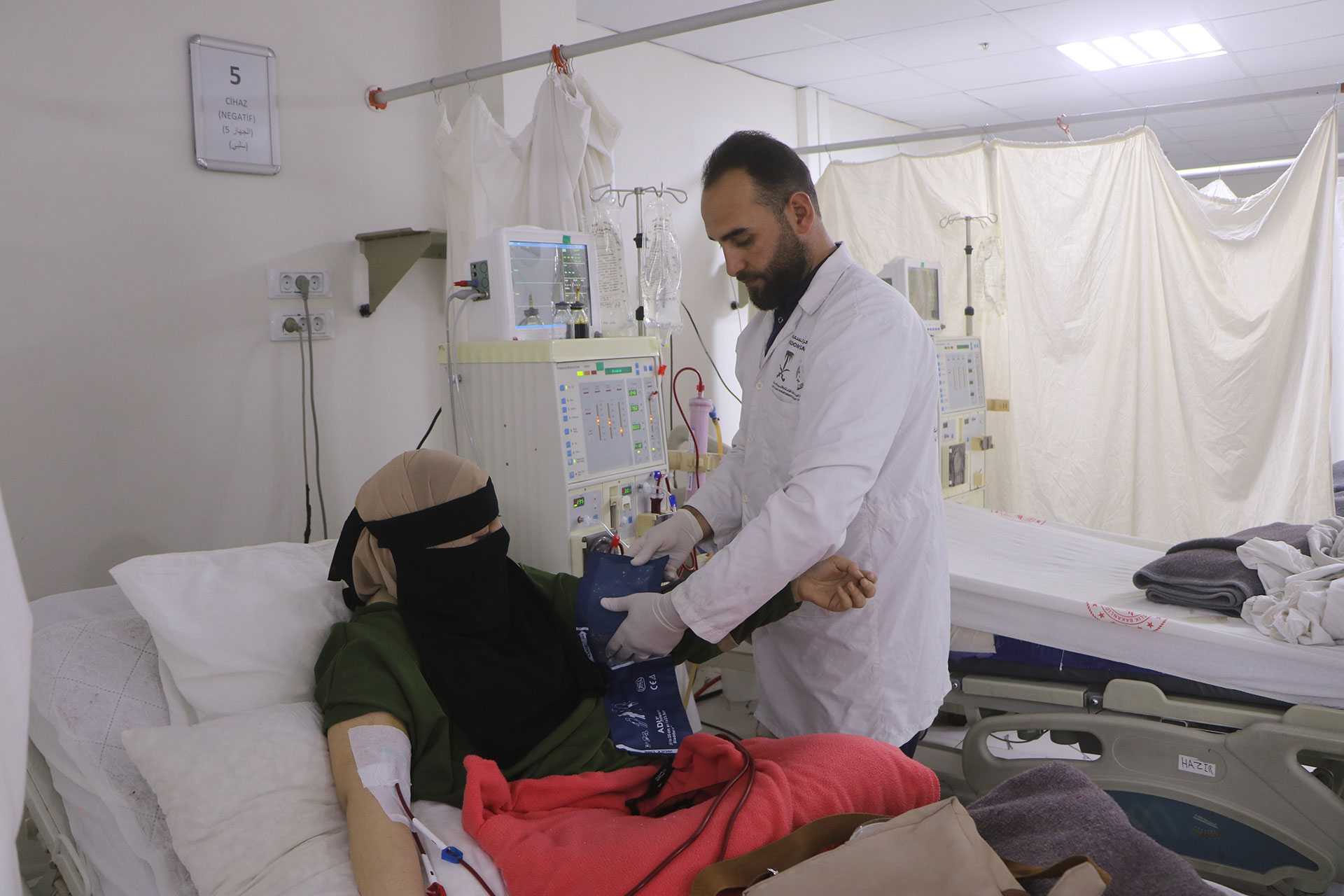 Abd al-Rouf Saqqar supports patient Sireen Assi during a dialysis session at Azaz National Hospital. Photo credit: WHO
At Azaz National Hospital, Sireen Assi arrives twice a week for dialysis. Living with kidney failure has meant years of regular treatment, but the routine brings stability and keeps her symptoms under control. Nurse Abd al-Rouf Saqqar, who oversees her sessions, says familiarity and consistency matter.
“Dialysis is not easy for any patient,” he explains. “Regular attendance helps us stabilise their condition and prevent complications. We try to make every session as comfortable as possible.”
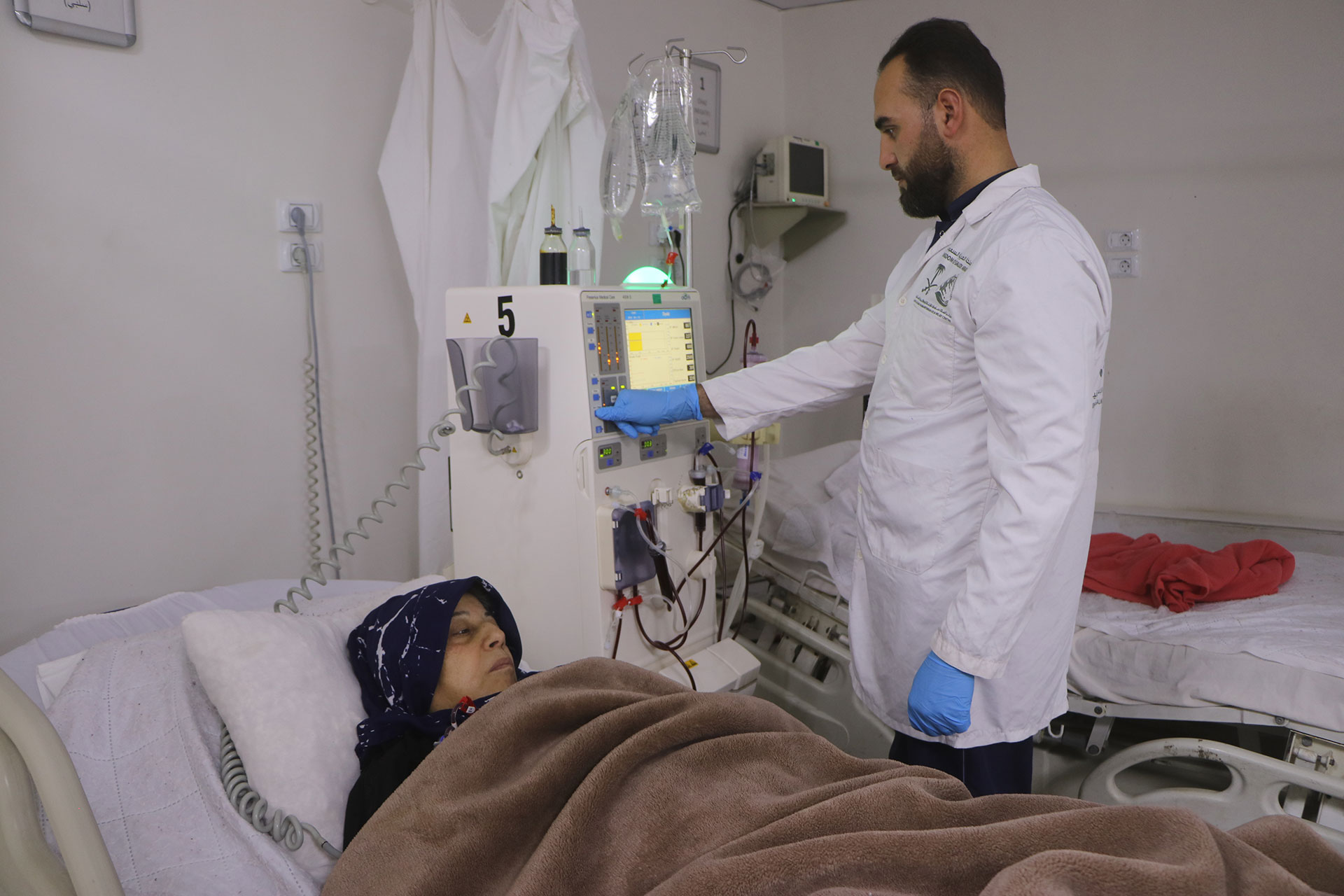 Sabah Al-Ahmad receives dialysis care from nurse Abd al-Rouf Saqqar at Azaz National Hospital. Photo credit: WHO
In the same unit, Sabah Al-Ahmad receives her twice-weekly treatment under the guidance of the same team. For her, the predictability of care makes a significant difference.
“Many of our patients have been coming for years,” says Abd al-Rouf. “We know their routines, their concerns, and how their bodies respond to treatment. That trust makes the care smoother and safer.”
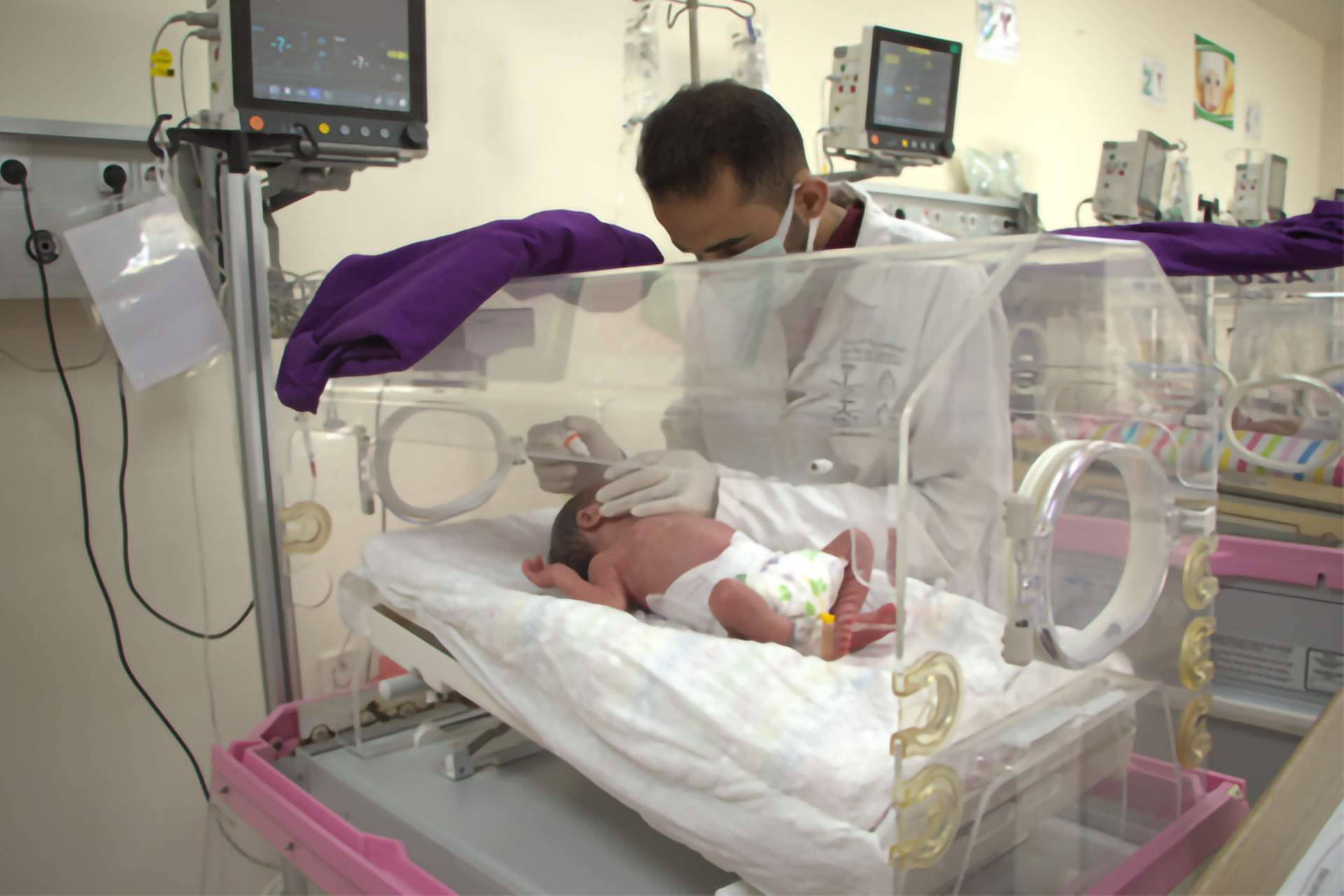 Ahmad Al-Taweel examines infant Mohammad Abbas inside the neonatal unit at Marea National Hospital. Photo credit: WHO
Further south, at Marea National Hospital, Mohammad Abbas was admitted to the neonatal unit with a skin condition requiring close observation and specialized care. Nurse Ahmad Al-Taweel and the incubator unit team monitored him closely, adjusted treatment as needed, and supported his family throughout his stay.
“Skin conditions in newborns need close observation,” says Ahmad. “We monitor the child hour by hour and keep the parents informed. When a baby improves, everyone in the unit feels it.”
Whether in dialysis wards or neonatal units, hospitals in Azaz and Marea provide continuous care that families depend on – week after week, month after month.
Services at both hospitals are delivered in coordination with the Ministry of Health and implemented on the ground through health partners, ensuring that families in northern Aleppo can access essential care close to home.
Since late 2024, support from the King Salman Humanitarian Aid and Relief Centre (KSrelief) has helped WHO keep 50 health facilities running across Aleppo and Idlib, enabling uninterrupted access to services such as dialysis, neonatal care and other essential health interventions.
Three childhood symptoms, three clinics, one goal: keeping children safe
25 November 2025, Aleppo, Syrian Arab Republic – Across northern Aleppo, parents often act quickly when their children show signs of illness – whether it begins with ear pain, a sudden fever, a persistent cough or stomach upset. At three different primary health centres, doctors say these early visits are what help them to protect children from conditions that can worsen quickly.
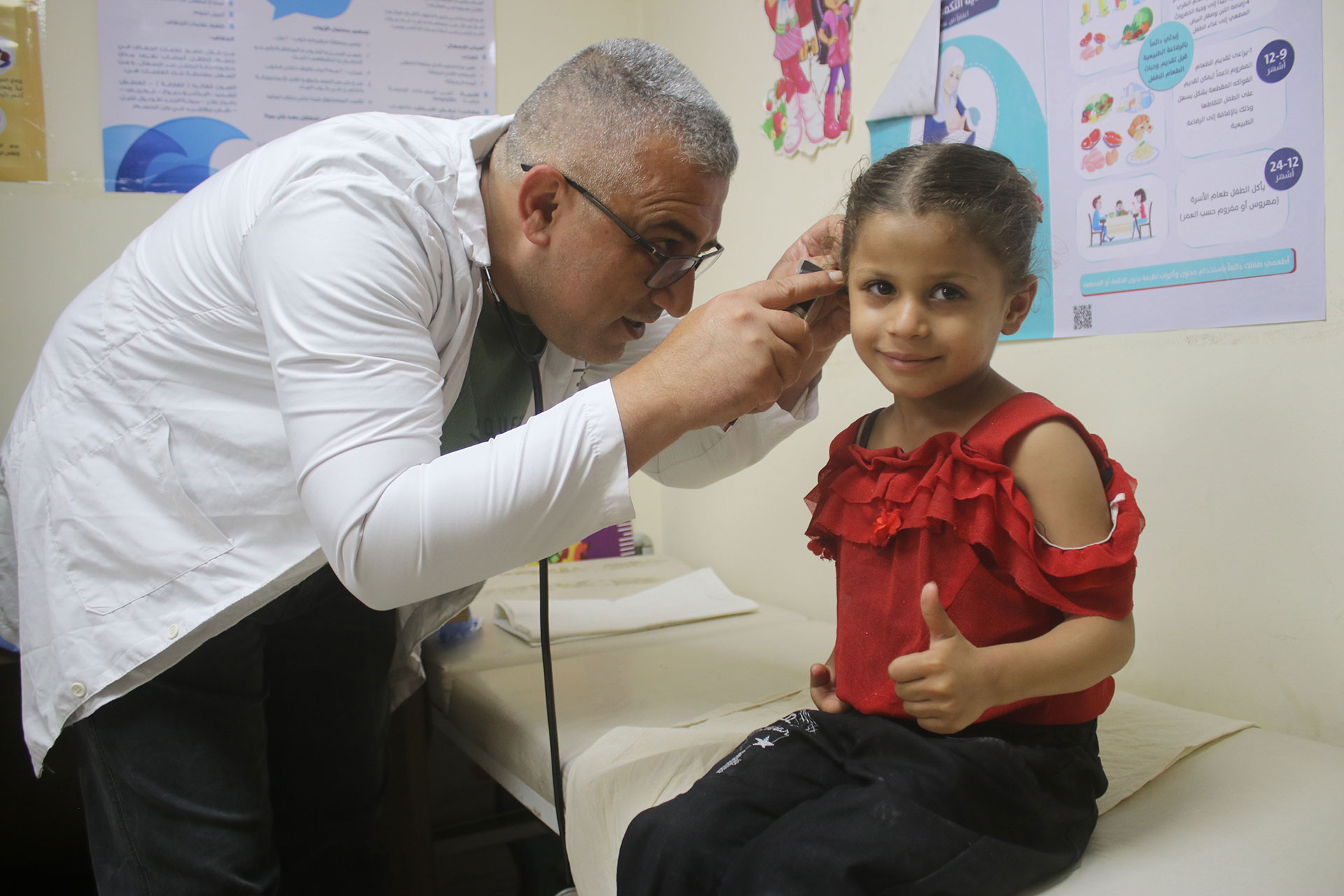 Dr. Shadwan Mohammed Hindawi examines Nour Ibrahim Al-Hassan during a consultation at the paediatric clinic in Azaz Health Centre. Photo credit: WHO
At Azaz Health Centre, paediatrician Dr. Shadwan Mohammed Hindawi welcomed Nour Ibrahim Al-Hassan, who arrived with ear pain and a high fever. After examining her, he prescribed treatment to ease the infection and guided her mother on how to manage symptoms at home.
“Ear infections start suddenly and they worry parents,” says Dr. Shadwan. “Once we examine the child and explain the treatment, you can see the relief. Early visits help us act before the infection spreads or the fever rises further.”
At Qareh Koubré Health Centre, Mohammad Bilal Al-Qasem was brought in by his father after several days of coughing and chest irritation. Dr. Mustafa Hamdan Kareem assessed his breathing and diagnosed a bronchial infection.
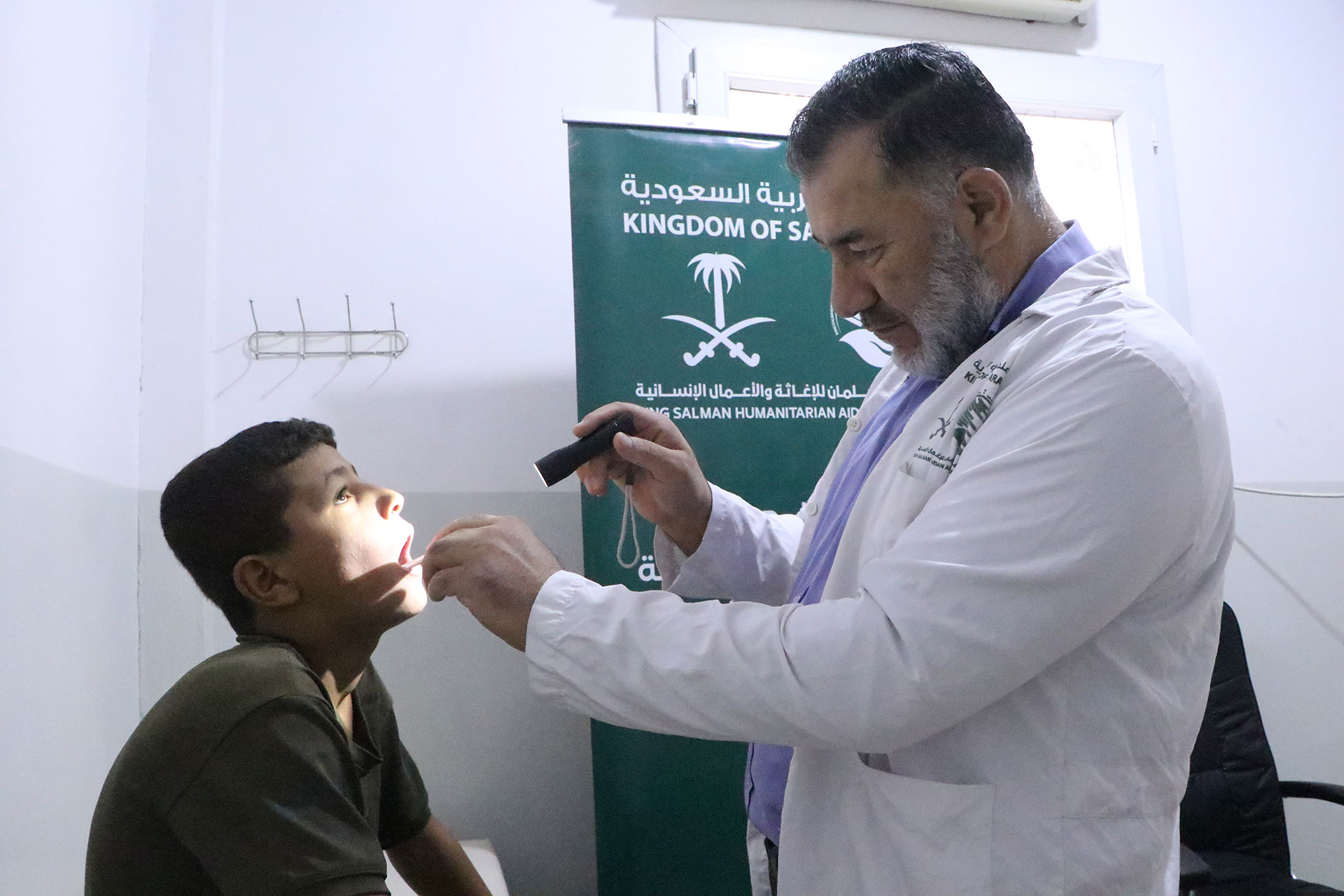 Dr. Mustafa Hamdan Kareem examines Mohammad Bilal Al-Qasem during a consultation at Qareh Koubré Health Centre in Aleppo. Photo credit: WHO
“We see many children with chest symptoms, especially during seasonal changes,” Dr. Mustafa explains. “Parents often wait to see if it will pass, but checking early helps us treat the inflammation before it becomes more serious. Our aim is always to help a child breathe comfortably again.”
Further east, at Tal Al-Hawa Health Centre, Ei Nour Hussein arrived with vomiting and diarrhoea – symptoms that can lead to dehydration, especially in young children. Dr. Youssef Aboush examined her, checked her hydration status, and provided medication and guidance to her father.
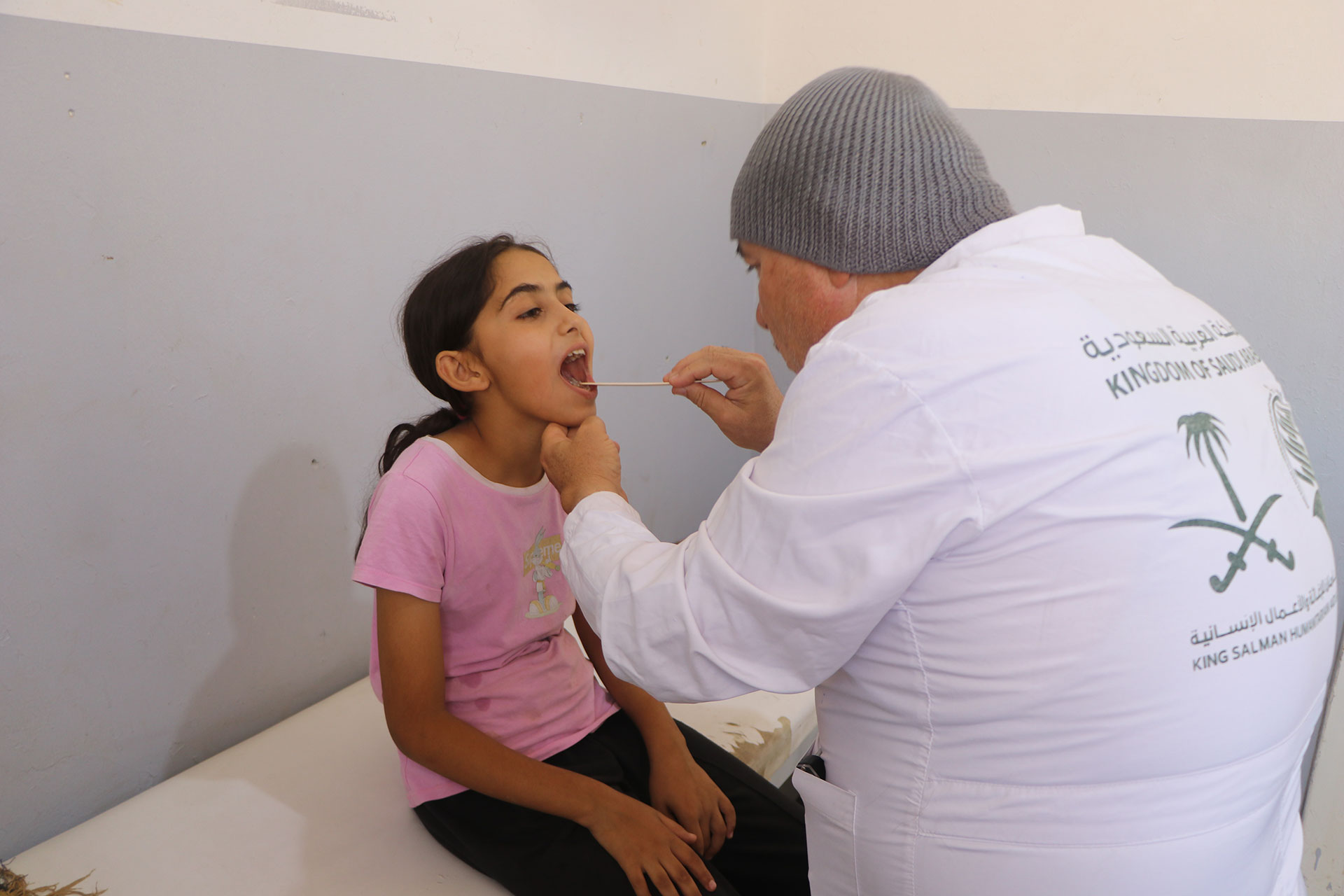 Ei Nour Hussein is examined by Dr. Youssef Aboush at Tal Al-Hawa Health Centre. Photo credit: WHO
Further east, at Tal Al-Hawa Health Centre, Ei Nour Hussein arrived with vomiting and diarrhoea – symptoms that can lead to dehydration, especially in young children. Dr. Youssef Aboush examined her, checked her hydration status, and provided medication and guidance to her father.
“Dehydration can develop fast in children,” says Dr. Youssef. “When a child comes in with vomiting and diarrhoea, our priority is to stabilise them and reassure the family. Simple treatment at the right time can prevent a hospital visit.”
Across Azaz, Qareh Koubré and Tal Al-Hawa, health workers share a common goal: catching illnesses early so children can recover safely at home.
Services at these health centres are delivered in coordination with the Ministry of Health and implemented on the ground through local partners, whose teams make sure that essential care remains available for families with limited options.
Since late 2024, support from the King Salman Humanitarian Aid and Relief Centre (KSrelief) has helped WHO keep 50 health facilities running across Aleppo and Idlib, ensuring that families can access the care they need close to home.