

Sélectionnez votre langue
How two hospitals provide continuous care for dialysis patients and newborns
26 November 2025, Aleppo, Syrian Arab Republic – For many families across northern Aleppo, weekly visits to their local hospital are a vital lifeline — whether for lifesaving dialysis sessions or for the care of newborns recovering from early illness. At Azaz National Hospital and Marea National Hospital, health workers provide steady, reliable services that help patients manage long-term conditions and protect infants during their most vulnerable days.
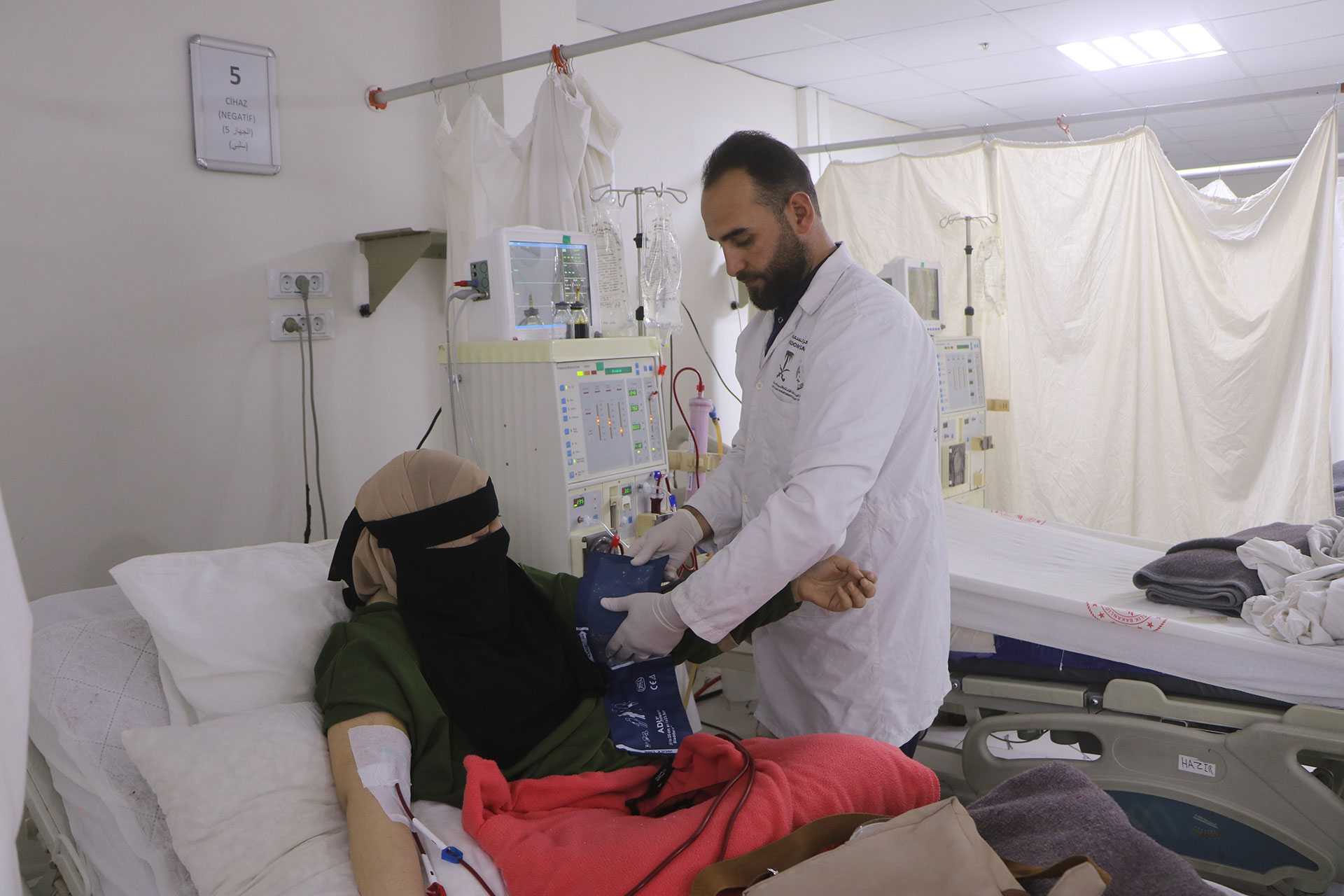 Abd al-Rouf Saqqar supports patient Sireen Assi during a dialysis session at Azaz National Hospital. Photo credit: WHO
At Azaz National Hospital, Sireen Assi arrives twice a week for dialysis. Living with kidney failure has meant years of regular treatment, but the routine brings stability and keeps her symptoms under control. Nurse Abd al-Rouf Saqqar, who oversees her sessions, says familiarity and consistency matter.
“Dialysis is not easy for any patient,” he explains. “Regular attendance helps us stabilise their condition and prevent complications. We try to make every session as comfortable as possible.”
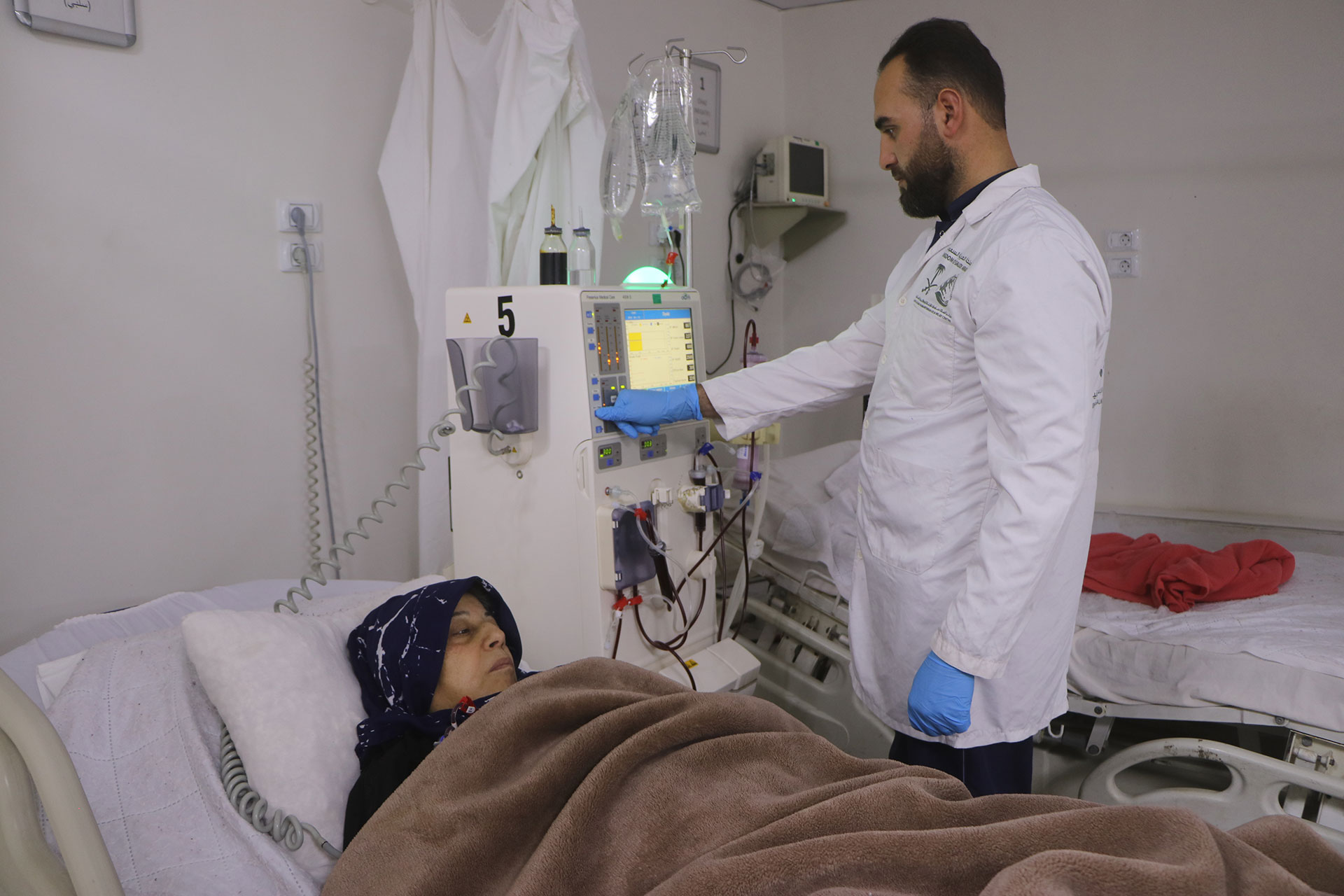 Sabah Al-Ahmad receives dialysis care from nurse Abd al-Rouf Saqqar at Azaz National Hospital. Photo credit: WHO
In the same unit, Sabah Al-Ahmad receives her twice-weekly treatment under the guidance of the same team. For her, the predictability of care makes a significant difference.
“Many of our patients have been coming for years,” says Abd al-Rouf. “We know their routines, their concerns, and how their bodies respond to treatment. That trust makes the care smoother and safer.”
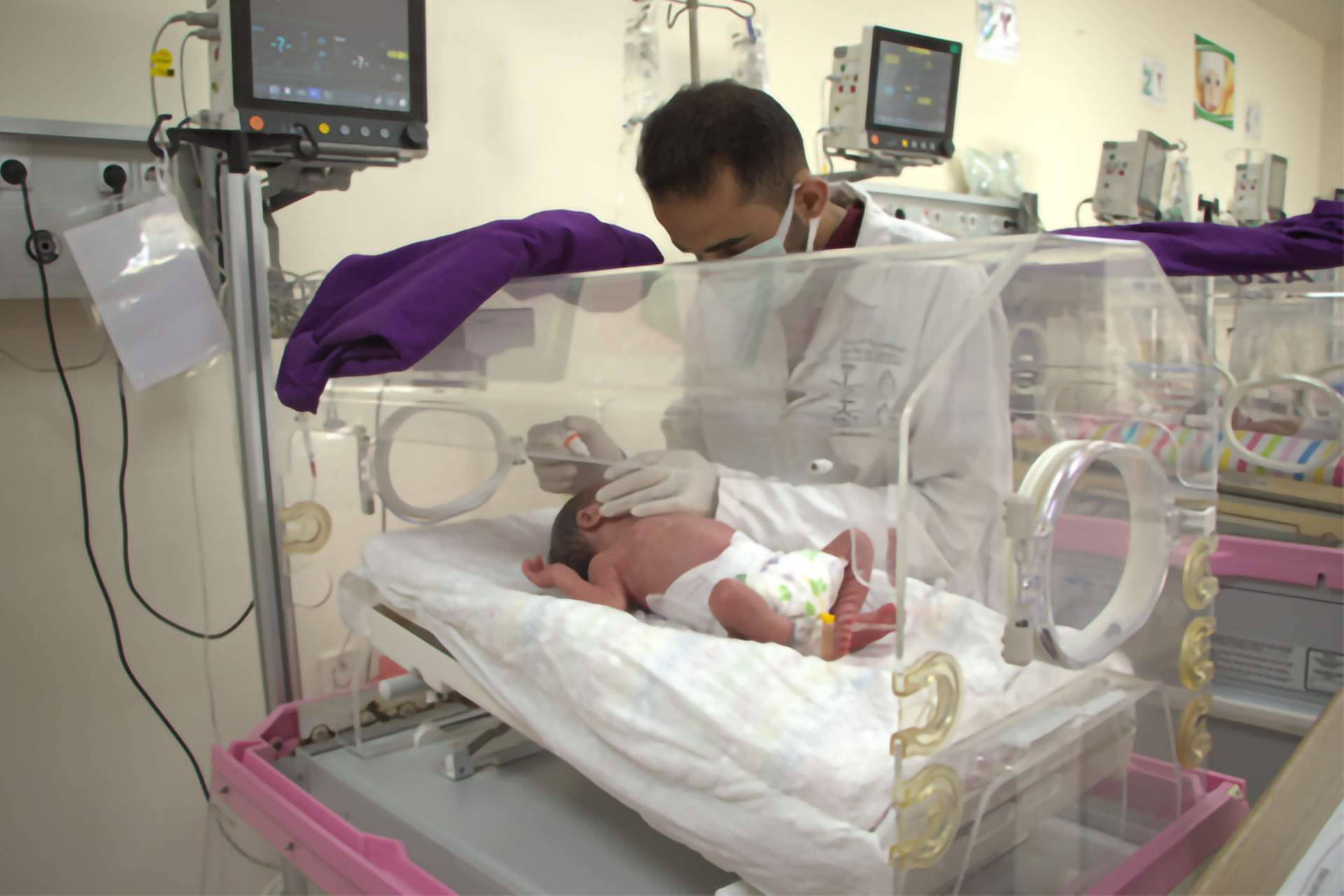 Ahmad Al-Taweel examines infant Mohammad Abbas inside the neonatal unit at Marea National Hospital. Photo credit: WHO
Further south, at Marea National Hospital, Mohammad Abbas was admitted to the neonatal unit with a skin condition requiring close observation and specialized care. Nurse Ahmad Al-Taweel and the incubator unit team monitored him closely, adjusted treatment as needed, and supported his family throughout his stay.
“Skin conditions in newborns need close observation,” says Ahmad. “We monitor the child hour by hour and keep the parents informed. When a baby improves, everyone in the unit feels it.”
Whether in dialysis wards or neonatal units, hospitals in Azaz and Marea provide continuous care that families depend on – week after week, month after month.
Services at both hospitals are delivered in coordination with the Ministry of Health and implemented on the ground through health partners, ensuring that families in northern Aleppo can access essential care close to home.
Since late 2024, support from the King Salman Humanitarian Aid and Relief Centre (KSrelief) has helped WHO keep 50 health facilities running across Aleppo and Idlib, enabling uninterrupted access to services such as dialysis, neonatal care and other essential health interventions.
Three childhood symptoms, three clinics, one goal: keeping children safe
25 November 2025, Aleppo, Syrian Arab Republic – Across northern Aleppo, parents often act quickly when their children show signs of illness – whether it begins with ear pain, a sudden fever, a persistent cough or stomach upset. At three different primary health centres, doctors say these early visits are what help them to protect children from conditions that can worsen quickly.
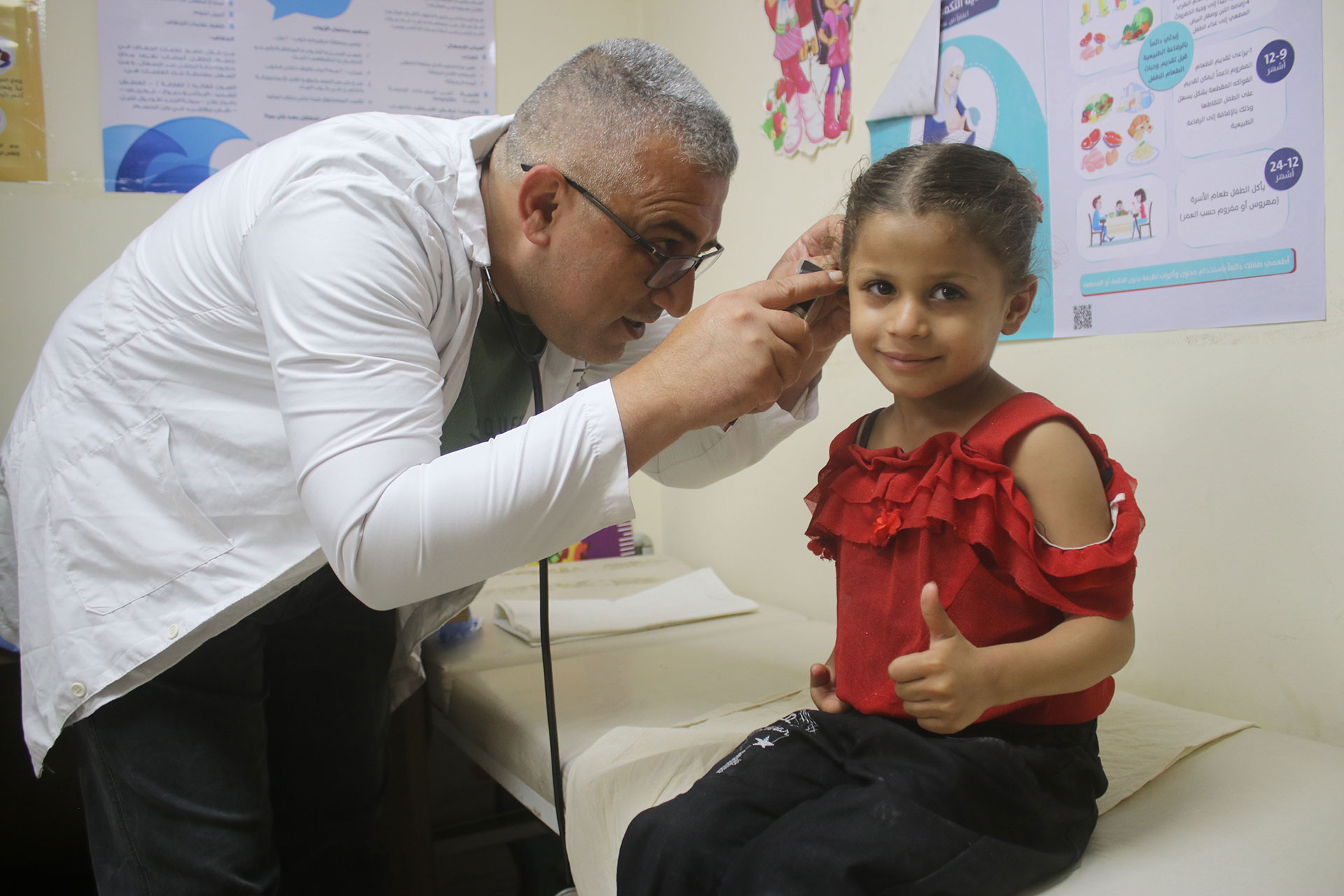 Dr. Shadwan Mohammed Hindawi examines Nour Ibrahim Al-Hassan during a consultation at the paediatric clinic in Azaz Health Centre. Photo credit: WHO
At Azaz Health Centre, paediatrician Dr. Shadwan Mohammed Hindawi welcomed Nour Ibrahim Al-Hassan, who arrived with ear pain and a high fever. After examining her, he prescribed treatment to ease the infection and guided her mother on how to manage symptoms at home.
“Ear infections start suddenly and they worry parents,” says Dr. Shadwan. “Once we examine the child and explain the treatment, you can see the relief. Early visits help us act before the infection spreads or the fever rises further.”
At Qareh Koubré Health Centre, Mohammad Bilal Al-Qasem was brought in by his father after several days of coughing and chest irritation. Dr. Mustafa Hamdan Kareem assessed his breathing and diagnosed a bronchial infection.
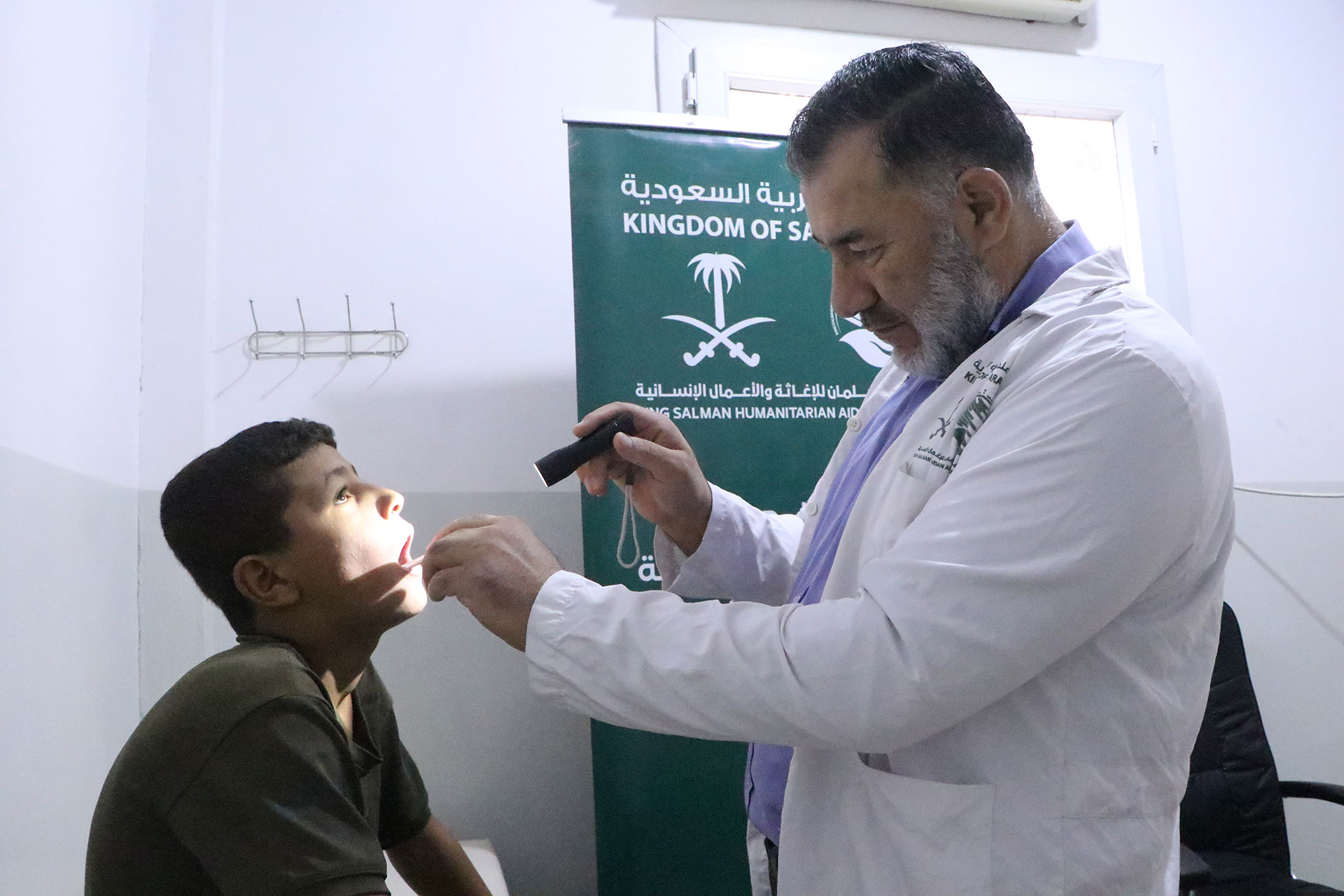 Dr. Mustafa Hamdan Kareem examines Mohammad Bilal Al-Qasem during a consultation at Qareh Koubré Health Centre in Aleppo. Photo credit: WHO
“We see many children with chest symptoms, especially during seasonal changes,” Dr. Mustafa explains. “Parents often wait to see if it will pass, but checking early helps us treat the inflammation before it becomes more serious. Our aim is always to help a child breathe comfortably again.”
Further east, at Tal Al-Hawa Health Centre, Ei Nour Hussein arrived with vomiting and diarrhoea – symptoms that can lead to dehydration, especially in young children. Dr. Youssef Aboush examined her, checked her hydration status, and provided medication and guidance to her father.
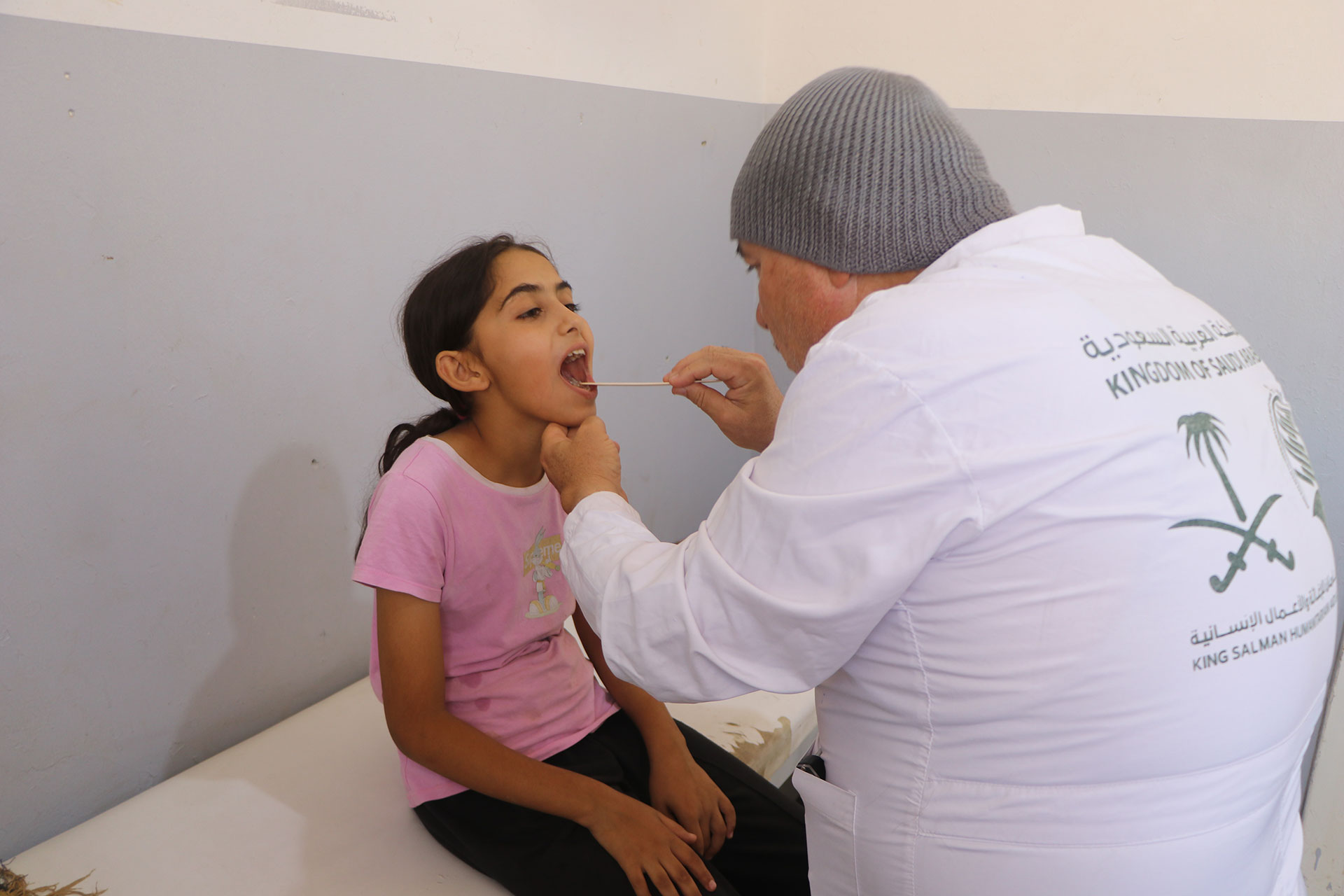 Ei Nour Hussein is examined by Dr. Youssef Aboush at Tal Al-Hawa Health Centre. Photo credit: WHO
Further east, at Tal Al-Hawa Health Centre, Ei Nour Hussein arrived with vomiting and diarrhoea – symptoms that can lead to dehydration, especially in young children. Dr. Youssef Aboush examined her, checked her hydration status, and provided medication and guidance to her father.
“Dehydration can develop fast in children,” says Dr. Youssef. “When a child comes in with vomiting and diarrhoea, our priority is to stabilise them and reassure the family. Simple treatment at the right time can prevent a hospital visit.”
Across Azaz, Qareh Koubré and Tal Al-Hawa, health workers share a common goal: catching illnesses early so children can recover safely at home.
Services at these health centres are delivered in coordination with the Ministry of Health and implemented on the ground through local partners, whose teams make sure that essential care remains available for families with limited options.
Since late 2024, support from the King Salman Humanitarian Aid and Relief Centre (KSrelief) has helped WHO keep 50 health facilities running across Aleppo and Idlib, ensuring that families can access the care they need close to home.
How Dr. Hossam helps families get care when they need it most
24 November 2025, Aleppo, Syrian Arab Republic – At Al-Bab Health Centre in eastern Aleppo, the general outpatient clinic is often the first stop for people seeking answers about sudden symptoms or lingering illness. Every day, Dr. Hossam Sadiq Al-Othman examines dozens of patients, many arriving with breathing difficulties, chest discomfort, or seasonal infections.
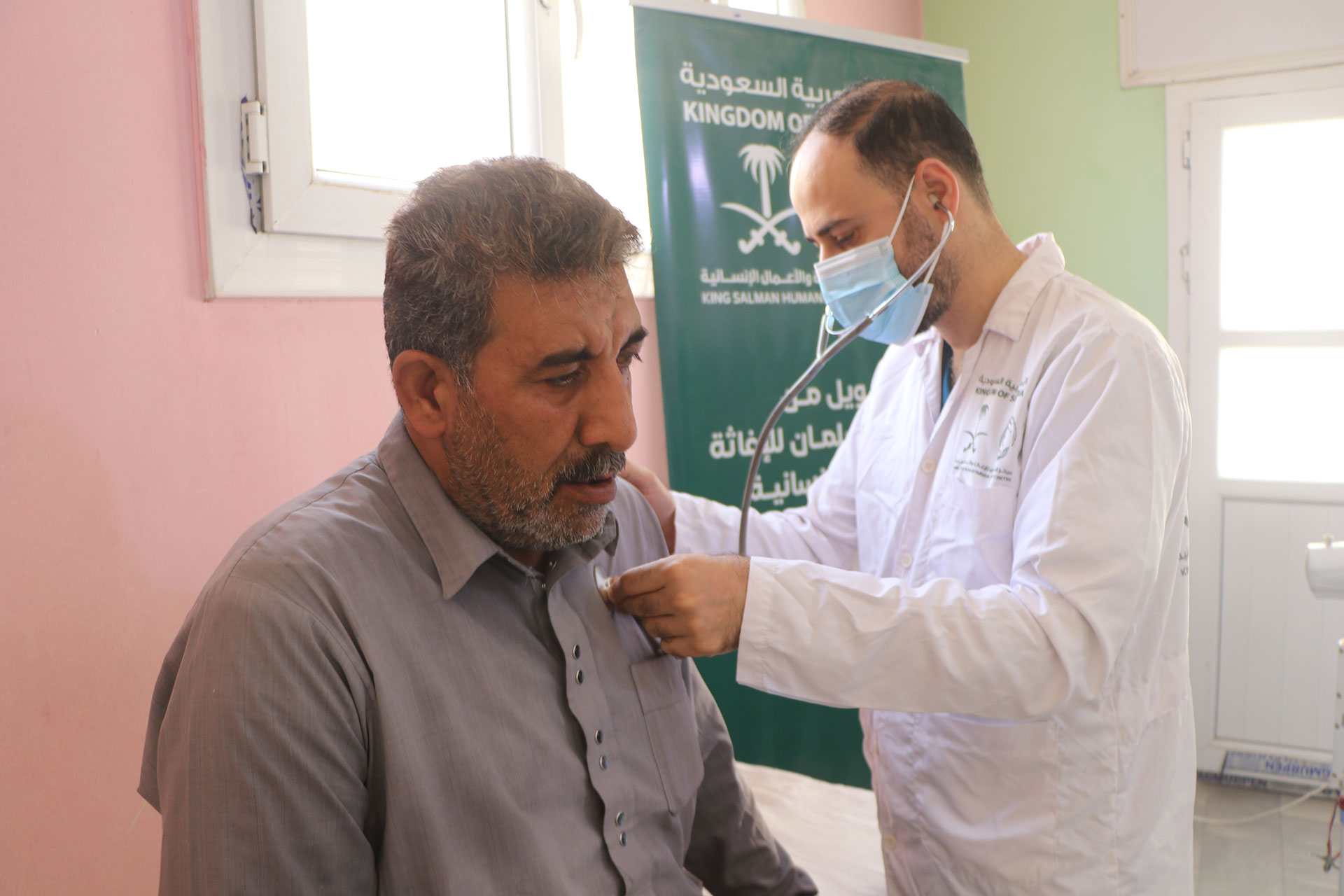 Dr. Hossam Sadiq Al-Othman examines Ali Ahmad Al-Shounah as part of his clinical assessment at Al-Bab Health Centre. Photo credit: WHO
Among them was Ali Ahmad Al-Shounah, who arrived with a persistent cough, chest tightness and difficulty breathing. After a full examination, Dr. Hossam prescribed medication to ease his breathing and reduce inflammation.
“When someone comes in struggling to breathe, you have to act fast,” says Dr. Hossam. “Most patients try to manage on their own for days. Just being heard and treated quickly makes a big difference for them.”
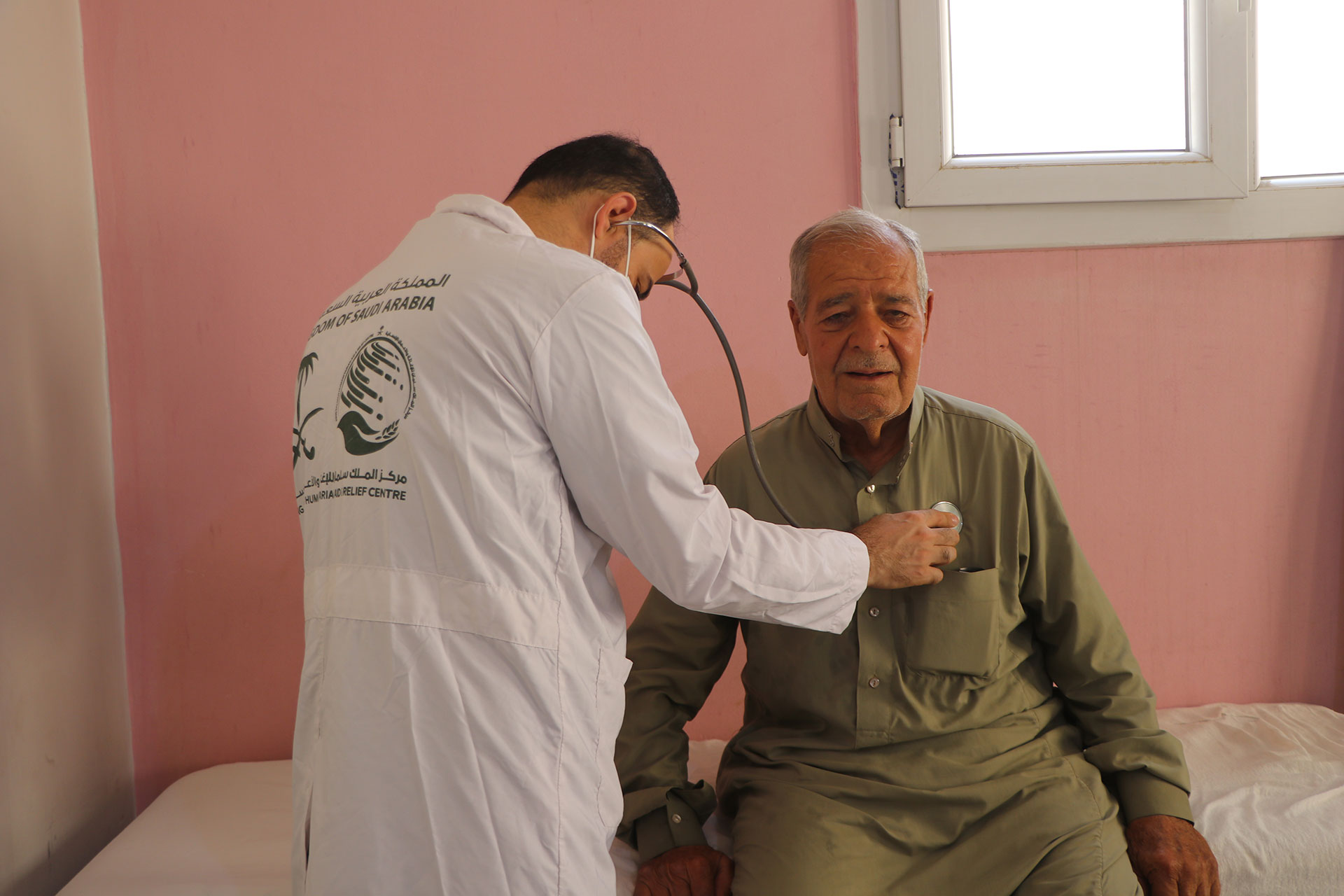 Dr. Hossam examines Mohammad Mahmoud Hamsho during a consultation at the centre. Photo credit: WHO
Later that same day, Mohammad Mahmoud Hamsho visited the clinic with severe chest irritation and signs of infection. Dr. Hossam assessed his symptoms and provided treatment to prevent the condition from getting worse.
“People here work hard and push through their symptoms,” he explains. “When they finally come to the clinic, they’re often tired and worried. Our job is to reassure them, explain what’s happening, and help them get back on their feet.”
For many families in Al-Bab, the outpatient clinic is a lifeline that keeps common illnesses from turning into emergencies. Dr. Hossam says the goal is simple: “We want people to know they can rely on us. Even small interventions, when done on time, can protect someone’s health.”
Services at Al-Bab Health Centre are delivered in coordination with the Ministry of Health and implemented on the ground through Alameen Organization, whose teams ensure that essential care remains available to communities with limited options.
Since late 2024, support from the King Salman Humanitarian Aid and Relief Centre (KSrelief) has helped WHO keep 50 health facilities running across Aleppo and Idlib, ensuring people can access the care they need close to home.
Health workers in Syria raise awareness on the risks of antibiotic misuse
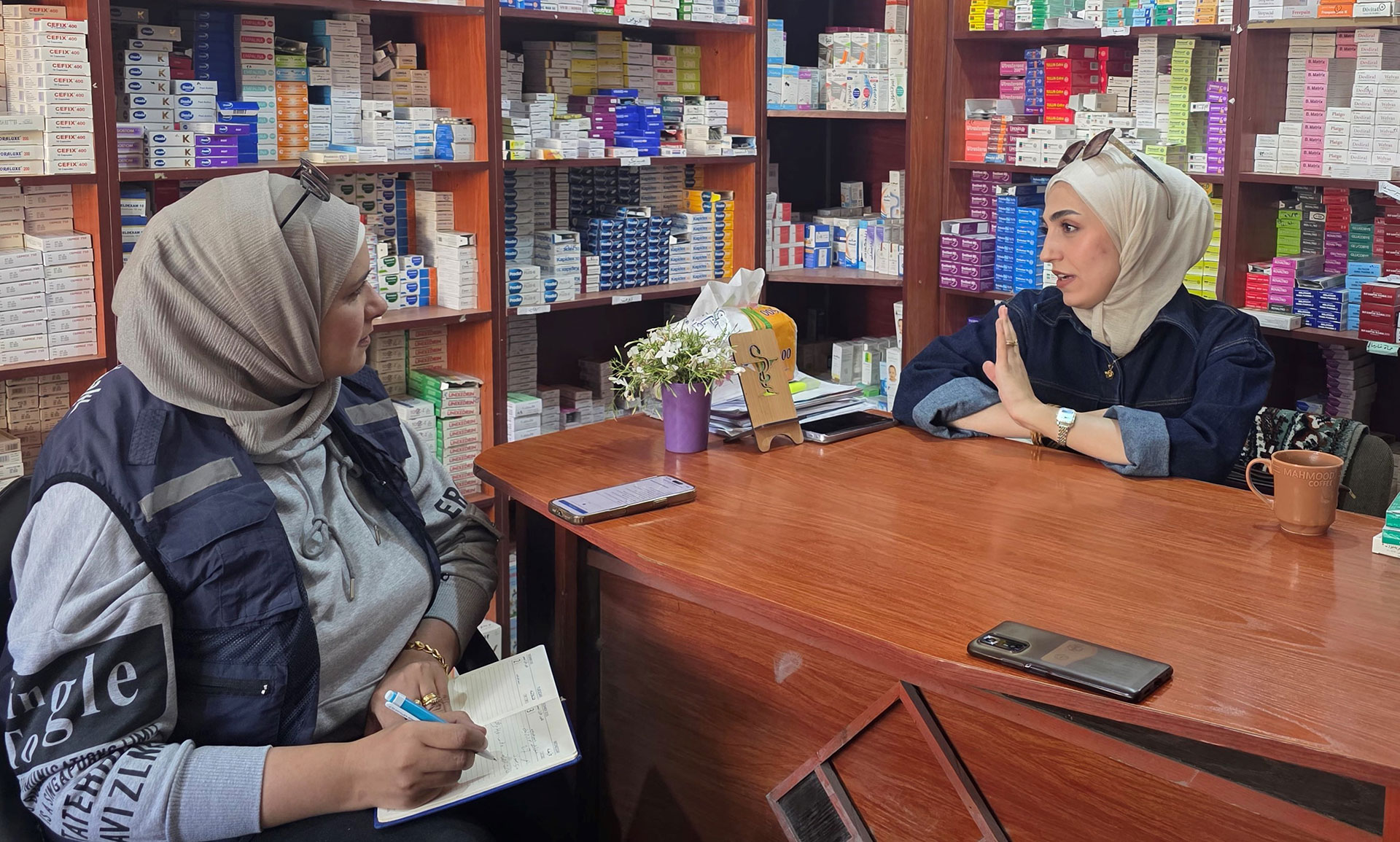 Malak Fouad, a pharmacist in Deir-ez-Zor, discusses local patterns of antibiotic use during a WHO visit. Photo credit: WHO 24 November 2025, Damascus, Syrian Arab Republic – Across Syria, health workers are raising their voices against the growing threat of antimicrobial resistance (AMR). In hospitals, clinics, and community pharmacies, they continue to guide families on the safe use of antibiotics — even as difficult living conditions make responsible use harder to maintain. Their experiences reveal a mix of challenges and determination, and a shared commitment to protect patients from infections that are becoming increasingly difficult to treat.
“Many families still believe antibiotics are the solution for any fever or seasonal cold. Convincing patients about the long-term effects of taking unprescribed medication is becoming increasingly challenging,” says Dr Malak Fouad Kharaba, a laboratory specialist at the National Hospital in Deir-ez-Zor.
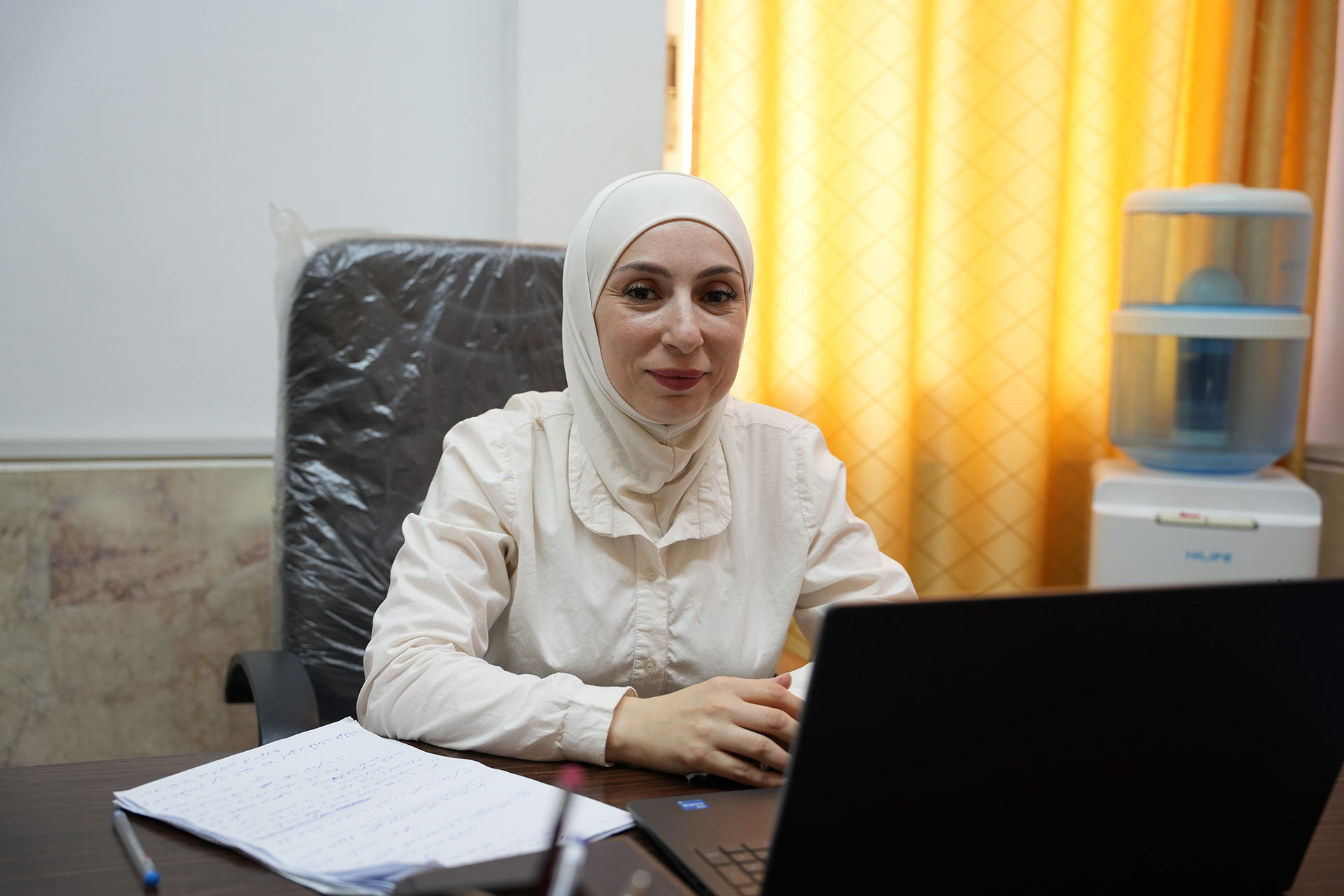 Afraa Mawardi, Head of the Drug Control Unit at the National Hospital in Lattakia, at her office, talks about the issue of antibiotic use. Photo credit: WHOShe notes that patient trust, accessible services, and community outreach remain essential to helping people understand when antibiotics are needed — and when they are not.
“With better living conditions, trust, and more awareness of the risks, we can protect patients and save more lives. Awareness campaigns can make a difference, but more effort is needed so that people can protect themselves and those they love,” she adds.
“The issue of antibiotic use is an old and continuing one. Most people understand the risks, but many are forced to seek antibiotics without consulting a doctor because they cannot afford a visit,” explains Afraa Mawardi, pharmacist and Head of the Drug Control Unit at the National Hospital in Lattakia. “We face two main problems — the random use of antibiotics and not completing the prescribed treatment.”
Dr Zein Ali Douba, an oncology specialist in Aleppo, discusses the consequences of antibiotic misuse for patients with weakened immunity. Photo credit: WHO Afraa stresses that ensuring steady availability of medicines and strengthening health centres can help curb misuse. “With continued support to health facilities and ongoing awareness, we can help people get the right treatment at the right time.”
Health workers also note that antibiotic resistance is driven by several interconnected factors beyond individual use. Antibiotics are widely used in livestock and agriculture, and residues can enter the environment through wastewater and soil. Many health facilities face challenges with infection prevention and control, which increases the need for antibiotics and raises the risk of resistant infections. Strengthening these systems through a OneHealth approach — from clean water and waste management to better regulation of agricultural use — is essential to slow the spread of resistance.
In Aleppo, the consequences of antibiotic misuse are especially severe for patients with weakened immunity.
“For oncology and hematology patients, even a minor infection can become dangerous if antibiotics no longer work,” says Dr Zein Ali Douba. “This is why avoiding unnecessary antibiotics — and consulting a doctor before taking any medication — is so important.”
She explains that limited prescription controls and the pressure on health facilities often leave vulnerable patients exposed to inappropriate treatments. “With stronger regulation of antibiotic sales and continued support to health centres, we can help protect patients who face the highest risks of resistant infections.”
For pharmacists like Kamal Al-Dallal in Hama, daily interactions with patients reveal both persistent misconceptions and gradual progress.
“Over the past 15 years, I have seen hundreds of patients who believe antibiotics can cure any infection and that stopping treatment early causes no harm,” he says.
At his pharmacy, many still request antibiotics without a prescription — even for conditions that do not require them. Yet Kamal notes that awareness is slowly improving. “With ongoing awareness efforts and proper training for health workers, we can ensure antibiotics remain effective for everyone who needs them.”
In Homs, frontline clinicians increasingly encounter respiratory infections that do not respond to standard treatments.
“Many patients have respiratory infections resistant to several antibiotics. This makes treatment difficult, lengthy, and sometimes ineffective,” explains Dr Malek Al-Aweer from Homs University Hospital. “Random use of antibiotics — without prescriptions or medical guidance — is a major cause.”
He adds that stronger regulation, more learning in schools and communities, and continuous training for health workers are key steps to reducing misuse. “With collective efforts and support for the health system, we can help people get the right treatment at the right time.”
As Syria joins the World AMR Awareness Week, these voices from across the country highlight a shared concern — and a shared goal: protecting patients, strengthening health systems, and preserving the effectiveness of antibiotics for future generations.
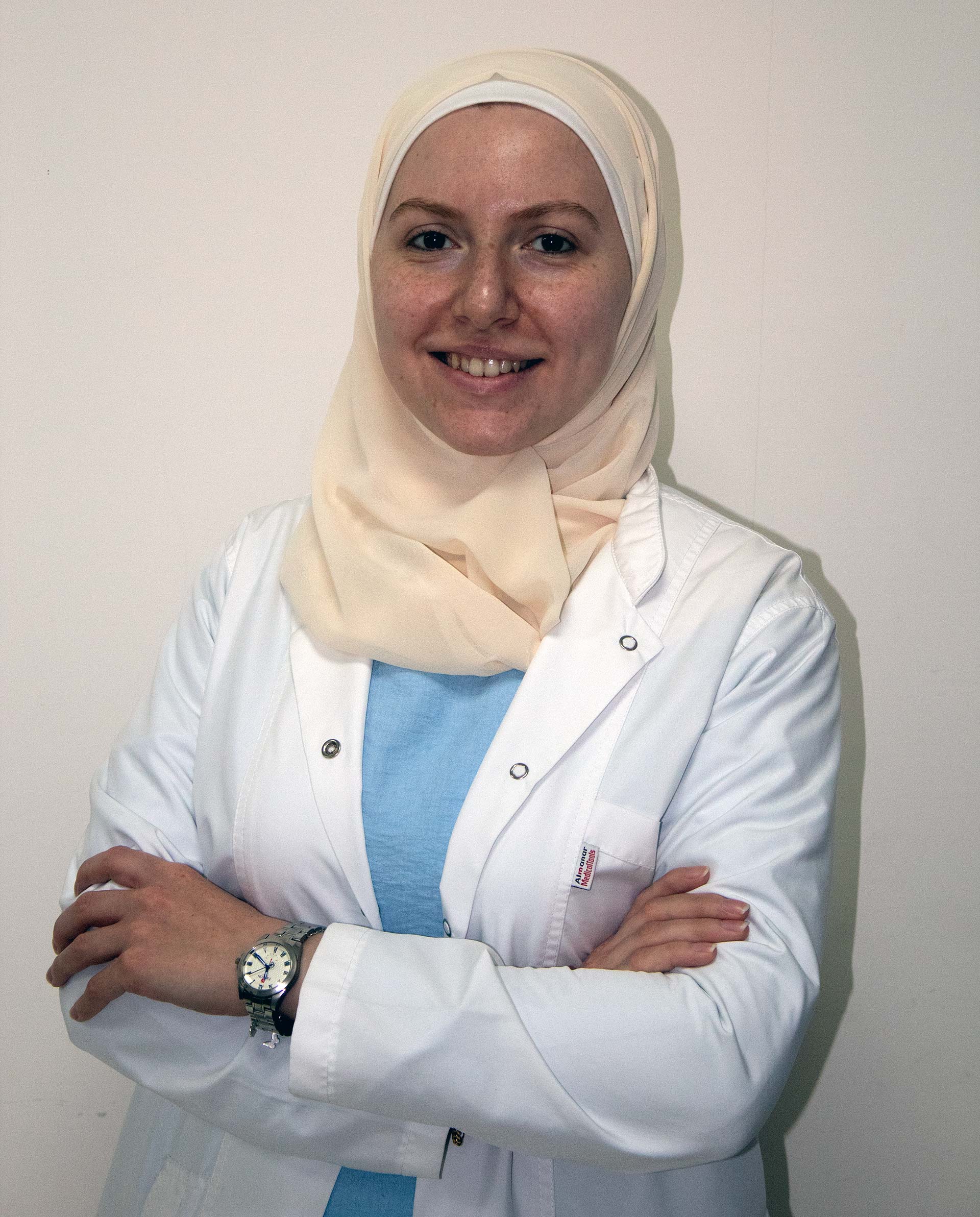 In several governorates, economic hardship continues to push many people to buy antibiotics without medical advice — a long-standing practice that fuels microbial resistance and reduces treatment effectiveness.
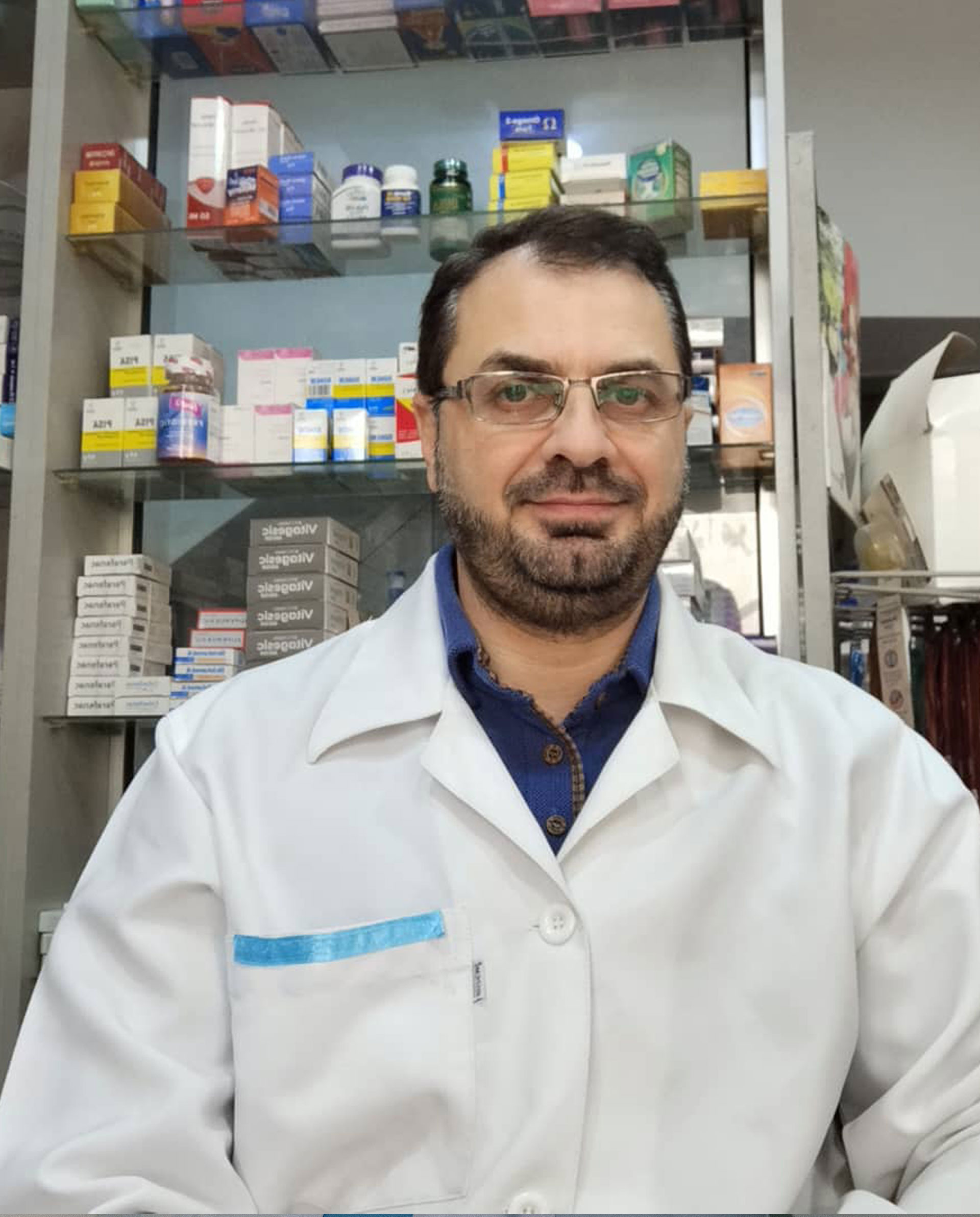 Dr Kamal Al-Dallal at his pharmacy in Hama tells of his experience with people who request antibiotics without prescriptions . Photo credit: WHO
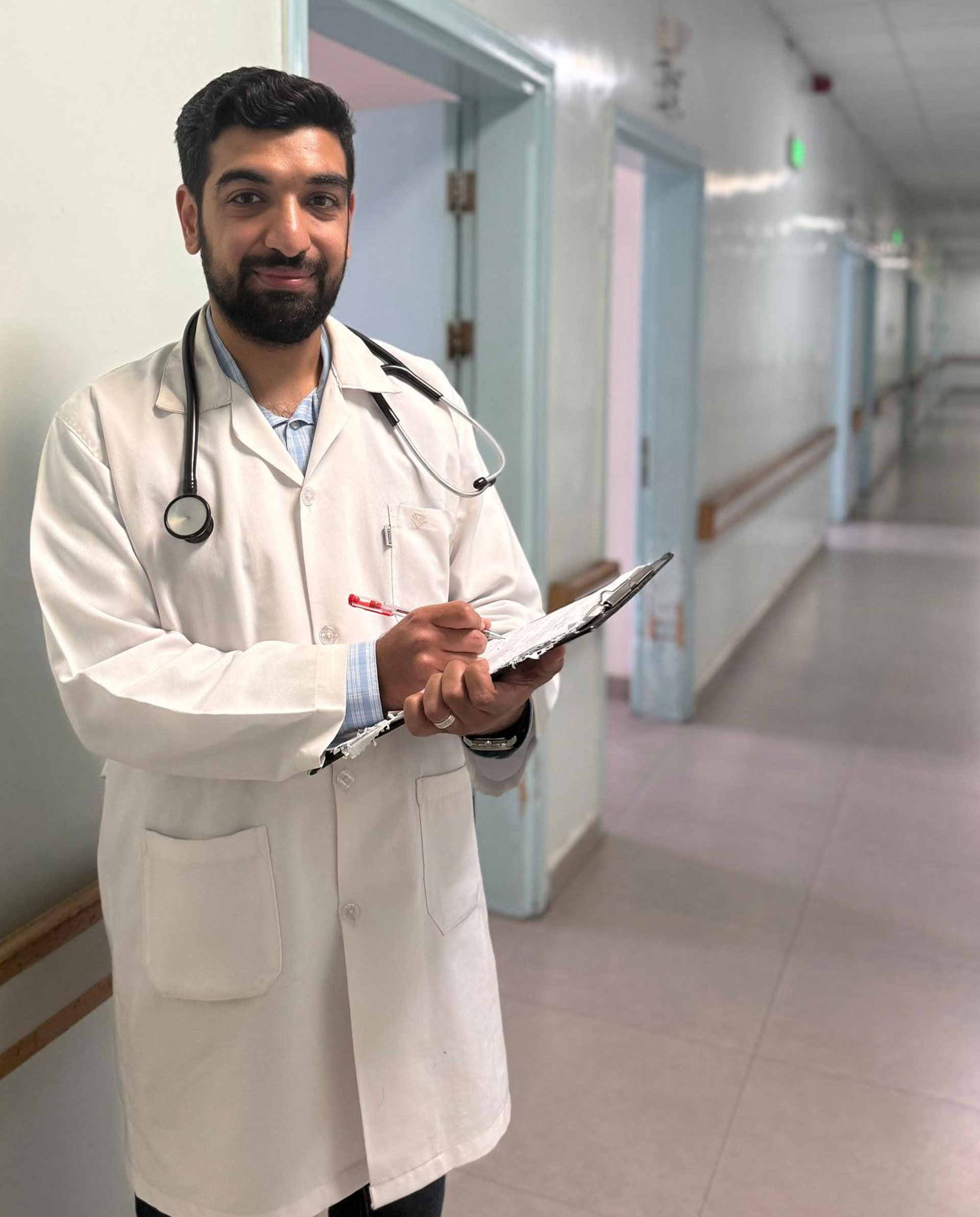 In Homs, Dr Malek Al-Aweer reviews a patient chart while standing in the hospital corridor. Photo credit: WHO