

Sélectionnez votre langue
Vaccines on the move: protecting Syria’s children one dose at a time
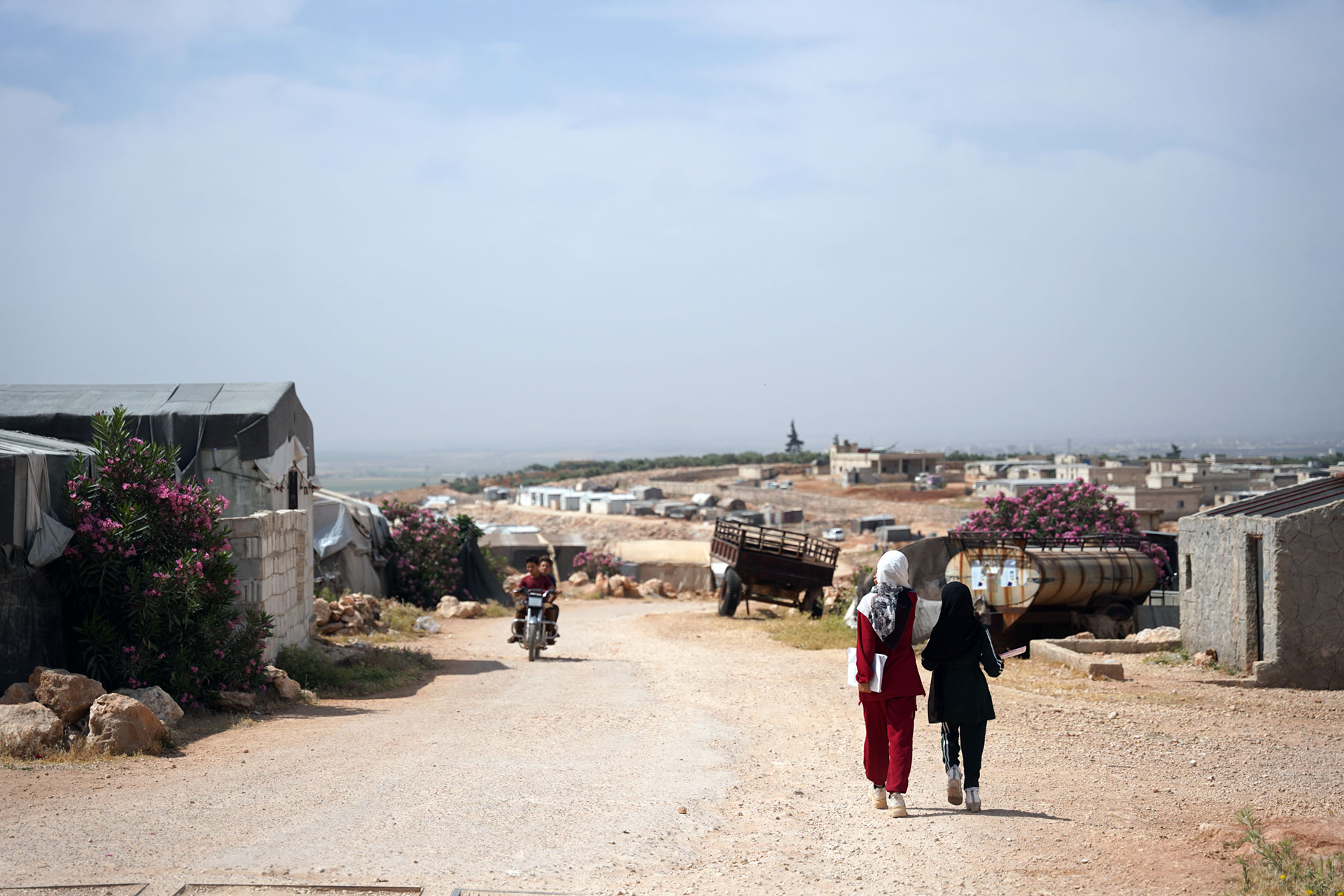 Two health workers walk through Al-Burj camp in Idlib, going tent to tent to ensure children are protected through routine vaccination. Photo: WHO
28 August 2025, Idlib, Syrian Arab Republic – Two women walk through Al-Burj camp in Idlib, one of many places where displaced families are trying to rebuild their lives. Despite the hardship, mobile vaccination teams move quietly from tent to tent, working to protect children’s health.
Against the uncertainty of displacement, a quiet force of hope arrives carrying coolers, knocking on doors, and reassuring anxious parents. These are the vaccination teams of Al-Sham Paediatric Speciality Hospital.
Amer, a vaccination supervisor, lifts a loudspeaker to announce the team’s arrival. “It’s not just about giving vaccines,” he says. “It’s about building trust, raising awareness, and making sure no child is left behind.”
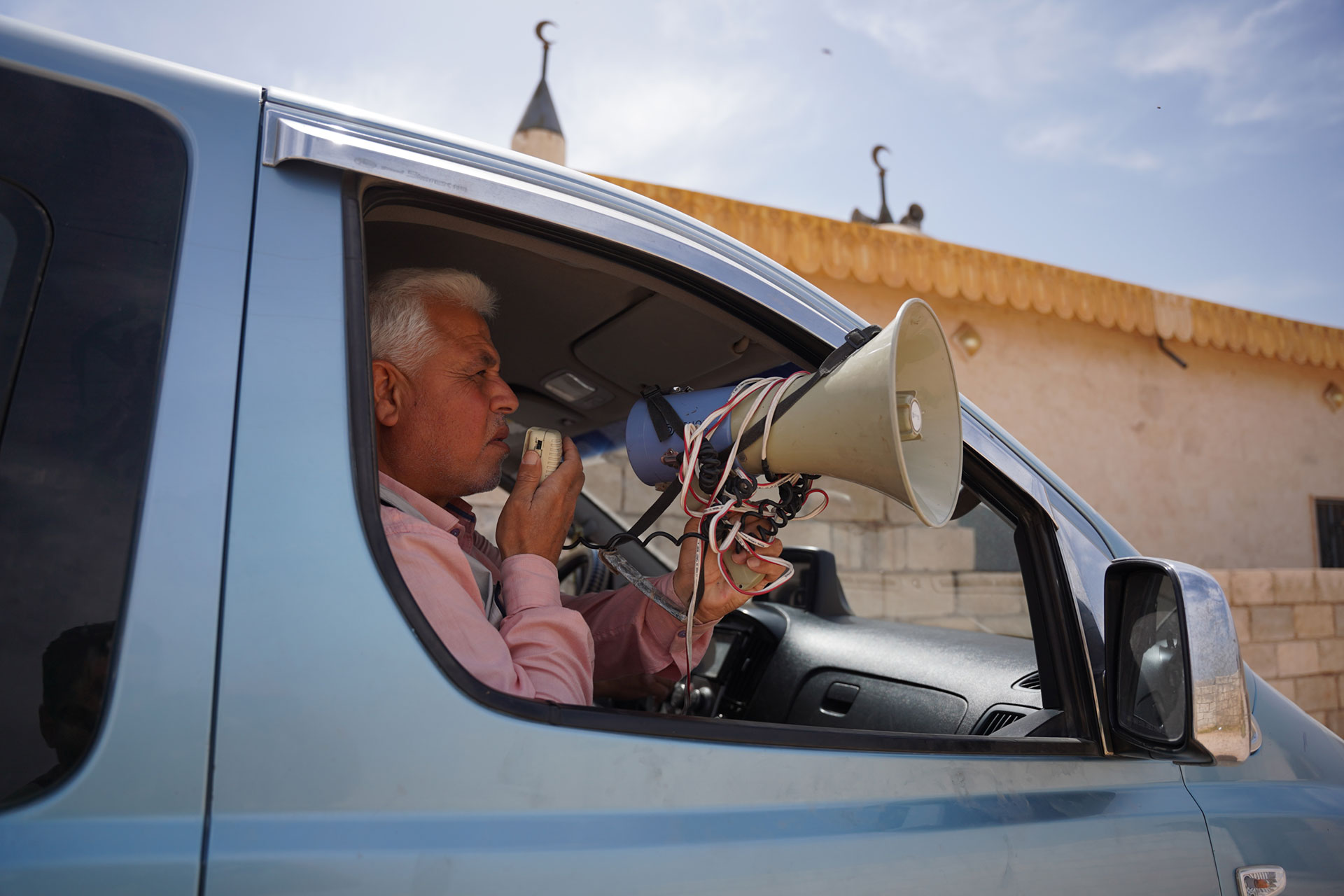 Amer announces the arrival of vaccination teams in Idlib. Photo: WHO
Amer oversees 2 teams – one based at the hospital and a mobile team covering the wide stretch between Batbu and Sarmada Hospital in Al Dana sub-district, Idlib. “Our work goes beyond giving vaccines,” he explains. “We remind families that a vaccine doesn’t just protect one child – it protects whole communities.”
In a small preparation room, each vial packed into cooler boxes is a promise of protection. Thanks to sustained support, Amer says the teams are now able to reach nearly every child, even in the most remote locations.
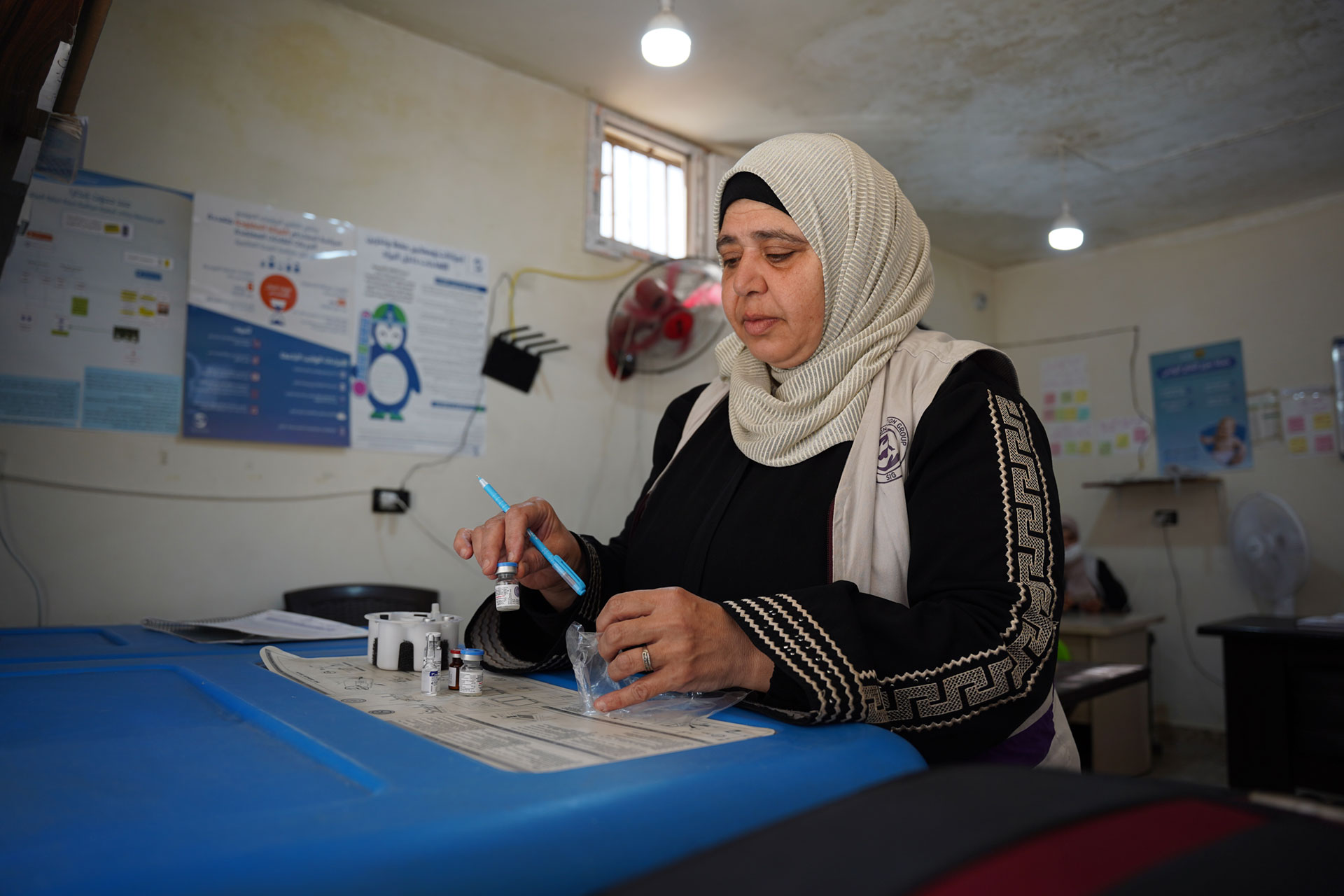 A health worker prepares vaccines before heading out to reach displaced families in Idlib. Photo: WHO
“Our digital tracking system has been crucial. It allows us to follow up with families who missed appointments, and support those who lost their vaccine cards. We track each child’s doses to make sure no one is left behind.”
For many parents, trust was not immediate. “Some parents were afraid because of things they read online,” Amer recalls. “But with repeated visits and honest conversations, people came to understand. Now, they even call us if a dose is delayed. The community trusts us.”
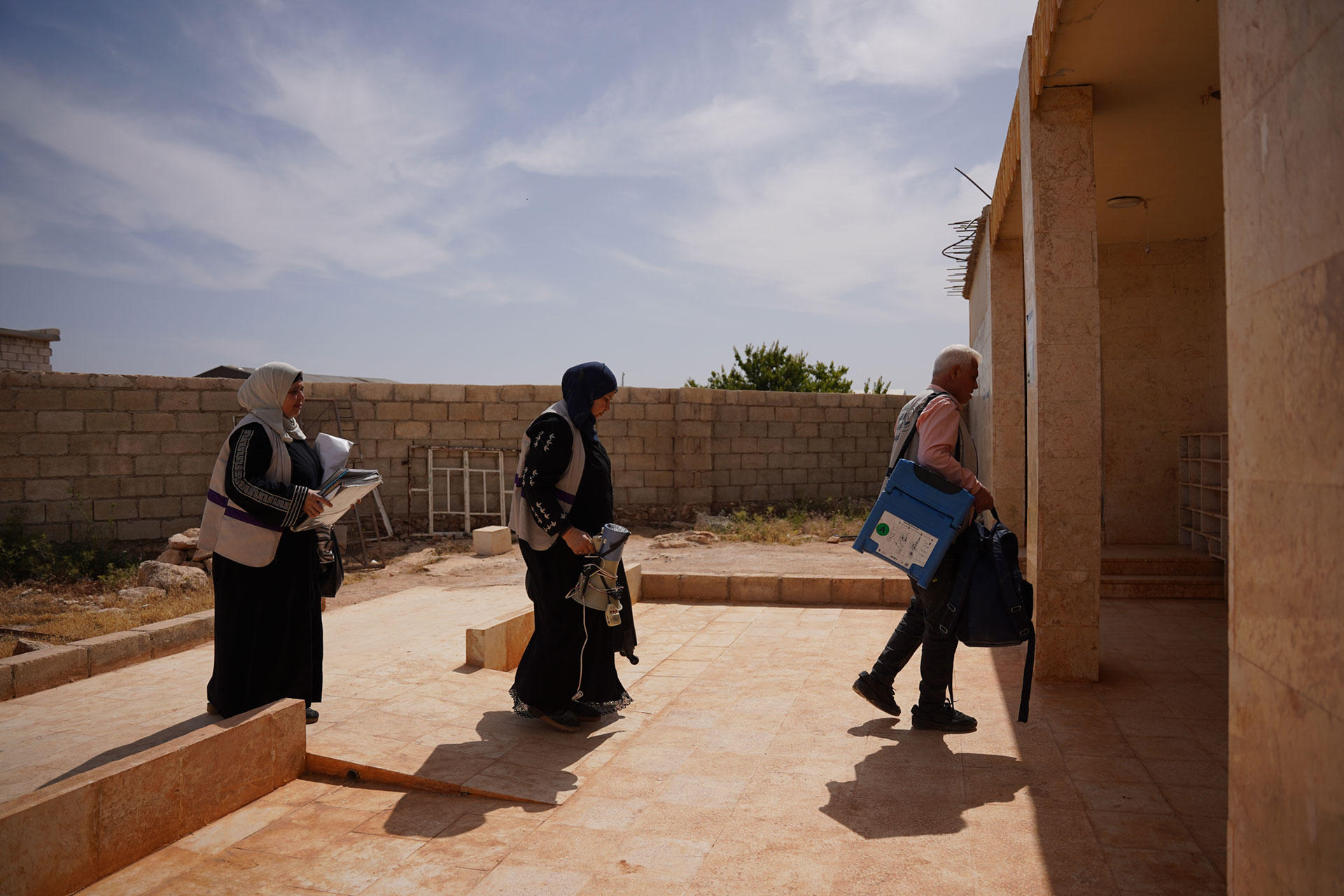 A mobile vaccination team arrives at a community in Idlib to immunise children. Photo: WHO
That trust is echoed by Jameel, a father of 15 who fled Homs with his family in 2015. “Some of my children missed their vaccines while we were on the move,” he says. “But once we settled in this camp, the team made sure they were all protected. I tell every parent; this is your child’s right.”
Inside their makeshift shelters, children receive drops of oral vaccine. Calmly, Jameel’s son rests on his lap as the health worker leans in to immunize him.
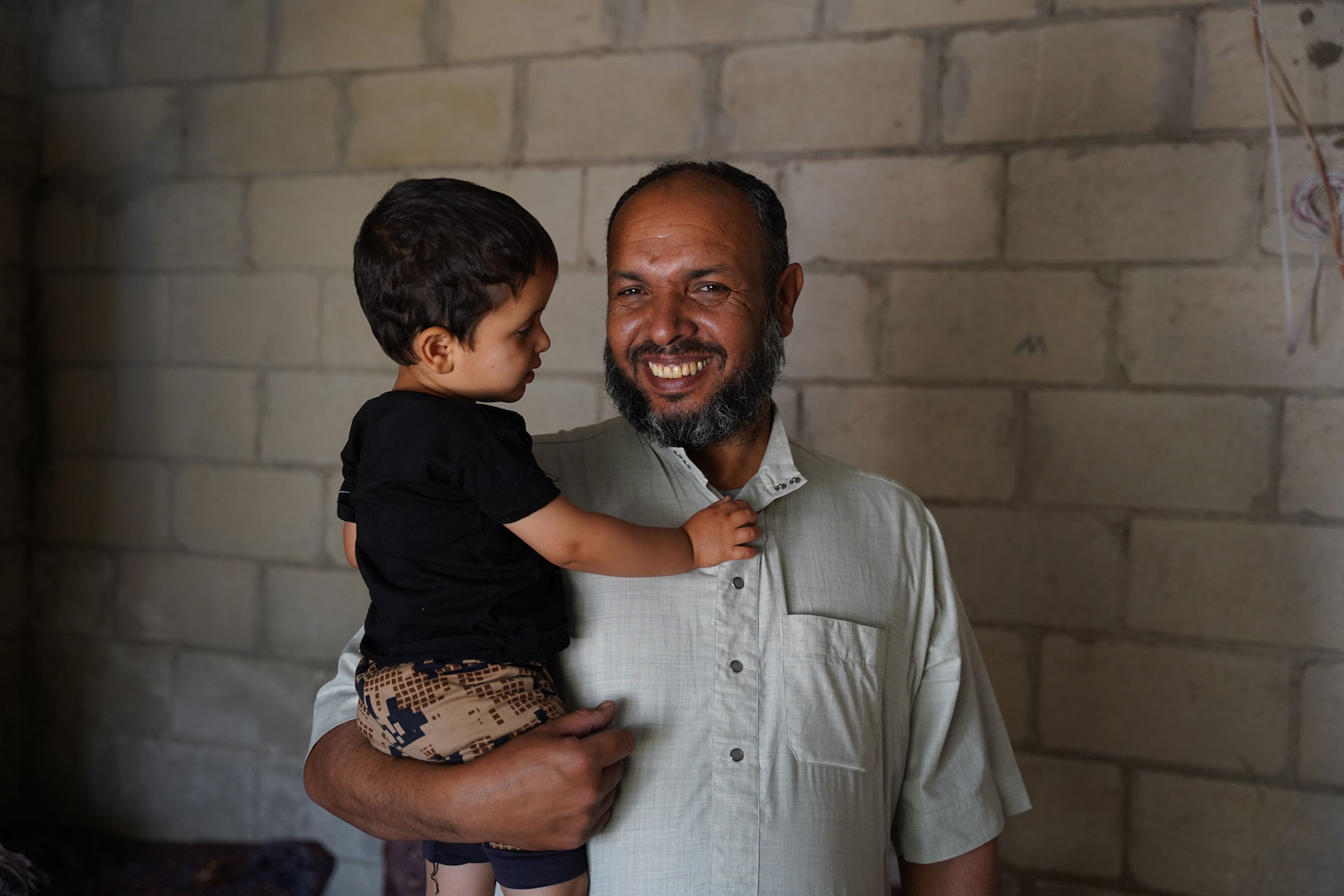 Jameel, displaced from Homs and now living in Idlib, holds his son after ensuring all his children received their vaccines. Photo: WHO
These services are part of a joint effort involving the Ministry of Health, UNICEF, WHO and health partners, with support from Gavi, the Vaccine Alliance, and the Gates Foundation. In Idlib and Aleppo, more than 80 immunization centres and outreach teams are operating with this collective support. As Syria enters a new phase of recovery, these locally led efforts mark an important step towards a more integrated and nationally supported health system.
Amer closes with a message of optimism. “Every child we reach, every dose we give, is a step towards a healthier future. Continued support doesn’t just sustain a programme – it protects childhood itself.”
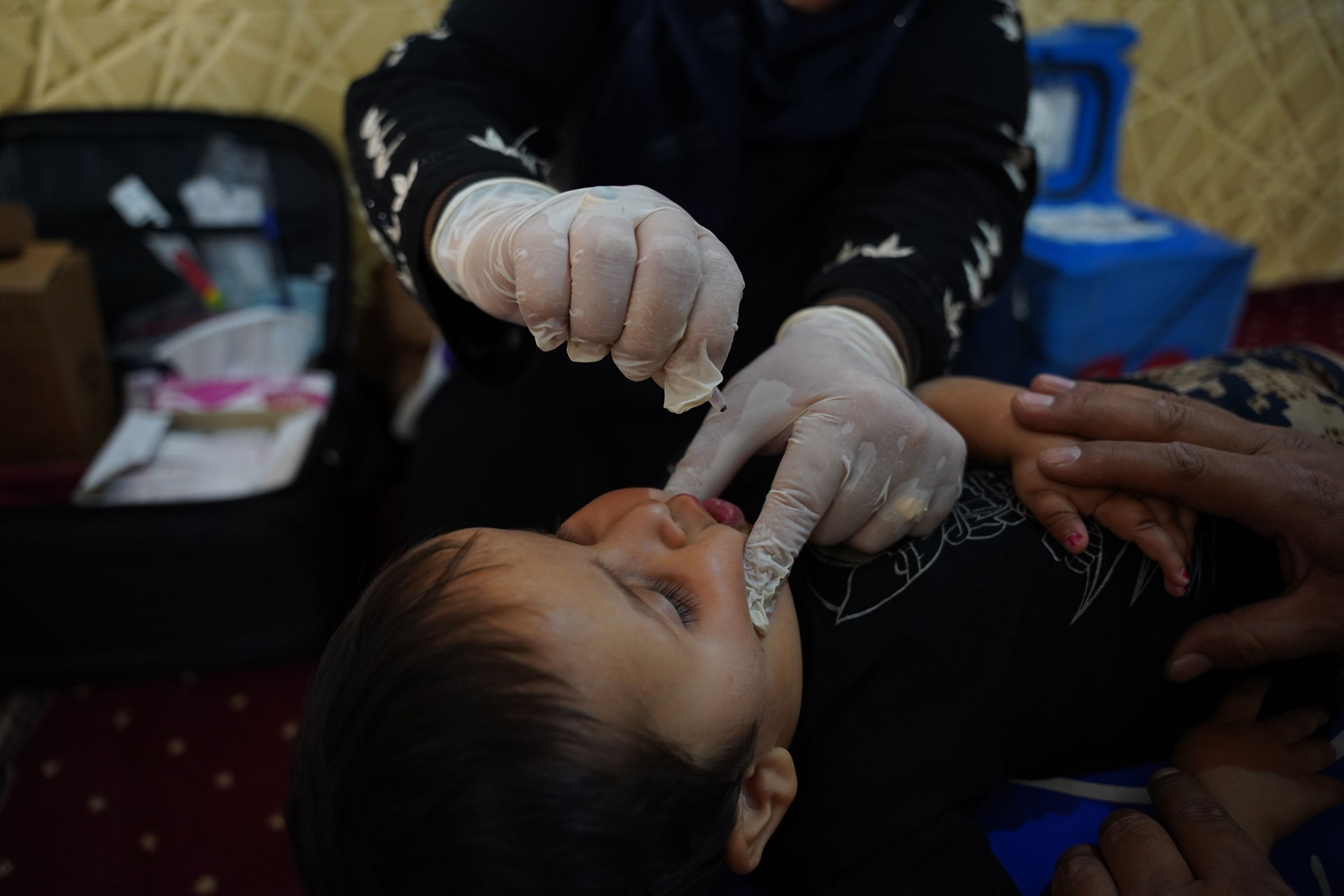 A health worker administers oral vaccine drops to Jameel’s child inside his family's temporary shelter. Photo: WHO
*names changed
Paediatric care in Kurin offers families a lifeline
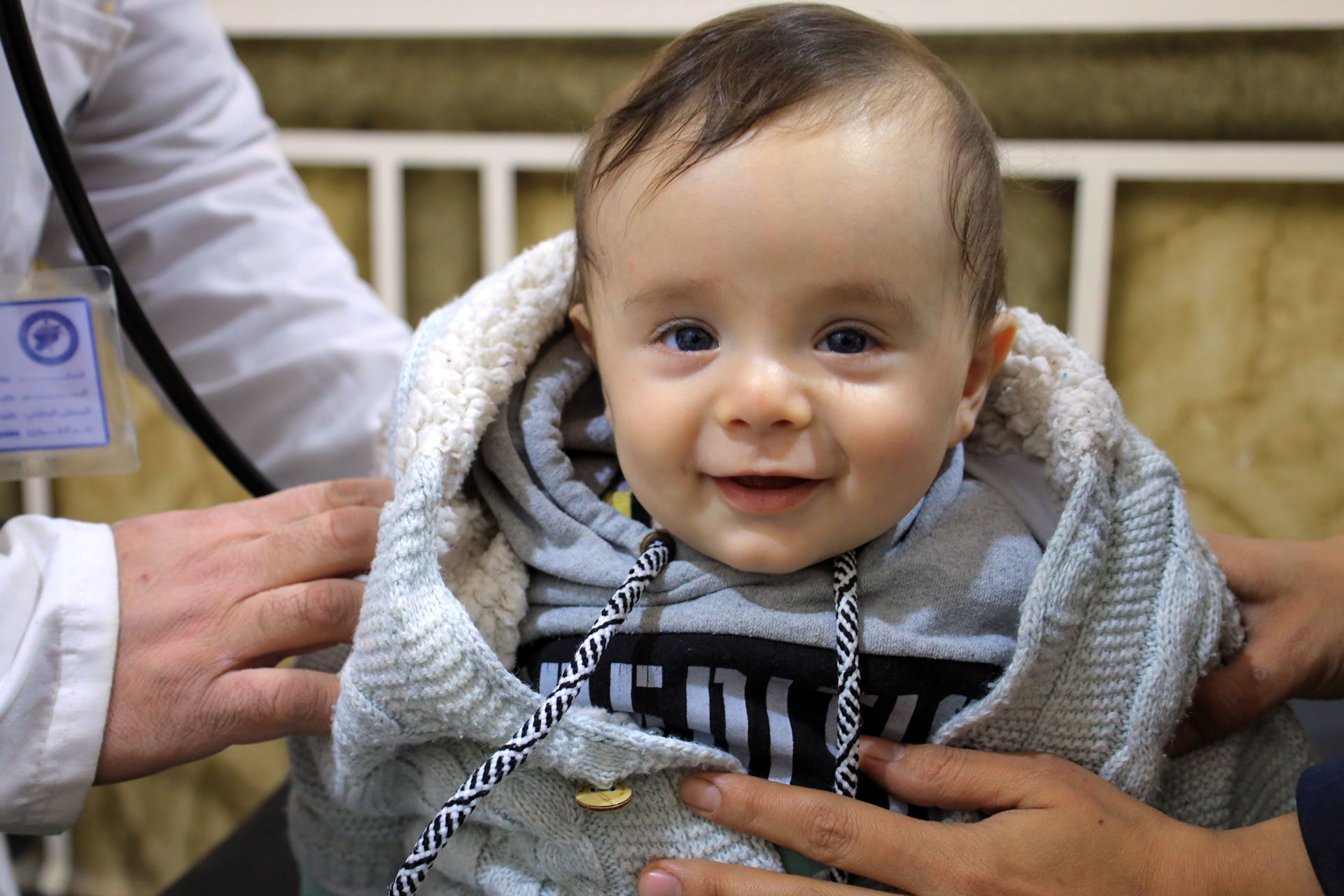 Four-month-old Walid Al-Ahmad smiles after receiving treatment at the Paediatric Clinic in Kurin Health Centre, Idlib. Photo credit: WHO27 August 2025, Idlib, Syrian Arab Republic – Four-month-old Walid Al-Ahmad was struggling to breathe when his mother brought him to the Paediatric Clinic at Kurin Health Centre. He was coughing, feverish and would wheeze while breastfeeding.
“We provided nasal serum to clear his airways, gave nebuliser sessions and prescribed paracetamol to ease his fever and pain,” says Dr Khalid Al-Rashwani, who treated Walid. “We also explained to his mother how to care for him at home and avoid smoke and odours that could worsen his breathing.”
Thanks to this timely intervention, Walid recovered without needing hospital care. His story reflects the daily reality for families in rural Idlib where respiratory infections, diarrhoeal diseases, malnutrition and skin conditions are among the most common illnesses children face. Earlier this year, when bronchiolitis cases rose sharply, the Paediatric Clinic was able to manage mild to moderate patients locally, referring the most severe to hospitals when beds were available.
Managed by the Syrian American Medical Society, the Clinic provides care to children from 10 surrounding villages. In a recent reporting period, more than 6400 children were treated. An average of 50 children are seen each day, many from families who cannot afford the high cost of private care or travel to distant hospitals.
“The clinic provides reliable paediatric services at no cost to families,” says Dr Khalid. “Without it, many would have no access to medical care for their children.”
Expanding access to care
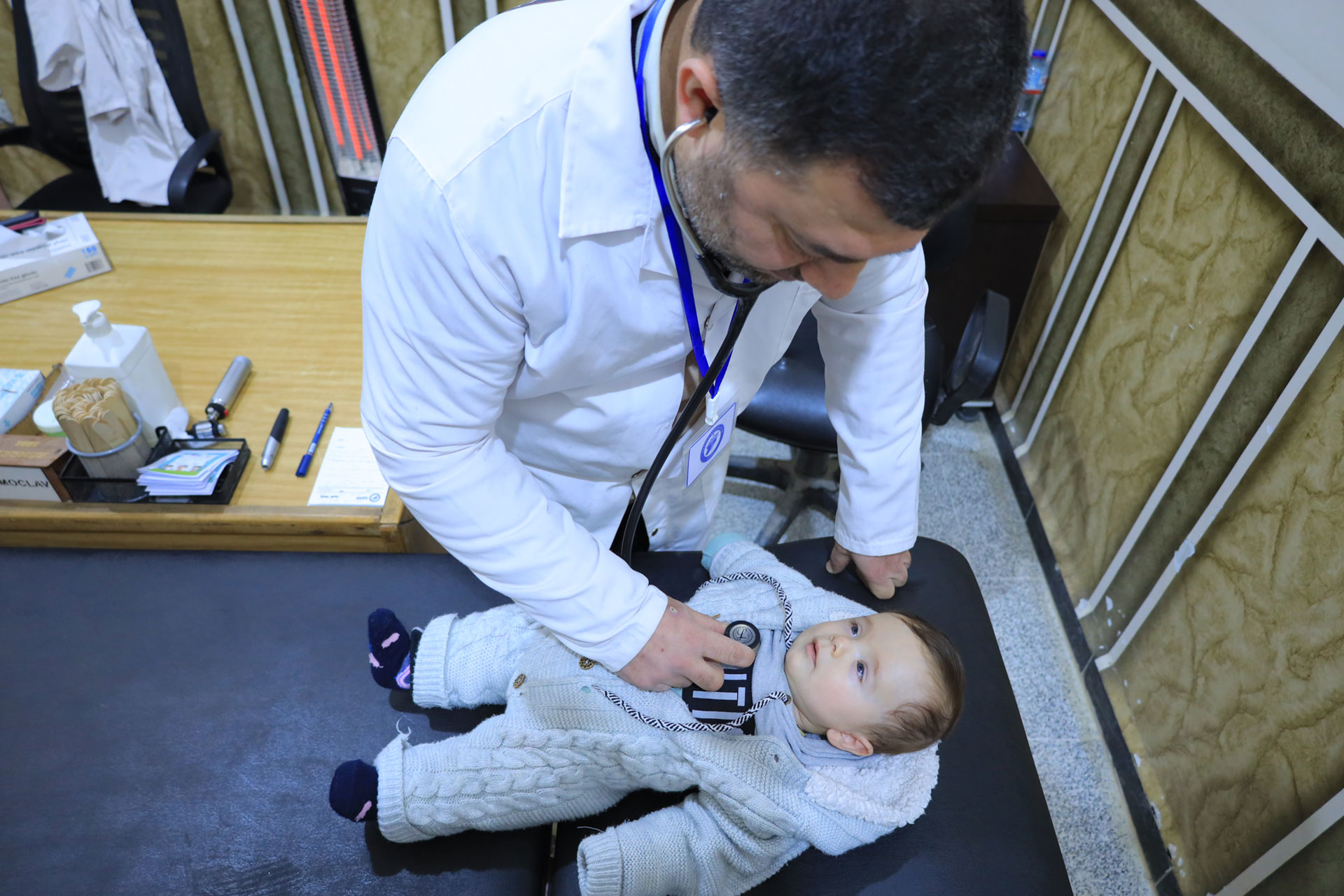 Dr Khalid Al-Rashwani examines Walid Al-Ahmad at Kurin Health Centre in Idlib. Photo credit: WHOThrough the Central Emergency Response Fund (CERF), WHO supports 4 health facilities – including Kurin Health Centre – and 3 ambulances in Idlib and Aleppo. These services are critical in a country where just 57% of hospitals and 37% of primary health care centres are fully functional and more than 15.8 million people need health assistance.
CERF support enables WHO and its partners to deliver medicines and emergency health kits to facilities across Syria. Nineteen mobile medical teams bring consultations, referrals and follow-up care to underserved areas from Aleppo to Deir-ez-Zor. Mental health and psychosocial support is being expanded through key referral hospitals such as Azaz and Ibn Khaldun, reaching people affected by displacement and trauma.
“WHO and CERF support has greatly eased the burden on families,” says Dr Khalid. “It allows us to provide free consultations and medicines and reduces the need for families to travel to central hospitals.”
Looking ahead
As Syria works towards a unified national health system and long-term recovery, ensuring health services continue without interruption is critical. For Walid, and for thousands of other children across Idlib, the Kurin Clinic brings the possibility of a healthier future closer to home.
On World Humanitarian Day, health workers in Syria carry hope forward
19 August 2025, Syrian Arab Republic – On World Humanitarian Day, we pause to honour those who, in times of crisis, step forward to help the millions whose lives hang in the balance. In Syria, where more than 14 years of conflict have left the health system fragile and overstretched, it is a responsibility health workers and communities carry every day.
So far this year, the World Health Organization (WHO) has confirmed 31 attacks on health care in Syria. Health facilities, ambulances, medical supplies and health workers have all been targeted. Five health workers have been killed while serving their communities. These are the conditions health workers face as they seek to support their communities.
“Every effort we make helps ensure no one is left behind.”
For Malak Alzghayer, a pharmacist working in a WHO warehouse, the job is about more than logistics.
“In the context of Syria, the need for medical and humanitarian aid is never ending. For me, work is not a job. It is a duty to preserve health and bring hope to those who need it most. Every effort we make helps ensure that vulnerable communities have access to health care services and that no one is left behind.”
 Malak at WHO’s warehouse facility in Rural Damascus, ensuring medicines reach health partners across the region. Photo credit: WHO
In Aleppo, WHO sub–office head Dr Fares Kady remembers a night on which the university hospital had been attacked, and doctors could not reach their patients.
“In that moment, I felt powerless. But through coordination we found a way for a surgeon to travel in an ambulance. Minutes later, operations resumed, and lives were saved. I have witnessed how a single medicine, a vaccine, a piece of advice or even a phone call can change – and sometimes save – a life. That is why I remain convinced that our work is worth every effort and every sacrifice.”
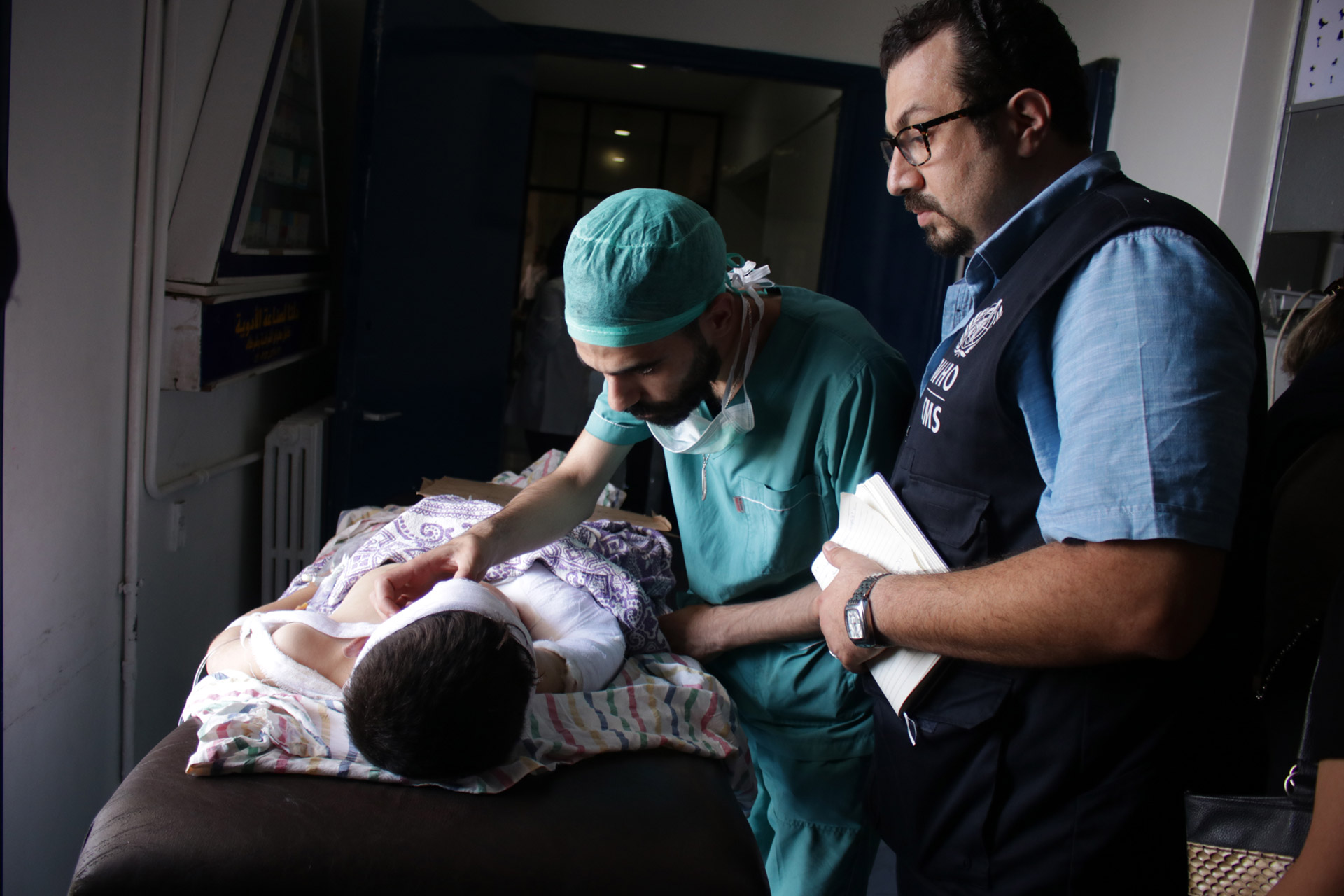 Dr Fares Kady speaks with a surgical resident at Aleppo University Hospital as he checks on a child injured by unexploded ordnance. Photo credit: WHO
At Ehthimalat Health Centre in northern Aleppo, doctors and nurses are reminded each day of why their work matters. Recently, Dr Aisha Abdulwahab Al–Ali treated 7–year–old Fatima, who came in with a high fever and persistent cough.
“Every day we meet children like Fatima whose families cannot afford private clinics or to travel long distances for care. Being able to examine her, give the right treatment and see her start to recover is what keeps us going. Even in the hardest times, our role is to protect health and give families a sense of hope.”
 Dr Aisha Abdulwahab Al–Ali examines young Fatima at Ehthimalat Health Centre, Aleppo. Photo credit: WHO
For Dr Khairiya Hijazi, a paediatrician working with WHO’s partner Ayadina NGO in Lattakia, it is about easing suffering even when resources are limited.
“The importance of this work – whether in war, earthquake or wildfire – is to provide health services that alleviate suffering while preserving dignity. Even if it’s something as simple as a follow–up check or medication, our goal is always to ease people’s pain.”
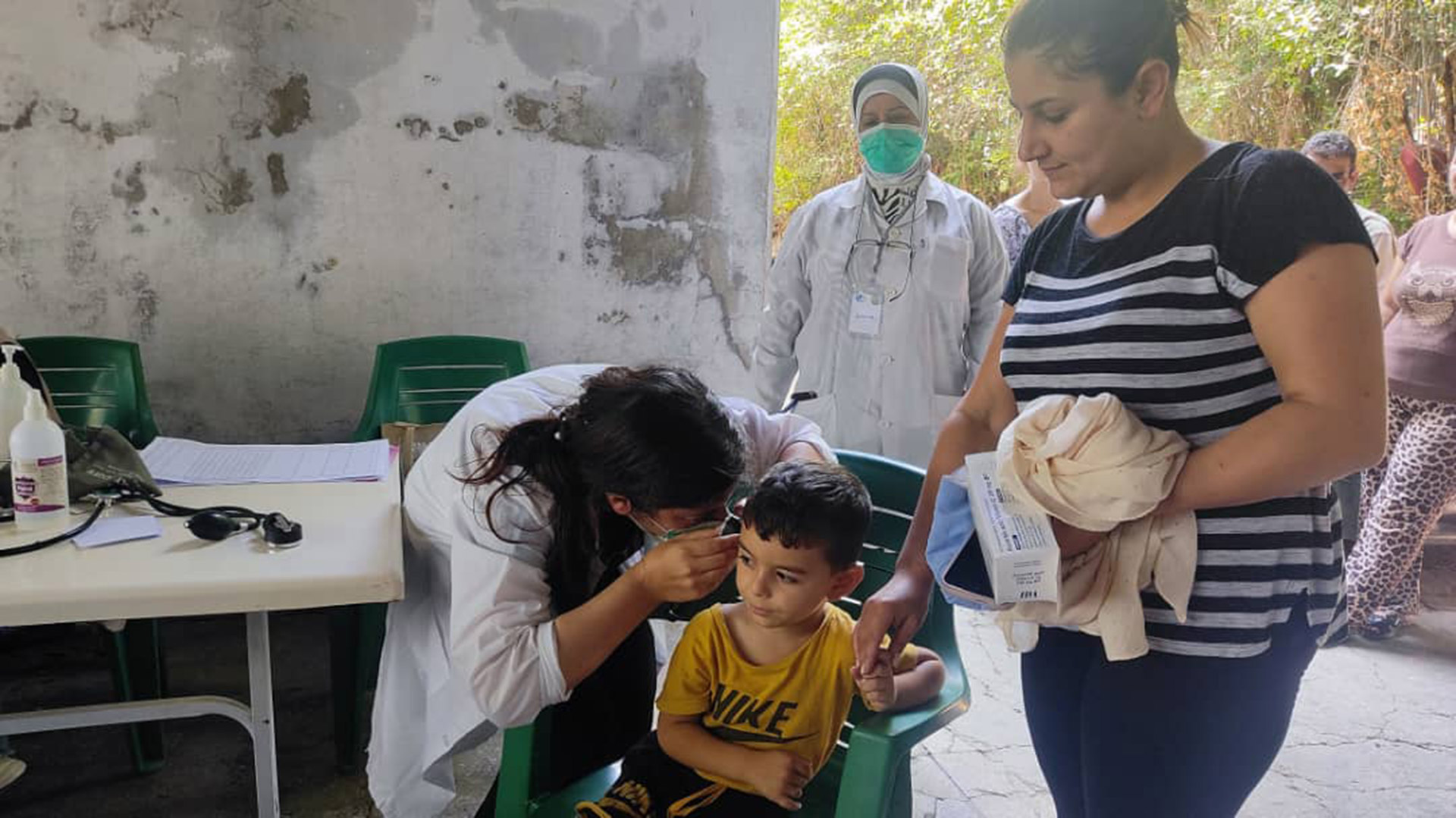 Dr Khairiya Hijazi examines a young boy during a consultation at a mobile health point in Lattakia, where she supports families with pediatric care. Photo: WHO
Abdul Muneem Mahmoud Al–Dibo, a supervising nurse at a hospital in Aleppo, describes how even routine checks can prevent greater harm.
“A patient came to us with a severe headache. When we measured his blood pressure, it turned out to be slightly high. I gave him advice on how to manage it. It may sound simple, but in difficult circumstances even basic follow–up and guidance can reassure people and protect them from future complications.”
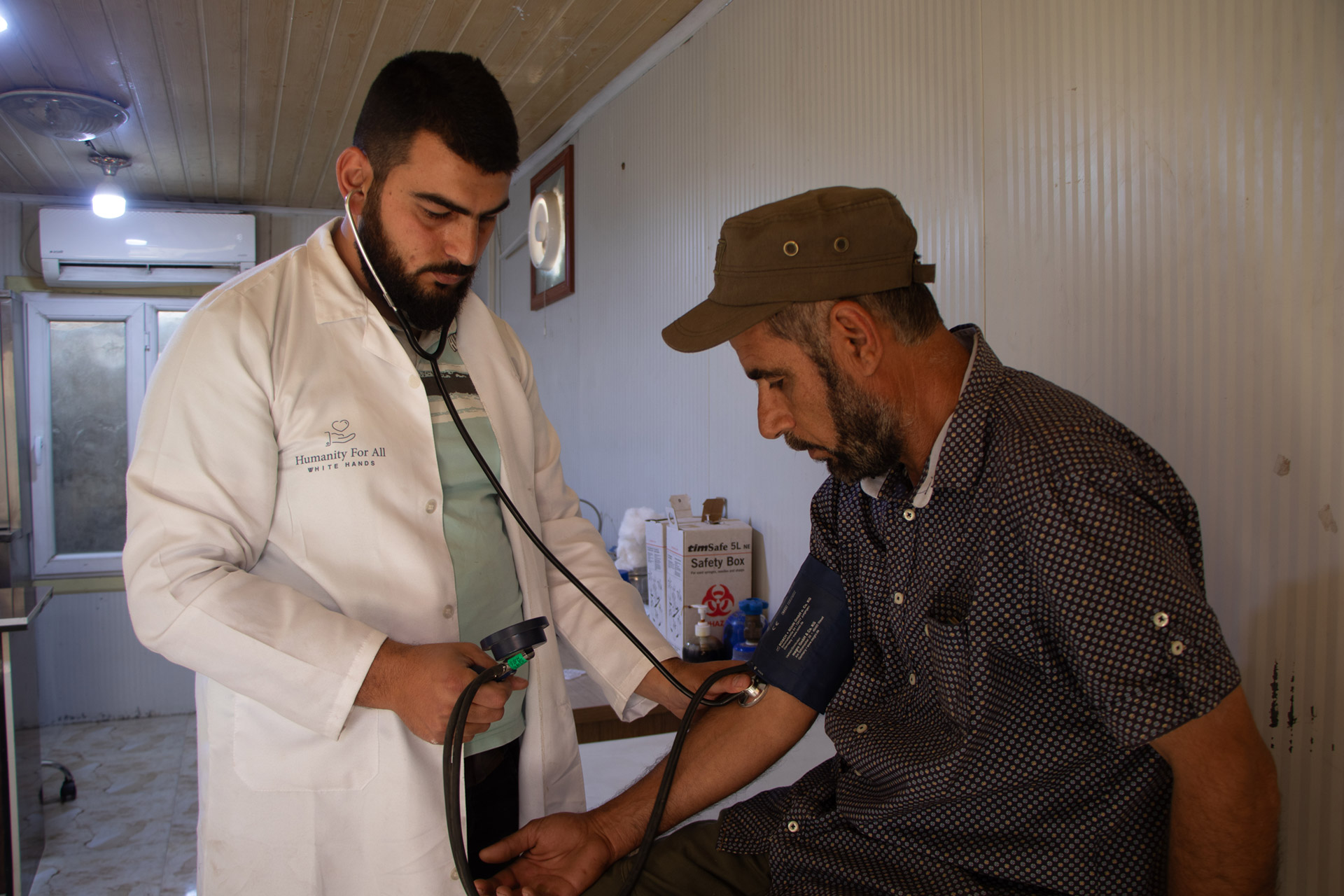 Abdul Muneem consulting with patients at Ehthimalat Health Centre, Aleppo. Photo: WHO
Acting for humanity
The voices of Malak, Dr Fares, Dr Aisha, Dr Khairiya, and Abdul Muneem reflect a common truth: Syria’s humanitarian crisis is not over, but neither is the determination of its people.
One of the world’s largest humanitarian crises persists. More than 16.7 million people inside Syria need urgent humanitarian health support. Around 7.4 million remain displaced, while over 4.5 million Syrian refugees live in neighbouring countries. Many still hope to return home – a reminder that strengthening health services in potential areas of return is essential.
People are seeking peace, stability and national unity. A functioning and safe health system is not only about care – it is about social cohesion, dignity and resilience. As the Syria moves towards recovery, it stands at a fragile crossroad.
This year’s World Humanitarian Day calls on us to #ActForHumanity: to protect humanitarian workers and civilians, to uphold international humanitarian law and to sustain the lifelines communities depend on.
As Dr Fares says: “First, we are not the heroes. People may expect us to hold a magic stick, but the real heroes are the communities themselves – people who live under bombardment, displacement and shortages, yet still insist on helping each other and on rebuilding their lives. Second, our greatest capital is the trust of communities. That trust is earned only when we remain faithful to humanitarian principles and committed to the communities we serve – in every setting, even in the most difficult conditions.”
The Ministry of Health, UNICEF, and WHO call for urgent support to mothers to protect child health during World Breastfeeding Week 2025
Breastfeeding: is an investment in Syria’s future
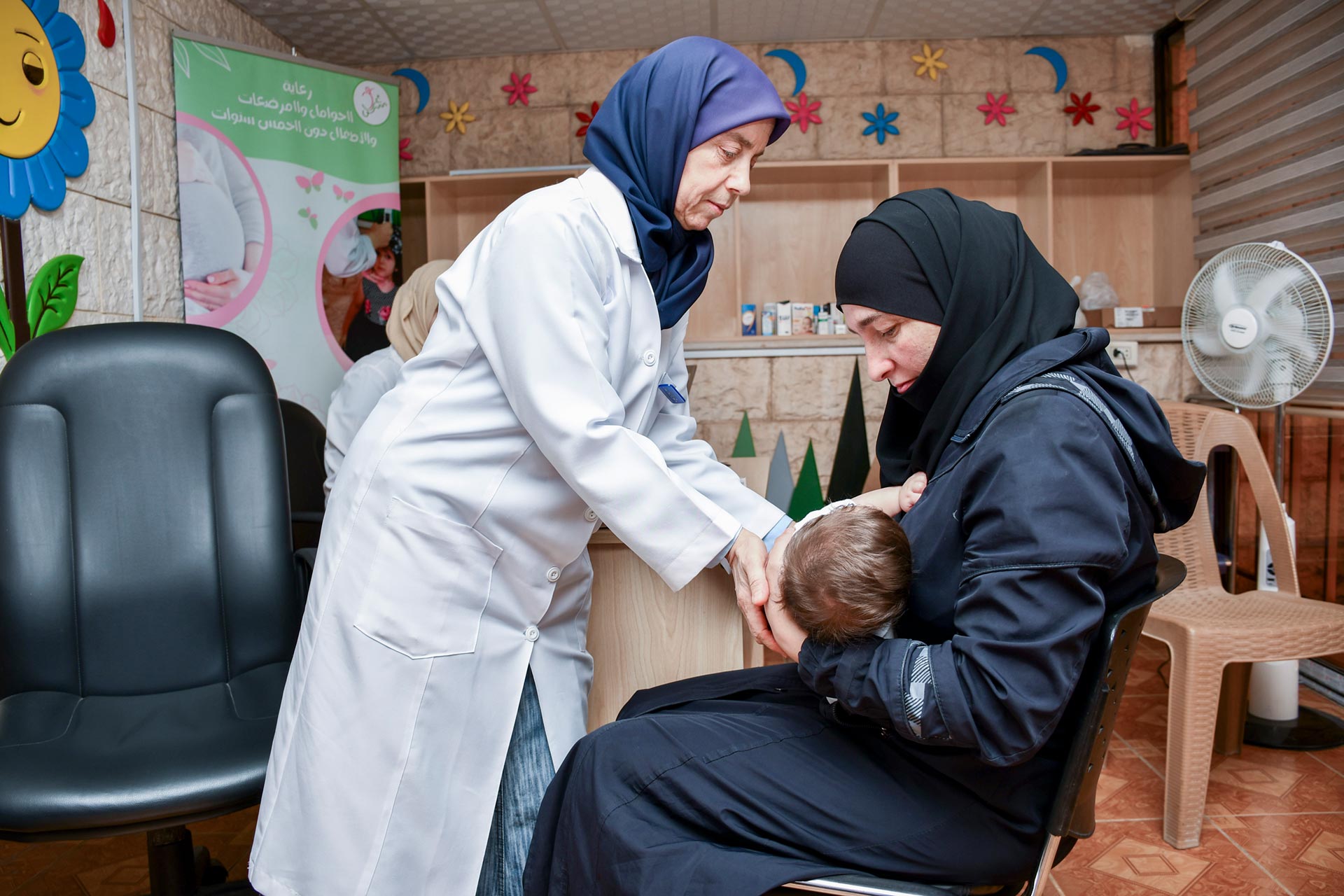 Damascus, 3 August 2025 – As the world marks World Breastfeeding Week, Syria faces a sobering reality: far too many children are missing out on the life-saving benefits of breastfeeding. Only 4 in 10 infants in Syria are exclusively breastfed during their first six months - a critical window for survival, growth, and brain development. Just 35 per cent continue breastfeeding until the recommended age of two.
This year’s World Breastfeeding Week – “Invest in Breastfeeding, Invest in the Future,” is a stark reminder of the critical role breastfeeding plays in protecting child health and development. As families across Syria face prolonged crisis, displacement, and economic hardship, breastfeeding provides a vital line of defence—boosting children’s immunity, supporting brain development, and protecting against malnutrition.
“The Ministry of Health is fully committed to strengthening national breastfeeding support systems—from health counselling to workplace protections,” said H.E. Dr. Musaab Alali, Minister of Health of the Syrian Arab Republic. “Investing in breastfeeding is a cost-effective way to protect the health of both mothers and children and build a healthier future for Syria.”
Malnutrition remains a serious concern in Syria. Nearly 1 in 4 children under five years of age are short for their age due to chronic undernutrition, and 5.8 per cent suffer from undernutrition (wasting), placing them at immediate risk of death without treatment. Breastfeeding can help prevent both conditions, ensuring children not only survive, but thrive.
“Breastfeeding saves lives. It is a child’s first vaccine—providing essential nutrients, antibodies and protection in the earliest and most vulnerable stage of life,” said Ms. Christina Bethke, WHO Acting Representative in Syria. “It is also a safeguard for mothers’ health. WHO is working with the Ministry of Health, UNICEF, and partners to strengthen the health system, train health workers, and raise awareness to ensure that every woman in Syria has the support and space to breastfeed safely.”
Yet too many mothers lack time, support, information, or a safe environment to breastfeed. Creating enabling conditions—at home, in workplaces, communities, and health facilities—is essential.
UNICEF and WHO jointly call for stronger, more sustainable breastfeeding support systems, including:
Urgent enactment of the revised Code of Marketing of Breastmilk Substitutes;
Paid maternity leave and breastfeeding-friendly workplaces;
Protection from aggressive marketing of breastmilk substitutes;
Access to skilled breastfeeding counsellors and support in health facilities;
Greater peer and community support for mothers.
“UNICEF remains committed to supporting the Ministry of Health to advance systems and create and enabling environment in support of breastfeeding mothers,” said Ms. Zeinab Adam, Deputy Representative, UNICEF in Syria. “When a mother is supported to breastfeed, an entire generation is given a better chance at life. This is not only an investment in a child’s future—but in Syria’s future.”
Breastfeeding is not just a personal choice—it is a public health priority and a shared responsibility. When mothers are supported at every level, they are far more likely to start and continue breastfeeding, giving their children the healthiest start in life.
For further information, please contact:
UNICEF:
Monique Awad, Chief Communication and Advocacy, email:
Hasan Burhan, Communication Officer, email:
WHO:
Mrinalini Santhanam, Communications Officer, email:
Halah Kabash, Communication Officer, email:
About UNICEF
UNICEF, the United Nations Children’s Fund, works to protect the rights of every child, everywhere, especially the most disadvantaged children and in the toughest places to reach. Across more than 190 countries and territories, we do whatever it takes to help children survive, thrive, and fulfil their potential.
Follow UNICEF Syria on Linked-In, Facebook, X, Instagram, YouTube, and visit UNICEF Syria's website.
About WHO
WHO leads global efforts to expand universal health coverage. We direct and coordinate the world’s response to health emergencies. And we promote healthier lives – from pregnancy care through old age. Our Triple Billion targets outline an ambitious plan for the world to achieve good health for all using science-based policies and programmes.
Follow WHO Syria on: Facebook, X, Instagram, YouTube, and visit WHO Syria's website.