

Sélectionnez votre langue
Long journeys and dedicated staff keep dialysis patients alive in Afrin
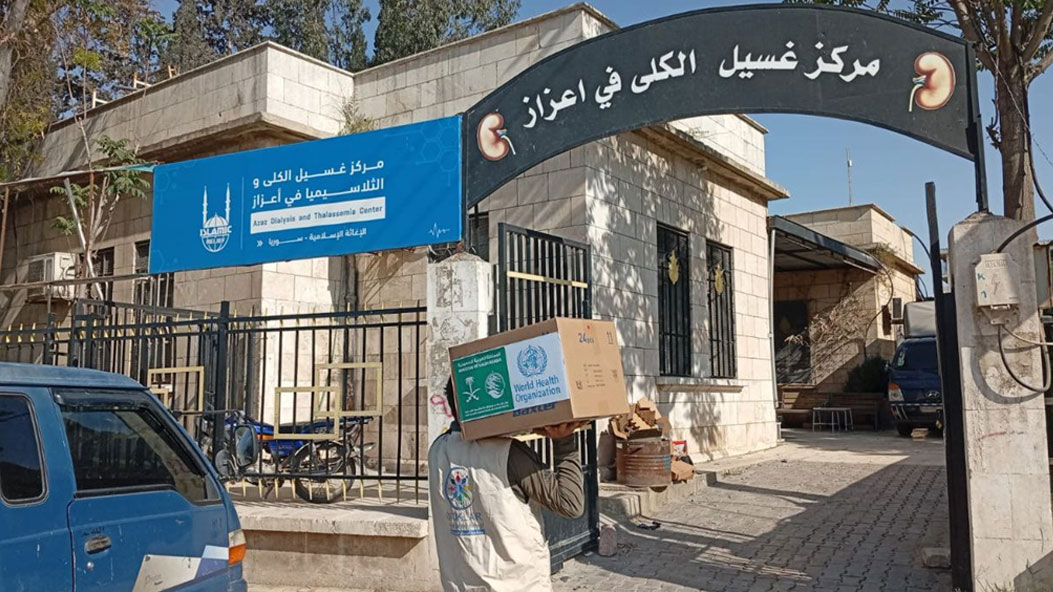 A staff member carries a box of dialysis medicines provided through KSrelief and WHO into a dialysis centre in Azaz. Photo credit: WHO23 September 2025, Afrin, Syrian Arab Republic – Three times a week, 60-year-old Ahmad* makes the long journey from Rajo to Bahar Dialysis Centre in Afrin. Without a car, he relies on relatives or neighbours to take him. For him and hundreds like him, the trip is not optional – it is survival.
“There are no dialysis centres in Rajo,” Ahmad explains. “I must come here, even if I cannot afford the transportation costs. If this centre were not here, I do not know how I would survive. To travel further or to buy treatment outside – it is unaffordable.”
The centre provides life-saving dialysis sessions, but shortages still weigh heavily on patients. “Sometimes I have to buy serum or syringes myself,” Ahmad says. “If I don’t, I can’t complete the session. We end up using money meant for bread to pay for supplies. A single dialysis session on the private market can cost the same as a month’s income for some families – far beyond our reach.”
Support from the King Salman Humanitarian Aid and Relief Centre (KSrelief), delivered through WHO, has eased this burden – ensuring that the most critical materials reach centres like Bahar so dialysis sessions can continue.
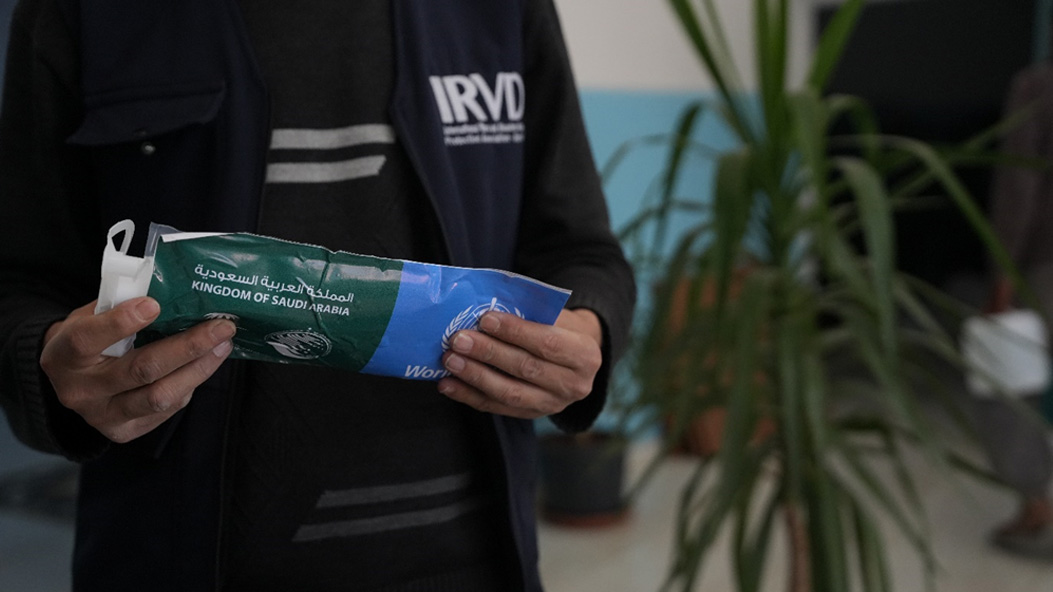 At Al-Ameen Dialysis Centre in Afrin, KSrelief- and WHO-supported supplies are checked before use. Photo credit: WHO Ahmad is grateful not only for this support but also for the dedication of the staff. “The nurses and doctors are excellent, they treat us with respect and care,” he says. “But without regular supplies, even the best nurse cannot help. What we need is to make sure the medicines and equipment always reach us.”
Like millions of Syrians displaced from their homes, Ahmad relies on overstretched health services that struggle to keep pace with demand. Across the country, more than half of health facilities remain non-functional, leaving patients with few options close to home. An estimated 15.8 million people require health assistance, and 7.4 million remain displaced, many in protracted situations.
At the same hospital, 32-year-old Mohammad Mustafa faces similar challenges. He travels from Badaleh to Bahar Hospital in Afrin three times a week – a 20-kilometre journey without public transport. “We have to come in our own car,” he explains.
Like Ahmad, Mohammad praises the staff for their compassion and professionalism. “The doctors are very kind and the care is excellent,” he says. But he notes that shortages remain a concern. For a period, even the basic solutions needed for dialysis were unavailable, forcing patients to buy them privately. “Thankfully, now those costs are no longer on us,” Mohammad adds, “and we can focus on treatment rather than worrying about how to afford it.”
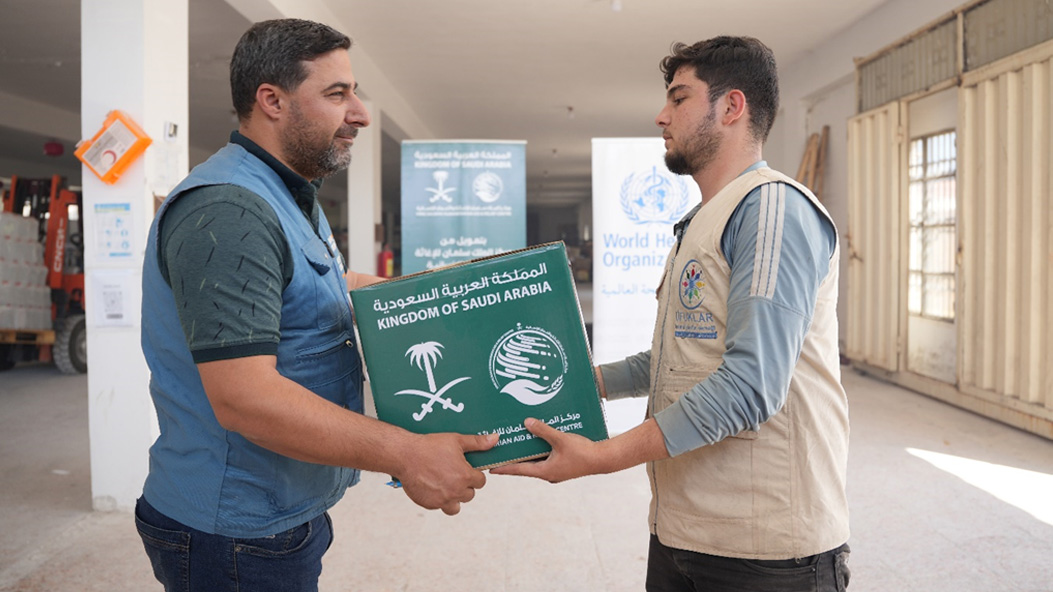 Dialysis materials supported by KSrelief and WHO are delivered to Bahar Hospital in Afrin for safe storage. Photo credit: WHO
With the support of KSrelief, WHO is supplying dialysis materials to health facilities across Aleppo and Idlib. By the end of June, 30,000 dialysis treatment courses had already been distributed, with another 5,000 on the way. This has kept machines running and allowed thousands of patients to continue treatment despite conflict, economic collapse and soaring costs of care.
In a country where 3 out of 4 people rely on humanitarian aid, ensuring continuity of services like dialysis is essential. WHO is working with partners to sustain life-saving care during the conflict while also laying the foundation for recovery and reform. Health is one of the few sectors that can help stabilize communities, support returns and strengthen the prospects for peace.
Looking ahead, Mohammad adds, “We know Syria is starting to recover, and that gives us hope. But recovery will take time. For people like us, treatment must not be interrupted. Dialysis is what keeps us alive, and we wish that in the future every patient across the country can find care without fear of it being cut off.”
*Name changed at patient’s request.
KSrelief supports essential health care services in Syria with an additional US$ 4.5 million donation
 22 September 2025, Damascus, Syrian Arab Republic – WHO welcomes a new donation from the King Salman Humanitarian Aid and Relief Centre (KSrelief) to support lifesaving health services in Idleb, Aleppo, Homs and Hama. The new contribution of US$ 4.5 million comes as the health system faces shortages in resources due to a series of emergencies, including the devastating 2023 earthquake, the strongest in a century, and the ongoing effects of protracted conflict.
With this generous support, WHO, in close collaboration with the Ministry of Health, will sustain primary health care services in 70 facilities across 4 governorates, ensuring access to essential primary and specialized health care services for displaced and host communities, and provide support for staff salaries and operational costs. These centres serve as lifelines for approximately 6.6 million people in areas where public services are limited or non-existent.
<“KSrelief has been a long-standing partner with WHO in our work to save the lives of the Syrian people. We are grateful for this generous contribution that has come as a major step towards reviving the availability of health care services to all people in need, supporting WHO’s commitment to alleviate the suffering of the Syrian people,” said Acting WHO Representative in Syria Christina Bethke.
Part of the fund will be used to ensure the continuity of lifesaving dialysis treatment for patients. WHO will supply dialysis kits and consumables to 10 priority centres, safeguarding treatment for 1,437 patients whose lives depend on uninterrupted care. Facilities will also receive essential medicines, medical supplies and strengthened referral pathways to improve access and continuity of care, alongside support for core public health functions like health information management.
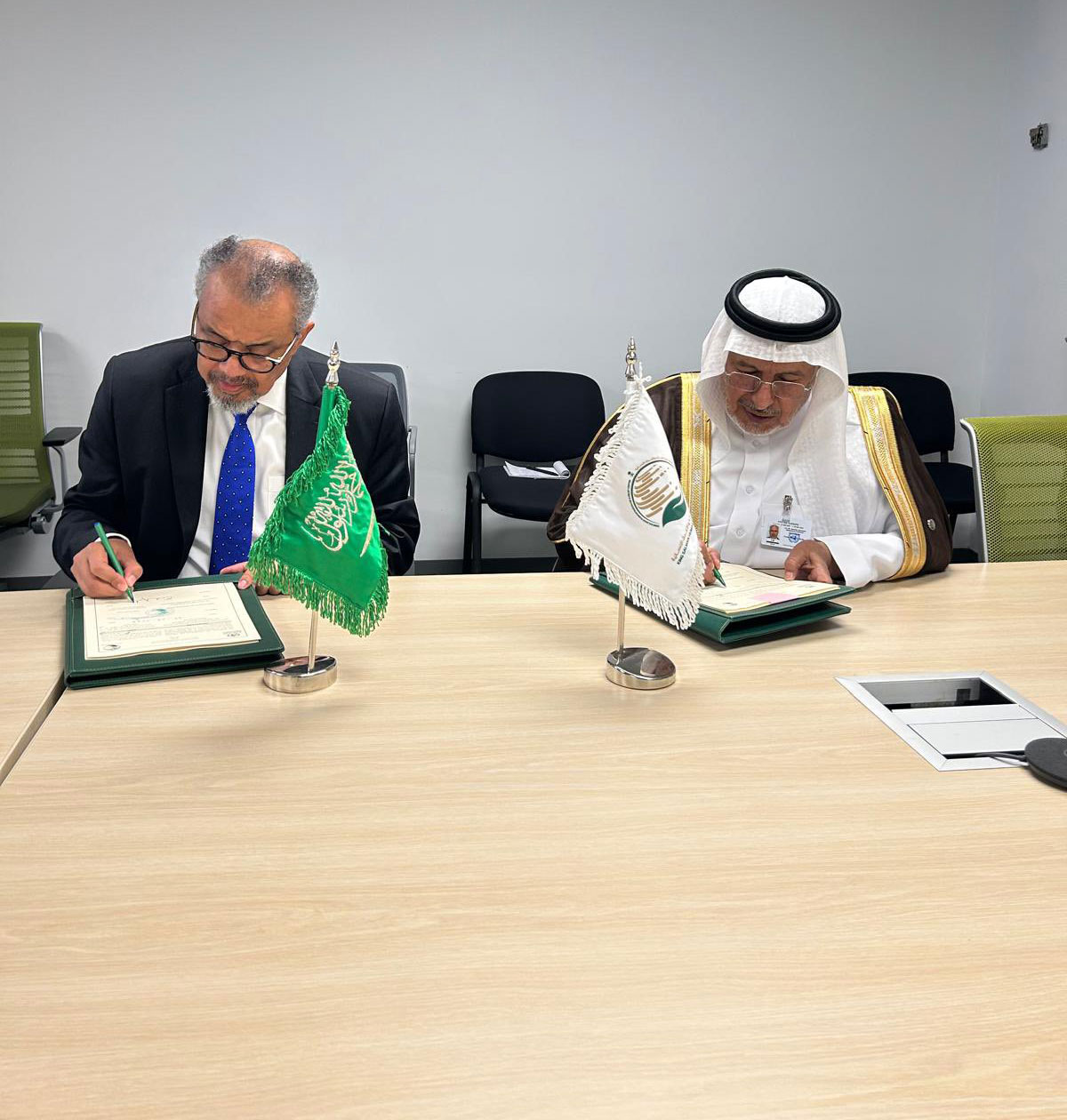 "The new funding from KSrelief will help WHO ensure that health care services to vulnerable Syrians continue uninterrupted, reducing preventable morbidity and mortality while supporting the resilience of Syria’s health system to meet health needs now and in the future," said Dr. Abdullah Al Moallem, KSrelief's Director of the Health and Environmental Aid Department.
For media inquiries, please contact:
For WHO: Halah Kabash,
For KSrelief: Fanar Alshehri, International Communication Specialist,
About KSrelief:
The King Salman Humanitarian Aid and Relief Centre (KSrelief), established under the guidance of the Custodian of the Two Holy Mosques, King Salman bin Abdulaziz Al Saud, represents Saudi Arabia's commitment to global humanitarian efforts. Inaugurated in May 2015, KSrelief has provided impartial humanitarian aid and relief to over 100 countries in cooperation with local, regional, and international organizations.
Dialysis means survival for Hassan, Abdulrazzaq and hundreds more in Idlib
22 September 2025, Idlib, Syrian Arab Republic – At Ibn Sina Dialysis Centre in Idlib, 65-year-old Hassan Al-Sattoof settles into his chair for yet another dialysis session. The routine has defined his weeks for 2 years, but for him, it is not routine at all.
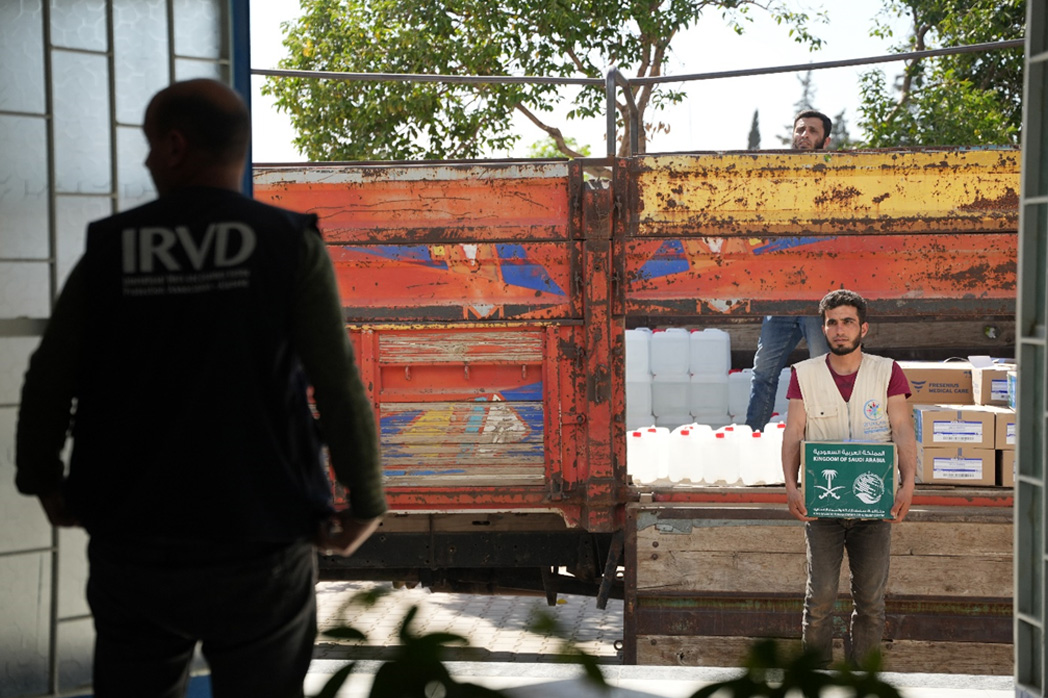 Medical supplies supported by KSrelief are delivered to Al-Ameen Dialysis Centre to keep treatments running. Photo credit: WHO“My kidneys are failing, so this is my lifeline,” Hassan says. “Each week I come 3 times, and I sit here for hours. If dialysis stops, my life stops. We are about 200 patients in this centre, and all of us are the same – we wait, we hope, and we pray that the supplies continue. Without them, some would be forced to travel far for treatment, and others could see their health deteriorate rapidly.”
In Qah, 55-year-old Abdulrazzaq Al-Shahhad has been receiving dialysis at Al-Hadiya Hospital for 5 years. Displaced from his home in eastern Maarat, he knows exactly what it would mean if the support ended.
“Each dialysis session costs about US$ 50 if you have to buy the materials yourself,” he explains. “I need 3 sessions a week. That’s more than US$ 600 a month – impossible for me or anyone here to afford. Before, I sometimes had to borrow money to buy the filters, and I would choose between provisions and treatment. Now, the hospital provides everything I need without cost at the point of care. If this help stops, we lose everything – not just our health, but our dignity.”
 A patient receives dialysis at a centre in Afrin, with KSrelief-supported supplies ensuring continuity of care. Photo credit: WHOBy the end of June, WHO procured and distributed 30,000 dialysis treatment courses to centres across Idlib and Aleppo. This covers the needs of 1,476 patients – almost 20% more than initially projected, as demand continues to rise. The project has allowed more patients to reach treatment, ensured dialysis machines keep running and helped clinics continue their work without interruption despite economic hardships.
Ibrahim Al-Dhanab, who also lives in Idlib, comes twice a week for his treatment. The long hours connected to the machine leave him exhausted, but he insists he cannot miss a session.
“After dialysis I feel weak, sometimes I can hardly walk home,” Ibrahim says. “But missing even one session could be the end for me. What gives me strength is knowing I can keep going for my children. If the centre stopped working, families like mine would have no chance. We hold on because of this support.”
“I see that Syria is starting to change, and that gives me hope,” Ibrahim adds. “But for people like me, treatment must not stop during this time. Dialysis keeps us alive. I wish that patients in every part of the country could find the same care that I receive here – because no one should lose their life just because they cannot reach a hospital.”
This continuity of care is made possible through the generous support of the King Salman Humanitarian Aid and Relief Centre (KSrelief). Working with WHO, KSrelief’s contribution has been vital in ensuring that dialysis patients across Idlib and northern Aleppo receive lifesaving treatment free of charge.
Syria is at a critical juncture, moving from 14 years of conflict towards early recovery and stabilization. WHO is combining life-saving humanitarian action with longer-term recovery efforts, making health a stabilizing force that can support returns and peacebuilding. For Hassan, Abdulrazzaq, Ibrahim and more than 1,400 others, dialysis is more than a treatment – it is survival, and the hope of another tomorrow.
In Ma’arrat An Nu’man, restored health services give families both dignity and stability
 Dr Jaber Al-Omar examines a young patient at Ma’arrat An Nu’man public health centre which now records more than 1,200 paediatric visits each month. Photo credit: WHO18 September 2025, Idlib, Syrian Arab Republic – After years of disruption, the Ma’arrat An Nu’man Primary Health Centre has been steadily rebuilding itself as a central point of care for thousands of families returning to their city. For people who endured years of conflict and displacement, the Centre is more than a building – it is a sign of stability.
Among the health workers anchoring this recovery is Dr Jaber Al-Omar, a paediatrician who now treats more than 1200 children each month. “Many of the children I see are malnourished or suffer from recurring infections,” he explained. “But what families need most is reassurance – to know that care is available close to home.” His calm presence has earned the trust of parents, who say his work gives them both hope and confidence.
At the pharmacy, Saddam Al-Abbas manages the supply of essential medicines with meticulous care. In one recent emergency, when a child arrived struggling to breathe, Saddam drew from a reserve stock he had set aside for such moments, ensuring the boy received immediate treatment. “In these conditions, medicine is not just about healing,” he said. “It is about survival – making sure no one is left without what they need at the right time.”
Meeting overwhelming demand
 Pharmacist Saddam Al-Abbas prepares essential medicines for patients, ensuring continuity of treatment even during emergencies. Photo credit: WHOSince reopening in May 2025, the centre has been overwhelmed by demand. In its first week alone, more than 1800 consultations were carried out. The emergency unit managed over 600 urgent cases, while the midwifery team supported more than 300 women.
“Sometimes I feel the number of patients will never end,” said Ahlam, a midwife at the centre. “But I remind myself that every mother we care for safely, every child we vaccinate, is part of rebuilding this community.”
Supported with trained staff and a stocked pharmacy, the health centre has exceeded projections while maintaining safe consultation loads in line with international standards. A 10-bed emergency unit functions around the clock to stabilize trauma and obstetric emergencies, while referral protocols and two dedicated ambulances ensure that critical patients reach hospitals in Idlib within two hours.
Caring for the whole person
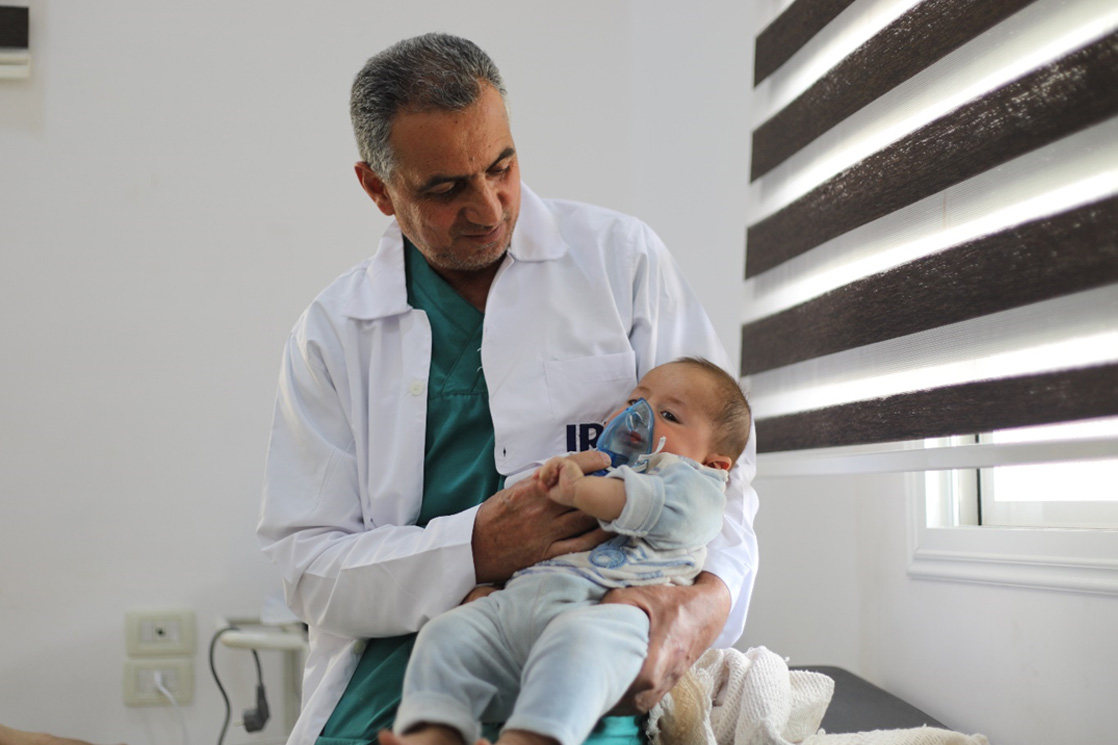 A paediatrician at the centre provides urgent care to an infant with respiratory distress. Photo credit: WHOAlongside physical health services, the centre now offers dedicated mental health and psychosocial support. Trained counsellors provide safe spaces for people to talk about their struggles – from children showing signs of trauma to parents overwhelmed by the challenges of displacement and return.
“People used to say mental health did not matter when you are trying to survive,” said one counsellor. “But now patients come to us and say: ‘I cannot sleep, I cannot stop worrying.’ They realize their minds need care too, not just their bodies.”
Strengthening systems for the future
The centre is also playing a role in protecting public health. By reporting weekly data through WHO’s Early Warning Alert and Response System (EWARS), it helps detect and respond to threats such as measles or cholera before they spread. This vigilance is vital in a region where outbreaks can quickly overwhelm fragile health systems.
Crucially, the centre has reduced reliance on mobile units by restoring a permanent, facility-based model, ensuring reliable access to care.
Partnerships driving recovery
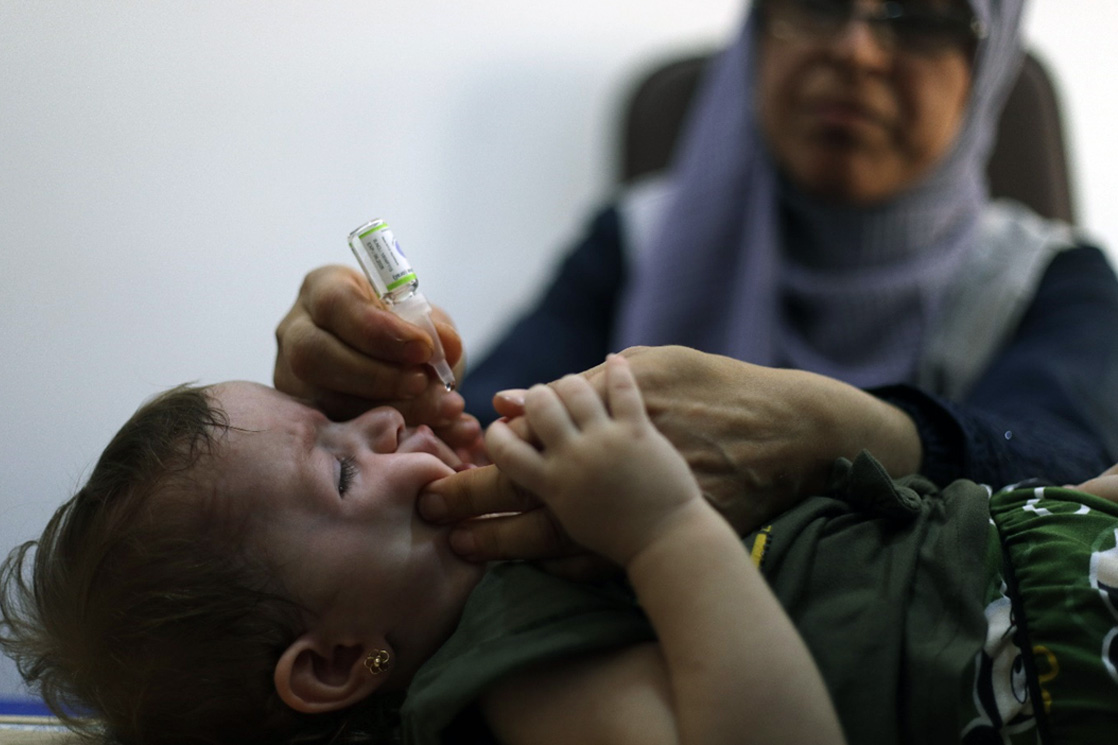 A health worker administers an oral vaccine to a young child at Ma’arrat An Nu’man PHC, which also has a dedicated EPI section. Photo credit: WHOThe rehabilitation of the Ma’arrat An Nu’man Primary Health Centre was made possible through support from Gavi, the Vaccine Alliance, working with WHO, the Ministry of Health and the District Health Directorate. Together they restored the physical infrastructure and anchored service delivery within national systems.
Operational costs are covered by the European Union (EU), through its Civil Protection and Humanitarian Aid Operations (ECHO), enabling WHO and Al Ameen to keep the centre fully functional. The center provides essential health care services, including outpatient consultations, normal and emergency obstetric, and ambulance services. Al Ameen, a WHO health partner, manages day-to-day operations, ensuring that care reaches families consistently and safely.
A sign of recovery
 Outside view of the centre, where families gather daily to access emergency, maternal, and child health services in a city where most infrastructure remains damaged. Photo credit: WHOFor families returning to Ma’arrat An Nu’man – a city where 90% of infrastructure remains damaged and no secondary care exists within 45 km – the centre’s revival has brought back a sense of stability.
“Every consultation here is a message to the community that they are not forgotten,” Dr Jaber reflected. “We are rebuilding trust, one patient at a time.”