WHO EMRO
  • Sites régionaux
WHO EMRO
Sites régionaux de l’OMS
Afrique Afrique
Amériques Amériques
South-East Asia South-East Asia
Europe Europe
Eastern Mediterranean Eastern Mediterranean
Western Pacific Western Pacific
  • Accueil
  • Thèmes de santé
  • Données et statistiques
  • Centre des médias
  • Ressources
  • Pays
  • Programmes
  • À propos de l'OMS
Recherche Recherche

Recherche

- Tous les mots: renvoie uniquement les documents correspondant à tous les mots.
- N'importe quel mot: renvoie les documents correspondant à n'importe quel mot.
- Phrase exacte: renvoie uniquement les documents qui correspondent à la phrase exacte saisie.
- Préfixe de phrase: fonctionne comme le mode Phrase exacte, sauf qu'il permet des correspondances de préfixe sur le dernier terme du texte.
- Wildcard: renvoie les documents qui correspondent à une expression générique.
- Requête floue: renvoie les documents contenant des termes similaires au terme de recherche. Par exemple : si vous recherchez Kolumbia. Il renverra les résultats de recherche contenant la Columbie ou la Colombie.
  • Site mondial
  • Sites régionaux
    Sites régionaux de l’OMS
    • Afrique Afrique
    • Amériques Amériques
    • Asie du Sud-Est Asie du Sud-Est
    • Europe Europe
    • Méditerranée orientale Méditerranée orientale
    • Pacifique occidental Pacifique occidental
Recherche Recherche

Recherche

- Tous les mots: renvoie uniquement les documents correspondant à tous les mots.
- N'importe quel mot: renvoie les documents correspondant à n'importe quel mot.
- Phrase exacte: renvoie uniquement les documents qui correspondent à la phrase exacte saisie.
- Préfixe de phrase: fonctionne comme le mode Phrase exacte, sauf qu'il permet des correspondances de préfixe sur le dernier terme du texte.
- Wildcard: renvoie les documents qui correspondent à une expression générique.
- Requête floue: renvoie les documents contenant des termes similaires au terme de recherche. Par exemple : si vous recherchez Kolumbia. Il renverra les résultats de recherche contenant la Columbie ou la Colombie.

Sélectionnez votre langue
  • اللغة العربية
  • English
WHO EMRO WHO EMRO
  • Accueil
  • Thèmes de santé
  • Données et statistiques
  • Centre des médias
  • Ressources
  • Pays
  • Programmes
  • À propos de l'OMS
  1. Home
  2. Somalia site
  3. Priority areas

Expanded programme on immunization

Making every child count
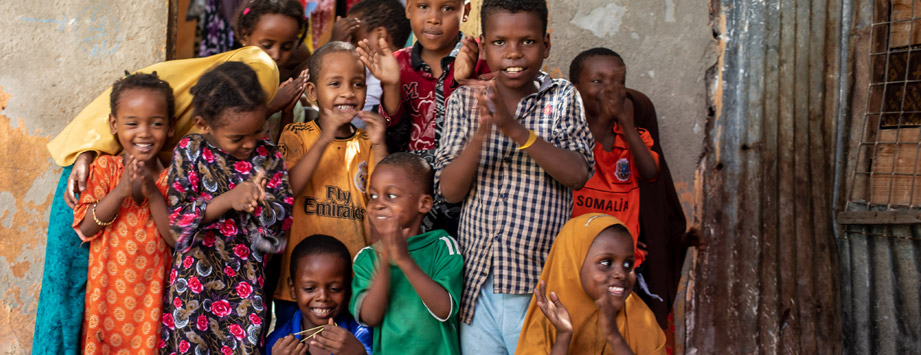
Our mission is to ensure every Somali child has access to life-saving vaccines at the correct time that protect them against vaccine-preventable diseases.

Who we are

WHO’s Expanded Programme on Immunization (EPI) partners with health authorities to vaccinate Somali children against eight vaccine-preventable diseases: childhood tuberculosis, diphtheria, haemophilus influenzae type B, hepatitis B, measles, pertussis, polio and tetanus.

We support routine vaccination against these diseases in 607 health facilities in 117 accessible districts out of a total of 123 districts, by encouraging families with babies to visit their nearest health facility five times before their child(ren) reaches 1 year of age. Most of these health facilities, such as mother and child health clinics, are managed by nongovernmental organizations and the Somali Government. Gavi, the Vaccine Alliance, supports all components of immunization activities in 25 accessible districts and provides vaccines and cold-chain equipment in every accessible district.

To make the best use of resources, the EPI programme works with Somalia’s polio eradication programme during vaccination campaigns to reach children using existing systems, assets and infrastructure, such as human resources and cold-chain systems.

What we do

In collaboration with health authorities, we support routine childhood vaccination primarily through the following actions:

Maximize the reach of and sustained access to childhood vaccination

We support health facilities to vaccinate children younger than 1 year of age against common, preventable diseases. We team up with partners, such as the polio eradication programme, to roll out vaccination campaigns to reach children living in hard-to-reach areas. This work also includes developing and implementing district microplans for accessible regions that allow teams to search for and vaccinate every eligible child.

Monitor prevalence of diseases

We carry out surveillance of diseases such as measles, to be able to tackle any outbreaks in a timely manner and prevent further spread.capacity. We help build the capacity of staff from the health authorities at all levels and the polio teams in immunization practices and measles surveillance.

Build strong health systems

We deliver vaccines to children, which also contributes to delivering essential health services. Delivering vaccines to households establishes a point of contact between families and primary health care services at least five times during the first year of a child’s life. Thus, by improving immunization services, we also contribute to building strong health systems.

Monitor progress

We carry out monitoring and supervision activities, such as regular EPI reviews and field visits, including during immunization campaigns, to maintain high standards of service delivery. We update the EPI policy regularly to meet the needs of Somali children. We manage and analyse information, hold review meetings and disseminate updates to partners through weekly polio technical updates.

Our impact

Working with the Somali Ministry of Health and partners

  • Delivery of vaccines to Somali children increased every year to safeguard them from eight of the most common childhood diseases
  • More health workers empowered every year to deliver essential health services to children
  • Disease outbreaks in children rapidly controlled and spread of diseases reduced, such as the measles outbreak of 2017 and 2018
  • Vaccination coverage increased and sustained compared with previous years
  • Strong partnerships formed with Somali health authorities, WHO programmes and other health partners to immunize more children

What we have achieved

Developed capacity of health staff in Somalia

In 2019, we trained staff from 722 health facilities in immunization practices and 176 staff from health authorities in surveillance of measles.

Strengthened disease surveillance

At least one sentinel site was established in health facilities in each district to search for measles cases regularly.

Reduced the prevalence and burden of vaccine-preventable diseases by reaching more children than before

  • Controlled the measles outbreak that broke out in 2017 by vaccinating 4.49 million children under 10 years out of a target of 4.8 million children in 2018.
  • In 2019, the number of cases of measles decreased compared with 2018. More than 400 000 children aged under 1 year were vaccinated against measles through routine immunization; just over 300 000 of these children received their first dose of the measles vaccine. About 4.5 million children received one additional dose of the measles vaccine during a nationwide measles campaign.
  • More than 345 000 infants (73% of the target) received the Bacille Calmette– Guérin (BCG) vaccine to protect them against tuberculosis in 2019.
  • Through routine immunization, more than 380 000 children (84% of the target) received the first dose of the penta 1 vaccine to protect them against five diseases (diphtheria, Haemophilus influenzae type B, hepatitis B, tetanus and whooping cough).
  • More than 1 260 000 doses of the penta vaccine were administered in 2018; about 333 100 children (74% of the target) received the third dose of this vaccine.
  • More than 2,9 million under 5 years children received vaccines against measles, polio and vitamin A & deworming tablets during integrated campaign.

Provided support to refine national strategies and policies to support immunization.

  • Somalia’s EPI policy was revised and standard operating procedures for minimum standards of service delivery were developed.
  • Two interagency coordination committees for immunization were formed in Mogadishu and Hargeisa to strengthen immunization policies and activities.
  • Planning started on introduction of a second dose of the measles vaccine and injectable inactivated poliovirus vaccine for children.

What is next

WHO’s EPI team is striving to meet and exceed targets for vaccination by reaching more children and providing immunization services in more districts. With support from the Ministry of Health and partners, the following activities are planned during 2021–2025:

  • Resume and sustain vaccination coverage during and after COVID-19.
  • Conduct a comprehensive review of the EPI situation in the country.
  • Carry out an EPI coverage survey to assess the coverage of all antigens and determine the reasons for low coverage of eligible children and bottlenecks in reaching them.
  • Develop a comprehensive multiyear planning tool for 2021–2025.
  • Introduce a second dose of measles for children aged 15 months.
  • Conduct a midlevel management training course for EPI managers.
  • Implement an urban immunization strategy in three highly-populated cities – Mogadishu, Hargeisa and Bossaso.
  • Introduce an electronic immunization register on a pilot basis to track children who have missed vaccinations and inform parents when their child’s visit is due. This register will improve defaulter tracing.
  • Roll out data quality improvement plans to overcome data management problems from the grassroots health facility level to the national level.

Promoting healthier populations

Health and well-being for every individual is an essential component of Sustainable Development Goal (SDG) 3. WHO provides technical, policy, and advisory support to enhance the scope and functionality of Somalia’s primary health care (PHC) systems in order to support better health and well-being for all. (PHC refers to health care provided in the community through local health facilities, community health workers, and local medical professionals.
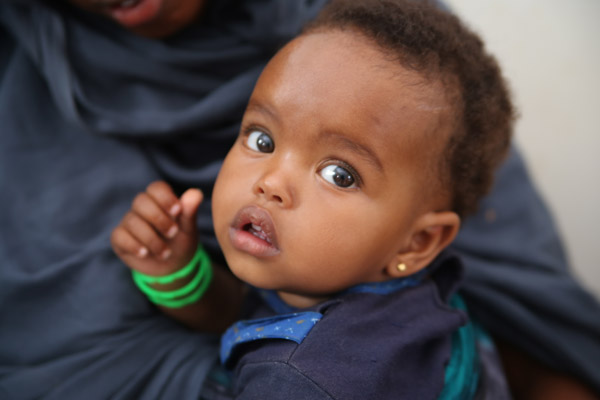
Somalia faces many health challenges, including access to health care, nutrition, information and security, and health indices show clear gender disparities. Women and children in Somalia have limited access to some of the most basic health services. Somalia has one of the highest rates of maternal and child mortality in the world.

One out of 12 women die from pregnancy-related causes and 1 out of 7 children die before their fifth birthday.

Midwifery is the cornerstone of Somalia’s reproductive, maternal, newborn, child, and adolescent health provision. WHO is working closely with national health authorities to implement Somalia’s Integrated Reproductive, Maternal, Neonatal, Child and Adolescent Health Strategy 2019‒2023, and National Midwifery Strategy 2018–2023.

WHO also supports implementation of the Political Declaration of the United Nations General Assembly on the Prevention and Control of Noncommunicable Diseases (NCDs). NCDs include cardiovascular disease, stroke, cancer, diabetes, chronic respiratory diseases, and mental health disorders.

Mental health and substance abuse care in Somalia is neglected and underfunded, and poor understanding results in the isolation and stigmatization of the mentally ill and the use of dangerous and humiliating treatment practices. A mental health strategy has been developed that will incorporate mental health care into primary health care services in order to treat, rehabilitate, and care for people with mental illnesses using sound medical practices. A national action plan is also being developed to combat antimicrobial resistance, a global cause of concern.

WHO is working to promote collective, multisectoral and integrated efforts to treat and prevent malnutrition. To improve health and well-being and reduce health risks in the community WHO encourages health promotion and rights literacy, people participation and community empowerment.
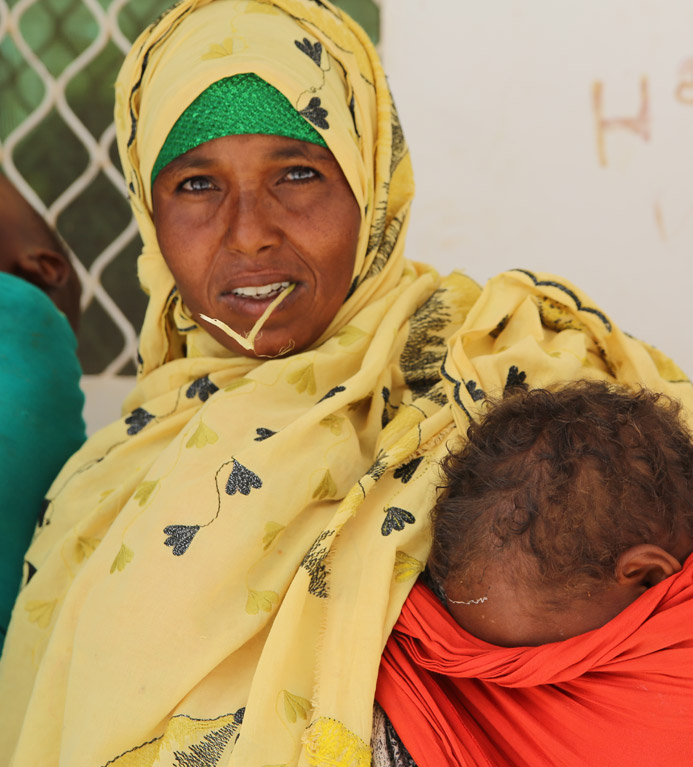
What success will look like:

a country profile is developed for primary health care (PHC), with the implementation of an action plan and annual monitoring of PHC vital signs;

a comprehensive strategy is developed to tackle population growth, maternal and child mortality, and malnutrition;

intersectoral coordination mechanisms are functional at the national level; and

selected interventions emerge as a role model for health services and intersectoral coordination.

Health emergencies

Protecting vulnerable people
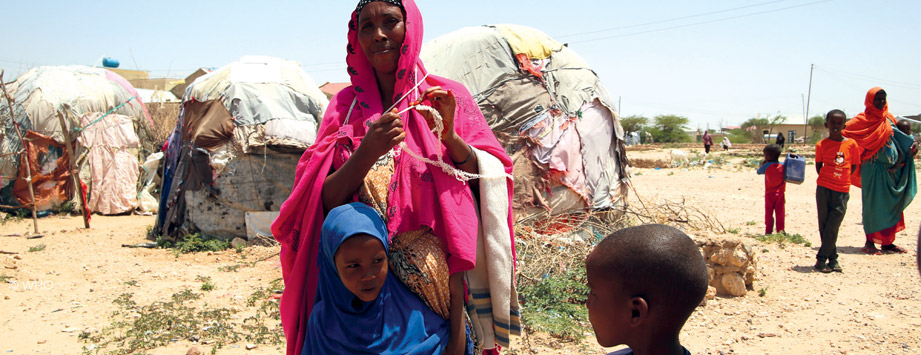
Our mission is to provide life-saving health care for Somalis in crises and empower them to prevent future emergencies by building the capacities needed to rapidly detect, mitigate, respond to and recover from any emergency health threat to the people of the country, especially vulnerable populations.

Who we are

The Health Emergencies Programme of the World Health Organization’s (WHO) country office supports the federal and state ministries of health to respond rapidly and effectively to natural and public health emergencies under a coordinated incident management system. The programme also works with key humanitarian partners to reduce vulnerability and public health risks from climate shocks, such as floods and droughts, and disease outbreaks. The activities of the programme are effectively managed, adequately staffed and operationally ready to fulfil the programme’s mission.

What we do

In collaboration with the Ministry of Health and Health Cluster partners, we work to ensure adequate emergency preparedness and response measures are in place primarily through the following actions:

Support the health system

We help strengthen the health system so it can adequately deal with public health emergencies.

To that end, we conduct vulnerability and public health risk analysis, develop national emergency preparedness, response and contingency plans, pre-position supplies, train the health workforce and lead the Health Cluster in Somalia to harmonize efforts in responding to health emergencies.

Prevent disease outbreaks and their public health effects

We conduct disease surveillance, monitor health threats, verify outbreak alerts and conduct field investigations to detect and contain outbreaks. We also implement mass immunization campaigns for cholera and other vaccines-preventable epidemic diseases. We respond to infectious disease outbreaks through field investigations, implementation of evidence-informed interventions and timely sharing of information to end any outbreak and minimize deaths.

Build core capacities for International Health Regulations (IHR) (2005)

We build core capacities required for IHR (2005) and support implementation of the national action plan for health security to fill gaps in IHR core capacities.

Our impact

Working with the Somali Ministry of Health and partners

  • A real-time and fully functional early warning system established for disease detection and response covering 700 of 1200 health facilities
  • Joint external evaluation completed to assess the core capacities for the International Health Regulations (2005)
  • Outbreak of cholera and other infectious diseases including measles and chikungunya successfully managed and contained

What we have achieved

  • Finalized the National Action Plan for Health Security aimed at building IHR core capacities.
  • Developed the cholera control strategy to contribute to the reduction of cholera-related deaths by 90% as part of WHO’s global strategy to end cholera by 2030.
  • Established rapid response teams in all flood- and drought-prone districts.
  • Supported national and state public health laboratories to enhance their detection and diagnosis of emerging and re-emerging infectious diseases.
  • Contained major infectious disease outbreaks including cholera, measles and chikungunya over the past 5 years.
  • Established an electronic early warning, alert and response surveillance system to detect, investigate and respond to 15 priority diseases of public health concern in the country.

What is next

The WHO country office will continue to work with the Ministry of Health and other partners to support the following activities:

  • Map health resources availability across the country to assess the availability of medical services, mostly used for emergency responses.
  • Establish fully functional national and regional emergency operations centres that act as central command and control facilities responsible for the coordination of emergency preparedness and response.
  • Develop and operationalize a plan for improving service delivery and safety of facilities for emergency preparedness, prevention and response within the national goal of achieving universal health coverage.
  • Implement the National Action Plan for Health Security using the One Health approach.
  • Upgrade the public health programme for trauma care and mass casualty management.
  • Develop an integrated disease surveillance and response system.
  • Operationalize and expand a service delivery model for hard-to-reach and insecure areas, internally displaced people and nomadic people in humanitarian settings.
  • Support the building of resilient health systems through working on the humanitarian–development nexus.

Universal health coverage

Leaving no one behind: ensuring everyone everywhere can access good health care
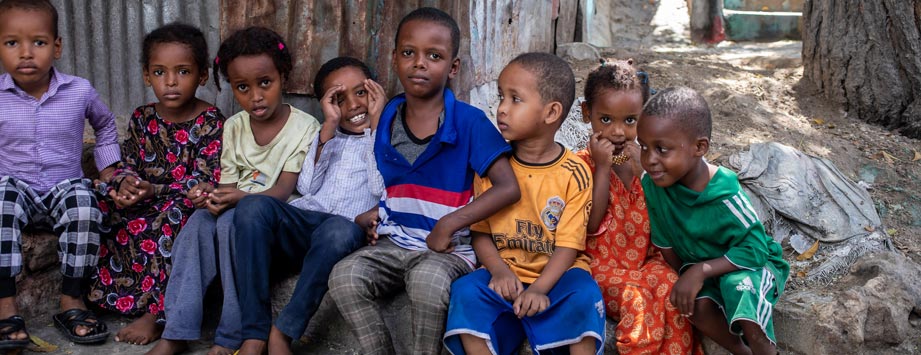
Our mission is to promote strong partnerships and momentum to ensure that everyone everywhere in Somalia, particularly in vulnerable communities, and women and children, can access good-quality health care without facing financial hardship.

Who we are

The WHO country office works closely with its partners and health authorities to accelerate progress towards universal health coverage (UHC) through strengthening the primary health care system. UHC, which promises to transform health services delivery in Somalia, rests on three pillars.

Equity:

to ensure everyone can access health services, not just those who can afford them

Quality:

to ensure that the health services offered are of an acceptable quality

Financial protection:

to ensure that no one accessing health services is put at financial risk because of the cost of services

What we do

In collaboration with health authorities, we guide efforts to advance UHC by strengthening primary health care in the country, primarily through the following actions:

Improve access to a high-quality essential package of health services

We have included prevention and community components in the essential package of health services, in addition to integrated selected noncommunicable disease and mental health services. We work to ensure that the package is available in hard-to- reach areas and to vulnerable populations, including internally displaced people. The revised essential package has taken into account the context and needs of the Somali people.

Strengthen the role and capacity of the Ministry of Health

We support the ministry to improve its institutional capacity for coordination, policy-making, regulation, planning, management and contracting, and use of data to guide decision-making.

Support strengthening of health care

We support the strengthening of primary health care at the district level, ensuring coherence in delivery of services among partners and addressing gaps in service delivery.

Harness the private sector for UHC

We are supporting health authorities to assess the current role of the private sector and to develop a strategy on how to engage the private sector as a partner in service delivery. These efforts will result in the establishment of regulatory frameworks and contracting mechanisms for involving the private sector in health services delivery under the Essential Package of Health Services.

Develop the health workforce for primary health care

We are mapping the current availability of and future needs for primary health care services to provide the evidence base for health workforce planning and investment decisions for the roll-out of the Essential Package of Health Services.

Improve collection, analysis and use of health and related financial information

We analyse data for monitoring the health- related Sustainable Development Goals at national and subnational levels.

Establish a national health account

We are working to establish a national health account to track health expenditure data, which will support monitoring and guide policies and decisions.

Our impact

Working with the Somali Ministry of Health and partners

  • The road map for universal health coverage (UHC) launched, with an additional 2.6 million people expected to benefit from improved access to service delivery
  • Essential Health Services Package revised
  • Reproductive, maternal, neonatal, child and adolescent health strategy finalized
  • Integrated management of neonatal and childhood illnesses rolled out

What we have achieved

In collaboration with our partners and the Ministry of Health, we have assisted in the following:

  • The development of the Somali road map towards UHC (2019–2023).
  • The revision of the Essential Package of Health Services as a set of critical health and nutritional interventions including cost of these interventions to be delivered at every level, including specific attention for the most vulnerable.
  • The adaptation of Sustainable Development Goal 3 (SDG-3) to the local context of the country.

What is next

During 2021-2023, the WHO country office will continue to work with the Ministry of Health and other partners on the following activities:

  • Roll out and implement the Essential Package of Health Services to expand coverage and quality of essential health care with sustainable financing, including specific attention to the most vulnerable groups, and ensuring no-one is left behind.
  • Monitor the progress of the roll out of the Essential Package of Health Services and service coverage.
  • Establish the national health account to monitor and track health expenditure.
  • Map the current and projected need for the health workforce in order to deliver the Essential Package of Health Services at different levels.
  • Develop a regulatory framework for engagement of the private sector in delivery of the Essential Package of Health Services.
  • Establish a comprehensive system for management of health information for better monitoring and tracking of health-related indicators of SDG-3 at every level.
  • Conduct a health facility assessment using WHO’s service availability and readiness assessment (SARA) tool to evaluate and monitor service availability and to support the planning and management of the health system to roll out the Essential Package of Health Services
  • Monitor progress towards UHC, including intervention coverage and financial risk protection, with an equity dimension using the set of indicators used for tracking UHC coverage.
  • Generate and use evidence for health systems strengthening and health policy research.

Page 3 sur 4

  • 1
  • 2
  • 3
  • 4
  • Plan du site
    • Accueil
    • Thèmes de santé
    • Centre des médias
    • Données et statistiques
    • Ressources
    • Pays
    • Programmes
    • À propos de l'OMS
  • Aide et services
    • Travailler à l'OMS
    • Droits d’auteur
    • Privacy
    • Nous contacter
  • Bureaux de l'OMS
    • Siège de l'OMS
    • Région de l'Afrique
    • Région des Amériques
    • Région du Pacifique occidental
    • Région de l'Asie du Sud-Est
    • Région de l'Europe
WHO EMRO

Politique de confidentialité

© OMS 2025