WHO EMRO
  • Sites régionaux
WHO EMRO
Sites régionaux de l’OMS
Afrique Afrique
Amériques Amériques
South-East Asia South-East Asia
Europe Europe
Eastern Mediterranean Eastern Mediterranean
Western Pacific Western Pacific
  • Accueil
  • Thèmes de santé
  • Données et statistiques
  • Centre des médias
  • Ressources
  • Pays
  • Programmes
  • À propos de l'OMS
Recherche Recherche

Recherche

- Tous les mots: renvoie uniquement les documents correspondant à tous les mots.
- N'importe quel mot: renvoie les documents correspondant à n'importe quel mot.
- Phrase exacte: renvoie uniquement les documents qui correspondent à la phrase exacte saisie.
- Préfixe de phrase: fonctionne comme le mode Phrase exacte, sauf qu'il permet des correspondances de préfixe sur le dernier terme du texte.
- Wildcard: renvoie les documents qui correspondent à une expression générique.
- Requête floue: renvoie les documents contenant des termes similaires au terme de recherche. Par exemple : si vous recherchez Kolumbia. Il renverra les résultats de recherche contenant la Columbie ou la Colombie.
  • Site mondial
  • Sites régionaux
    Sites régionaux de l’OMS
    • Afrique Afrique
    • Amériques Amériques
    • Asie du Sud-Est Asie du Sud-Est
    • Europe Europe
    • Méditerranée orientale Méditerranée orientale
    • Pacifique occidental Pacifique occidental
Recherche Recherche

Recherche

- Tous les mots: renvoie uniquement les documents correspondant à tous les mots.
- N'importe quel mot: renvoie les documents correspondant à n'importe quel mot.
- Phrase exacte: renvoie uniquement les documents qui correspondent à la phrase exacte saisie.
- Préfixe de phrase: fonctionne comme le mode Phrase exacte, sauf qu'il permet des correspondances de préfixe sur le dernier terme du texte.
- Wildcard: renvoie les documents qui correspondent à une expression générique.
- Requête floue: renvoie les documents contenant des termes similaires au terme de recherche. Par exemple : si vous recherchez Kolumbia. Il renverra les résultats de recherche contenant la Columbie ou la Colombie.

Sélectionnez votre langue
  • اللغة العربية
  • English
WHO EMRO WHO EMRO
  • Accueil
  • Thèmes de santé
  • Données et statistiques
  • Centre des médias
  • Ressources
  • Pays
  • Programmes
  • À propos de l'OMS
  1. Initiative pour un monde exempt de poliomyélite
  2. Actualités
  3. Somalia site
  4. Priority areas
  • Initiative pour un monde exempt de poliomyélite
    • Pays prioritaires
    • À propos de l’éradication
    • Ressources d’information
    • Actualités
    • À propos de l’OMS

Drought response

» WHO's response

» Information resources

» In pictures

WHO's response

Responding to the drought in Somalia, 2022
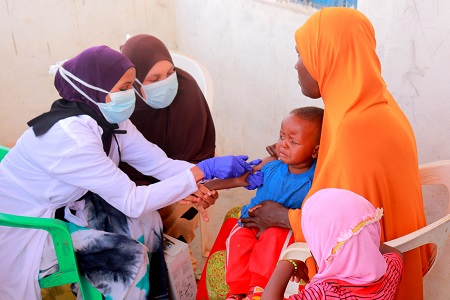
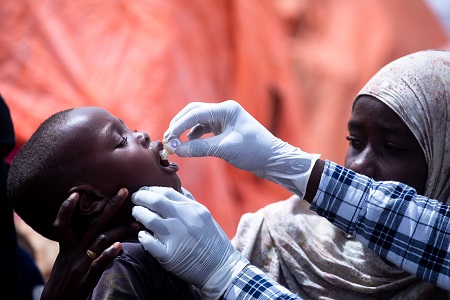
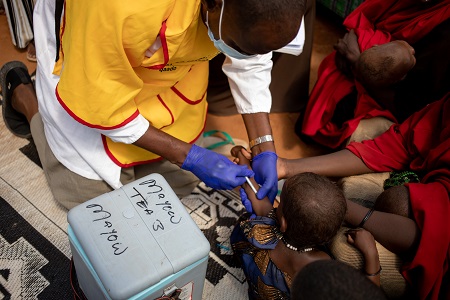
Campaigns breaking measles transmission

Campaigns breaking measles transmission

10 August 2022

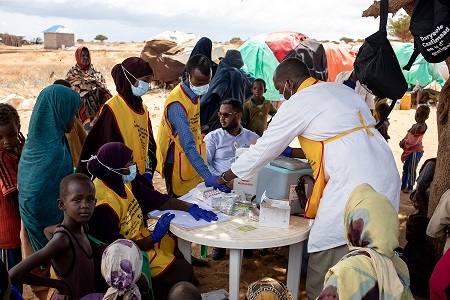
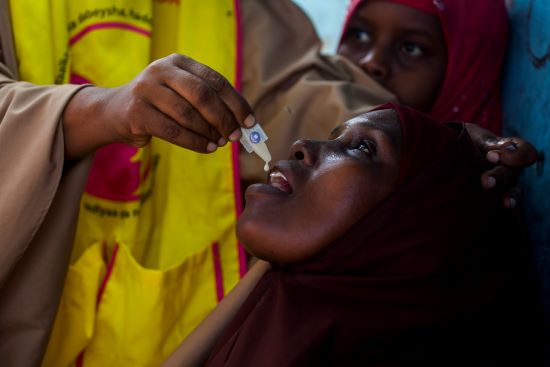
Saving lives from cholera in drought-hit districts: WHO steps up vaccination campaign using oral cholera vaccines

Saving lives from cholera in drought-hit districts: WHO steps up vaccination campaign using oral cholera vaccines

31 July 2022
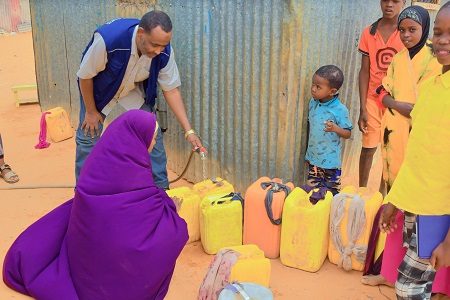
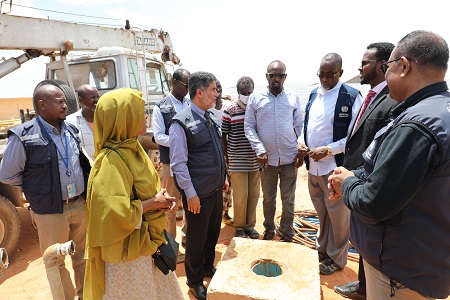
Human-interest story related to borehole

Human-interest story related to borehole

24 July 2022

Health cluster collaboration

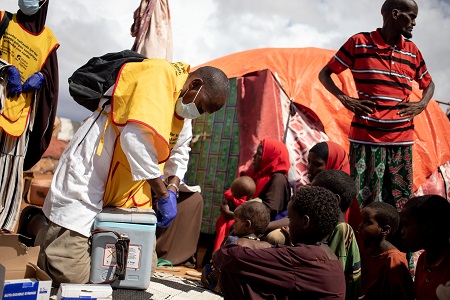
Health Cluster pivots cross-cluster collaboration for delivery of integrated service package among underserved communities

17 July 2022

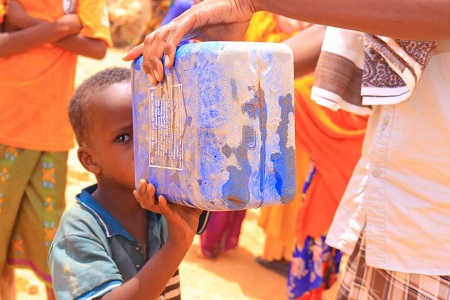
Turning hope into happiness: rehabilitating boreholes in a hard-to-reach area in Somalia shows promises of a happy life

Turning hope into happiness: rehabilitating boreholes in a hard-to-reach area in Somalia shows promises of a happy life

6 July 2022

Protecting children from measles in drought-affected Somalia

Protecting children from measles in drought-affected Somalia

27 June 2022

Building back better to boost childhood immunization, in the midst of a severe drought

Building back better to boost childhood immunization, in the midst of a severe drought

20 June 2022

Stepping up humanitarian operations for drought: cholera vaccination campaign rolled out to protect over 900 000 Somalis in drought-affected districts

Stepping up humanitarian operations for drought: cholera vaccination campaign rolled out to protect over 900 000 Somalis in drought-affected districts

14 June 2022

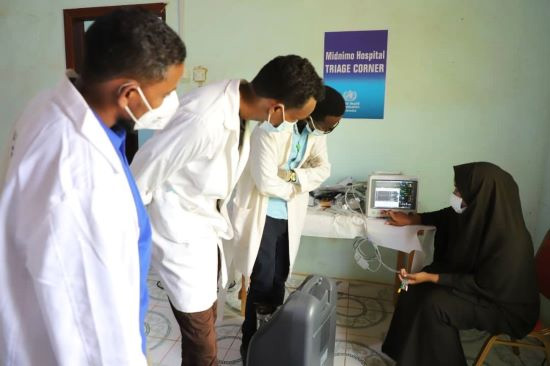
WHO steps up humanitarian operations for drought response: introducing emergency and critical care services as part of integrated service delivery at the primary heath care level

WHO steps up humanitarian operations for drought response: introducing emergency and critical care services as part of integrated service delivery at the primary heath care level

12 June 2022

WHO scales up operations to save lives from cholera and other waterborne diseases

WHO scales up operations to save lives from cholera and other waterborne diseases

9 June 2022

Stepping up humanitarian operations for drought: WHO’s support to the stabilization centres is saving lives

Stepping up humanitarian operations for drought: WHO’s support to the stabilization centres is saving lives

30 May 2022
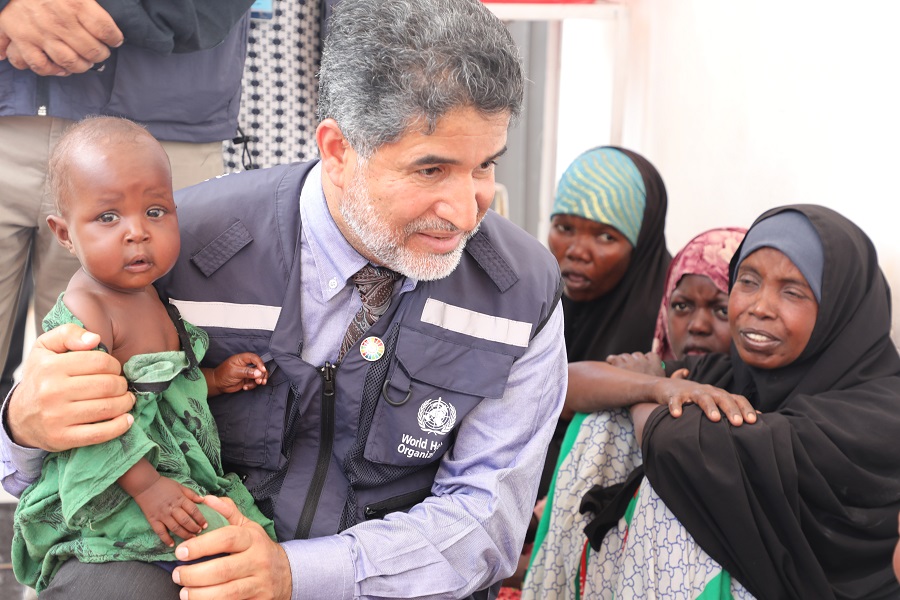
WHO Regional Director officially launches emergency health response plan for drought in Somalia

WHO Regional Director officially launches emergency health response plan for drought in Somalia

9 May 2022

WHO Regional Director for the Eastern Mediterranean pays a visit to Somalia

WHO Regional Director for the Eastern Mediterranean pays a visit to Somalia

11 May 2022

Anticipatory action and timely response help avert major outbreaks and protect the most vulnerable from health effects of drought

Anticipatory action and timely response help avert major outbreaks and protect the most vulnerable from health effects of drought

10 March 2022

Information resources

Situation reports

Drought report: January-December 2022, January-August 2023

Drought report: January-December 2022, January-July 2023

Drought report: January-December 2022, January-June 2023

Drought report: January-December 2022, January-May 2023

Drought report: January-December 2022, January-April 2023

Drought report: January-December 2022, January-31 March 2023

Drought report: January-December 2022, 1-31 January 2023

Drought report: January-December 2022

Drought report: January-November 2022

Drought report: January-October 2022

Drought report: January-September 2022

August 2022

July 2022

In pictures

The health cluster

Coordinating humanitarian health action

Our mission is to coordinate the work of health agencies while identifying gaps in health service delivery for vulnerable groups and steering health partners to address urgent humanitarian health needs.

Who we are

The Health Cluster in the country, under the leadership of the World Health Organization (WHO), comprises more than 35 international and 80 national humanitarian health organizations, United Nations (UN) agencies and federal and state health ministries who have worked together since 2006.

The Health Cluster coordinates all key health actors in the country to offer timely relief and life-saving humanitarian health care services to populations affected by humanitarian crises. The Cluster serves as a mechanism for coordinated assessments, joint analyses, and development of joint priorities and a response strategy to health crises. The Cluster oversees the implementation of the response to health crises within the framework of the Humanitarian Response Plan for Somalia and when sudden emergencies occur, and monitors and evaluates the response.

At the country level, the Health Cluster establishes a clear system of leadership and accountability for the international humanitarian response in the health sector, under the overall leadership of the UN Humanitarian Coordinator. The Cluster ensures that international humanitarian response to health crises is well coordinated and appropriately aligned with national priorities, strategies and structures.

What we do

In collaboration with health authorities, we work to ensure a coordinated response to humanitarian health needs, primarily through the following actions:

Coordinate humanitarian response

We coordinate and link national, international and UN partners across the country to ensure all health interventions are coordinated and complementary with the aim of meeting the most urgent national and local health priorities. The Health Cluster team works with other clusters (e.g. Water, Sanitation and Hygiene and Nutrition) as part of the Inter-Cluster Coordination Group (ICCG). A network of state- and regional– level Health Cluster coordination platforms, consisting of six state-level coordinators and nine regional focal point organizations, supports sub- national operational planning and response.

Manage information

We serve as a focal point for the collection, analysis, visualization and dissemination of information on the current humanitarian health situation, and monitoring the Health Cluster response in line with Global Health Cluster guidelines.

Develop the capacity of partners

We organize workshops and training to develop the knowledge and skills of partners on essential topics that address all five stages of the humanitarian programme cycle – humanitarian needs assessments, response planning, resource mobilization, implementation and monitoring, and evaluation and review. These events encourage information-sharing of new ideas, platforms, protocols and techniques, while strengthening and improving service delivery according to established standards and guidelines.

Contribute to the humanitarian programme cycle

We lead the health component of the humanitarian programme cycle each year, contributing health priorities to Somalia’s Humanitarian Needs Overview and the Humanitarian Response Plan. This involves: working with partners to identify people in need of humanitarian assistance in health; prioritizing target populations, those most in need and marginalized people; prioritizing strategic humanitarian health actions; monitoring humanitarian response activities; identifying gaps in health service delivery that can be filled to strengthen delivery, while avoiding overlaps; and organizing the use of scarce resources to ensure communities in great need can access services.

Undertake advocacy and resource mobilization for humanitarian health response

We lead advocacy on behalf of the Cluster partners and affected people through evidence-based needs analysis. We advocate for: equitable and dignified access to health care; safety for patients and health care providers; integrated response actions across health services and multi-cluster response; and building resilience in communities and health services.

Monitor Health Cluster coordination performance

We conduct yearly self-assessments to monitor the Cluster’s performance based on core coordination functions. This results in the development of a yearly workplan for collective action aimed at ensuring effective coordination among partners.

Our impact

Working with the Somali Ministry of Health and partners

  • Strategic health response to humanitarian needs facilitated through regular coordination of more than 120 health partners
  • Gaps in health services delivery for people in need regularly assessed and addressed
  • 2.5 million vulnerable people out of about 3.1 million people in need targeted for health care services
  • US$ 20.3 million allocated for humanitarian health response to nongovernmental organizations in 2018– 2019 through the Somalia Humanitarian Response Plan

What we have achieved

The Health Cluster has successfully:

  • Coordinated health partners in the country to deliver services on the ground with support from WHO Public Health Emergency Officers and peer-elected partner regional focal points who carry out coordination activities at the subnational level.
  • Streamlined reporting activities through the roll out of the ReportHub reporting platform that has enabled improved monitoring of cluster indicators.
  • Established the Attacks on Health Care Reporting System that seeks to record incidents and advocate against attacks or incidents of violence against health care providers or health care facilities.
  • Trained and sensitized partners on how to identify and address gender needs while delivering specialized health care to survivors of gender-based violence. The cluster has also rolled out a project on gender-based violence that seeks to identify and tackle gender-based violence in emergencies by strengthening inter-cluster coordination with stakeholders managing gender-based violence in the country to deliver more gender-sensitive health care.

What is next

During 2021 and 2022, the Health Cluster will prioritize the following activities:

  • Establish the Health Resources Availability Monitoring System (HeRAMS) to monitor the health services available to the population affected by the humanitarian crisis.
  • Promote the inclusion of a wide spectrum of groups in health response activities, such as people facing mental health challenges, those in need of psychosocial support, women, survivors of gender-based violence and people living with disabilities. This approach also requires sex and age to considered and integrated in assessment, planning and response.
  • Advocate for and prioritize humanitarian funding mechanisms such as anticipatory funding; establish response frameworks for future crises and other sudden emergencies.
  • Build the knowledge and skills of Health Cluster partners on providing an effective and good- quality response to emergencies, including COVID-19.
  • Mobilize Health Cluster partners to actively implement the Essential Package of Health Services in humanitarian settings towards achieving universal health coverage.
  • Build skills and knowledge of subnational coordinators to improve operational planning and responsiveness.

Neglected tropical diseases

Protecting everyone from preventable tropical diseases
Our mission is to reduce human suffering and death through the prevention, control, elimination and eradication of neglected tropical diseases using evidence-informed interventions.

Who we are

The Neglected Tropical Diseases (NTDs) programme of the World Health Organization (WHO) country office is committed to managing and reducing the burden of NTDs. We work with our partners and health authorities to end the most common NTDs in the country.

NTDs are a consequence and cause of poverty as they thrive where access to clean water, sanitation and health care is limited. These diseases cause immeasurable suffering, and prevent adults from being able to work and children from being able to go to school.

NTDs are strongly linked to universal health coverage (Target 3.8 of the Sustainable Development Goals). Providing access to health services and essential medicines for NTDs is an indicator of the overall success of universal health coverage, the key principle of which is that no one should be left behind.

What we do

We work with federal and state health authorities and partners to prevent and control NTDs primarily through the following actions:

Identify the NTD burden

We map the prevalence and assess the burden of NTDs across the country.

Increase access to NTD care

We work to extend treatment and care of NTDs to all Somalis who need it.

Conduct mass drug administration campaigns

We help carry out mass drug administration campaigns to treat and prevent schistosomiasis and soil-transmitted helminthiases among high-risk groups.

Build capacity

Through training, we develop the capacity of health workers for case management, surveillance, morbidity management and disability prevention for all NTDs as needed.

Raise community awareness

We work to raise community awareness of NTDs and promote social mobilization to support prevention, control and elimination of these diseases.

Our impact

Working with the Somali Ministry of Health and partners

  • In 2018, 2.5 million Somalis received chemotherapy to prevent and treat schistosomiasis and soil-transmitted helminthiasis
  • Nearly 100% of school-aged children who required chemotherapy to prevent and treat schistosomiasis received it in 2018
  • In 2018, 61% of school- aged children who required it received chemotherapy for prevention and treatment of soil-transmitted helminthiasis
  • National coverage of treatment of soil-transmitted helminthiasis increased from 48.9% in 2017 to 61% in 2018
  • National coverage of treatment for schistosomiasis increased from 51% in 2017 to 100% in 2018

What we have achieved

  • Supported the establishment of an programme at the Federal Ministry of Health in 2015.
  • Mapped NTDs in 17 out of 18 regions.
  • Conducted active case detection for leprosy in the most affected regions and in internally displaced people since 2016.
  • Implemented mass drug administration campaigns for school-aged children and adults for schistosomiasis and soil transmitted helminths since 2017.
  • Supported the establishment of three new treatment centres for visceral leismaniasis – now there are 9 centres, one in each region of the country.

What is next

The WHO country office will intensify its efforts to eliminate and control of NTDs through the following activities:

  • Support the health authorities to conduct mass drug administration campaigns with increased national coverage for (i) schistosomiasis, including more than 75% of treatment coverage for school-aged children, to eliminate the disease as a public health problem by 2025 and (ii) soil-transmitted helminthiasis, including deworming coverage for at least 75% of eligible school-aged children by 2021 and preschool children by 2026.
  • Facilitate scale-up efforts to achieve zero grade 2 disabilities (visible deformities) in newly-detected cases of leprosy by 2021 and to eliminate trachoma as a public health problem by 2025.
  • Support capacity-building of health workers on case management, morbidity management and disability prevention with a meaningful engagement of female health workers.
  • Support enhanced detection, reporting and treatment of visceral leishmaniasis to achieve 90% of the estimated incident cases and zero deaths by 2021.

Reproductive, maternal, neonatal, child and adolescent health

Making motherhood and childhood safer
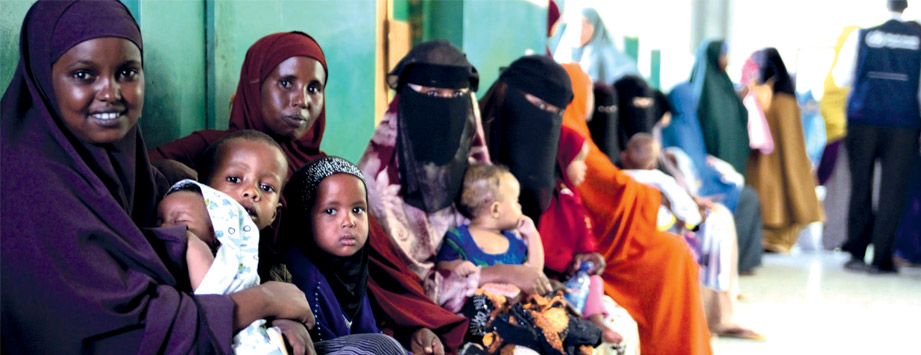
Our mission is to safeguard the health of mothers, newborns, children, adolescents and women of reproductive age by shaping and implementing evidence- based policies and interventions that increase the availability and access to care and reduce preventable deaths in children and women.

Who we are

The World Health Organization (WHO) country office supports the Reproductive, Maternal, Neonatal, Child and Adolescent Health (RMNCAH) programme to improve health care availability and access for mothers, newborns, children, adolescents and women of child-bearing age, and implement evidence-based interventions that reduce deaths in these populations. 

The WHO country office supports the RMNCAH programme technically, strategically and operationally in order to reduce high maternal and child deaths.

What we do

In collaboration with health authorities, we work to improve reproductive, maternal, neonatal, child and adolescent health in the country, primarily through the following actions:

Develop policies and standards of care

We provide evidence to inform and support the development of national policies strategies, plans and service standards and guidelines on reproductive, maternal, neonatal, child and adolescent health based on the best scientific data that ensure better RMNCAH care with the goal of reducing preventable deaths and saving lives of women and children.

Train health care workers and skilled birth attendants

We develop and implement strategies and plans to train, retain and engage health care workers, including skilled birth attendants, in reproductive, maternal, neonatal, child and adolescent health to ensure they are competent to implement RMNCAH interventions.

Work with partners

We engage with relevant United Nations agencies, and national and international partners to harmonize efforts to strengthen and enable health systems to address inequalities and ensure that all women and children have access to respectful and high-quality reproductive, maternity, child and adolescent health care.

Improve family and community health practices

We support the adoption of important family and community practices related to reproductive, maternal and child health and development to improve child survival, growth and development by reducing mortality and morbidity in women.

Support impact measurement, knowledge generation and response

We provide technical support to generate evidence and new knowledge, and measure the coverage and impact of interventions, and encourage accountability and reforms for safer care.

Our impact

Working with the Somali Ministry of Health and partners

  • Maternal mortality ratio reduced by 31% overall in less than 20 years from 1210 deaths per 100 000 live births in 2000 to 829 deaths per 100 000 live births in 2017
  • Under-5 mortality rate reduced by 27% overall in less than 20 years from 171.1 deaths per 1000 live births in 2000 to 117 deaths per 1000 live births in 2019
  • Number of deliveries by skilled birth attendants increased from 22% in 2010 to an estimated 29% in 2017

What we have achieved

Since Member States adopted WHO’s Thirteenth General Programme of Work (GPW 13) and the launch of the Regional Vision 2023 – health for all by all, we have:

Provided policy-level support to:

  • Develop the first 5-year plan – Reproductive, Maternal, Neonatal, Child and Adolescent Health Strategy for Somalia 2020–2024 – to ensure the coordinated efforts of partners working to support reproductive, maternal, neonatal, child and adolescent health in Somalia.
  • Produce the national guideline – The Integrated Management of Neonatal and Childhood Illnesses (IMNCI), 2019.
  • Integrate guidelines on managing possible serious bacterial infection in young infants when referral is not feasible in IMNCI 2019.
  • Develop a curriculum for a basic diploma for midwives based on the assessment of nursing institutions in the country.
  • Adapt and adopt the WHO family planning guidelines to the Somali context.

Improved the capacity of health workers and health facilities on:

  • IMNCI
  • modern methods of birth spacing
  • emergency obstetric care and neonatal care
  • nursing and midwifery programmes to ensure availability and distribution of skilled birth attendants.
  • Built institutional capacity for IMNCI by creating a national team of trainers for IMNCI and setting up a unit for IMNCI at the Federal Ministry of Health.

What is next

The WHO country office will continue to work with the Ministry of Health and other partners on the following activities during 2021–2023:

  • Roll out the Reproductive, Maternal, Neonatal, Child and Adolescent Health Strategy that offers a continuum of care using high-impact interventions that will improve home care practices and health care services.
  • Integrate the RMNCAH services into the primary, secondary and tertiary health care levels within the universal health coverage roadmap.
  • Intensify efforts to reduce neonatal and under-5 mortality and morbidity through implementation of IMNCI Guidelines and the “every newborn action plan”.
  • Expand community-level care for reproductive, maternal, neonatal, child and adolescent health by training female health workers and auxiliary midwives in line with the strategic plan for delivery of the Essential Package of Health Services.
  • Develop the capacity of doctors, nurses, midwives and community health workers to deliver safer health care for pregnant women, women of reproductive age, newborns, children and adolescents.
  • Continue to advocate and engage with policy-makers to improve reproductive, maternal, newborn, child and adolescent health with a focus on initiatives such as reducing female genital mutilation and child marriage.

Essential medicines and pharmaceutical policies

Promoting access to safe, life-saving, affordable medicines

Our mission is to promote the rational use of medicines by improving access to safe, effective and affordable medicines and other health products of assured quality across the country to ensure universal health coverage while also developing the capacity of the health authorities and workforce to effectively manage the pharmaceutical supply chain system.

Who we are

The Essential Medicines and Pharmaceutical Policies Programme of the WHO country office works to strengthen equitable access to safe, effective and high-quality essential medicines, vaccines and other health products at an affordable price as part of the effort to achieve universal health coverage and ensure protection of public health.

The programme works with national and local health authorities at all levels in the pharmaceutical section to support the development of policies, plans and strategies and promote access to essential medicines at all service delivery points.

What we do

In collaboration with health authorities, we work to promote equitable access to safe, effective and high-quality essential medicines, vaccines and other health products primarily through the following actions:

Establish national supply chain management

We help establish and maintain a safe supply chain of essential medicines in the country.

Support the management of essential medicines

We support the management and safe storage of essential medicines and other pharmaceutical products.

Assess quality problems of medicines

We assess problems related to the quality of medicines and tackle problems related to the availability and accessibility of good-quality medicines for delivery of safe health care.

Our impact

Working with the Somali Ministry of Health and partners

  • The Somali National Medicines Policy and other pharmaceutical policies developed to improve access to medicines of good quality and rational use of medicines and health products
  • National supply chain established
  • National medicines regulatory authority established
  • Developed policies and guidelines to support rational use of medicines
  • Empowered policy- makers to develop strategies and guidelines to ensure equitable and affordable access to essential medicines

What we have achieved

  • Supported the establishment of the Medicines’ Regulatory Authority in 2016 and subsequently conducted a rapid benchmarking assessment for the authority.
  • Finalized the report on the benchmarking assessment, including the Institutional Development Plan for the pharmaceutical sector in the country (2017).
  • Provided technical support for the establishment of the pharmacovigilance unit in the Federal Ministry of Health in Somalia, and a system for reporting of adverse drugs reactions (2019).
  • Supported the development of the Somalia National Medicines Policy (2014) and updated the Somali Essential Medicines List (2019).
  • Supported the launch of the standard treatment guidelines for hospitals, health centres and health units, which are easy reference guides on the correct use of medicines based on current evidence-based prescribing practices from WHO.
  • Initiated the development of the national action programme on antimicrobial resistance.
  • Provided technical support for the development of the Somali Medicines Law and Drug Act (2019).
  • Built national pharmaceutical capacity of more than 1000 national staff in different components of the national medicines policies.

What is next

The Essential Medicines and Pharmaceutical Policies Programme will continue working with health authorities and national regulatory authorities to strengthen the medicines regulatory authorities and the supply chain system to promote sustainable and equitable access to these supplies, including to vulnerable communities in the society. In addition, the programme will support the following activities:

  • Conduct a pharmaceutical sector assessment survey to collect data on the availability, quality, and rational use of medicines from 65 public and private pharmaceutical facilities in the country.
  • Provide technical support for finalization of the Somalia Medicines Law and Drug Act: to provide legal and regulatory support for the Somali Essential Drug List.
  • Develop an antimicrobial resistance programme to collect data on the threat of antimicrobial resistance and develop a national action plan for combatting antimicrobial resistance.
  • Develop standard treatment guidelines to support the launch of the essential package of health services.
  • Improve the efficiency of the pharmaceutical supply-chain system to ensure sustainable and equitable access to and availability of affordable and good-quality essential medicines.

Polio eradication

Reaching every last child
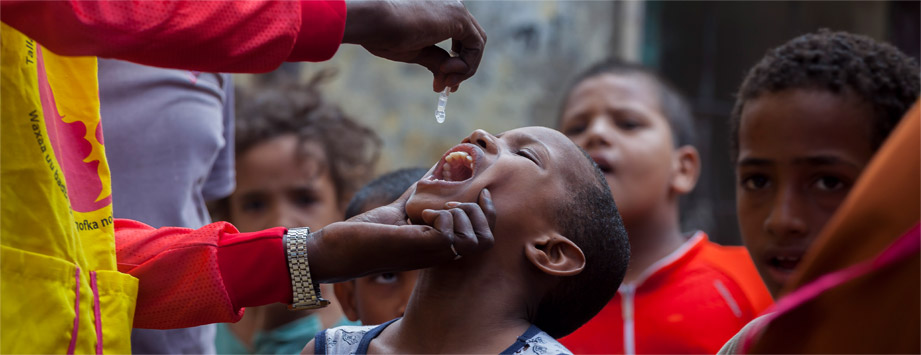
Our mission is to maintain a polio-free status by boosting immunity in children under 5 years of age and improving coverage of oral polio vaccines in the routine immunization programme, while continuing to search for polioviruses circulating in the human population and the environment.

Who we are

The Polio Eradication Programme is a partnership that brings together the World Health Organization (WHO), the United Nations Children’s Fund (UNICEF) and the Ministry of Health (at all levels) with the aim of protecting every child from polio and eradicating the disease from the country. These partners are supported internationally by of the Global Polio Eradication Initiative, including the Bill and Melinda Gates Foundation, United States Centers for Disease Control and Prevention and Rotary International, who are committed to eradicating poliomyelitis globally.

As the technical lead, the WHO country office is involved in the following areas: mass vaccination campaigns; nationwide surveillance for acute flaccid paralysis in children under 15 years; capacity development of field staff; containment (during collection, handling and storage) of potentially infectious polio materials; promotion of childhood vaccination provided under the Expanded Programme on Immunization (EPI); and support of the Somali Government for implementation of policies on poliomyelitis in the International Health Regulations (2005).

What we do

Conduct vaccination

In collaboration with health authorities and partners, we work to eradicate polio, primarily through the following actions: Respond to Polio Outbreaks by conducting vaccination campaigns. The last outbreak of wild poliovirus in Somalia was in 2014. However, since December 2017, two concurrent outbreaks of circulating vaccine-derived polio virus (cVDPV) have occurred, resulting in the detection of 19 children with paralysis. In order to interrupt the spread of polio virus and avoid additional infections and disabilities in vulnerable Somali children, we conduct nationwide and smaller, case- response immunization campaigns that aim to reach every child to boost their immunity.  Maintaining a high level of immunity in the entire population, including mobile populations and across borders, is essential to prevent future outbreaks.

Detect acute flaccid paralysis

We search for acute flaccid paralysis in children under 15 years to ensure that, if found, no cases of poliovirus spread any further. Polio teams visit health facilities included in the active surveillance network (793 of 1267 health facilities). As part of passive surveillance, polio teams also liaise with focal persons in 413 other health facilities to report (zero reporting) on any suspected cases. Village polio volunteers support house-to-house surveillance in hard-to-reach and insecure areas.

Detect polioviruses in the environment

We complement surveillance of acute flaccid paralysis by searching for polioviruses in the environment. Samples are collected from sewer systems at four sites in Banadir region, and analysed at the Kenya Medical Research Institute in Nairobi. This surveillance helps signal whether people are infected and are shedding virus in their stool.

Build capacity

We develop the capacity of field staff (including WHO, UNICEF and health ministry staff) in the areas of surveillance and outbreak response.

Support routine childhood immunization

We support routine immunization of children by sharing resources, such as staff, systems and infrastructure with country's EPI. We integrate activities during vaccination campaigns and help strengthen the capacity of the Somali EPI.

Raise awareness of immunization

We work with authorities, UNICEF and local media outlets to raise awareness of the benefits of vaccines and vaccination, the campaigns that are being conducted and vaccination schedules, and to encourage caregivers to vaccinate children. Health workers use Somali information, education and communication materials to raise awareness among caregivers. Manage information. We collect data from acute flaccid paralysis and disease surveillance, EPI and vaccination activities, and other work streams, including from partner agencies (such as mapping of internally displaced people from the International Organization for Migration). This information guides decision-making and allows us to assess the quality of work done across the country. We post the information collected and the high-quality maps produced on the website www.somaliapolio.org. Polio teams are progressively using real-time, electronic means of reporting for data management (Open Data Kit software).

Support other health interventions

We provide support to other health interventions by sharing resources and systems established by the polio eradication programme in the past 22 years. For example, our systems are used to improve surveillance for diseases (including measles) and outbreak control (such as cholera).

Our impact

Working with the Somali Ministry of Health and partners

  • Kept the free country of wild polioviruses since 2014
  • Spread of two outbreaks of circulating vaccine-derived polioviruses types 2 and 3 stopped through 19 intense polio vaccination campaigns
  • Environmental surveillance introduced in Banadir, which helped detect vaccine-derived polioviruses in sewer water samples
  • Strong partnerships with Kenya and Ethiopia forged to work jointly to eradicate polio from the Horn of Africa, which led to synchronized supplementary immunization and cross- notification of acute flaccid paralysis cases
  • More than 2.5 million children under 5 years reached with oral polio vaccines during nationwide campaigns
  • Circulation of cVDPV2 detected in Somaliland and Puntland after years of no cases in these states. Cross-notified 17 acute flaccid paralysis cases with Ethiopia
  • Polio and acute flaccid paralysis surveillance and response maintained across the country
  • Somali women empowered through employment as 65% of polio field staff are women

What we have achieved

  • Enhanced quality of immunization campaigns by improving planning and monitoring of immunization campaigns and improving quality of training offered to health workers. Campaign quality is monitored by independent third-party monitors.
  • Negotiated and gained access to insecure districts, which led to an estimated 50 000 children being vaccinated against polio in these areas for the first time. These areas have been inaccessible for many years.
  • Prioritized health facilities and liaised with health focal points to develop schedules for active visits and passive reporting, both of which search for children with acute flaccid paralysis, to detect the spread of any polioviruses.
  • Improved reporting and field supervision by using real-time, electronic means of reporting, including the Open Data Kit.
  • Developed the capacity of more than 200 national staff through training on surveillance and microplanning led by international experts. Training is done directly, hence eliminating the need for cascading.
  • Developed information, education and communication materials on acute flaccid paralysis surveillance to help health workers, Somali parents and caregivers and our partners understand how polio is spread, what acute flaccid paralysis is and what actions need to be taken when it is detected, and the benefits of vaccination.

What is next

  • The Polio Eradication Programme will intensify efforts to promote population immunity and strengthen surveillance to end the ongoing cVDPV outbreaks and to eventually certify the country free of polio through the following activities.
  • Target high-risk populations (nomadic people, internally displaced people, populations living in border districts inside the country and along shared international borders) with fractional doses of inactivated polio vaccine. Campaigns will be conducted in phases, using bOPV and fractional inactivated polio vaccine.
  • Expand environmental surveillance to other major cities, including Hargeisa, and three sites in Kismayo and Baidoa to monitor viruses in the environment in these cities.
  • Continue community-based surveillance through the use of village polio volunteers mainly in inaccessible areas and areas with no health infrastructure, including international borders.
  • Deploy transit point vaccinators to vaccinate children at ports of entry across the country.
  • Continue to implement the polio transition and integration plan. This plan aims to use polio assets (human resources, physical assets and infrastructure) and systems to strengthen disease surveillance, response to health emergencies and routine immunization, and the overall health system, while at the same time working to maintain the country's polio-free status.
  • Continue to strengthen capacity of health workers and conduct regular programme reviews in different areas to maintain high standards of health care delivery.
  • Continue polio containment activities and the implementation of the International Health Regulations (IHR) recommendations to work towards the certification of a polio-free country.
  • Continue to negotiate access to reach 537 000 children under 5 years in difficult-to-reach areas.

EWARN

Early Warning and Response Network (EWARN) is a network of health facilities and public health professionals that support the early detection and timely response to epidemic-prone diseases through collection, reporting, investigation, analysis and dissemination of epidemic-related data.

EWARN was first implemented in Somalia in 2012: following its collapse during the ongoing conflict, it was relaunched in 2017. Information is now collected on mobile devices (tablets) which are preloaded with EWARN software containing the necessary forms and reports for information sharing. The software is designed to auto-generate analytical and epidemiological reports to aid decision-making.
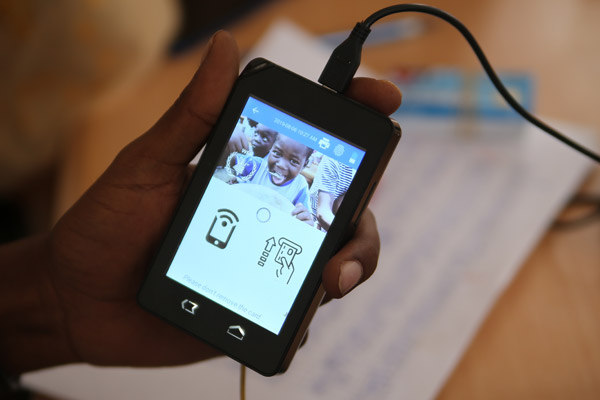
Information is gathered by trained health workers and hospitals: they investigate alerts and collate data through district focal points which are then analysed by EWARN epidemiologists at the regional and national level. The reports are shared with health partners and health authorities for multi-level decision-making to enact effective outbreak prevention and response.

Somalia has 450 designated EWARN sites across the country. The coverage is sufficient to ensure timely alerts to prevent and respond to disease outbreaks.

Communicable diseases

Safeguarding against high-burden endemic diseases:HIV/AIDS, malaria and tuberculosis
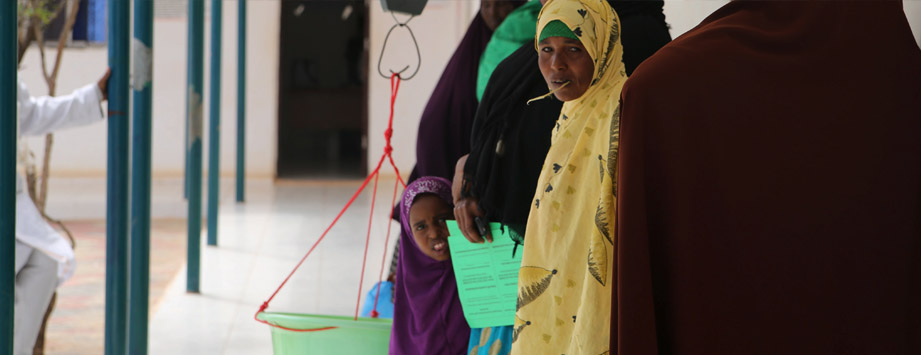
Our mission is to end HIV and AIDS, malaria and tuberculosis by providing technical, strategic and operational support for the diagnosis and case management of these diseases, undertaking data analysis to inform decision-making and supporting the achievement of other control and elimination goals through the development of appropriate policies and strategies and provision of training and capacity-building of the health workforce.

Who we are

The HIV programme of the WHO country office supports activities to reduce HIV infection and AIDS, and coinfection of HIV and tuberculosis (TB) in the country. Services are delivered through 16 health facilities that provide antiretroviral therapy and 93 TB treatment facilities.

The malaria and vector control team supports actions to reduce malaria and improve vector control across the country. Our activities span all levels of the health systems. The whole population of Somalia is considered at risk of malaria. However, in 2019, 51% of the country’s population was living in a high-risk transmission zone for malaria (> 1 case per 1000 population).

The TB programme implements the national TB programme jointly with national TB programme managers and other partners implementing TB control activities.

What we do

In collaboration with health authorities and partners, we work to tackle HIV/AIDS, malaria and TB in Somalia, primarily through the following activities:

» HIV/AIDS

Developing capacity of health workers

We provide formal and on-the-job training on HIV/AIDS testing and counselling, which is the gateway to HIV/AIDS treatment, as well as training on anti-retroviral therapy.

Enhancing laboratory services

We conduct external quality assurance of HIV testing to validate the accuracy of HIV testing.

Supporting people living with HIV/AIDS

We train staff at HIV treatment facilities on monitoring the health of HIV/AIDS patients, offering supportive counselling and following up on adherence to instructions on taking the medication.

Collecting and analysing data on HIV

We conduct HIV sentinel surveys every 2–3 years to measure the prevalence of HIV and generate national estimates for various population groups. We collect data from 20 antenatal clinics and five clinics for patients with sexually transmitted infections.

Advocating to guide appropriate responses

We use the data collected on the HIV/AIDS situation in the country to advocate for policy responses and decisions.

» Malaria and vector control

Enhancing diagnosis and treatment

We distribute rapid diagnostic tests for prompt diagnosis of malaria and provide medicines to improve access to malaria treatment anywhere at any time.

Supporting vector control

We distribute insecticide-treated nets and carry out indoor residual spraying in high-risk areas, supplemented by management of larval sources.

Monitoring

We monitor malaria drug efficacy and resistance to inform treatment policies and to ensure early detection of, and response to, drug resistance.

Collecting and analysing data on malaria

We collect surveillance data on malaria in a standardized way to estimate the malaria burden and map risk to guide control interventions.

Developing capacity of health workers

We train health workers on laboratory diagnosis, case management, vector control and malaria surveillance.

»TB

Developing capacity of health authorities and partners

We manage drug-sensitive and drug-resistant TB in 96 TB management units and three centres for treatment of multidrug-resistant TB. In addition, we develop training materials for health workers on TB detection, diagnosis, treatment and care.

Adapting global strategies to stop the spread of TB

We assist the health authorities to adapt WHO-developed policies and guidelines to the country context and implement them to meet national TB control targets and goals.

Managing TB drugs

We ensure that all TB patients have timely access to effective drugs so they can recover from TB. This management includes drug quantification, receipt, clearance and distribution, and reporting on drug consumption.

Collecting and analysing data

We gather and analyse data on TB in line with WHO standards, and provide periodic feedback to ministries of health and implementing partners.

What we have achieved

» HIV/AIDS

  • Established 16 treatment centres for antiretroviral therapy: at the end of 2019, 3472 patients (32.5% of all people estimated to be living with HIV/ AIDS) were alive and on treatment.
  • Supported 79.8% of patients with TB coinfected with HIV to begin antiretroviral therapy, thus very nearly attaining the target of 80%.
  • Screened 75% of people living with HIV to check for TB during clinic visits, more than the target of 72%.
  • Supported 89 of 93 (96%) TB centres in providing HIV testing and counselling; as a result, 91.2% of TB patients learnt of their HIV status in 2019.
  • Provided technical assistance for transition planning to the new dolutegravir-based regimens for antiretroviral therapy.
  • Completed analysis of data for the 2018 round of HIV sentinel surveillance. We also provided support to the country to update the national estimate of HIV prevalence, beyond pregnant women and people with symptoms of sexually transmitted infections.

» Malaria and vector control

  • Malaria case finding substantially increased from 2014 to 2019, a 188% increase.
  • Use of rapid diagnostic tests for case detection substantially increased from 2014 to 2019, a 322% increase.
  • Use of long-lasting insecticidal net substantially increased from 2014 to 2019: 1.36 million people protected (18% of people living in high malaria transmission zone) in 2019 compared with 697 089 in 2014, an overall increase in coverage of 95%.
  • Indoor residual spray to prevent malaria outbreaks after flooding in several parts in the country in 2019 protected 183 629 people.
  • Detected Anopleles stephensi, which was suspected of being responsible for recurrent and prolonged malaria transmission in several regions, such as Bossaso, Bari and Berbera.
  • Conducted two therapeutic efficacy studies in 2019, in line with plans to conduct at least two studies on an annual basis.
  • Systematically monitored the efficacy of insecticides used for vector control and developed national guidelines for insecticide use.
  • Introduced new vector control management, such management of larval sources through distribution of larvivorous fish and rehabilitation of berkit (reservoirs).
  • Conducted capacity-building for health workers at selected health facilities supported by the private sector.
  • Conducted a programme review for the malaria programme towards the development of the National Strategic Plan (2021–2025) for Malaria Control and Elimination.

»TB

  • TB incidence decreased from 286 per 100 000 in 2010 to 262 per 100 000 in 2019.
  • Notification of TB cases increased from 10 469 in 2010 to 16 965 in 2019 – a 62% increase in less than a decade.
  • TB notification rate increased from 35% in 2014 to 43% in 2018.
  • A 90% treatment success rate maintained in 2019 among newly diagnosed TB patients.
  • Estimated mortality rate decreased from 95 per 100 000 in 2000 to 67 per 100 000 in 2019 – a 29% decline.
  • 44 TB detection centres established with advanced GeneXpert TB diagnosis machine for testing of both drug-sensitive and multidrug-resistant TB.

What is next

In collaboration with health authorities and partners, we work to tackle HIV/AIDS, malaria and TB in Somalia, primarily through the following activities:

» HIV/AIDS programme

From 2021 to 2023, the HIV/AIDS programme aims to undertake the following actions:

  • Provide technical support to the programme with the aim of: having 5026 people living with HIV/AIDS on antiretroviral therapy by 2023; and decreasing the proportion of patients dying and being lost to follow-up in the first 12 months of receiving treatment from 24.5% in 2019 to 15.0% by 2023. In addition, the programme aims to increase the proportion of people starting treatment following diagnosis to 93% by 2023.
  • Update the operations and training manual for Integrated Management of Adolescent and Adult Illness in light of the transition to dolutegravir-based regimens.
  • Increase testing among key vulnerable populations through a mix of testing approaches (e.g. facility-based outreach testing and self-testing) and integrate testing and counselling within existing targeted service settings.
  • Work to increase the coverage of testing for viral load, which indicates amount of HIV in a person’s blood, and testing for CD4 (a type of white blood cell), which indicates immune function in patients living with HIV.
  • Scale up further HIV diagnostics and treatment for TB patients.
  • Design integrated social and behaviour change communications for key vulnerable populations.
  • Contribute to health systems strengthening through integrating services into the Essential Package of Health Services.

» Malaria and vector control programme

Enhancing diagnosis and treatment

As part of the national strategic plan for 2021– 2025, the programme aims to implement the following activities between 2021 and 2023:

Case management

  • Test at least 278 654 of an estimated 292 334 suspected malaria cases (95%) for parasitological confirmation.
  • Provide at least 17 888 of an estimated 18 252 confirmed malaria cases (98%) with first-line treatment.
  • Test at least 383 835 of an estimated 417 406 suspected malaria cases (92%) for parasitological confirmation, which confirms malaria and guides treatment.
  • Vector control: through mass campaigns, distribute at least 2 399 488 long-lasting insecticidal nets, covering an at-risk population of 4.319 million.
  • Carry out indoor residual spraying to respond to any early signs of a malaria outbreak.
  • Prioritize six districts for malaria elimination.
  • Specific prevention interventions: provide intermittent preventive treatment in pregnancy in 13 districts where malaria endemicity is more than 10%.
  • Contribute to health systems strengthening through integrating services into the Essential Package of Health Services.

»TB programme

From 2021 to 2023, as part of the national TB plan for 2020–2024, the TB programme aims to undertake the following actions:

  • Increase access to TB services by establishing an additional 25 new TB management units.
  • Increase TB case detection from 16 965 cases in 2019 to 27 000 by 2023, a 59% increase.
  • Increase the number of multidrug-resistant TB cases enrolled on treatment from 335 in 2019 to 1035 in 2023, while increasing the treatment success rate from 79% in the cohort of 2017 to > 85% in the cohort of 2021.
  • Ensure that all diagnosed TB patients are tested for HIV and are aware of their HIV status. In addition, increase the proportion of patients coinfected with TB/HIV receiving antiretroviral therapy from 72% in 2019 to 95% by 2023.
  • Scale up GeneXpert diagnostic capacity – an advanced technology used to diagnose TB – to ensure that all presumptive TB cases have access to GeneXpert diagnosis.
  • Develop treatment guidelines and an operational plan for latent TB infection; this infection is a condition in which TB bacteria survive in the body in a dormant state.
  • Continue data management and reporting for TB.
  • Support the completion of the TB culture laboratories in Mogadishu and Garowe.
  • Contribute to health systems strengthening through integrating TB services into the Essential Package of Health Services.

The TB programme aims to achieve by 2023 (as part of the National TB Strategic Plan):

  • A 30% reduction in the TB incidence rate.
  • A 50% reduction in deaths from TB.
  • A > 20% reduction in the proportion of families affected by TB that face catastrophic costs because of TB.

Expanded programme on immunization

Making every child count
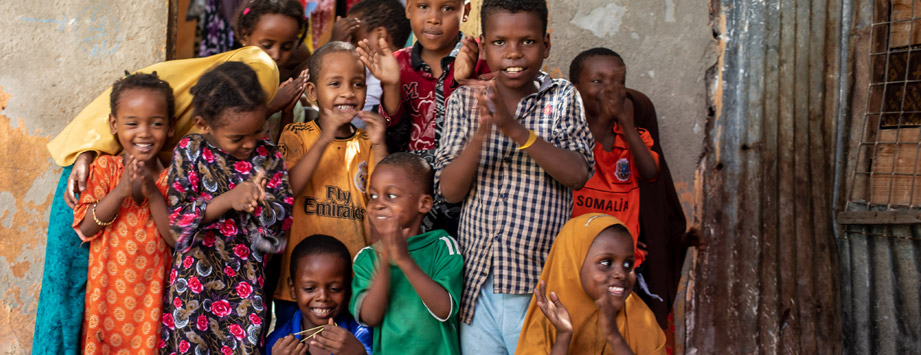
Our mission is to ensure every Somali child has access to life-saving vaccines at the correct time that protect them against vaccine-preventable diseases.

Who we are

WHO’s Expanded Programme on Immunization (EPI) partners with health authorities to vaccinate Somali children against eight vaccine-preventable diseases: childhood tuberculosis, diphtheria, haemophilus influenzae type B, hepatitis B, measles, pertussis, polio and tetanus.

We support routine vaccination against these diseases in 607 health facilities in 117 accessible districts out of a total of 123 districts, by encouraging families with babies to visit their nearest health facility five times before their child(ren) reaches 1 year of age. Most of these health facilities, such as mother and child health clinics, are managed by nongovernmental organizations and the Somali Government. Gavi, the Vaccine Alliance, supports all components of immunization activities in 25 accessible districts and provides vaccines and cold-chain equipment in every accessible district.

To make the best use of resources, the EPI programme works with Somalia’s polio eradication programme during vaccination campaigns to reach children using existing systems, assets and infrastructure, such as human resources and cold-chain systems.

What we do

In collaboration with health authorities, we support routine childhood vaccination primarily through the following actions:

Maximize the reach of and sustained access to childhood vaccination

We support health facilities to vaccinate children younger than 1 year of age against common, preventable diseases. We team up with partners, such as the polio eradication programme, to roll out vaccination campaigns to reach children living in hard-to-reach areas. This work also includes developing and implementing district microplans for accessible regions that allow teams to search for and vaccinate every eligible child.

Monitor prevalence of diseases

We carry out surveillance of diseases such as measles, to be able to tackle any outbreaks in a timely manner and prevent further spread.capacity. We help build the capacity of staff from the health authorities at all levels and the polio teams in immunization practices and measles surveillance.

Build strong health systems

We deliver vaccines to children, which also contributes to delivering essential health services. Delivering vaccines to households establishes a point of contact between families and primary health care services at least five times during the first year of a child’s life. Thus, by improving immunization services, we also contribute to building strong health systems.

Monitor progress

We carry out monitoring and supervision activities, such as regular EPI reviews and field visits, including during immunization campaigns, to maintain high standards of service delivery. We update the EPI policy regularly to meet the needs of Somali children. We manage and analyse information, hold review meetings and disseminate updates to partners through weekly polio technical updates.

Our impact

Working with the Somali Ministry of Health and partners

  • Delivery of vaccines to Somali children increased every year to safeguard them from eight of the most common childhood diseases
  • More health workers empowered every year to deliver essential health services to children
  • Disease outbreaks in children rapidly controlled and spread of diseases reduced, such as the measles outbreak of 2017 and 2018
  • Vaccination coverage increased and sustained compared with previous years
  • Strong partnerships formed with Somali health authorities, WHO programmes and other health partners to immunize more children

What we have achieved

Developed capacity of health staff in Somalia

In 2019, we trained staff from 722 health facilities in immunization practices and 176 staff from health authorities in surveillance of measles.

Strengthened disease surveillance

At least one sentinel site was established in health facilities in each district to search for measles cases regularly.

Reduced the prevalence and burden of vaccine-preventable diseases by reaching more children than before

  • Controlled the measles outbreak that broke out in 2017 by vaccinating 4.49 million children under 10 years out of a target of 4.8 million children in 2018.
  • In 2019, the number of cases of measles decreased compared with 2018. More than 400 000 children aged under 1 year were vaccinated against measles through routine immunization; just over 300 000 of these children received their first dose of the measles vaccine. About 4.5 million children received one additional dose of the measles vaccine during a nationwide measles campaign.
  • More than 345 000 infants (73% of the target) received the Bacille Calmette– Guérin (BCG) vaccine to protect them against tuberculosis in 2019.
  • Through routine immunization, more than 380 000 children (84% of the target) received the first dose of the penta 1 vaccine to protect them against five diseases (diphtheria, Haemophilus influenzae type B, hepatitis B, tetanus and whooping cough).
  • More than 1 260 000 doses of the penta vaccine were administered in 2018; about 333 100 children (74% of the target) received the third dose of this vaccine.
  • More than 2,9 million under 5 years children received vaccines against measles, polio and vitamin A & deworming tablets during integrated campaign.

Provided support to refine national strategies and policies to support immunization.

  • Somalia’s EPI policy was revised and standard operating procedures for minimum standards of service delivery were developed.
  • Two interagency coordination committees for immunization were formed in Mogadishu and Hargeisa to strengthen immunization policies and activities.
  • Planning started on introduction of a second dose of the measles vaccine and injectable inactivated poliovirus vaccine for children.

What is next

WHO’s EPI team is striving to meet and exceed targets for vaccination by reaching more children and providing immunization services in more districts. With support from the Ministry of Health and partners, the following activities are planned during 2021–2025:

  • Resume and sustain vaccination coverage during and after COVID-19.
  • Conduct a comprehensive review of the EPI situation in the country.
  • Carry out an EPI coverage survey to assess the coverage of all antigens and determine the reasons for low coverage of eligible children and bottlenecks in reaching them.
  • Develop a comprehensive multiyear planning tool for 2021–2025.
  • Introduce a second dose of measles for children aged 15 months.
  • Conduct a midlevel management training course for EPI managers.
  • Implement an urban immunization strategy in three highly-populated cities – Mogadishu, Hargeisa and Bossaso.
  • Introduce an electronic immunization register on a pilot basis to track children who have missed vaccinations and inform parents when their child’s visit is due. This register will improve defaulter tracing.
  • Roll out data quality improvement plans to overcome data management problems from the grassroots health facility level to the national level.

Promoting healthier populations

Health and well-being for every individual is an essential component of Sustainable Development Goal (SDG) 3. WHO provides technical, policy, and advisory support to enhance the scope and functionality of Somalia’s primary health care (PHC) systems in order to support better health and well-being for all. (PHC refers to health care provided in the community through local health facilities, community health workers, and local medical professionals.
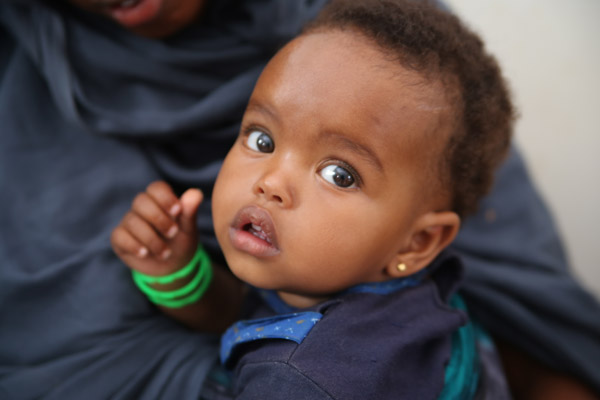
Somalia faces many health challenges, including access to health care, nutrition, information and security, and health indices show clear gender disparities. Women and children in Somalia have limited access to some of the most basic health services. Somalia has one of the highest rates of maternal and child mortality in the world.

One out of 12 women die from pregnancy-related causes and 1 out of 7 children die before their fifth birthday.

Midwifery is the cornerstone of Somalia’s reproductive, maternal, newborn, child, and adolescent health provision. WHO is working closely with national health authorities to implement Somalia’s Integrated Reproductive, Maternal, Neonatal, Child and Adolescent Health Strategy 2019‒2023, and National Midwifery Strategy 2018–2023.

WHO also supports implementation of the Political Declaration of the United Nations General Assembly on the Prevention and Control of Noncommunicable Diseases (NCDs). NCDs include cardiovascular disease, stroke, cancer, diabetes, chronic respiratory diseases, and mental health disorders.

Mental health and substance abuse care in Somalia is neglected and underfunded, and poor understanding results in the isolation and stigmatization of the mentally ill and the use of dangerous and humiliating treatment practices. A mental health strategy has been developed that will incorporate mental health care into primary health care services in order to treat, rehabilitate, and care for people with mental illnesses using sound medical practices. A national action plan is also being developed to combat antimicrobial resistance, a global cause of concern.

WHO is working to promote collective, multisectoral and integrated efforts to treat and prevent malnutrition. To improve health and well-being and reduce health risks in the community WHO encourages health promotion and rights literacy, people participation and community empowerment.
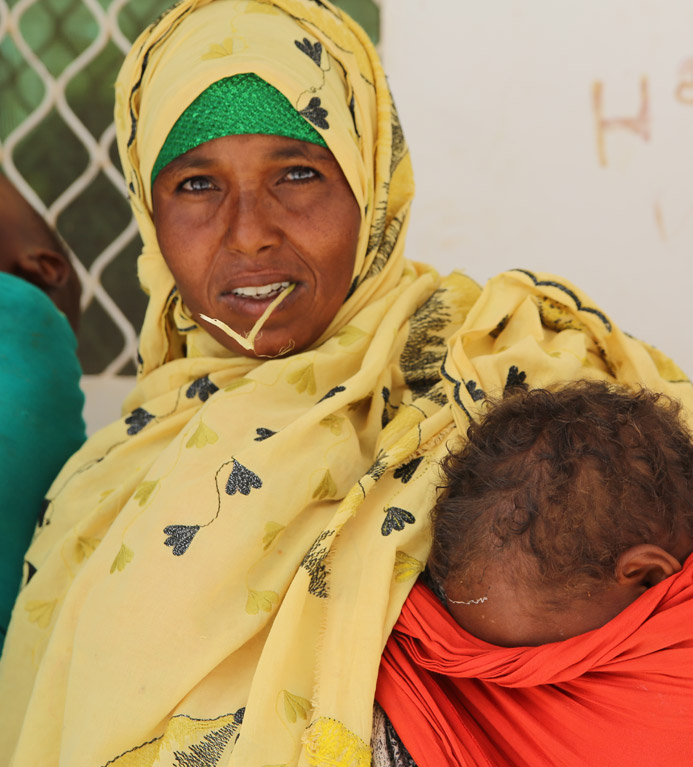

What success will look like:

a country profile is developed for primary health care (PHC), with the implementation of an action plan and annual monitoring of PHC vital signs;

a comprehensive strategy is developed to tackle population growth, maternal and child mortality, and malnutrition;

intersectoral coordination mechanisms are functional at the national level; and

selected interventions emerge as a role model for health services and intersectoral coordination.

  • 1
  • 2
  • Plan du site
    • Accueil
    • Thèmes de santé
    • Centre des médias
    • Données et statistiques
    • Ressources
    • Pays
    • Programmes
    • À propos de l'OMS
  • Aide et services
    • Travailler à l'OMS
    • Droits d’auteur
    • Privacy
    • Nous contacter
  • Bureaux de l'OMS
    • Siège de l'OMS
    • Région de l'Afrique
    • Région des Amériques
    • Région du Pacifique occidental
    • Région de l'Asie du Sud-Est
    • Région de l'Europe
WHO EMRO

Politique de confidentialité

© OMS 2025