

Sélectionnez votre langue
Somalia marks World Immunization Week with a call to accelerate efforts to reach every child with essential, life-saving immunizations
29 April 2024, Mogadishu, Somalia – While marking World Immunization Week this year, Somalia’s Federal Ministry of Health, the World Health Organization (WHO) and the United Nations Children’s Fund (UNICEF) have jointly urged partners and donors to accelerate immunization efforts to reach every child in Somalia.
This year’s World Immunization Week coincides with the 50th anniversary of the global Essential Programme on Immunization and aims to spur greater engagement around immunization, to reiterate the importance of vaccination and improve the health and well-being of every child, everywhere. This year’s commemoration highlighted the successes of immunization in Somalia since 1978 and the challenges that require a concerted effort – the uninterrupted, 7-year circulation of the polio variant; the large number of children who have never been vaccinated (zero-dose children); the recurrent outbreaks of vaccine-preventable diseases like measles, diphtheria and whooping cough; and the need for an expanded resource envelope to tackle these challenges.
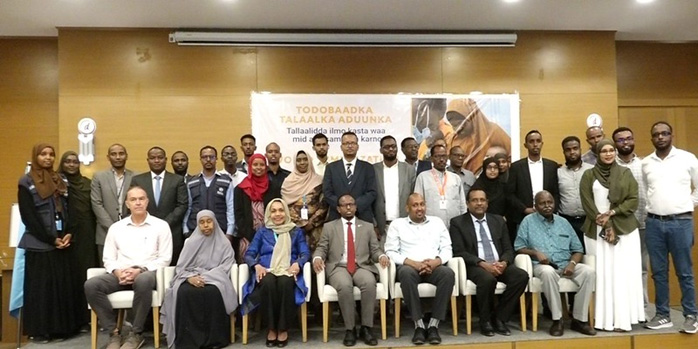 Minister of Health Dr Ali Hajiadam Abubakar poses for a group photo with health partners to kick-start World Immunization Week 2024 in Mogadishu, Somalia. Photo credit: UNICEF/MaslahSpeaking at a press conference in Mogadishu on Sunday, Federal Minister of Health for Somalia Dr Ali Hajiadam Abubakar said that despite Somalia having had the best-performing immunization programmes in the Eastern Mediterranean Region historically, prolonged conflict and instability in the last few decades have resulted in a weakened, fragmented and severely underfunded health system.
“This year’s theme – Humanly Possible – serves as a powerful reminder of our collective responsibility to ensure that every child in Somalia has access to life-saving vaccines. The introduction of new vaccines such as the pneumococcal conjugate vaccine and rotavirus vaccine later this year will further help us to combat pneumonia and diarrhoea, 2 diseases that contribute greatly to child mortality in Somalia,” he said.
“The coverage in Somalia is still insufficient to effectively combat vaccine-preventable diseases, and consequently we have experienced various outbreaks,” said Ms. Patience Musanhu, Senior Country Manager for Gavi, the Vaccine Alliance. “I wish to reiterate Gavi’s commitment to continue its investment in vaccines and immunization to ensure equitable vaccination coverage across the country. I strongly urge all stakeholders to redouble their efforts to increase vaccination coverage to safeguard children against vaccine-preventable diseases.”
“Vaccines are one of the greatest success stories of public health. And yet, despite all the knowledge and resources available globally, children in Somalia continue to contract vaccine-preventable diseases. For example, in first quarter of 2024, 382 people have been confirmed for measles, 75% of which are children under 5 years of age in Somalia,” said Dr Reinhilde Van De Weerdt, WHO Representative to Somalia. “Greater efforts are needed, with an integrated approach to tackle the systemic challenges the country is facing by its health system, that affect the delivery of essential health services and hinder progress in Somalia’s commitment toward universal health coverage.”
Globally, immunization programmes have been the bedrock of primary health services in communities and countries due to their reach and coverage. A major landmark study released this week reveals that global immunization efforts have saved an estimated 154 million lives – or the equivalent of 6 lives every minute of every year – over the past 50 years. The vast majority of people saved – 101 million – were infants.
The study, led by WHO and to be published in The Lancet, shows that immunization is the single greatest contribution of any health intervention to ensuring babies not only see their first birthdays but also continue to lead healthy lives into adulthood.
“In Somalia, the threat from vaccine-preventable diseases remains alarmingly high, with an estimated 1.5 million children under 5 known as ‘zero-dose’ children. These children are the most vulnerable, having never received any vaccines, and are disproportionately affected by diseases such as measles, diphtheria and whooping cough,” said UNICEF Representative to Somalia Ms Wafaa Saeed. “Let us all commit, as leaders, health professionals and global citizens, to safeguard the future of our children by ensuring that every child in Somalia receives their right to immunization. Let’s make this humanly possible.”
Some of the challenges Somalia faces in ensuring all communities have access to vaccinations include a fragile health system, further impeded by conflict and natural disasters; limited access to cold chain facilities in remote areas and among hard-to-reach populations; and difficulty in reaching people living in insecure and inaccessible locations.
“The high number of unimmunized and underimmunized children in Somalia who live in contexts such as IDP [internally displaced person] camps, urban poor settings and hard-to-reach areas increases risks of vaccine-preventable disease outbreaks. For the past 5 years, we have been grappling to respond to at least 2 outbreaks each year, as evident from the national surveillance reports,” said Save the Children Acting Country Director Dr Binyam Gebru. “While we stand here today in solidarity to mark this World Immunization Week, let’s reaffirm our commitment to ensure every child in Somalia gets immunized, which is a basic human right, and I believe with concerted efforts, this is humanly possible."
Over the years, WHO, UNICEF and partners have extended support to Somalia to develop systems to store different vaccines, establish systems to vaccinate children, and to compile and store data around immunization for decision-makers to use. Despite all the challenges, Somalia has had some success in getting more children vaccinated using strategies such as mobile outreach facilities in addition to fixed vaccination sites. Additionally, teams of health workers and social mobilizers, supported by the government, WHO and UNICEF, are regularly visiting communities to share messages on the benefits of vaccination.
Yet the country needs more support to protect children, particularly vulnerable ones, from vaccine-preventable diseases such as measles, cholera, polio, diphtheria, tuberculosis, pertussis and tetanus.
For additional information, please contact:
Mohamed Osman, Head of Communication and Public Engagement, Federal Ministry of Health
Email:
Victor Chinyama, Chief of Communication, UNICEF Somalia
Email:
Fouzia Bano, Communications Officer, WHO Somalia
Email:
Somalia’s tangible progress on malaria, even in the face of new strains
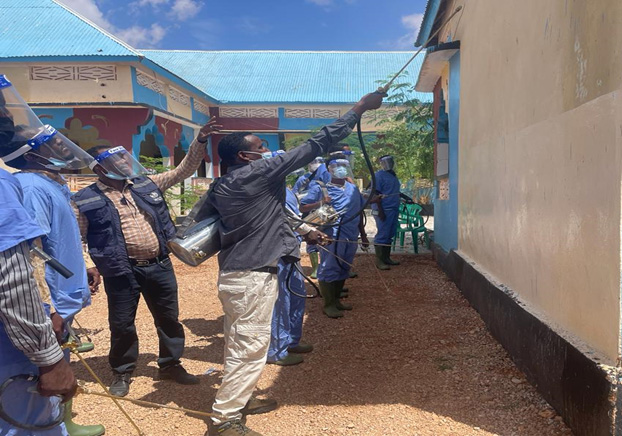 A team engages in insecticide residual spraying as a core interruption measure in response to the malaria outbreak in Burtinle, in Puntland, Somalia. Photo credit: WHO Somalia/A. Mukhtar25 April 2024, Mogadishu, Somalia – Somalia managed to reduce the prevalence rate of malaria from 20.1% in 2015 to 4.1% in 2023 in the most affected areas by adopting an integrated disease response. The Federal Ministry of Health in Somalia led this work, with technical support from WHO and the United Nations Children’s Fund (UNICEF) and financial support from the Global Fund.
Applying prevention, interruption and supplementary measures, Somalia’s malaria programme reduced disease incidence to as low as 3.4% in 2022, as documented by the country’s National Malaria Control Programme. The slight increase in incidence in 2023, to 4%, was due to the impact of drought and floods in the country.
Marking World Malaria Day 2024, Dr Sagal Roble of the Federal Ministry of Health thanked the partners and donors for helping Somalia to achieve this tangible progress. She also urged the continued support of the partners to address the new strains of malaria emerging in the country and to sustain gains made in the fight against malaria across Somalia. Such an approach supports this year’s World Malaria Day theme of “Accelerating the fight against malaria for a more equitable world”.
During 2023, Somalia increasingly detected a new strain of the parasite Plasmodium falciparum, which is hard to detect with the usual rapid diagnostic test, as well as a new urban invasive vector for malaria, the mosquito Anopheles stephensi, in several districts.
A prolonged drought affected Somalia from 2022 to 2023, and the country has since been hit by heavy rainfalls due to the El Niño phenomenon. Such rapid changes to climate, including temperature, rainfall patterns and humidity, could easily lead to further geographic expansion of malaria transmission or new variation.
Somalia also has a large number of people on the move: nomadic communities, internally displaced people, and people entering from the neighbouring countries of Djibouti, Ethiopia, Kenya and Yemen. This tends to increase the disease prevalence, including malaria, owing to contributing factors such as overcrowded environments, limited access to health care, and lack of awareness.
Dr Jamal Amran, WHO Somalia’s focal person for malaria control, highlighted: “Detection of new malaria strains, compounded by persistent insecurity and health impacts of climate change, may exacerbate the malaria situation in the country.”
Malaria directly endangers health and costs lives. The disease also continues the vicious cycle of inequity, as it disproportionately affects the most vulnerable groups, including pregnant women, children aged under 5 years, refugees, migrants and internally displaced people.
The WHO Country Office in Somalia, in partnership with UNICEF, continues to support the Federal Ministry of Health to implement Somalia’s National Malaria Strategic Plan 2021–2026.
For more information, please contact:
Fouzia Bano, Communications Officer, WHO Somalia
Email:
Saeed Ahmed, Donor Reporting Officer, WHO Somalia
Email:
Related links
King Salman Relief helps equip 28 health facilities with medical oxygen to address killer diseases among children
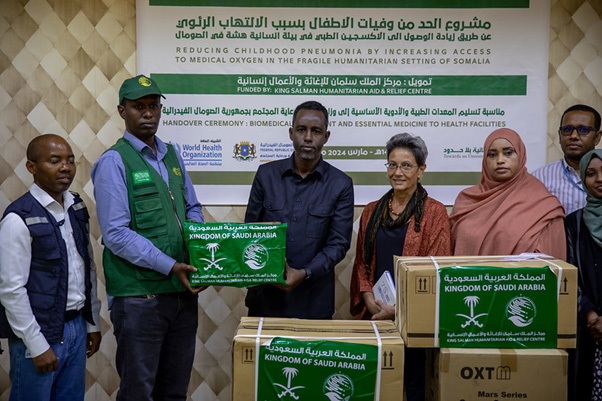 The Ministry of Health of Somalia receives medical equipment and supplies for 28 health facilities in Mogadishu. Photo credit: WHO Somalia/I. Taxta18 April 2024, Mogadishu, Somalia – Biomedical equipment and essential medicines are to reach 28 health facilities across Somalia thanks to the “Every Breath Counts” project, funded by the King Salman Humanitarian Aid and Relief Centre (KS Relief). The Federal Ministry of Health kicked off the distribution of the supplies in collaboration with the WHO Country Office in Somalia.
The project supports quality emergency care of severe cases of pneumonia and diarrhoea for children. A child born in Somalia today is almost 20 times more likely to die by the age of 5 years than a child born elsewhere due to childhood diseases. Therefore, “Every Breath Counts” aims to reduce childhood pneumonia- and diarrhoea-related morbidity and mortality in Somalia.
Under the KS Relief-funded project, WHO Somalia supports the state-level of health ministries with the provision of life-saving health interventions in primary health centres and referral hospitals. This is done in line with WHO guidelines for the integrated management of newborn and childhood illnesses. Support provided for the health facilities includes the establishment of triage protocols and oral rehydration treatment corners, and provision of medical oxygen and essential medicines.
Dr Guled Abdi Jalil Ali, Director-General of the Federal Ministry of Health of Somalia, officiated the handover ceremony of medical equipment and supplies. Representatives from the KS Relief country team, the Ministry and WHO Somalia were present.
Speaking in appreciation of WHO Somalia’s technical support and the financial support of KS Relief, Dr Guled said: “Considering that child mortality from all causes in Somalia remains the highest in the world, this project is a critical contribution to help improve the coverage and quality of care for our children, with a focus on the main killer diseases, and to build health care capacities.”
Following the recipient of the equipment and medical supplies, the state-level health ministries, with support from WHO Somalia, will deliver equipment and supplies to the targeted facilities to improve the quality of care. In addition, supplies, such as vitamin A, folic acid, albendazole (deworming tablets), zinc and oral rehydration solution, will be distributed at the community level through community health workers to strengthen the delivery of health services.
Mr Mohamed Omar Hassan, Media Officer at KS Relief country team in Somalia, thanked the Federal Ministry of Health and WHO Somalia for their hard work in implementing the project and for their ongoing and successful partnership.
For more information, please contact:
Fouzia Bano, Communications Officer, WHO Somalia
Email:
Saeed Ahmed, Donor Reporting Officer, WHO Somalia
Email:
For more details about WHO’s response across Somalia, see:
Every Breath Counts: increasing access to medical oxygen in Somalia
Somalia’s health minister and partners plan to intensify efforts to end 7-year variant poliovirus outbreak
Partners commit to take bold steps to boost routine immunization and child health in Somalia
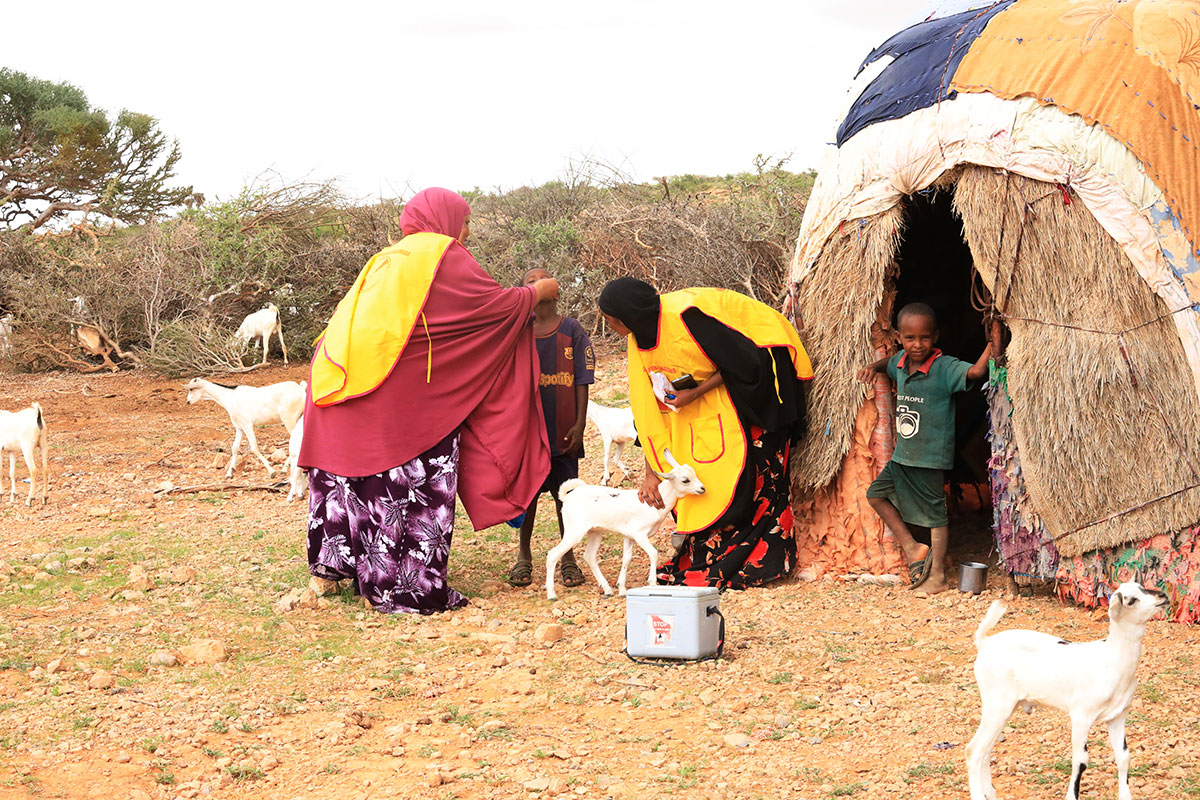 A health worker vaccinates a child from a nomadic family, Puntland. WHO/WHO Somalia16 April 2024, Mogadishu, Somalia – Somalia’s Minister of Health and Human Services His Excellency Dr Ali Haji Adam and high-level representatives of the Global Polio Eradication Initiative met virtually yesterday to review progress and further scale up efforts to end the country’s 7-year variant poliovirus outbreak.
H.E. Dr Adam presented the Somalia Emergency Action Plan (SEAP) 3, which builds on measures taken so far and will fill existing gaps in polio eradication efforts. The plan prioritizes robust, high-quality polio vaccination campaigns and better poliovirus surveillance. Efforts will also be targeted at high-risk populations in hard-to-reach areas and where variant poliovirus is circulating, as well as underserved, displaced and nomadic communities.
The Minister also shared updates on the planned Big Catch-up campaign, which aims to accelerate vaccination of zero-dose children – who have received no vaccines – and capitalize on integration with other health and nutrition services.
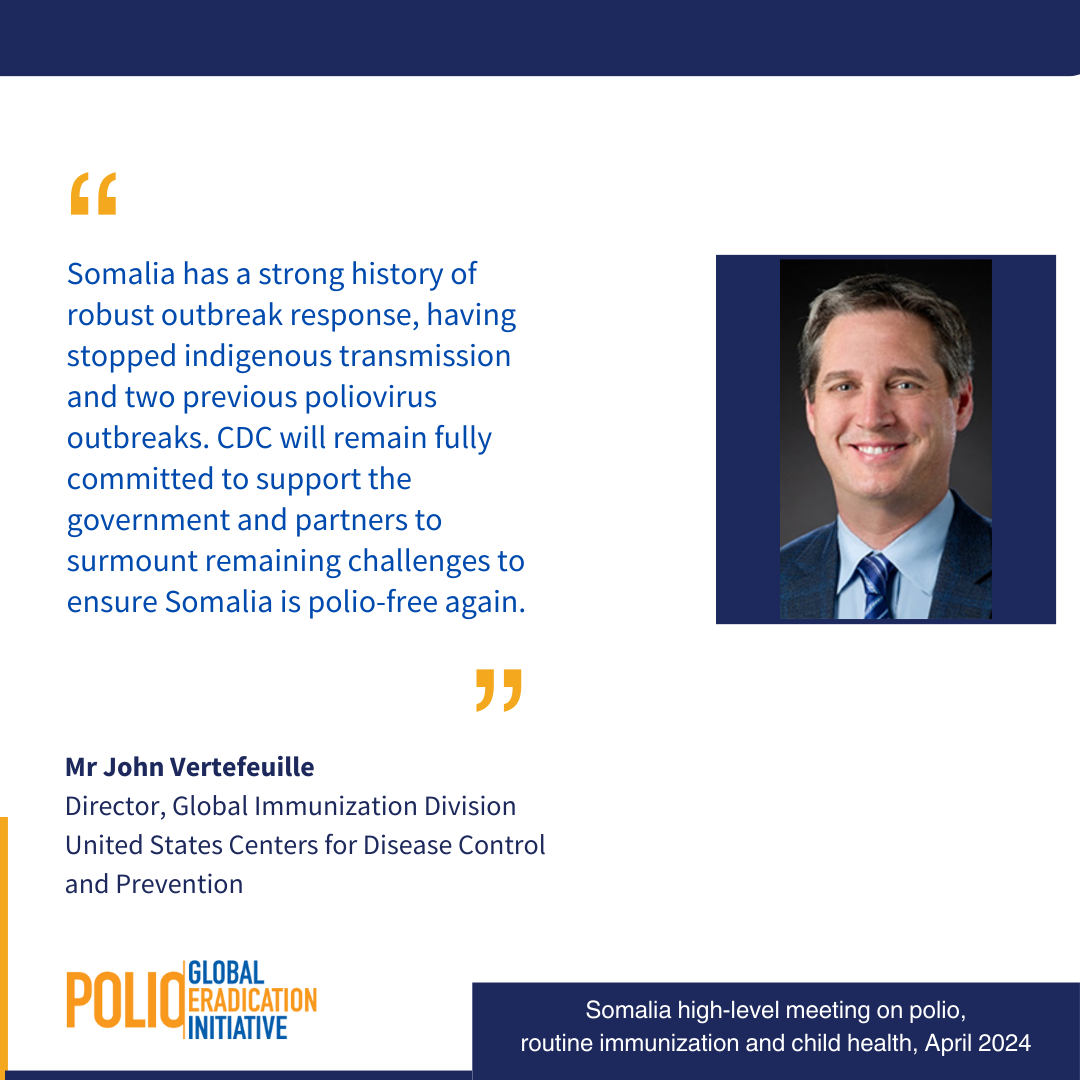
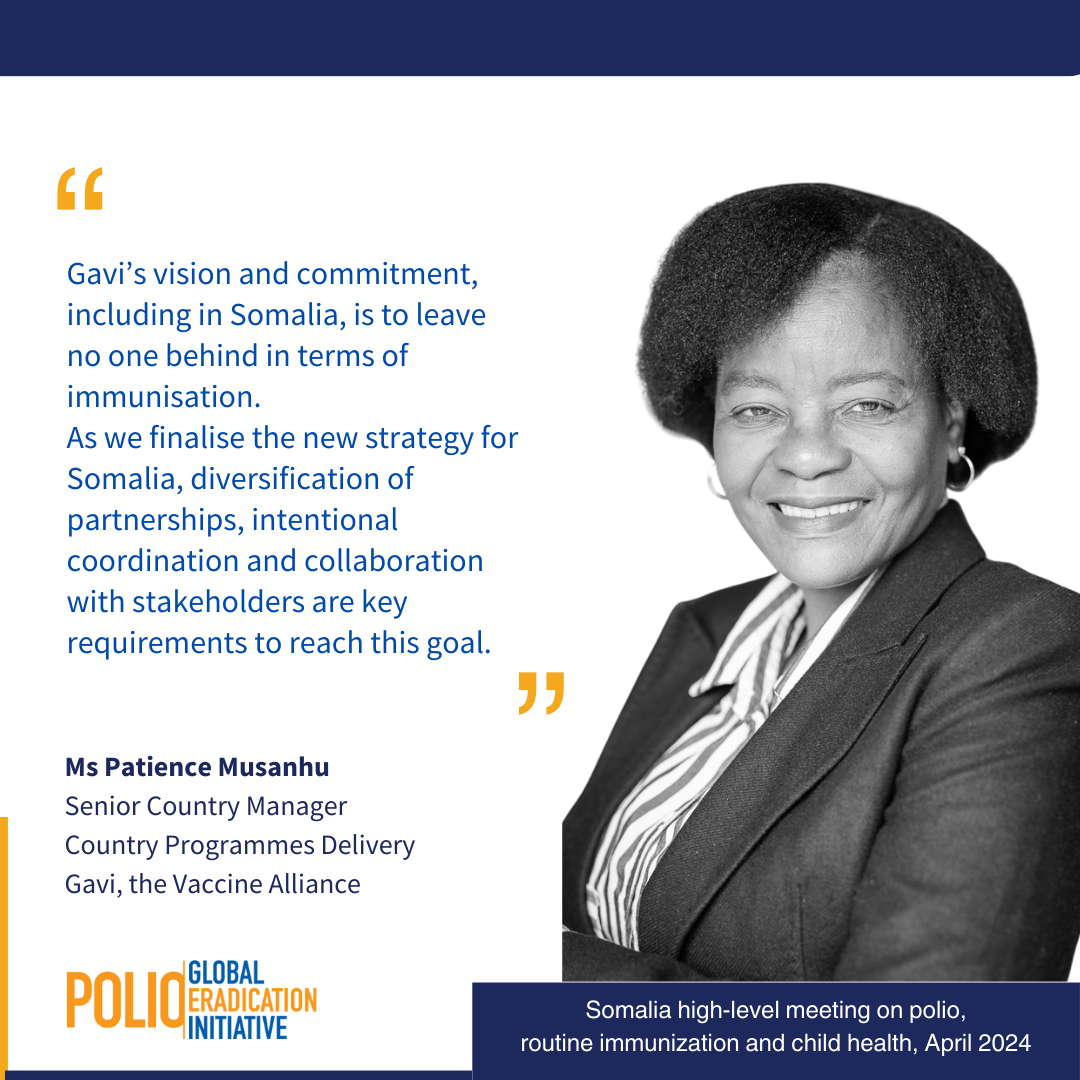
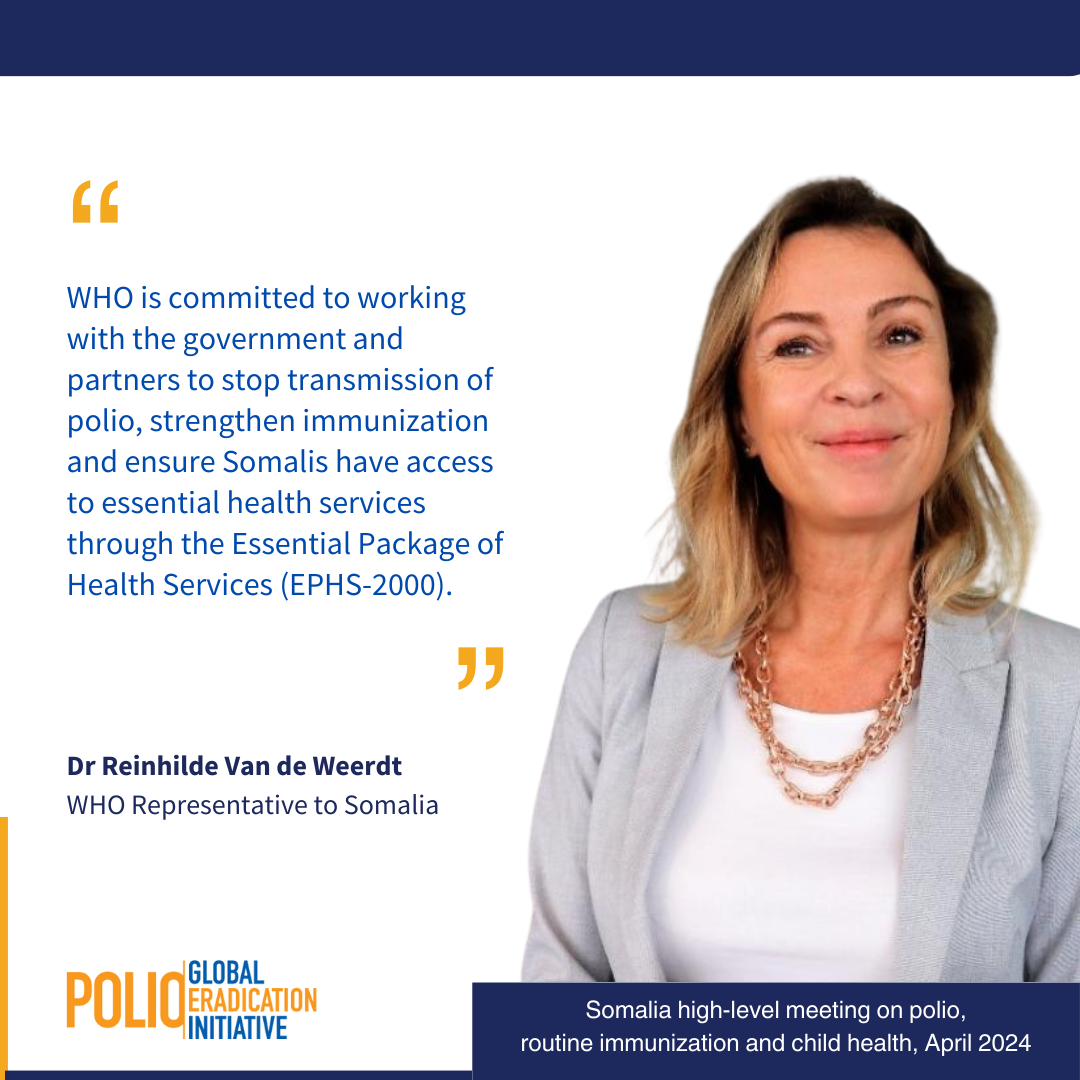
Meeting delegates included Dr Chris Elias, Chair of the Polio Oversight Board and President of Global Development, Bill & Melinda Gates Foundation; Mr John Vertefeuille, Director, Global Immunization Division, United States Centers for Disease Control and Prevention; Ms Patience Musanhu, Senior Country Manager, Country Programmes Delivery at Gavi, the Vaccine Alliance; Ms Etleva Kadilli, United Nations Children’s Fund (UNICEF) Regional Director for Eastern and Southern Africa; and Dr Hamid Jafari, Director, Polio Eradication, World Health Organization (WHO) Eastern Mediterranean Region. Ms Wafaa Saeed Abdelatef, UNICEF Representative in Somalia, and Dr Reinhilde Van de Weerdt, WHO Representative to Somalia, also joined the meeting.
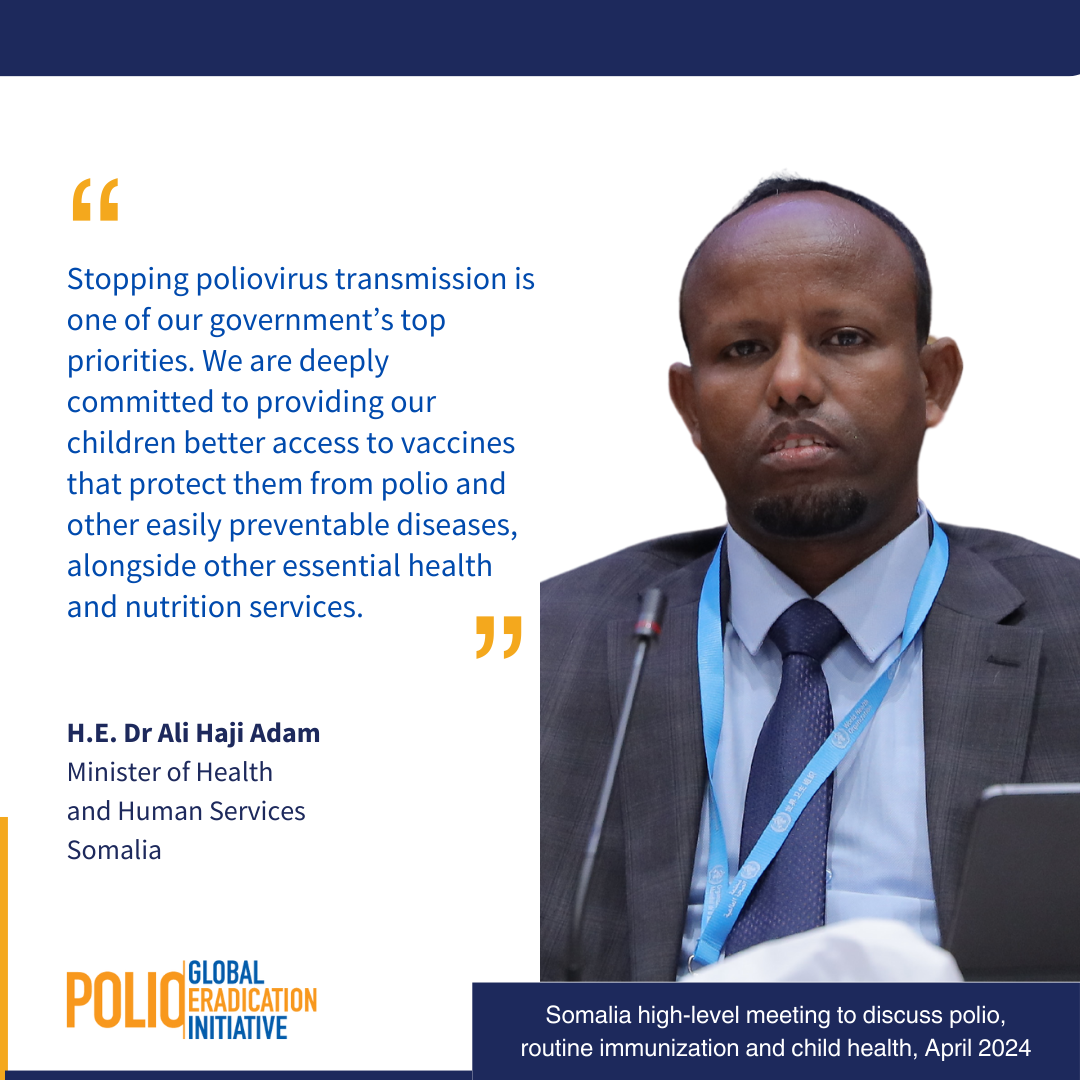
“Stopping poliovirus transmission is one of our government’s top priorities,” said H.E. Dr Ali Haji Adam, Minister of Health and Human Services for Somalia. “We are deeply committed to providing our children better access to vaccines that protect them from polio and other easily preventable diseases, alongside other essential health and nutrition services.”
The ongoing variant poliovirus outbreak, the longest running of its kind, has so far paralysed 38 children in Somalia. Through SEAP 3, Somalia will continue to work with humanitarian partners to reach about 1.5 million zero-dose children, most of whom live in the country’s highly populated central and southern areas.
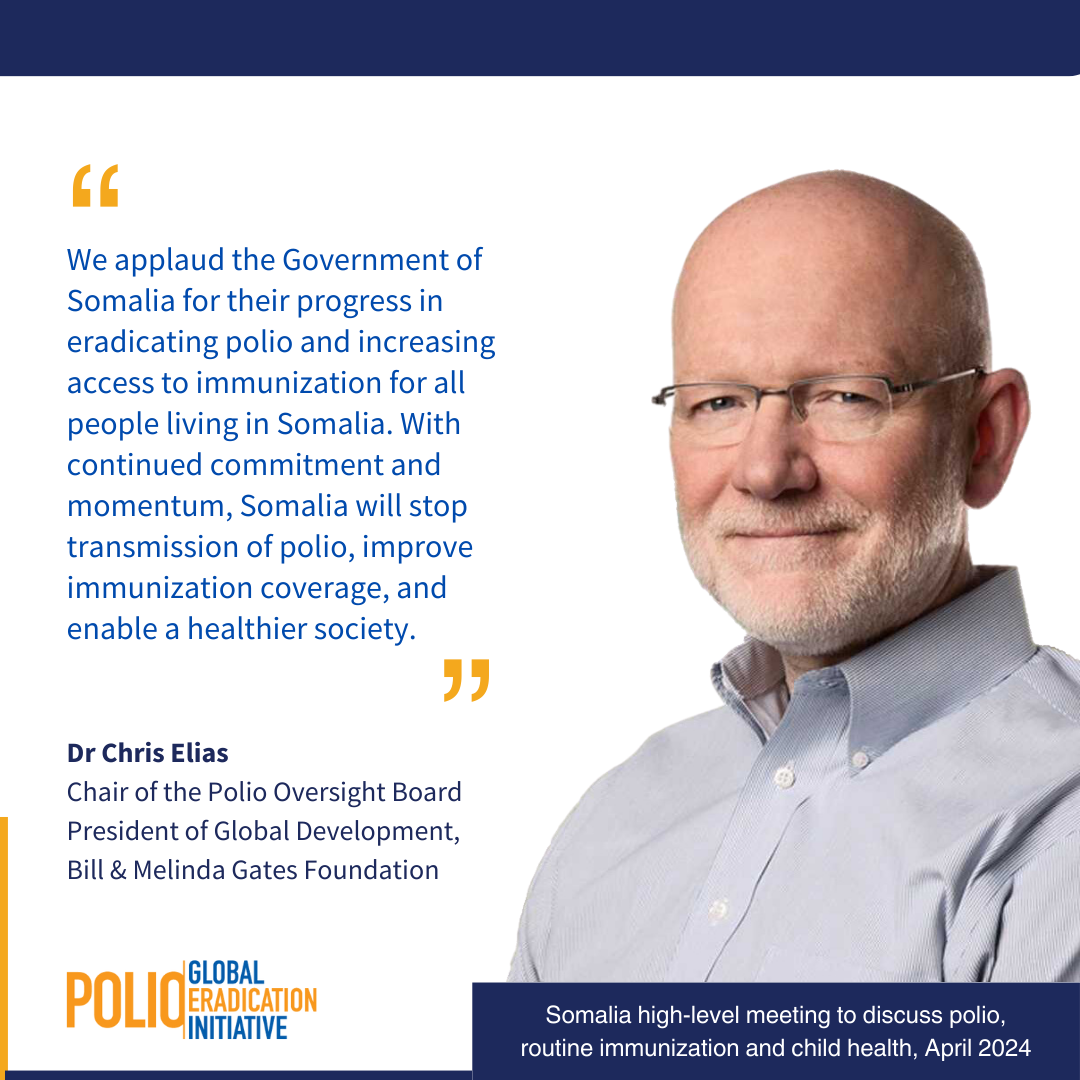
“We applaud the Government of Somalia for their progress in eradicating polio and increasing access to immunization for all people living in Somalia. With continued commitment and momentum, Somalia will stop transmission of polio, improve immunization coverage, and enable a healthier society,” said Dr Chris Elias, Chair of the Polio Oversight Board and President of Global Development, Bill & Melinda Gates Foundation.
Somalia is seen as one of the world’s 6 most critical locations for polio transmission, known as consequential geographies, owing to the high risk of poliovirus spread to other countries.
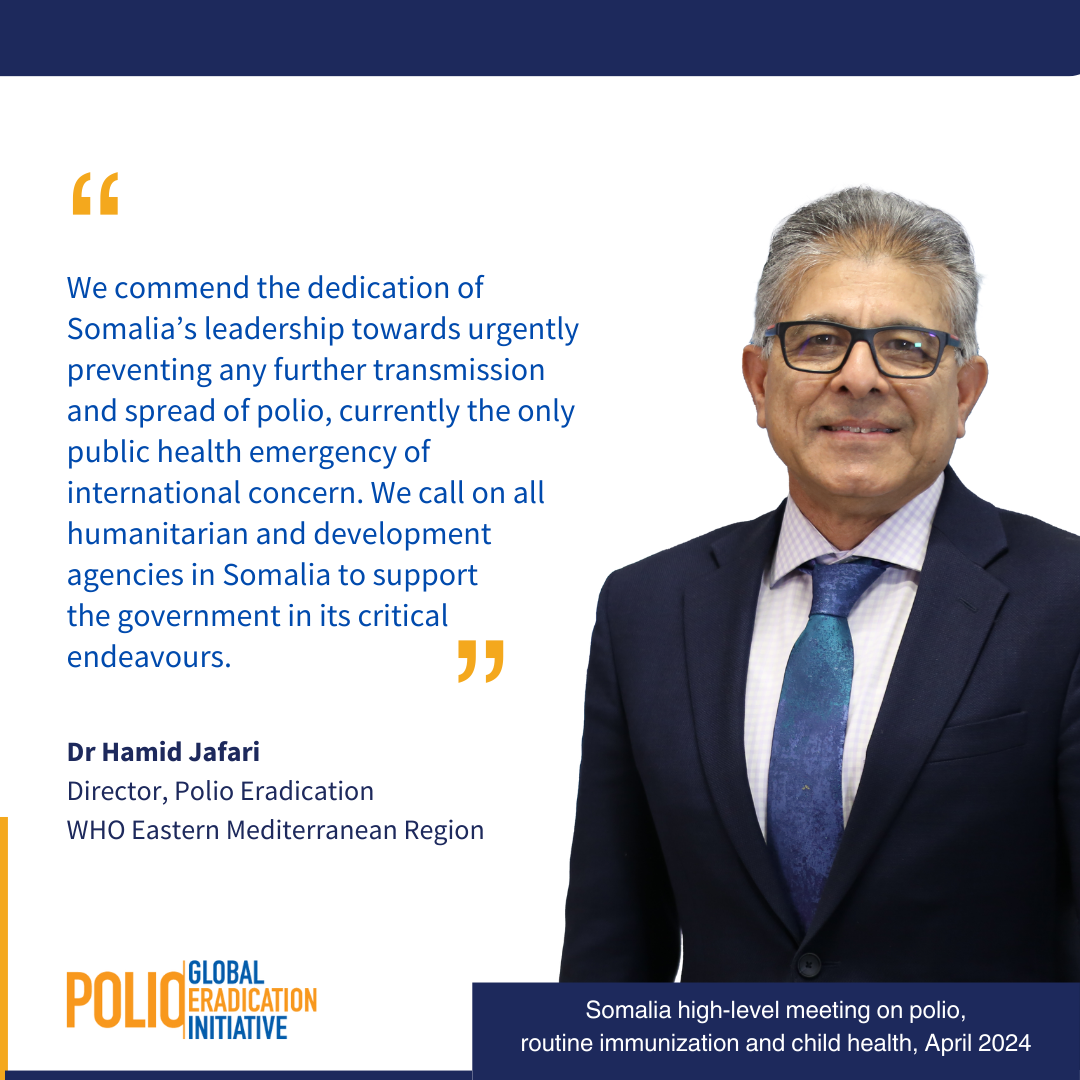
“We commend the dedication of Somalia’s leadership towards urgently preventing any further transmission and spread of polio, currently the only public health emergency of international concern,” said Dr Hamid Jafari, Director, Polio Eradication, WHO Eastern Mediterranean Region. “We call on all humanitarian and development agencies in Somalia to support the government in its critical endeavours.”
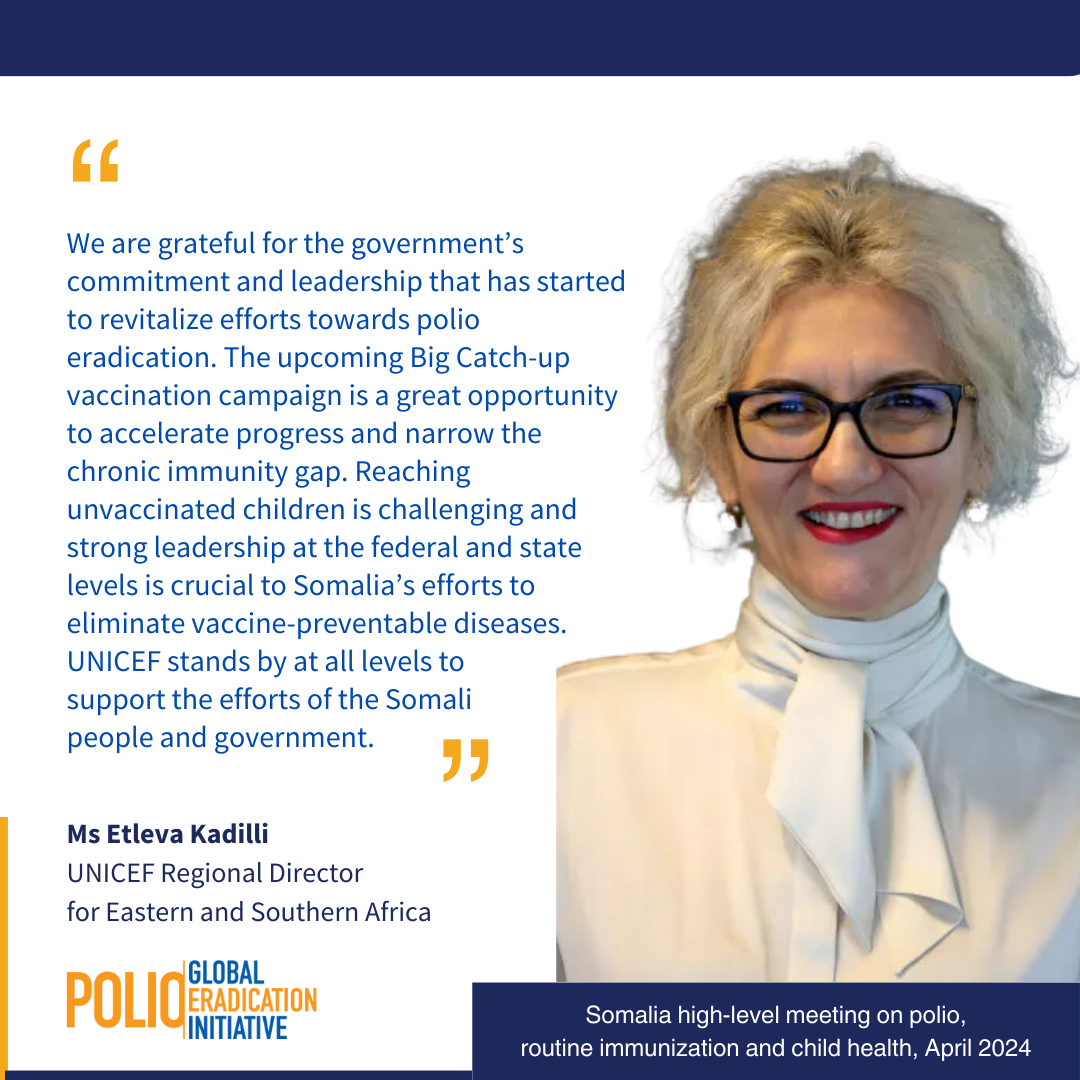
“We are grateful for the government’s commitment and leadership that has started to revitalize efforts towards polio eradication,” said Ms Etleva Kadilli, UNICEF Regional Director for Eastern and Southern Africa. “The upcoming Big Catch-up vaccination campaign is a great opportunity to accelerate progress and narrow the chronic immunity gap. Reaching unvaccinated children is challenging and strong leadership at the federal and state levels is crucial to Somalia’s efforts to eliminate vaccine-preventable diseases. UNICEF stands by at all levels to support the efforts of the Somali people and government.”
Somalia is also currently grappling with a measles outbreak. The country faces complex challenges, including recurrent drought, floods and persistent insecurity, which have affected health service delivery and spurred population movement over the years.
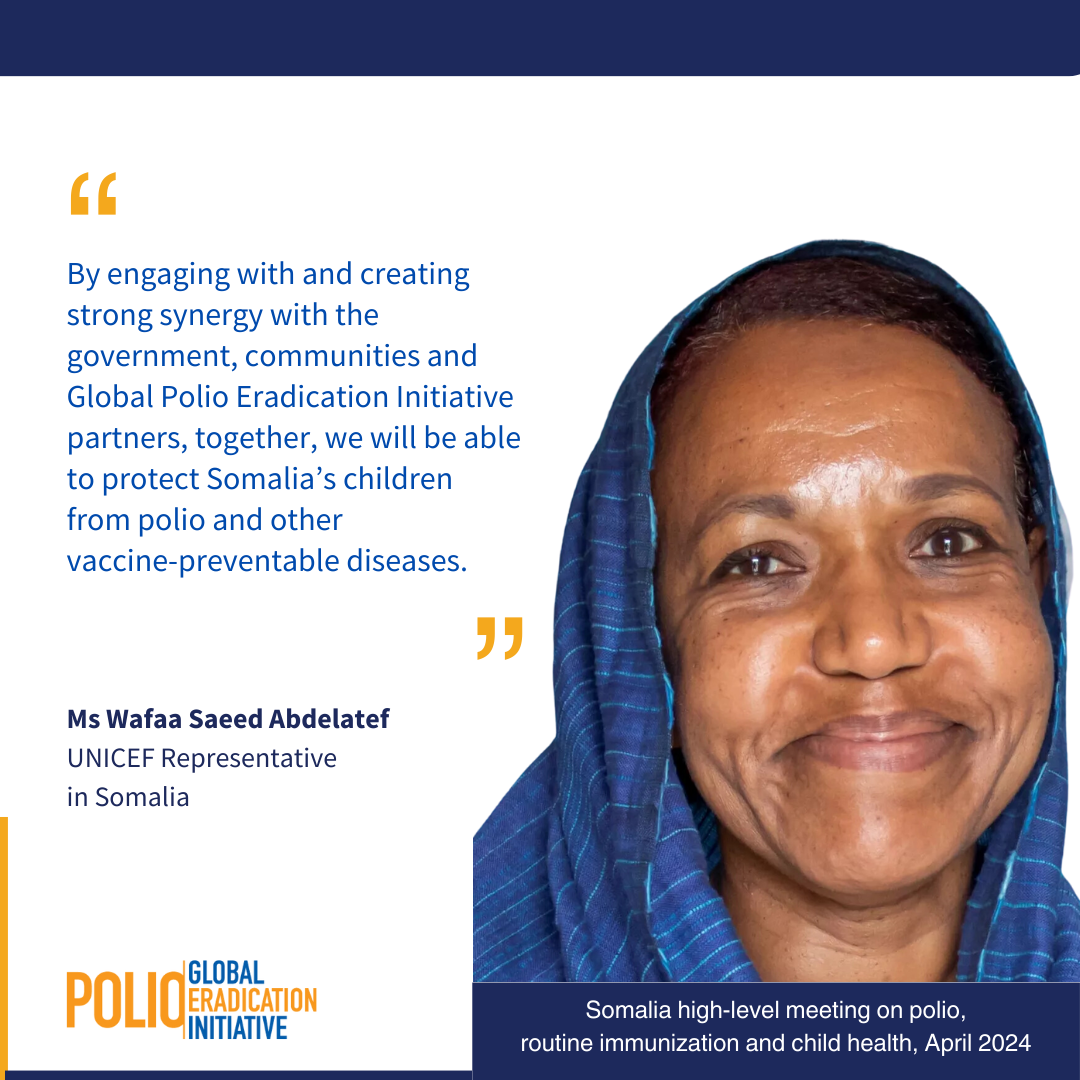
Additional quotes from the meeting*
For more information, contact:
Ministry of Health and Human Services Communications Office
Email:
Fouzia Bano, Communications Officer, WHO Somalia
Email:
Victor Chinyama, Chief of Communications, UNICEF Somalia
Telephone: +25 26 13 37 58 85