

Sélectionnez votre langue
Spreading the word about vaccines in Somalia’s remote communities
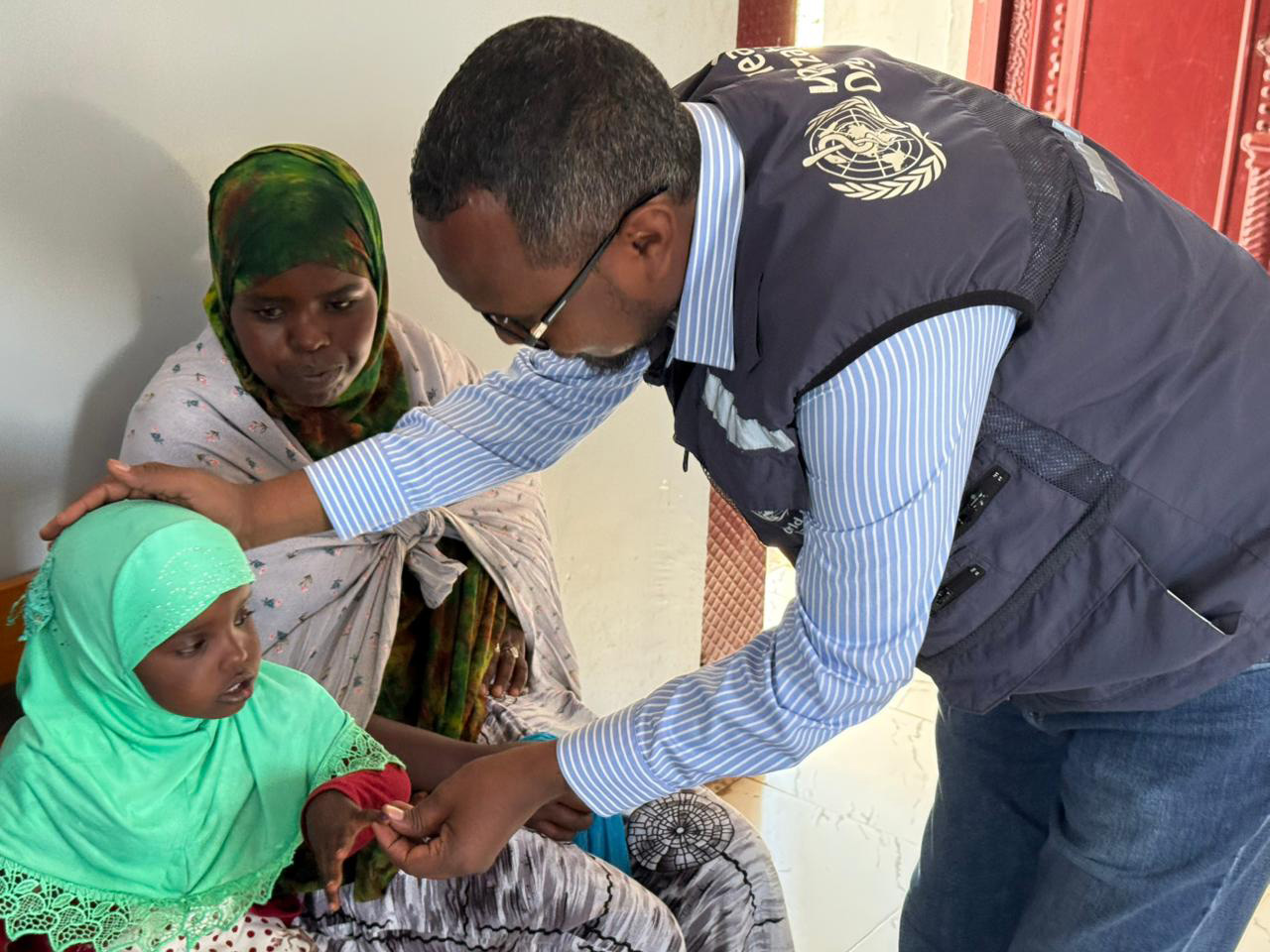 Dr. Husein Mohamed Abdi examines Masna’s finger mark after she received the necessary vaccines at the Maternal and Child Health (MCH) centre in Toon, near Hargeisa, Somalia. Photo credit: WHO, Khadar Hared30 October 2025, Mogadishu, Somalia – On the morning of 27 August 2025, the fourth day of nationwide efforts to deliver the new oral polio vaccine type 2 (nOPV2), health supervisors from WHO Somalia visited Toon, a small village about 20 km southeast of Hargeisa in Somaliland.
At the local maternal and child health centre in the village, the team met 25-year-old Somali mother Hamda Awil Jama and her three-and-a-half-year-old daughter Masna Abdirizak. To their surprise, Hamda revealed that Masna had never received a single routine childhood vaccine.
“I thought I was just bringing Masna for a nutrition check,” recalls Hamda Awil Jama. “But then my daughter received her very first vaccines.”
Hamda explains how the situation arose. “After moving to the village of Jibase I went to the maternal and child health centre in Toon village, 7 km away, to have my daughter checked for nutrition. Before we moved to the village, we were pastoralists and farmers living deep in the Hawd area. I gave birth to my daughter Masna in a place where we had no knowledge of immunization and no access to health services.”
The Hawd area is a stretch of remote bushland along Somalia’s border with Ethiopia. Like many children from pastoralist families who are constantly on the move, searching for grazing and water, Masna had missed all her vaccines.
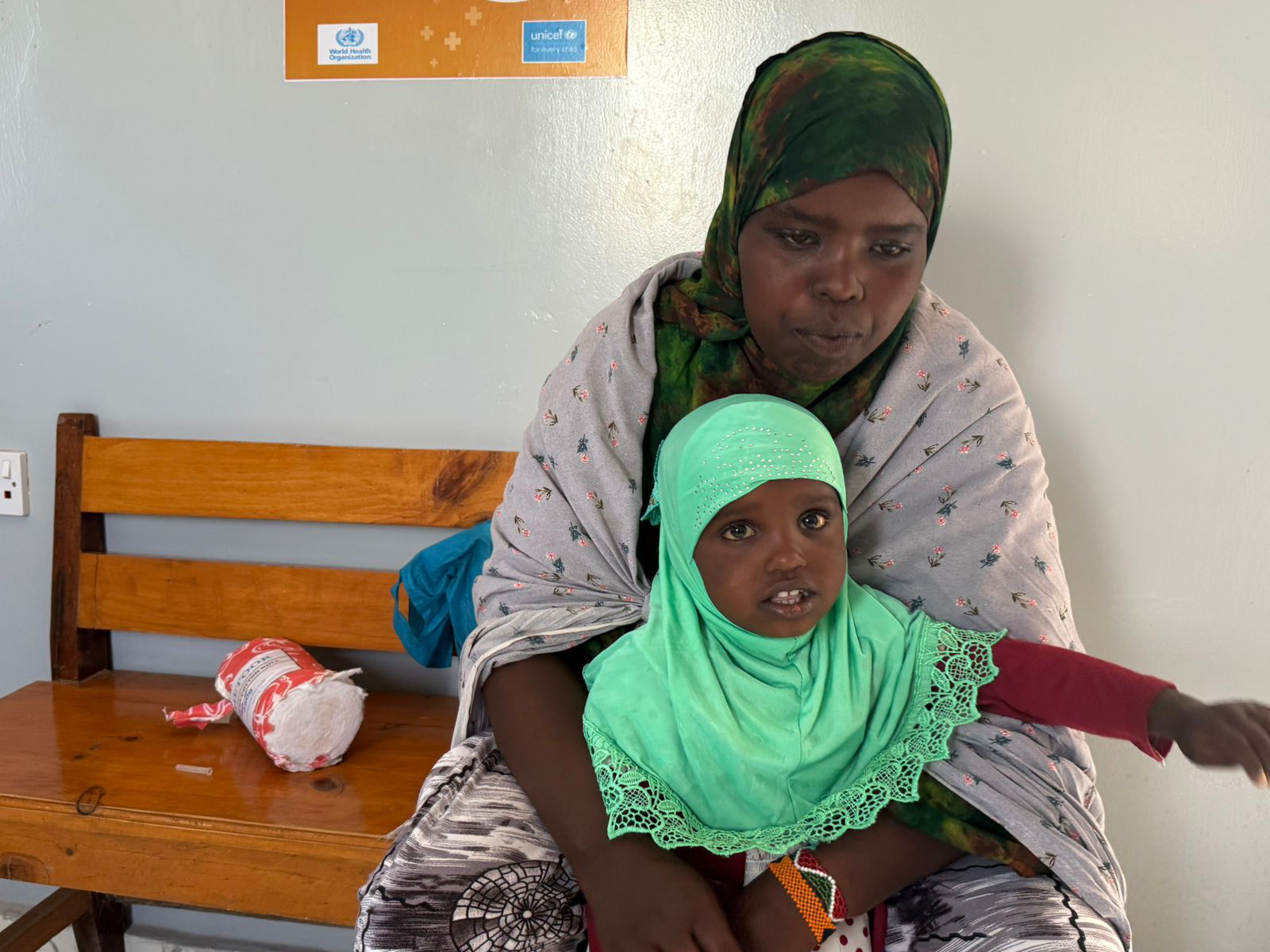 Hamda Awil Jama cradles her daughter, Masna, as they wait for her turn to receive the vaccine at the Maternal and Child Health (MCH) center in Toon village. Photo credit: WHO, Khadar HaredHamda and her daughter had walked to Toon village. When they arrived at the centre, team members asked about Masna’s vaccination status. When it became clear the three-and-a-half-year-old was a zero-dose child, the health workers explained to Hamda how vaccines protect children from deadly diseases, especially during the first 5 years of life, and why completing all doses is crucial.
Masna then received her first essential vaccines. “And now she is doing well,” says her mother. “I have seen no problems with the vaccines – only hope for my daughter’s life and future.”
After Masna received her first doses of oral polio vaccine, pentavalent vaccine, inactivated polio vaccine and measles-containing vaccine, Hamda felt both relief and a determination to ensure that Masna never again missed out on a lifesaving opportunity.
"Now I understand the importance of vaccines and how they protect my child I have been sharing my knowledge with mothers in similar situations. Even though I come from a rural area, I will make sure Masna never misses a vaccine again," said Hamda.
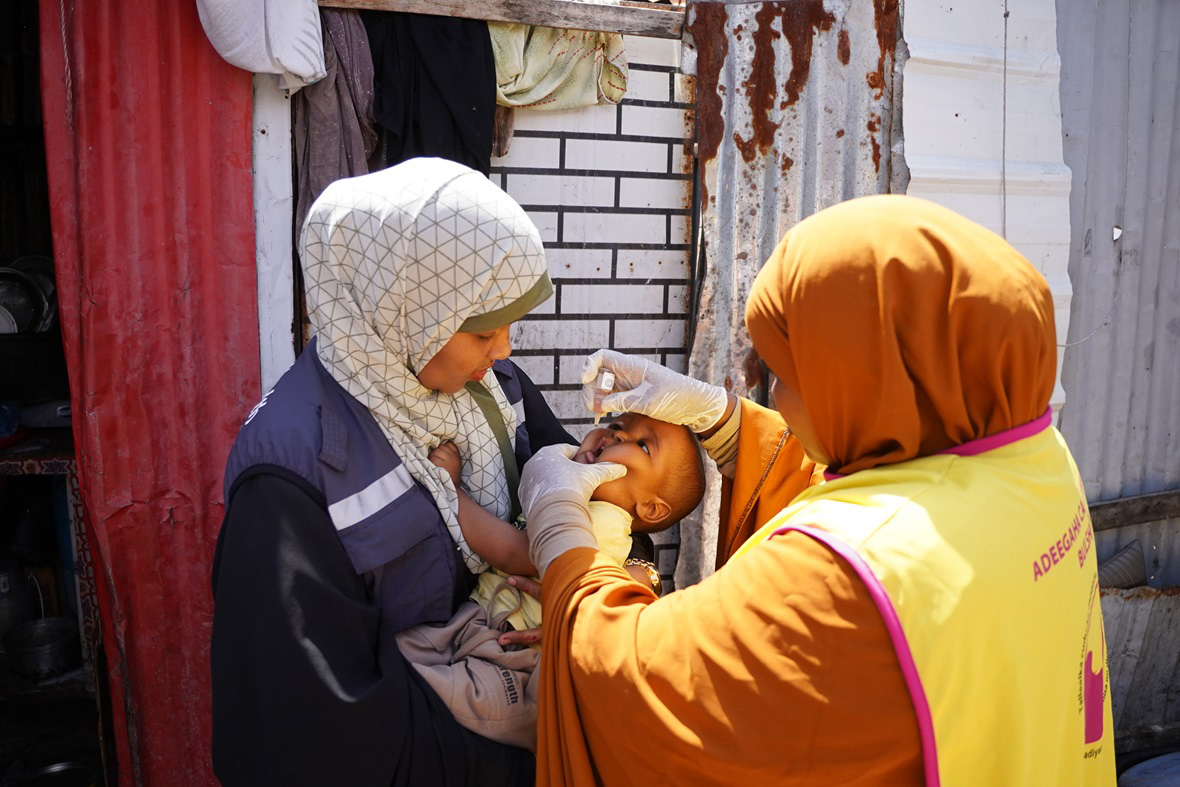
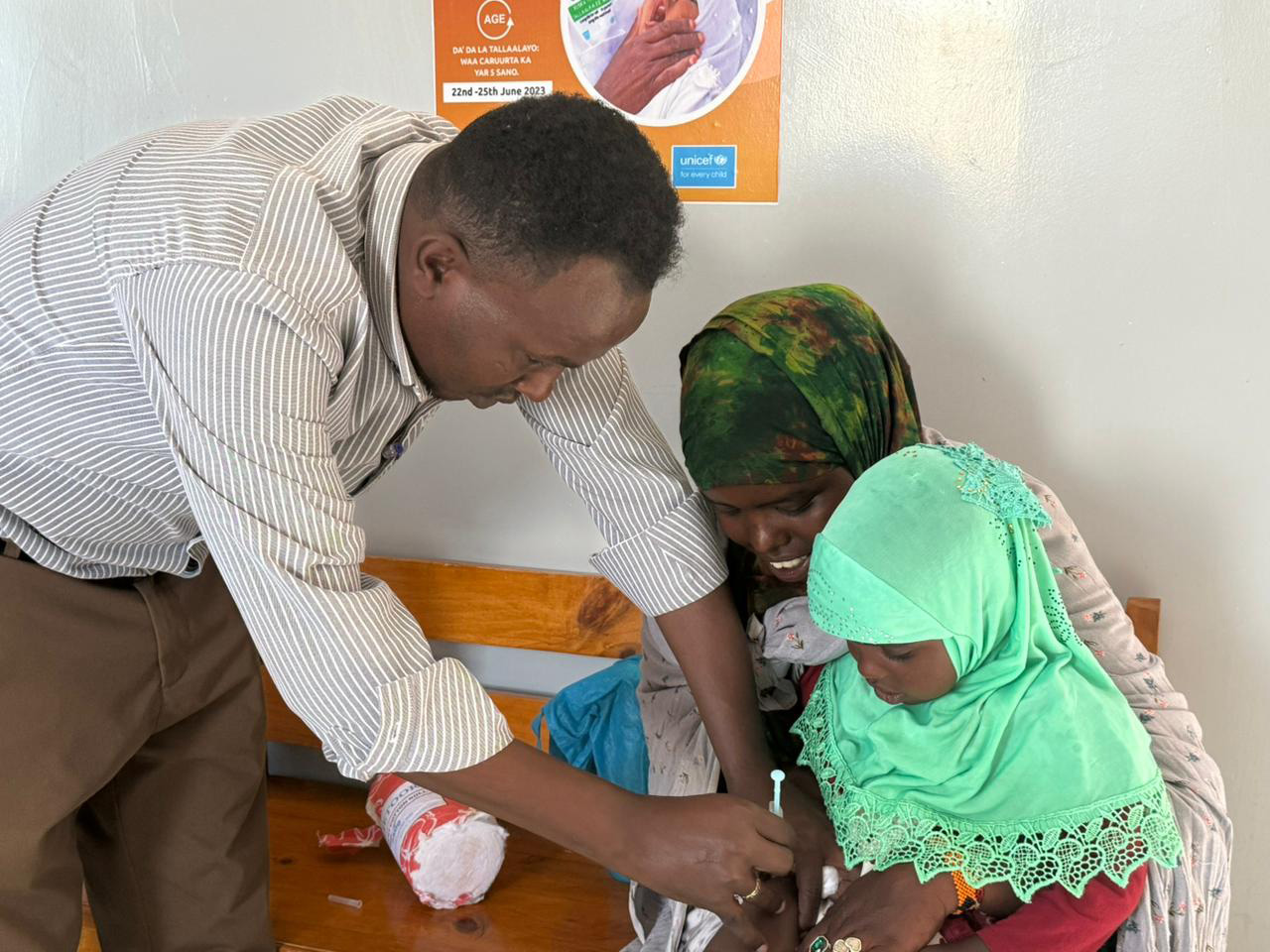 A health worker at the MCH administers vaccines to Masna, a three-year-old receiving immunizations for the first time since birth. Photo credit: WHO, Khadar HaredWhile reaching children in Somalia’s remote communities with vaccines is challenging, Hamda and Masna’s story reveals a simple truth – that every conversation with a parent helps ensure a child grows up healthy and protected.
For more information, please contact:
Khadar Hared, Communication Officer, WHO Somalia
Tel: +252619800011
Email:
Mothers lead the way to a polio-free Somalia
 Layla Omar Mohamed marks a child’s finger after administering the polio vaccine during the NID campaign in the Banadir region, Somalia. Photo credit: Abdirahim Caaylaawe30 October 2025, Mogadishu, Somalia – “When I walk through these neighbourhoods, I am thinking of my children and my community. Each time I knock on a door, I know I am bringing hope,” says Layla Omar Mohamed, a polio vaccinator in Mogadishu and mother of 4.
Across Somalia, mothers from all walks of life are helping to build a healthier future for their children by protecting them from polio.
Layla joined efforts to reach families in Mogadishu’s Hodan district with vaccines in July 2019. Armed with her vaccine carrier, a winning smile and strong sense of purpose, she is among the many Somali mothers who have become vaccinators and health educators in their communities.
“Seeing the effects of polio – especially seeing children paralyzed – keeps me going. When I knock on a door, I know I’m helping to give children a real chance at a healthy future,” says Layla.
Layla, who holds a bachelor’s degree in public health from the University of Sombridge in Mogadishu, actively contributes to the Marwo Caafimaad Programme, a nationwide initiative for female health workers that aims to promote health awareness and expand access to health care in remote communities.
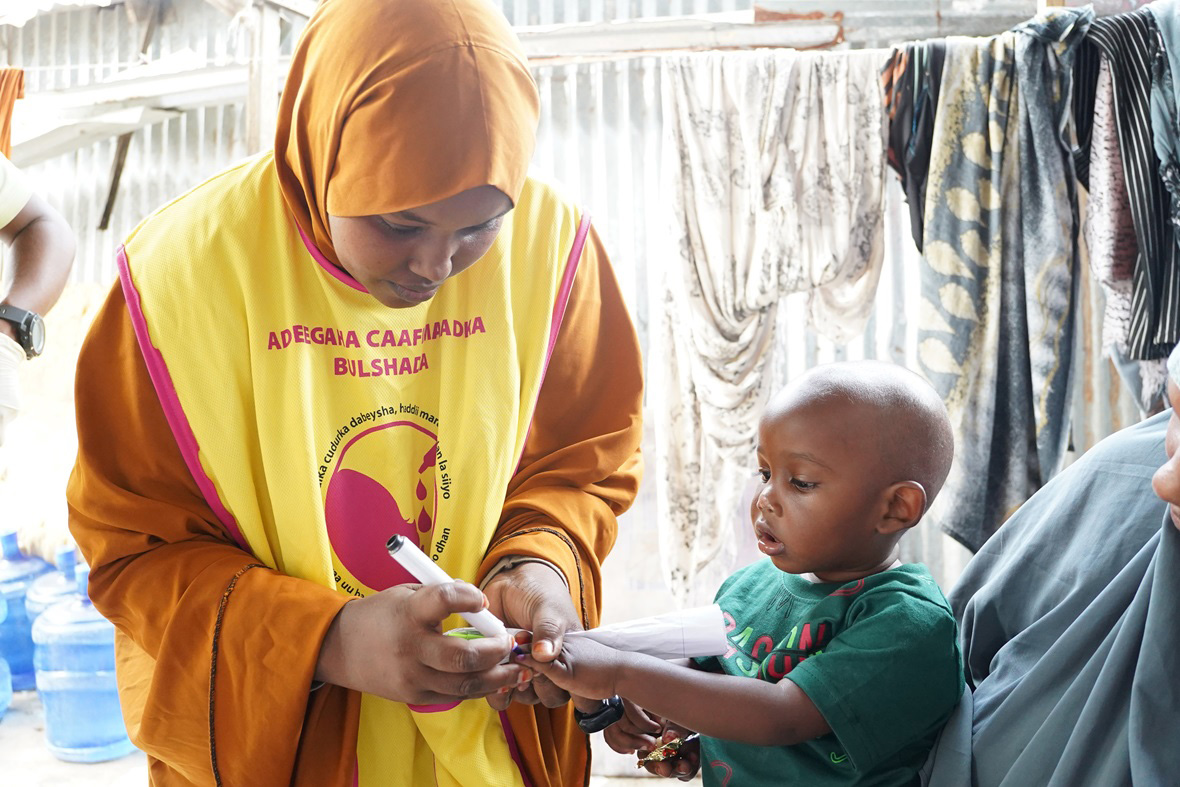 Layla Omar Mohamed, a polio vaccinator in Hodan district of the Banadir region, administers polio vaccines during the National Immunization Days (NID) campaign held in June in Banadir, Somalia. Photo credit: Abdirahim Caaylaawe Through this government-led programme, Somalia’s Ministry of Health and Human Services recruits and trains women to provide essential health services directly to families in their homes. Their responsibilities include educating mothers about maternal and child health, delivering immunization, identifying symptoms of illnesses early and strengthening community connections to the health system. As part of the programme, Layla regularly explains the importance of getting children vaccinated against polio and other vaccine-preventable diseases.
Layla embodies the spirit of this year’s World Polio Day theme – ‘It’s not time to quit. It’s time to recommit’. Every day, she vaccinates children, answers parents’ questions and brings hope to families. Her unwavering commitment exemplifies the dedication needed to end polio in Somalia.
The fight against polio is more than a public health effort. It is a story of courage, persistence and hope. And it is being shaped by Somali mothers. From busy cities like Mogadishu to the most distant villages, women like Layla are leading the way.
For more information, please contact:
Khadar Hared, Communication Officer, WHO Somalia
Tel: +252619800011
Email:
WHO and ECHO provide essential aid for malnourished children in Somalia
 12 October 2025, Mogadishu, Somalia – Banadir Hospital in Mogadishu – Somalia’s largest paediatric referral public hospital – is at the forefront of efforts to address severe acute malnutrition.
Inside the stabilization centre, small hospital beds are lined up, each holding a child fighting not only hunger but illnesses like pneumonia, diarrhoea and dehydration. Nurses move quickly between them, administering essential medicines, checking oxygen and comforting worried mothers who have often walked long distances to find help. For many, Banadir Hospital is their last hope.
“Most of the cases we see are extremely, severely malnourished, and often come with many complications,” says Dr Mohamed Jama Hashi, a paediatric specialist at Banadir Hospital. “Some children arrive swollen, some need oxygen, others come in shock – their small bodies are fighting for survival – and severely dehydrated. The family members who bring them are often visibly malnourished themselves.”
Over the past few months the Hospital’s stabilization centre – Somalia’s main referral point for malnourished children – has seen a sharp increase in emergency cases. Families travel for hours, sometimes days, to reach the hospital, clinging to the hope that their children will survive.
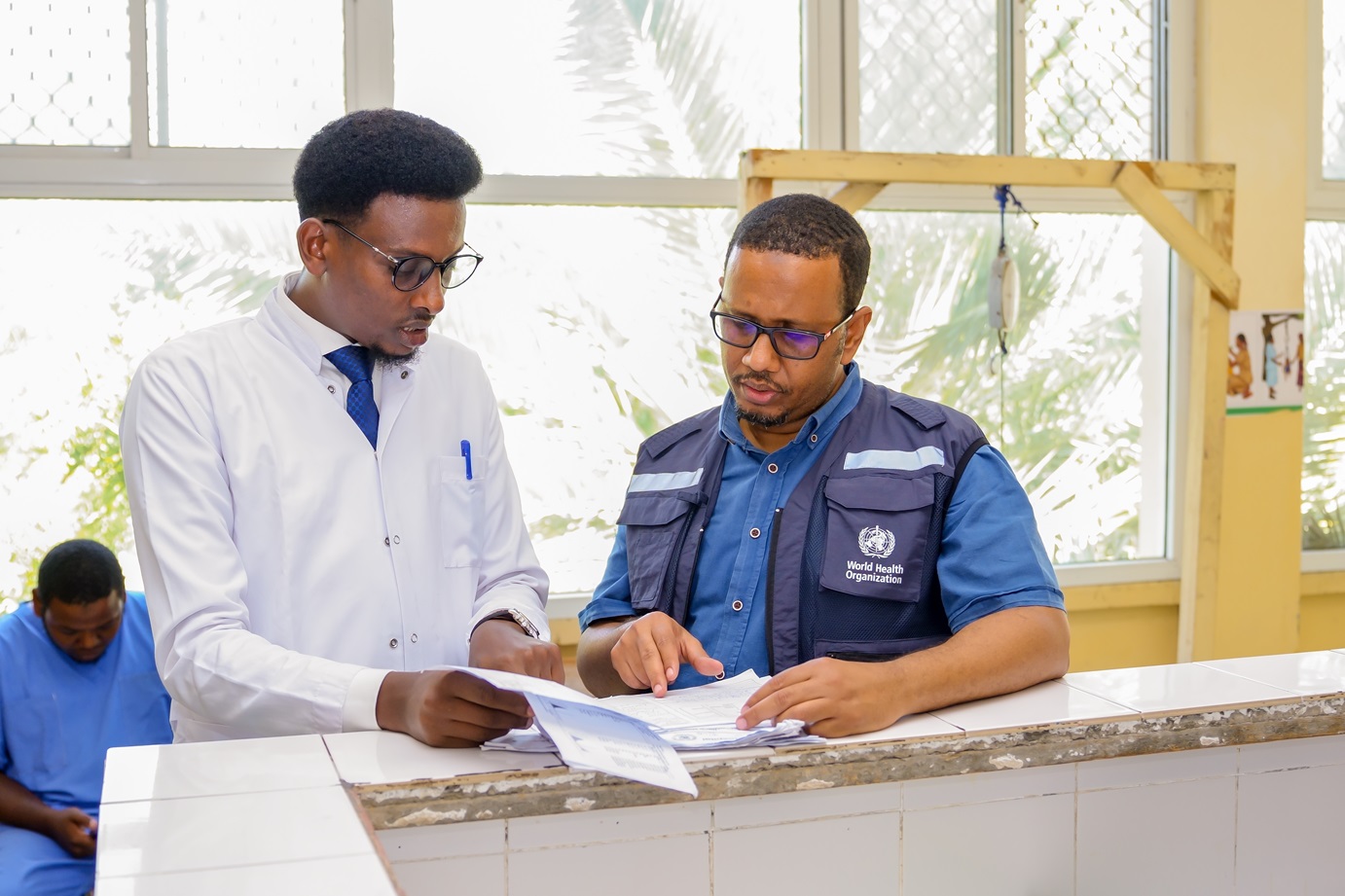 Timely access to essential medicines supports recovery and saves lives. For families struggling to feed their children amid drought and rising prices, finding free treatment here offers a rare sense of relief. “The medicines are critical because they address complications and play an important role in rehabilitation,” says Dr. Hashi. “They also prevent struggling mothers from having to search outside the hospital for treatment they could never afford.”
Supplies mean survival
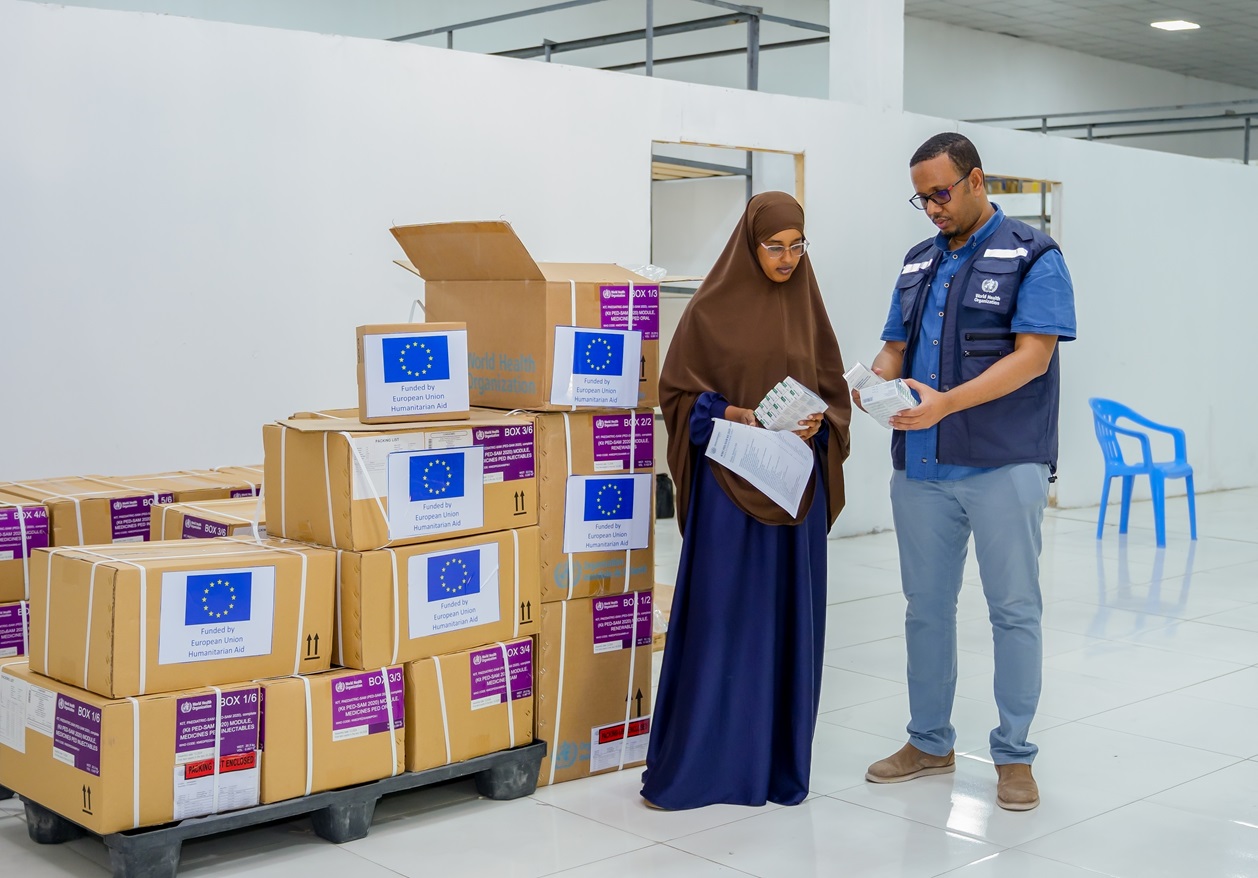
Inside the ward, treatment begins immediately with essential medicines supplied through the World Health Organization’s (WHO) paediatric severe acute malnutrition (PED/SAM) kits. Delivered with support from European Civil Protection and Humanitarian Aid Operations (ECHO), the kits are designed for inpatient care of severely acute malnourished children with medical complications.
“These medicines are essential for managing the most complicated cases,” explains Dr Abdulmunim Mohamed, Nutrition & Health Technical Focal Point, WHO Somalia. “They help prevent and treat life-threatening complications. Their timely use is crucial in reducing mortality and giving these children a chance to recover.”
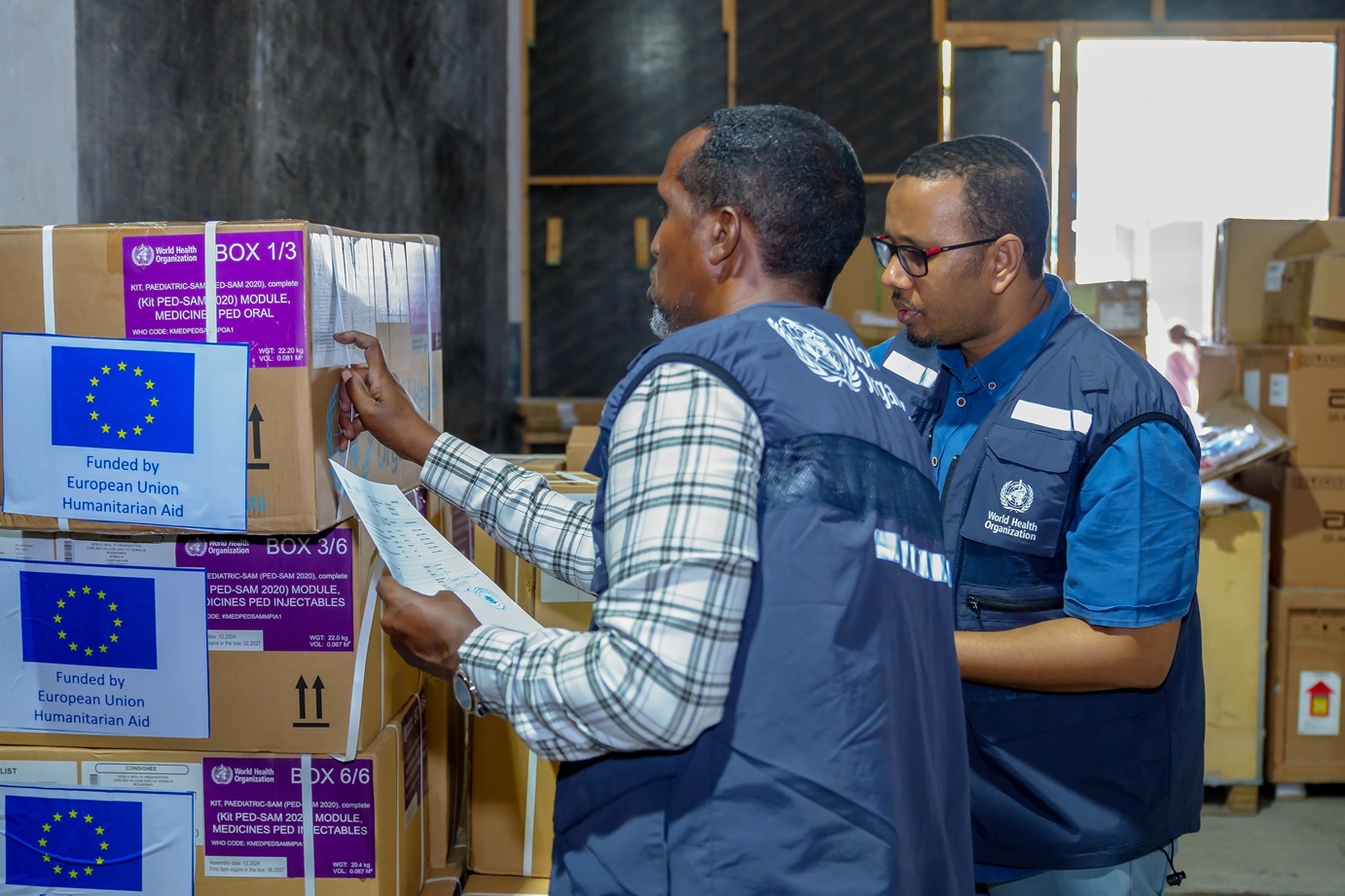 The supplies mean the difference between life and death for thousands of Somali children. According to Dr Abdulmunim, “ECHO’s support has been critical in saving lives today and strengthening systems for tomorrow, ensuring that Somalia’s most vulnerable children not only survive severe acute malnutrition but also access integrated health services that safeguard their long-term recovery.”
At Banadir hospital, the results are visible every day. Severely malnourished children who arrive on the edge of survival gradually regain strength. Family members, many exhausted from their own struggles with hunger, find hope in the knowledge that their children can recover. Parents who bring critically ill children to Banadir Hospital Stabilization Centre can trust that the Hospital is stocked with the essential medical supplies needed to provide quality treatment and reduce preventable child deaths.
ECHO’s contribution has been vital in ensuring that essential medicines reach families who would otherwise have had no access to them. “It is a programme we deeply appreciate,” Dr Hashi said. “Without it, many Somali children would not have survived.”
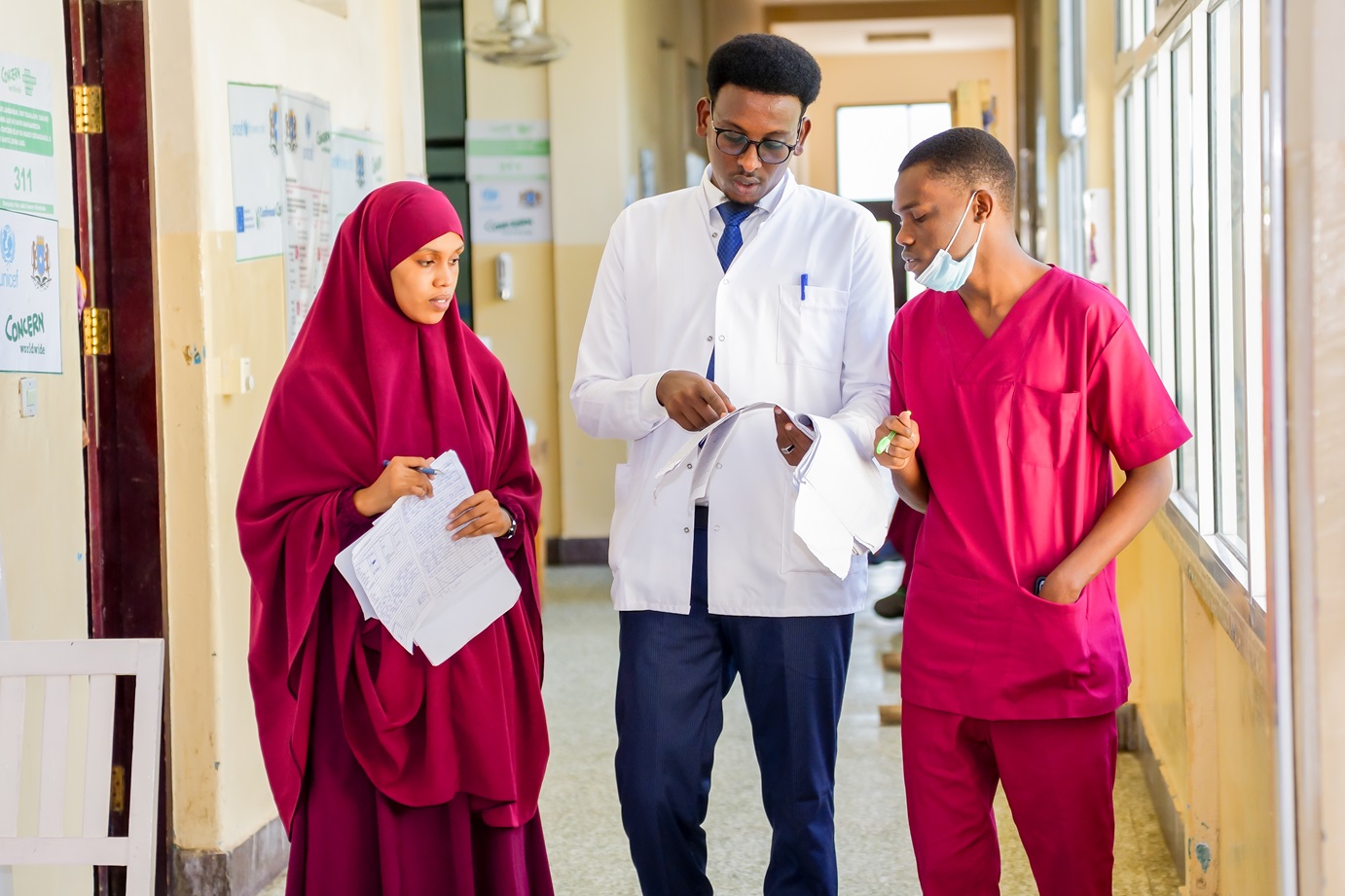 In Somalia, drought, diseases, conflict and poverty continue to put children’s lives at risk. For many, quick access to therapeutic food and medical care is the difference between life and death. With support from WHO and ECHO, thousands of children aren’t just being treated – they’re getting a chance to live, grow and thrive.
For more information, please contact:
Khadar Hared, Communication Officer, WHO Somalia
Tel: +252619800011
Email:
Kim Beentjes, External Relations Officer, WHO Somalia
Email:
Polio campaign reaches more than 1.5 million children in northern Somalia
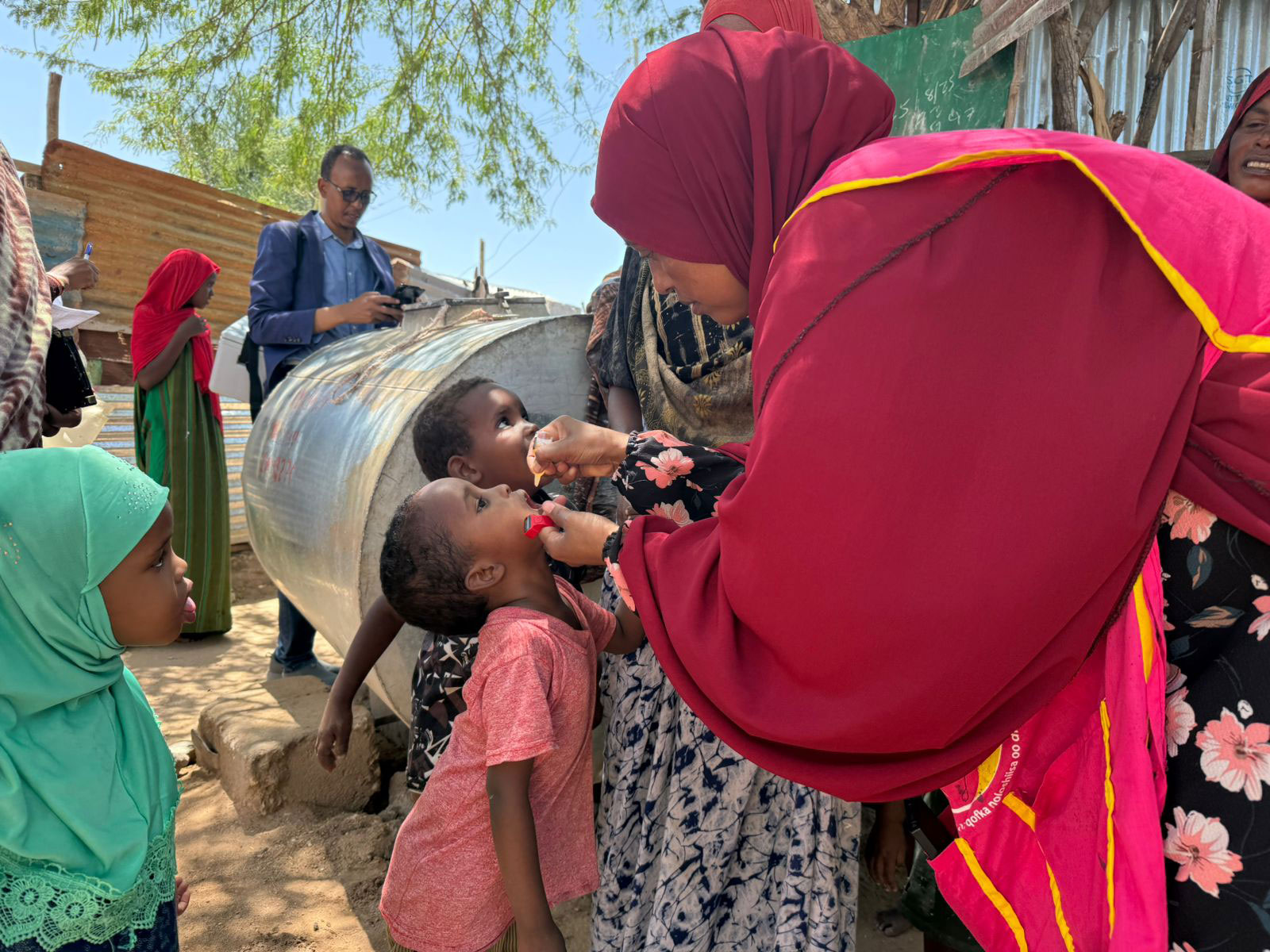 2 September 2025, Mogadishu, Somalia – More than 1.5 million children under 5 received the novel oral polio vaccine type 2 (nOPV2) in Somaliland and Puntland during the second round of a nationwide vaccination campaign.
The campaign – part of Somalia’s ongoing efforts to end polio once and for all – launched on 24 August in Somaliland, where health teams successfully vaccinated 852,000 children – from urban and remote rural communities – with nOPV2. In Puntland, the campaign began on 26 August and protected 676,000 children across all districts, including in hard-to-reach areas where access to health care is limited.
In both states, the campaign was led by the respective ministries of health, in collaboration with the World Health Organization (WHO), the United Nations Children’s Fund (UNICEF), and Global Polio Eradication Initiative (GPEI) partners. Ahead of the vaccination drive, frontline health workers were trained to administer the vaccine safely, maintain accurate records, and follow strict safety protocols, ensuring that every child reached was fully protected.
“We have not yet reached where we need to be, but we remain committed to eradicating polio,” said Dr Ahmed Jama, Director General of the Ministry of Health Development, Somaliland. “Vaccination is helping safeguard our children and prevent deadly outbreaks. The communities of Somaliland, especially parents, have worked hand in hand with us. Delivering vaccines to our children is vital. It strengthens public health, which in turn builds healthier, more educated and resilient communities. We will continue our awareness efforts to ensure that lifesaving messages reach every corner of Somaliland.”
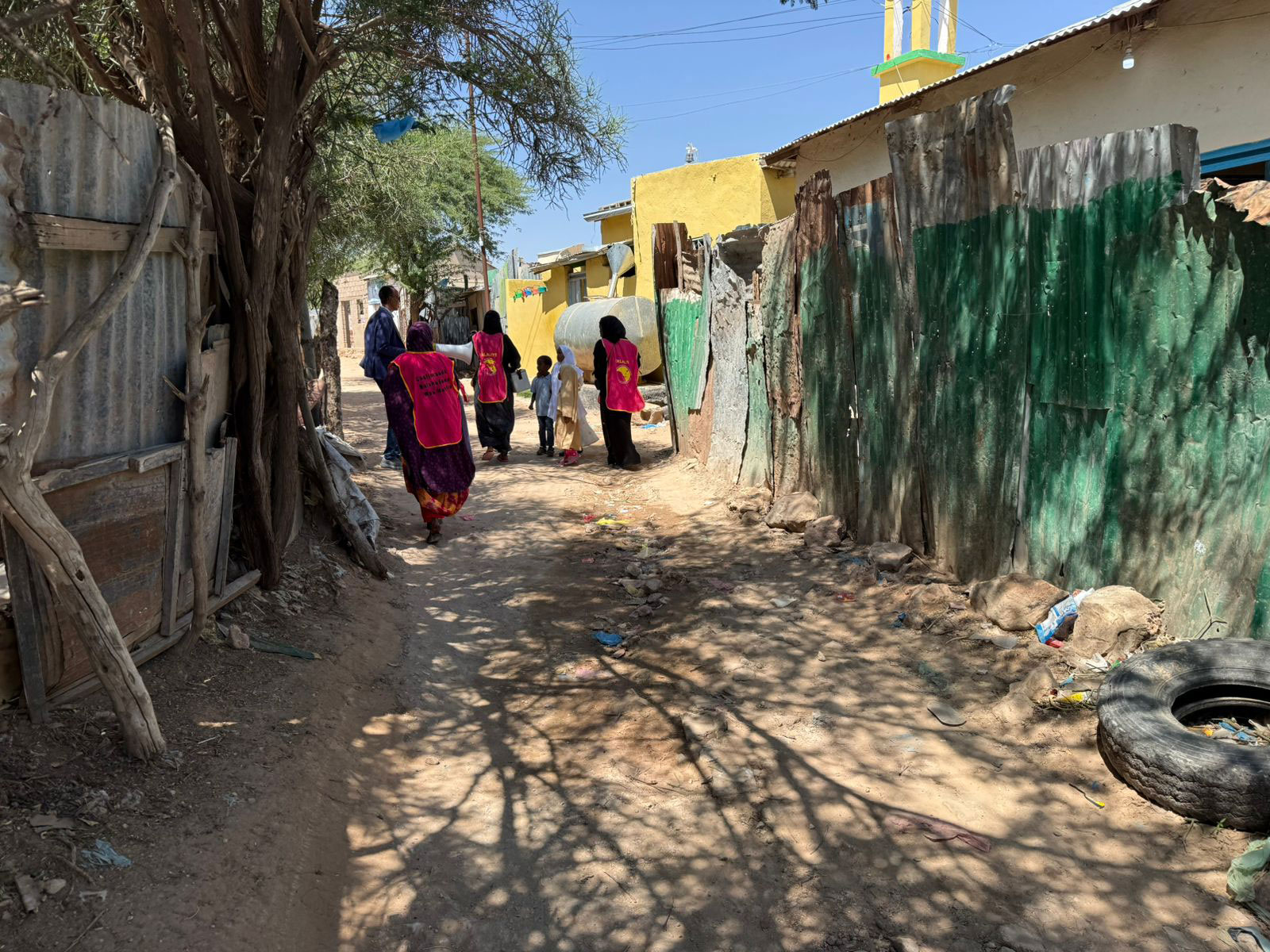 In addition to administering polio vaccines, the campaign strengthened routine immunization services and engaged communities to build trust, address concerns and raise awareness about the importance of immunization.
Similar polio campaigns, with ministries of health working closely with WHO and UNICEF, have been conducted in other Somalia’s states. So far in 2025, 3 rounds have been completed in southern and central states – a sub-national immunization round and 2 national immunization rounds – targeting around 2.7 million children under 5. These rounds have helped strengthen protection against polio while maintaining high levels of community awareness and trust.
Somalia’s progress in immunization extends beyond polio. In May 2025, Somalia successfully introduced the pneumococcal conjugate vaccine (PCV) and the rotavirus vaccine into its national immunization schedule. Together, these protect children against pneumonia and severe diarrhoea, 2 leading causes of death among Somali children under 5.
For more information, please contact:
Khadar Hared, Communication Officer, WHO Somalia
Tel: +252619800011
Email: