WHO EMRO
  • Sites régionaux
WHO EMRO
Sites régionaux de l’OMS
Afrique Afrique
Amériques Amériques
South-East Asia South-East Asia
Europe Europe
Eastern Mediterranean Eastern Mediterranean
Western Pacific Western Pacific
  • Accueil
  • Thèmes de santé
  • Données et statistiques
  • Centre des médias
  • Ressources
  • Pays
  • Programmes
  • À propos de l'OMS
Recherche Recherche

Recherche

- Tous les mots: renvoie uniquement les documents correspondant à tous les mots.
- N'importe quel mot: renvoie les documents correspondant à n'importe quel mot.
- Phrase exacte: renvoie uniquement les documents qui correspondent à la phrase exacte saisie.
- Préfixe de phrase: fonctionne comme le mode Phrase exacte, sauf qu'il permet des correspondances de préfixe sur le dernier terme du texte.
- Wildcard: renvoie les documents qui correspondent à une expression générique.
- Requête floue: renvoie les documents contenant des termes similaires au terme de recherche. Par exemple : si vous recherchez Kolumbia. Il renverra les résultats de recherche contenant la Columbie ou la Colombie.
  • Site mondial
  • Sites régionaux
    Sites régionaux de l’OMS
    • Afrique Afrique
    • Amériques Amériques
    • Asie du Sud-Est Asie du Sud-Est
    • Europe Europe
    • Méditerranée orientale Méditerranée orientale
    • Pacifique occidental Pacifique occidental
Recherche Recherche

Recherche

- Tous les mots: renvoie uniquement les documents correspondant à tous les mots.
- N'importe quel mot: renvoie les documents correspondant à n'importe quel mot.
- Phrase exacte: renvoie uniquement les documents qui correspondent à la phrase exacte saisie.
- Préfixe de phrase: fonctionne comme le mode Phrase exacte, sauf qu'il permet des correspondances de préfixe sur le dernier terme du texte.
- Wildcard: renvoie les documents qui correspondent à une expression générique.
- Requête floue: renvoie les documents contenant des termes similaires au terme de recherche. Par exemple : si vous recherchez Kolumbia. Il renverra les résultats de recherche contenant la Columbie ou la Colombie.

Sélectionnez votre langue
  • اللغة العربية
  • English
WHO EMRO WHO EMRO
  • Accueil
  • Thèmes de santé
  • Données et statistiques
  • Centre des médias
  • Ressources
  • Pays
  • Programmes
  • À propos de l'OMS
  1. Initiative pour un monde exempt de poliomyélite
  2. Actualités
  3. Somalia site
  4. Information resources
  • Initiative pour un monde exempt de poliomyélite
    • Pays prioritaires
    • À propos de l’éradication
    • Ressources d’information
    • Actualités
    • À propos de l’OMS

Article management dashboard

Create and article

View your pages

Logout

Case studies

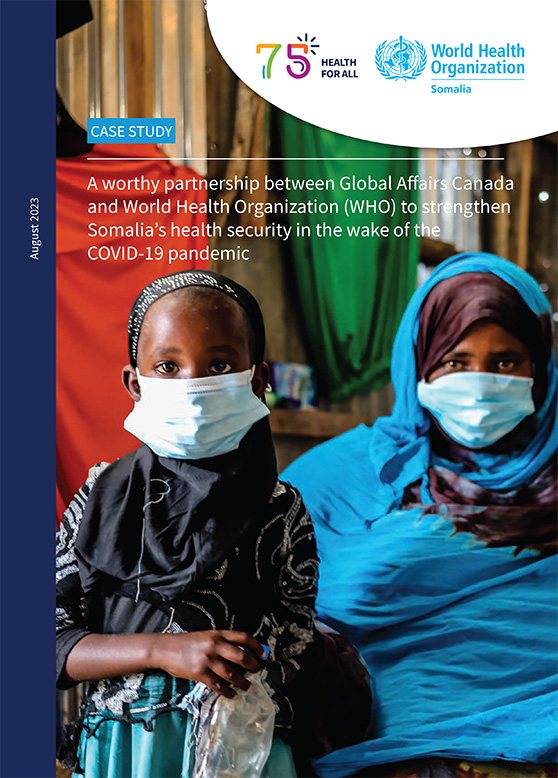
Case study-August 2023
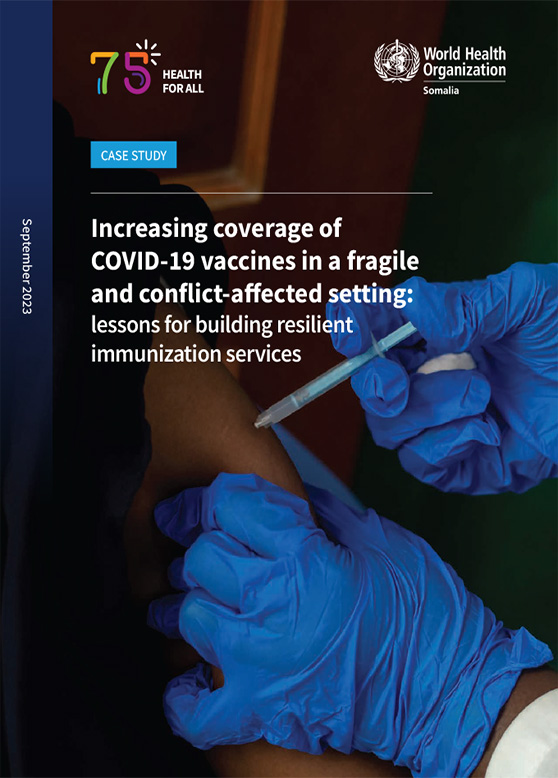
Increasing coverage of COVID-19 vaccines in a fragile and conflict-affected setting: lessons for building resilient immunization services
Case study-August 2023
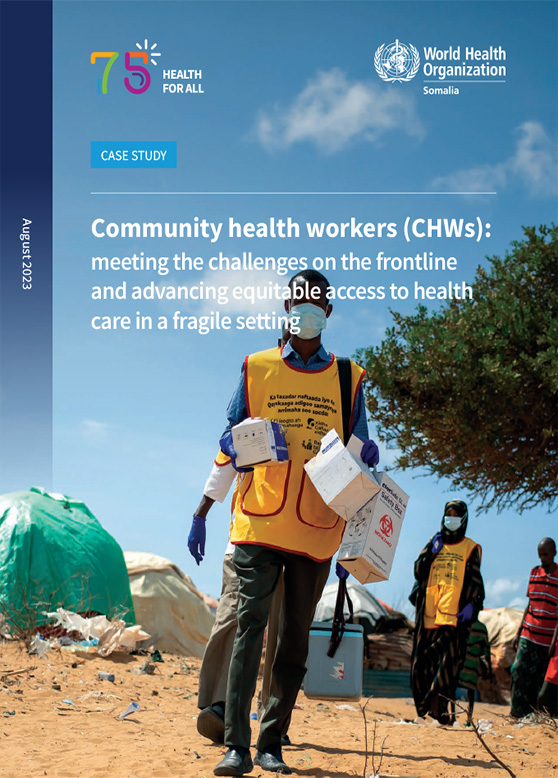
Community health workers (CHWs): meeting the challenges on the frontline and advancing equitable access to health care in fragile setting
Case study-August 2023
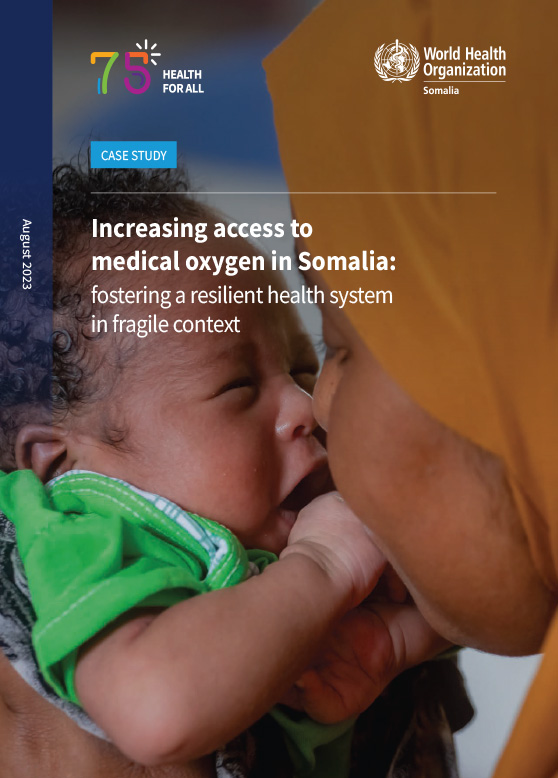
Increasing access to medical oxygen in Somalia: fostering a resilient health system in fragile context
Case study-August 2023
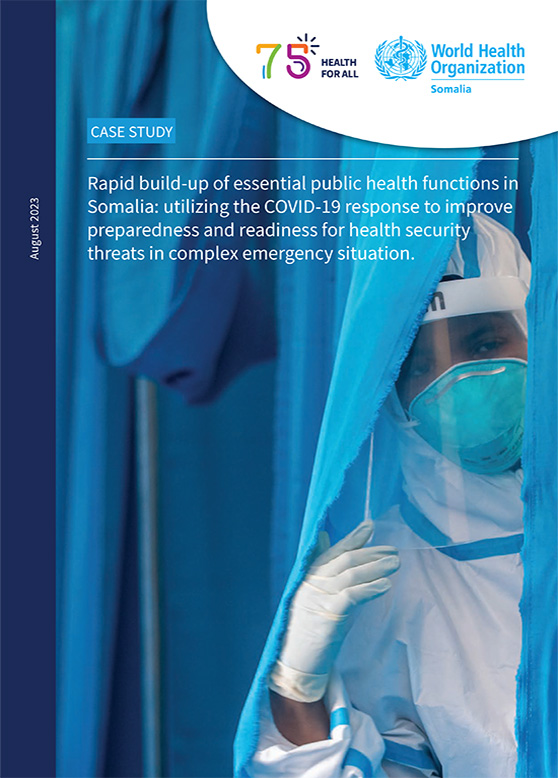
August 2023
Case study-August 2023
August 2023
Case study-May 2022
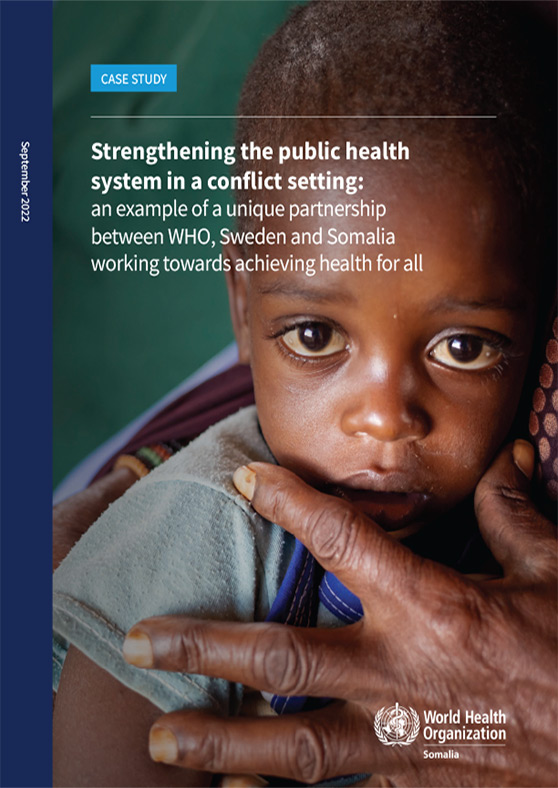
September 2022
Case study-May 2022
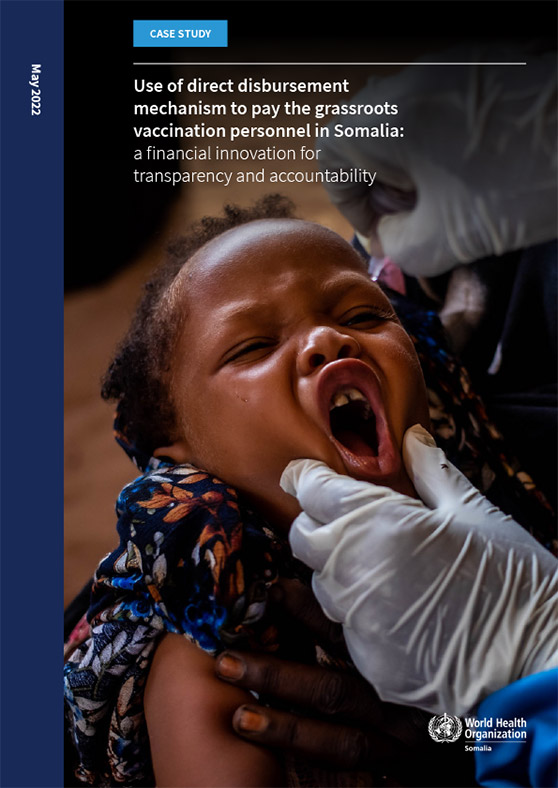
May 2022

WHO's response to COVID-19 in Somalia

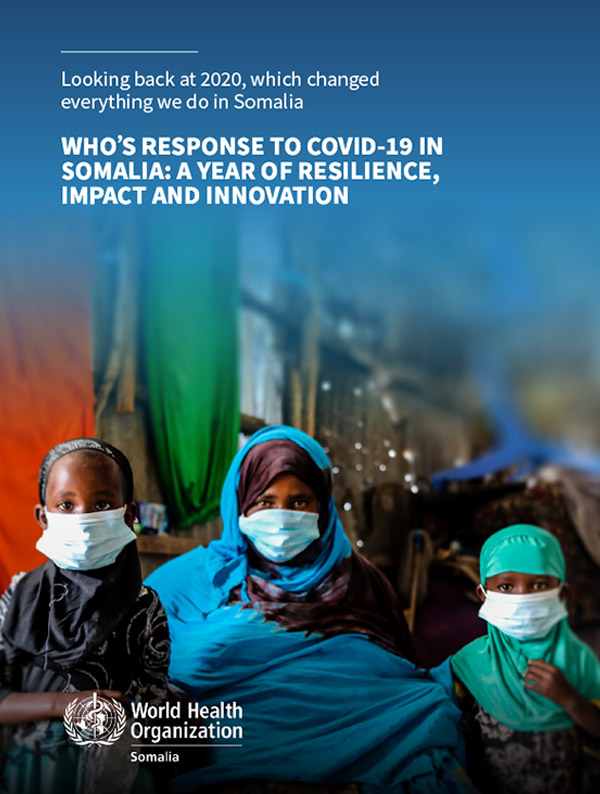
WHO's response to COVID-19 in Somalia: a year of resilience, impact and innovation
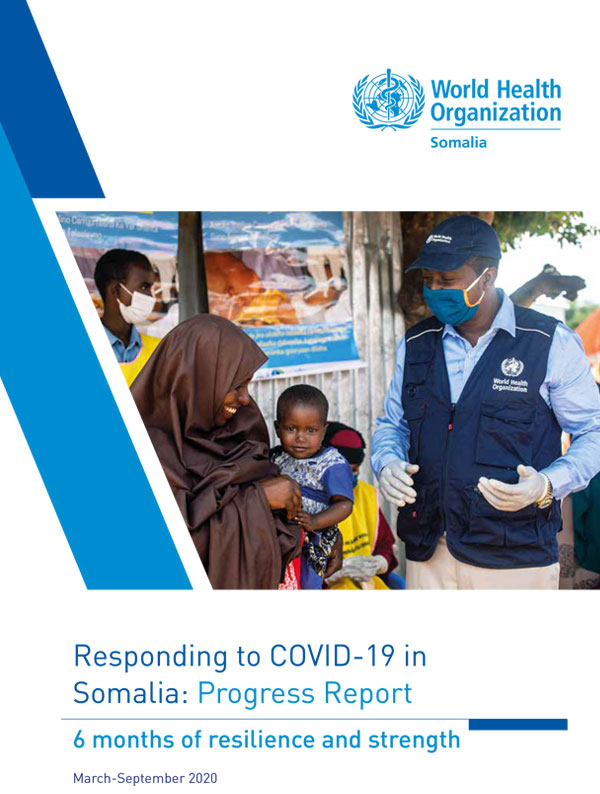
Responding to COVID-19 in Somalia: Progress Report
Responding to COVID-19 in Somalia: Progress Report, 6 months of resilience and strength

WHO’s work in Somalia for COVID-19 response

Looking back at 2020, which changed everything we do in Somalia

WHO’s response to COVID-19 in Somalia was a year of resilience, impact and innovation. As Somalia marked one year since the first case of COVID-19 was laboratory-confirmed in Somalia, this photo story depicts the work of WHO in Somalia showcasing how the Organization supported the Government and its other health partners to save lives and protect the people in a very fragile, complex and vulnerable setting with determination, courage and commitment. The whole of WHO’s country office staff worked tirelessly respecting their duty of care to combat this epidemic. They were deployed throughout the country even in areas not easily accessible for responding to this greatest ever public health crisis in the history of Somalia. This photo story is a tribute and reflection of the work done by WHO country office in Somalia supporting the Government and other health partners in responding to the COVID-19 pandemic in 2020.
1 / 10

Detecting and testing for COVID-19: racing against time

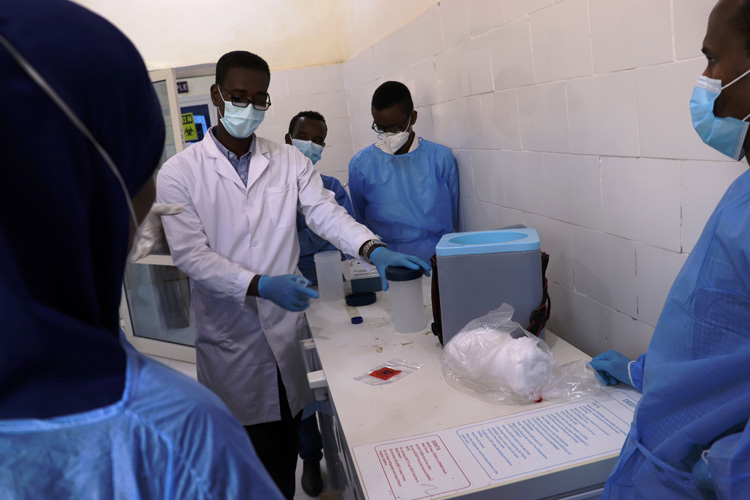
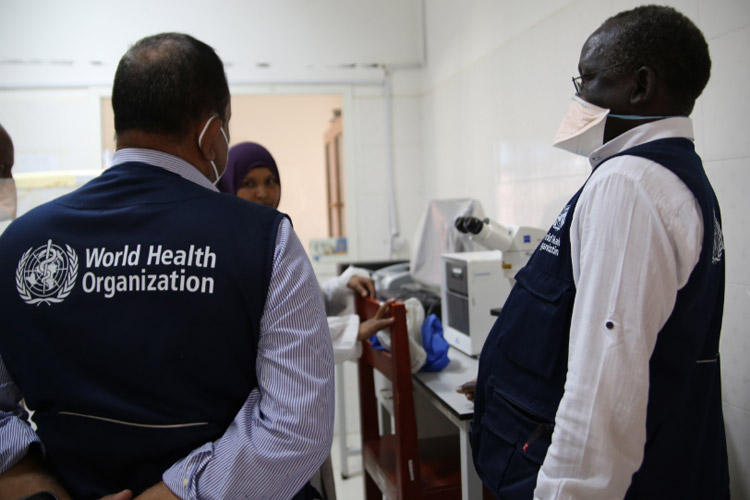
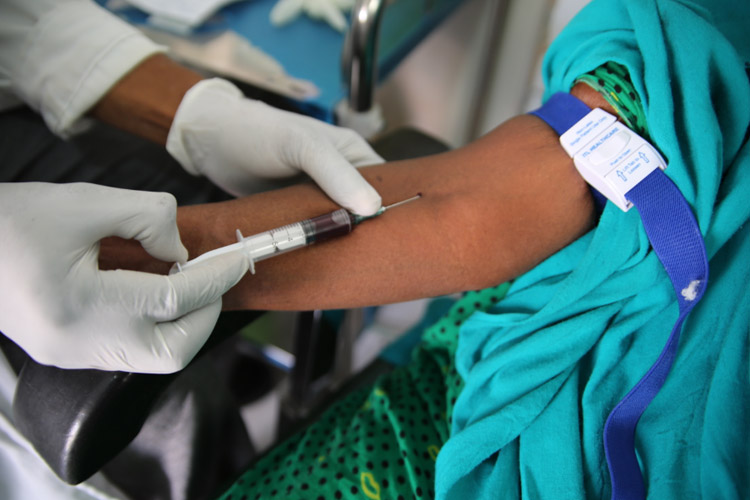
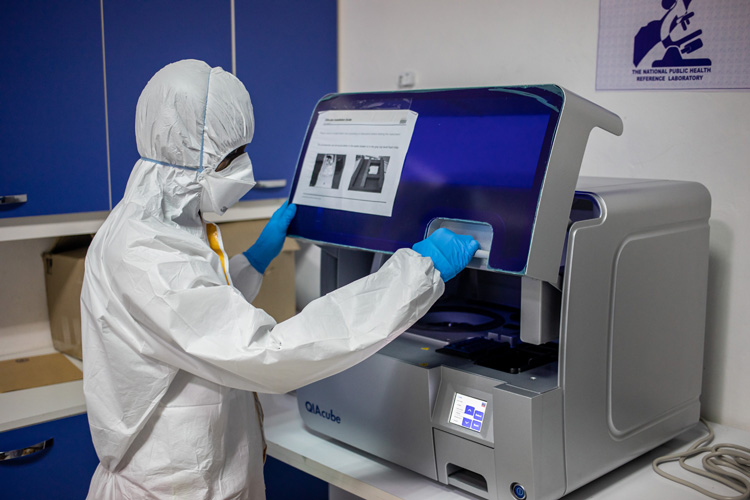
In early 2020, when the country reported its first case of COVID-19, Somalia found itself in a race against time as the country did not have a single laboratory with the capacity to conduct any molecular test to diagnose cases. In a matter of weeks, WHO joined forces with Somalia’s Federal Ministry of Health and Human Services and other partners to procure, install and operationalize real-time reverse transcription polymerase chain reaction (RT-PCR) testing in 3 public health laboratories (in Mogadishu, Garowe and Hargeisa) to test for and identify COVID-19 virus – a critical need as part of WHO’s strategy to “test, trace, track and treat” COVID-19. This catalytic support of WHO encouraged other partners and the Government to set up 3 more laboratories with the capacity for real-time RT-PCR testing across the country. In addition, the capabilities of 21 tuberculosis detection centres were enhanced by providing testing cartridges for GeneXpert machines to enable them to test for COVID-19. WHO continues to support the 24 testing laboratories that have been set up across the country for COVID-19 with recurrent laboratory supplies such as PCR testing kits, reagents, sample collection kits, external quality assurance programme. During last year, with WHO’s continued operational, financial and technical support, the country tested over 135 000 samples (13 tests/1000 populations and 10–13 tests per one laboratory-confirmed case).

2 / 10

Tracing and tracking: linking community with health system

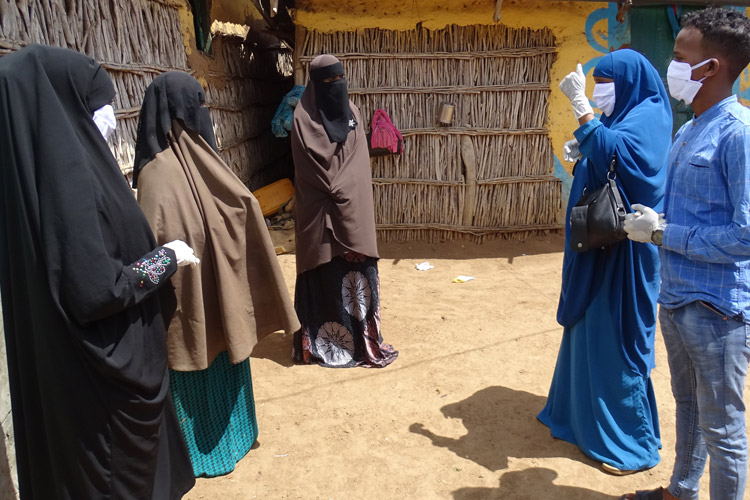
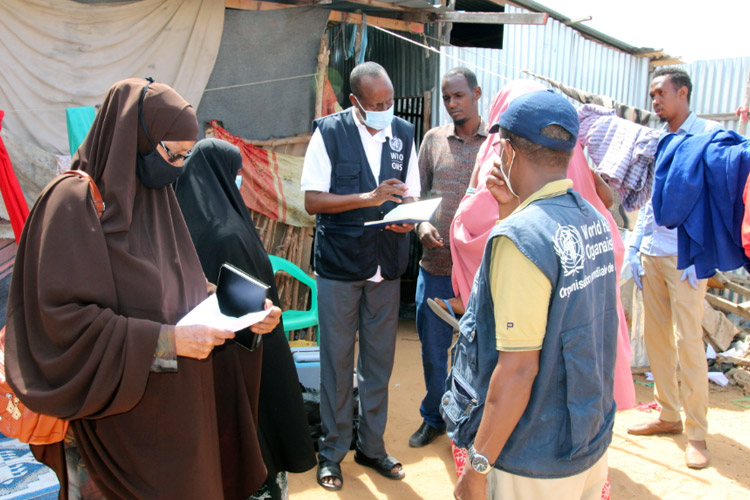
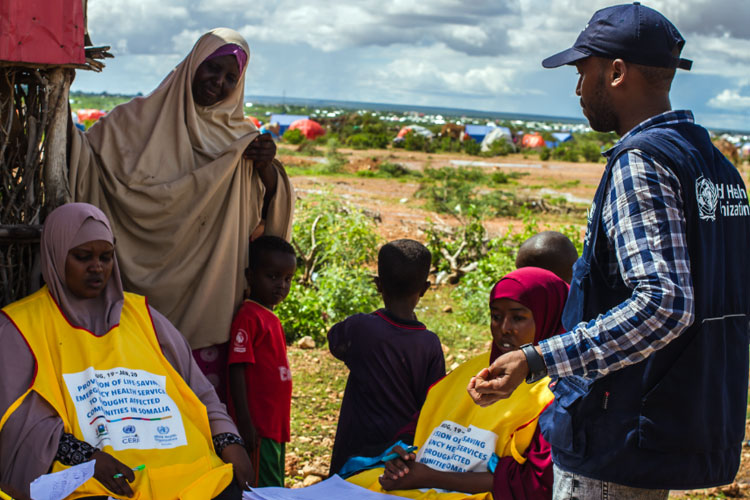
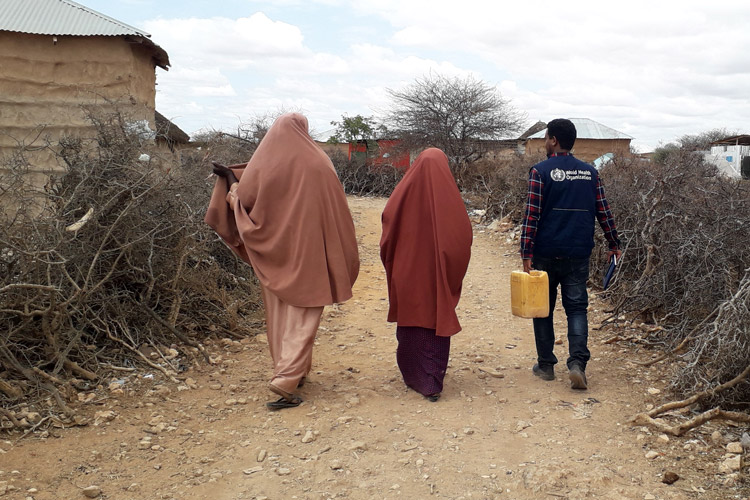
During last year, WHO deployed 3327 community health workers in 51 high-risk districts. They were at the heart of WHO’s strategy to test, trace, track and treat COVID-19 in Somalia, especially in remote locations that usually remain cut off owing to distance or security situations. These community health workers were a vital cog in the country’s surveillance and response system linking communities and health facilities by identifying suspected cases and referring them for testing and treatment. Trained by WHO, these workers have used their skills to detect and identify suspected cases by asking household members in the community about COVID-19 symptoms, and to communicate health knowledge on prevention and mitigation measures. During last year, these community health workers visited 4.4 million households in the country and detected about 43% of all the 9222 laboratory-confirmed cases reported by the country at the end of 2020. During the same time, they have followed up 16244 individuals at their home as part of their contact tracing activities.

3 / 10

Shipping and transporting of samples: no deterrence despite inaccessibility

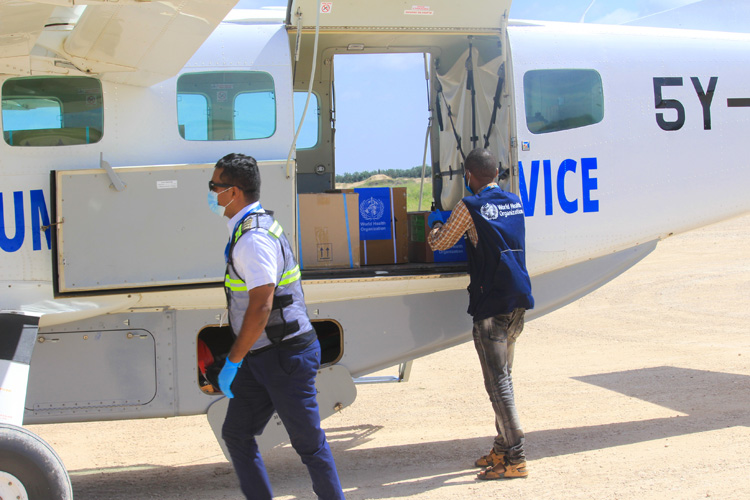
Owing to the geographic vastness of the country, poor road infrastructure and security concerns, transportation of COVID-19 samples from the remote locations to the testing laboratories were a real challenge. Timely testing and early diagnosis were important for case detection, contact tracing and “quarantine” of laboratory-confirmed cases to reduce transmission. WHO overcame this challenge by distributing COVID-19 sample collection to the remote and peripheral location and also arranging for their speedy shipment and transportation to the designated testing laboratory by deploying chartered flights, as well as using regular humanitarian flights operated by the UN Humanitarian Air Services (UNHAS). During 2020, WHO deployed 14 952 sample collection kits in areas that are not easily accessible and also supported financially to ship 5000 samples using chartered or regular flights from these areas to the designated laboratories.

4 / 10

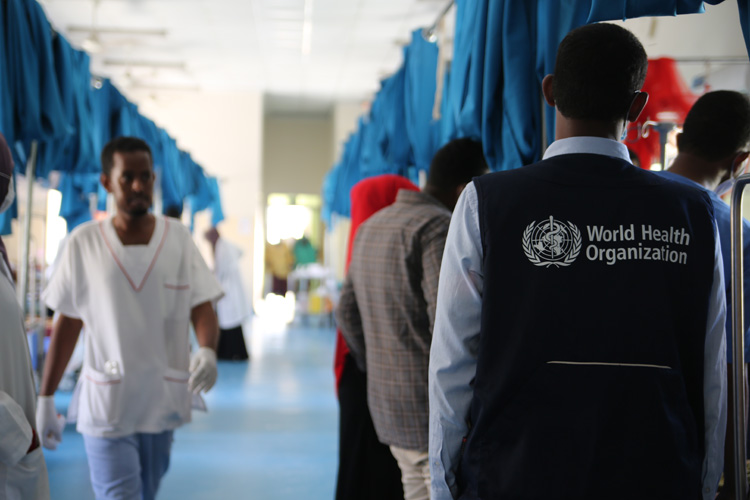
Treating for COVID-19: equipping treatment centres with oxygen

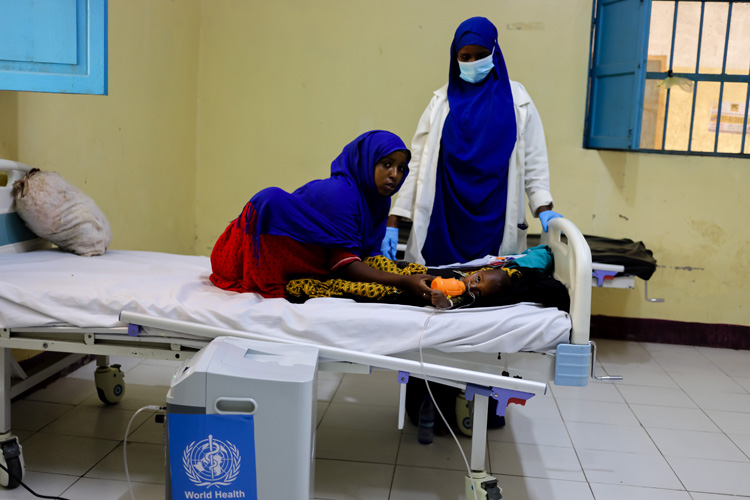
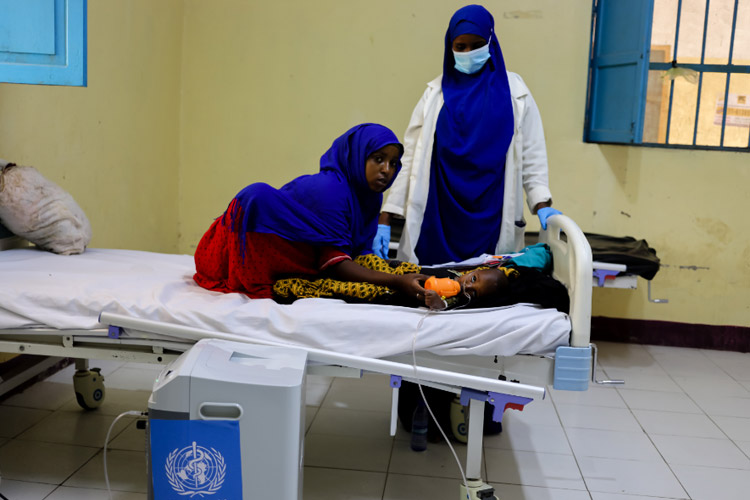
When the first laboratory-confirmed case of COVID-19 was reported in Somalia in March 2020 and the outbreak was spreading rapidly across the country, there were no functioning treatment centres in the country specialized for the treatment of COVID-19, and none of the public sector hospitals in Somalia had medical oxygen available. WHO Somalia worked with the country’s health authorities and partners to ensure functional COVID-19 treatment centres were put in place throughout the country. WHO supported the establishment of 19 such treatment centres and equipped them with supplies to protect health care workers and treat COVID-19 patients, including providing 68 medical oxygen concentrators, refillable oxygen cylinders and non-invasive ventilators. WHO also trained over 8571 health care workers on COVID-19 treatment and case management. As of March 2021, 1320 patients with COVID-19 had received treatment from these centres. WHO also supported the operational cost of these centres to ensure they functioned effectively.

5 / 10

Maintaining essential health services: protecting the precious health gains

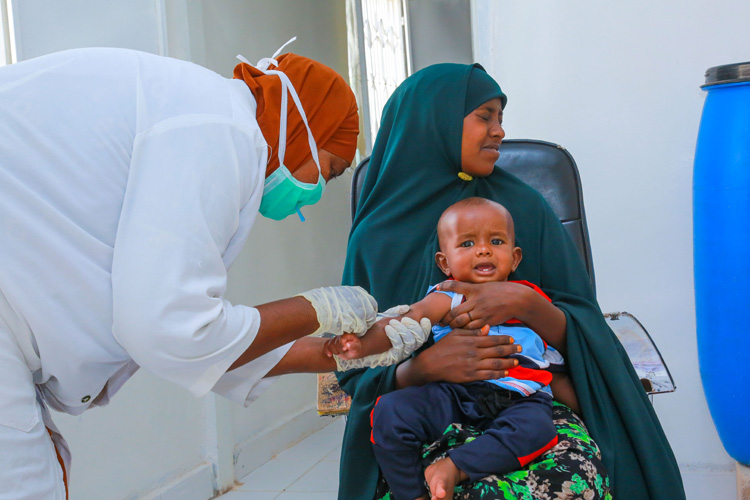
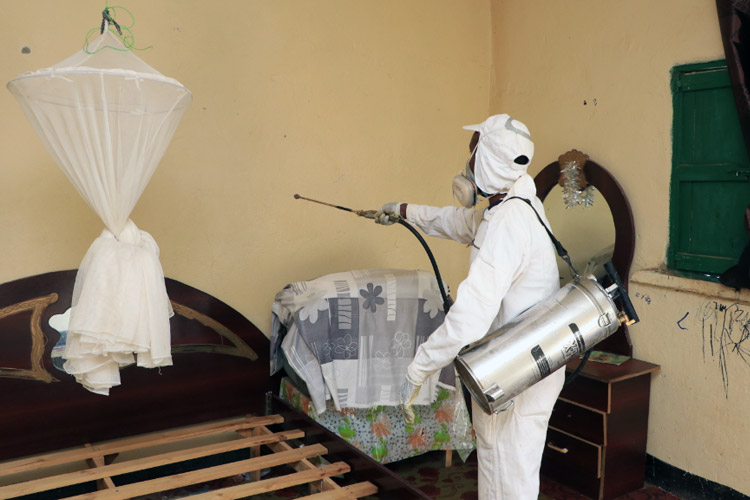
The COVID-19 pandemic severely strained the fragile health system in Somalia. The lockdown and the social distancing measures imposed to contain the virus also raised fear among health care workers about providing other routine essential health care, such as immunization for children, care of pregnant and lactating women, as well as care for malnourished children. As a result, the COVID-19 pandemic potentially risked reversing some health gains. The WHO country office, in partnership with UNICEF, United Nations Family Planning Association and other partners augmented essential health care services, which allowed immunization services, essential newborn care, care for pregnant and lactating women and other routine primary health care services to resume normally in the midst of the pandemic. While the outbreak was unfolding, WHO’s efforts in maintaining essential health services protected 407 956 children from 6 months to 5 years against measles, 459 456 children under 5 years from polio through conducting an integrated campaign in the midst of the pandemic. 99 085 people living in 20 489 households were protected against malaria by indoor residual spraying, In June 2020, mass drug administration against schistosomiasis, conducted together with deworming, protected about 3.18 million people (2.78 million children and 0.4 million adults) and WHO and UNICEF supported health authorities to distribute almost 1.3 million long-lasting insecticidal nets to households, which contributed to protecting of an estimate 2.6 million people.

6 / 10

Translating knowledge into action: influencing evidence-informed policies

A key COVID-19 lesson was that context-specific health research, policies and practices are needed even in low-resource settings, not only to better understand the unknowns but to bridge knowledge gaps in such settings, which can contribute to the global public good by providing evidence on what works better in such settings and improve context-informed responses. The use of evidence from fragile countries such as Somalia to guide appropriate policy will go a long way to influence decisions that will contribute to improved health outcomes, realization of universal health coverage (UHC) and achievement of the Sustainable Development Goals. The WHO country office in Somalia, in collaboration with the health ministries, other international agencies and national and international academic institutions has supported 9 research studies during 2020 as part of its response to COVID-19. Out of these research activities 2 manuscripts were published in peer-reviewed medical journals and 3 policy briefs were also published to influence appropriate policy setting on the basis of these research findings.

7 / 10

Driving innovation: using solar powered oxygen concentrators to save lives

When the first laboratory-confirmed case of COVID-19 was reported on 16 March 2020 in Somalia and the outbreak was raging across the country, none of the public sector hospitals in Somalia had medical oxygen available. Driven by the dire need for pure, high-grade medical oxygen, WHO country office developed a road map for bridging medical oxygen access gaps in the country. As part of this road map, the WHO country office installed the solar-powered oxygen concentrators in the Hanaano General Hospital, Dusamareb in Galmudug State, early in February 2021, which is the first of such innovation in the country. WHO collaborated with Grand Challenge Canada (GCC), one of the innovation funders on this intervention. This oxygen system which is solar powered and operates 24/7 has helped patients suffering from birth asphyxia, pneumonia, COVID-19, major trauma (gunshots, road accidents), shock and comatose, cardiovascular problems such as cardiac failure, and asthma since installation. The majority, over 90% of the patients including children who received medical oxygen from this site since is installation in February 2020, survived. The implementation of this innovative solution is also coupled with research supported by the UNICEF/UNDP/World Bank/WHO Special Programme for Research and Training in Tropical Diseases (TDR) to gather evidence of the system’s feasibility, utilization, cost-effectiveness and survival in a complex context like Somalia.

8 / 10

Engaging donors: building and strengthening partnerships

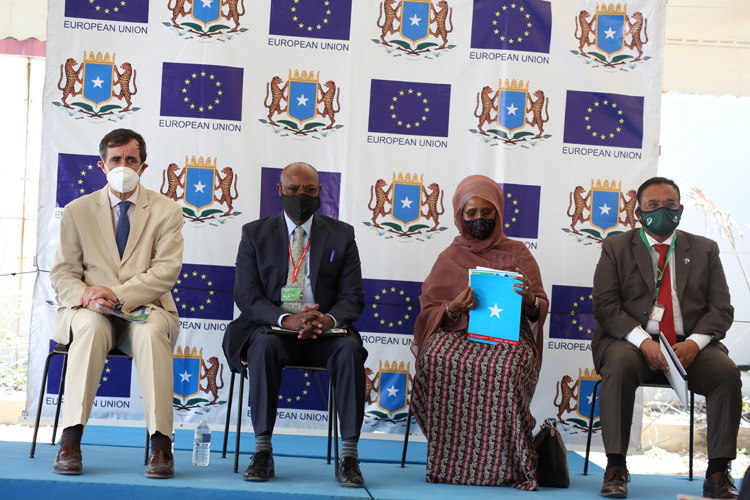
WHO actively reached out to its traditional and non-traditional donors for resource mobilization to support its strategic preparedness and response plan. Timely support from and continued collaboration with donors, including through regular participation of WHO in the Somali Health Donor Group, have remained the foundation of WHO Somalia’s efforts to respond efficiently and effectively to COVID-19. Between March 2020 and March 2021, contributions from donors amounted to about US$ 23.4 million, which allowed WHO Somalia to work with health authorities and other partners to control, limit and contain the spread and impact of COVID-19 in Somalia. During 2020, WHO also signed 14 financial and one non-financial donor agreement to support WHO’s covid-19 response work in Somalia.

9 / 10

Informing risk: using social media for effective communication

Risk communication, in its different forms, has been a priority component of WHO’s response to the COVID-19 outbreak in Somalia. Risk communication, in its different forms, were used to mitigate the effect using from one-on-one awareness raising session on COVID through community health care workers, to radio broadcast, and posting of technical messages on social media. Over the last year, health messages on prevention and mitigation of risk from COVID-19 were delivered to 4.4 million households through house-to-house visits, 53 joint situation reports were published by WHO and the Federal Ministry of Health and Human Services 35 short risk communication videos were produced for social media and 355 tweets on risk communication messages were posted with over 2 million impressions.

10 / 10

Recovering from pandemic: growing optimism and hopes

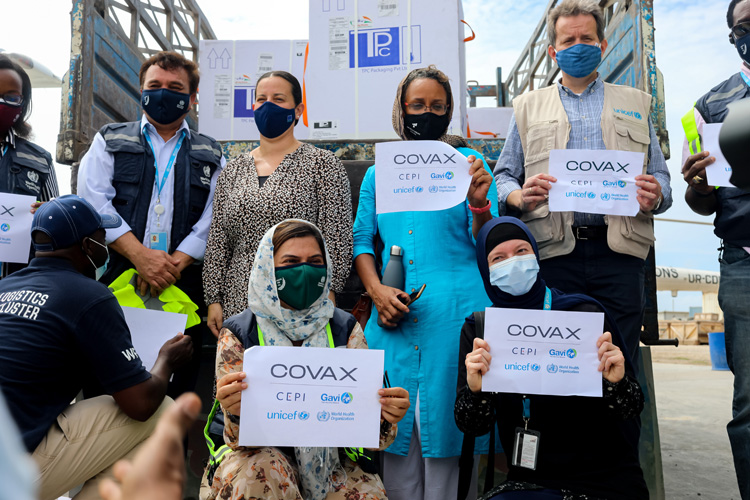
As the country shows signs of recovery from the effects of one of the worst ever public health crisis and turns the tide against COVID-19, WHO and UNICEF supported the Government to secure 1.2 million doses of the Oxford-Astra-Zeneca vaccine to vaccinate frontline workers, the elderly population and people with chronic health conditions, who comprise 3% of the population. In phases, the country is expected to receive additional vaccines to cover 20% of its population. On 15 March 2021, the day of one year of COVID-19 in Somalia, the country received 300 000 doses of the Oxford-Astra Zeneca vaccine, supplied by the COVAX Facility, as part of a first phase to protect frontline workers and elderly people with chronic health conditions. The country rolled out the COVID-19 vaccines on 16 March as optimism grew that ending the outbreak in the country is now possible.

❮ ❯

Working with vulnerable communities to build a safe environment for promoting health for all

World Environment Day – 5 June 2021

1 / 8

© WHO/Fouzia Bano/Hargeisa

On 5 June every year, the world commemorates World Environment Day. This year, the theme for World Environment Day is ‘ecosystem restoration.’

Today, the World Health Organization (WHO) is exploring ways in which the physical environment impacts people’s health in Somalia and describes some of the ways in which WHO is working to help Somalis cope with environmental challenges. WHO also aims to encourage policy-makers, communities and other partners to consider ways in which they can restore the environment and improve people’s well-being.

2 / 8

© WHO/ Abdirahman Aden Shire/ Qardho

The environment and community health and well-being are inextricably interlinked in any country. As such, the environment is a determinant of health.

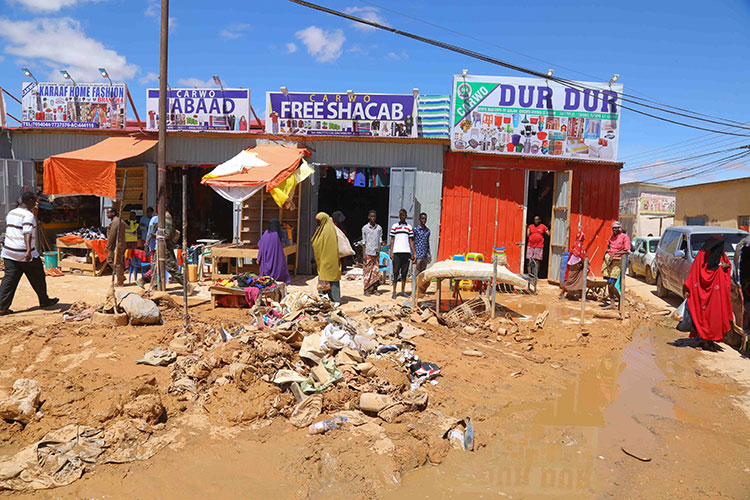
In Somalia, physical components of the environment that affect a majority of communities include climate changes. Extreme climatic changes have resulted in recurrent drought and floods, which have had severe consequences on people’s livelihoods and health.

Heavy rains -- that start upstream -- cause the main rivers in Somalia to flood and affect infrastructure. Conversely, inadequate rains affect crop production – a main source of livelihood in Somalia.

3 / 8

© WHO/Mukhtar Isak Hussein/Bosasso

While drought leads to malnourished children and adults with compromised immunity, floods often exacerbate the spread of waterborne diseases that are transmitted through water. These include cholera, salmonella-related bacterial infections and various strains of polio, among other diseases.

Floods also increase the spread of vector-borne diseases, such as malaria, chikungunya, leishmaniasis, lymphatic filariasis, onchocerciasis and schistosomiasis.

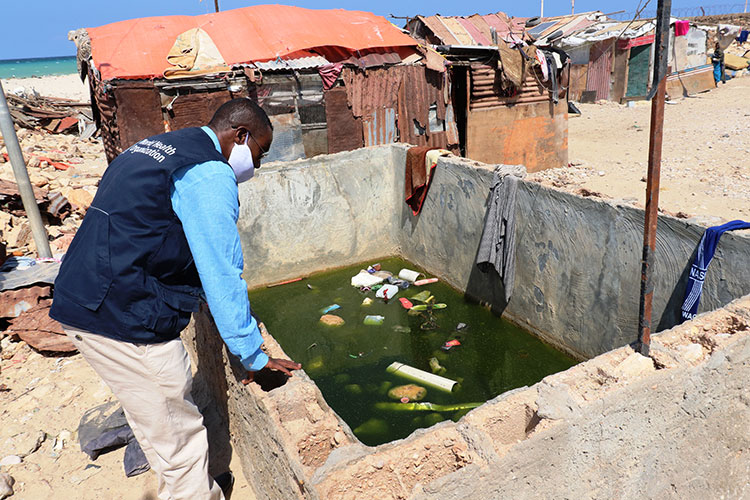
Somalis have limited access to safe drinking-water, which in developed countries is usually provided by the Government or municipality.

4 / 8

© WHO/Ismael Taxta/Mogadishu

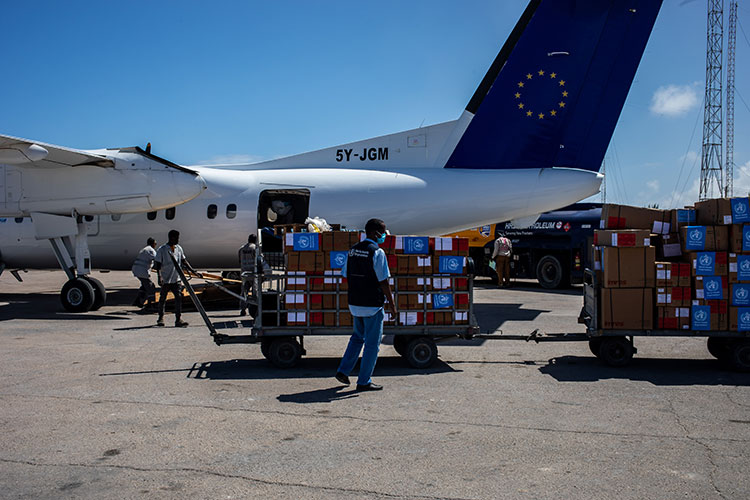
As part of disaster preparedness and response interventions WHO collaborates with partners, donors and other agencies to provide emergency medical supplies, such as test kits, cholera kits, emergency kits and laboratory supplies to Somalis.

To prepare for and respond to recurring emergencies, from 2019 onwards, for instance, the European Delegation to Somalia provided timely support to airlift emergency supplies to various parts of the country.
5 / 8

© WHO/Ismael Taxta/Mogadishu

Technical teams from WHO train community health workers in case management of diseases, and infection prevention and control measures, with a view to developing their capacity to address and prevent diseases in the long run.

In addition to building the capacity of health personnel, WHO works to build community capacity to look after their families and stop the spread of diseases.

6 / 8

© WHO/Jowhar

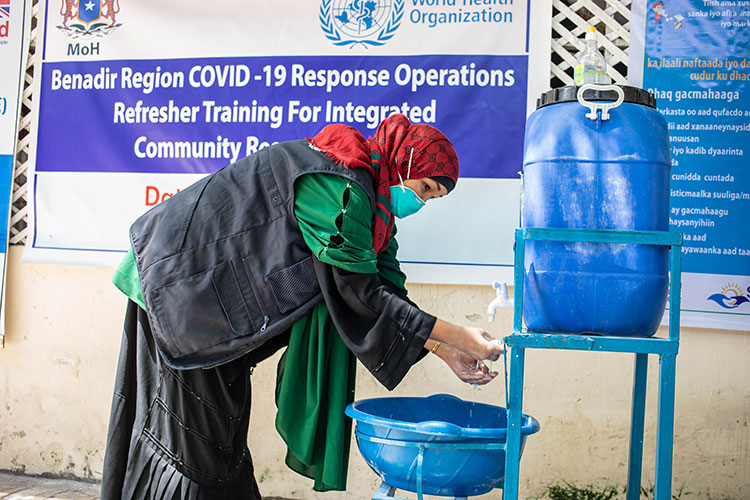
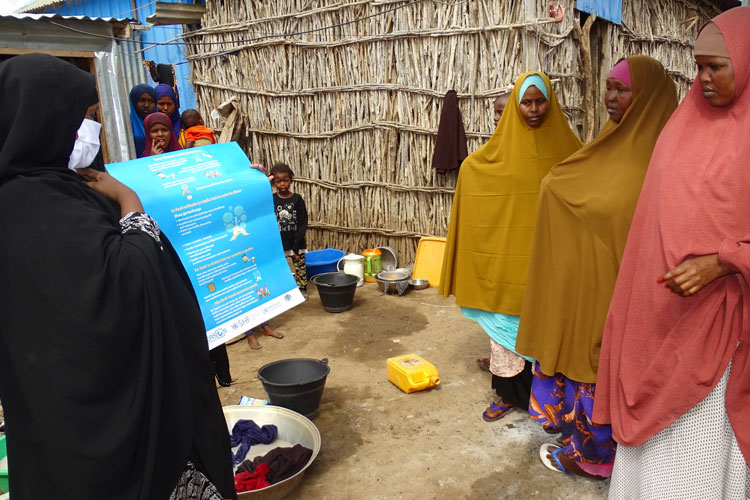
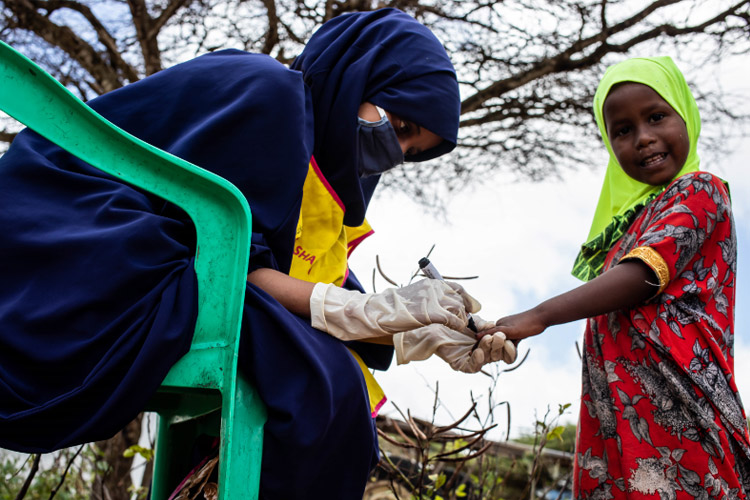
Community health workers visit households in Somalia on a daily basis to raise awareness around disease prevention. These teams comprise trusted members of the community and women who can access households easily to speak to other women about disease control and prevention measures that families can take.

As a community health worker explains, simple measures such as proper handwashing can reduce the number of deaths associated with diarrhoeal diseases by half.

7 / 8

© WHO/Mogadishu/Ismael Taxta

As part of several consignments of emergency supplies, WHO regularly issues hygiene kits to families in parts of Somalia, with support from donors and partners. These kits comprise simple hygiene and sanitation supplies that families need in their daily lives.

However, there is still a need to increase access to safe water and sanitation. In 2017, just above (52%) of the Somali population had access to improved drinking-water and 38% had access to improved sanitation facilities. Additionally, there are stark inequalities between access to safe water among nomadic and rural populations and people living in urban areas.

8 / 8

© WHO/Banadir/Ismael Taxta

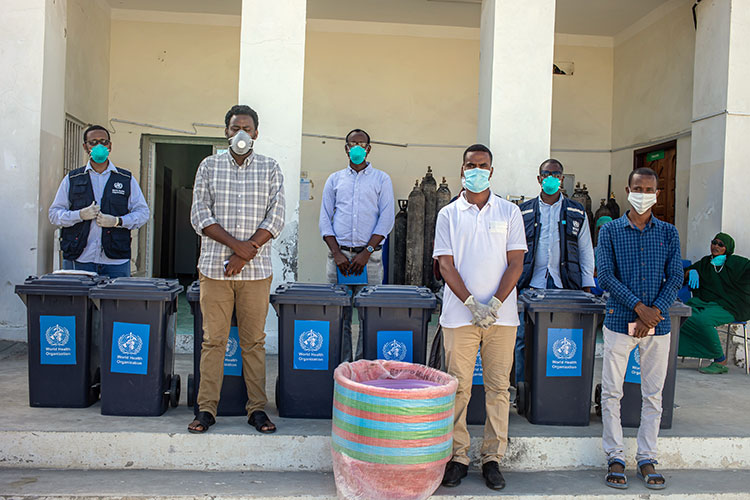
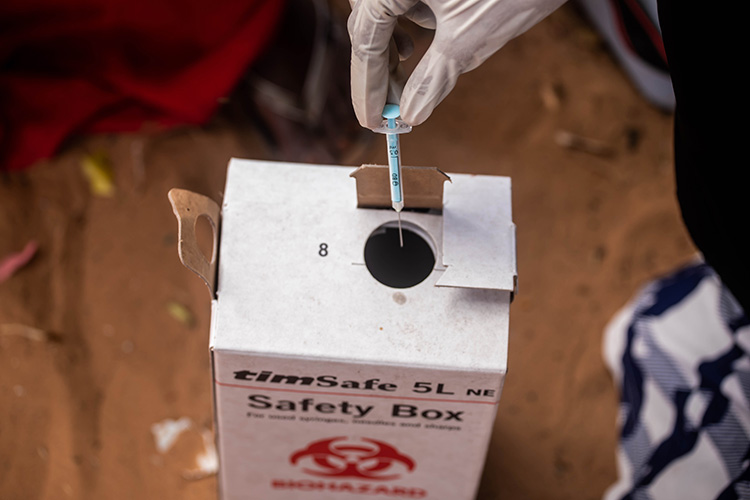
Dumping of waste in general and improper waste management by health facilities also exacerbates the spread of diseases.

Some health facilities contract local businesses to help get rid of waste. However, WHO has noted that some businesses dump this waste in rivers nearby. When it is hot and dry, this waste accumulates on the river bed, and with the rains and floods, it washes onto shores, where people harvest this water and sell it in town.

Families who purchase this water and drink it without any purification risk contracting diseases like dengue fever, ascariasis, ringworm (tinea), and scabies.

To manage waste at hospital and health facility level, WHO has been conducting supportive supervision in different states in the country.

During the supervision visits, medical teams have observed medical waste management are a key challenge and has been advocating for the use of incinerators.

Using these and more strategies, WHO urges Somalis, policy-makers and all partners to consider the links between the environment and community health and take solid steps to reduce the burden of diseases caused by environmental factors.

❮ ❯

Policy briefs
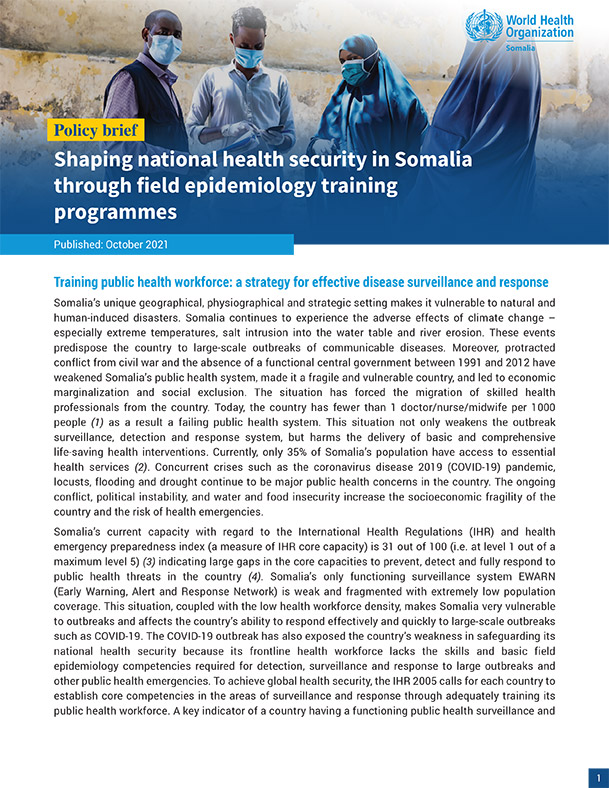
Shaping national health security in Somalia through field epidemiology training programmes

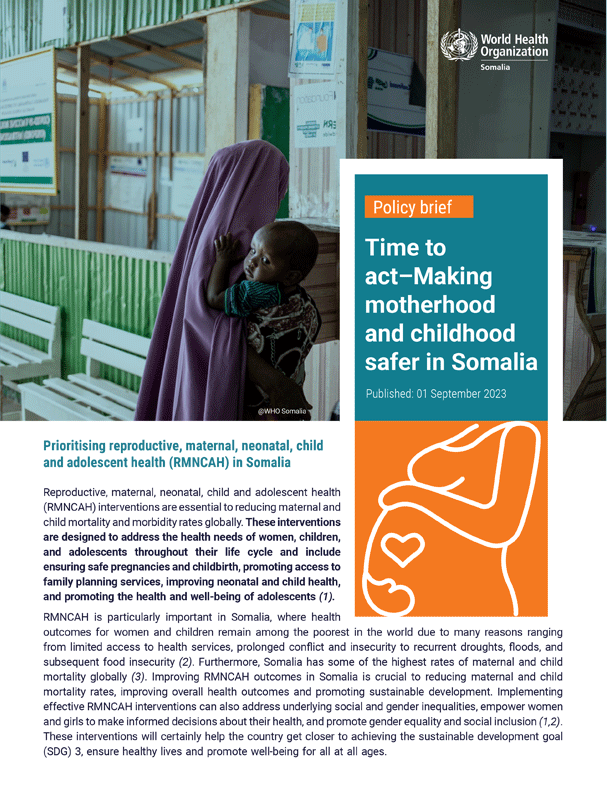
Time to act: making motherhood and childhood safer in Somalia

Shaping national health security in Somalia through field epidemiology training programmes

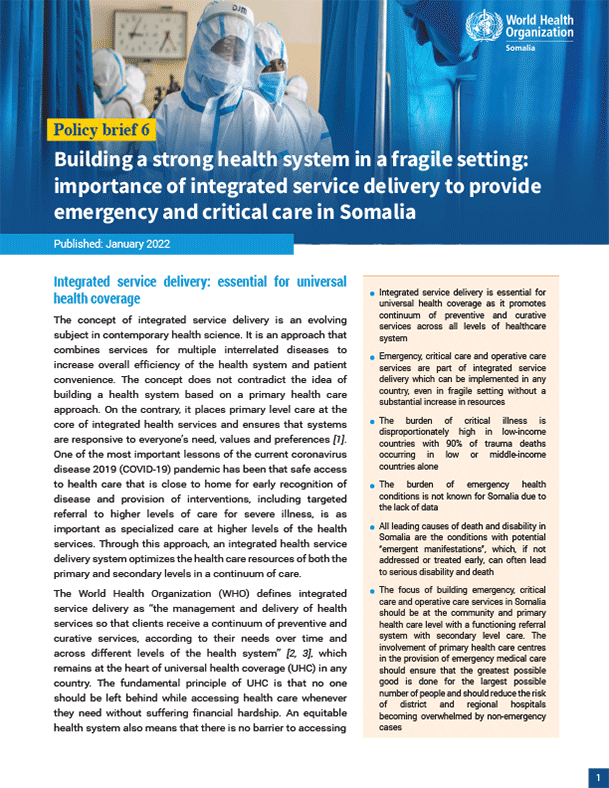
Building a strong health system in a fragile setting: importance of integrated service delivery to provide emergency and critical care in Somalia

Shaping national health security in Somalia through field epidemiology training programmes

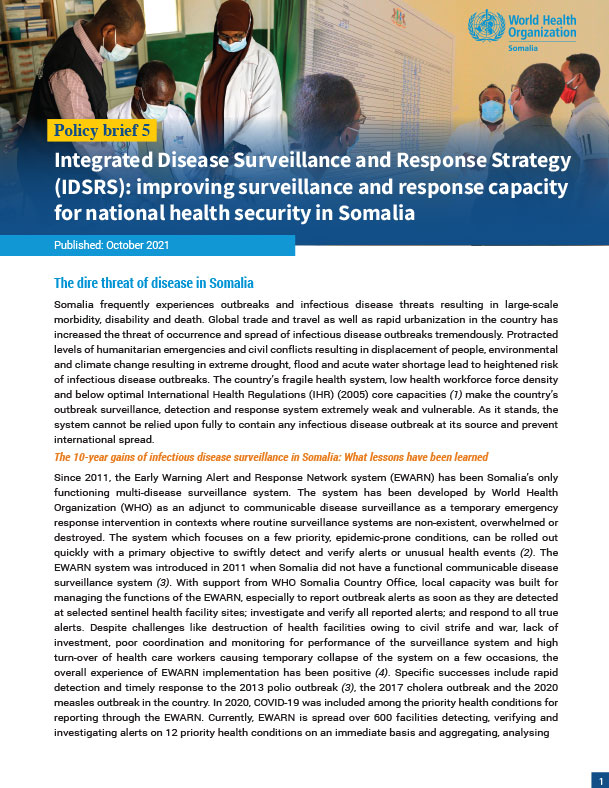
Integrated Disease Surveillance and Response Strategy (IDSRS): implementing surveillance and response capacity for national health security in Somalia

Shaping national health security in Somalia through field epidemiology training programmes

Shaping national health security in Somalia through field epidemiology training programmes

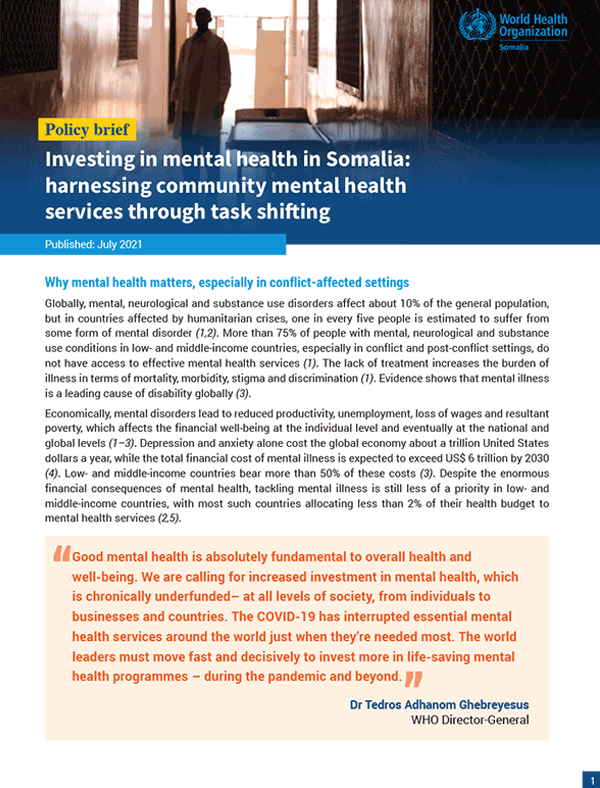
Policy brief: mental health

Investing in mental health in Somalia: harnessing community mental health services through task shifting

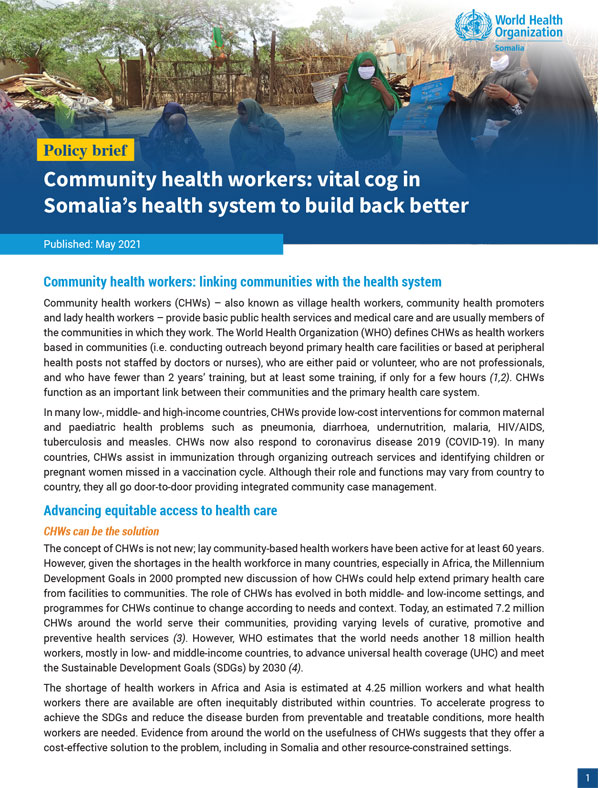
Policy brief: Community Health Workers - a vital cog in Somalia's health system to build back better

Community Health Workers - a vital cog in Somalia's health system to build back better

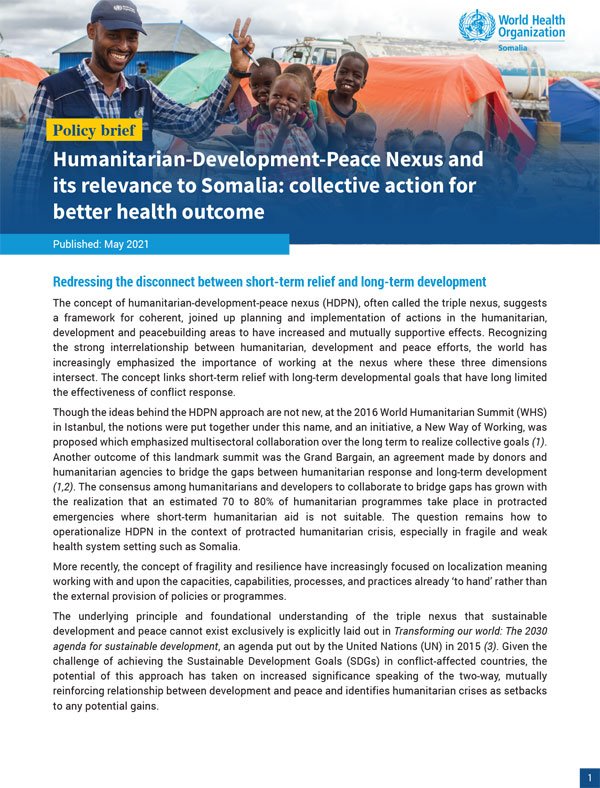
Policy brief: Humanitarian-Development-Peace Nexus and its relevance to Somalia: collective action for better health outcome

Humanitarian-Development-Peace Nexus and its relevance to Somalia: collective action for better health outcome

WHO's work in pictures

WHO's work in Somalia in pictures - 2021
WHO'S work in pictures 2021: establishing a strong health system beyond COVID-19
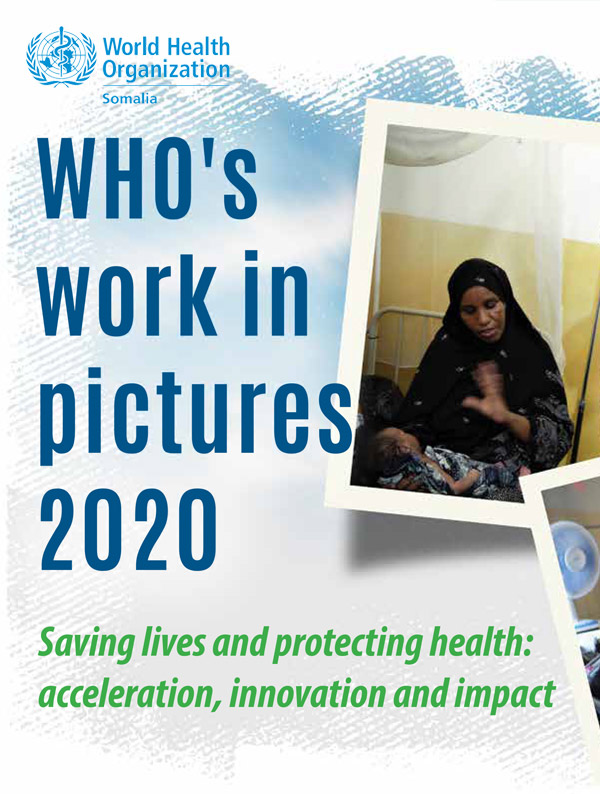
WHO's work in Somalia in pictures - 2020
WHO'S work in pictures 2020. Saving lives and protecting health: acceleration, innovation and impact
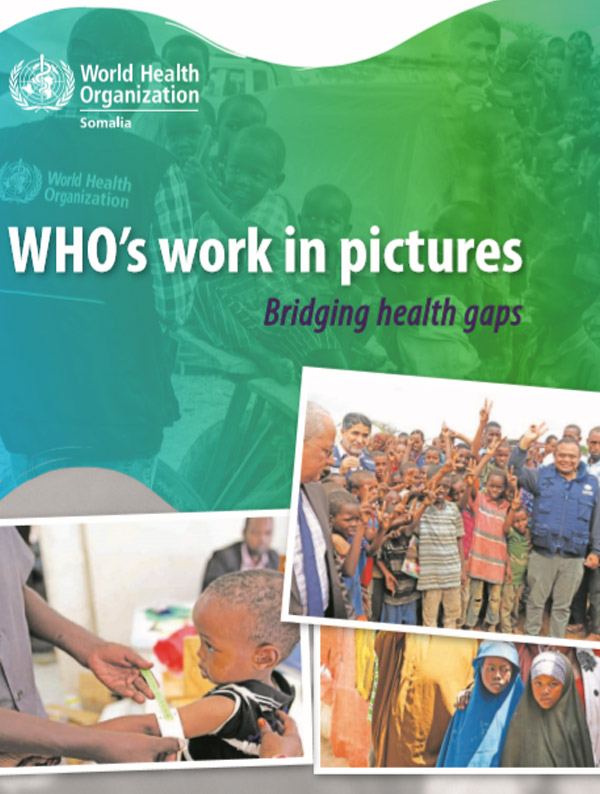
WHO’s work in pictures - bridging the health gaps
WHO's work in pictures: bridging health gaps

Our work in pictures during 2020

Saving lives and protecting health: acceleration, innovation and impact

This album shows the work of the WHO country office in Somalia during 2020. The album documents the progress made by WHO in Somalia to improve health outcomes of the population of Somalia and highlights important achievements.

Photo credits: Ms Fouzia Bano, Communications Officer, WHO Somalia country office
1 / 11

Ensuring health for all for everyone everywhere: leaving no one behind

WHO has continued its work with the Government and other partners to improve primary health care (PHC) services to achieve universal health coverage (UHC).

At the request of the Federal Government, WHO started 2020 with a 3-level mission from 12 to 17 January 2020, with representatives from WHO headquarters, the Regional Office and the country office. Under the theme of PHC for UHC, the mission aimed to support the country in reviewing the current status of PHC in the country and identifying priorities and strategic directions to advance UHC. The recommendations of this mission led to the development of an Essential Package of Health Services (EPHS) by the Federal Ministry of Health, which was officially presented to the donors by the Government on 3 December 2020. The development of the EPHS, from conceptualization to content development, including prioritization of health services for different levels of health care, was supported by WHO.

WHO’s commitment to advance UHC in the context of a fragile health system and protracted crisis was reflected during the year through its organization of policy discourses, strategic engagement with partners and advocacy for building a stronger and resilient health system to achieve health for all.

During 2020, the country office also scaled up work in connection with the “Global Action Plan for Healthy Lives and Well-being for All”, especially in the PHC accelerator theme for which Somalia has been identified as a pilot country. As part of the work, the WHO country office participated in the PHC measurement initiative and also finalized a road map for bridging gaps in availability of, and access to, medical oxygen at health centres in the country.

2 / 11

Ensuring every child counts even during the pandemic: minimizing disruption to routine immunization

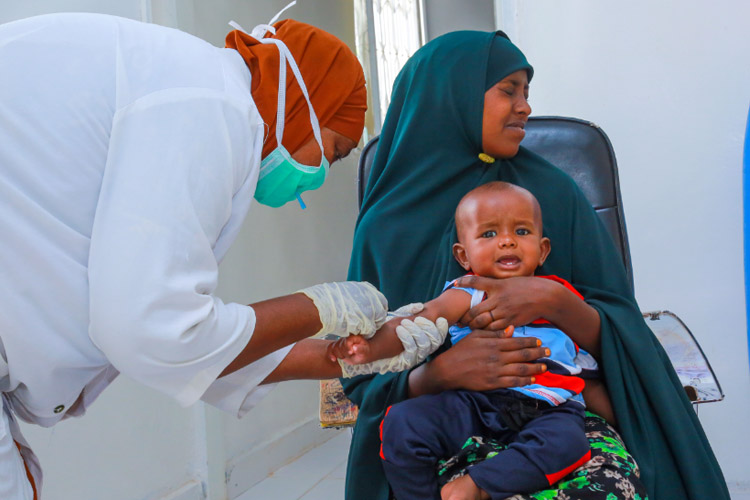
By offering life-saving vaccinations to children under the age of 1, routine immunization gives every Somali children a healthy start in life. This was severely challenged during the pandemic.

Despite the effect of COVID-19 on access to regular health services during the first half of 2020, WHO’s intensified support to the routine immunization programme helped essential health services for children to resume. In March and April, Somaliland and Puntland implemented an integrated campaign to support routine immunization coverage, which had been negatively affected by COVID-19. The integrated campaign administered measles vaccines, bivalent oral polio vaccine, vitamin A and deworming tablets to children. A similar campaign was conducted in Banadir in September. In total, 1 536 932 children received the bivalent oral polio vaccine, 1 416 950 children received measles doses, 1 395 699 children received vitamin A supplements and 1 194 948 children were given deworming tablets.

In 2020, 514 567 (83%) children aged under 1 received pentavalent 1 450 983 (73%) children received pentavalent 3 and 433 863 (70%) children received the first dose of measles vaccines. Despite this coverage, about 105 000 children did not receive the pentavalent 1 vaccine, 169 000 children did not complete 3 doses of pentavalent and 186 000 children aged under 1 missed their first measles dose. These missed cases are all attributed to the negative effect of the COVID-19 pandemic on routine immunization.

3 / 11

Enabling access to safe essential medicines: ensuring rational drug use at every health facility

In 2020, WHO supported the Somali Government to develop a national action plan on antimicrobial resistance. As a result, from October 2020 onwards, Somalia has been enrolled in the WHO Global Antimicrobial Resistance Surveillance System (GLASS), which supports global surveillance and research to strengthen the evidence on antimicrobial resistance. Promotion of the rational use of drugs continues as an important part of the work of the WHO country office. Work on antimicrobial resistance and Somalia’s enrolment in GLASS will generate further information on the country’s progress in improving the rational use of essential medicines in health centres.

WHO also supported the Federal Ministry of Health in conducting a survey of the pharmaceutical sector to determine access, availability, affordability, quality and rational use of medicines at the health-facility level. This survey was conducted in 65 health facilities – 30 public facilities, 30 private pharmacies and 5 public warehouses. The survey found that: 76% of public health centres, 83% of private pharmacies and 74% of public warehouses had key essential medicines available; 70% of public health centres and 87% of public warehouses had adequate stock records; and in 96% of public health centres, prescribed medicines were dispensed free of charge.

4 / 11

Ending tuberculosis: scaling up treatment and care in the midst of the pandemic

Despite disruption of the routine programme for universal access to treatment and care due to pandemic, WHO continued to support the Government to maintain essential TB services in such difficult and challenging settings. 17 139 TB cases were reported in 2020, of which 16 887 were drug-sensitive TB cases and 252 were drug-resistant TB cases. Case notification for drug-sensitive TB dropped by 0.5%, while that for drug-resistant TB dropped by nearly 24%, possibly as a result of COVID-19. Even though health service delivery for TB patients was severely strained, the cure rate for drug-resistant TB cases improved from 87% in 2018 to 92% in 2020.

5 / 11

Eliminating malaria: continuing control efforts despite disruption of services

Despite severe disruptions to services and control activities because of the COVID-19 epidemic, WHO continued its work to reduce malaria and improve vector control across the country with the goal of achieving malaria-free status.

In 2020, 341 341 suspected cases of malaria were tested, of which 27 526 were positive. All these cases were treated with artemisinin-based combination therapy. Compared with 2019, the number of malaria cases treated declined by 30% (39 341 cases of malaria were treated in 2019).

WHO also scaled up control efforts in high-risk areas for malaria control. To that end, 1 473 529 long-lasting insecticidal nets were distributed to 2 947 058 people in malaria-prone areas. WHO also supported indoor residual spray activities in flood-affected areas as a core intervention to reduce and control the risk of a surge in malaria cases. An estimated 269 685 people were protected by these control interventions.

6 / 11

Controlling neglected tropical diseases: keeping sight of elimination goals

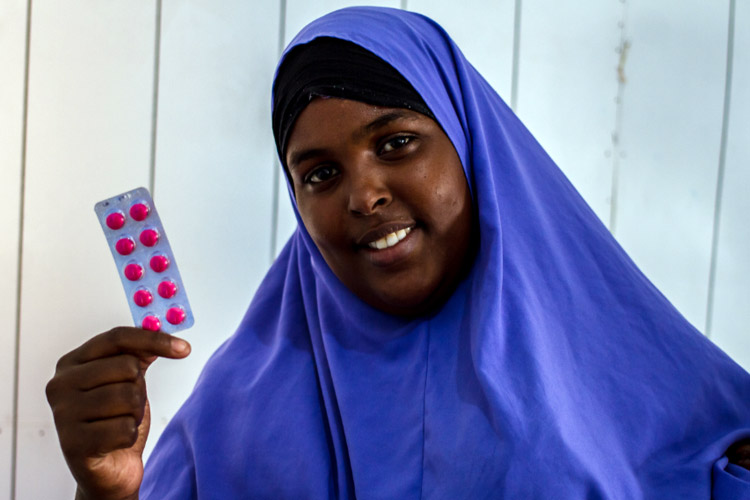
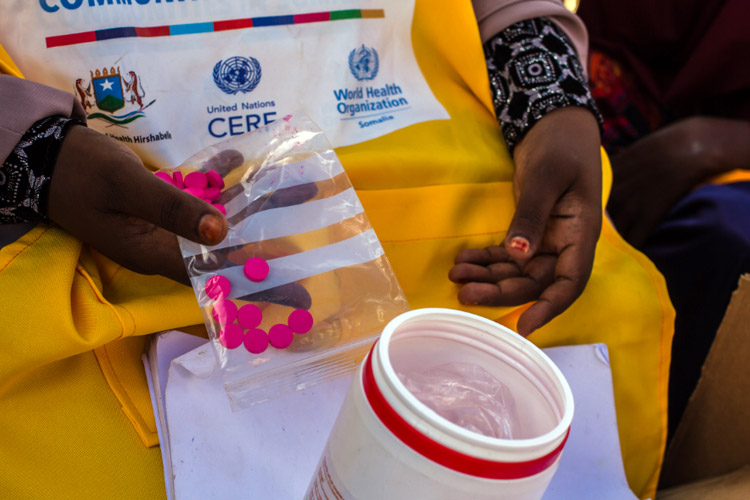
WHO maintained and worked to accelerate its efforts to control neglected tropical diseases in 2020, keeping sight of elimination goals for leprosy, schistosomiasis, soil-transmitted helminthiases and visceral leishmaniasis. With WHO’s support, a third round of mass drug adminstration for soil-transmitted helminthiases and schistosomiasis was conducted despite severe constraints on movement of people across the country and logistics challenges for drug administration. The mass drug adminstration covered 1 666 618 school-aged boys and 1 118 143 school-aged girls. A total of 5 099 986 tablets of praziquantel were distributed for schistosomiasis as well as 2 765 595 tablets of mebendazole to protect people from infections caused by worms.

Across the country in 2020, 2643 cases of leprosy were also detected and treated in owing to improved case detection and case findings.

7 / 11

Managing HIV/AIDS: sustaining universal access to health services

Despite the low prevalence of human immunodeficiency virus/acquired immunodeficiency syndrome (HIV/AIDS) in Somalia, WHO efforts continued to ensure universal access to prevention, treatment and care services.

By the end of December 2020, of the 10 409 people estimated to be living with HIV in Somalia, 3697 were receiving antiretroviral therapy, up from 3326 of 10 674 people living with HIV at the end of 2019. This increased the coverage of antiretroviral therapy for people living with HIV to 35.5% in 2020, up from 31.2% at the end of 2019. HIV testing for TB patients reached a coverage of 94.4% in 2020, and 81.6% of those found co-infected with TB and HIV were reported to have started antiretroviral therapy.

8 / 11

Eradicating polio: reaching every last child to stop transmission

Even though Somalia has been free of wild poliovirus since 2014, the country’s polio eradication programme detected outbreaks of circulating vaccine-derived poliovirus types 2 and 3 (cVDPV2 and cVDPV3) in late 2018. Since then, Somalia has continued to experience outbreaks of cVDPV2 every year; in 2020, 14 children were confirmed with cVDPV2 in the country. The pandemic challenged WHO’s continued efforts to stop and interrupt transmission of circulating vaccine-derived poliovirus in the country.

In 2020, 1 536 932 (90%) children were offered bivalent oral polio vaccines. During September and October 2020, outbreak response campaigns were conducted in the states to provide the monovalent oral polio vaccine. During each campaign, 94.6% and 96.0% of targeted children were covered, respectively. In December 2020, a nationwide campaign offering bivalent oral polio vaccine covered 97.1% of the targeted children.

9 / 11

Protecting the vulnerable: ensuring a continued response to health emergencies during the pandemic

Despite the pandemic, WHO managed and responded to other recurrent threats and risks to ensure that any outbreaks did not progress to become a major health concern.

In 2020, 6589 cholera cases and 33 deaths due to cholera were reported which was higher than 2019, and the cumulative attack rate was 183 cases per 100 000 populations. This increase may have been as a result of disruption of services for cholera control and elimination. Nonetheless, WHO’s support for improving case management and access to care resulted in the low case-fatality rate of 0.5% throughout the country.

As different types of emergencies occurred in the country, including armed violence, WHO continued to monitor the number of people injured or affected by such violence and responded accordingly.

10 / 11

Coordinating humanitarian health action during COVID-19: leading the response through the Health Cluster

Coordination is key to launching a robust and effective health response in any country. During the pandemic, the Health Cluster oversaw the regular coordination of more than 120 health partners in the country that jointly provided a strategic health response to the country’s humanitarian needs which were exacerbated during the pandemic. In 2020, 26 local and international Health Cluster partners provided 2.3 million outpatient consultations across the country, reaching 91% of the annual target. The highest proportion of consultations (17%) was in Banadir and 58% of the consultations across the country were provided to females.

11 / 11

Confronting COVID-19: accelerating the response

Somalia confirmed the first case of coronavirus disease (COVID-19) on 16 March 2020. By the end of 2020, the country had reported 4726 confirmed cases of COVID-19 (including 245 health care workers) with 130 associated deaths.

Since January 2020, WHO Somalia supported the country to prepare for and respond to COVID-19. This support included the establishment of incident management support teams to coordinate and enhance public health preparedness and response at national and subnational levels, covering a range of important areas such as surveillance and maintenance of essential health services.

In 2020, over 3300 community health workers were deployed by WHO to enhance detection and response activities at the community level. They detected 9048 alerts of COVID-19 through door-to-door visits. At the same time, 73 rapid response teams were deployed at the district level in 51 priority districts to investigate the alerts. Of all confirmed cases reported by the country, 42% were detected by these community health workers.

WHO equipped 694 health facilities with the Early Warning Alert and Response Network for early detection, investigation and response to COVID-19 and 14 other priority diseases. Testing capacity for COVID-19, which did not exist before the pandemic, was established in 24 laboratories across Somalia with the support of WHO. To offer care for COVID-19 patients, WHO supported the Government to establish 19 isolation centres, trained staff and provided salaries for staff and equipment and supplies. WHO trained 7189 health workers in surveillance, case management, infection prevention and control and risk communication in 2020.

Information on the trajectory of the COVID-19 epidemic was shared regularly with partners through weekly situation reports.

❮ ❯

Annual reports

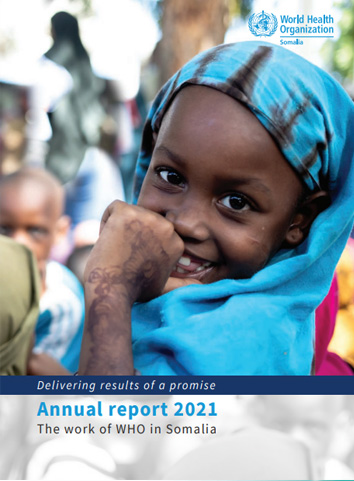
Annual report 2021
Delivering results of a promise
Annual report 2019
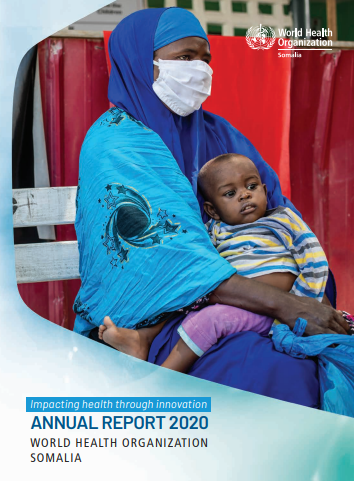
Impacting health through innovation
Annual report 2019
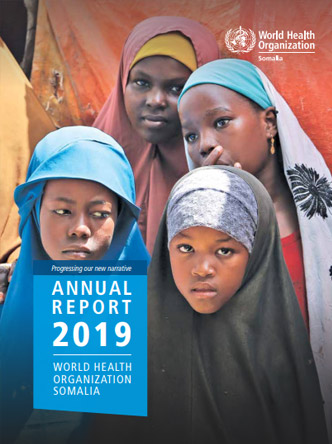
Progressing our new narrative
Annual report 2018
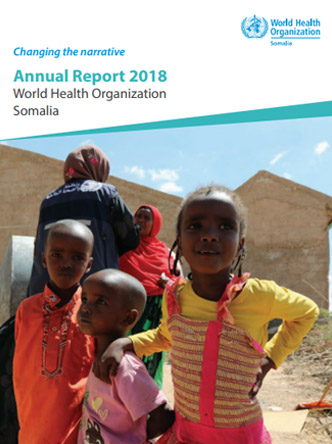
Changing the narrative

Health Cluster bulletins

2021

Health Cluster bulletin, June 2021

Health Cluster bulletin, May 2021

Health Cluster bulletin, April 2021

Health Cluster bulletin, March 2021

Health Cluster bulletin, February 2021

Health Cluster bulletin, January 2021

2020

Health Cluster bulletin, December 2020

Health Cluster bulletin, November 2020

Health Cluster bulletin, October 2020

Health Cluster bulletin, August-September 2020

Health Cluster bulletin, July 2020

Health Cluster bulletin, April-June 2020

Health Cluster bulletin, January 2020

2019

Health Cluster bulletin, December 2019

Health Cluster bulletin, November 2019

Health Cluster bulletin, September-October 2019

Health Cluster bulletin, July-August 2019

Health Cluster bulletin, May-June 2019

Health Cluster bulletin, January-April 2019

2018

Health Cluster bulletin, November 2018

Health Cluster bulletin, September- October 2018

Health Cluster bulletin, August 2018

Health Cluster bulletin, July 2018

Health Cluster bulletin, March-April 2018

Health Cluster bulletin, January- February 2018

2017

Health Cluster bulletin, November 2017

Health Cluster bulletin, September 2017

Health Cluster bulletin, July 2017

Health Cluster bulletin, June 2017

Health Cluster bulletin, May 2017

Health Cluster bulletin, April 2017

Health Cluster bulletin, March 2017
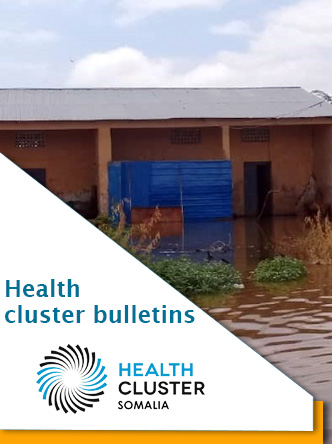
Health Cluster bulletin, February 2017

Health Cluster bulletin, January 2017

Health Cluster bulletins

Related links

Humanitarian response: The Somali Health Cluster

Health Cluster: Somalia

  • 1
  • 2
  • Plan du site
    • Accueil
    • Thèmes de santé
    • Centre des médias
    • Données et statistiques
    • Ressources
    • Pays
    • Programmes
    • À propos de l'OMS
  • Aide et services
    • Travailler à l'OMS
    • Droits d’auteur
    • Privacy
    • Nous contacter
  • Bureaux de l'OMS
    • Siège de l'OMS
    • Région de l'Afrique
    • Région des Amériques
    • Région du Pacifique occidental
    • Région de l'Asie du Sud-Est
    • Région de l'Europe
WHO EMRO

Politique de confidentialité

© OMS 2025