


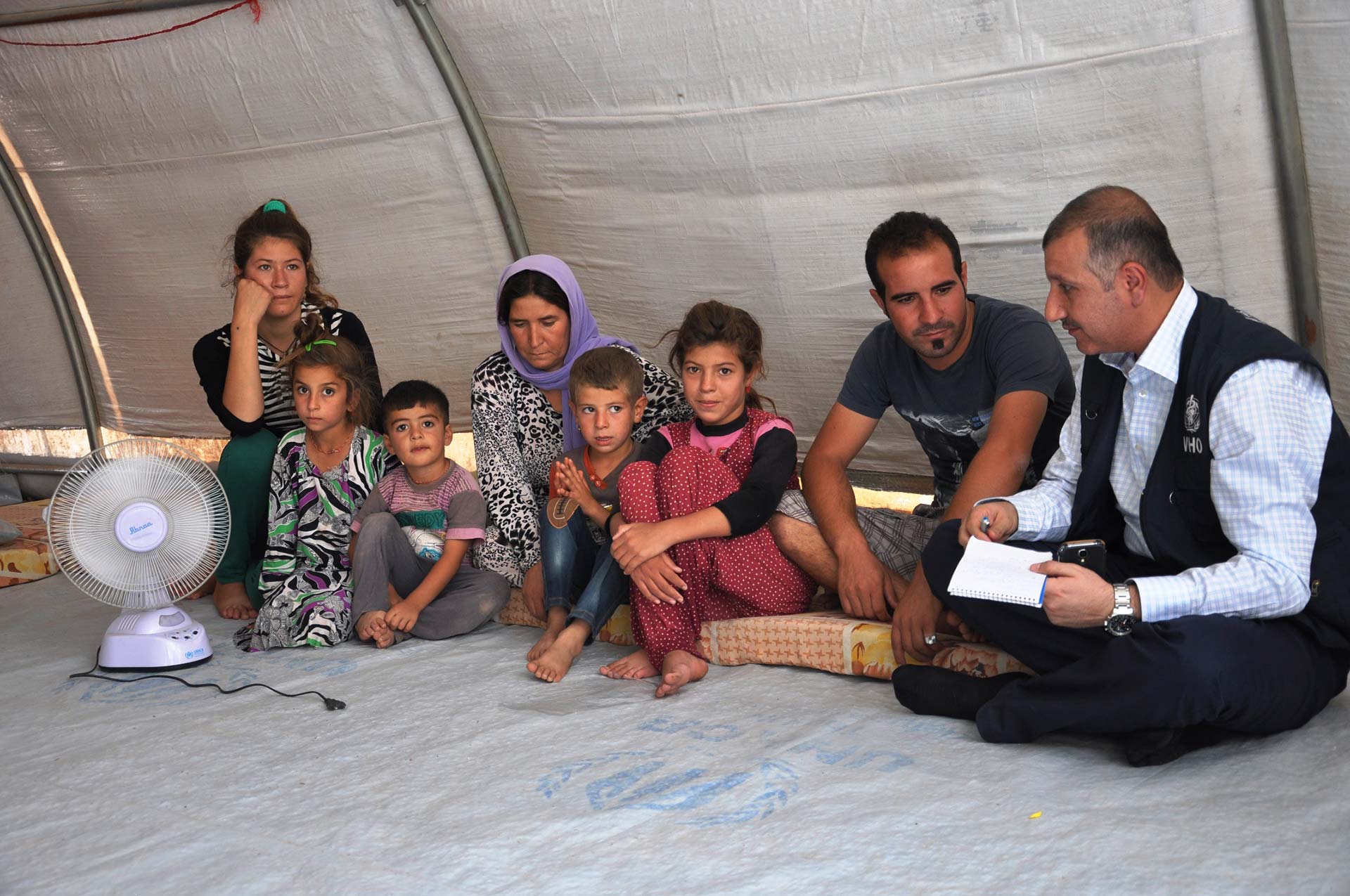
 Photo credit: WHO
Migration has always been an intrinsic part of human history, weaving together stories of aspiration, resilience, and hope. In our interconnected world, the movement of people across borders is both a challenge and an opportunity—one that demands thoughtful, collaborative solutions. At the heart of progressive migration governance lies the principle of inclusion: ensuring that policies and practices genuinely reflect the needs of migrants and empower them as agents of social and economic transformation. The Migration Multi-Partner Trust Funds—vital financial mechanisms designed to mobilize resources, foster partnerships, and anchor migrant-centric priorities at the national level.
Migration Multi-Partner Trust Funds (MPTFs) are pooled funding platforms that aggregate contributions from multiple donor-governments, international organizations, and the private sector—to support coordinated, comprehensive migration responses. Unlike isolated, project-based funding, MPTFs enable strategic alignment across stakeholders, ensuring that resources are channeled into initiatives that are impactful, sustainable, and responsive to real-world needs.
No single entity can address the complex tapestry of migration alone. Migration touches on every aspect of national life—from health and education to labor and social cohesion. By bringing together the governments of Iraq, Jordan and Lebanon as well as three UN agencies WHO, IOM and UNDRR, MPTFs create spaces for dialogue, knowledge-sharing, and joint action. This collaboration was the first of its kind. They transform fragmented efforts into a symphony of collaboration, where the expertise of each partner amplifies the collective impact. This spirit of partnership is not just a financial necessity; it is a cornerstone of inclusive policymaking.
One of the unique strengths of MPTFs is their capacity to bridge global solidarity with national ownership. By aligning donor priorities with local needs, these funds empower host governments and civil society actors to take the lead in migration governance. National authorities are not passive recipients; they are active architects, shaping and implementing programs that reflect their realities and aspirations. This bottom-up approach ensures that policies are not only inclusive but also sustainable.