

Sélectionnez votre langue
Mass polio vaccination campaign to continue in the Gaza Strip
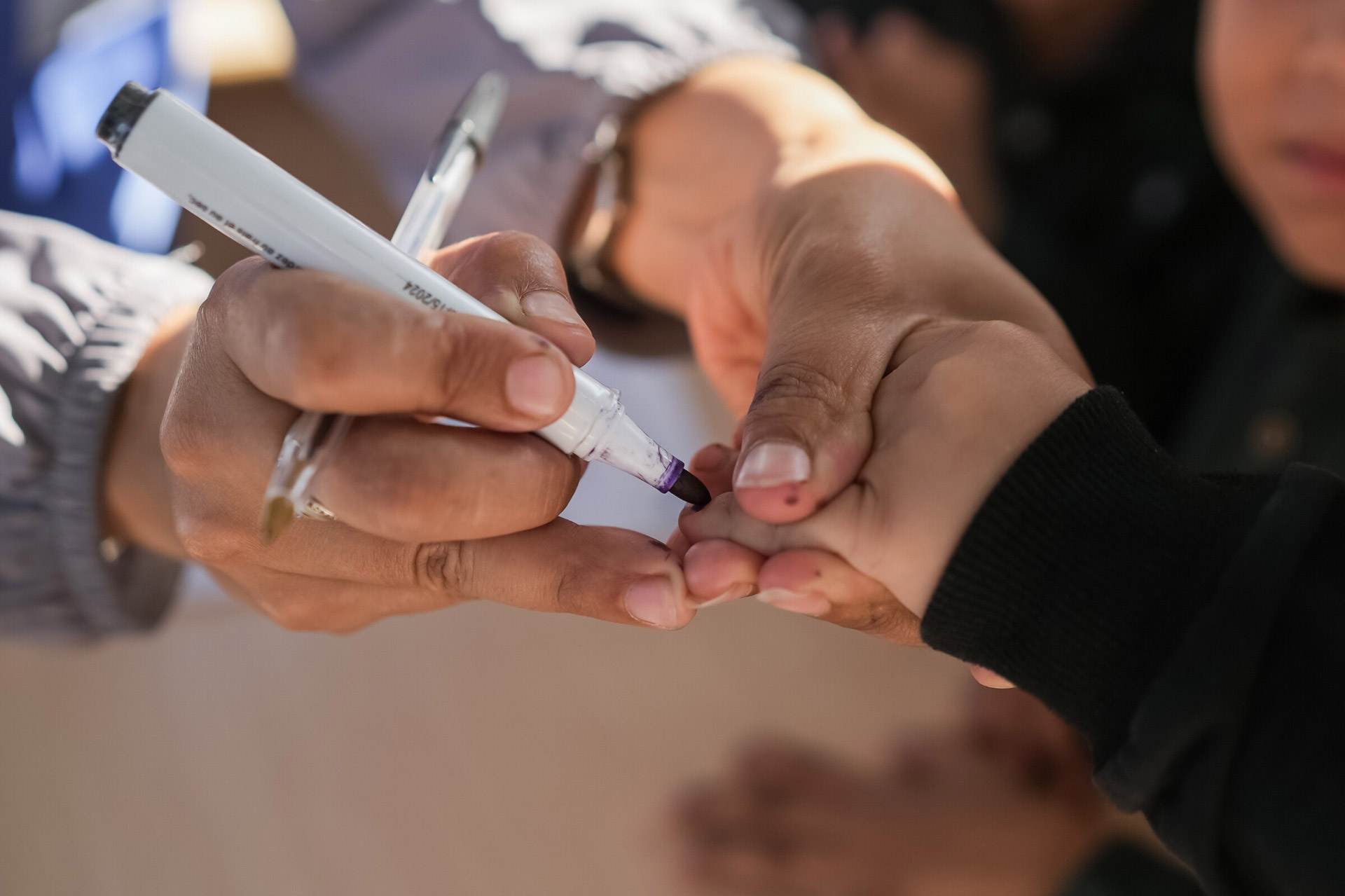
19 February 2025, The emergency polio outbreak response in the Gaza Strip is continuing, with a mass vaccination campaign scheduled from 22 to 26 February 2025. The novel oral polio vaccine type 2 (nOPV2) will be administered to over 591,000 children under 10 years of age to protect them from polio. This campaign follows the recent detection of poliovirus in wastewater samples in Gaza, signaling ongoing circulation in the environment, putting children at risk.
Pockets of individuals with low or no immunity provide the virus an opportunity to continue spreading and potentially cause disease. The current environment in Gaza, including overcrowding in shelters and severely damaged water, sanitation, and hygiene infrastructure, which facilitates fecal-oral transmission, create ideal conditions for further spread of poliovirus. Extensive population movement consequent to the current ceasefire is likely to exacerbate the spread of poliovirus infection.
Two previous vaccination rounds in the Gaza Strip were successfully conducted in September and October 2024, reaching over 95% of the target. As poliovirus is found to remain in the environment, additional vaccination efforts are needed to reach every child and strengthen population immunity. The presence of the virus still poses a risk to children with low or no immunity, in Gaza and throughout the region.
In 2024, health workers faced significant challenges accessing certain areas of central, north and south Gaza, which required special coordination to enter during the conflict. In inaccessible areas such as Jabalia, Beit Lahiya, and Beit Hanoun where humanitarian pauses for the vaccination campaign were not assured, approximately 7,000 children missed vaccination during the second round. The recent ceasefire means health workers have considerably better access now.
No additional polio cases have been reported since a ten-month-old child was paralyzed in August 2024, but the new environmental samples from Deir al Balah and Khan Younis, collected in December 2024 and January 2025, confirm poliovirus transmission. The strain detected is genetically linked to the poliovirus detected in the Gaza Strip in July 2024.
The upcoming vaccination campaign aims to reach all children under 10 years of age, including those previously missed, to close immunity gaps and end the outbreak. The use of the oral polio vaccine will help end this outbreak by preventing the spread of the virus. An additional polio vaccination round is planned to be implemented in April.
The campaign will be led by the Palestinian Ministry of Health and implemented with support from the World Health Organization (WHO), United Nations Children’s Fund (UNICEF), United Nations Relief and Works Agency for Palestine Refugees (UNRWA) and other partners.
Polio vaccines are safe and there is no maximum number of times a child should be vaccinated. Each dose gives additional protection which is needed during an active polio outbreak.
WHO, UNICEF, and partners welcome the recent ceasefire and urge for a lasting ceasefire that leads to long-term peace.
Humanitarian access improves quality of polio vaccination campaign in the Gaza Strip
 28 February 2025, A five-day mass polio vaccination campaign in the Gaza Strip concluded on Wednesday, reaching nearly 603 000 children under 10 years of age with novel oral polio vaccine type 2 (nOPV2) following comprehensive, simultaneous access to all five governorates during the ongoing ceasefire. The campaign was conducted as part of emergency efforts to end an ongoing poliovirus outbreak and prevent further spread in the Gaza Strip.
During this round, an additional 40 000 children were vaccinated as compared to the previous two rounds conducted in September and October 2024, after poliovirus was detected in the Gaza Strip. The ceasefire enabled health workers to reach more children who had missed vaccinations due to displacement during the phased approach, living in areas that previously required special coordination for access, or being unreachable during the October 2024 round due to insecurity in North Gaza, including Jabalia, Beit Lahiya, and Beit Hanoun.
Strong community engagement and awareness of vaccination benefits had maintained high immunization rates in the Gaza Strip, where 89% of children received the third dose of oral polio vaccine in 2023, before the conflict. This round drew upon 1660 vaccination teams, 1242 of which were mobile, and deployed 1242 social mobilizers. Despite bad weather conditions, families welcomed the initiative and brought their children to points where they could receive the polio vaccine.
The campaign was conducted by the Palestinian Ministry of Health and implemented with support from the World Health Organization (WHO), the United Nations Children’s Fund (UNICEF), the United Nations Relief and Works Agency for Palestine Refugees (UNRWA), and other partners.
As part of the Global Polio Eradication Initiative’s commitment to mount a robust poliovirus outbreak response, surveillance for disease in children and for virus circulation in the environment has also been intensified since July 2024. It was this timely surveillance that detected ongoing environmental circulation of the virus, and the need to conduct additional vaccination to protect children.
As the ceasefire provides an opportunity to resume critical public health functions, working to recover Gaza’s previously strong disease surveillance and routine immunization are the best ways to protect children from polio and other vaccine-preventable diseases. Ending polio hinges on fully vaccinating every last child with polio vaccines. Ensuring uninterrupted access to safe water, sanitation and hygiene, and proper nutrition will protect children from many diseases including polio.
WHO, UNICEF and partners continue to call for a lasting ceasefire that leads to long-term health and peace.
Healthy Beginnings, Hopeful Futures - On World Health Day WHO calls for an immediate ceasefire in Gaza
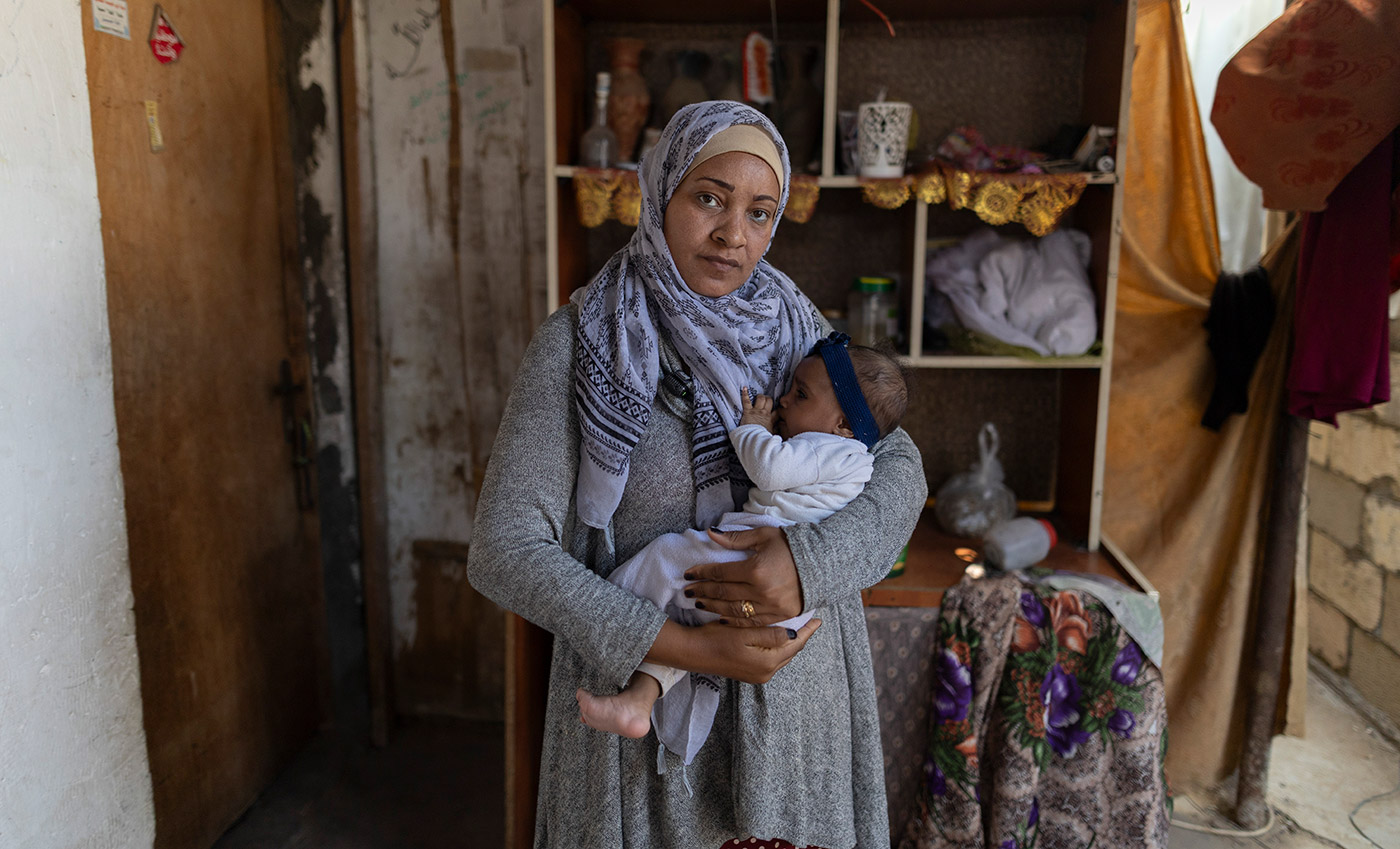
Jerusalem, Cairo, Geneva, 7 April 2025 - On World Health Day, with the theme “Healthy beginnings, hopeful futures,” the Gaza Strip continues to be one of the most dangerous places to be a child and where pregnancy is clouded by fear due to ongoing violence, displacement and lack of medical access.
Between 18 March and 4 April 2025, since the resumption of hostilities, reportedly more than 500 children and 270 women have been killed. No aid has entered Gaza since 2 March 2025, deepening the hunger and malnutrition crisis, leaving families without clean water, shelter, and adequate health care, and increasing the risk of disease and death.
An estimated 55 000 women are pregnant in Gaza, with one third facing high-risk pregnancies. Around 130 babies are born each day, 27% by caesarean. Approximately 20% of newborns are pre-term, underweight, or born with complications, needing advanced care that is rapidly diminishing.
The fragile health system is overwhelmed by the influx of casualties, including among children. Essential medicines, trauma and medical supplies are rapidly running out, threatening to reverse hard-won progress rehabilitating hospitals and keeping them operational. Evacuation orders and attacks on health further restrict access to health care and risk closure of hospitals and medical facilities.
Due to the aid blockade, WHO’s supplies for maternal and child health, including for cesarean sections, anesthesia for delivery and pain management, intravenous fluids, antibiotics, and surgical sutures, are critically low. Blood units needed for complicated deliveries are in extremely short supply. Partners report that essential equipment and medicines, such as portable incubators, ventilators for neonatal intensive care, ultrasound machines, and oxygen pumps, along with 180 000 doses of routine childhood vaccines — enough to fully protect 60 000 children under the age of two — have not been permitted to enter, leaving ill newborns and young children without the life-saving care they urgently need.
The food shortage is deepening the crisis and threatens to reverse the progress made in food security during the ceasefire. Mothers and children are hit hard. A recent Nutrition Cluster analysis found that between 10 to 20% of 4500 surveyed pregnant and breastfeeding women are malnourished. The closure of 21 outpatient malnutrition treatment sites, due to insecurity or evacuation orders, has disrupted life-saving care for over 350 acutely malnourished children and has severely limited the ability to detect and treat new cases.
Despite security risks and access restrictions severely hampering WHO’s response, efforts to support health facilities and strengthen maternal and child health services continue amid dwindling supplies. Focus is on the delivery of essential medicines, equipment, and supplies, training of health workers, and deploying emergency medical teams to enable safe deliveries and care for sick children.
WHO urgently calls for the lifting of the aid blockade, the protection of health care, unimpeded humanitarian access across Gaza, the immediate resumption of daily medical evacuations, release of hostages, and a ceasefire that paves the way for lasting peace.
Related links
https://www.who.int/emergencies/situations/conflict-in-Israel-and-oPt
The European Union and the World Health Organization sign an agreement of EUR 2.88 million to support the Palestinian Health System
Jerusalem, 26 June 2024, the European Union and the World Health Organization signed an agreement to strengthen the health financing system and rationalize medical referrals, while protecting the poor and vulnerable patients. The agreement was signed at the Palestinian Prime Minister Office in the presence of the Palestinian Minister of Health Dr Majed Abu Ramadan and Minister of Finance, Mr Omar al-Bitar.
The agreement aims to support the efforts of Ministry of Health in ensuring equitable access to quality health care services to all Palestinians, amid the challenging financial situation and the consequences of the war in Gaza.
The action will address the unsustainable financing of the health sector and the increasing financial burden of the medical referrals. It will foster policy dialogue on rationalizing health expenditures and improving efficiency of the health system. The action will also focus on strengthening the governance of the medical referral system to be more efficient, transparent and fairer to all patients, in addition to strengthening medical specializations at public hospitals to rationalize medical referrals.
“The European Union reiterates once again its commitment to support the Palestinian Authority in improving its public services. For years, the EU has worked towards ensuring access to quality health care services through direct financial support to the Palestinian Authority for the cost of medical referrals to East Jerusalem Hospitals. This new partnership with the World Health Organization will help the Palestinian Authority in its efforts to reform the health system towards a more sustainable, efficient and equitable system" said the European Union Representative, Alexandre Stutzmann.
“WHO is grateful to the European Union for its longstanding partnership. This project will support the Ministry of Health in implementing its health financing reform priorities, including improving the performance of the referral system. It will also assist in revising the essential health package to guide the investment in health services and strengthen economic analysis within the Ministry of Health to inform future prioritization and planning” said the Representative for WHO in the occupied Palestinian territory, Richard Peeperkorn.
Background:
The project is funded by the EU and will be implemented by the World Health Organization. The project aims to strengthen the Palestinian health financing system and improve Outside Medical Referrals towards a more efficient and equitable system to contribute to universal health coverage, while preventing financial hardship for the poor and vulnerable population.
The project will address the unsustainable financing of the health sector and the increasing burden of the cost of medical referrals amid fiscal constraints. The project results will mainly focus on the following; a) evidence and strategy guidance made available for policy makers to make decisions for rationalizing health expenditures; b) the Outside Medical Referrals System will be strengthened through revised process, procedures and updated protocols adding more equity, efficiency and transparency to the referral process; c) the health benefit package will be revised and costed, which will support in redesigning the levels of care and organization of services leading eventually to meeting population needs in an efficient manner; d) capacities of health workforce will be developed in specific medical specializations, which shall help case treatment at public hospitals and reduce outside medical referrals; and e) capacity in data analytics and financial risk protection developed for informed health care policies and for better monitoring and transparency of the referral system.
Contacts:
The World Health Organization:
Bisma Akbar (02 5400595)
The Office of the European Union Representative
Shadi Othman (02 5415 867, 0599 673 958); Inas Abu Shirbi (02 541 5 859, 0599 673 957)