

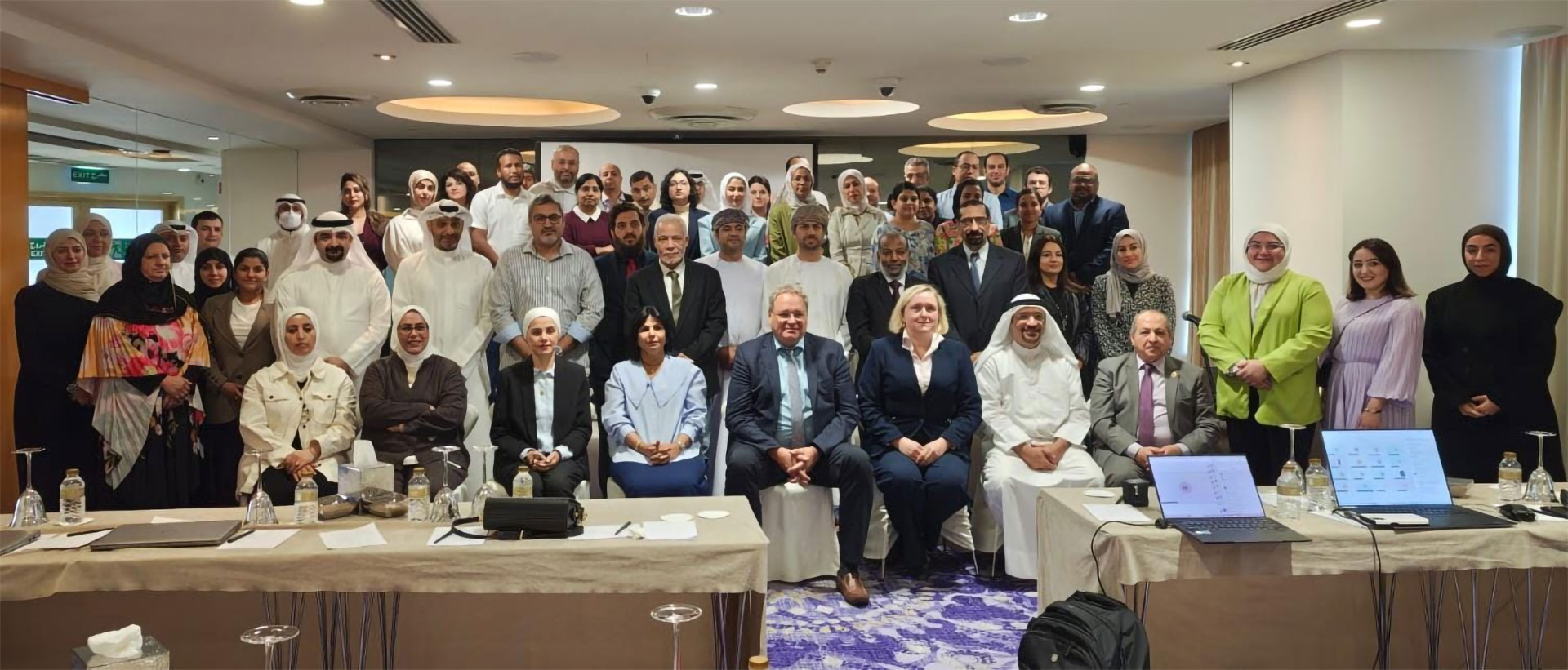
 Group photo taken during the Regional Capacity-Building on the WHO International Classification of Health Interventions (ICHI) meeting, held from 16–19 November 2025
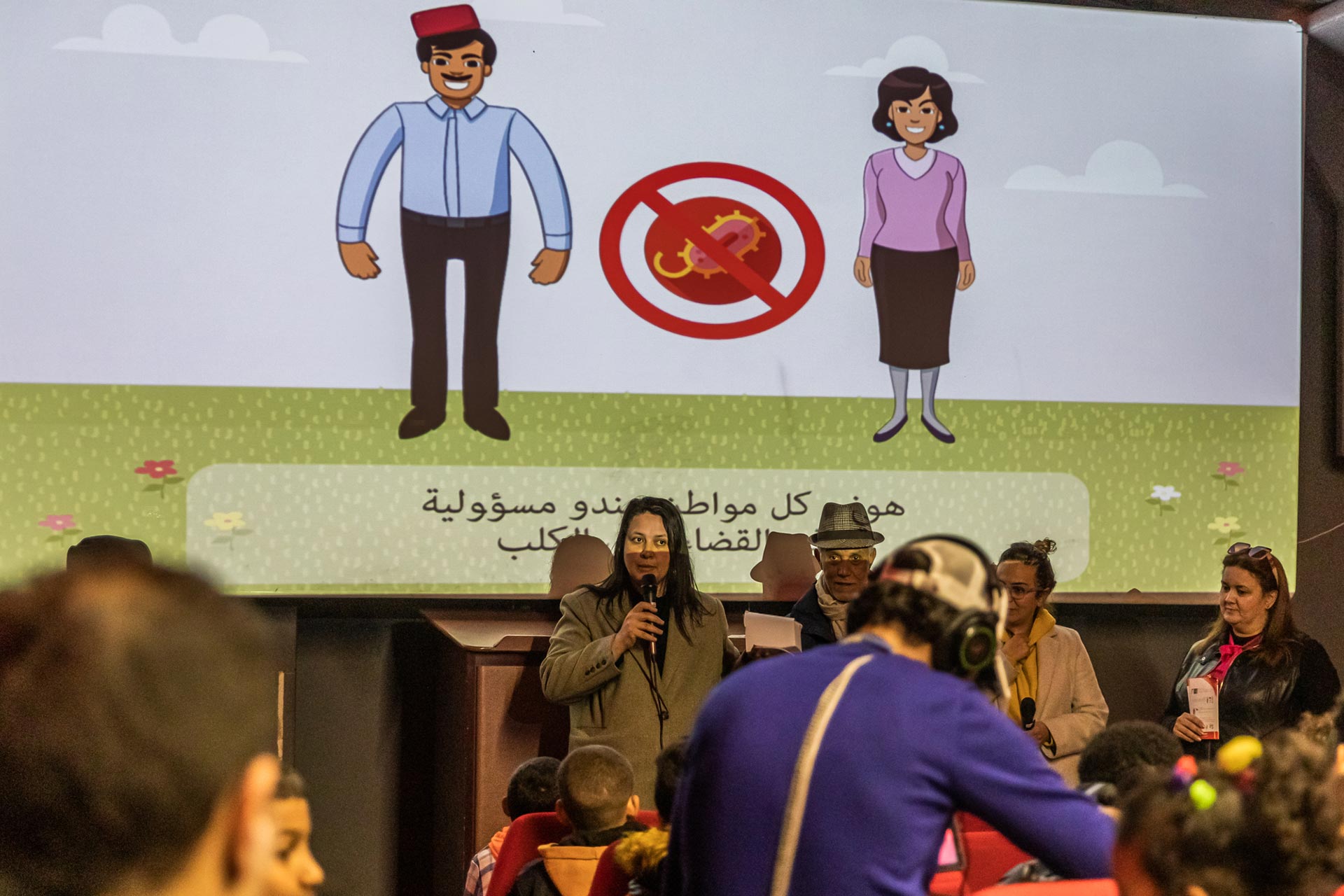
More than 60 participants attended a capacity-building workshop on the International Classification Health Interventions (ICHI), in Kuwait City, Kuwait, jointly organized by WHO and Kuwait WHO Collaborating Centre for the Family of International Classifications (WHO-FIC). The training was held in a hybrid format, with in-person participation from Bahrain, Egypt, the Islamic Republic of Iran, Jordan, Kuwait, Oman and Saudi Arabia and virtual participants from Egypt and the Islamic Republic of Iran. The aim of the workshop was to build capacity on the ICHI and discuss ICHI/International Classification of Diseases (ICD) coding within the WHO Eastern Mediterranean Region and other regions.
The training was inaugurated by the Head of WHO-FIC, followed by an overview on the function of the National Center for Health Information in Kuwait from the WHO Representative in Kuwait. The Coordinator for Information Systems for Health, WHO Regional Office for the Eastern Mediterranean, provided opening remarks, and the CRVS focal person in the WHO Regional Office highlighted WHO-FIC’s work within the Region, and outlined the training’s objectives and agenda.
The first two days of the workshop focused on training on the ICHI, while the final two days addressed country experiences and the sharing of practices. Participant feedback from the training will feed into consultations with countries in 2026, prior to submission of the ICHI for endorsement by WHO Member States in 2027.